Does Purple Shampoo Ruin Your Hair? Clear Answers and Safe Usage Tips
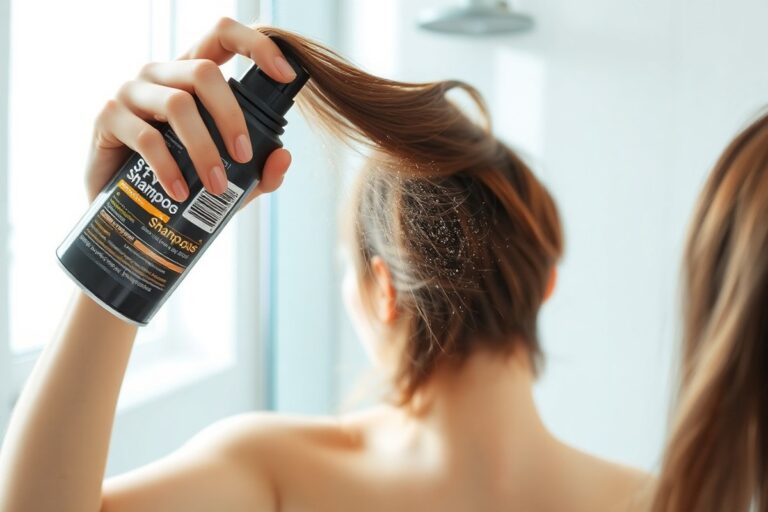
Does purple shampoo ruin your hair? Not if you use it right. Purple shampoo can help neutralize brassy tones without harming your hair.
The key is how long you leave it on and how often you use it. Violet pigments work best if left on wet hair for 3 to 5 minutes. Using it too frequently, like every day, may cause dryness or dullness.
Leaving it too long or using it too often can dry out your hair. Start with 2 to 3 minutes and see how your hair reacts before adjusting. Always follow with a good conditioner to keep hair soft and hydrated.
Remember, purple shampoo is a toner, not a daily shampoo. Rotate it with your regular shampoo to avoid overuse and keep your hair healthy and bright.
Key Takeaways
- Apply purple shampoo to wet hair for 3 to 5 minutes for best results.
- Limit use to 1, 2 times per week to avoid hair dryness or damage.
- Wait 48 to 72 hours after bleaching before the first purple shampoo wash.
- Leave purple shampoo on bleached hair for no more than 15 minutes.
- Start with 2 to 3 minutes if you’re new to purple shampoo.
- Choose a formula made for your hair type to avoid unwanted dryness.
Can Purple Shampoo Actually Ruin Your Hair?

Purple shampoo does not inherently ruin your hair. Its main purpose is to neutralize brassy tones using violet pigments. These pigments don’t strip or weaken your hair like harsh chemicals do.
Damage happens mostly when purple shampoo is overused or misused. Using it daily can dry out your hair. This is worse if your hair is bleached.
Porous hair also gets drier faster. That dryness can make hair feel rough and brittle over time.
Choosing a high-quality purple shampoo is important. Look for formulas without strong sulfates or alcohol, which can add to dryness. Leaving the shampoo on for more than 5 minutes can stain your hair.
It may turn purple instead of just toning. Be careful with timing.
Your hair type also matters. Fragile or damaged hair has less tolerance for any product, including purple shampoo. Switching to a gentler product or reducing how often you use it can help avoid problems.
The real cause of damage is not the purple shampoo itself but how you use it. Following directions, using it once or twice a week, and rinsing well helps protect your hair. Treating purple shampoo like a conditioner, not a daily cleanser, will keep your hair safe.
People with healthy hair tend to have no issues when using purple shampoo occasionally. But if you notice dryness, stiffness, or a purple tint, adjust your routine. Stop overusing the product and add moisturizing treatments to repair hair.
How Purple Shampoo Works to Neutralize Brassy Tones

Purple shampoo fights yellow and brassy tones in hair. Purple and yellow are opposite on the color wheel. That’s why it works well on brassiness.
Purple pigments stop yellow hues in your hair. Yellow causes brassiness on blonde, silver, and highlighted strands.
The color wheel opposites balance each other. Orange tones, found more in brunette hair, aren’t neutralized as well by purple shampoo.
Main pigments in purple shampoo include Acid Violet 43. Basic Violet 2 is also a common pigment. These violet colors give purple shampoo its tone.
These pigments deposit a light purple color onto the hair strands during washing. The purple tint lowers yellow and brassy tones.
It helps your hair look cooler and fresher. It won’t change your hair’s base color.
Lightening breaks down hair’s natural or fake pigment. Toning adds color on top without removing pigment. Toning doesn’t damage hair like bleaching does.
Purple shampoo adds violet pigment to tone your hair. It won’t bleach or lighten your hair’s natural shade. It simply refreshes your blonde or silver color.
Purple shampoo freshens blonde shades in your hair. It doesn’t lighten darker hair tones. It also avoids damage that bleaching might cause.
Don’t leave purple shampoo on longer than 5 minutes. Overuse can cause a slight purple tint or dryness.
Wet your hair well before using purple shampoo. Massage a little shampoo through and leave for 3 to 5 minutes. Rinse well to avoid purple stains or dryness.
Purple shampoo usually costs between $10 and $25. One bottle can last several months with regular use. Prices vary by brand and size.
Good results mean your blonde looks brighter and cooler. Brassiness should disappear or fade significantly. Your hair looks fresh without odd color tones.
Dull, orange, or greenish hair means something’s off. Maybe you used the wrong shampoo for your hair type. Leaving toning shampoo on too long can also cause this.
Safe Usage: How Long to Leave Purple Shampoo on Hair
Leaving purple shampoo on hair 3 to 5 minutes works best. It helps tone down brassy tones. Don’t leave it longer to avoid problems.
You give the violet pigments time to work well. It won’t dry your hair too much.
It also prevents a purple tint from forming. Adjust the duration depending on how brassy or fragile your hair is.
Short Duration for Regular Maintenance
For routine use, aim to leave purple shampoo on your hair for about 3 minutes. This timeframe helps keep brassiness under control without drying out your hair. Most people with light blonde or highlighted hair find this sufficient to maintain their color.
Apply a small amount of shampoo to wet hair. Focus on yellow or orange areas. Work the shampoo in gently for best results.
Rinse thoroughly after 3 minutes. Using it once or twice a week fits most maintenance needs well.
Extended Timing for Strong Brassiness
Your hair is very brassy? Extend the shampoo time to 5 minutes. This helps deposit more violet pigment for stronger toning.
It darkens warmer tones more effectively but still keeps your hair safe. Avoid going past 5 minutes unless your hair is very coarse or extremely brassy.
Check your hair regularly while rinsing to see if the desired tone is achieved. Overdoing it risks a dull, purple hue. Follow any time limits on the shampoo’s label to protect your hair.
Maximum Safe Exposure to Avoid Over-Toning
Leaving purple shampoo on for more than 5 minutes often causes over-toning. This shows as a blue or purple tint on blonde or white hair. Over-exposure can also dry hair, especially if it is already damaged or porous.
Only leave it on longer if your stylist recommends it. Watch your hair closely during this extra time. Rinse out the shampoo as soon as violet tint appears.
Don’t leave it on too long. Use a conditioner right after purple shampoo to restore moisture.
Adjustments for Porous or Fragile Hair
Porous or damaged hair absorbs purple pigments quickly, which means less time is needed. Leave purple shampoo on for 2 to 3 minutes to avoid buildup or dryness. You can dilute purple shampoo with a regular shampoo or conditioner to soften its effect.
Always follow with a moisturizing conditioner to prevent stripping natural oils. Use purple shampoo less often if your hair feels dry or brittle. This keeps your hair healthier and stops over-toning.
Follow these steps for safe and effective use of purple shampoo:
- Wet your hair completely to ensure even shampoo application.
- Put on gloves to prevent staining your hands.
- Apply purple shampoo focusing on brassy areas, usually near roots or ends.
- Massage gently to spread the shampoo without tangling your hair.
- Leave the shampoo on for 3 to 5 minutes, adjusting for your hair’s brassiness and condition.
- Rinse thoroughly with lukewarm water to remove all shampoo residue.
- Follow with a hydrating conditioner to replenish moisture.
- Use purple shampoo once or twice weekly based on your hair’s needs.
How Often Should You Use Purple Shampoo Without Causing Damage?
Use purple shampoo about once a week or every second wash. Using it too often may dull your hair or cause a light purple shade. Purple shampoo adds violet tones that can accumulate with frequent use.
Your hair type changes how often you should use purple shampoo. For fine or porous hair, less frequent use helps avoid dryness. Thick or coarse hair might handle purple shampoo twice a week without problems.
- Apply purple shampoo with lukewarm water to open hair cuticles
- Leave it on for 1 to 3 minutes based on your hair’s needs
- Rinse thoroughly to prevent purple residue
- Follow with a nourishing conditioner or hair mask
- Adjust frequency if hair feels dry or brittle
- Use less often on balayage or delicate highlighted hair
- Monitor color and texture weekly to decide on usage
Using purple shampoo too often dries your hair by stripping natural oils. It may make your hair stiff and dull over time. Conditioners and hair masks after shampooing help keep your hair soft and hydrated.
Some people with gray hair can use purple shampoo more frequently to avoid yellow tones. Brown or darker hair usually needs purple shampoo less often or a milder formula. Pay close attention to how your hair reacts to find the best schedule.
Identifying Purple Shampoo Damage: Key Signs to Watch For
Watch for these signs to spot damage from purple shampoo use. Hair may feel dry and brittle, lacking natural moisture. It can also snap easily, especially when wet or during combing.
Hair might look dull or lifeless instead of shiny and healthy. Notice a purple, gray, or ashy tint?
You might have left the shampoo on too long. Frequent use also causes pigment buildup beyond normal toning effects.
- Excessive dryness with rough texture
- Unwanted purple or gray tint
- Higher breakage or snapping of strands
- Dull, lifeless hair appearance
- Increased tangling and difficulty combing
Dryness alone is normal after shampoo, but damage feels brittle and breaks easily. Normal dryness softens with conditioner, but damage may worsen over time. Breakage or split ends show the hair cuticle has weakened.
Severe damage needs treatment like deep conditioning or professional care. Strong discoloration or large clumps breaking off means stop using purple shampoo. Also, avoid aggressive brushing to prevent more breakage.
Leave purple shampoo on only for the recommended time to avoid buildup and dryness.
Choosing the Right Purple Shampoo for Your Hair Type
Picking the right purple shampoo depends on your hair’s needs and the product’s formula. Look for gentle ingredients if your hair is dry or damaged. You also want to avoid certain harsh chemicals that can worsen dryness or breakage.
Common Harmful Ingredients to Watch For
Check the label for sulfates, such as sodium lauryl sulfate. These can strip natural oils and dry your hair out. Some dyes and heavy alcohols may also cause brittleness or irritation.
Avoid shampoos with strong synthetic fragrances if your scalp is sensitive. Harsh preservatives can also lead to buildup and scalp problems over time.
Gentle and Hydrating Purple Shampoos
Choose sulfate-free purple shampoos with moisturizing ingredients like glycerin or avocado oil. These help keep your hair soft and hydrated.
Goldie Locks Brilliant Blonde purple shampoo contains avocado oil. Avocado oil nourishes dry hair.
It also helps balance pH levels. Your hair will feel less dry after use.
Special Formulas for Porous or Color-Treated Hair
Porous hair absorbs color and moisture unevenly. So pick shampoos built for color-treated or damaged hair. These usually contain extra conditioners and nourishing agents.
Using a hydrating purple shampoo weekly or every 1-2 weeks suits most people with treated hair. You can adjust this based on how your hair responds to the shampoo.
| Hair Type | Recommended Use | Notes |
|---|---|---|
| Fine Hair | Once a week | May need less frequent use to avoid dryness. |
| Thick or Curly Hair | Every 1-2 weeks | Can handle more frequent use because of natural oils. |
| Color-Treated Hair | Every 1-2 weeks | Watch for dryness; adjust frequency as needed. |
This table helps you plan how often to use purple shampoo. Starting slow and watching your hair’s feel can prevent over-drying or buildup.
Natural and Organic Options: What’s Realistic?
Some brands offer “natural” or organic purple shampoos. These avoid synthetic chemicals but may still contain strong pigments.
Natural formulas might be gentler but less potent. You may need to use them more often to get the same brass-fighting power. Check the ingredient list for nourishing oils and avoid harsh sulfates.
Best Practices for Applying Purple Shampoo Safely and Effectively
Applying purple shampoo the right way helps tone your hair without harm. Prepare your hair, apply evenly, rinse well, and follow with conditioner. These careful steps prevent dryness and uneven colour.
Pre-Wet Hair and Use Moderate Amounts
Start by fully wetting your hair with lukewarm water. Wet hair helps the shampoo spread and activates the purple pigments. Use only a moderate amount, about a quarter size, to avoid overloading your hair.
Too much shampoo can make your hair dry or stained purple. When hair is ready, you get better control of the product and prevent damage. Lukewarm water also helps open hair cuticles slightly for better toning.
Massage Shampoo Evenly Through Hair Lengths
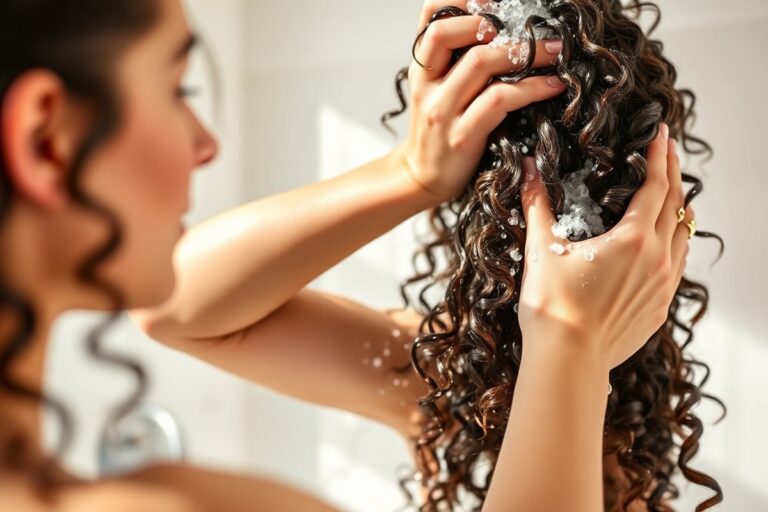
Distribute the purple shampoo evenly from roots to ends. Gently massage with your fingertips instead of rubbing hard. This helps spread the pigment evenly and avoids harsh tangling or breakage.
Combing through with a wide-toothed comb after lathering can help. Working the shampoo gently ensures every strand gets toned without patches. Avoid scrubbing vigorously since it can irritate your scalp or roughen hair cuticles.
Timing and Rinsing Techniques to Prevent Build-Up
Leave the shampoo on for the time recommended on the bottle, usually 3 to 5 minutes. Too long can cause a purple tint buildup, which looks unnatural. Rinse your hair thoroughly with lukewarm water to remove all shampoo.
Make sure no residue remains near your roots or scalp. Residual products can cause dullness or greasiness. Avoid hot water when rinsing, it can dry out your hair and fade the toner faster.
Follow with Conditioner or Hydrating Mask
After rinsing, apply a rich conditioner or deep hydration mask immediately. Purple shampoos can leave hair feeling dry, so moisturizing is key. Spread conditioner evenly through hair lengths and leave it on for several minutes.
A weekly deep conditioning treatment helps keep hair soft and shiny. Skip this step only if your hair feels very soft and moist. Hydrated hair holds the colour better and resists damage caused by bleaching or toning.
Here’s a step-by-step routine to apply purple shampoo safely:
- Wet hair thoroughly with lukewarm water.
- Apply a moderate amount of shampoo (about a quarter size).
- Massage shampoo evenly from roots to ends with fingertips.
- Use a wide-toothed comb to distribute if needed.
- Let shampoo sit for 3, 5 minutes according to instructions.
- Rinse hair completely with lukewarm water, removing all residue.
- Apply conditioner or deep conditioning mask on hair lengths.
- Leave conditioner on for a few minutes, then rinse well.
Repairing and Preventing Damage After Purple Shampoo Use
Dry or over-toned hair after using purple shampoo needs gentle care to bounce back. First, you want to use a deep conditioner or hair mask that restores moisture.
These products usually stay on your hair for 5 to 10 minutes. They cost around $10 to $30 based on brand and size.
Protein treatments help because purple shampoo can dry out hair. This is worse if your shampoo lacks added protein. Protein helps fill in gaps in the hair shaft, making strands stronger.
Use a protein treatment once every two weeks. Do this if your hair feels brittle or breaks easily.
- Apply a rich conditioner after every purple shampoo use to lock in moisture.
- Use a hydrating hair mask once a week for deep moisture replenishment.
- Incorporate a protein treatment every two weeks to rebuild hair strength.
- Trim your hair every 6 to 8 weeks to prevent split ends from worsening damage.
- Avoid using purple shampoo on overly dry or damaged hair until it improves.
- Use lukewarm water to rinse your hair, which keeps strands healthier than hot water.
- Consider a leave-in conditioner to add moisture and protection before styling.
Maintaining hair health means using purple shampoo alongside nourishing products. Use a conditioner for color-treated or damaged hair with your shampoo.
It quickly restores lost moisture. That helps stop brittleness and makes your hair easier to manage.
Trimming damaged ends every 6 to 8 weeks prevents damage from traveling up your hair shaft. Healthy ends also make your blonde look brighter and less dull. You can keep using purple shampoo safely when your hair feels hydrated and strong.
Always follow your purple shampoo with a rich conditioner to avoid dryness and breakage.
Step-by-Step Action Plan for Safe Purple Shampoo Use
Follow these steps to tone your blonde hair safely with purple shampoo. They help you avoid damage and see good results.
- Before You Start: Check your hair type and condition. Use a deep conditioner if it feels dry or brittle.
- First Use: Apply purple shampoo on wet hair for 2 minutes. Rinse and see if brassiness improves without dryness.
- Week 1: Use purple shampoo once every 7 days. Notice if your hair feels smooth and the brass tone fades.
- Week 3: Increase to twice a week if brassiness persists. Stop if the hair feels straw-like or rough.
- Ongoing: Always follow purple shampoo with a moisturizing conditioner. This helps keep hair soft and healthy.
- Monthly Check: Look for signs of damage like split ends or dryness. Cut back use or switch to a milder formula if needed.
- After 2 Months: Adjust frequency based on your hair’s response. Use less if your hair dries out or becomes brittle.
Frequently Asked Questions
Can Purple Shampoo Cause Dryness or Breakage?
Purple shampoo can cause dryness if overused because it can strip natural oils. Use it spaced out and follow with a good conditioner to keep hair hydrated.
Is Purple Shampoo Safe for All Hair Colors?
Purple shampoo is best for blondes, bleached, or highlighted hair, not for dark hair. It neutralizes yellow tones, which don’t show on darker hair.
Can Purple Shampoo Lighten or Bleach My Hair?
Purple shampoo won’t lighten or bleach your hair; it only deposits violet pigments. It tones brassy hues but doesn’t change hair color chemically.
Does the Ingredient List in Purple Shampoo Matter?
Yes, look for gentle formulas with moisturizing ingredients. Harsh sulfates or high alcohol can dry or weaken your hair over time.
Can Purple Shampoo Irritate My Scalp?
Purple shampoo may irritate sensitive scalps due to its color pigments or certain chemicals. Patch test first or choose a mild version if you have scalp issues.
Is It Okay to Mix Purple Shampoo with Other Hair Products?
Mixing purple shampoo with other products isn’t recommended during the same wash. Use it alone for 3 to 5 minutes to get the best toning effect.
Wrapping Up
Purple shampoo won’t ruin your hair if used carefully. Apply it for short times and protect your hair with conditioner. Start by testing your hair with purple shampoo for 2 minutes.
Watch how your hair reacts to it. Adjust usage based on the result.