What Is Barbicide? A Complete Guide to Safe and Effective Salon Disinfection
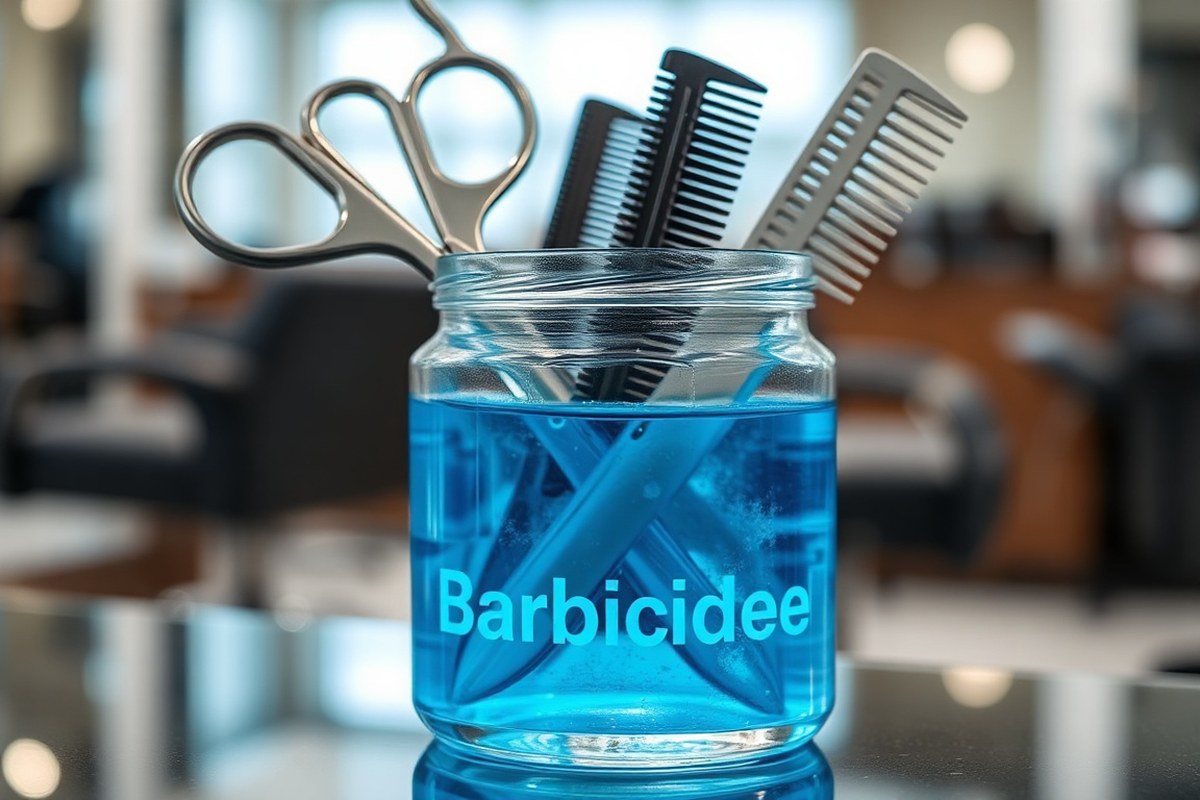
What is Barbicide? It’s a disinfectant specially made for salons.
You dip your tools in it to kill germs and keep things safe. It works fast and leaves your gear clean and ready for the next client.
Barbicide is a blue liquid disinfectant. It has about 5% Alkyl dimethyl benzyl ammonium chloride. This is its active chemical ingredient.
This chemical breaks down bacteria and viruses on tools like combs, scissors, and clippers. You dilute it with water using a standard 1 to 16 ratio before use.
To get the best results, soak your tools fully for 10 minutes. Make sure the tools stay wet during this entire time to kill all germs. That simple step keeps your clients safe and your salon up to code.
Key Takeaways
- Mix Barbicide concentrate with water at a 1:16 ratio before use.
- Soak tools in the prepared solution for at least 10 minutes.
- Keep tools fully submerged and wet for the entire disinfecting time.
- Use a Barbicide jar for soaking scissors, clippers, and razors.
- Spray surfaces from 6 to 8 inches away until fully wet.
- Flush eyes with water for 15 minutes if Barbicide splashes in them.
What Is Barbicide and How Does It Work?

Barbicide is a disinfectant used in salons and barbershops. It cleans hair styling tools and hard surfaces. You rely on it for safety and hygiene.
Barbicide was created in the 1940s by Maurice King. He designed it to keep barber tools germ-free.
It has been trusted since then. It works by killing germs, fungi, and viruses on non-porous surfaces like scissors, combs, and razors.
Barbicide contains alkyl dimethyl benzyl ammonium chloride. It also has alkyl dimethyl ethyl benzyl ammonium chloride. Both are key active ingredients.
These ingredients attack bacteria and virus cell membranes. This action kills many harmful germs. It supports thorough disinfection in salons.
Barbicide works against Hepatitis B and C viruses. It also kills HIV and various fungi. This broad coverage protects clients and staff.
To disinfect tools, you mix 2 ounces of Barbicide concentrate with 32 ounces of cold water. Always fully immerse clean tools in Barbicide solution. Keep them submerged for at least 10 minutes.
This ensures full disinfection. Spray Barbicide from 6 to 8 inches away from surfaces.
Keep the sprayed area wet for 10 minutes. This kills germs on hard surfaces.
Barbicide’s long-standing trust comes from its EPA registration and hospital-grade formula. Professionals rely on it because it consistently meets hygiene standards and prevents the spread of infections. Barbicide cleans metal tools without causing damage.
It works quickly to fit salon schedules. This makes it a salon staple over 70 years.
How to Prepare and Mix Barbicide Safely
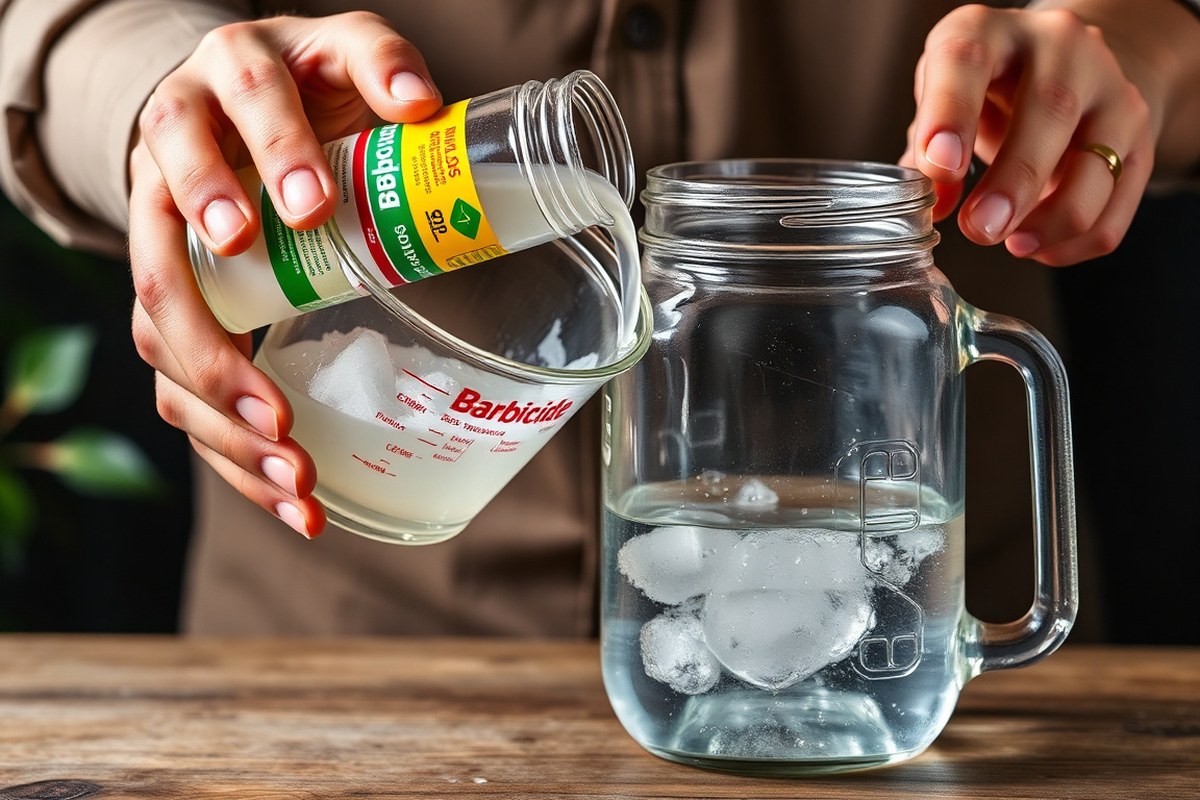
Mix Barbicide concentrate with cold water at a 1:16 ratio for effective disinfection. Use 2 ounces of the concentrate for every 32 ounces of water. Handle the concentrate carefully to avoid skin or eye contact during mixing.
Recommended Dilution Ratios
The standard mix is 2 ounces of Barbicide concentrate into 32 ounces of cold water. This represents a 1 part Barbicide to 16 parts water ratio. For Barbicide TB concentrate, dilute 1 ounce in 128 ounces (1 gallon) of water.
Use a measuring cup or bottle with clear markings to get precise amounts. Avoid guessing or eyeballing measurements; incorrect ratios can reduce effectiveness or cause residue. Keeping the ratio consistent ensures the disinfectant kills bacteria, viruses, and fungi as intended.
Safe Mixing Procedures
Put on gloves before handling Barbicide concentrate to protect your skin. Avoid splashing to prevent accidental eye exposure. Mix Barbicide in a well-ventilated area away from food or drinks.
Follow these steps for safe mixing:
- Put on protective gloves and eye protection.
- Measure 32 ounces of cold water into a clean mixing container.
- Carefully add 2 ounces of Barbicide concentrate to the water.
- Stir gently to combine without splashing.
- Place the mixed solution in a labeled, closed container.
- Wash your hands after finishing the mix.
Never mix Barbicide concentrate with hot water; it can reduce disinfectant power.
Water Types for Mixing Barbicide
Use cold tap water for mixing Barbicide. Avoid hot water. Only use other water if your tap is very hard or dirty.
Distilled water works best in areas with poor tap water quality. Avoid using hot water, as it may break down the solution’s active ingredients.
Cold water ensures the best disinfecting action and prevents dilution errors. Notice buildup or cloudiness in your Barbicide jar? Switch to distilled water.
It helps keep the solution clear. Always prepare fresh solution daily for maximum safety and performance.
Correct Usage: How to Disinfect Tools with Barbicide
Tools need a full 10-minute soak in a properly mixed Barbicide solution. Only non-porous items like combs, shears, and metal tools are fit for soaking. You use specially designed Barbicide jars to fully submerge them during this time.
Immersion Times for Different Tools
A 10-minute Barbicide soak is needed for most non-porous tools. This covers stainless steel nippers, pushers, curettes, metal drill bits, and hard plastics. Porous items like wooden sticks or nail files cannot be soaked and must be discarded or given to the client.
Barbicide needs at least ten minutes to kill bacteria, viruses, and fungi. This time ensures the surfaces get properly disinfected.
Shorter soaks won’t disinfect properly. Leaving tools longer than 10 minutes generally won’t harm them but isn’t necessary.
Using Barbicide Jars Effectively
Barbicide jars are designed tall enough to fully submerge your tools. Make sure the handles and hinges stay covered to avoid contamination. The jar’s glass walls also let you see if the solution gets cloudy or dirty.
Change the Barbicide solution daily or whenever it looks contaminated. Mix the solution using 2 ounces of Barbicide per 32 ounces of water.
Always clean and brush your tools before placing them in the jar. Dirty tools let germs hide and contaminate the solution.
Aftercare: Drying and Storage of Disinfected Tools
Once soaked for 10 minutes, rinse tools with clean water unless your salon’s protocol states otherwise. Dry tools completely using a clean towel or air-dry on a sanitized surface. Moisture left on tools can weaken disinfectant effects and promote rust.
Store your disinfected tools in a dry, clean container away from contaminants. Regularly check the storage container to keep your tools ready for use. Proper drying and storage help maintain tool longevity and hygiene.
Follow these steps to disinfect tools with Barbicide:
- Clean tools by brushing off hair, dirt, or residue.
- Mix Barbicide according to the label: 2 oz per 32 oz water.
- Pour the solution into the Barbicide jar until it fully covers tools.
- Submerge tools completely for a full 10 minutes.
- Remove tools and rinse with clean water, if required.
- Dry tools thoroughly with a clean towel or air-dry.
- Store your disinfected tools in a clean, dry place.
- Replace the Barbicide solution daily or when contaminated.
Different Barbicide Products and When to Use Them
Barbicide comes in concentrate, spray, and wipe forms to fit different cleaning tasks. Concentrate is meant for mixing and soaking tools. Sprays and wipes work well for quick surface disinfecting.
They help when you don’t want to mix any solutions. Use them to clean small or spot areas fast.
Wipes are hospital-grade and easy to use. They’re great if you want fast, no-mess cleaning without mixing anything. Keep the surface wet for about two minutes to disinfect.
This time lets the disinfectant work fully on the surface. Don’t wipe it dry too soon.
| Product Type | Use Case | Contact Time | Key Feature |
|---|---|---|---|
| Concentrate | Soaking tools, solution mixing | 10 minutes | Requires dilution with cold water (2 oz in 32 oz) |
| Spray | Quick surface disinfecting | 10 minutes | Hold 6-8 inches away, spray until wet |
| Wipes | Convenient surface and tool wipe down | 2 minutes | Pre-moistened, EPA-registered, 160 sheets per container |
The concentrate is your best pick when you have many tools to disinfect in a container. Mixing the solution right keeps it effective. Change the solution daily or whenever it looks dirty to keep germs away.
You’ll save time with wipes for quick job spots or when cleaning smaller surfaces. They provide more disinfecting liquid than industry standards, giving you good value.
Just don’t rush. Leave the surface wet for at least two minutes for effective kill.
Spray is handy for large areas or quick misting. Use it like a spray cleaner.
But remember it still needs 10 minutes wet contact time on the surface. That’s what kills stubborn microbes reliably.
Safety Considerations When Using Barbicide
Barbicide is toxic to humans and can irritate skin, eyes, and lungs. It is a category 3 flammable liquid and vapor.
So keep it away from open flames and heat. Wearing gloves when handling it reduces direct skin contact and lowers irritation risk.
If Barbicide touches your skin, rinse immediately with soap and plenty of water. For eye exposure, flush eyes with water for at least 15 minutes to prevent damage. Always read the label and safety data sheet before use to know exact first aid steps.
- Wear chemical-resistant gloves and avoid bare skin contact
- Store Barbicide in a cool, well-ventilated place, away from heat
- Keep containers tightly closed when not in use
- Clean spills promptly using absorbent materials and rinse area with water
- Do not ingest and avoid inhaling vapors
- Rinse skin or eyes immediately if contact occurs
- Follow manufacturer’s instructions for mixing and use
Always store Barbicide away from heat sources to prevent fire hazards.
Handling Barbicide safely helps protect you and your clients from harm. Use gloves every time and work where air flows well.
Promptly wash off any splash or spill to avoid irritation or burns. Even though it’s made for salons, treat it like a strong chemical.
Remember, Barbicide’s pH ranges between 10 and 12, making it caustic enough to need caution. The powerful solution cleans tools well, but care during use keeps your workspace safe. Never ignore label warnings or skip protective steps.
How Often Should Barbicide Solution Be Changed for Best Results?
Barbicide solution should be changed every 14 days or sooner if it looks cloudy. Fresh solution ensures it kills germs, bacteria, and viruses effectively. Over time, used solution loses disinfecting power because organic debris and contaminants build up.
How clean the tools are before soaking also affects how long the solution lasts. Always wipe or rinse tools to remove hair and product residue. Dirty tools shorten the solution’s effective life and increase the chance of contamination.
The contact time is important too. Barbicide needs to soak tools for at least 10 minutes to work. Using old or diluted solution may not allow full germ kill even after this time.
- Replace Barbicide every 14 days or when it looks cloudy
- Always remove hair and product build-up before soaking tools
- Keep the solution covered to avoid contamination and evaporation
- Use the correct water temperature, about 68 to 75 °F (20 to 24 °C), when mixing
- Label the container with the date you mixed the solution for easy tracking
- Never add more powder to old solution to “refresh” it
- Follow manufacturer directions for proper mixing ratios and contact times
Barbicide can be reused within 14 days. Only soak tools that were cleaned first. Tools must be sterile before soaking in Barbicide.
Avoid dipping tools that have visible debris. Otherwise, the solution’s effectiveness drops and puts clients at risk.
Barbicide usually costs under $10 for a gallon. Replacing it regularly avoids infections. It also prevents damage claims that can get expensive.
Fresh Barbicide keeps its blue color. This shows it still works as it should. The blue color also meets safety rules.
Common Barbicide Mistakes and How to Avoid Them
Many professionals rush mixing Barbicide, which weakens its effect. The label directions are clear: use the exact water-to-solution ratio to stay effective. Using too much or too little concentrate wastes product or drops disinfecting power.
Tools must soak in Barbicide for at least 10 minutes or germs can survive. Shorter contact times risk infections, especially with bloodborne pathogens common in salons. Always confirm the full 10-minute soaking for safe disinfection.
Barbicide turns cloudy when old or dirty. This means it’s time to replace it. Changing color also signals you need fresh solution.
Reusing cloudy solution lets germs build up, undermining salon hygiene. Checking daily and changing often keeps the solution strong.
- Mix Barbicide exactly as labeled, usually 4 ounces per gallon of water.
- Submerge tools fully and soak for at least 10 minutes each time.
- Discard solution if it becomes cloudy, thick, or loses its blue color.
- Clean tools before soaking to avoid grime weakening the disinfectant.
- Use a dedicated container just for Barbicide to avoid contamination.
Failing to follow these steps can lead to poor performance and health risks. Mixing errors reduce killing power, and short soaking time lets bacteria survive.
Cloudy or dirty solution signals a drop in strength. Trusting your eyes and timing prevents these problems.
Setting a timer at the start of soaking helps ensure the full 10-minute contact time. The timer running out early means tools might still have harmful germs. You should not assume they are clean yet.
Always check before reuse. Replace Barbicide daily or sooner if visibly dirty to keep your station safe.
Why Is Barbicide Blue? Its History and Symbolism
Barbicide is blue because its distinctive color makes it easily recognizable in salons. Maurice King invented it in 1947 to create a reliable disinfectant for barber tools. Its consistent effectiveness and look have made it a symbol of hygiene worldwide.
The Inventor Maurice King
Maurice King, a chemistry teacher, developed Barbicide in his New York apartment in 1947. He mixed the first formula in his bathtub to meet barbershop sanitation needs. Over time, the formula improved to meet stricter regulations but kept its original purpose.
King didn’t just stop at Barbicide. Soon after, he created another product to dissolve hair stains. His innovations helped shape standards for both cleanliness and practical salon care.
Reason Behind the Blue Color
The blue color of Barbicide helps salon professionals spot the solution quickly. It stands out compared to clear or pale liquids behind salon counters. This visual cue reminds users that sanitizing is happening.
Barbicide’s scent and color haven’t changed much since the start. Maintaining these traits ensures professionals trust the product they have known for decades. It reinforces confidence in the disinfectant’s effectiveness.
Barbicide’s Legacy in Salons Worldwide
Barbicide is EPA-approved and hospital-grade, trusted for decades by beauty professionals. It sets a high hygiene standard that many salons and barbershops follow today. This reputation makes it a key part of every professional setup.
The product is part of the Smithsonian’s National Museum of American History. This shows its impact beyond salons, recognized as a cultural hygiene icon. You’ll see the blue jar almost everywhere in grooming spaces.
Always use freshly mixed Barbicide solution to ensure maximum disinfecting power.
Step-by-Step Action Plan to Use Barbicide Correctly
Follow these easy steps to keep your tools disinfected and safe for clients. Check each step to make sure you’re on track.
- Before each use: Clean tools with soap and water to remove dirt. Clean tools get better disinfection.
- After cleaning: Mix Barbicide following label instructions exactly. Use the right ratio for best results.
- Daily: Soak tools in Barbicide for at least 10 minutes. Confirm soaking time by setting a timer.
- End of day: Change Barbicide solution to keep it effective. Check the solution is clear and blue, not cloudy.
- Weekly: Deep clean your Barbicide container and tools to prevent buildup. Inspect tools for rust or damage.
- Monthly: Review your disinfecting process and update staff training if needed. Ensure everyone knows the safety tips.
Frequently Asked Questions
Is Barbicide Toxic to Humans?
Barbicide can be harmful if swallowed or if it contacts skin for too long. Use gloves and avoid inhaling fumes. Always follow the safety instructions on the label to minimize risks.
What Is Barbicide Made Of?
Barbicide is a mix of chemicals including alkyl dimethyl benzyl ammonium chloride and isopropyl alcohol. This combo kills germs on metal tools by breaking down their proteins.
Is Barbicide Stronger Than Alcohol?
Yes, Barbicide is generally stronger at killing germs than rubbing alcohol. It works well on many bacteria and viruses.
This makes it reliable for salon tools. You can trust it to clean a broad range of germs.
Does Barbicide Sterilize or Disinfect?
Barbicide disinfects but does not sterilize tools. It kills lots of bacteria and viruses.
It won’t remove all spores. It also won’t sterilize like an autoclave does.
How Long Should Tools Soak in Barbicide?
Tools need to soak for at least 10 minutes to disinfect properly. Soaking less won’t fully kill germs, while soaking too long won’t add benefits.
Can Barbicide Be Used on All Salon Tools?
Barbicide is safe on metal tools but avoid using it on porous surfaces like wood. Porous materials can absorb chemicals, reducing effectiveness and damaging the tool.
Wrapping Up
Barbicide is a key part of safe hygiene in your salon or barbershop. Using it the right way keeps your tools clean and your clients safe. Start by mixing a fresh solution and soaking your tools today.