Is Volumizing Shampoo Bad for Hair? What Actually Works Without Damage
Is volumizing shampoo bad for hair? Most of the time, it isn’t.
These shampoos are designed to add body without weighing your hair down. They usually work by removing residue that makes hair flat and dull.
Some volumizing shampoos can cause dryness if used too often. Harsh formulas can worsen this problem. Be careful about how frequently you shampoo.
Look for products with gentle ingredients and avoid over-washing more than 2-3 times a week. That helps keep your scalp healthy while boosting volume.
Not all volumizing shampoos are the same. Some contain lightweight conditioners to smooth hair, while others add temporary texture. Notice your hair type before choosing a shampoo.
Watch how your scalp feels after use. This helps you pick the right product.
Key Takeaways
- Use volumizing shampoo 2-3 times a week to avoid stripping natural oils.
- Choose a shampoo with gentle, lightweight ingredients for fine or thin hair.
- Watch for signs of dryness like brittle strands or an itchy scalp.
- Shampoos with mild conditioners can add volume without roughening hair surfaces.
- Heavy or overly chemical formulas can damage hair and reduce volume over time.
- Pay attention to your scalp’s reaction to avoid irritation or buildup.
Is Volumizing Shampoo Bad for Hair? Separating Fact from Myth

Volumizing shampoo isn’t inherently bad for hair. It targets fine or limp hair by lifting strands at the roots.
This adds body and bounce. However, whether it’s good or bad depends on the shampoo’s ingredients and your hair type.
Some volumizing shampoos use strong detergents that strip natural oils, causing dryness. This issue mostly affects people with naturally dry, curly, or chemically treated hair. Using these shampoos too often can leave your hair brittle and prone to breakage.
Another concern is build-up from thickening agents or polymers used in many volumizing shampoos. Using the product daily can weigh hair down. It may also clog follicles.
You need to clarify occasionally. People with sensitive scalps might notice irritation or itch from certain additives too.
A common myth says volumizing shampoos damage hair universally. That’s not true. Picking formulas made for your hair type helps.
Using them in moderation usually won’t cause harm. For thin, fine hair, lightweight volumizing shampoos often improve appearance without extra drying or damage.
Some thickening shampoos focus on long-term hair health. They include nourishing ingredients like biotin.
Volumizing shampoos generally prioritize immediate lift and hold, which might mean more drying surfactants. Avoid products with sulfates and parabens if your hair is aging or fragile.
Using volumizing shampoo once or twice a week is safe. It adds volume without risking dryness.
On other days, choose moisturizing shampoos or ones formulated for sensitive scalps. Watch for signs like excessive flaking, itchiness, or brittleness as clues to cut back or switch.
In short, volumizing shampoo isn’t bad just because it adds volume. The key is picking the right product for you and not overusing it. That way, you get bigger looking hair without sacrificing strength or moisture.
How Volumizing Shampoo Works to Create Fuller, Thicker Hair

Volumizing shampoo works by lifting your hair roots and coating each strand. It uses lightweight ingredients that won’t weigh your hair down. These shampoos clear excess oils, making your hair look fuller and thicker.
How Lifting Roots Creates Volume
Volumizing shampoos focus on the roots to add lift. They remove oil and buildup that can flatten hair near the scalp. This root lift makes your hair appear thicker right from where it grows.
Without this boost at the roots, fine or thin hair can look limp. The shampoo’s formula keeps hair strands lifted longer than regular shampoos. This helps your hairstyle hold its shape better throughout the day.
Key Ingredients That Add Body
Most volumizing shampoos include lightweight polymers and thickening resins. These are designed to stick to hair strands without rinsing out easily. They coat each hair fiber, adding subtle thickness and stiffness.
Proteins like wheat or rice protein are common for fine hair. These proteins add body without leaving heavy residue. Avoid shampoos with harsh sulfates if your hair dries out easily.
Difference from Other Shampoo Types
Regular shampoos mostly clean the scalp and hair. Volumizing shampoo cleans too but also adds lift and fullness. It uses lighter formulas than moisturizing or thickening shampoos.
Thickening shampoos focus on adding bulk to individual strands. Volumizing shampoos mainly boost the hair near the roots for overall lift. They reduce oiliness more aggressively to avoid weighing hair down.
Effects on Hair Strands and Roots
When you use volumizing shampoo, each strand gets a thin film of polymers. This film keeps strands apart and stiffer for volume. The shampoo also targets scalp buildup that can drag hair down.
Cleaning oily roots is important since oil weighs hair down quickly. The right volumizing shampoo leaves your scalp fresh but not dry. Too harsh ingredients can strip natural oils and make hair brittle.
Choose a volumizing shampoo that matches your hair type to avoid dryness or buildup.
Key Ingredients in Volumizing Shampoos: Benefits and Risks
Volumizing shampoos use special ingredients to lift your hair. These ingredients create the look of more volume. They work by adding body and bounce.
Some ingredients help by cleaning deeply or lightly coating strands without weight. Others can cause buildup or damage if not chosen carefully for your scalp and hair type.
Here is a breakdown of common volumizing shampoo ingredients, their benefits, and risks. Reading shampoo labels helps you pick the right one.
You can find those that suit fine or thin hair. This prevents damage and keeps hair healthy.
| Ingredient Type | Common Examples | Effect on Hair | Considerations |
|---|---|---|---|
| Sulfates | Sodium Lauryl Sulfate, Sodium Laureth Sulfate | Strong cleansing, removes oil and buildup | May cause dryness and irritation; avoid if scalp is sensitive |
| Alcohols | Isopropyl Alcohol, SD Alcohol | Quick drying, reduces heaviness | Can be very drying to hair strands, leading to brittleness |
| Silicones | Dimethicone, Cyclopentasiloxane | Provides smoothness and volume | May cause buildup if not clarified regularly |
| Polymers | Polyquaternium-10 | Coats hair for thicker, fuller feel | Excess use can lead to buildup and scalp irritation |
Strong cleansers like sulfates remove oils and buildup well. This helps hair feel lighter and more lifted but can dry out sensitive scalps. Use shampoos with sulfates only if your scalp handles them.
Limit use to 2-3 times per week maximum. This avoids dryness and irritation.
Drying alcohols cut weight by evaporating quickly, but they can dry brittle hair out. Silicones add smoothness and volume but might build up.
Polymers work like a temporary coating that thickens hair. Yet they may clog follicles if used too often.
Check your shampoo label for these ingredient categories. Avoid products that mix harsh surfactants and heavy leave-on ingredients. Notice sticky residue, scalp itch, or dryness?
Try shampoos with gentler detergents. Look for formulas with fewer polymers and less alcohol.
How Hair Type Impacts Volumizing Shampoo’s Effects and Risks
Not all hair types react the same way to volumizing shampoo. Fine or thin hair usually benefits more, since this type lies flat and lacks natural body. These shampoos can add lift without weighing hair down.
Thicker or curly hair may not notice much volume improvement from these shampoos. Sometimes, they can cause dryness or frizz if the formula strips too much oil. Oily scalps might need shampoos with oil-control ingredients alongside volumizing ones.
Dry or sensitive scalps require gentle formulas that add moisture. Otherwise, volumizing shampoos with strong surfactants can strip natural oils and cause irritation. Picking the right shampoo depends on your hair’s texture and scalp condition.
| Hair Type | Typical Concerns | Volumizing Shampoo Effects | Recommended Shampoo Features |
|---|---|---|---|
| Fine or Thin | Flat, weak cortex, prone to oil buildup | Adds lift and body; can reduce limpness | Lightweight, oil-control, strengthening ingredients |
| Thick or Curly | Prone to dryness, frizz | May not increase volume noticeably; potential dryness | Hydrating, smoothing agents, mild surfactants |
| Oily Scalp | Excess sebum, buildup | Helps remove oil and buildup for cleaner feel | Clarifying, balanced cleansing, volumizing |
| Dry or Sensitive Scalp | Itchiness, flaking, oil deficiency | Risk of irritation and dryness with harsh formulas | Hydrating, gentle surfactants, soothing ingredients |
Always read shampoo labels to match the formula to your needs. For example, L’Oreal Professionnel Volumetry is suited for fine hair types. It addresses oil, dryness, and weak hair fibers to boost volume safely.
Try a small amount first and watch for changes in how your hair feels. If you notice dryness, irritation, or heavy buildup, switch to a gentler or more moisturizing product. Adjusting your routine based on your hair’s response prevents damage.
How to Safely Incorporate Volumizing Shampoo into Your Routine
Use volumizing shampoo only two or three times each week. This stops your hair from losing its natural oils. On other days, use a mild shampoo that adds moisture to your hair.
How you apply volumizing shampoo matters. Wet your hair with lukewarm water because hot water can dry out your scalp. Take a shampoo amount about the size of a quarter.
Put the shampoo where your hair roots meet your scalp. This is where oils build up and weigh hair down. Use your fingertips to softly rub your scalp for 30 seconds.
This helps blood flow and cleans your scalp better. Make sure to be gentle while massaging.
- Limit volumizing shampoo use to 2-3 times weekly
- Alternate with sulfate-free, moisturizing shampoos on other days
- Wet hair with lukewarm, not hot, water before shampoo
- Use a quarter-sized amount and focus on the scalp
- Gently massage your scalp for 30 seconds during shampoo
- Rinse thoroughly to avoid leftover residue that causes buildup
- Use styling products like mousse or dry shampoo to boost volume between washes
Fine or thin hair reacts well to this approach because it avoids excess dryness. Curly hair, which tends to be drier, especially needs this balance to prevent brittleness. Volumizing shampoos work by removing oils that weigh hair down.
Using too much shampoo can dry your scalp and irritate it. This dryness might even cause more hair to fall out.
Avoid washing your hair daily, especially with volumizing shampoo. This keeps your scalp healthy and prevents dryness from developing.
Stick to this routine, and you’ll see fuller-looking hair without the common side effects. Proper application and alternating shampoo types allow your scalp’s natural oils to protect and nourish hair. Over time, this keeps volume high and hair stronger, without feeling fragile or dry.
Signs Volumizing Shampoo May Be Harming Your Hair or Scalp
Look for early signs that your volumizing shampoo might be harming your hair or scalp. Dryness, brittleness, and rough texture can mean your hair is losing moisture.
Scalp redness, itchiness, or flakiness may signal irritation or product buildup. These signs usually show up within days or weeks of switching shampoos.
Build-up from shampoo happens when product residues don’t wash off well. This includes styling products or the shampoo itself. These leftovers stick to your scalp and hair strands.
This can make hair feel heavy and look dull, losing volume over time. To check for buildup, gently press your fingertips on your scalp after washing.
Your hair might feel sticky or oily when build-up is present. A clean scalp feels fresh and residue-free, not tight or greasy.
Stop using volumizing shampoo if you notice dry or breaking hair. This also applies if scalp problems last more than two weeks. These symptoms might mean the shampoo is too harsh or not suited to your hair type.
Alternate with a gentle cleanser or one with soothing ingredients. Salicylic acid can remove oily build-up without drying your scalp.
- Hair feels dry, brittle, or breaks easily after washing
- Scalp looks red, flaky, or feels itchy and irritated
- Hair appears dull, weighed down, with little volume
- Fingertips feel oily or sticky when pressed on the scalp
- Symptoms last more than two weeks despite consistent care
Switch to a shampoo with proven gentle ingredients if problems occur. A formula with Hydralight Technology, for example, can lightly hydrate fine strands without weighing hair down. Ways to avoid damage include washing hair every other day and using a mild conditioner.
See a dermatologist if symptoms continue or you have dandruff. They can give you a treatment plan that fits your needs.
How to Choose the Right Volumizing Shampoo for Your Hair Needs
Choosing the right volumizing shampoo depends on your hair type, ingredient safety, and volume goals. Aim for formulas that suit your hair’s needs without damaging strands or scalp. Choose lightweight ingredients that don’t weigh hair down.
Skip harsh additives for healthier strands. Pick proteins or polymers to support hair’s natural body and strength.
Look for Lightweight Formulations
Volumizing shampoos should add body without weighing hair down. Use lightweight ingredients to add lift and fullness. They work well for fine or thin hair.
This makes hair feel thicker and more voluminous. Avoid heavy silicones or waxy ingredients that can flatten hair over time.
Lightweight silicones, such as cyclomethicone and dimethiconol, condition and add shine but evaporate quickly. These let your hair keep volume without sticky buildup.
Polymers like PVP and VP/VA copolymer wrap hair strands in an invisible, thin film. This creates a thicker, fuller look without heaviness.
Choose Sulfate- and Paraben-Free Options
Sulfates can strip hair of natural oils and cause dryness or scalp irritation. Parabens are preservatives that some people prefer to avoid for health reasons. Shampoos without these chemicals are usually gentler on sensitive or aging hair.
Look for shampoos labeled Sulfate-free and Paraben-free to keep hair hydrated. A good option for fine or aging hair is Better Not Younger’s Wake Up Call Volumizing Shampoo. It’s mild, lightweight, and supports volume without harming your hair.
Prioritize Protein and Polymer Blends Safely
Proteins like hydrolyzed wheat, rice, or soy temporarily plump hair strands. They strengthen and fortify weak hair, improving your hair’s bounce. Polymers add volume by creating a thin coat over strands, making them appear thicker.
Choose shampoos with a balanced mix of proteins and polymers to boost volume and avoid buildup. High protein levels can make hair stiff or dry if overused. Using volumizing shampoo two or three times a week usually works well.
- Check ingredient lists for hydrolyzed wheat, rice, or soy protein
- Look for VP/VA copolymer or PVP as volume-boosting polymers
- Avoid heavy silicones like dimethicone that weigh hair down
- Pick sulfate- and paraben-free formulas for gentle cleansing
- Match shampoo choice to hair type: fine, limp, oily, or normal
- Use volumizing shampoo two to three times weekly to prevent buildup
Reading labels closely ensures you pick a shampoo that fits your hair’s needs. Paying attention to how your hair reacts after each wash helps fine-tune the choice. Avoid shampoos with too many fillers or harsh chemicals to keep hair healthy and voluminous.
Natural and Alternative Methods to Boost Hair Volume Without Shampoo Risks
You can boost hair volume without relying only on volumizing shampoo. Natural ingredients like aloe vera and honey add hydration and body safely. Styling products also help but need the right use to avoid buildup or damage.
Using Aloe Vera and Honey for Hydration and Body
Aloe vera hydrates your hair without weighing it down. Apply a small amount to damp hair or directly to your scalp. It helps your strands stay soft and shiny while adding natural volume.
Honey locks in moisture and adds body at the same time. Mix a tablespoon of honey with warm water and use it as a rinse after shampooing. This adds thickness and bounce without heaviness.
- Use pure aloe vera gel, about 1-2 tablespoons per application
- Apply honey diluted with water to avoid stickiness
- Leave aloe or honey in your hair for 5 to 10 minutes before rinsing
- Massage gently when applying for better absorption
- Repeat 1-2 times a week for best results
Too much honey without dilution can make hair sticky and hard to rinse.
Applying Lightweight Oils to Prevent Breakage
Light oils like coconut oil protect your hair from breakage. Use a small amount on your ends before styling to moisturize without weighing hair down. This helps maintain volume longer.
Apply oil sparingly after washing, only to dry strands. Too much oil can make fine hair limp or greasy quickly. You want just enough to soften and prevent split ends.
- Use 1-2 drops of coconut oil for thin or fine hair
- Rub oil between your hands before applying
- Avoid roots to keep scalp from getting oily
- Try it as a protective step before heat styling
- Use coconut oil once or twice a week
Heavy oils cause limpness; less is more for fine or thin hair.
Combining Volumizing Mousse and Dry Shampoo Correctly
Volumizing mousse lifts hair at the roots when applied to damp hair before drying. Use a golf ball-sized amount and focus on your scalp area. This builds body without excess weight.
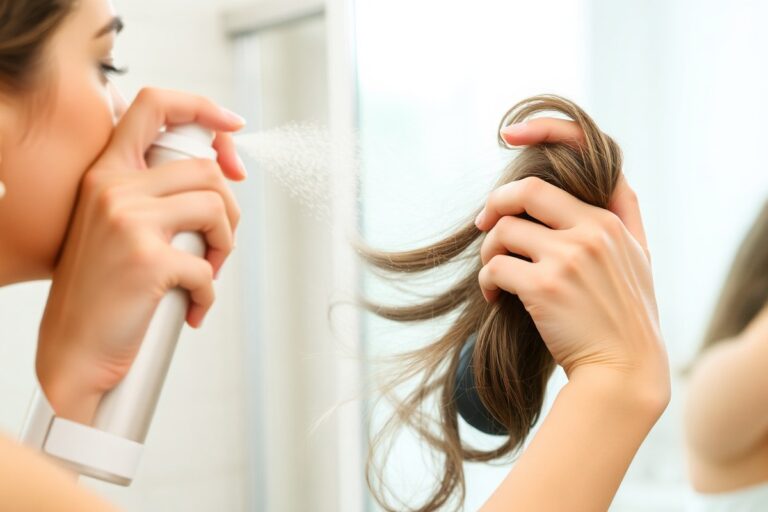
Dry shampoo soaks up oils between washes and boosts texture. Spray on roots and massage in for instant volume. Don’t use dry shampoo daily, as buildup can block pores and dull hair.
- Apply mousse evenly on damp hair, then blow-dry for volume
- Use dry shampoo only 1-2 times per week
- Combining mousse and dry shampoo can refresh hair on the second day
- Avoid applying dry shampoo too close to bedtime to let scalp breathe
- Wash hair fully at least every 3 days to prevent buildup
Overusing dry shampoo clogs follicles and can reduce volume over time.
Step-by-Step Action Plan for Using Volumizing Shampoo Safely
Follow these steps to get fuller hair without damage. Watch for changes that show the shampoo works well for you.
- Before you start: Choose a volumizing shampoo that matches your hair type. Check labels for gentle ingredients and avoid harsh sulfates.
- Day 1: Wash your hair with the new shampoo, using cool or lukewarm water. Notice if your hair feels cleaner but not stripped.
- Week 1: Use the shampoo no more than 3 times a week. Watch for any dryness or scalp irritation.
- Week 2: Use lightweight conditioner on the ends only. It keeps hair soft. This avoids weighing your hair down. Your hair should feel fuller but still smooth.
- Week 3: Try a gentle scalp massage during washing to boost blood flow and volume. Check if your scalp stays comfortable without redness.
- After 4 weeks: Assess your hair’s volume and health. Your hair looks thicker without dryness or breakage. Keep your routine.
- Ongoing: Switch to natural volumizing shampoo as needed. Clarify hair every 2 weeks if buildup occurs. Stay alert to changes in scalp or hair condition.
Frequently Asked Questions
Can Volumizing Shampoo Cause Scalp Irritation?
Yes, some volumizing shampoos can irritate sensitive scalps. This often happens if the formula has strong detergents or fragrances. Testing a small area first helps avoid problems.
Does Volumizing Shampoo Affect Hair Color Treatments?
It can fade color faster if it strips oils and moisture. Look for volumizing shampoos labeled as color-safe to protect your dye longer.
How Often Should I Use Volumizing Shampoo for Best Results?
Using it 2-3 times a week is optimal to gain volume without drying hair. Overuse may lead to dryness and damage.
Can Volumizing Shampoo Make Hair More Brittle?
Yes, harsh ingredients or overuse might weaken hair strands. Choose formulas with conditioning agents to keep hair strong.
Is It Okay to Use Volumizing Shampoo on Oily Hair?
It can help by removing excess oil and boosting lift. However, too much might dry hair and cause scalp flaking.
Does Volumizing Shampoo Work on All Hair Textures?
It works best on fine or limp hair. Thick or curly hair may not gain volume. Match the product to your hair type.
Before You Go
Volumizing shampoo isn’t bad when used right. Pick the right product and watch your hair for signs of harm. Try the steps today and see how your hair responds.