How to Apply Dry Shampoo: Simple Steps for Fresh, Voluminous Hair
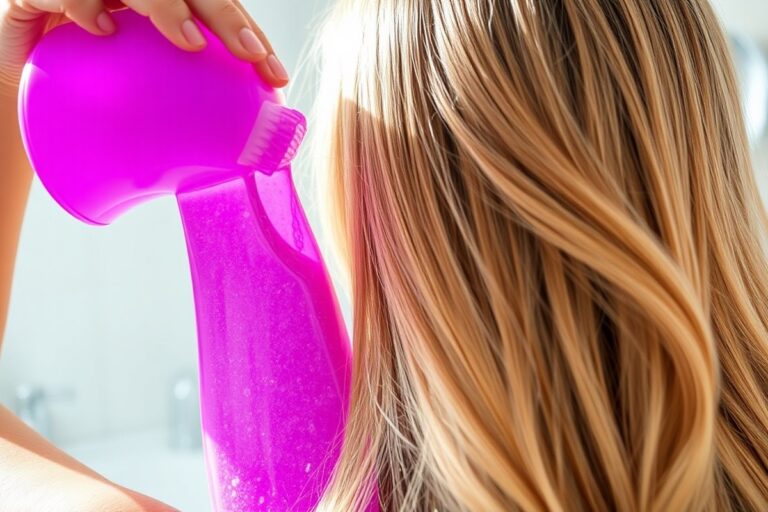
Spray dry shampoo on dry hair, focusing near the roots. Hold the bottle 6 to 8 inches away and spray evenly.
Let it sit for a few minutes before massaging it gently into your scalp. Brush your hair well to remove any white residue.
Shake the can well and start with clean hands. Hold the bottle 4 to 6 inches from your scalp to avoid buildup. Spray lightly in sections, targeting oily areas without drying out your hair.
Dry shampoo works best on hair that hasn’t been washed for 2 to 3 days. It absorbs extra oil and adds volume. Avoid spraying on wet hair or too close to prevent clumping.
Key Takeaways
- Shake the dry shampoo can well before each use for even spray.
- Spray on dry hair, especially targeting oily roots for best absorption.
- Hold the can 6 to 8 inches away to avoid white residue buildup.
- Let the product sit 2 to 5 minutes before massaging your scalp.
- Brush your hair after applying to blend the product evenly.
- Use dry shampoo on hair that’s been unwashed for 2 to 3 days.
How to Apply Dry Shampoo Correctly Step-by-Step

Applying dry shampoo the right way helps absorb oil and keep your hair fresh. The key is to spray your roots on dry hair. Hold the can at the right distance.
This helps cover your scalp properly. Section your hair before spraying.
Wait a few minutes for the product to work. This stops white residue from showing.
Follow these steps for smooth, clean-looking hair without buildup or dustiness. Make sure your hair is dry and unstyled before starting. Use a controlled amount and focus on oily spots to avoid overloading your scalp with product.
- Shake the dry shampoo well to mix the formula evenly. This ensures the product sprays out smoothly, helping it distribute better on your scalp.
- Section your hair by creating horizontal layers. Lift each part to expose your roots clearly for easier application.
- Hold the can 4 to 6 inches away. Spray dry shampoo onto your scalp directly. Aim for your roots only. This distance helps avoid white residue or clumps from too close spraying.
- Apply directly to the oily areas by focusing on your roots in each section. Avoid spraying too much and do not apply on wet hair or already greasy strands.
- Wait 2 to 5 minutes to let the dry shampoo absorb the oil. This pause helps the powder or spray pull out excess grease before you move on.
- Massage the product into your scalp using your fingertips or a gentle brush. This spreads the dry shampoo evenly, preventing patches of buildup.
- Brush your hair through to remove extra product and blend it into your strands. This step helps keep your hair looking natural and fresh.
When and How Often Should You Use Dry Shampoo?

Use dry shampoo when hair feels oily or flat. This usually happens after 2 to 3 days without washing.
This timing helps absorb excess oils and add volume without weighing your hair down. Using it too soon after washing can leave a dusty residue and reduce its effectiveness.
You can safely use dry shampoo once or twice a week between regular washes. Most hair experts recommend not exceeding two or three applications before doing a full wash. This keeps your scalp clean and avoids buildup that could cause irritation or flakiness.
Dry shampoo is not a substitute for regular shampooing. It refreshes hair by absorbing oil but does not clean dirt, sweat, or product residue.
Keep using your regular shampoo as usual to maintain scalp health. Use dry shampoo mainly to extend time between wash days.
Using dry shampoo at night works well. It helps if you skip washing the next day.
Spray or dust it evenly on the roots before bedtime, then brush through in the morning. This helps distribute the product and provides fresh roots for your day.
Don’t use dry shampoo if your scalp is very dry or itchy. Also avoid it if your hair feels brittle. Skipping washes too long or piling on dry shampoo can worsen scalp problems.
Avoid applying dry shampoo right after heavy sweating. Sweat and product can mix and look greasy.
Apply dry shampoo on second- or third-day hair, spraying roots in small sections for best coverage.
How to Section Hair for Even Dry Shampoo Application
Sectioning your hair is key for even dry shampoo coverage on oily roots. You want to create manageable layers that allow the spray to reach your scalp well. Spraying directly at the roots and lifting hair helps the product absorb oil evenly.
Creating Horizontal Sections
Begin by parting your hair into horizontal layers about 1 to 2 inches wide. Start from the nape and work your way upwards toward your crown. This size helps you reach all the roots without missing spots or wasting product.
Keep your sections clean and controlled for best results. Small layers prevent dry shampoo from piling on one area and leaving others oily.
Spraying at the Roots
Hold the can 4 to 6 inches from your scalp before spraying. Aim the spray right at the roots inside each section, not on the hair surface. This placement targets oil where it builds up most.
Spray in short bursts to avoid overusing the product and creating white residue. Keep moving section to section, starting near your part and moving outward.
Using Fingers to Lift Hair
Gently lift each hair section with your fingers while spraying. Lifting exposes the scalp so the dry shampoo reaches oily roots evenly. Avoid pressing hard or pulling to prevent hair breakage.
After spraying, massage the product into your scalp with fingertips. This spreads the dry shampoo and stops patchy, chalky spots. Follow these steps for an even, fresh look:
- Part hair into horizontal sections about 1 to 2 inches wide, starting at the nape.
- Lift the first section gently with your fingers to expose the roots.
- Hold dry shampoo can 4 to 6 inches away from roots inside the lifted section.
- Spray in short bursts directly on the exposed roots.
- Lower the section and move to the next 1 to 2-inch layer.
- Repeat lifting, spraying, and lowering for each section up to your crown.
- After spraying all sections, use your fingertips to massage dry shampoo into your scalp.
Differences Between Spray and Powder Dry Shampoos
Spray and powder dry shampoos differ mainly in how they apply and affect your hair. Sprays are quick and convenient, while powders use natural ingredients for oil control. Choosing the right type depends on your hair texture and the look you want.
Benefits of Spray Dry Shampoos
Spray dry shampoos spray a fine mist, making them easy and fast to apply. They usually blend well into most hair types without heavy residue. They also offer a lightweight finish and often include versions tinted for darker hair.
Benefits of Powder Dry Shampoos
Powder dry shampoos tend to use natural ingredients like cornstarch and arrowroot, which gently absorb oil. They are effective for thicker, curly, or textured hair, offering a more natural feel. Powders are generally safer for the environment and can add volume if worked in properly.
Drawbacks and Best Uses
Spray dry shampoos can cause buildup or flakes if overused, especially on dry or sensitive scalps. They may contain alcohol, which could dry out hair when used too often.
Powders often need more effort to blend well. They can leave a chalky residue.
This is common on dark or fine hair. Using tinted powders and applying the right amount helps avoid visible residue.
Here is a quick comparison to help you decide. Pick the best dry shampoo type for your hair.
| Factor | Spray Dry Shampoo | Powder Dry Shampoo |
|---|---|---|
| Application | Sprays a light mist, easy and fast | Applied by sprinkling or puffing powder |
| Best Hair Types | Fine, oily, most hair types | Curly, textured, thicker hair |
| Residue Risk | Low with proper use, tinted options reduce white residue | Higher if overapplied; tinted powders reduce chalkiness |
| Ingredients | May contain alcohol and synthetic compounds | Often natural powders like cornstarch and arrowroot |
| Volume effect | Adds light texture and lift | Good for volume when worked in well |
| Environmental impact | Less eco-friendly because of aerosol cans | Generally more eco-friendly and less wasteful |
| Cost range | $7 to $25 per bottle | $5 to $20 per container |
Choosing between spray and powder depends on your hair type and styling needs. For oily or fine hair, sprays usually feel lighter and blend more easily. Powders work well for curly or thick hair.
They absorb oil better and add volume. But they take more effort to blend.
How to Avoid Common Dry Shampoo Application Mistakes
Applying too much dry shampoo can cause buildup, white residue, and itchy scalp. Spray only on oily spots, not the entire scalp. Hold the nozzle about 4 to 6 inches from your hair.
Spray a light, even layer onto your roots. This helps avoid clumps or heavy spots.
White residue often appears when the powder doesn’t blend into your hair. Some dry shampoos use translucent beads to avoid this, so switching brands can help. Textured or curly hair usually needs extra work to blend dry shampoo.
Styling products can make blending harder. Spend a bit more time working it in.
Sensitive scalps may react to alcohol or fragrances in dry shampoos. Check ingredients before buying to avoid irritation. Waiting until the third day without washing is ideal for dry scalps that don’t sweat much.
- Spray only on oily roots, avoid dry ends or all over
- Hold spray 4 to 6 inches from your scalp
- Use just enough to cover oily areas, about a few quick sprays
- Work the product in with fingers or a brush to blend
- Switch to translucent formulas if you see white residue
- Check ingredients for scalp sensitivity before buying
- Limit use to avoid buildup and scalp issues
You want dry shampoo to absorb oil without leaving visible powder or making hair stiff. Overuse means product builds up, gives flakes, and may worsen scalp problems. Applying too much too often can cause itchiness or clogged pores.
Too much dry shampoo can cause scalp irritation and flakes. So apply sparingly and only where needed.
How Hair Type and Conditions Affect Dry Shampoo Use
Your hair type changes how dry shampoo works and how you should apply it. Fine hair needs just a light spritz or dusting to avoid weighing it down. Thick or coarse hair needs more dry shampoo.
Focus on roots. That’s where oil builds up quickest.
For oily roots without drying your scalp, avoid spraying dry shampoo too close to the skin. Hold the can or sprinkle the powder about 6 inches away. Give it a minute to absorb oil, then massage gently to avoid white or flaky patches.
Tinted dry shampoos are a good choice for people with dark hair. L’Oréal Paris EverPure Sulfate Free Tinted Dry Shampoo blends with your roots. It helps prevent white powder from showing on your scalp or strands.
Dry shampoo suits most colored or chemically treated hair. But pick gentle, sulfate-free kinds to avoid damage.
Some formulas, like Insta-WOW Advanced Dry Shampoo, refresh roots without leaving powder buildup or harshness. Avoid using dry shampoo every day to keep your scalp healthy.
Choose a dry shampoo with soothing ingredients for dry or sensitive scalp. Use it less often to avoid irritation. Too much dry shampoo may cause itching or flaking.
Use only a small amount of dry shampoo. Target the oily spots on your roots. This refreshes your hair without stressing your scalp.
The superfine powder-pouf style dry shampoo allows you to place product exactly where you need it. This precision helps balance oils on any hair without overloading other parts.
You can freshen your roots fast at home or on the go. The dry shampoo won’t leave sticky or powdery hair.
Using Dry Shampoo with Exercise and Styling
It’s best to apply dry shampoo after exercising to absorb sweat and oil. Using it beforehand can help control oil but won’t prevent sweat buildup. Dry shampoo can add volume and texture anytime, helping your styles hold better.
Applying Dry Shampoo Pre-Workout
Applying dry shampoo before you work out can help keep your hair from getting overly greasy. It absorbs excess oil that builds up before sweating starts. Spray or sprinkle a light layer on roots 5 to 10 minutes before your session.
This step adds grip to your hair. It helps styles like ponytails and buns hold better.
Use a dry shampoo designed for volume or hold to get the best effect. Don’t overapply or your hair may look dull or powdery after you sweat.
Post-Workout Refreshing
After a workout, dry shampoo is perfect to freshen your hair without washing. Spray it onto the roots, especially where sweat and oil collect. Let it sit for a few minutes, then massage or brush it out to remove residue.
This method helps absorb sweat smells and leaves hair smelling fresh. It also revives volume that gets flattened during exercise. Use just enough product so your hair feels light and bouncy, not sticky or dusty.
Styling Benefits
Dry shampoo adds texture and volume that make styling easier and lasting. Applying it to clean or slightly dirty hair creates a matte finish with some hold. This is great for styles like braids or chignons needing grip.
For adding volume, focus on the roots with a dry shampoo that absorbs oil gently. This technique lifts hair without making it stiff or heavy. It also prolongs the life of salon blowouts or heat-styled looks.
A dry shampoo with some hold can boost styles’ staying power outdoors or all day. Mist it on after styling or use before to get more texture and body. This helps styles stay put while feeling natural and manageable.
How to Manage Dry Shampoo Buildup and Scalp Health
Using dry shampoo too often can lead to buildup that clogs your scalp. This buildup traps oil, dirt, and dead skin, causing itchiness and irritation. It can affect how your hair feels and looks over time.
To prevent these problems, balance dry shampoo with regular washing. When you wash after several days of dry shampoo use, try a clarifying shampoo. It clears away residues that normal shampoo might miss, leaving your scalp refreshed.
- Apply dry shampoo to dry hair in sections for even coverage.
- Let the product sit for 1-2 minutes to absorb oils well.
- Use a brush or fingers to distribute the product and remove excess.
- Do not exceed every other day to avoid buildup.
- Use a gentle, sulfate-free shampoo regularly to protect scalp moisture.
- Try a clarifying shampoo once every 1-2 weeks depending on use.
- Moisturize the scalp with a light scalp oil or serum if dry.
Scalp irritation can happen when buildup blocks follicles and traps sweat. Look for redness, flaking, or a burning feeling as warning signs. Stop dry shampoo use if you notice these symptoms, and switch to scalp-soothing products.
Products like Olaplex No.4D Detox Dry Shampoo help cleanse while protecting strands. Also, scalp oils with tea tree or peppermint can reduce itchiness and balance oil. Avoid heavy creams or oils that clog pores after dry shampoo use.
Use clarifying shampoo regularly to reset your scalp and prevent long-term buildup.
Good scalp health means a clean, non-irritated surface that supports hair growth. It helps your hair stay soft and shiny without that chalky residue. On the other hand, ignoring buildup can cause dry flakes and slow hair growth.
Step-by-Step Action Plan for Using Dry Shampoo
Follow these steps to get the best results with dry shampoo. Each step helps you check you’re doing it right.
- Before application: Start with dry hair. Make sure your hair doesn’t feel wet or oily to touch.
- Section your hair: Divide hair into small parts using clips. Apply dry shampoo evenly on each section for full coverage.
- Apply dry shampoo: Hold spray 8, 10 inches away or sprinkle powder lightly. You should see a slight white mist or powder on roots.
- Wait 3, 5 minutes: Let the product absorb oil. Hair feels less greasy but not stiff or sticky.
- Massage or brush: Use fingers or a brush to spread dry shampoo. Hair should feel softer and look less dull.
- Style as usual: Use heat or air-dry styling. Your hair looks refreshed and holds style better.
- After 2 days or more: Wash hair with shampoo to remove buildup. Scalp feels clean, and hair looks healthy again.
- Track your use: Use dry shampoo no more than 2, 3 times a week. This keeps your scalp healthy and hair fresh.
Frequently Asked Questions
How Far Should You Hold the Dry Shampoo Bottle from Your Scalp?
Hold the bottle 4-6 inches from your scalp. This distance helps avoid white residue while targeting oily roots without over-applying the product.
Can You Use Dry Shampoo on Wet Hair?
No, dry shampoo works best on dry hair. It absorbs oil and freshens the scalp. So applying it on wet hair reduces its effectiveness.
Is It Better to Apply Dry Shampoo Before or After Styling?
Apply dry shampoo before styling for better texture and oil control. This approach helps your style hold longer and prevents oily buildup.
How Long Should You Wait Before Brushing Out Dry Shampoo?
Wait 2-5 minutes after applying dry shampoo. This allows it to absorb oil, making your hair less greasy and easier to style.
Can Dry Shampoo Be Used on Colored or Treated Hair?
Yes, dry shampoo is safe for colored hair. Choose formulas without harsh chemicals to avoid fading or damage to treated hair.
Should You Use Dry Shampoo Every Day Between Washes?
Avoid daily use to prevent buildup and scalp irritation. Use dry shampoo on days when your hair feels oily but does not need washing.
Wrapping Up
Dry shampoo works best when you apply it carefully and give it time to absorb. Check your scalp often and wash regularly. Try these steps to keep your hair fresh and healthy every week.