How to Get Sleek Straight Hair: Best Steps and Tools for Lasting Smoothness
To get sleek straight hair without damage, start with clean, damp hair. Apply a heat protectant evenly to shield your strands before using heat tools. Blow dry your hair until it’s about 75 to 80 percent dry before straightening.
Use a flat iron no wider than 1½ inches for better control and smooth results. Work in small sections, about 1 to 2 inches, so heat spreads evenly. Keep the temperature lower, around 280 to 320°F, if your hair is fine or color-treated to avoid damage.
Detangle your hair completely before styling using a natural bristle paddle brush. This smooths hair and reduces frizz. Rough dry by moving the dryer back and forth to keep strands healthy and speed up drying time.
Key Takeaways
- Begin with clean, slightly damp hair for the best straightening results.
- Apply a heat protectant spray evenly from about 6 inches away.
- Use a flat iron no wider than 1½ inches for better control.
- Divide hair into 1 to 2-inch sections before straightening.
- Set heat to 280, 320°F for fine or color-treated hair.
- Blow dry until hair is about 75, 80% dry before flat ironing.
Effective Steps to Achieve Sleek Straight Hair at Home

Sleek, straight hair starts with careful sectioning and handling. Dividing your hair into parts helps you straighten each piece evenly. This step prevents missing spots and reduces heat damage.
Use a comb to make about four to six sections, depending on your hair’s thickness. Clip the upper parts up and start with the bottom layers. Hold each strand taut to get smooth, sleek results.
- Detach a small section of hair. About 1 to 2 inches wide works well. Smaller sections straighten better and reduce heat exposure time.
- Place the straightener close to the roots. Leave about a half-inch gap to avoid scalp burns. Glide slowly from root to tip for consistent heat.
- Pull the straightener smoothly and steadily. Avoid pausing or ratcheting to prevent damage. One steady pass often does the trick.
- Repeat only if necessary.Pass the straightener a second time when hair isn’t perfectly straight. Never exceed three passes on the same piece.
- Move to the next section and repeat. Keep working section by section to cover your whole head.
- Finish by checking for flyaways. Use a fine-tooth comb or a lightweight product to smooth spots left out.
Dry hair works best for straightening, so make sure your hair is fully dry. Wet hair may steam and suffer damage. Using the right heat settings for your hair type helps avoid breakage.
Smooth, shiny strands that keep shape all day show good results. Check your tool’s temperature or sectioning if hair looks frizzy or uneven. Always handle your hair gently to keep it healthy and sleek.
Choosing the Right Tools and Temperature for Your Hair Type

Choosing the right tools and heat settings depends on your hair texture and condition. A good flat iron with adjustable temperature helps you avoid damage. You can use a blow dryer with the right brush.
This uses less heat. It works well if your hair is fine or lightly wavy.
Flat Iron Types and Features to Consider
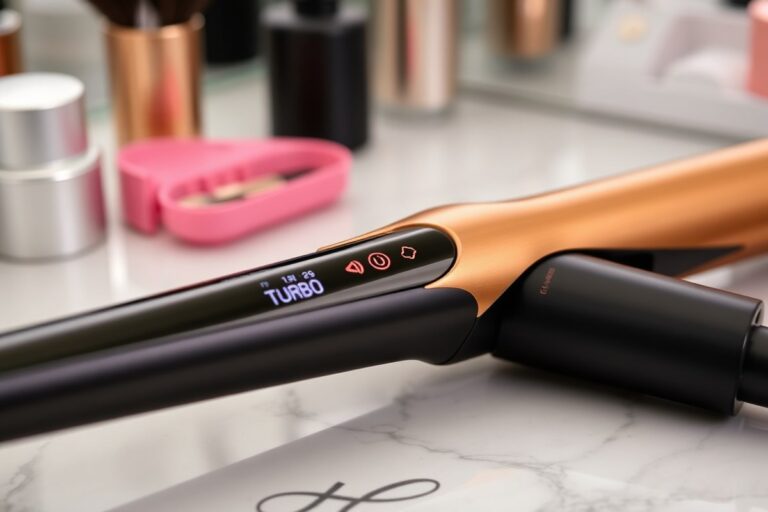
Look for flat irons with adjustable heat controls. This helps you match the heat to your hair type and condition. Ceramic plates are gentle and distribute heat evenly, reducing hot spots that can burn your hair.
High-quality flat irons cost between $40 and $150. Cheaper models may heat unevenly and damage your hair over time. You’ll want a straightener with 1-inch or 1.5-inch plates to cover more hair with each pass.
| Feature | Why It Matters | Typical Cost |
|---|---|---|
| Adjustable Heat Settings | Allows temperature control by hair texture | $40, $150 |
| Ceramic or Tourmaline Plates | Even heat distribution, less damage | $50, $150 |
| Plate Width (1 to 1.5 inches) | Quick styling, suits hair thickness | Standard in most irons |
| Digital Temperature Display | Accurate heat monitoring | Usually $80 and up |
These features make it easier and safer to get a sleek finish. Avoid irons that don’t list exact temperature controls or feel cheap in hand.
Recommended Temperature Range by Hair Texture
Your hair type guides the heat setting for the best results with minimal damage. Fine or damaged hair needs lower heat. Coarse or thick hair can handle higher temperatures.
Here’s a simple table to find the right heat for your hair texture:
| Hair Texture | Recommended Temperature (°F) | Notes |
|---|---|---|
| Fine or Damaged | 200, 300 | Keep heat low to avoid burning and breakage |
| Color-Treated or Medium Texture | 280, 320 | Moderate heat prevents damage while straightening |
| Coarse, Wavy, or Curly | 320, 400 | Higher heat needed for tough textures but use with care |
Always start at the lower end for your type and test a small section. Raise heat slowly only if you don’t get a smooth result. Set your iron no higher than 400°F to avoid damage.
Tool Selection: Flat Iron vs Blow Dryer
Both tools can give silky straight hair. But they work best for different hair types and goals.
A flat iron smooths hair by applying direct heat and pressure. A blow dryer works faster but needs the right brush.
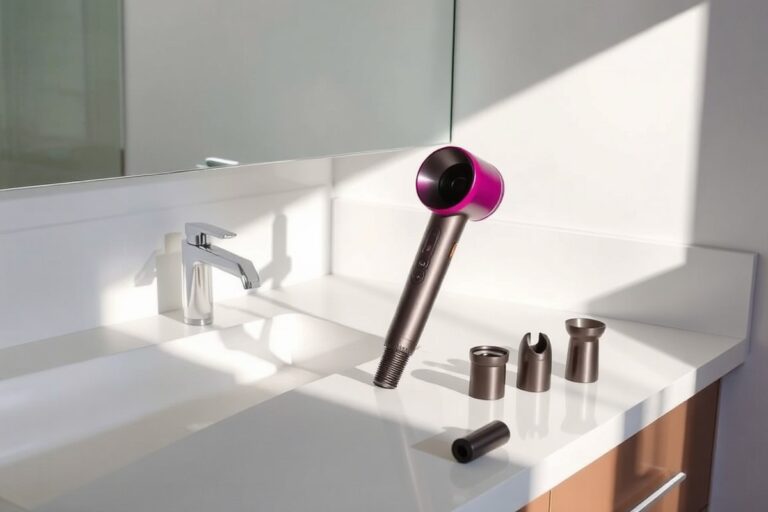
Blow drying with a paddle brush and concentrator nozzle is good for wavy or fine hair. It straightens hair gently and preps it for any flat ironing, cutting down on heat damage. Use the blow dryer on cool or medium heat and keep the hair about 75% dry.
Flat irons are a must for tight curls or frizzy hair. Blow drying alone won’t straighten them fully.
You need the extra heat of a flat iron. They take more time to use but give a sleek, long-lasting result.
Start with a smooth blow dry before using a flat iron to get the straightest finish.
How to Prepare and Protect Your Hair Before Straightening
Getting your hair ready before straightening is key to protect it from heat damage. You want to clean, moisturize, and add products that shield your strands. This prep helps keep your hair smooth and shiny, not dry or frizzy after styling.
Shampoo and Conditioning for Smooth Hair
Start with a shampoo and conditioner made to smooth hair and reduce frizz. They add moisture and soften your strands so your flat iron glides easily. Choose sulfate-free formulas designed for heat styling to avoid stripping natural oils.
A good smoothing shampoo lifts away dirt and buildup without weighing hair down. The conditioning step helps by hydrating and protecting your hair’s inner structure. Moisturized hair is less prone to breaks or dullness during straightening.
- Use a frizz-fighting shampoo and softening conditioner
- Pick sulfate-free, heat-friendly products
- Focus conditioner on mid-lengths and ends only
- Rinse well to avoid leftover residue
- Use a moisturizing mask once a week for extra softness
These practices lay down a smooth base for styling and add necessary moisture to your hair. Avoid heavy products on roots to keep hair light and voluminous after straightening. Well-prepped hair looks sleeker and feels silkier once styled.
Heat Protectant Application Tips
Always spray a heat protectant on dry hair before using a flat iron. Hold the can about 6 inches from your head to distribute product evenly. Let it dry completely to form a shield over your strands before applying heat.
Serums or light oils can add extra smoothness, especially for dry or frizzy hair. Avoid applying these directly on roots to prevent weighing hair down. Choose products that contain Argan or Moroccan oil for your hair.
Avoid any with alcohol because it can dry your hair out. These oils help keep your hair smooth and healthy.
- Spray thermal protectant evenly on dry hair
- Wait for spray to dry completely before straightening
- Apply smoothing serum or light oil on mid-lengths and ends
- Avoid heavier creams near your scalp
- Use a trusted brand like Alterna Bamboo Smooth for anti-breakage
Heat protectants lower heat damage risk like breakage or loss of shine. Skipping this step can cause your hair to become brittle and dry fast. With proper protection, your straight style will last longer and look healthier.
When and How to Rough Dry Your Hair
Do not straighten hair while it’s wet. Damp strands cause damage since water heats and expands inside your hair shaft. Blow dry until your hair is about 80% dry before using a flat iron.
Apply a heat protectant before blow drying. Then use a medium heat setting and direct the airflow downward to smooth the cuticle. This reduces frizz and makes straightening easier.
- Spray heat protectant before blow drying
- Blow dry on medium heat setting
- Get hair mostly dry, about 80%
- Use a round brush to smooth during drying
- Avoid rough towel drying that causes frizz
Following these steps helps avoid heat warping your hair from wetness. Pre-dried, protected hair straightens more evenly and stays sleek longer. Rushing to straighten wet hair is a common mistake that leads to split ends and dullness.
No-Heat Methods to Get Sleek Straight Hair Naturally
To get sleek straight hair without heat, several methods work well. Hair wrapping is a popular trick.
Wrap your damp hair around your head and pin it flat. Letting hair air dry this way can make your strands very straight without damage.
Hair rollers also help smooth hair without heat. Put big, smooth rollers on damp hair and leave them until dry.
This takes longer but avoids breaking or burning your hair. Rollers work best on wavy or curly types that want looser, straighter shapes.
You can also use wet brushing. After washing, gently brush your hair straight with a wide, soft brush.
Hold sections down flat as they dry, repeating to keep the hair smooth. This reduces frizz and stretches curls out naturally without chemicals.
- Wrap hair flat against the scalp with pins and let air dry
- Use large, smooth rollers on damp hair until fully dry
- Gently brush wet hair straight and hold in place until dry
- Apply lightweight leave-in conditioner for smooth, frizz-free strands
- Finish with a light mist of hairspray to help hair stay flat
These styles usually need several hours or overnight drying time. They work best on freshly trimmed hair since split ends curl more. Also, lightweight conditioners help hair stay sleek by reducing frizz.
One downside is these methods don’t make hair as pin-straight as heat tools. You may see some natural wave or volume left.
Still, these techniques keep hair healthy and shiny, avoiding damage from heat. You will notice smoother hair with a soft texture that feels stronger.
Techniques to Keep Your Hair Straight and Frizz-Free All Day
Keeping straight hair smooth and frizz-free takes steady tension and the right tools. Stretch each hair strand straight using your fingers. Point your dryer’s airflow from root to tip.
This helps smooth the hair. Point the hairdryer downward and always keep it moving to avoid heat spots and flyaways.
After drying, use a rounded brush to smooth sections as you blow-dry. This helps fight frizz and lays the hair flat. Wrap your hair with 3-inch bobby pins.
Cover it with a satin scarf. This locks in sleekness. Silk or satin creates less friction than cotton.
This cuts down on frizz. It also helps strands stay straighter longer.
Hair often curves inward at the ends because of tension loss or moisture imbalance. Apply a small amount of honey-infused hair oil. Put it only on the ends and frizzy spots.
This fixes dryness and frizz. It adds softness and weight without greasiness, helping strands stay straight and silky. A light-hold hairspray before straightening each section also fights frizz and holds the shape longer.
For slightly wavy or loose curls, twist hair into a loose bun. Do this after straightening. It keeps your hair sleek temporarily.
This simple way works well for low-maintenance days. It adds shine by keeping hair tied close to your scalp.
Many people skip heat protectants or leave hair damp before straightening. This leads to more frizz and inward curls. Straighten hair only when it’s completely dry and protected.
Limit straightening clean hair to two or three times weekly. Hydrated hair stays healthier, shines better, and resists puffiness after heat styling.
Keep tension tight when straightening. Loose hair curves inward quickly and holds frizz.
Finishing Products That improve Shine and Smoothness
The right finishing products help keep your hair smooth and shiny after straightening. Hair oils can add moisture and polish, which stops frizz and dullness. Use a light hair oil sparingly.
It adds healthy shine. It won’t weigh hair down or look greasy.
To hold the sleek style in place, use a non-crispy hairspray or shine spray. These products tame flyaways and fight humidity, keeping hair straight longer. Avoid heavy or sticky sprays that cause stiffness or buildup, as they spoil your smooth finish.
- Lightweight hair oils for shine and moisture
- Non-crispy hairspray to hold style without crunch
- Anti-static sheets or sprays to reduce static
- Serums designed for sleek, straight hair
- Shine sprays to boost gloss and tame frizz
After straightening, gently brush your hair with an anti-static sheet or soft brush. This removes static and smooths cuticles for extra polish. Add a small amount of shine serum or finishing spray.
Focus on hair ends. Avoid greasy roots.
Good finishing products keep your style intact for days, even in humid weather. They help prevent curls from bouncing back and maintain a silky texture.
Using too much product can cause buildup. So start with a little and add more only if needed.
How Often Can You Safely Straighten Hair Without Damage?
You can safely straighten your hair about two to three times a week. Straightening daily often leads to breakage, heat damage, and dry strands. Give your hair at least one day between sessions to rest and recover.
Check your hair’s condition before straightening. Look for signs like split ends, excessive dryness, and dullness.
Your hair may break more if you use heat while it feels fragile. Skip heat styling to prevent adding more damage.
Maintain hair health by using heat protectant sprays every time you straighten. Keep the flat iron temperature moderate, usually between 300°F and 350°F works well. Use the lowest temperature that achieves straightening without extra passes.
Deep condition your hair once a week to replace lost moisture. Use oils or leave-in conditioners to keep strands hydrated. These steps help reduce damage even if you straighten hair regularly.
Curly or frizzy hair needs more work for straightening. This can stress your hair. Use a flat iron no wider than 1½ inches.
It helps you control your styling. It also reduces heat damage. Avoid wide irons because they can force you to do extra passes.
Check these before straightening: Your hair feels strong. You used heat protectant. The iron is set at the right temperature.
Don’t straighten if your hair is brittle or overly dry. Rest days and proper care help keep your hair healthy and shiny over time.
Permanent and Semi-Permanent Hair Straightening Options Explained
You can get long-lasting sleek straight hair with professional chemical treatments. These treatments change your hair’s structure to keep it straight for weeks or months. Choosing the right method depends on your hair type, budget, and how much upkeep you want.
Keratin and Chemical Straightening Treatments
Keratin treatments smooth hair by coating it with protein and sealing it with heat. They last about 3 to 6 months and cost around $150 to $300 at salons. This method helps reduce frizz but doesn’t fully straighten very curly hair.
Japanese thermal straightening uses chemicals to break hair bonds. Heat then reshapes the hair to be straight. This process is called thermal reconditioning.
This process permanently straightens hair until new growth shows. It costs about $300 to $600.
The whole thing takes several hours. It works best for wavy or curly hair but may cause dryness if not maintained.
Straightening chemicals usually need professional application to avoid uneven results or damage. They either break disulfide bonds in hair or add a protective layer.
Keratin treatments seal cuticles. Thermal straightening resets hair shape with heat and chemicals combined.
Risks and Maintenance Considerations
Chemical straightening can cause dryness, breakage, or scalp irritation if done incorrectly. Follow salon advice about waiting at least 48 hours before washing hair after treatment. Use gentle shampoos and deep conditioners for upkeep to keep hair healthy and shiny.
Results vary based on hair type and condition before treatment. Overprocessing weak or severely damaged hair may cause more harm than good.
Frequent touch-ups lead to buildup or damage. So space treatments six months apart to give hair time to recover.
Permanent straightening requires avoiding chlorine and saltwater since they can weaken treated hair and cause frizz. Applying oil or smoothing balms helps maintain the sleek look between salon visits. These products add shine and reduce the chance of flyaways.
Chemical straightening changes hair structure permanently. So protect treated hair from harsh products and heat.
When to Consult a Professional Stylist
A trained stylist can check your hair’s health. They will suggest the right straightening method for you.
They can tailor treatments based on your hair’s curl pattern, porosity, and damage level. This prevents costly mistakes like uneven smoothing or brittle strands.
Ask a stylist about blowouts and professional treatments for sleek results. Home methods might not give you the look you want.
A good stylist will teach you how to care for smooth hair. This helps you wait longer between treatments.
Know that some hair types suit mild keratin treatments. Others need stronger chemical reconditioning to get smooth results. Professionals adjust strength and timing to your unique hair to avoid overprocessing or underwhelming results.
Step-by-Step Action Plan for Sleek Straight Hair
Follow these simple steps to get sleek, straight hair at home without damage. Check your hair after each step to see the difference.
- Before you start: Wash your hair with a smoothing shampoo and conditioner. Your hair should feel soft and easy to comb.
- Right after washing: Gently towel-dry, then apply a heat protectant spray evenly. Your hair will feel light but not sticky.
- About 10 minutes later: Blow-dry your hair using a round brush, aiming for 90% dryness. Your hair should look smooth and less curly.
- Once dry: Set your straightener to the right temperature. For wavy hair, use 300-350°F. Use a lower setting for fine hair. Test on a small strand; it should straighten without burning.
- During straightening: Work in 1-inch sections, slowly running the flat iron once or twice. Your hair should feel warm but not scorched.
- After straightening: Apply a lightweight serum to tame frizz and add shine. Your hair should look glossy and smooth, not greasy.
- Next day: Use dry shampoo or a gentle refresher spray if needed. Your hair should still hold the straight look without feeling heavy.
- Weekly: Treat your hair with a deep conditioning mask to keep it healthy. Your hair will stay strong and less prone to breakage.
Frequently Asked Questions
How Do I Make My Hair Smooth and Sleek?
Use a serum or smoothing cream after drying to flatten your hair cuticle. Avoid applying too much product at the roots to prevent weighing down your hair.
What Is the 3 Hair Rule?
The 3 hair rule means spacing out straightening sessions, usually every three days. This helps prevent heat damage and keeps hair healthy over time.
Why Isn’t My Hair Silky When I Straighten It?
Your temperature could be too high, causing damage and frizz instead of smoothness. Use the right heat setting for your hair type and add a heat protectant before straightening.
How to Stop Hair from Curving Inwards?
Wrap your hair around your head and secure it with bobby pins while it dries. This technique helps keep strands straight and prevents inward curling.
Can I Use Natural Oils to Keep My Hair Sleek?
Yes, applying light oils like argan or jojoba helps seal moisture and reduces frizz. Use just a small amount on mid-lengths to ends for best results.
Should I Brush My Hair Often to Keep It Straight?
Brushing twice a day helps distribute natural oils and maintain smooth, sleek hair. Brush gently to avoid breakage and limit brushing right after straightening to prevent frizz.
Final Thoughts
Sleek straight hair is about using the right tools and care without rushing. Start with proper prep and protect your hair each time. Try these steps today for smooth, shiny hair you can enjoy every day.