

What to Use as Dry Shampoo: 8 Effective Alternatives and How to Apply Them
Common household powders like cornstarch or baby powder work well as dry shampoo. They soak up oil and refresh your hair quickly. Natural powders like arrowroot or cocoa powder are good DIY options, especially suited to your hair color.
Sprinkle or dust the powder onto your roots from 6 to 8 inches away. Let it sit for 5 to 10 minutes to absorb oils. Then brush out the extra powder gently to avoid residue.
Choosing the right powder for your hair color prevents visible residue. Don’t use dry shampoo more than 2 to 3 times between washes. This keeps your scalp healthier and cleaner over time.
Key Takeaways
- Cornstarch and baby powder are cheap, effective dry shampoo substitutes.
- Use cocoa powder for dark hair to prevent white residue.
- Sprinkle powders from 6 to 8 inches above your roots evenly.
- Let powders sit 5 to 10 minutes for best oil absorption.
- Brush thoroughly after to remove any leftover powder.
- Limit dry shampoo use to 2 or 3 times a week maximum.
Best Household Powders to Use as Dry Shampoo
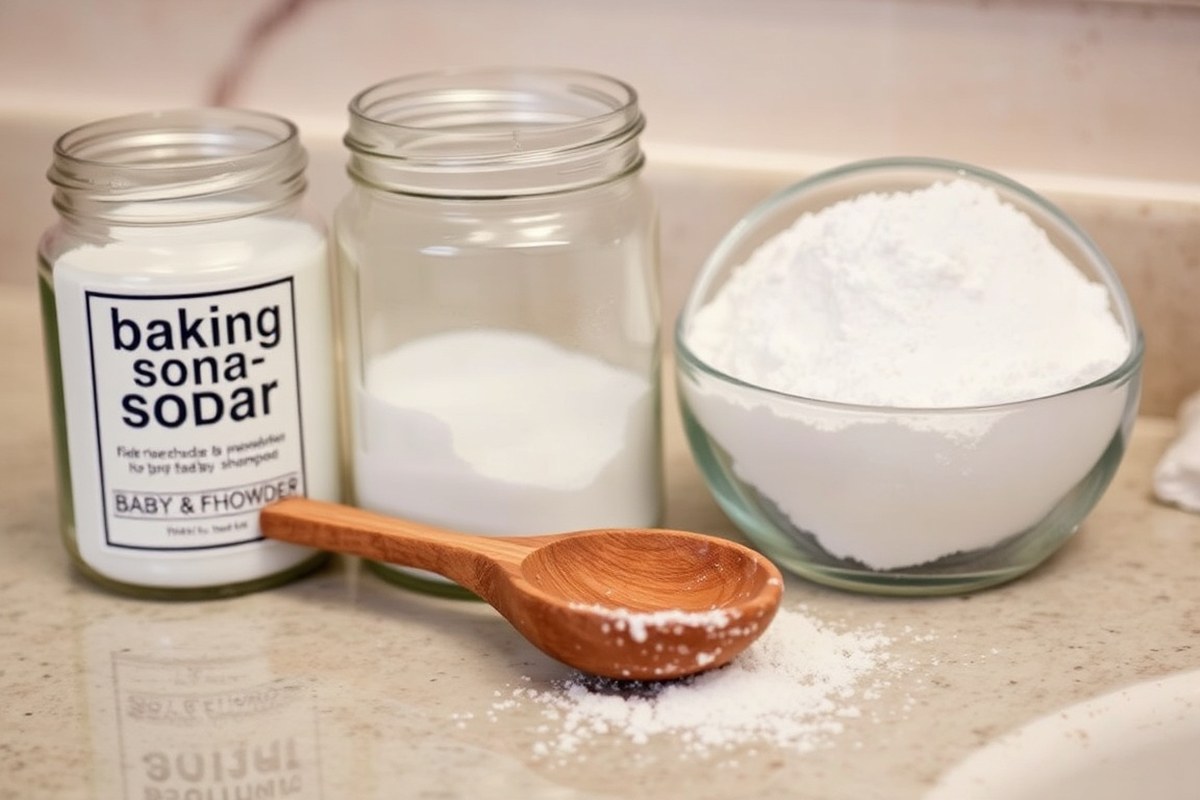
Common powders like baking soda and cornstarch soak up oil in hair. Arrowroot powder and baby powder also work well to freshen hair. These can replace dry shampoo easily.
Each powder works best for certain hair types and may leave some residue or color changes. Knowing their benefits and drawbacks helps pick the right one and apply it correctly.
Baking Soda for Oil Absorption
Baking soda absorbs excess oil well and also neutralizes odors on the scalp. It’s best for oily scalps but can dry out sensitive skin or cause irritation. Use baking soda sparingly, applying a light dusting only on greasy spots.
After applying, leave baking soda in the hair for 5 to 10 minutes. Then brush it out or rinse with conditioner to avoid dryness. Avoid daily use to protect your scalp health.
Cornstarch and Arrowroot Powder Benefits
Cornstarch soaks up oils like dry shampoo does. It works best on light to medium hair. This makes it a simple and natural option.
Arrowroot powder is another gentle option that can be mixed with essential oils for fragrance. Both powders leave minimal residue if you apply lightly and brush well.
You can mix cornstarch with cocoa powder to match darker hair tones better. Store mixtures in airtight containers and keep them dry to maintain their quality. Their low cost and easy availability make them convenient alternatives.
Baby Powder Safety and Residue Notes
Baby powder is gentle and safe for sensitive scalps, suitable for all hair colors. It leaves little visible residue on your hair. However, it might soak up less oil than baking soda or cornstarch.
This tradeoff suits people who want less powder look. Use a small amount, focusing on the roots for the best effect.
Keep baby powder in a sealed container and away from humidity to prevent clumping. Applying too much can weigh hair down or cause a powdery look. So blend it in well by brushing.
Best Choices by Hair Color and Texture
Cornstarch and baby powder work best on light to medium hair. They leave minimal visible residue on these hair tones. This makes them ideal choices.
For darker hair, adding cocoa powder to cornstarch improves color matching. Baking soda suits oily scalps but can be harsh on dry or sensitive skin.
Arrowroot powder works well for those seeking gentle oil absorption and scalp comfort. Apply powders lightly to avoid white streaks on hair.
Brush hair well after applying to prevent buildup. This is especially important for dark or fine hair.
| Substitute | Best For | Pros | Cons | Application Tips |
|---|---|---|---|---|
| Cornstarch | Light to medium hair colors | Absorbs oil well; readily available | May leave white residue on dark hair | Apply lightly; brush out thoroughly |
| Baking Soda | Oily scalps; odor neutralizing | Effective oil absorption; deodorizing | Can be drying; may irritate sensitive skin | Use sparingly; rinse with conditioner |
| Baby Powder | Sensitive scalps; all hair colors | Gentle; minimal residue | May not absorb as much oil as others | Apply lightly; blend well with brushing |
You can mix powders for better results. Try cornstarch with cocoa powder on dark hair. Adding essential oils to arrowroot powder gives a nice scent.
Store your powder substitutes in dry, airtight containers. These simple steps keep them fresh and effective until you need them again.
Natural Ingredients and DIY Recipes for Dry Shampoo

You can make dry shampoo at home using simple natural powders that soak up oil. Mixing cornstarch or arrowroot powder with darkening agents helps match your hair color. Adding essential oils gives a fresh scent and some scalp benefits.
Simple Baking Soda and Cornstarch Mix
Baking soda and cornstarch are both good at absorbing oils from your scalp. You can combine them for a basic dry shampoo that feels clean and fresh. This mix works best if done in small batches to keep fresh powder ready.
- Measure 2 tablespoons of cornstarch into a clean bowl.
- Add 1 tablespoon of baking soda and stir well.
- Transfer the powder into a container with a shaker lid for easy use.
- Sprinkle lightly on oily roots, then rub in gently with your fingers.
- Wait 5 minutes to let it absorb oils.
- Brush or shake out the excess powder.
Test a small amount first; baking soda may irritate sensitive scalps.
Adding Cocoa or Cinnamon for Dark and Auburn Hair
Light powders can leave a white cast on darker hair. Adding cocoa powder or cinnamon helps blend the dry shampoo with darker shades. Cocoa works well for black or brown hair, while cinnamon suits auburn tones.
- Combine 2 tablespoons cornstarch with 2 tablespoons cocoa powder.
- Add 1 tablespoon cinnamon for auburn hair or leave it out if not needed.
- Mix fully to make a uniform powder.
- Optionally, add 5 drops of a gentle essential oil for scent.
- Apply lightly to scalp and hair roots, focusing on oily spots.
- Wait 5 to 10 minutes, then brush thoroughly to remove residue.
Avoid using dark powders if you have very light blonde hair to prevent staining.
Using Arrowroot Powder and Herbs for Sensitive Scalps
Arrowroot powder is a gentle oil absorber good for sensitive skin. It reduces the risk of irritation compared to cornstarch or baking soda. You can combine it with dried herbs or chamomile oil for soothing effects.
- Measure 1/4 cup arrowroot powder into a mixing bowl.
- Add 5 drops of chamomile or lavender essential oil for calming benefits.
- Optionally crush dried flower petals or herbs and mix into the powder.
- Transfer to a jar or shaker for easy use.
- Apply softly on the scalp, avoiding harsh rubbing to protect skin.
- Let it sit for 5 to 7 minutes, then brush out with a clean brush.
Use arrowroot powder only; it won’t leave a white cast even on dark hair.
Essential Oil Additions for Fragrance and Scalp Benefits
Essential oils improve dry shampoo by adding scent and helping scalp health. Lavender and rosemary oils are popular choices for their soothing and antibacterial properties. Add just a few drops so the scent is subtle and safe for skin.
- Pick an essential oil such as lavender, rosemary, or chamomile.
- Add 3 to 5 drops to your dry shampoo powder (about 1/4 cup base).
- Mix thoroughly so the oil distributes evenly.
- Store your mixture in an airtight container to keep the scent fresh.
- Use sparingly to avoid oily spots or irritation.
Avoid citrus oils on your scalp; they can increase sun sensitivity.
How to Properly Apply Dry Shampoo Alternatives for Best Results
Applying dry shampoo alternatives right avoids white residue and boosts oil absorption. Dust roots gently. Let powder sit for 5 to 10 minutes.
Brush or rub it out carefully. Proper timing and technique keep hair fresh without chalky spots.
Dusting or Sprinkling the Powder
Pick a fine powder that suits your hair color. A clean makeup brush or sieve spreads it evenly without clumps. Part your hair into small sections and lightly dust the powder on oily roots only.
Don’t apply too much. Overdoing it leaves a visible powdery film.
Start small and add more if needed. Focus on the scalp areas where oil gathers most.
Rubbing in and Waiting Time
Gently massage the powder into your scalp to soak up oils. Avoid harsh rubbing, which can tangle or break hair strands. Let the powder sit for 5 to 10 minutes to absorb oil fully.
This wait time lets the powder work and keeps residue low. Use this while doing other parts of your routine like dressing or applying makeup. The powder will absorb grease without needing water.
Removing Excess Powder Without Damaging Hair
Brush your hair gently with a natural bristle brush or your fingers to remove leftover powder. A gentle scalp massage also helps break up clumps. Avoid vigorous brushing that can make hair frizzy.
See white flakes? Rub them softly with a towel.
Or use a cool blow dryer to spread the powder. Repeat lightly dusting and brushing if your hair still feels greasy.
Special Tips for Dark Hair to Prevent Visible Residue
For dark hair, mix baby powder with cocoa powder before applying. This blend avoids ashiness while keeping oil absorbed. Test a small amount first to check color match.
Applying powder at bedtime can help too. The product has time to absorb oil overnight without showing residue in daylight. Avoid bright light right after application to hide any leftovers.
Follow these steps for a smooth, fresh look:
- Choose an absorbent powder suited for your hair color.
- Part hair into small sections and lightly dust roots with a brush or sieve.
- Massage powder gently into your scalp to spread it evenly.
- Wait 5 to 10 minutes for oil absorption while you do other grooming.
- Brush hair softly to remove excess powder and avoid flaking.
- Rub leftover powder gently or use a cool blow dryer if needed.
- For dark hair, blend baby powder with cocoa powder to prevent white residue.
- Consider applying powder before bed for dark hair to absorb oil overnight.
How Apple Cider Vinegar and Hand Sanitizer Work as Dry Shampoo Alternatives
Apple cider vinegar (ACV) can work as a dry shampoo alternative, especially for oily hair. It helps remove excess oil by balancing your scalp’s pH and breaking down buildup. Mix one part ACV with two parts water in a spray bottle.
Shake it well to combine the ingredients. Spray lightly on your roots.
Let it sit for a few minutes. Blot with a towel to avoid dampness.
Hand sanitizer has alcohol that can reduce oiliness on your scalp. The alcohol dries quickly and helps remove excess sebum. Use a small amount, about the size of a dime.
Rub it gently onto the oily parts of your scalp. Don’t use it too often or in large amounts. Overuse can dry out your scalp and cause irritation.
Both options work differently from traditional dry shampoo powders or sprays. ACV refreshes and clarifies your scalp but leaves hair slightly wet. So use sparingly and let it dry completely.
Hand sanitizer dries quickly but isn’t a cleaning product. It won’t absorb oil or dirt like powders do.
These liquids work in a pinch but don’t replace shampoo. You still need regular washing to keep your scalp healthy.
Choosing Dry Shampoo Substitutes by Hair Color and Texture
Choosing the right dry shampoo or substitute depends a lot on your hair color and texture. Light powders like cornstarch or arrowroot can leave visible white or ashy residue on dark hair. Mixing cocoa powder is one way to mask residue.
Using tinted dry shampoo also hides white powder better. Both help your hair look cleaner.
For blondes and lighter hair, starches generally go on without much mark. But stay away from excessive powder to avoid buildup.
Different textures also affect how well dry shampoo works. Coarse or curly hair tends to trap more oils and product. So using a powder that’s finely milled and moisturizing is key.
You can add a few drops of oils to your DIY dry shampoo. Try tea tree or lavender for nourishment.
These oils help your scalp too. These oils balance scalp oils and keep hair soft without weighing it down or looking dull.
- Dark hair: use tinted dry shampoos or mix cocoa powder with arrowroot powder
- Blond/light hair: plain cornstarch or arrowroot powder works well
- Curly/coarse hair: opt for moisturizing blends with added essential oils
- Oily scalp: lighter powders with oil-balancing additives prevent greasiness
- Fine hair: less powder to avoid weighing hair down or stiffness
- Test powders on a small section first to check for residue
Tinted dry shampoos often cost around $10 to $15 and specifically target color blending. They prevent the dusty look some powders leave on dark or brown hair. Curly hair does well with dry powders mixed with essential oils.
The oils make hair easier to manage. Try a couple of drops at most. Don’t use dry shampoo every day.
It can dry out your hair, especially if it’s coarse or porous. Use it only when needed.
Always test new dry shampoo substitutes on a small hidden hair patch. This stops bad residue or color changes. Check results before full use.
Residue appears most with white powders on dark hair because of the contrast and particle size. For curly hair, powders alone may cause dryness. So add moisturizers like a few drops of lavender or rosemary oil.
People with black hair should try tinted dry shampoos or cocoa powder mixes. These avoid chalky white residue and control oil well.
Apply dry shampoo lightly and brush your hair well afterward. This prevents powder buildup and keeps your hair looking fresh.
Safety Considerations and Patch Testing Dry Shampoo Substitutes
Testing dry shampoo substitutes on a small skin patch helps avoid surprises. Pick an area behind your ear or on your wrist where skin is thin and sensitive. Dab a bit of the product on your skin.
Wait 24 to 48 hours without washing it off. Watch for any reaction during this time.
Look for signs like redness, swelling, itching, or burning on your test patch. These symptoms mean the product may irritate your scalp.
Notice any discomfort? Don’t use that substitute on your hair.
- Apply a pea-size amount to a small skin patch.
- Wait 24 to 48 hours before rinsing or exposing to water.
- Notice any rash, redness, itching, or swelling.
- Stop testing immediately if you feel burning or irritation.
- Test every new ingredient separately, especially with DIY mixes.
- Keep a clean area and avoid touching the patch during the wait.
Using homemade dry shampoo can provide natural oils and powders that suit your hair type. Still, some DIY recipes may clump or block pores, leading to scalp irritation.
Feel itching, burning, or redness? Stop using the product immediately.
Chronic irritation or visible rash lasting more than a few days deserves a dermatologist’s evaluation. A skin doctor can recommend treatments or allergy tests to identify the cause. Don’t guess about allergic reactions.
Scalp bumps or dryness need care. Stop using powders or starches if you see these signs.
Common Mistakes When Using Dry Shampoo Alternatives and How to Fix Them
Dry shampoo alternatives can leave white residue on your hair. This happens because you use too much powder. Easy fix: use less powder next time.
This happens when you apply it too close to your scalp or use more than needed. The powder sits on top instead of soaking in the oils. Spray powders like baby powder from 8 to 10 inches away.
Use light dusts, not heavy sprays. This helps avoid visible residue.
Another common mistake is not brushing or massaging the powder into your hair well. When powder just sits on the surface, it looks dull and flat.
Rubbing your scalp gently with fingertips after applying spreads the product evenly. You can also use a soft brush to blend the powder better and avoid white patches.
Dry shampoo alternatives can cause scalp dryness or powder buildup too. That happens when you use them too often without washing your hair. It clogs pores and leaves your scalp flaking.
Give your scalp breaks and wash hair regularly to stop that. Use a gentle scalp moisturizer or oil to calm dryness. These soothe irritation fast and feel good.
- Apply powder in small amounts, from several inches away
- Rub scalp gently with your fingers to spread product
- Brush hair lightly to remove excess and blend powder
- Limit dry shampoo use to a few times a week
- Use scalp hydration if you notice dryness
- Choose lightweight powders for fine or thin hair
Dull hair can come from too much powder or product build-up. Cleaning your hair helps bring back shine. Try a quick rinse and blow-dry to bring back shine.
Avoid piling on powder just to hide oil, as it makes hair weigh down. Using the right amount, gently massaging, and brushing will keep hair looking fresh and volumized.
Remember, dry shampoo alternatives are a quick fix, not a replacement for washing. Overusing any powder can harm your scalp health and harm your hair. Apply the product carefully and remove it well to improve hair look.
This stops clumps, flakes, and flat hair. Taking your time really helps.
When Dry Shampoo Alternatives Aren’t Enough: Care Tips for Greasy Hair
Using dry shampoo alternatives only works well a few times a week. Your hair gets very oily.
Wash it at least every two days. Washing removes dirt, sweat, and oil that dry shampoo can only cover up temporarily.
To reduce greasiness naturally, wash with a gentle shampoo suited for oily hair. Avoid hot water since it can irritate your scalp and increase oil production. Use lukewarm water and rinse thoroughly to prevent buildup that clogs pores and weighs hair down.
In between washes, try refreshing your scalp with a soft brush or a cool water spray. Avoid harsh scrubbing or overwashing, which can cause dryness or more oil. Use a natural shampoo with organic ingredients.
Lightly apply it. This helps keep your scalp clean and hair shiny.
Your scalp feels itchy, inflamed, or flaky. See a dermatologist.
These signs might mean you have scalp conditions like seborrheic dermatitis or psoriasis. A pro can recommend medicated products to treat these problems safely.
Overusing dry shampoo substitutes can lead to buildup and irritation. Signs include persistent greasiness, scalp redness, or increased dandruff. These issues call for proper washing and professional care to restore scalp health and hair balance.
Limit dry shampoo use to one or two times weekly. Wash your hair regularly to keep it healthy.
Step-by-Step Action Plan for Using Dry Shampoo Alternatives
Follow these steps to try dry shampoo substitutes safely and effectively. Check how your hair feels after each step.
- Before you start: Test your powder or liquid on a small scalp spot first. Wait 24 hours to check for any reaction. Only continue if there’s no irritation. Wait 24 hours to avoid irritation.
- Day 1: Apply a small amount of household powder like cornstarch or arrowroot to dry roots. Massage gently. Look for reduced oiliness without residue.
- Day 3: Mix baking soda with cocoa powder for darker hair. Use this blend to freshen your hair on day three. This helps avoid noticeable powder residue. Use sparingly to avoid discoloration.
- Week 1: Test apple cider vinegar diluted with water, sprayed lightly on roots, followed by drying. Notice if oil fades and scalp feels fresh.
- Week 2: Use hand sanitizer lightly on fingertips and rub into oily spots. This works best in small amounts to avoid drying out hair.
- After 2 weeks: Change how much substitute powder you use based on your hair’s reaction. Use more if your hair feels oily. Use less if it feels dry or brittle.
- Regularly: Brush or comb hair after using powders to remove excess and boost volume. Check for flakes or buildup.
Frequently Asked Questions
Can I Use Baking Soda as a Dry Shampoo?
Yes, baking soda can absorb oil like dry shampoo does. Use it sparingly to avoid drying your scalp or causing irritation.
Is Cornstarch Safe for All Hair Types as a Dry Shampoo?
Cornstarch is safe for most hair types but can appear white on dark hair. Use a small amount and blend well to avoid residue.
Can I Use Cocoa Powder as a Dry Shampoo for Dark Hair?
Cocoa powder works well on dark hair because it blends naturally. Apply lightly to avoid color build-up or staining your scalp.
How Often Should I Wash My Hair If I Use Dry Shampoo Alternatives?
Limit dry shampoo to 2-3 times between washes to avoid buildup. Regular washing keeps your scalp healthy and hair fresh.
Do Dry Shampoo Substitutes Work Better on Oily or Dry Scalps?
They work better on oily scalps because they absorb excess oil. Dry scalps might get irritated from frequent powder use.
What’s the Best Way to Remove Dry Shampoo Residue?
Brush your hair thoroughly to remove powder residue and prevent flakes. A gentle scalp massage with water also helps.
Wrapping Up
Dry shampoo alternatives let you freshen hair without water or chemicals. Pick a method that fits your hair type and skin sensitivity. Try one step today and see how your hair improves.


