Why Is Dry Shampoo Bad for You? Risks, Safety Tips, and Alternatives
Why is dry shampoo bad for you? It can harm your hair and scalp if used too often.
The powders and chemicals can build up, clogging your pores and leaving your hair dry and brittle. This buildup may also lead to scalp irritation or inflammation over time.
Dry shampoo often contains harmful ingredients like benzene, found in many popular sprays. Benzene is linked to cancer, making exposure a serious health concern. Some formulas also include alcohol, which can strip your hair of natural oils and cause dryness.
Doctors suggest using dry shampoo no more than once or twice a week to protect your scalp and hair health. Avoid applying it two days in a row.
So your scalp can breathe and recover. Look out for itching, flakiness, or increased hair breakage, which are signs you need to stop using it.
Key Takeaways
- Limit dry shampoo use to 1-2 times per week for scalp health.
- Never use dry shampoo two days in a row to avoid follicle clogging.
- Check ingredients for harmful chemicals like benzene and avoid those products.
- Look for scalp itching, dryness, or hair breakage as damage signs.
- Choose dry shampoos with fewer synthetic ingredients like silicones and propellants.
- Wash your hair regularly to prevent buildup from dry shampoo powders.
Why Can Dry Shampoo Be Harmful to Your Hair and Scalp?

Dry shampoo can harm your hair and scalp if used too often without proper washing. It soaks up oils but doesn’t actually clean your scalp. Over time, this leaves product buildup that clogs hair follicles and suffocates hair roots.
This buildup blocks your scalp’s natural oil balance. It can cause irritation, dryness, and itchiness, especially if your scalp is already dry.
Using dry shampoo every day can harm your scalp’s health. Leaving it on for many days may also disrupt normal hair growth.
Hair damage occurs because dry shampoo can make hair feel dry and brittle. It doesn’t remove dirt or dead skin cells.
So residue piles up along with natural oils. That buildup reduces scalp oxygen flow and may increase hair breakage or slower growth over time.
To protect your scalp, it’s best not to rely on dry shampoo for days without washing. Notice flakes, itch, or greasy buildup?
That means you need to shampoo and rinse well. Taking time for a full wash helps remove the residue and keeps follicles open and healthy.
Which Harmful Ingredients Are Commonly Found in Dry Shampoo?
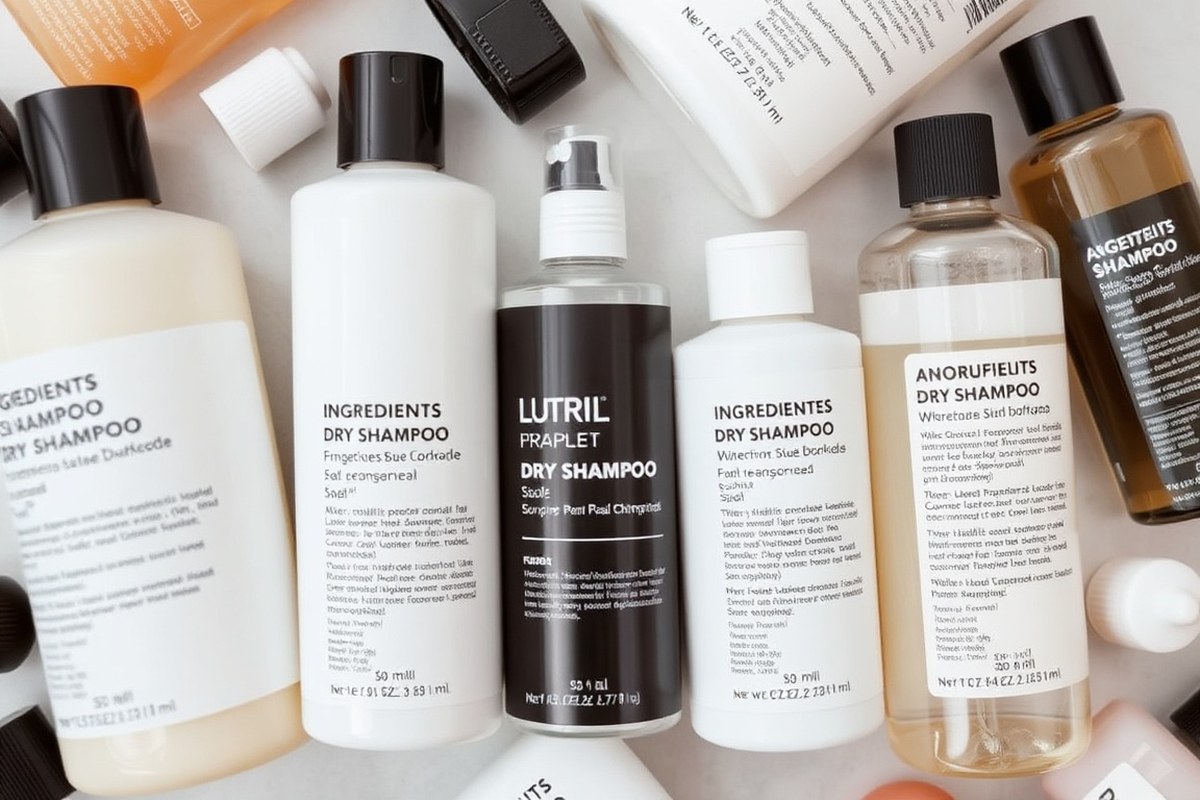
Many dry shampoos contain harmful ingredients that can affect your health. Benzene is a known carcinogen linked to leukemia. Valisure found it in 70% of dry shampoo batches tested in 2022.
This chemical raises serious health concerns. Benzene is dangerous even in small amounts.
It can build up in your body over time. That makes long-term exposure risky.
Propellants like butane, propane, and isobutane make up 70-90% of many dry shampoos. These petrochemical gases help spray the powder onto your hair fast.
But they are toxic if inhaled frequently. They can irritate your lungs and may worsen asthma or cause headaches.
The presence of benzene often comes from trace chemicals in these propellants. Some big brands have recalled products made before October 2021 because of benzene contamination.
The EU and Japan allow up to 1% benzene in products. But you want to avoid any exposure because effects add up over time.
| Ingredient | What It Is | Health Effects | Typical Proportion |
|---|---|---|---|
| Benzene | Cancer-causing chemical contaminant | Linked to leukemia and blood cancers | Trace amounts, detected in 70% of tested batches |
| Butane | Petroleum-based propellant gas | Lung irritant, respiratory issues | Part of 70-90% of product aerosol |
| Propane | Petrochemical gas propellant | Can cause headaches, breathing problems | Included in aerosol mixtures up to 90% |
| Isobutane | Isomer of butane, propellant | Similar toxic effects as butane and propane | Part of aerosol content |
| Starches (rice/corn) | Absorbent powder | Generally safe but can clog pores | Main oil absorber |
Starch-based ingredients like rice and corn starch absorb oils in hair and scalp. They are common in dry shampoo formulas. These ingredients help keep hair looking fresh.
These are safer but can still block pores if not washed out. Check the brand name and batch number of your dry shampoo.
Avoid brands that tested positive for benzene. This helps reduce your risk of exposure.
Look at your dry shampoo’s lot number carefully. Stop using it if benzene appears as an impurity. Also, watch for product recalls and follow safety advice.
How Often Is It Safe to Use Dry Shampoo Without Damaging Your Hair?
You should use dry shampoo only occasionally to avoid harming your scalp and hair. Experts suggest limiting its use to a few times a week at most. Regular washing with water and shampoo is important to keep your scalp healthy.
Recommended Usage Frequency by Experts
Most hair pros say using dry shampoo two or three times is fine. Use it up to twice or thrice weekly to avoid buildup. This frequency helps keep hair fresh without damage.
Using it more often can lead to buildup on your scalp. This buildup can clog hair follicles and cause irritation.
Dry shampoo helps fine or tangled long hair stay clean longer. It stretches your time between washes. This lets you skip washing days more easily.
Still, you should wash your hair with regular shampoo at least once or twice a week. Washing removes residue and oils that dry shampoo can’t fully clean away.
How to Space Dry Shampoo Applications
Apply dry shampoo only to dry hair and avoid using too much at once. Spray or sprinkle lightly, focusing on the roots where oil collects. Let it sit for about 10 minutes, then brush it out gently.
Wait at least 24 hours before reapplying dry shampoo to the same area. Repeated use in a short time can trap dirt and oil, causing scalp problems. Keeping a schedule helps your scalp breathe and stay healthy.
- Apply only to dry hair roots
- Use light sprays to avoid clumps
- Wait 10 minutes before brushing out
- Space applications at least one day apart
- Wash hair with water and shampoo every 3-4 days
- Don’t leave dry shampoo in your hair longer than a day
Leaving dry shampoo on overnight or several days causes flakes and irritation. Your scalp might get itchy or dry.
Rinse it out to avoid problems. Regular washing clears out buildup and prevents scalp issues.
Signs You’re Overusing Dry Shampoo
Watch for redness, itching, or bumps on your scalp as signs of overuse. These symptoms suggest clogged follicles or irritation. Overusing dry shampoo can also make your hair feel dry, brittle, or dusty.
Your hair may look dull or feel rough if you overuse dry shampoo. White powder showing means it’s time to use less. Cut back to keep hair healthy.
Using too much dry shampoo and not washing can cause dandruff. You risk getting folliculitis, a painful scalp problem.
Wash hair regularly to prevent this. Switch back to wet washing more often to restore scalp health.
What Are the Common Signs of Scalp or Hair Damage from Dry Shampoo?
Dry shampoo can cause dandruff if you use it too often. It clogs your pores. This traps oil on your scalp.
This buildup can lead to flakes and irritation. You might feel itching or burning soon after applying it. These signs often mean irritation or allergy.
Watch for signs like redness, flaking, or constant itching. These often mean your scalp is inflamed or sensitive to ingredients in the product. Stop using dry shampoo right away if you have these signs.
Wash your hair with water and gentle shampoo. This clears residues.
Hair breakage from dry shampoo looks like thinner hair strands or shorter hairs around the scalp. Over time, powders can block hair follicles, weakening roots and causing hair to shed or break. You might see more loose hairs on your brush or pillow after using dry shampoo frequently.
To check for follicle clogging, gently massage your scalp with your fingertips in circular motions. Your scalp may feel hard, irritated, or bumpy under fingers.
This might mean buildup is blocking pores. Using water to wash out dry shampoo once or twice a week helps prevent this damage.
It’s easy to confuse dry shampoo irritation with scalp conditions like seborrheic dermatitis. Itching or redness that won’t stop after quitting dry shampoo may need a doctor’s check. A healthcare provider can recommend treatments or spot allergies, especially if you notice swelling or pain.
Dry shampoo usually comes as a fine powder that soaks up oil quickly. Leaving dry shampoo on too long traps chemicals and causes dryness.
Using it every day can make this worse. Your scalp’s natural balance changes, making it more sensitive and prone to inflammation.
Try limiting dry shampoo to two or three times per week. Always clean your scalp with water and shampoo regularly to remove buildup.
Adding essential oils like lavender to homemade dry shampoos might reduce irritation. But products with fewer chemicals work best to avoid damage.
How Does Dry Shampoo Affect Different Hair Types and Conditions?
Dry shampoo’s impact differs with your hair texture and scalp condition. It works best for oily scalps but needs careful use on dry or curly hair. Choosing the right formula and applying it properly helps avoid damage and irritation.
Dry Shampoo Use for Curly and Coily Hair
Curly and coily hair tends to be drier because its lifted cuticle absorbs oil more efficiently. These hair types usually don’t need dry shampoo as often as straight hair does. Using too much can cause dryness and frizz, making curls lose their shape and bounce.
Pick a dry shampoo designed for curly hair or one that hydrates while absorbing oil. Avoid powders that leave visible residue or make curls stiff. Focus application on roots only and use sparingly to keep curls soft and defined.
Considerations for Oily and Dry Scalps
Oily scalps benefit most from dry shampoo since it absorbs excess oil quickly. It can add volume and texture, especially on busy days or after exercise. Overusing dry shampoo or spraying too close to the scalp can clog pores.
This may cause itchiness and flaking. Use it sparingly and keep a good distance while spraying.
Dry scalps are more sensitive and prone to irritation with dry shampoo. The product can worsen dryness and trigger dandruff or redness.
Choose formulas with gentle ingredients without alcohol or harsh powders. Use dry shampoo only when necessary to avoid scalp damage.
Adjusting Use by Hair Condition and Environment
Hair that’s damaged, dyed, or chemically treated might react poorly to dry shampoo. It can make hair feel stiff or brittle if overused. Avoid dry shampoo if your scalp feels irritated or flaky.
Let your skin heal first. Using it too soon can make irritation worse.
Environmental factors like humidity or cold weather also affect dry shampoo performance. Humidity can cause buildup and greasiness, so apply less or wash regularly. Cold, dry air can dry out your scalp more than usual.
This means you should use less dry shampoo. Try adding moisturizing hair care products instead.
Always test dry shampoo on a small area before full use. This is key if you have sensitive scalp or curly hair. It helps avoid buildup or irritation.
How to Use Dry Shampoo Safely to Minimize Risks
Use dry shampoo by spraying it from the right distance and avoiding buildup. Apply the product thoughtfully, then brush it out well. That helps keep your scalp healthy and hair looking fresh.
Proper Distance and Amount to Spray
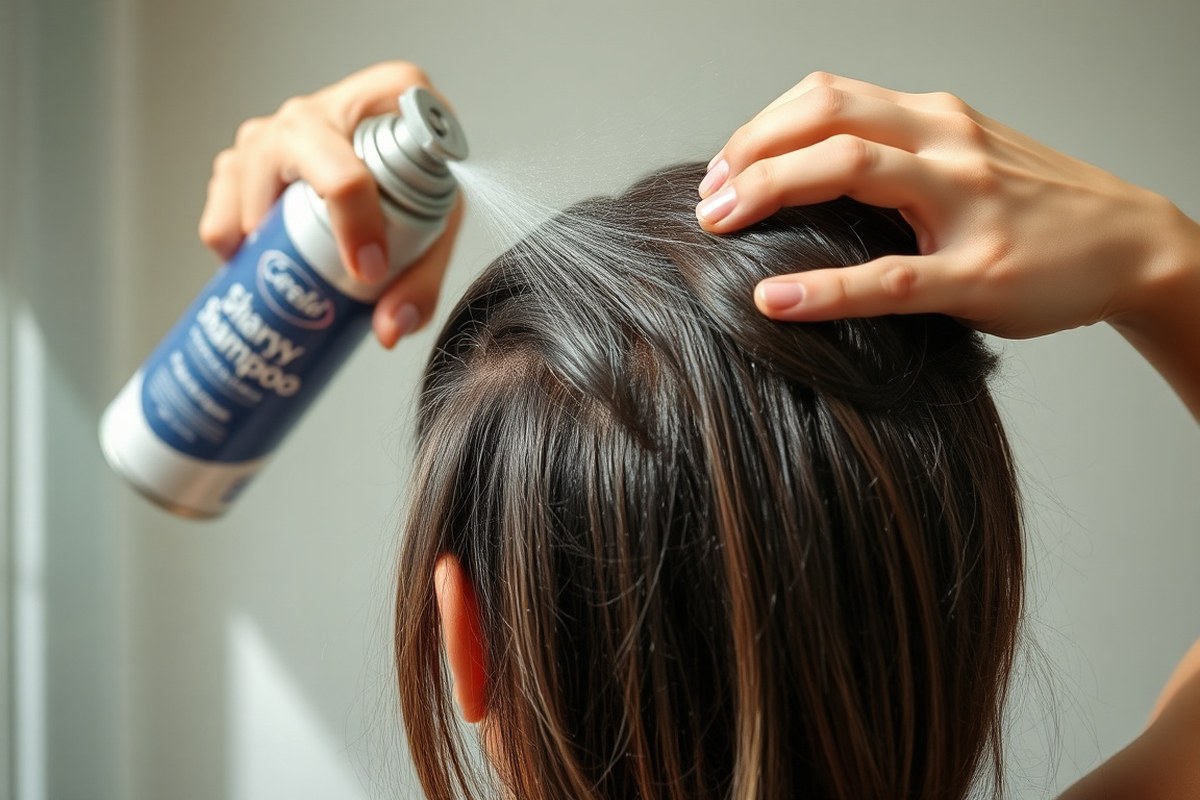
Hold the can at least 6 inches away from your scalp. Spraying too close can clog pores and cause irritation. Use light sprays instead of heavy bursts to avoid buildup.
Focus on the roots where oil tends to gather, but spread it evenly. A few quick sprays around the scalp usually do the job. You don’t need to soak your hair.
Techniques to Avoid Scalp Buildup
Let the dry shampoo sit a few minutes after spraying. This gives it time to absorb oil. Then, gently massage or brush your hair to remove excess powder.
Use your fingers or a brush to distribute the spray evenly. Avoid spraying the same spot multiple times. Build-up can clog follicles and dry out your scalp.
- Spray from at least 6 inches away
- Apply light, even layers only
- Let dry shampoo sit 2 to 5 minutes
- Massage or brush out gently
- Avoid daily use to prevent buildup
- Don’t spray directly onto irritated scalp
- Wash hair thoroughly within a day or two
Keeping scalp clean is easier with regular shampooing. Regular washing prevents residue from accumulating and blocking hair follicles.
Frequency and Timing for Best Results
Limit dry shampoo use to no more than 1 or 2 times a week. Daily use may cause dryness or irritation. Give your scalp time to breathe between applications.
Use dry shampoo to extend a hairstyle between washes, not replace shampoo. Apply it on dry hair, about a day after washing. Use it earlier in the day for best absorption and styling results.
What Are Healthy Alternatives to Dry Shampoo?
You can find natural dry shampoos that skip harsh chemicals like propellants. These safer powders use ingredients like rice starch to absorb oil without aerosol sprays. Non-aerosol options lower the risk of scalp irritation and avoid inhaling chemicals.
Still, dry shampoo isn’t the best way to clean your hair. Washing with natural shampoo and conditioner removes dirt, oil, and buildup better. Limiting dry shampoo use to emergencies preserves your scalp’s health and hair’s natural oils.
| Method | What It Does | Pros | Cons |
|---|---|---|---|
| Natural Powder Dry Shampoo | Absorbs oil without water or aerosol | Non-toxic, no propellants, gentle | Temporary, doesn’t clean scalp deeply |
| Regular Shampoo & Conditioner | Removes oil, dirt, and buildup with water | Cleans scalp, supports scalp health | Takes more time and effort |
| D.I.Y. Dry Shampoo (DIY recipe) | Powder mix that absorbs grease | Inexpensive, controls ingredients | Needs careful blending, limited hold |
| Waterless Cleansing Rinse | Use diluted vinegar or baking soda mix | Natural, refreshes scalp, safer formulas | Has scent, may not suit all hair |
Making your own dry shampoo powder is simple and cost-effective. Mix 2 tablespoons of cornstarch or arrowroot powder.
Add 1 tablespoon of cocoa powder for dark hair. Store it in a small container and dust on roots lightly using a makeup brush.
This homemade blend absorbs oil safely without harsh chemicals. Use just enough to avoid visible residue.
Avoid spraying it like aerosol to keep your lungs safe. Apply every few days instead of daily to give your scalp some breathing room.
When Should You See a Doctor for Dry Shampoo Side Effects?
Burning, itching, or redness after using dry shampoo means stop. Stop using it right away if your scalp feels this way. These symptoms can signal irritation or an allergic reaction.
Discomfort that lasts more than a day means you should see a doctor. Getting medical advice can help avoid further issues.
Scalp irritation becomes serious when you see swelling, pus, or open sores. These signs might point to folliculitis, an infection of hair follicles often caused by clogged pores. Folliculitis needs medical treatment to avoid scarring or hair loss.
Allergic reactions can cause flaking, bumps, or even hives on your scalp. You may also notice hair shedding in affected areas. Don’t ignore these signs; a dermatologist can prescribe creams or oral medication.
- Stop all hair products immediately if irritation appears
- Use gentle shampoo and lukewarm water to rinse scalp
- Avoid scratching to prevent infections
- Burning or itching lasting over 24 hours calls for a doctor visit. Don’t wait to get professional help.
- Seek urgent care if you have fever or spreading redness
- Follow prescribed treatments exactly to clear infections
- Do not resume dry shampoo until cleared by a professional
Prompt treatment helps prevent long-term damage and other complications. A doctor may recommend an antifungal or antibiotic cream for folliculitis. For allergic reactions, they usually suggest corticosteroids or antihistamines to reduce symptoms.
Always test dry shampoo on a small skin patch before regular use to avoid severe reactions.
Keep a close eye on your scalp after using dry shampoo. Quick action helps protect your hair and scalp when problems begin.
Acting fast reduces damage and irritation. Scheduling a check-up costs less in money and pain than waiting till things get worse.
Step-by-Step Action Plan to Protect Your Hair from Dry Shampoo Damage
Use this plan to reduce dry shampoo risks and keep your scalp healthy. Follow each step to see better hair and less buildup.
- Before you start: Check your scalp and hair for irritation or dryness. Healthy signs show no redness or flaking.
- Day 1: Use dry shampoo on dry, oily roots only. Avoid spraying near scalp patches that feel sore. You want your scalp to stay calm.
- After 3 days: Wash your hair with a gentle shampoo and conditioner. Clean hair means your scalp isn’t clogged by residue.
- Week 1: Limit dry shampoo use to two times max this week. Fewer uses help prevent buildup and dryness.
- Week 2: Try a healthy alternative one day this week. Use a microfiber cloth to blot your hair. You can also rinse your scalp with water. Notice if your scalp feels fresher.
- After 2 weeks: Assess your scalp and hair again. No itching, redness, or flakiness means you’re on the right track.
- Ongoing: Rotate dry shampoo with other methods weekly. Keep your hair clean, avoid daily dry shampoo, and watch your scalp’s reaction.
Frequently Asked Questions
Why Is Dry Shampoo Bad for Your Hair If Used Too Often?
It can cause buildup on your scalp, leading to irritation and clogged follicles. Limiting use to one or two days a week helps avoid these problems.
Can Dry Shampoo Worsen Dandruff or Scalp Conditions?
Yes, if your scalp is dry or sensitive, dry shampoo can increase flaking or irritation. It’s best to avoid it when you have active scalp issues.
Does Dry Shampoo Stop Your Scalp from Breathing?
No, your scalp doesn’t breathe like lungs. But buildup may block pores and cause imbalance. Regular washing counters this effect.
Is Using Dry Shampoo Harmful to Colored or Treated Hair?
Frequent use can dull hair color and dry out treated strands. Use it sparingly and condition your hair well.
Can Dry Shampoo Cause Hair Loss?
Dry shampoo doesn’t cause hair loss by itself. It can clog follicles or irritate your scalp.
Over time, this may weaken hair roots. Maintain scalp health for protection.
Does Dry Shampoo Damage Hair Texture over Time?
It can make hair feel dry or stiff if overused due to buildup. Proper cleansing and moisture help keep texture healthy.
Final Thoughts
Dry shampoo can harm your hair if you overuse it or skip cleansing. Watch your scalp for signs of trouble and use it only when necessary. Start with a gentle routine to keep your hair healthy and comfortable.