Is Kitsch Cruelty Free? Clear Facts and Vegan Guide You Need
Is Kitsch cruelty free? Yes, Kitsch products do not involve animal testing.
They are certified cruelty-free by trusted groups like Leaping Bunny. You can use their items without worrying about animal harm.
Kitsch is not 100% vegan, though. Some items contain animal-derived ingredients, so check labels if you want purely vegan products. Use a vegan ingredient checker app to be sure before buying.
Owned by a parent company that isn’t cruelty-free, Kitsch remains fully cruelty-free itself. Supporting Kitsch sends a clear message to the parent company about cruelty-free demand. Avoid products sold in places like China if you want to skip possible animal testing.
Look for the Leaping Bunny logo on packaging to confirm cruelty-free status. This certification requires no animal testing at any production stage. Remember, cruelty-free does not always mean vegan, so ingredients matter.
Key Takeaways
- Kitsch is certified cruelty-free by Leaping Bunny and avoids animal testing.
- Some Kitsch products contain animal ingredients; check product labels carefully.
- Use free vegan ingredient checker tools to confirm if a Kitsch product is vegan.
- Buying Kitsch supports cruelty-free brand efforts despite parent company practices.
- Kitsch products ship from Los Angeles and are designed there.
- Avoid buying Kitsch products sold in countries that mandate animal testing by law.
Is Kitsch Truly Cruelty-Free in All Aspects?

Kitsch does not test its products or ingredients on animals. They also do not ask third parties or suppliers to conduct animal testing on their behalf. This includes all ingredients and finished products used in their line.
The brand’s cruelty-free policy means Kitsch avoids any involvement in animal testing throughout production. Their suppliers comply with this policy and refuse animal tests even where laws might require it. This ensures no animal suffering occurs at any stage, from ingredient sourcing to final product.
Being cruelty-free for Kitsch means no animal testing on finished products. They also don’t test raw materials on animals.
Their suppliers follow strict rules against animal testing too. This policy is firm and publicly confirmed by the brand.
Kitsch’s cruelty-free status is also recognized by respected watchdogs like Leaping Bunny and Ethical Elephant. Such certifications require ongoing compliance and regular audits. They verify that brands meet strict standards, meaning no hidden or indirect animal testing takes place.
Being cruelty-free does not always mean products contain only plant-based ingredients. Kitsch offers some vegan items, but not all their products are vegan. Animal testing is not done on any Kitsch product.
This applies to their whole product range. They’re a good pick if you want cruelty-free beauty.
Choosing Kitsch supports a brand that refuses to take shortcuts involving animal suffering. Maintaining cruelty-free practices costs more diligence and regular quality checks. However, it builds trust and helps reduce demand for animal testing in beauty products worldwide.
Which Kitsch Products Are Vegan and What Does That Mean?
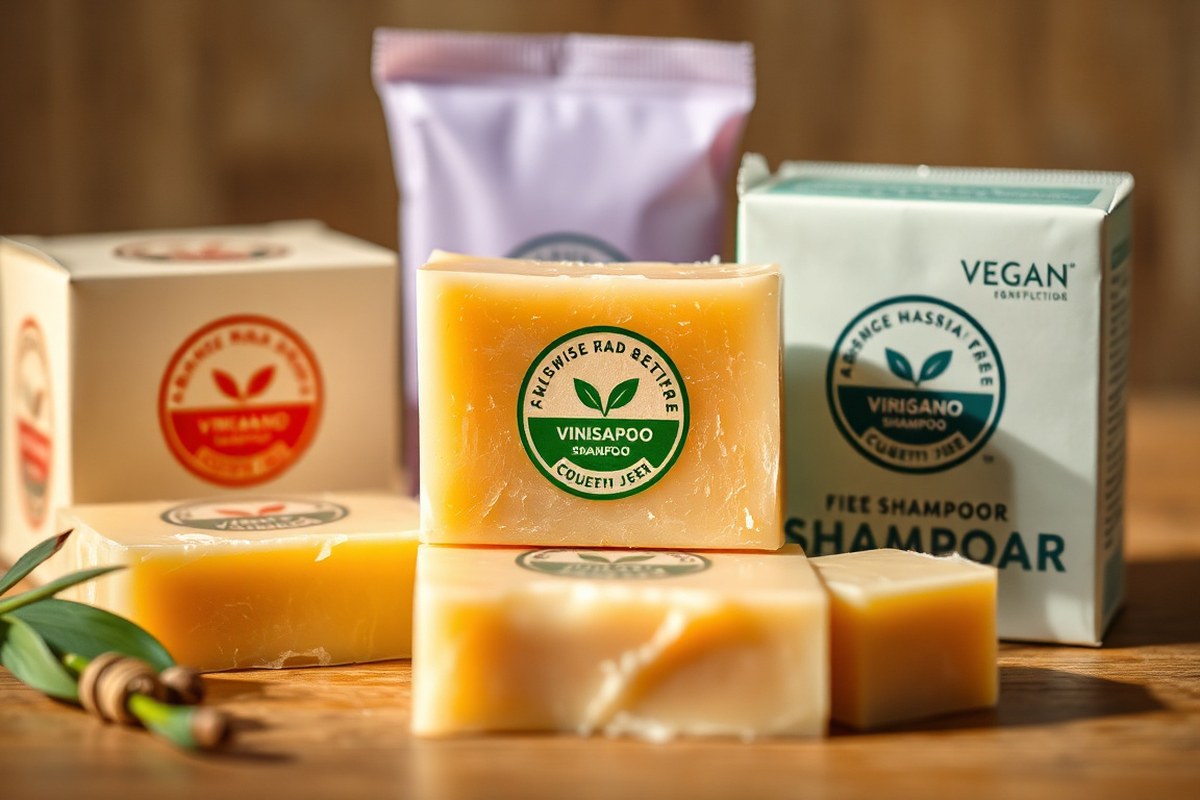
Kitsch products are all vegan, with no animal-derived ingredients in their range. Vegan beauty products avoid any materials that come from animals or animal by-products. Knowing which products fit your vegan lifestyle means checking ingredients carefully and confirming with the brand.
What Vegan Means in Beauty Products
Vegan beauty products don’t use anything from animals or by-products like honey or milk. This includes ingredients like beeswax, lanolin, and carmine. Vegan labels usually mean no animal testing or animal materials go into the product’s making.
Vegan also extends to haircare and beauty accessories in some brands. Kitsch confirms all its products are vegan from design to shipment. That promises you’re avoiding animal ingredients in both cosmetics and hair tools.
Which Kitsch Products Are Vegan?
Kitsch states every product they make is vegan. This means shampoos, brushes, scrunchies, and hair tools have no animal-derived components. You can choose them without worry if you want a fully vegan routine.
Still, ingredient lists can change over time, so it’s smart to check each product. The brand’s official website or customer service can confirm any updates. Staying informed ensures you avoid accidentally buying non-vegan items.
Common Animal Ingredients to Watch For
Many beauty products use animal-based ingredients. These are the usual suspects to check for:
- Beeswax, a natural wax from honeybees
- Lanolin, a greasy substance from wool or sheep’s skin
- Carmine, a red dye made from crushed insects
- Collagen, typically from animal bones or skin
- Silk, fibers from silkworm cocoons
- Honey, sweet substance collected from hives
Knowing these helps when you scan Kitsch packaging. None of these are in their products, but it’s good to recognize them elsewhere.
How to Check Kitsch Products for Vegan Status
Start by reading the ingredient list on your product carefully. Look up any unfamiliar names with online vegan ingredient databases. Apps like Bunny Search can help by showing animal-derived items quickly.
You can also contact Kitsch directly. Ask them for the vegan status of the specific product you want to buy. Usually, their customer service will confirm if the item is vegan or not.
Always double-check product ingredients if you’re strictly vegan, even for trusted brands.
Steps to Confirm Vegan Beauty Products
- Read the product’s ingredient list carefully.
- Look for known animal-derived ingredients listed earlier.
- Use tools like the Bunny Search app for quick checks.
- Check the brand’s official website or product label for vegan claims.
- Contact customer support for confirmation if uncertain.
- Choose only products labeled or confirmed as 100% vegan.
Following these steps helps you avoid surprises and keeps your beauty supplies aligned with your values. It’s a simple but effective habit for anyone buying beauty or haircare products from any brand.
What Certifications Prove Kitsch’s Cruelty-Free Claims?
Kitsch holds the Leaping Bunny certification, a trusted sign of cruelty-free products. However, it is not currently listed by PETA or some other well-known organizations. These certifications confirm different levels of cruelty-free commitment and transparency.
Leaping Bunny Certification Details
Leaping Bunny is one of the strictest cruelty-free certifications. It demands full disclosure of testing practices.
Neither the brand nor its suppliers test on animals. Kitsch meets these standards and is officially certified by Leaping Bunny.
Certification requires ongoing audits and a monitoring system to ensure suppliers also avoid animal testing. This means Kitsch must continuously prove no animal testing occurs at any stage. The process is costly and involves yearly compliance reviews to maintain certification.
PETA Cruelty-Free Status
PETA offers a cruelty-free certification but requires brands to apply for it directly. Kitsch is not currently listed in PETA’s database.
The absence does not always mean animal testing happens. Kitsch may have chosen not to pursue PETA certification.
PETA certifies brands based on their animal testing policies and ingredient sources. Some consumers prefer brands with PETA recognition.
Others rely on Leaping Bunny or different programs. Each certification carries its own trust level depending on consumer preference.
Other Certifications and Their Meanings
Besides Leaping Bunny and PETA, a few other groups offer cruelty-free labels. These vary in strictness and verification methods. Conscious Bunny, for example, demands more transparency in supply chains beyond just no animal testing.
Most major certifications require a signed pledge against animal testing and ongoing supplier checks. Brands without official approval might still follow cruelty-free practices but lack third-party verification. Certification lets you quickly identify brands vetted by experts.
Why Some Brands Lack Official Certifications
Many companies don’t apply for certifications due to cost or complexity. The certification process can take months and involves fees plus paperwork. Smaller or newer brands might skip official certification while still avoiding animal testing.
Also, some brands under parent companies that test on animals avoid certification to prevent confusion. Consumers need to research each brand’s policies carefully. Official logos provide easier verification, but absence doesn’t guarantee animal testing.
Here is a table comparing Kitsch’s certifications and other common cruelty-free standards. It highlights what each certification guarantees and who issues them.
| Certification | Issuer | Kitsch Status | Requirements |
|---|---|---|---|
| Leaping Bunny | Coalition for Consumer Information on Cosmetics | Certified | No animal testing by brand or suppliers; annual audits; transparent supply chain |
| PETA Cruelty-Free | People for the Ethical Treatment of Animals | Not Listed | No animal testing; brand application required; ingredient transparency |
| Conscious Bunny | Conscious Bunny | Not Reported | Beyond no animal testing, requires supply chain transparency |
| Other local or niche certifications | Various | Varies | Varies from no animal testing to ethical sourcing requirements |
Checking for these certifications on a product or brand website helps confirm cruelty-free status. Leaping Bunny certification guarantees ongoing compliance and yearly auditing. PETA’s list requires brand application but gives another layer of trust.
Who Owns Kitsch and Does That Affect Cruelty-Free Status?
Kitsch doesn’t belong to a company known for testing on animals. This lowers the risk that corporate policies affect their cruelty-free status. Some buyers still question if parent companies shape a brand’s animal testing rules.
Understanding Kitsch’s Ownership
There isn’t clear data confirming if Kitsch is independent or owned by another company. Some brands are subsidiaries of big firms like L’Oréal or Estée Lauder. Many parent companies still do animal testing.
This can change how people view the smaller brands they own. Consumers may see those brands differently because of their parent company’s choices.
Kitsch isn’t listed under any known animal-testing company. It might operate alone or belong to a smaller group.
This makes its testing status less clear. Knowing who owns the brand helps consumers decide if their money supports cruelty-free values fully.
How Parent Company Policies Influence the Brand
Parent companies can set testing rules that their brands must follow. Some buyers worry parent company tests could cancel out a brand’s cruelty-free claims.
This concern affects how they trust the products. However, subsidiaries often operate with independent policies.
These independent branches usually avoid animal testing themselves, even if the parent company doesn’t. They may have distinct management focused on cruelty-free products. Still, anything connected to a testing parent company can feel risky for some buyers.
Impact of Parent Testing Policies on Consumers
Buying from a brand owned by an animal-testing company may feel like backing testing. This can bother people who avoid animal cruelty.
It’s a personal choice some people avoid completely. Others continue to buy from cruelty-free subsidiaries, trusting their separate policies.
Your choice depends on how strongly you want to avoid funding animal testing. Some buyers only buy from fully cruelty-free companies. Many shoppers balance ethics with product availability and quality.
You can find out if a brand is independent or linked to testers. That helps you decide where your money goes.
Can Subsidiaries Be Cruelty-Free on Their Own?
Subsidiaries often have their own cruelty-free standards despite parent company practices. They can choose not to test on animals and gain cruelty-free certifications independently. This makes it possible to support these brands without backing parent company testing.
Still, some consumers decide not to support subsidiaries connected to testing parents no matter what. It depends on how strict you want to be about animal testing in the supply chain. You can look for brands certified by trusted cruelty-free organizations to confirm their status.
How to Decide About Supporting Kitsch or Similar Brands
Checking cruelty-free databases shows if a brand belongs to a tester-owned company. That helps you avoid supporting animal testing. Pick brands owned by companies that don’t test on animals to avoid funding testing.
This keeps your support cruelty-free. Otherwise, approve purchasing from strictly cruelty-free subsidiaries only.
This requires some research but lets you be intentional about your choices. Doing this may limit your options but aligns purchases with your ethics. You can also prioritize buying vegan or certified cruelty-free products to support animal-friendly companies.
Are Kitsch Products Sold in Countries Requiring Animal Testing by Law?
Kitsch does not sell products in mainland China. They avoid countries that require animal testing by law. Their sales skip places with these rules.
Kitsch avoids selling in markets that force animal testing. They skip channels needing animal tests for approval. This helps keep their cruelty-free status.
Countries like China, Brazil, and Indonesia often need animal tests. This mainly applies to products in physical stores. Online sales sometimes have different rules.
China historically mandated that imported cosmetics undergo animal testing. Since 2023, China changed animal testing laws. Some brands can enter without animal test funding now.
This is a new option for cosmetic brands. This shift applies mainly to “general” cosmetics like shampoo or lotion. But “special use” cosmetics, such as sunscreens or hair dyes, still face stricter rules.
Kitsch keeps a cruelty-free status by not selling in these markets. They stay clear of countries with animal testing laws. This protects their cruelty-free claim.
Kitsch chooses not to sell in countries with mandatory animal tests. They avoid markets that require animal testing by law. This keeps their cruelty-free reputation strong.
Many cruelty-free groups need brands to avoid animal testing regions. Selling in places with forced tests can hurt these claims.
Kitsch follows these rules carefully. Selling in any of these countries usually disqualifies a brand from calling itself completely cruelty-free.
Check where your cosmetics sell before buying. Some brands sell in places requiring animal tests. That might affect if they are truly cruelty-free.
How to Recognize Animal-Derived Ingredients in Kitsch Products
Animal-derived ingredients often hide inside beauty products, including some Kitsch items. Checking the ingredient list helps you spot non-vegan components before buying. Common animal-based ingredients are beeswax, honey, and collagen.
They come from bees or animals. These don’t meet vegan or cruelty-free standards.
Ingredient names can be complicated or chemical sounding. This makes it hard to tell if they come from animals. Reading labels carefully helps you stay informed.
Learning a few key names makes reading formulas easier and saves you time. Check for these common animal-derived ingredients when scanning Kitsch products:
- Beeswax, honey, or propolis, these come from bees and are common in lip balms and haircare
- Lanolin, a wax from sheep’s wool, often in moisturizers
- Collagen or gelatin, proteins from animals, used to improve texture or firmness
- Carmine or cochineal, red pigments made from crushed insects, found in some makeup
- Keratin, protein from animal hair or horns, used in hair treatments
- Elastin, animal protein that firms the skin, sometimes in anti-aging products
- Squalene, often from shark liver oil, though some brands use plant-based versions
Reading ingredient lists does take some time. But it’s a solid way to learn what’s inside your products. Look up any unfamiliar word online or use apps that scan formulas for animal parts.
Kitsch’s labels sometimes list these clearly. Other times, you might spot synthetic or plant-based alternatives instead.
When you find a suspicious ingredient, ask the brand through their website or social media. Many brands answer questions about formulations and update vegan lists regularly. Animal-free products usually cost a bit more but give peace of mind about animal welfare.
What Sustainability and Ethical Practices Does Kitsch Follow?
Kitsch uses stylish minimal packaging that cuts down on plastic waste. Their products often come in small boxes with paper-wrapped bars inside. This approach means you use less plastic at home.
Tossing the package becomes easier. It’s also easier to recycle or compost.
The brand also runs a Buy One/Pull One campaign in partnership with 4ocean. For every item you buy, Kitsch helps remove plastic from the ocean the very same day. This direct link between your purchase and cleanup efforts makes a clear impact on ocean health.
Kitsch’s dedication to ocean plastic cleanup means your beauty routine does some environmental good. The partnership with 4ocean supports systematic plastic removal that targets waterways and coastal areas. The effort helps protect marine animals and reduces pollution that could enter your daily products.
Beyond packaging, Kitsch promotes eco-friendly product features like recyclable containers and minimal waste designs. These small but meaningful choices add up when many customers choose Kitsch.
It usually costs a few cents more per unit. But customers know their purchase supports a cleaner planet.
Joining the Buy One/Pull One campaign also raises awareness for plastic pollution. When you shop at Kitsch, you become part of a community focused on ethical consumer habits. This shared mission encourages brands to keep reducing their environmental footprints too.
Where Can You Buy Kitsch Cruelty-Free and Vegan Products?
You can find Kitsch cruelty-free and vegan products at major retailers both in stores and online. Target and Ulta carry a broad selection, making it easy to shop in person.
Amazon also offers Kitsch items. But check the seller to avoid third-party markup or counterfeit goods.
Kitsch’s website sells all their products directly to you online. You can find exclusive lines there that stores don’t carry. Buying directly gives you access to the newest launches and official discounts.
You can sign up for their newsletter on the website. This often gives you promo codes for 10 to 20 percent off.
Not all Kitsch lines are available at every retailer. Some exclusive or limited-edition items only appear online or on Kitsch’s website.
Checking store stock online before you go saves time. You can also find bundles or multipacks online that stores don’t always stock.
- Kitsch is sold at Target and Ulta stores nationwide.
- Amazon offers many Kitsch products; check seller ratings.
- Kitsch’s official website carries the full product line.
- Use Kitsch website promo codes for discounts on online orders.
- Exclusive items usually appear only online or on the brand site.
- Check local store inventory online before visiting.
- Bundles and limited-edition kits are often online-only.
Shopping online lets you compare prices across sellers quickly. Some products may ship free with minimum purchase or Prime membership at Amazon.
Target and Ulta sometimes offer seasonal sales or in-store only promotions, so watch for those. You might find a better deal by combining a store sale with a manufacturer coupon.
Always verify if a seller on Amazon is authorized to avoid fakes or marked-up prices.
Your Quick-Start Plan for Choosing Kitsch Cruelty-Free and Vegan Products
Follow these simple steps to shop safely for Kitsch cruelty-free and vegan beauty products today.
- Before You Buy: Check for cruelty-free logos on the product label or website to confirm status.
- Day 1: Review the ingredient list for animal-derived components like keratin or beeswax.
- Day 2: Visit official cruelty-free certification sites such as Leaping Bunny to double-check Kitsch’s claims.
- Week 1: Look for clearly marked vegan products within Kitsch’s range using their website filters.
- Week 2: Avoid purchasing Kitsch products from retailers in countries that require animal testing by law.
- After Purchase: Test the product on a small patch of skin first. Check that it suits your skin. Only use it regularly if it feels good.
- Ongoing: Follow Kitsch’s brand updates on ethical practices to stay informed about changes.
Frequently Asked Questions
Does Kitsch Test on Animals at Any Point?
No, Kitsch is cruelty-free and does not test on animals. They follow strict policies against animal testing throughout their product development and sales process.
Can Kitsch Products Be Considered Ethical Beyond Cruelty-Free Claims?
Yes, Kitsch supports sustainability and ethical practices. They use vegan ingredients for some products and ship from California, showing commitment to ethical values.
Are All Kitsch Hair Accessories Vegan Too?
Most Kitsch hair accessories are vegan but check specific product details. Some items might include animal-derived materials, so always review ingredient lists.
Do Kitsch Products Contain Common Allergens?
Some Kitsch products may have allergens like fragrances or botanical extracts. Check ingredient lists carefully if you have sensitivities or allergies.
Is Kitsch Cruelty-Free Status Verified by Third Parties?
Yes, Kitsch is recognized as cruelty-free by Ethical Elephant and Leaping Bunny. It’s not listed by PETA but these organizations are reliable sources.
How Does Kitsch Handle Animal-Derived Ingredients in Their Products?
Kitsch labels which products are vegan and which have animal ingredients. Use their online tools or ingredient lists to spot non-vegan items.
Wrapping Up
Kitsch offers a range of products that can fit a cruelty-free lifestyle. Checking labels and certifications helps you shop with confidence. Start by choosing a certified vegan item from their official outlets today.