When to Use Leave in Conditioner: A Complete Guide for Healthy Hair
When to use leave in conditioner is a common question for healthy hair. The best time to apply it is right after shampooing and towel drying. Your hair should be damp but not soaking wet for the conditioner to work well.
Applying leave-in conditioner on damp hair helps lock in moisture and makes hair easier to manage. Spray or apply it evenly from mid-lengths to ends, avoiding the scalp to prevent greasiness. Starting with a small amount lets you add more if needed without weighing hair down.
Choose a leave-in conditioner that suits your hair type to get the best results. Using it too often or on dry hair can cause buildup and make hair feel heavy. Use it regularly but adjust based on your hair’s needs for healthier, softer strands.
Key Takeaways
- Use leave-in conditioner on damp hair after towel drying, not dry or soaking wet.
- Apply from mid-lengths to ends, avoiding the scalp to prevent greasiness.
- Start with a small amount, adding more only if your hair needs extra moisture.
- Choose a product designed for your hair type, like fine or thick hair formulas.
- Don’t use leave-in conditioner every day if your hair is fine or oily.
- Skip leave-in conditioner if your scalp feels irritated or overly oily.
When Is the Best Time to Use Leave-In Conditioner?

Apply leave-in conditioner right after washing your hair. Your hair should be towel-dried first, not dripping wet but still damp. This timing helps the product lock in moisture and prepare your hair for styling.
Use a soft towel to gently squeeze out excess water. Avoid rubbing, which can cause breakage and frizz. Take a small amount of leave-in conditioner.
Spread it evenly from mid-lengths to ends. These areas usually need more moisture.
It’s also fine to apply leave-in conditioner to dry hair in small amounts. This works well if your hair feels rough or frizzy during the day. Spray or smooth the product on lightly to refresh and soften without weighing hair down.
Choosing towel-dried over air-dried hair matters because damp hair absorbs conditioner better. It helps open the hair cuticle so ingredients can penetrate deeply. Air-dried hair may get too dry.
This can make product spread unevenly. Your hair might not get enough nourishment.
After applying leave-in conditioner on damp hair, finish with your usual styling products. Use hair oil or serum next to seal in moisture and add shine. This order protects hair, making it easier to detangle and less prone to damage.
For very fine hair, use a lightweight leave-in and apply sparingly. Avoid applying too close to the roots, which can cause greasiness. Focus on mid-lengths and ends to boost moisture without weighing your hair down.
How Often Should You Use Leave-In Conditioner for Different Hair Types?
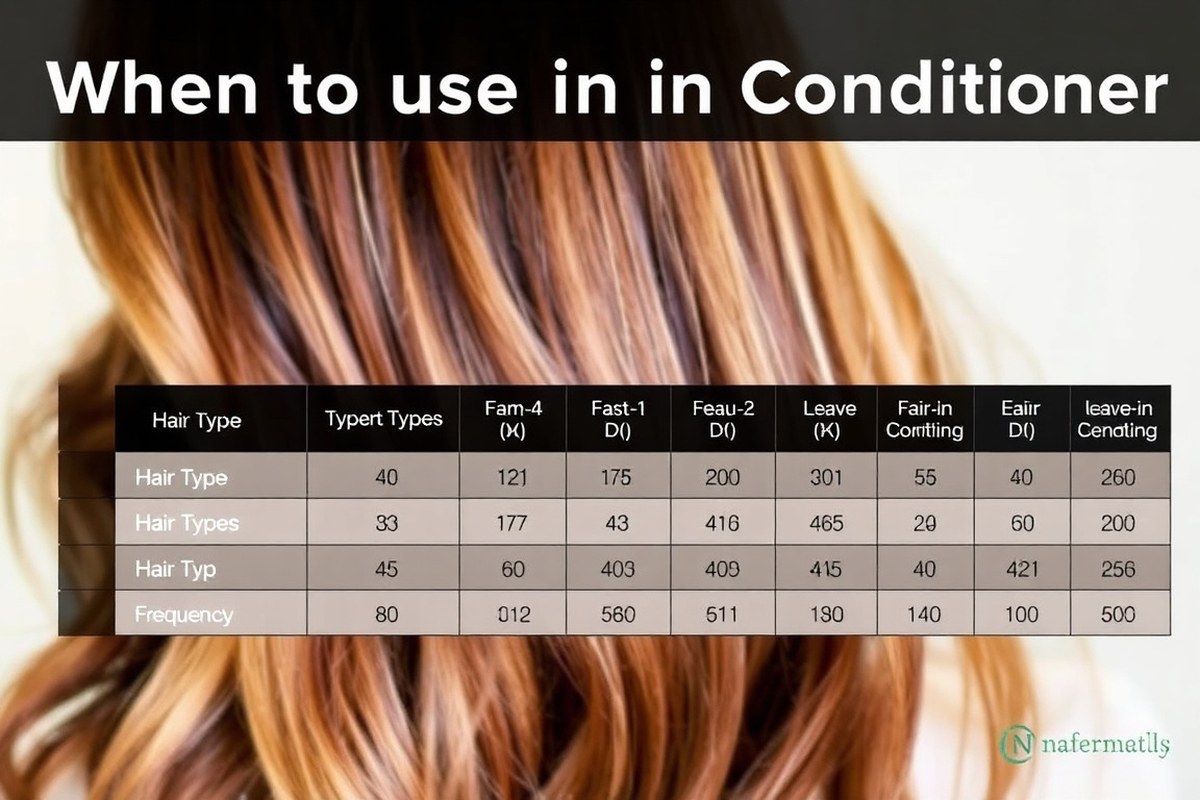
How often you use leave-in conditioner depends on your hair type and condition. Fine or oily hair needs less frequent application to avoid weighing it down. Thicker, curly, or damaged hair usually benefits from daily use for better moisture and control.
Using leave-in conditioner every day on dry or curly hair helps keep strands soft and manageable. Chemically treated hair should get leave-in conditioner after every wash to protect it from breakage.
Adjusting frequency with the seasons also matters: drier months call for more moisture. Humid months need less product to avoid buildup.
| Hair Type | Recommended Frequency | Notes |
|---|---|---|
| Fine or oily hair | 2, 3 times per week | Use lightweight spray to prevent heaviness |
| Normal hair | After every wash | Apply moderate amount to mid-lengths and ends |
| Dry or curly hair | After every wash + refresh as needed | Cream-based works best for moisture and curl bounce |
| Chemically treated hair | After every wash | Reduces breakage and supports heat styling protection |
For fine hair, stick to lightweight sprays and limit to a few times weekly. Using leave-in conditioner every day on fine hair can cause greasiness and buildup. Thick hair can handle daily use of leave-in conditioner.
You can apply more product with curl-friendly creams. These add moisture but don’t weigh hair down.
Seasonal changes require you to tweak how often you apply leave-in conditioner. Cold air or heated indoor air dries hair faster.
So add leave-in conditioner more often in winter. In summer, less product helps avoid greasy hair despite sweat or humidity.
Using too much leave-in conditioner daily on fine hair may cause buildup and limpness.
Choosing the Right Leave-In Conditioner for Your Hair
Formulations for Dry or Damaged Hair
Pick leave-in conditioners that contain nourishing oils if your hair is dry or broken. Ingredients like coconut oil, shea butter, argan oil, jojoba oil, and aloe vera moisturize and repair hair strands. Thick, creamy products coat the hair to reduce frizz and prevent damage.
Use these conditioners more often and in greater amounts for best results. Apply from mid-lengths to ends, avoiding too much near the scalp to prevent heaviness.
These products usually cost between $20 and $35 per bottle. A little goes a long way.
Leave-In Options for Curly Hair
Curly hair benefits especially from leave-in conditioners because curls tend to be dry and fragile. Choose creamy, nourishing forms that lock in moisture without weighing curls down. Some people with curls like adding natural oils for softness.
Others mix aloe vera to control their frizz better. These extras help curls feel smooth and look shiny.
Focusing the conditioner on the ends and working upwards keeps curls bouncy and defined. Sprays can also work as lighter alternatives for less coil-heavy curls, especially when humidity is high.
What to Avoid with Fine or Oily Hair
Avoid heavy creams if your hair is fine or your roots get oily. Instead, try lighter leave-in sprays or lotions for better results.
Heavy ingredients can weigh hair down and make it look flat or greasy quickly. Instead, pick lightweight spray or mist formulas made for fine hair.
The sprays deliver moisture evenly without buildup. Apply with a wide spray from mid-lengths down and avoid the scalp to keep volume intact. Fine hair leave-in conditioners generally cost between $15 and $25.
A bottle usually lasts about two months with steady use. Some products might last longer depending on your application amount.
Sprays vs. Creams: Choosing Based on Hair Type
Sprays excel at refreshing hair between washes and suit fine to normal hair well. They are easy to use and absorb quickly without residue. Creams provide richer hydration better for thick, curly, or coarse hair where moisture retention is key.
Use sprays on towel-dried or dry hair to revive softness. Apply creams on wet hair post-shower to seal in hydration and protect against frizz. Match the product texture to your hair’s thickness for the best feel and appearance.
Leave-In Conditioner vs Rinse-Out Conditioner: Key Differences
Leave-in and rinse-out conditioners serve different purposes, and they fit into your routine differently. Rinse-out conditioner comes right after shampooing and gets washed off within a few minutes. It focuses mainly on detangling hair and adding smoothness right after washing.
Leave-in conditioner is a lightweight product you apply on damp hair but do not rinse out. It keeps adding moisture and protection long after the shower ends.
Unlike rinse-out conditioner, leave-in conditioner stays in your hair. This means it’s good for ongoing hydration, heat protection, and taming frizz throughout the day. It won’t replace rinse-out conditioner.
But it supplements it when you want extra softness or easier styling. A leave-in can also be used on dry hair sometimes. But check product instructions since not all formulas work this way.
| Feature | Leave-In Conditioner | Rinse-Out Conditioner |
|---|---|---|
| Purpose | Locks in moisture, controls frizz, protects hair | Detangles, smoothes, adds softness immediately |
| Application Timing | After washing, applied to damp hair, left in | After shampoo, applied to wet hair, rinsed out |
| Texture | Lightweight, absorbs quickly without weighing hair | Thicker, richer, designed to rinse out easily |
| Main Benefit | Hydration lasts longer, heat and styling protection | Softens and smooths hair during wash routine |
| When to Use | Optional, after every wash or on dry hair for frizz | Every shampoo, critical for detangling and softness |
Leave-in conditioner is best as a second step after rinse-out conditioner. Using it on freshly washed, damp hair gets your hair ready for styling. You apply a small amount like a quarter-size dollop.
Spread it through your hair using fingers or a comb. This works well for most hair lengths. This step clings to your strands, locking in moisture and making hair easier to manage.
Rinse-out conditioner by itself won’t give the extended hydration or heat protection that leave-in provides. Skipping rinse-out conditioner may make hair harder to detangle. You might also find your hair feels less soft after washing.
Leave-in conditioner hydrates your hair daily and helps with styling. Rinse-out conditioner gives immediate softness and smoothness after washing. Pick a leave-in conditioner that suits your hair type.
Light formulas work well for fine hair. Thicker ones are better for coarse or curly hair.
Step-by-Step Guide: How to Apply Leave-In Conditioner Correctly
Applying leave-in conditioner correctly helps your hair stay soft and tangle-free. Use just enough product on damp hair, focusing on the mid-lengths and ends. Comb gently to spread it evenly and avoid weighing your hair down.
Step 1: Start with Clean, Damp Hair
Apply leave-in conditioner right after your shower when hair is clean and damp. Don’t wait for it to dry because damp hair absorbs the product better. Use a towel to remove excess water until your hair feels lightly damp.
This stage is key for the product to lock in moisture and detangle easily. Skip the dry hair stage to avoid uneven distribution or a greasy look.
Step 2: Use the Right Amount for Your Hair Length
Start with a small amount about the size of a dime. Use a bit more if your hair is longer.
Thin or fine hair needs less product to avoid a heavy, greasy feel. Thicker or longer hair may need two to three dime-sized amounts.
Adding too much can weigh your hair down and attract dirt faster. It’s easier to add more later than to remove excess product.
Step 3: Apply Mainly from Mid-Lengths to Ends
Focus the leave-in conditioner on the mid-lengths and ends, where hair is oldest and driest. Avoid applying near your scalp unless your hair is extremely tangled or damaged.
Apply the product near the scalp carefully. Gently work it upwards after treating the ends.
Applying near the roots can cause scalp irritation or make hair look greasy. Concentrate on areas that break or tangle easily.
Step 4: Comb Through Gently to Distribute
Use a wide-tooth comb or a wet hairbrush to spread the conditioner evenly. Start combing from the ends and slowly move upward to avoid breakage. This also helps untangle knots without pulling or damaging strands.
Combing gently makes sure every strand gets coated with the conditioner. Avoid rough combing that can lead to split ends or frizz.
Use a wide-tooth comb to reach all strands evenly and reduce hair breakage.
Step 5: Style or Air-Dry as Usual
Let your hair air-dry after application or style as you prefer. Leave-in conditioners don’t protect against heat.
So apply a heat protectant before using hot tools. This keeps your hair safe from damage.
You can also smooth a little more leave-in on dry hair for extra polish if needed. Just avoid overloading to keep hair soft and light.
Common Mistakes When Using Leave-In Conditioner and How to Fix Them
Using Too Much Leave-In Conditioner
Using too much leave-in conditioner makes hair feel heavy and greasy. It causes buildup that dulls your hair and clogs pores on the scalp. Start with a small amount of product for best results.
Use about a nickel size for short hair. For longer hair, use a quarter size amount.
Spread the product evenly by rubbing it between your palms before applying. Focus on the mid-lengths and ends, which usually need the most moisture. Add more only if your hair feels dry, but avoid piling on extra layers.
Applying to the Scalp
Putting leave-in conditioner on your scalp can cause buildup and oily roots. This makes hair look flat and heavy quickly. Keep the product away from your scalp.
Focus on strands and ends instead. This helps keep your roots fresh.
Use your fingers like a comb to spread the product. Gently run them through your hair. Avoid touching your scalp while doing this.
This prevents greasiness and lowers the risk of clogged pores that could irritate your skin. Try a scalp-specific treatment when your scalp feels dry. Those products suit dry scalps better.
Layering with Other Products
Mixing leave-in conditioner with heavy oils or thick styling creams may weigh your hair down. Light leave-ins work best with lighter styling products like mousses or heat protectants. Using heavy products together creates a sticky or greasy texture that’s hard to fix later.
Apply leave-in conditioner first on damp hair, then follow with styling products sparingly. Choose water-based or lightweight formulas to keep hair soft without buildup.
Wash your hair if it feels sticky after applying product. Use less product the next time.
Timing and Hair Type Considerations
Applying leave-in conditioner to dry hair might leave a heavy residue that feels sticky. It works best on damp hair right after washing.
Your strands can absorb moisture most easily. For fine hair, less is definitely more given its tendency to get weighed down.
Thicker or curly hair may handle more leave-in conditioner but still avoid overuse. Medium-porosity hair benefits from moderate amounts that keep strands hydrated without heaviness. Adjust based on how your hair looks and feels after application.
Avoiding Greasy or Flat Hair
Using too much product or applying on roots causes greasy, flat hair quickly. Keep the product away from the scalp and spread it evenly on mid-lengths and ends only. This technique keeps hair bouncy and fresh for longer.
Use a light rinse with water if hair feels heavy. You can also use a dry scalp brush.
Both help remove buildup during the day. Avoid daily heavy layering to prevent weighed-down hair that looks dull and becomes hard to style.
Does Leave-In Conditioner Provide Heat Protection?
Leave-in conditioners can offer some heat protection, but not all are made the same. Some leave-in products protect hair up to about 428 degrees Fahrenheit.
This covers most regular styling tools like blow dryers and flat irons. Check the label to see if your leave-in conditioner specifically lists heat or UV protection.
Layer your leave-in conditioner with a heat protectant spray. This gives better protection for your hair. Start by applying leave-in conditioner on damp hair to keep it soft and manageable.
Use a heat protectant spray after leave-in conditioner. Choose one that shields hair up to 450 degrees Fahrenheit.
Leave-in conditioners help by moisturizing and smoothing each strand, reducing frizz and making heat styling easier. They also protect against environmental damage like sun and pollution.
Leave-in conditioner alone might not fully stop heat damage. This is especially true during intense styling sessions.
Apply your leave-in conditioner first, focusing on the mid-lengths and ends. Let the leave-in conditioner absorb for a couple of minutes. Then spray heat protectant evenly throughout your hair.
This layering keeps your hair hydrated and protected. It guards against heat up to 450 degrees Fahrenheit or more.
Keep in mind, too much product can weigh hair down or make it greasy. Use only a small amount of leave-in conditioner, usually a teaspoon or less for medium-length hair.
Your hair might need a bit more leave-in conditioner if it’s thick or very dry. But always watch how your hair feels and looks after styling.
When to Avoid Leave-In Conditioner or Consult a Professional
Leave-in conditioner will not cause hair fall when used the right way. Hair shedding from the root usually comes from health problems.
These include stress, hormone changes, or scalp troubles. Avoid blaming leave-in products for natural hair loss without checking with a professional first.
You should skip leave-in conditioner if your scalp feels itchy, irritated, or greasy after use. Those signs might mean product buildup or sensitivity.
Wash your scalp more often and use lighter products. Try conditioner sprays that won’t make hair heavy.
Product switching makes sense if your leave-in leaves hair heavy or sticky. Sometimes a fine mist spray suits fine, straight hair better than creamy leave-ins.
Hold the spray 6 to 8 inches from your hair. This way, you refresh hair without adding too much.
See a hair expert or dermatologist if scalp problems last. Get help if hair fall keeps getting worse.
They can check for dandruff, eczema, or hormonal causes and recommend treatments. Professionals might suggest medicated shampoos or tailored routines beyond just changing conditioners.
Keep leave-in conditioner away from your scalp to avoid buildup and irritation.
Step-by-Step Action Plan for Using Leave-In Conditioner
Follow this simple plan to get the best results with your leave-in conditioner. Each step helps you see how your hair responds.
- Before Washing: Check your hair’s condition and choose the right leave-in conditioner. Look for lightweight formulas if your hair is fine.
- Right After Washing: Pat your hair dry with a towel until damp. Apply leave-in conditioner evenly through your hair. Your hair should feel softer and easier to detangle.
- First Week: Use leave-in conditioner after every wash, about 2-3 times a week. Notice if your hair feels less frizzy and stays smoother longer.
- After Two Weeks: Adjust how much product you use based on your hair’s response. Use more if it feels dry, less if it gets oily.
- On Styling Days: Apply a small amount before heat styling to help protect your hair. Your hair should feel smoother, and heat damage may reduce.
- Weekly: Try deep conditioning or rinse-out conditioner once a week alongside your leave-in routine. Your hair will stay healthy and hydrated.
- When Hair Feels Heavy: Skip the leave-in conditioner for a wash or two. Check if your hair feels lighter and has more bounce.
- Monthly: Review your hair’s overall health and switch leave-in products if needed. Look for improved shine and easier styling.
Frequently Asked Questions
Can I Use Leave-In Conditioner on Dry Hair?
Yes, leave-in conditioner can refresh dry hair. Use a little on dry ends to stop frizz. It adds softness without making hair heavy.
Is Leave-In Conditioner Good for Curly Hair?
Leave-in conditioner helps curly hair stay hydrated and defined. It adds moisture that curls need to prevent frizz and maintain shape throughout the day.
Should Leave-In Conditioner Be Used Before or After Styling?
Use leave-in conditioner after washing and before styling. It preps hair for heat tools or air drying by providing moisture and detangling benefits.
Will Leave-In Conditioner Weigh Down Oily Hair?
Leave-in conditioner can weigh down oily hair if overused. Choose a lightweight formula and use sparingly only on ends to avoid greasy buildup.
Can I Use Leave-In Conditioner Every Day?
You can use leave-in conditioner daily if your hair needs moisture. Just use a small amount to avoid heaviness, especially on fine or oily hair.
Does Leave-In Conditioner Replace Conditioner in the Shower?
Leave-in conditioner doesn’t replace rinse-out conditioner but adds extra moisture. Use both for best hydration; rinse-out conditioner cleanses and softens, leave-in locks moisture.
Before You Go
Leave-in conditioner works best on damp hair after washing. Adjust how much you use based on your hair type. Pay attention to how your hair feels each time you apply it.
Pick a leave-in conditioner that suits your hair needs. Apply it right after your next shower.