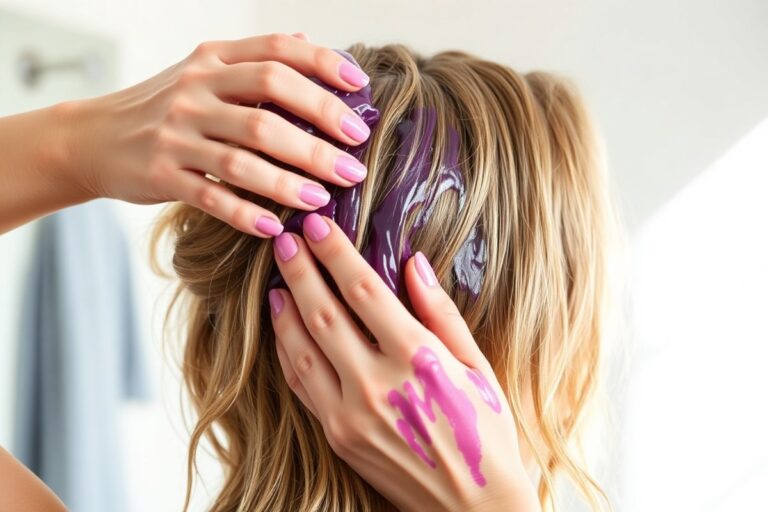
What Does Leave in Conditioner Do? A Complete Guide to Benefits and Use
What does leave-in conditioner do for your hair? It adds moisture and smooths hair without rinsing it out. This keeps your hair soft, manageable, and protected throughout the day.
Leave-in conditioner forms a lightweight shield, locking in hydration and guarding against heat damage. It also helps untangle strands, so brushing hurts less and breaks less hair. This makes your daily routine quicker and less painful.
It can reduce frizz and flyaways by smoothing the hair cuticle. This makes hair look shinier and healthier without weighing it down. Many formulas also boost natural shine for a polished look.
To get the best results, apply leave-in conditioner to damp hair, focusing on ends. Avoid the scalp unless the product says otherwise, or your hair might get greasy fast. Using just a small amount can prevent buildup and keep hair light.
Key Takeaways
- Use leave-in conditioner on damp hair to trap moisture effectively.
- Focus on your hair ends to prevent dryness and split ends.
- Avoid applying leave-in conditioner directly to the scalp to reduce greasiness.
- Choose leave-in conditioners that offer heat protection if you style with heat.
- Lightweight formulas work well for fine hair, avoiding heaviness.
- Leave-in conditioners help detangle hair, which reduces breakage.
What Does Leave-In Conditioner Actually Do to Your Hair?

Leave-in conditioner mainly adds lasting moisture to your hair. Unlike regular conditioner, you don’t rinse it out.
You apply it on damp hair. It stays there to hydrate your strands throughout the day.
This moisture boost helps reduce dryness and brittleness. It seeps into the hair’s cuticle, improving softness and flexibility. Over time, this deep hydration can help repair damage and strengthen your hair from the inside.
Leave-in conditioner also makes hair easier to comb through. Detangling is simpler on wash days or whenever your hair feels knotty. It smooths out hair strands, cutting down on breakage caused by pulling or brushing harshly.
Frizz control is another big benefit. The conditioner locks in moisture and smooths the hair’s surface.
It helps fight the puffiness that comes from dry air, humidity, or damaged strands. Your hair will look sleeker and more polished without weighing it down.
While leave-in conditioner isn’t a direct heat protectant, it adds moisture that reduces heat damage. Applying it before blow drying or flat ironing creates a moisture barrier. This barrier helps prevent your hair from drying out and breaking under high temperatures.
Using leave-in conditioner each day or after washing maintains your hair’s health over time. Hair stays hydrated, stronger, and less prone to damage. Whether you have curls, straight, thin, or thick hair, a quality leave-in helps keep it shiny and manageable.
How Leave-In Conditioner Differs from Regular and Deep Conditioners

Leave-in conditioners are unique because they stay in your hair all day. You apply them to damp hair after washing and towel-drying. This helps lock in moisture and smooth the cuticle without rinsing it out later.
Regular conditioners rinse out after a couple of minutes. You use them in the shower, usually 2-3 minutes, to soften and detangle hair quickly. Deep conditioners need longer, about 15-30 minutes, to repair and deeply nourish damaged strands.
Each product suits different needs and timing. Leave-in conditioner works well daily or whenever you want extra moisture or frizz control.
Regular conditioner is a quick boost during washing. Deep conditioners are a weekly or biweekly treatment for stronger repair.
| Conditioner Type | Application | Typical Time on Hair | Purpose | Use Frequency |
|---|---|---|---|---|
| Leave-In Conditioner | Applied after washing, left in hair | Stays until next wash | Locks moisture, smooths cuticle, aids detangling | Daily or as needed |
| Regular (Rinse-Out) Conditioner | Applied in shower, then rinsed out | 2-3 minutes | Softens strands, detangles, adds moisture | Every wash |
| Deep Conditioner | Applied after washing, left in longer | 15-30 minutes | Repairs damage, nourishes deeply | Once every 2-3 weeks or twice if damaged |
Using a regular conditioner as a leave-in can cause buildup and greasy hair. Leave-ins are made lightweight to avoid weighing hair down. For example, Color Wow Money Mist boosts hair strength by 69%.
This happens after just one use. It also helps your hair grow longer.
Some products target specific needs. Color-treated hair benefits from color-safe, sulfate-free leave-ins like Verb Leave-In Mist. Fine hair needs lightweight options such as Luseta Rose Oil Leave In Conditioner to avoid heaviness.
Apply leave-in conditioner evenly, focusing on ends and avoiding roots to prevent greasiness.
How to Apply Leave-In Conditioner Correctly Step by Step
Apply leave-in conditioner to damp, towel-dried hair. Use the right amount to avoid weighing hair down. Spread it evenly, focusing on mid-lengths and ends.
Preparing Hair Before Application
Towel dry your hair after washing, so it stays damp but not soaked. Hair that’s too wet dilutes the product and reduces its effectiveness. Avoid applying it on dry or dripping hair to get the best results.
Detangle your hair gently with a wide-tooth comb or fingers before applying. This helps the leave-in conditioner spread more evenly. It also reduces breakage and makes styling easier.
Applying the Right Amount Evenly
Use a small amount, about a nickel to quarter size depending on hair length and thickness. Pump or spray the product into your hands, then rub your palms together. This spreads the conditioner evenly before applying to hair.
Work the product from mid-lengths to ends, where hair needs moisture most. Avoid roots, especially with fine or oily hair, to prevent buildup or grease. Use fingers or a wide-tooth comb to distribute the conditioner evenly.
Adjustments for Fine, Curly, and Color-Treated Hair
Fine hair should get just a small amount focused on the ends to avoid weight. Curly and coily hair needs more product than straight hair. You can put it closer to the roots for better moisture.
This helps keep curls well hydrated and soft. This helps define curls and lock in moisture without stiffness.
Color-treated hair needs extra hydration, so you can spread the conditioner throughout the lengths. Using a leave-in with added UV protection can help preserve color. Reapply a light mist on dry days to refresh moisture and shine.
Follow these steps to apply leave-in conditioner effectively:
- Towel dry hair after washing until damp but not wet.
- Detangle hair gently with a wide-tooth comb or fingers.
- Dispense a small amount of leave-in conditioner into your hands.
- Rub your hands together to distribute the product evenly.
- Apply from mid-lengths to the ends, avoiding roots if fine or oily.
- Gently work the product into your hair with your fingers. A wide-tooth comb also helps distribute it evenly without damage. Use either method to avoid hair breakage.
- Let hair air dry or style as usual without rinsing out the conditioner.
Choosing the Best Leave-In Conditioner for Your Hair Type
Choosing the right leave-in conditioner depends on your hair type and concerns. Dry or damaged hair needs rich hydration.
Fine or oily hair calls for lightweight formulas. Curly and color-treated hair benefit from targeted products that maintain moisture and protect color.
Leave-In Conditioners for Dry and Damaged Hair
Dry and damaged hair needs deep, lasting moisture. Look for leave-in conditioners with nourishing ingredients like shea butter or oils. These help seal in hydration and prevent breakage.
Apply a moderate amount daily or after every wash to keep hair soft. Heavy formulas won’t weigh down dry hair but will restore smoothness and shine. Avoid products with alcohol, which can dry hair further.
Formulas Best for Fine and Straight Hair
Fine, straight hair needs lightweight leave-in conditioners to avoid looking greasy. Choose sprays or leave-ins labelled as “lightweight” or “volumizing.”
Use only a small amount every other wash to keep hair from getting limp. Focus on tips and mid-lengths, where dryness tends to show, not roots. Clear, water-based formulas work best.
Products Designed for Curly and Color-Treated Hair
Curly hair is naturally drier and needs extra moisture to reduce frizz and define curls. Choose leave-in conditioners rich in humectants and curl-improving ingredients like aloe or glycerin.
Color-treated hair benefits from leave-ins with UV protection and color-safe ingredients. These protect your color from fading and add shine. Apply leave-in conditioner on damp curls right after washing for best results.
How Often to Use Leave-In Conditioner for Optimal Results
Using leave-in conditioner every day is safe if your hair feels good and light. People with dry or damaged hair often need it daily for extra moisture and softness.
Normal hair can benefit from using it three to four times a week. But too much can weigh hair down.
Overuse may cause buildup, especially if you have fine or oily hair. It can make hair look greasy or heavy, reducing volume and bounce. Washing your hair regularly helps prevent this issue and keeps your scalp healthy.
Adjusting how often you use leave-in conditioner depends on your hair type and lifestyle. For example, curly hair needs more moisture and protection, so daily use helps. Leaving your hair less often or using heat styling needs protection.
Leave-in conditioner gives a protective layer and helps detangle hair. It prevents damage and eases styling.
- Dry or brittle hair: use leave-in conditioner every day or after each wash
- Normal hair: apply 3 to 4 times per week to maintain softness
- Fine or oily hair: limit application to avoid heaviness or buildup
- Curly and textured hair: daily use after washing locks in moisture
- Heat styling days: add leave-in conditioner for smoother, protected strands
- Skip or use very little if hair feels greasy or weighed down
Leave-in conditioner works best when paired with detangling using fingers or a wide-toothed comb. This prevents breakage and spreads moisture evenly from roots to ends. Apply a small amount of leave-in conditioner on damp hair.
Focus on the ends to keep scalp from getting greasy. Avoid using too much product near your scalp.
Use just a pea-sized amount on fine hair to avoid buildup. More is better for thick or coarse strands.
The Role of Key Ingredients in Effective Leave-In Conditioners
Moisturizing ingredients like glycerin, aloe vera, and panthenol help your hair hold water. These humectants pull moisture from the air into the hair shaft. Using a leave-in with these ingredients softens your hair.
It also stops dryness. This works without weighing your hair down.
Protective elements such as silicones, like dimethicone or cyclopentasiloxane, coat your hair. These create a thin barrier that guards against heat up to around 450°F. They also shield hair from humidity, UV rays, and environmental damage, keeping your style intact longer.
Reparative proteins like keratin, hydrolyzed silk, or wheat proteins help strengthen damaged strands. These molecules fill in gaps on the hair surface and reinforce the shaft. Leave-in conditioners with proteins reduce breakage and improve hair texture over time.
Look out for harmful additives like sulfates, parabens, and heavy mineral oils. These can dry out or irritate your scalp and hair. Choosing leave-ins without these harsh chemicals helps keep your hair healthier and less prone to buildup.
Apply a small amount of leave-in conditioner, about a dime size, to damp hair. Focus on mid-lengths and ends where moisture loss is greatest. Using too much leads to greasy, weighed-down hair, especially if your hair is fine or thin.
In dry seasons like winter with indoor heating or summer with strong sun, increase leave-in use. This keeps moisture balanced and adds extra protection against harsh conditions. Some formulas even target swimmer’s hair by protecting against chlorine damage.
Regular use of a well-crafted leave-in conditioner helps hair stay hydrated and strong through daily stress. You’ll notice reduced frizz, easier detangling, and a shinier look. Avoiding rinse-off conditioners as leave-ins prevents buildup and damage for long-term hair health.
Common Mistakes with Leave-In Conditioner and How to Fix Them
Using too much leave-in conditioner can make hair greasy. Applying it at the wrong time also makes hair look heavy. Keep your use balanced for better results.
It blocks your hair from absorbing other styling products properly. Apply a small amount to damp hair, focusing on mid-lengths to ends for best results.
Using Excessive Product or Wrong Application Timing
Putting on too much leave-in conditioner weighs your hair down and causes buildup. Use about a nickel-sized amount for short hair and a quarter-sized amount for longer hair. You can add more if needed, but start with less to avoid heaviness.
Apply leave-in conditioner after washing your hair when it is damp and before styling. Applying it on dry hair traps product on the surface, making hair look greasy. Spray leave-in conditioner from mid strands to ends and use your fingers to spread it evenly.
Choosing a Formula Unsuitable for Hair Type
Fine or straight hair gets limp if you use leave-in conditioner every day. Limit use to wash days only. Heavier cream-based formulas suit thick or curly hair better because they lock in more moisture.
Lightweight spray or milk formulas work well for thin hair without leaving residue. Choose formulas labeled “weightless” or “for fine hair” to avoid buildup. Thicker creams can overwhelm fine hair, causing it to look flat and oily.
Combining with Incompatible Styling Products
Applying hair oil before leave-in conditioner can block absorption. Always apply hair oil last to seal and add shine. Hair oil creates a barrier, so put it on only after you finish styling.
Leave-in conditioner acts as a primer, moisturizer, and frizz tamer. So let it absorb fully before using gels or mousses.
Mixing too many heavy products at once causes buildup and dull-looking hair. Use a simple routine for better texture and manageability.
How to Combine Leave-In Conditioner with Styling and Heat Protection
Yes, you can use leave-in conditioner with heat protectants. Leave-in conditioner offers light heat protection but isn’t a full shield. Apply your leave-in conditioner first to hydrate and coat hair.
Next, use a heat protectant before hot tools. This protects your hair from heat damage.
For styling with oils or curl creams, layering order matters and depends on your hair type. Use a lighter leave-in conditioner on fine hair to avoid weighing it down. For thick or curly hair, pick a creamy leave-in with oils.
Then, apply curl cream or oil to lock in moisture. This helps define your curls better.
Start with towel-dried hair. Spray or smooth in your leave-in conditioner evenly from mid-lengths to ends. Let it absorb for a minute.
Next, apply heat protectant evenly, focusing on areas exposed to high heat. Use curl cream or oil after your leave-in conditioner.
Then apply styling gels or products. This order helps style your hair effectively.
Leave-in conditioner creates a strong moisture base and helps reduce frizz. It also shields hair from environmental damage like sun and pollution.
Adding a heat protectant acts as another barrier against damage from styling tools. This layered routine keeps hair shiny, soft, and healthy-looking.
For curly hair, cream-based leave-ins help keep curls hydrated and bouncy. You can add curl cream on top to improve shape and hold.
Avoid mixing thick oils upfront with heavy leave-ins to prevent buildup and limp curls. Instead, apply lightweight leave-in, then oils sparingly for weight balance.
Apply leave-in conditioner on damp hair. Wait before adding heat protectant to avoid product clumping and uneven heat shielding.
Step-by-Step Action Plan to Use Leave-In Conditioner
Follow these steps to get soft, manageable hair with leave-in conditioner. Track changes to adjust your routine.
- Before washing: Choose a leave-in conditioner that suits your hair type for best results.
- After shampooing: Towel dry your hair gently until it is damp, not soaking wet.
- Right after drying: Apply a small amount of leave-in conditioner evenly throughout your hair. It should feel smooth, not heavy.
- Daily styling: Use a heat protectant before any heat tool, along with your leave-in conditioner.
- Weekly check: Notice if your hair feels softer and less tangled. Adjust the amount if hair feels weighed down.
- After 2 weeks: Evaluate scalp and hair health. When hair feels dry or brittle, apply leave-in conditioner more often.
- Monthly review: Try new leave-ins if your current one fails. They should keep hair hydrated. They also manage frizz well.
Frequently Asked Questions
Can Leave-In Conditioner Replace Regular Conditioner?
No, leave-in conditioner adds moisture and protection but doesn’t clean hair. Use regular conditioner during your wash routine for deep conditioning.
Does Leave-In Conditioner Protect Hair from Sun Damage?
Some leave-in conditioners include UV filters to shield your hair from sun damage. Check product labels for sun protection claims.
Can Leave-In Conditioner Help with Static Hair?
Yes, it reduces static by adding moisture and smoothing the hair cuticle. This is especially helpful in dry or cold weather.
Is Leave-In Conditioner Suitable for Oily Scalp?
Use leave-in conditioner sparingly if you have an oily scalp. Focus on applying it to the ends, not the roots.
Can Leave-In Conditioner Improve Hair Elasticity?
Leave-in conditioner hydrates and strengthens hair, which can boost elasticity. Healthier hair resists breakage better during styling and brushing.
Should I Use Leave-In Conditioner on Dry Hair or Damp Hair?
Apply leave-in conditioner on clean, damp hair for best absorption. Using it on dry hair may leave residue and feel heavy.
Before You Go
Leave-in conditioner keeps your hair soft and easier to manage throughout the day. Applying it right boosts both health and style. Start with a small amount after washing and see the difference quickly.