How Long Should You Leave in Hair Dye? A Complete Guide for Perfect Color
Wondering how long you should leave in hair dye? Most permanent dyes work best in 30 to 45 minutes. This timing helps get good color.
It also keeps your hair healthier. Covering gray hair may need about 45 minutes for full coverage.
Leaving dye in too short means less pigment and quick fading. Leaving it too long risks dryness, brittleness, and scalp irritation. A good rule: follow package instructions and adjust by your hair type.
Start timing as soon as you apply the dye evenly. Watch your scalp and hair closely during dyeing. This is key if your hair is damaged.
Porous hair needs extra care too. That helps you get lasting color without harm.
Key Takeaways
- Leave permanent hair dye in for 30 to 45 minutes for best results.
- Use 45 minutes processing time for gray hair to ensure full coverage.
- Don’t leave dye on longer than 45 minutes to avoid hair damage.
- Start timing immediately after applying dye evenly through your hair.
- Shorter time means weaker color that fades faster with washing.
- Porous or damaged hair needs shorter processing to prevent extra damage.
How Long Should You Leave Hair Dye in for Best Results?

You should leave hair dye on for the exact time the instructions recommend. Leaving it on too short may give faint color. Leaving it too long risks serious damage to your hair’s cuticle and overall health.
Typically, dye stops processing after 45 minutes. So going beyond that won’t deepen color but can hurt your hair.
The right time depends on the dye type and your hair’s condition. Permanent dyes, which lift and cover gray hair, work fully in 30 to 45 minutes. Semi-permanent dyes coat the hair surface for lighter tones and last about 15 to 30 minutes.
Demi-permanent dyes usually take 20 to 40 minutes to work. They are common for blending grays and are gentler. These dyes don’t have ammonia, which helps protect hair.
| Type of Hair Colour | Processing Time | Details |
|---|---|---|
| Permanent Hair Dye | 30, 45 minutes | Long-lasting colour and grey coverage |
| Semi-Permanent Hair Dye | 20, 30 minutes | Adds subtle tones; no ammonia |
| Demi-Permanent Hair Dye | 20, 40 minutes | No ammonia; blends greys; lasts several weeks |
| Temporary Hair Colour | 5, 15 minutes | Sits on top; washes out quickly |
| Bleach (Lightener) | 15, 45 minutes | Depends on developer strength and hair shade |
For permanent dye, 45 minutes is typical for root touch-ups and full gray coverage. Semi-permanent dye works faster than demi-permanent. But you can keep it on for 40-45 minutes on porous hair.
It also works longer on hair that’s already colored. Always test a small strand first before full dyeing.
Follow the timing on the dye’s instructions closely. This helps you get good color and keep hair healthy.
Never leave permanent hair dye on for an hour or more. That causes damage with no better color result. Semi-permanent dye is less harsh but also shouldn’t go past the recommended maximum time.
Adjust timing slightly if your hair is very porous or already colored. But never guess, strap timing to the product label.
What Happens When Hair Dye Is Left on Too Long?
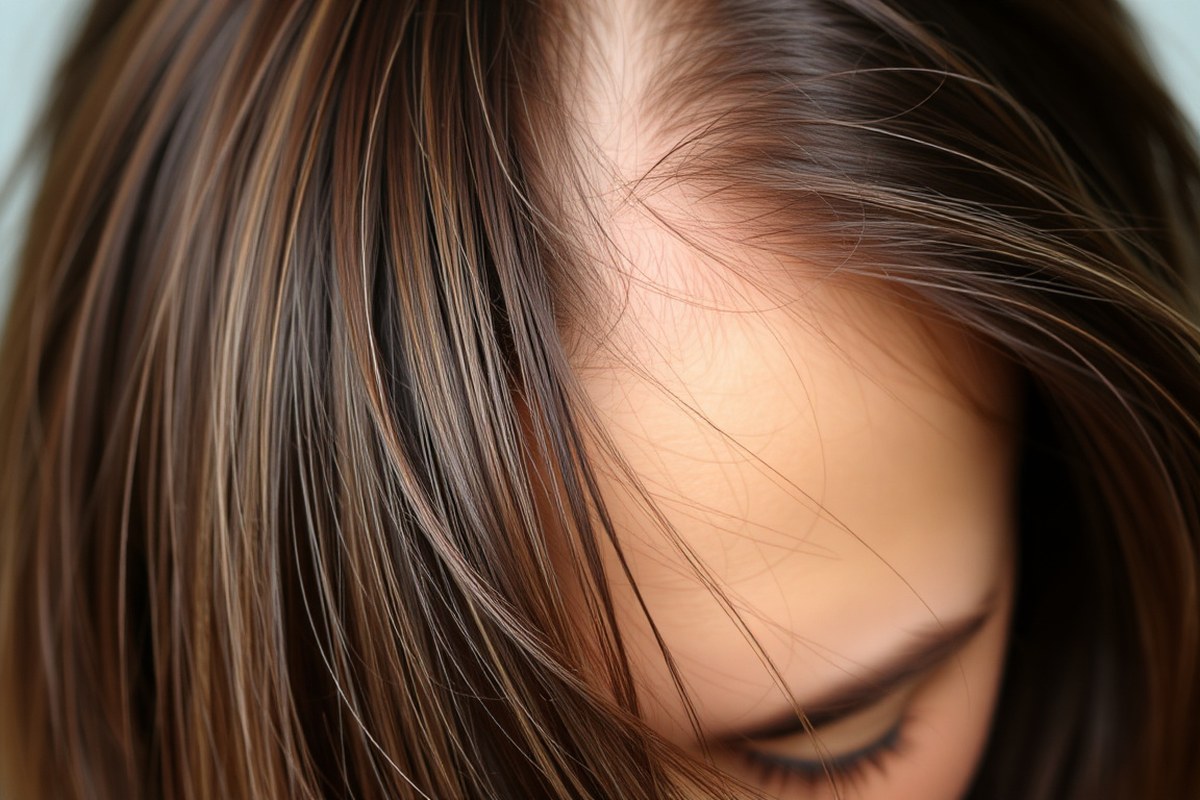
Leaving hair dye on your hair longer than recommended can cause serious problems. Excess chemicals dry out your hair, making it brittle and prone to breakage. Damage can weaken your hair.
It may cause up to 45% loss in strength. This loss is usually hard to reverse.
You might think leaving dye on longer gives deeper color. But it usually results in darker, unnatural tones instead. Semi-permanent dyes get darker the longer you leave them on.
But permanent dyes don’t improve color depth past the recommended time. Over-processing can turn your hair color muddy and patchy.
Your scalp also faces risks from too much dyeing time. Around 6.8% of people report itching, redness, or burning from over-processing.
In worse cases, prolonged contact causes scalp burns or allergic reactions that need medical attention. Hair dye on your scalp too long causes irritation that feels uncomfortable and painful.
Signs of damage show up as dryness and rough hair texture soon after rinsing. Your hair becomes brittle and weak, and you might see more hair fall. Your scalp may feel sore or itchy during dyeing.
Rinse it right away. This helps prevent more damage. Leaving hair dye in overnight is especially risky and can ruin your hair’s health.
Set a timer for the dyeing time. Wait as long as recommended. Rinse your hair quickly after the time ends.
How Hair Type and Porosity Affect Processing Time
Hair thickness, texture, and porosity affect how quickly dye soaks into your strands. Fine or porous hair takes less time, usually 10 to 20 minutes.
Thick or low-porosity hair needs 30 to 45 minutes. Adjusting timing helps avoid uneven color or damage.
Porosity Types Explained
Porosity shows how well your hair absorbs moisture and dye. High-porosity hair soaks dye fast, often within 10 to 15 minutes. Low-porosity hair repels moisture and dye, needing longer, about 25 to 30 minutes.
Checking porosity can save you from over- or under-processing. For example, high-porosity hair might look dull if left too long. Low-porosity hair dye won’t penetrate well without extra time.
Hair Thickness and Timing Adjustments
Thicker hair strands take more time to color evenly. You’ll want to leave dye on thick or coarse hair for 35 to 45 minutes. Fine or thin hair usually needs less time, around 20 to 30 minutes.
Curly or very coarse hair sometimes requires even more, up to 40 minutes. This ensures the color reaches the hair core, not just the surface.
Texture-Specific Dye Recommendations
Fine hair quickly soaks color but can get damaged with too long processing. Stick to 20 to 30 minutes for fine textures. Coarser strands need 35 to 45 minutes to avoid patchy color.
Hair that’s both thick and coarse can take up to 40 minutes. Use a dye formula designed for your texture to help even absorption. Here’s a quick table showing how porosity and texture influence dye time:
| Factor | Impact on Dye Time | Recommended Time (minutes) |
|---|---|---|
| High Porosity | Fast dye absorption | 10, 15 |
| Low Porosity | Slow dye absorption | 25, 30 |
| Fine Hair | Quick penetration, risk of damage | 20, 30 |
| Thick or Coarse Hair | Needs longer for even coloring | 35, 45 |
| Very Coarse or Curly Hair | Extra time for thorough penetration | 35, 40 |
Adjust timing based on your hair’s specific needs. For example, if you have fine, high-porosity hair, start checking color after 15 minutes. Thick, low-porosity hair can handle longer dye times but watch for scalp irritation.
Differences in Processing Time Among Dye Types
Hair dye types need different processing times because of how they affect your hair. Permanent dyes take the longest and last the longest.
Semi-permanent and demi-permanent dyes need less time and wash out sooner. Bleach works differently, so it has unique timing and safety needs.
Permanent Dye Timing and Tips
Permanent dye usually stays in for 30 to 45 minutes. This timeframe lets the chemicals open your hair cuticles and lock in the color deeply. Leaving it on less than 25 minutes can lead to patchy or uneven color.
Heat can speed up dye processing, making it finish faster. But too much heat or extra time risks damaging your hair. Follow the brand instructions closely and don’t go over 45 minutes.
Permanent dye lasts 6 to 8 weeks before fading. You’ll see a clear change in hair color and coverage of gray hair. Processing it for exactly the right time helps avoid dull or patchy spots.
Semi-Permanent and Demi-Permanent Times
Semi-permanent dye needs only 15 to 30 minutes on your hair. It coats your hair mostly outside the cuticle.
So it won’t change color as deeply. Expect the color to wash out after 6 to 12 shampoos.
Demi-permanent dye takes a bit longer, around 20 to 40 minutes. It uses lower peroxide levels to slightly open the cuticle but not lighten your hair. This dye lasts through roughly 24 washes.
Both types work best when you want to add shine or tone your hair gently. Avoid expecting big color changes with these dyes. You can refresh the color often without damage.
Bleach Timing and Safety
Bleach removes pigment inside your hair strands to lighten color. Timing matters to avoid damage caused by overexposure. Usually, you leave bleach on for 15 to 30 minutes based on your hair and goals.
Stop bleach processing as soon as you reach the right lift level to reduce damage. You may need shorter times on fine hair and longer on coarse hair. Always follow product directions and consider professional help for bleach.
Using bleach safely means wearing gloves and not overlapping on previously bleached strands. Rinsing immediately once you hit the target shade helps protect hair from over-processing.
| Dye Type | Processing Time | Longevity |
|---|---|---|
| Permanent | 30-45 minutes | 6-8 weeks |
| Demi-Permanent | 20-40 minutes | 24 shampoos |
| Semi-Permanent | 15-30 minutes | 6-12 washes |
This table shows the typical times and how long colors last for each dye type. Semi-permanent dyes work quickly but fade fast.
Permanent dyes take longer but hold for months. Demi-permanent sits between them for a medium-lasting option.
How to Prepare Your Hair for Optimal Dye Timing
Hair needs to be clean but not freshly washed before coloring. Washing your hair one or two days ahead lets natural oils protect your scalp during dyeing. Oil helps lower irritation during coloring.
It stops color from patching. This happens when your scalp is dry or sensitive.
Check your hair’s health too. Damaged or over-processed hair struggles to hold color evenly. Your hair feels brittle or dry.
Use a deep conditioner three days before dyeing. This rehabs strands so they absorb color better without excessive damage.
- Wash hair 24 to 48 hours before dyeing, using a gentle shampoo
- Skip conditioner on dye day to avoid slick strands
- Apply a deep conditioning treatment 2 or 3 days before coloring
- Do a strand test on a hidden patch to check color and damage
- Brush hair to remove tangles for even dye spread
- Section hair into parts for precise application
- Protect your skin near the hairline with a thin layer of petroleum jelly
Grey hair tends to resist dye, needing a full 45-minute processing time. This extra wait lets pigment fully soak into the denser hairs.
For very light or bleached hair, reduce processing by 5 to 10 minutes. Color goes in easier on that hair.
Temperature also affects how fast your hair absorbs dye. Warmer environments speed up the chemical reaction, sometimes cutting time by one-third to three-quarters. Still, you should stick to the recommended timing to prevent hair damage.
Avoid leaving dye on longer than instructions say; two hours risks serious hair damage.
Timing Strategies for Different Hair Colors and Situations
Gray hair needs more time for dye to work well. Leave the dye on for about 45 minutes to fully cover gray strands.
The pigment in gray hair is harder to penetrate. So less time leaves it patchy or faded.
Virgin hair, which hasn’t been dyed before, processes color differently. Permanent dye on dark, virgin hair takes 30 to 45 minutes. The dye needs time to fully develop.
Wait this long for best results. Less time might not give a rich color. Too long can damage the hair or change the tone.
Root touch-ups call for careful timing since new growth is usually lighter or more resistant. Keep the dye on 30 to 40 minutes for roots, slightly less than full coverage. Apply dye to your roots first.
Then pull some through the rest. This helps achieve even color on all strands.
Working with dark hair, especially dark brown, means waiting 40 to 45 minutes. This helps the color reach through thick, pigmented strands. Applying dye evenly and sticking to this time frame prevents uneven spots or washed-out patches.
For dark-to-light coloring, timing can vary based on how light you want to go. Lifting color takes longer. Leave bleach or high-lift dye on as the package says.
Usually, that means no more than 45 minutes. Follow the instructions carefully. Check hair every 5 to 10 minutes to avoid damage.
Always don’t rinse dye early. Leaving it below 30 minutes wastes product and creates uneven color. Use a timer and follow instructions for your specific dye brand to keep control of timing.
Take note that your hair’s texture and porosity also affect how fast dye processes. Hair that is damaged or porous tends to take color faster.
You might need to check color more often in this case. You may need to shorten dye time or choose gentler products for the best results.
Common Mistakes and How to Fix Timing Errors
Rinsing hair dye too soon means your color won’t fully develop. The dye molecules haven’t had enough time to penetrate the hair shaft. This leads to patchy or faded spots instead of an even, rich tone.
You may see uneven color after rinsing early. Try a color refresher or semi-permanent dye. These add back the missed pigments and help even out the tone.
Follow package instructions carefully. Let the dye sit the full recommended time. This stops patchy color.
Leaving dye in too long causes different problems. The hair cuticle weakens, making hair dry and brittle. The color might get darker or muddy.
Fixing this usually needs a professional. It’s tricky to do alone.
You left the dye on too long. Rinse your hair with cool water right away.
Use a deep conditioning treatment right after to restore moisture and prevent breakage. Avoid heat styling for a few days to reduce further damage.
- Check the recommended time on your dye package before starting
- Set a timer for the exact processing time to avoid rushing or forgetting
- Use a strand test to see how your hair takes the color
- Rinsing dye too soon can cause uneven color. Use a color refresher or semi-permanent dye afterward.
- For dye left too long, rinse immediately with cool water and deep condition
- Do not bleach or re-dye hair right away to avoid extra damage
For uneven or patchy color, retouch only the lighter spots instead of the whole head. Section small areas and apply dye briefly, following the original timing instructions. Rinse carefully and avoid overlapping on previously dyed hair to keep the color smooth.
Timing your hair dye correctly saves money and hair health. Using a simple timer and following instructions cuts down mistakes. Proper care after fixing timing errors also keeps your hair looking better longer.
How to Safely Rinse and Maintain Dyed Hair Color
Rinse hair dye with lukewarm water until it runs clear, usually after the recommended time. Use gentle shampoo and conditioner made for color-treated hair to lock in vibrancy. Limit heat styling and sun exposure to prevent fading and damage.
Proper Rinsing Techniques
Use lukewarm water to rinse out the dye after the processing time finishes. Hot water can open the hair cuticle too much, causing the color to wash out faster. Rinse until the water runs clear, which usually takes about 2 to 5 minutes.
Start rinsing at the scalp and gently work down the hair strands. Avoid harsh scrubbing since it can irritate your scalp and weaken hair. Tilt your head back so water doesn’t rinse dye onto your face or neck.
- Wait the dye’s full recommended time before rinsing to ensure proper color development.
- Put on lukewarm water and thoroughly wet your hair.
- Gently massage your scalp and hair to loosen excess dye.
- Continue rinsing until the water is nearly clear, typically 2, 5 minutes.
- Apply a color-safe shampoo to wash leftover dye and dirt.
- Rinse again with lukewarm water to prepare for conditioner.
- Use a conditioners designed for color-treated hair to lock in moisture.
Rinse until the water runs almost clear to keep excess dye from staining skin and clothes.
Conditioning and Protection Tips
Apply a rich conditioner after rinsing to seal the hair cuticle and restore moisture. Choose products marked “color-safe” or sulfate-free to prevent stripping your new color. Leave the conditioner on for 3 to 5 minutes for better absorption.
Deep treatments with argan oil help keep dyed hair soft. Use hydrating masks once a week for shine. Both keep your color fresh and hair healthy.
Avoid washing hair every day. 2 to 3 times weekly is enough to preserve oils and color. Use a UV-protectant spray before sun exposure to prevent color fade.
Avoiding Fading and Damage Post-Dye
Limit heat styling tools to reduce damage and color fading. Set your heat tools to no more than 300°F. Always use a heat protectant spray before styling. This protects dyed hair from damage.
Sunlight breaks down hair dye molecules. So cover your hair or use UV protection when outside long.
Swim carefully around chlorine or salt water, which can strip hair color. Rinse hair with fresh water immediately after swimming to minimize damage. Use gentle, hydrating shampoos like Olaplex No.4 Bond Maintenance or Pureology Hydrate to repair and keep color vibrant.
Use products without sulfates to help your color last longer and avoid dryness.
Step-by-Step Action Plan for Perfect Hair Dye Timing
Follow these steps to dye your hair safely and get the best color results every time.
- Before You Dye: Do a strand test 48 hours before coloring to check timing and allergies.
- Right Before Application: Read the hair dye instructions carefully for your specific product’s timing.
- During Dyeing: Set a timer based on your hair type and dye type. Usually 30 to 45 minutes works well.
- Halfway Check: Look through the application window if possible. Check a strand carefully to see if the color is developing.
- At Time’s Up: Rinse the dye out thoroughly with lukewarm water until it runs clear.
- After Rinsing: Use a color-safe conditioner to lock in moisture and protect the new color.
- Next Day: Avoid washing your hair again to give the color time to set fully.
- One Week Later: Use a color-protecting shampoo to maintain vibrancy and avoid fading.
Frequently Asked Questions
How Long Should You Leave Permanent Hair Dye on Gray Hair?
Leave permanent dye on gray hair for about 45 minutes for best coverage. Gray hair can resist dye, so this timing helps the color fully develop.
Is It Okay to Leave Hair Dye in for Longer Than the Box Says?
Leaving dye in longer than instructed can damage your hair and scalp. It may cause dryness, irritation, or breakage without improving color.
How Do You Know If Your Hair Dye Is Done Processing?
Hair dye is usually done in 20 to 30 minutes when color looks even and rich. Watch for the time recommended on the package and check the shade.
Can You Leave Hair Dye on Wet Hair for Better Absorption?
Dye works best on dry, towel-dried hair, not soaking wet hair. Wet hair may dilute the dye and cause uneven color.
Does Hair Porosity Change How Long You Leave in Hair Dye?
Yes, higher porosity means your hair absorbs dye faster, so check timing carefully. Low-porosity hair may need a bit more time but not too long.
Should You Leave Hair Dye on for Root Touch-Ups Longer Than Full Color?
Root touch-ups usually need the same 45-minute time as a full dye for best results. Roots can be stubborn, so follow the specific product guidelines.
The Bottom Line
Leaving hair dye on for the right time gives you rich, even color without damage. Timing depends on your hair and the dye you use. Test before you dye and follow your product’s instructions closely.