Is Tea Tree Shampoo Clarifying? A Complete Guide to Benefits and Usage
Is tea tree shampoo clarifying? Yes, it can clarify your scalp and hair effectively. It removes buildup like oils, dirt, and flakes while soothing your scalp.
Natural tea tree oil fights fungus and bacteria. It clears away residue. This reduces itchiness and soothes your scalp.
Tea tree shampoos often contain gentle cleansers that exfoliate without stripping your hair’s moisture. To get the best results, massage the shampoo into your scalp for 2 to 3 minutes. This allows the tea tree oil to absorb and work on buildup thoroughly.
Choose a tea tree shampoo with organic and natural ingredients like coconut oil and herbs. This keeps your hair healthy while giving it a deep clean. Avoid overusing it, as too much clarifying can dry out your hair.
Key Takeaways
- Tea tree shampoo removes scalp buildup through gentle exfoliation and natural oils.
- Massaging the shampoo into your scalp for 2-3 minutes improves clarification.
- Look for organic ingredients like coconut oil and herbs for hydration.
- Tea tree oil’s antifungal properties help reduce flakes and itchiness.
- Use tea tree shampoo only once or twice a week to prevent dryness.
- Pair tea tree shampoo with conditioners to keep hair soft after clarifying.
Is Tea Tree Shampoo Clarifying and How Does It Work?
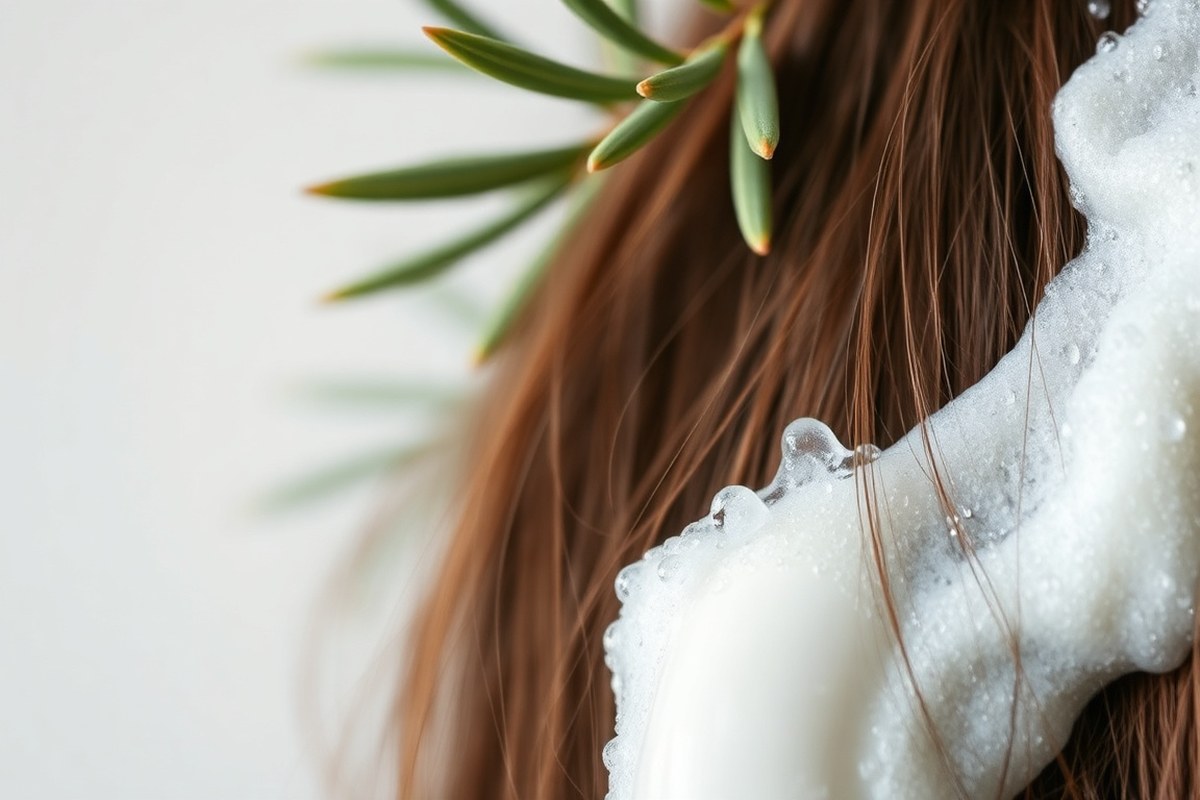
Tea tree shampoo can be clarifying, depending on its formula. It helps remove buildup from your hair and scalp while keeping the natural oils balanced. This clearing effect makes your hair feel fresh without stripping away moisture.
The clarifying action comes from tea tree oil’s natural antibacterial and antifungal properties. These help eliminate residue, oil, and dead skin cells trapped on your scalp. Peppermint and rosemary add to tea tree oil’s scalp cleansing power.
They give a fresh feeling to your scalp and hair. These oils often work well together in shampoos.
Many tea tree shampoos include gentle surfactants that lift away dirt without harsh sulfates. Massage the shampoo gently into wet hair and scalp. Do this for 2 to 3 minutes to clean well.
Rinse thoroughly after massaging to remove buildup and oil. This gives the tea tree and other herbal ingredients time to absorb and break down buildup.
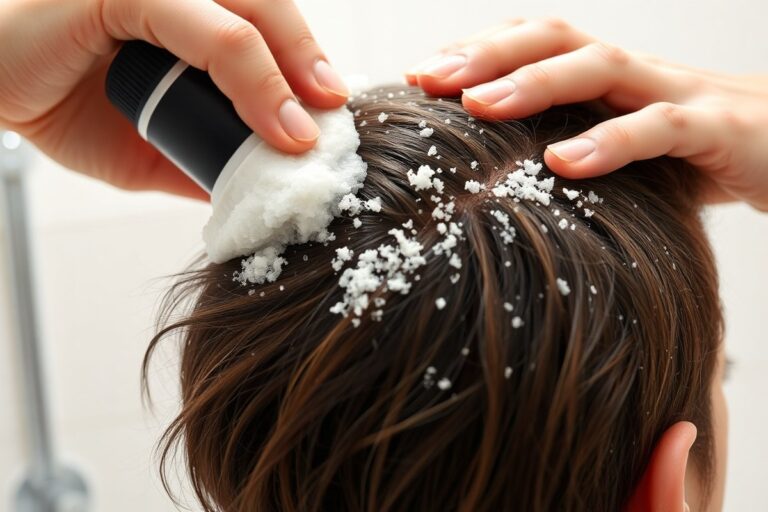
Because tea tree oil helps unclog hair follicles, it’s good for scalp health and reducing dandruff. People with oily or flaky scalps often find clarifying shampoos with tea tree oil especially helpful. They clear away grease and flakes while soothing irritation.
Some clarifying tea tree shampoos mix organic oils like coconut to hydrate while cleansing. These keep your hair soft even after deep cleansing. Use the shampoo once a week for best results.
Use it more if your hair feels heavy or oily. This helps clear product buildup and keeps scalp fresh.
Sulfate-free versions work best if your scalp is dry or sensitive. A shampoo like Luseta’s Tea Tree Shampoo avoids harsh chemicals but still clears buildup gently.
Overusing clarifying shampoos can cause dryness. So follow instructions and watch how your scalp responds.
Key Ingredients in Tea Tree Clarifying Shampoos

Tea tree shampoos clear your scalp and hair with specific, active ingredients. Tea tree oil stands out for its antimicrobial powers. It helps fight dandruff and calms scalp irritation by killing bacteria and fungi.
Other ingredients boost these clarifying effects. Peppermint oil cools and refreshes your scalp, which can help if you feel itchy or irritated. Rosemary promotes healthy hair growth and improves scalp circulation, making your hair look fuller and stronger.
Sulfate-free tea tree shampoos can be just as good at clarifying as those with sulfates. They use gentler cleansers from plants like coconut and corn glucose.
These clean product buildup and excess oils without stripping natural moisture. Sulfate-free formulas often include soothing elements like aloe vera to keep hair hydrated.
- Tea tree oil for its antifungal, antibacterial effect
- Peppermint oil to soothe and cool the scalp
- Rosemary for hair growth and scalp health
- Aloe vera to hydrate and reduce irritation
- Gentle, plant-based cleansers in sulfate-free sets
- Additional oils like argan or coconut for softness
Don’t expect sulfate-free tea tree shampoos to foam as much. But they still clean well.
The mix of ingredients controls oil and buildup without harming your hair’s natural balance. Picking a shampoo with these ingredients means better scalp comfort and clearer, healthier hair. For fine hair, tea tree shampoo helps control oil well.
It stops your hair from looking limp and oily. This makes your hair look fresh and full.
How to Use Tea Tree Shampoo for Effective Clarification
Use tea tree shampoo carefully to clear buildup without harming your hair. Follow these steps for best results. You’ll see a fresher scalp and shinier hair.
Step 1: Wet Hair Thoroughly
Start by rinsing your hair completely with warm water. Warmth opens your scalp pores and loosens buildup. Make sure your hair is fully soaked.
Wet hair ensures the shampoo spreads evenly and works well. Avoid cold or hot water as they can irritate or dry out your scalp.
Step 2: Apply and Massage Shampoo
Use a quarter-sized amount of tea tree shampoo. Apply it directly to your scalp, not just on hair strands. Gently massage the shampoo with your fingertips.
Massaging improves blood flow and helps the tea tree oil reach the scalp better. Avoid using nails to prevent scratches or irritation. Massage for about 30 seconds.
Step 3: Leave on Scalp for 2-3 Minutes
Keep the shampoo on your scalp for 2 to 3 minutes. This gives tea tree oil time to unclog pores and reduce oil or dandruff buildup. Don’t leave it longer; overexposure might dry your scalp.
Use this shampoo once or twice a week for clarifying. Overuse can strip natural oils, making your scalp dry or flaky.
Step 4: Rinse Thoroughly and Condition
Rinse your hair thoroughly with warm water until shampoo is gone. Residue can cause itchiness or dullness.
Follow with a peppermint tea tree conditioner. It nourishes your scalp and hair after cleansing.
Conditioner helps balance moisture and prevents dryness. Apply conditioner mainly to the ends, not the scalp, to avoid clogging pores.
- Wet hair with warm water until completely soaked.
- Apply a quarter-sized amount of tea tree shampoo to scalp.
- Massage shampoo gently with fingertips for 30 seconds.
- Leave shampoo on scalp for 2 to 3 minutes.
- Rinse hair thoroughly with warm water.
- Apply conditioner mainly to hair ends, avoiding scalp.
- Rinse conditioner out thoroughly after 1 to 2 minutes.
Benefits of Tea Tree Shampoo for Different Hair and Scalp Types
Tea tree shampoo works well for people with oily scalps or dandruff. Its main ingredient, tea tree oil, helps reduce excess oil that causes flakes. Shampoos with added moisturizers and soothing agents calm itchiness and dry spots often linked to dandruff.
Choose a sulfate-free tea tree shampoo if your scalp feels dry or sensitive. Sulfates can strip moisture and irritate skin, especially on delicate scalps. A mild formula helps clean your hair without causing dryness or damage.
Tea tree shampoo suits all hair types since tea tree oil doesn’t affect hair texture. It’s safe for straight, wavy, curly, and coiled hair alike.
Pick one with mild cleansers to protect delicate strands. This is key if your hair is dry or treated.
Use tea tree shampoo two or three times each week for better results. Gently work it into your scalp.
Rinse with lukewarm water to keep your scalp calm. Products like John Paul Mitchell Systems Tea Tree Special Shampoo can lower oil after four washes and boost scalp health.
Some tea tree shampoos also include clinical ingredients like Dandrilys® to balance the scalp microbiome. This helps control oil production and scalp irritation more effectively. These extras are helpful if you struggle with chronic dandruff or excessive scalp oil.
Be careful if you have a very dry or damaged scalp. Over-cleansing with any shampoo may worsen dryness or irritation.
Try switching tea tree shampoo with a hydrating, sulfate-free one. This helps keep your scalp’s natural oils intact.
Tea Tree Shampoo vs Other Clarifying Shampoos: A Comparison
Tea tree shampoos can work as clarifying shampoos. But they differ from others in ingredients and gentleness. Not every tea tree shampoo is made to deeply clarify.
Sulfate-free tea tree shampoos clarify. But use gentler cleansers that may affect how much buildup they remove.
Ingredient Differences
Tea tree shampoos usually list tea tree oil near the top. This helps make the effect noticeable. It shows the ingredient is a key part of the formula.
Other clarifying shampoos often rely heavily on sulfates to strip oils and buildup. Some tea tree shampoos avoid sulfates, using milder agents that won’t dry hair as much.
Humectants are common in sulfate-free tea tree shampoos to help curly hair keep moisture. This mix balances cleaning and softness, unlike typical clarifiers that can leave hair feeling dry.
Effectiveness at Buildup Removal
Traditional clarifying shampoos often use stronger detergents, so they remove more buildup quickly. Sulfate-free tea tree shampoos clean your hair gently. You may need to use them longer or more often.
They work slower to remove heavy buildup. Stronger formulas might be too harsh for natural hair and dry out the scalp.
| Shampoo Type | Main Cleansing Agent | Effect on Oils and Buildup | Moisture Support |
|---|---|---|---|
| Tea Tree with Sulfates | Sulfates (SLS, SLES) | Strong removal, can strip natural oils | Minimal to none |
| Sulfate-Free Tea Tree | Mild surfactants (cocamidopropyl betaine, etc.) | Moderate removal, gentler on oils | Includes humectants to keep moisture |
| Traditional Clarifying | Sulfates or detoxifying agents | High buildup removal, potentially stripping | Generally none or drying |
The sulfate-free versions work slower and cleaner. They suit repeated use better than the harsh types. Picking a shampoo depends on how much buildup you have and your hair’s tolerance.
Suitability for Hair Types
Tea tree shampoos with sulfates can dry out curly and natural hair more than others. Sulfate-free tea tree shampoos gently remove buildup without flattening curls. They work well for hair that needs moisture along with cleaning.
Strong clarifiers suit oily scalps or straight hair that tolerates deeper stripping. Milder tea tree shampoos avoid the itchy scalp and dryness some clarifiers cause. Knowing your hair’s sensitivity helps you pick the right shampoo type.
Tip: Check the label to see if tea tree oil is high on the list. The shampoo won’t offer clarifying benefits if tea tree oil is near the bottom. Its effect will be weaker at that level.
Common Mistakes and How to Fix Them When Using Tea Tree Shampoo
Many people make mistakes that reduce the clarifying power of tea tree shampoo. One common error is using too much product. It can leave residue on your scalp or hair.
Use just enough to clean well without buildup. Another is not rinsing thoroughly enough, leading to buildup that defeats the shampoo’s purpose.
Overusing tea tree shampoo can dry out your scalp and cause irritation. Some shampoos like Paul Mitchell’s Tea Tree Special are safe daily. Most clarifying shampoos work best one to three times weekly.
Overuse can dry your scalp. Using it too often strips natural oils, leaving hair brittle and scalp itchy.
Testing for allergies before using tea tree shampoo is key. Apply a small drop to your inner forearm and wait 24 hours. Redness, itching, or swelling means stop using it on your scalp.
These signs show irritation or allergy. You need to protect your skin from harm. This step usually takes under a minute but prevents uncomfortable reactions.
- Use a small amount of shampoo, about a quarter-sized dollop.
- Massage gently to avoid scalp stress and uneven washing.
- Rinse your hair thoroughly with warm water for at least 30 seconds.
- Limit shampoo use to 2, 3 times weekly to avoid dryness.
- Patch test 24 hours before the first full wash.
- Stop or reduce use if irritation happens. Try a gentler shampoo instead. Your scalp needs care, not more problems.
- Follow up with a moisturizing conditioner if hair feels dry.
Another mistake is skipping conditioner. Clarifying shampoos remove buildup but can leave hair rough.
Using a conditioner after washing helps keep strands soft and manageable. You might notice less tangling and a smoother feel with regular conditioning.
It’s also important to avoid applying tea tree shampoo to broken skin or scalp wounds. Tea tree oil has antimicrobial properties, but it can sting sensitive or irritated areas.
Applying too hot water during rinsing can worsen dryness. So rinse with lukewarm water instead.
Safety Tips and Precautions for Tea Tree Shampoo Use
Tea tree shampoo can irritate sensitive scalps due to tea tree oil. This ingredient is a natural essential oil that sometimes causes redness, itching, or burning. A pH-balanced formula with mild, natural surfactants helps lower this risk.
You have sensitive skin? Test the shampoo on a small patch first.
Apply a little behind your ear or on your wrist, then wait 24 hours. Skip using it if you see redness, swelling, or rash.
People with scalp conditions like eczema or psoriasis must be careful. They should see a dermatologist before trying tea tree shampoo.
It might worsen inflammation or cause stinging. A doctor can advise on safe alternatives for your scalp type.
Pregnant and breastfeeding women should be cautious with essential oils including tea tree oil. While moderate use in shampoos is generally safe, heavy or pure oil use is not recommended. Checking with your healthcare provider before using tea tree shampoo is the safest step.
Tea tree shampoo is not recommended for children under two years old. Their skin is delicate and more prone to irritation from essential oils. For toddlers, choose very mild, fragrance-free baby shampoos instead.
Stop using the shampoo immediately if you feel burning, tightness, or extreme itching. Rinse your scalp with cool water and gently pat dry.
In rare cases, allergic reactions need medical treatment. So call a doctor if symptoms worsen or don’t improve.
Regular use of tea tree shampoo as directed usually causes no issues for most people. Using it two to three times per week is common.
Overuse can strip natural oils. So follow label instructions closely for the best scalp health.
Choosing the Right Tea Tree Shampoo for Your Needs
Pick a tea tree shampoo that fits your hair type and scalp needs. Look at ingredient lists to find how much tea tree oil it contains. Avoid damaging formulas if your hair is colored or sensitive.
Check for Key Clarifying Ingredients
Tea tree oil should appear early in the ingredient list for a strong effect. Clarifying shampoos often include sodium laureth sulfate (SLES) or sodium lauryl sulfate (SLS) to remove buildup. Mild surfactants like cocamidopropyl betaine reduce irritation.
Also, watch for ingredients that balance cleansing with moisture, such as glycerin. Menthol or peppermint oils may add a cooling feeling but check your sensitivity. Avoid heavy silicones that can weigh down hair.
Consider Sulfate vs Sulfate-Free Options
Sulfates clean effectively but can strip natural oils and fade color. Sulfate-free shampoos with gentler agents lower risk of dryness and irritation. Pick based on your scalp’s tolerance and hair condition.
Those with oily scalps might benefit from a sulfate-based clarifying shampoo once a week. Sensitive or dry scalp types should use sulfate-free tea tree shampoos more often to avoid harshness. Color-treated hair usually fares better with sulfate-free formulas.
Match Shampoo to Your Hair and Scalp Needs
Choose a tea tree shampoo designed for your hair texture and scalp issues. For example, oily scalps need stronger cleansing agents. Dry or sensitive scalps need formulas with added moisturizers and fewer harsh cleansers.
Colored hair calls for shampoos labeled “color-safe” or “sulfate-free” to protect dye. Fine hair benefits from lightweight products that avoid buildup and heaviness. Thick or curly hair often handles more conditioning ingredients.
- Check for moisturizing ingredients if your scalp is dry.
- Look for “color-safe” labels when using dyed hair.
- Stronger surfactants suit oily or product-heavy hair.
- Mild formulas work best for sensitive skin.
- Menthol or peppermint oils help scalp refreshment.
- Avoid heavy silicones that add buildup.
Stop using tea tree shampoos if your scalp gets itchy or irritated.
Look for Certifications and Cruelty-Free Labels
Organic or natural certifications can show the shampoo uses real tea tree oil and safer ingredients. Cruelty-free labels ensure no animal testing was done. These marks usually appear clearly on the packaging.
Certification often means higher price but safer choices for sensitive users. Look for USDA Organic, Ecocert, or Leaping Bunny when shopping. You can check brand websites for detailed ingredient sources too.
Step-by-Step Action Plan for Using Tea Tree Shampoo
Follow these steps to get clear, refreshed scalp and hair with tea tree shampoo. Watch for signs like less oil and buildup after each use.
- Before you start: Look at the shampoo label. Check tea tree oil amount. Also check for added clarifying ingredients.
- Day 1: Use the tea tree shampoo on wet hair. Massage gently for 2 minutes. Rinse well. Your scalp should feel cleaner but not dry.
- Week 1: Use the shampoo 2 times this week. Notice if your hair feels lighter and less oily. Avoid daily use to prevent dryness.
- After 2 weeks: Evaluate your scalp condition. Try using the shampoo 3 times a week but no more. Stick to this limit.
- Week 3: Apply a moisturizing conditioner after shampooing to prevent dryness. Your hair should stay soft and manageable.
- Week 4: If buildup is still there, do a deep cleanse. Leave the shampoo on for 3 minutes. Then rinse it out.
- Maintain: Use tea tree shampoo once every week. This keeps your scalp balanced and stops buildup.
Frequently Asked Questions
Is Tea Tree Shampoo Good for Clarifying Hair?
Yes, tea tree shampoo is effective at clarifying and removing buildup from hair. It contains natural antifungal and antibacterial properties that clear your scalp gently but thoroughly.
Can Tea Tree Shampoo Remove Product Residue?
Tea tree shampoo helps remove residue left by styling products. The tea tree oil fights buildup without over-drying your scalp or hair.
Does Tea Tree Shampoo Work for Oily Scalps?
Tea tree shampoo works well for oily scalps by reducing excess oil and buildup. It cleans deeply while keeping your scalp fresh.
Is Tea Tree Shampoo Safe for Sensitive Scalps?
Yes, especially sulfate-free formulas are gentle on sensitive scalps. Look for organic ingredients to avoid irritation.
How Often Should I Use Tea Tree Clarifying Shampoo?
Use tea tree shampoo once or twice a week for best results. Frequent use can dry hair, so avoid daily washing.
Will Tea Tree Shampoo Help with Dandruff?
Yes, it can help reduce dandruff by clearing scalp flakes and buildup. Regular use soothes your scalp and reduces visible flakes.
Key Points to Remember
Tea tree shampoo can clarify your scalp without harsh chemicals. Try it carefully and watch how your hair responds.
Begin by using it twice a week. Watch if your scalp feels fresher and less oily.