Can Dry Shampoo Cause Hair Thinning? What Science and Experts Say
Can dry shampoo cause hair thinning? Not directly, but it can lead to thinning if used too often.
Dry shampoo builds up on the scalp, which might clog follicles over time. This makes your hair look thinner or feel weaker.
Using dry shampoo once or twice a week is generally safe for healthy hair. Make sure to wash your hair completely within 24 to 48 hours after applying dry shampoo. This helps keep your scalp clean and prevents issues like breakage or irritation.
Spray dry shampoo 5 to 6 inches away from your hair. Aim it at the roots, not directly on your scalp. This helps get the best result.
Keep dry shampoos made before 2023? Throw them out.
They may have expired ingredients you shouldn’t use. These steps protect your hair and scalp health while still enjoying dry shampoo.
Key Takeaways
- Limit dry shampoo use to 1-2 days per week to avoid buildup.
- Wash your hair within 48 hours of using dry shampoo.
- Spray dry shampoo 5-6 inches away, targeting hair roots, not scalp.
- Discard dry shampoo products purchased before 2023 to ensure safety.
- Excessive dry shampoo use may lead to scalp irritation and thinning.
- Dry shampoo does not cause medical hair loss conditions directly.
Does Dry Shampoo Directly Cause Hair Thinning?

Dry shampoo itself does not directly cause hair thinning or hair loss. Most experts say genetics and hormones affect hair loss more. Your general health also plays a big part.
Dry shampoo is less likely to cause permanent loss. This product mainly absorbs oil and sweat. So it doesn’t interact with hair follicles in a way that stops hair growth.
Using dry shampoo too often, though, can make your scalp unhealthy. When you skip washing, the product can build up and trap oils, dead skin, and dirt. Buildup on your scalp may cause irritation or problems.
This can bring on folliculitis. That might weaken hair and cause shedding.
The good news is thinning linked to dry shampoo is often reversible. Overusing dry shampoo is common. Taking breaks and cleaning your scalp helps hair recover.
Experts say use dry shampoo once or twice a week. Wash your scalp regularly to prevent issues.
Studies and hair pros find little proof that dry shampoo causes permanent hair loss. Dry shampoo is mostly safe for your hair. Even people who use it daily do not commonly lose hair because of the product alone.
People with weak hair or sensitive scalps might break more hair. Good scalp care is needed to reduce breakage.
Dry shampoo affects hair thinning in an indirect way. How you use it makes a difference. It doesn’t cause hair follicles to stop working permanently.
Buildup and irritation from using dry shampoo wrong can cause hair to shed more. Your hair may look thinner because of this.
How Dry Shampoo Affects Your Scalp and Hair Follicles
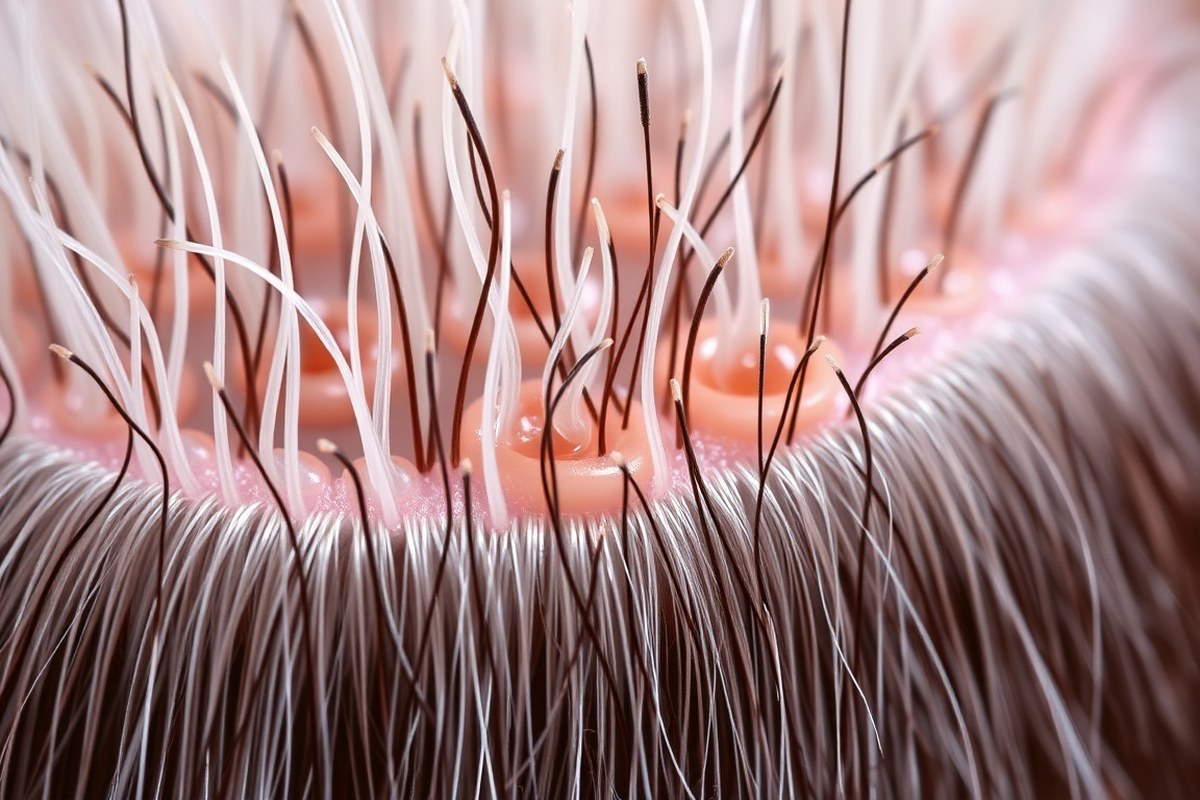
Dry shampoo can leave powdery residue on your scalp after use. This buildup can clog hair follicles, which blocks natural oil flow and hair growth. When follicles stay clogged, it changes the scalp’s environment and causes problems over time.
Buildup from dry shampoo can irritate your scalp and trigger inflammation. This irritation often feels itchy or tender, making you want to scratch more. Persistent inflammation might cause folliculitis, a condition where hair follicles get infected by bacteria or fungi.
Folliculitis shows up as red bumps or small pimples around hair follicles. It can lead to pain, swelling, and even hair loss if untreated. Using dry shampoo too much, especially without washing, raises folliculitis risk.
Dirt, oil, and bacteria get trapped on your scalp. This buildup can irritate hair follicles.
Some scalp conditions worsen when dry shampoo buildup blocks pores. Seborrheic dermatitis, known as dandruff, can flare up because clogged follicles increase oiliness and flaking. This rough, itchy scalp reduces healthy hair growth and can cause strands to break more easily.
Hair follicles don’t “breathe” like lungs, so dry shampoo doesn’t suffocate them directly. Yet, residue buildup creates an unhealthy scalp environment that disrupts hair growth cycles.
Using dry shampoo every day without washing causes buildup. That buildup can lead to infections and inflammation.
Proper scalp care requires regular washing to remove dry shampoo residue. Don’t use heavy dry shampoo for more than one or two days straight.
Overuse can harm your scalp and hair health. Letting the scalp rest with water-based shampoo clears clogged follicles and soothes irritation.
Don’t rely on dry shampoo daily without washing. Scalp buildup can quickly cause irritation and follicle infection.
Which Ingredients in Dry Shampoo May Harm Your Hair and Scalp?
Some dry shampoo ingredients can harm your scalp and hair over time. Avoiding harsh chemicals and irritants helps keep your strands strong. Choosing formulas with gentle, natural ingredients limits dryness and buildup.
Common Irritants and Allergens to Avoid
Dry shampoos often contain substances that irritate sensitive scalps. Fragrances and preservatives can cause itching or inflammation. Buildup from these ingredients may clog follicles and weaken hair over many uses.
Sulfates, common in traditional shampoos, are mostly absent in dry shampoos. Still, some contain talc or silica, which can dry and irritate skin. Steering clear of these prevents scalp problems that trigger breakage.
Alcohols, Starches, and Their Effects on Hair
Dry shampoos rely on alcohols and starches to soak up oil instead of washing with water. Alcohols can dry out hair if overused by stripping natural oils. Starches absorb sebum but may leave residue that builds up with frequent use.
Alcohol-based formulas might make hair brittle if applied too often. Starches, such as rice or corn, are less harsh but can trap dirt along with oil. Both types need occasional cleansing with traditional shampoo to avoid scalp issues.
Safer Ingredients and Natural Alternatives
Look for dry shampoos with gentle absorbents like arrowroot or oat starch. These natural options draw out oils without overly drying your scalp. Some people mix their own dry shampoo from kitchen starches and spices like cinnamon.
Homemade versions cost little and avoid harsh chemicals. Use a small amount, sprinkle near roots, and brush out after 5 to 10 minutes. This lowers buildup risk and keeps hair feeling fresh between washes.
Avoiding scalp irritation and dryness starts with knowing which ingredients affect hair health. The table below compares common dry shampoo ingredients, highlighting risks and safer choices.
| Ingredient | Role in Dry Shampoo | Risk to Hair or Scalp | Notes for Safer Use |
|---|---|---|---|
| Alcohols (e.g., SD Alcohol) | Oil absorber and quick-dry agent | Can dry hair, cause brittleness if overused | Use no more than 1-2 times per week |
| Starches (rice, corn, arrowroot) | Absorb oil and sebum on scalp | May cause residue buildup, clog follicles | Occasional clarifying shampoo removes buildup |
| Fragrances | Add scent to product | Irritate scalp and cause allergic reactions | Choose fragrance-free or hypoallergenic options |
| Talc | Oil absorber and texture enhancer | May dry scalp and clog pores | Avoid talc if prone to irritation |
| Preservatives (parabens, formaldehyde releasers) | Prevent microbial growth in product | Potential scalp irritants and allergens | Look for products labeled paraben-free |
Use dry shampoo moderately and pick formulas suited for sensitive scalps. Combine dry shampoo days with regular shampoo and deep conditioning to keep hair resilient. Natural ingredients often offer safer, gentler care without sacrificing convenience.
How Often Should You Use Dry Shampoo Without Causing Damage?
Limit dry shampoo use to two consecutive days to protect your hair. Using it too often may clog follicles and irritate your scalp. This can reduce new hair growth and weaken your current hair strands.
Give your scalp a break by washing with regular shampoo after using dry shampoo. Washing removes residue and lets your scalp breathe.
Stop using dry shampoo when your scalp becomes itchy, flaky, or red. Wait until your scalp feels better before using it again.
- Limit dry shampoo use to two days in a row maximum
- Wash your hair with regular shampoo after two days
- Check your scalp daily for irritation or redness
- Stop use immediately if you notice hair thinning or itching
- Use a clarifying shampoo once a week to clean buildup responsibly
- Consult a doctor if scalp irritation or hair loss lasts more than a few weeks
Most people’s hair recovers a few weeks after they stop overusing dry shampoo. Treat any scalp irritation with a gentle, soothing shampoo or dermatology products.
Persistent damage on your scalp needs a doctor’s checkup and care. They can find hidden problems and suggest the right treatment.
Using dry shampoo as a full replacement for regular shampoo is risky. Your scalp needs regular cleaning and moisture to stay strong. Following these guidelines keeps dry shampoo a useful tool without harming your hair.
Correct Application and Removal Techniques for Healthy Hair
Apply dry shampoo carefully to protect your scalp and hair. Removal of buildup is key to avoid breakage and irritation. Follow clear steps to apply and wash dry shampoo safely.
Proper Spray Distance and Targeting Roots
Hold the dry shampoo spray at least 6 inches from your scalp. This distance prevents clumps and uneven buildup that cause irritation. Aim the spray mainly at oily roots rather than all over your hair.
Avoid spraying too close to your scalp or holding it in one spot too long. This practice reduces patches of heavy powder that weigh hair down. Focus on dry, oily areas for the best effect.
Waiting Time Before Styling or Touching Hair
Let the dry shampoo sit for 2 to 5 minutes after spraying. This time lets it absorb oil and sweat effectively. Avoid rubbing your scalp or running fingers through your hair during this period.
Rushing to style or touch hair can move powder unevenly. It can also irritate your scalp or loosen roots. Wait patiently to get fluffy, refreshed hair without damage.
How to Wash Out Dry Shampoo Thoroughly
Removing dry shampoo daily or every 24 to 48 hours prevents buildup that leads to breakage. Washing deeply also stops scalp irritation from leftover powder. Use a gentle shampoo that suits your hair type.
To wash out dry shampoo completely, follow these steps carefully:
- Wet your hair thoroughly with lukewarm water.
- Apply a generous amount of shampoo directly to your scalp.
- Massage your scalp gently for 2 to 3 minutes to loosen buildup.
- Rinse your hair completely to avoid any residue.
- Repeat shampooing if you still feel dry shampoo in your hair.
- Finish with conditioner on mid-lengths and ends only.
- Rinse with cool water to help close cuticles and add shine.
- Gently towel dry and avoid harsh rubbing.
Don’t skip washing within 48 hours of your last dry shampoo use to avoid scalp issues.
Signs Your Scalp or Hair Is Suffering from Dry Shampoo Use
You might notice an itchy or irritated scalp after using dry shampoo a lot. This irritation happens because some ingredients can build up and clog your pores. Watch for redness or flaky skin on your scalp.
These signs may mean inflammation or folliculitis. Folliculitis is an infection of the hair follicles.
Hair shedding is common, but shedding linked to dry shampoo misuse usually feels different. Hair often breaks easily or feels brittle with frequent product use. You might also notice hair thinning after several days.
These changes happen with overuse. True hair loss means new growth slows down or stops, not just more strands falling out.
- Scalp itching or redness that lasts beyond a day
- Flaky skin or bumps that suggest clogged follicles
- Sudden increase in broken or brittle hairs
- Hair that falls out when gently brushing or washing
- Feeling that hair is thinner or less full after weeks
- Sores or pimples on the scalp linked to irritation
Spot these signs, then reduce dry shampoo use. Clean your scalp gently with mild shampoo. This will help your scalp recover.
Switch to water washes at least twice a week to let your scalp breathe. Too much dry shampoo can trap dirt and oil.
This buildup breaks hair at the roots. It can also cause flaking on your scalp.
Dry shampoo doesn’t cause permanent hair thinning. The shedding stops once you pause or stop using it, letting your scalp recover. Dry shampoo might be hiding hair thinning from before.
Stopping dry shampoo shows your hair’s natural state. This lets you see what’s really going on.
Managing Hair Thinning While Using Dry Shampoo
Prevent hair breakage by limiting dry shampoo use to a few days a week. Dry shampoo can build up on your scalp, blocking nutrients needed for hair growth. Make sure to wash your hair regularly with a gentle shampoo designed for thinning hair.
Diet and supplements support hair health while using dry shampoo. Biotin, vitamin D, and iron may boost hair strength and growth. Always check with your doctor before starting new supplements to avoid interactions or overdoses.
- Wash and dry your scalp before applying minoxidil or finasteride
- Use dry shampoo only on days without topical hair treatments
- Choose gentle shampoos formulated for thinning hair
- Massage your scalp lightly to improve circulation and nutrient flow
- Eat a balanced diet rich in protein, vitamins, and minerals
- Avoid scratching or rough handling of hair and scalp
Medical treatments like minoxidil and finasteride should be used on a clean scalp. Applying dry shampoo before these treatments might reduce their effectiveness by blocking absorption. Keep dry shampoo for “in-between” use days to avoid interfering with your hair loss regimen.
Scalp care also includes gentle cleansing routines and avoiding harsh products. Using a soft brush and applying mild oils can help protect hair shafts.
Pay attention to your scalp’s condition. Redness or itching could mean you need a break from dry shampoo.
Choosing the Right Dry Shampoo for Your Hair Type and Needs
Choosing the right dry shampoo can help you avoid hair thinning risks. Different types suit certain hair and scalp needs better. Knowing your hair type helps keep it healthy.
Your scalp also matters. Choosing right products can make a big difference.
Powder vs Aerosol vs Foam Dry Shampoos
Powder dry shampoos usually give you more control over how much you apply. You can use a brush or fingers to spread the powder gently. Aerosol sprays are easy to use.
They can put on too much product. This might weigh your hair down or irritate your scalp.
Foam dry shampoos are less common but can be useful for adding volume without harsh ingredients. Powders feel gentle on most hair types. They help avoid buildup better than sprays.
Powders suit dry shampoo users well. Aerosols sometimes contain propellants that caused safety recalls, so watch out for brand warnings.
Formulas for Sensitive or Dry Scalps
Sensitive scalps need formulas without alcohol or strong fragrances to prevent irritation. Look for dry shampoos that promote hydration or include calming ingredients like aloe or chamomile. Avoid heavy powders that can clog pores if your scalp is dry or prone to flaking.
People with oily hair might tolerate more frequent use. But you should still clean your scalp regularly. If your scalp is dry, use dry shampoo less.
Wash your hair thoroughly more often. Only use dry shampoo when it’s really needed. Choosing a gentle formula can reduce the chance of scalp stress or itchiness.
Tinted and Natural Ingredient Options
Tinted dry shampoos add color to cover up roots on light or dark hair. These help blend dry shampoo better.
So leftover powder doesn’t make hair look dull or patchy. Natural ingredient dry shampoos use things like rice starch or baking soda instead of chemicals.
Natural types may feel less harsh but might not absorb oil as well. They also often don’t build up as much on your scalp, which helps reduce irritation. Trying a small amount first will tell you if your scalp reacts well to these options.
| Dry Shampoo Type | Application | Best For | Potential Drawbacks |
|---|---|---|---|
| Powder | Brush or fingers | All hair types, gentle on scalp | Needs careful application to avoid residue |
| Aerosol Spray | Spray directly on roots | Quick use, oily hair | Possible buildup, contains propellants |
| Foam | Apply like mousse | Add volume, sensitive scalps | Less common, may not absorb oil well |
| Tinted | Spray or powder with color | Colored hair, cover roots | Color matching needed to avoid deposits |
| Natural Ingredient | Varies (powder or spray) | Sensitive scalp, less chemical exposure | May absorb oil less effectively |
Testing different types helps you find what fits your hair and scalp health. Watching how your scalp feels after use guides you on which formula to stick with. Avoid overapplication to reduce the risk of irritation and possible hair damage.
Skip dry shampoo if your scalp feels itchy or flakey after use. Wash your hair soon.
Step-by-Step Action Plan to Protect Your Hair from Dry Shampoo Damage
Follow this plan to use dry shampoo safely without hurting your scalp or hair.
- Before you use dry shampoo: Look at the ingredients list. Avoid alcohol and talc because they can dry out hair. Choose a gentle spray with natural powders instead.
- Day 1: Apply dry shampoo to the roots only, holding the can about 8 inches away. Wait 5 minutes, then gently brush through to avoid build-up.
- Week 1: Use dry shampoo no more than twice per week. Watch for dryness, itching, or scalp flakes as signs to slow down.
- After 2 weeks: Wash your scalp with a mild shampoo at least every 3 days. This lets your scalp rest. This clears residue and keeps follicles healthy.
- Week 3: Massage your scalp daily for 2 minutes. This helps blood flow and lowers hair thinning risks.
- Once a month: Use a gentle exfoliating treatment to deep-clean your scalp. This removes product buildup and dead skin.
- Ongoing: Monitor hair thickness and scalp condition. Cut back on dry shampoo if you see more shedding or irritation. See a dermatologist for advice.
Frequently Asked Questions
Can Using Dry Shampoo Daily Lead to Permanent Hair Thinning?
Using dry shampoo daily can cause scalp irritation and breakage. But it doesn’t cause permanent thinning. Limit dry shampoo use to one or two days each week.
This helps protect your hair and scalp health. Using it less often keeps your scalp cleaner and healthier.
Can Dry Shampoo Buildup Make Hair Look Thinner over Time?
Yes, buildup can clog follicles and cause hair to look thinner. Regular washing helps prevent residue that weakens hair strands and scalp health.
Is It Safe to Use Dry Shampoo on Colored or Chemically Treated Hair?
Dry shampoo is generally safe but can dry out chemically treated hair faster. Use moisturizing products and avoid frequent application to prevent extra damage.
How Does Scalp Inflammation from Dry Shampoo Affect Hair Growth?
Inflammation can disrupt the hair cycle and cause shedding. Keeping the scalp clean and avoiding harsh scrubbing helps minimize damage.
Can Dry Shampoo Cause Scalp Infections That Lead to Hair Loss?
Overuse of dry shampoo can lead to folliculitis, a scalp infection linked to hair thinning. Use sparingly and wash your scalp regularly to prevent issues.
Does Dry Shampoo Usage Increase Breakage in Fragile or Fine Hair?
Yes, dry shampoo can dry out sensitive hair, making it brittle and prone to breakage. Use gentle formulas and avoid vigorous scrubbing to protect strands.
Wrapping Up
Dry shampoo itself does not directly cause hair thinning if used right. Using it carefully and giving your scalp breaks prevents damage. Start by checking your dry shampoo’s ingredients and cut back if you see scalp issues.