How to Dandruff Treatment: 9 Proven Methods with Expert Tips
How to dandruff treatment starts with using the right medicated shampoo. Choose shampoos that contain ingredients like ketoconazole, selenium sulfide, or tea tree oil for proven results. These ingredients help control flakes and ease itching on your scalp effectively.
Applying the shampoo correctly matters. Massage it gently into your scalp using your fingertips, not nails.
Leave it on for at least five minutes before rinsing. This waiting time allows the active ingredients to fight dandruff better.
Consistency also counts. Use the medicated shampoo two to three times a week until your scalp feels calmer and flakes reduce. Don’t wash your hair every day, as that can dry out your scalp and make dandruff worse.
If dandruff stays, try switching shampoos with different active ingredients. Sometimes, alternating between treatments helps control stubborn flakes better than one product. Always follow the product directions and avoid harsh hair products.
Key Takeaways
- Use a dandruff shampoo with FDA-approved ingredients like 2% ketoconazole or 1% selenium sulfide.
- Massage shampoo into your scalp and leave it on for 5+ minutes before rinsing.
- Wash your hair two to three times per week with medicated shampoo for best effect.
- Try a shampoo with 5% tea tree oil. It’s a natural option. Most people tolerate it well.
- Apply coconut or jojoba oil as a pre-wash scalp massage to soothe and improve scalp health.
- Stop using basic shampoos alone if dandruff persists beyond four weeks.
1. How to Treat Dandruff Effectively with Shampoos and Remedies

Effective dandruff treatment often starts with the right shampoo. Look for medicated shampoos containing active ingredients like ketoconazole or tea tree oil. These ingredients fight the fungus that causes dandruff and reduce flakes effectively.
Using the shampoo correctly boosts your results and avoids scalp irritation. Alongside shampoos, certain home remedies can soothe your scalp and complement your treatment. Follow these clear steps to manage dandruff with shampoos and remedies.
- Choose a medicated anti-dandruff shampoo. Pick one with 2% ketoconazole or 5% tea tree oil. These ingredients are proven in clinical trials to reduce flakes and itchiness.
- Wet your scalp with warm water. Warm water softens the skin and helps the shampoo work better. Avoid hot water to prevent dryness or irritation.
- Apply the shampoo thoroughly. Massage it gently into your scalp for about two minutes. This ensures the active ingredients reach the roots and work properly.
- Leave the shampoo on for 3 to 5 minutes. This gives time for antifungal ingredients to act. Do not rinse immediately after applying.
- Rinse your hair completely. Make sure no shampoo residue remains. Leftover shampoo can irritate your scalp or cause buildup.
- Repeat shampooing two to three times per week. Avoid daily use unless recommended by a doctor. Overuse might dry your scalp.
- Include home treatments occasionally in your scalp care routine. Once a week, softly massage warm coconut oil or aloe vera on your scalp. These natural products soothe and hydrate dry scalp skin. For faster relief, combine 5 drops of tea tree oil with 2 tablespoons of a carrier oil. Spread this blend on your scalp, let it sit for 30 minutes, then wash your hair like normal.
- Monitor your progress for four weeks. Consistent use typically reduces dandruff significantly in that time. See a healthcare provider if flakes keep coming back or get worse.
Expect to spend about $10 to $15 on a good medicated dandruff shampoo. Applying it correctly takes only a few minutes. Using home remedies can add about 30 minutes to your routine.
They help soothe your scalp and cut down flakes faster. This small time can make a big difference for your scalp health. Avoid harsh scrubbing, which can worsen irritation and flaking.
2. What Causes Dandruff and How Does It Develop?
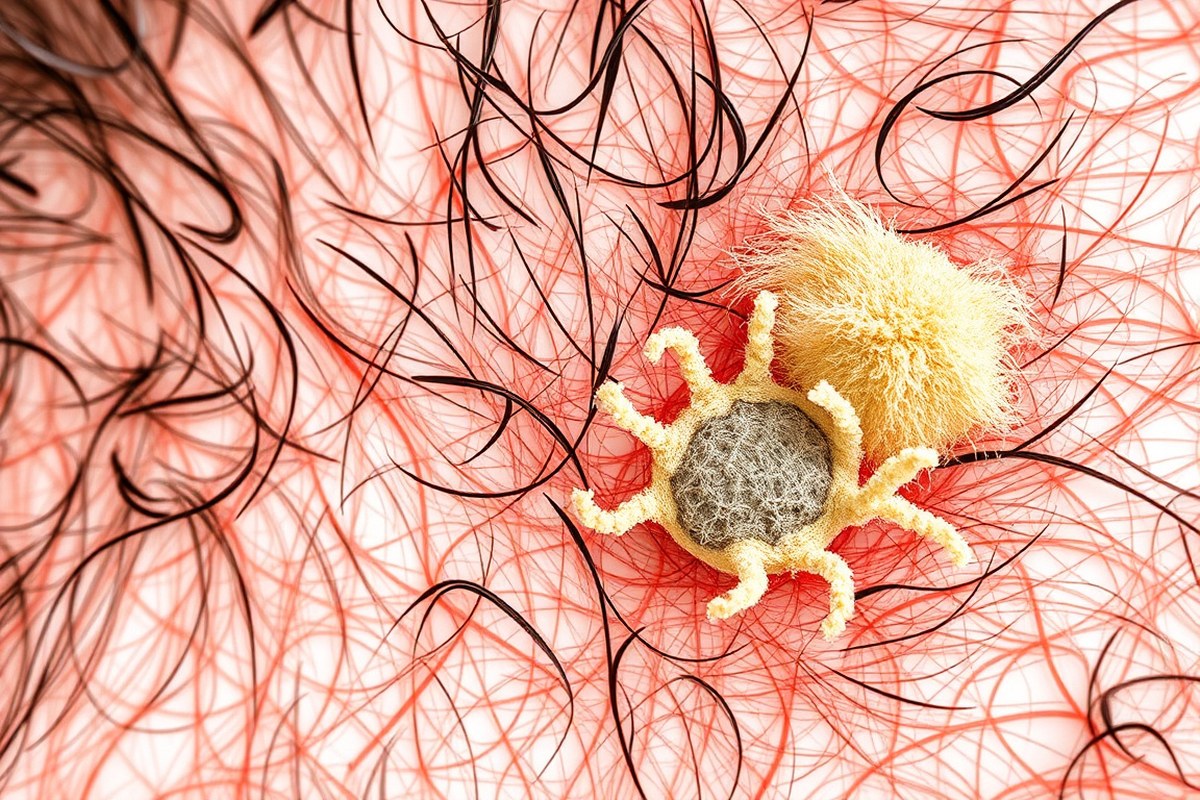
Dandruff happens when your scalp sheds skin cells faster than usual. Normally, skin cells replace every 28 to 30 days. With dandruff, this cycle speeds up, causing more flakes to appear.
One big cause is a yeast-like fungus called Malassezia. This fungus lives on your scalp naturally but can grow out of control. When that happens, it irritates your scalp, leading to redness and flaking.
Your scalp produces oils called sebum. Malassezia feeds on these oils, which helps the fungus thrive.
Not washing your hair often lets oils and dead skin build up. This buildup creates the perfect home for dandruff to get worse.
Skin cell turnover and inflammation work together to make dandruff visible. The fungus triggers your scalp to shed skin cells quickly.
That causes small white flakes to fall off. Inflammation also makes your scalp itchy and red.
Cold weather and stress often make symptoms worse. Dry air pulls water from your scalp. This causes dryness.
It leads to white, powdery flakes. Stress can increase oil production, fueling Malassezia growth and irritation.
Managing these triggers includes washing your hair regularly with shampoos that fight fungus and reduce oil. This helps slow the skin cell replacement to normal rates. It also lowers inflammation, calming itching and stopping flakes.
Don’t skip regular washing; letting oils and dead skin build up makes dandruff flare.
3. FDA-approved Anti-Dandruff Ingredients Compared
Not all dandruff shampoos work the same. Some fight fungus better, others control oil or flakes. You should choose an ingredient that fits your scalp’s needs.
Also, consider any irritation you’ve had before. This helps avoid reactions and treats your scalp better.
| Ingredient | Best for | Concentration | Usage | Side Effects |
|---|---|---|---|---|
| Ketoconazole | Fungal dandruff including seborrheic dermatitis | 1% to 2% | Use shampoo 2 times a week | Possible redness or irritation on sensitive skin |
| Selenium sulfide | Fungal dandruff, oily scalp | 1% to 2.5% | Use shampoo 1 to 2 times per week | May cause scalp discoloration or oiliness |
| Zinc pyrithione | Dandruff from seborrheic dermatitis, sensitive scalp | 1% to 2% | Use shampoo twice a week | Generally mild; possible itching or dryness |
| Sulfur | Flakiness and mild dandruff | Up to 10% | Use as directed on package, often daily to weekly | May cause dryness or odor |
| Tea tree oil | Mild fungal dandruff and scalp irritation | Usually 5% in shampoos; can dilute for scalp oil blends | Use shampoo or apply oil 1 to 2 times weekly | Possible allergic reactions, never use pure directly |
Ketoconazole, selenium sulfide, and zinc pyrithione are antifungal and work well for fungal dandruff. Ketoconazole tends to be strongest but may irritate sensitive skin more. You’ll often see ketoconazole at 1% to 2%.
Selenium sulfide also controls fungus but can sometimes stain lighter hair or leave oiliness. Zinc pyrithione is milder and less irritating, suitable for sensitive scalps.
Sulfur reduces flakes and is sometimes used with salicylic acid to remove dead skin. Its smell and dryness can put some people off. Tea tree oil fights fungus and soothes irritation.
But it’s weaker than the medicated ingredients. Use diluted tea tree oil or shampoos containing about 5% to avoid skin irritation. Never put pure tea tree oil right on your scalp.
It can cause burns or allergic reactions. Always dilute it before use.
4. How to Use Dandruff Shampoos for Best Results
Use dandruff shampoo as directed to get the best results. Wash your hair regularly but not too often to avoid dryness. Follow specific steps to apply, time the treatment, and rinse properly to control flakes and itching.
Recommended Shampoo Frequency
Shampoo your hair two to three times a week to control dandruff. Washing more than once a day can dry out your scalp and cause irritation. Once dandruff improves, you can reduce shampooing to every other wash.
This gradual step-back helps keep your scalp balanced without over-drying. Your scalp feels dry or itchy.
Try shampooing less or using a new formula. Many people find their best routine by trial and error over a few weeks.
Correct Application Steps
Follow these steps to properly apply dandruff shampoo. Applying it correctly helps the active ingredients reach your scalp and work well.
- Wet your hair with warm water, not hot, to avoid drying your scalp.
- Apply enough shampoo to cover your scalp and roots evenly.
- Massage the shampoo gently into your scalp using your fingertips for 30 seconds.
- Leave the shampoo on your scalp for the recommended time (see below).
- Rinse thoroughly with warm water until no shampoo remains.
- Repeat if instructed by the product or your doctor, then rinse again.
- Dry your hair gently with a towel; avoid harsh rubbing or heat.
Use warm water throughout to help loosen flakes without stripping oils. Gentle massage helps the shampoo reach your scalp without scratching or damaging skin.
Timing for Leaving Shampoo on Scalp
Let the shampoo sit on your scalp to work fully before rinsing. Most dandruff shampoos need at least 5 minutes to be effective.
Some products recommend leaving the shampoo for 5 to 10 minutes. Follow the instructions on the bottle closely to avoid irritation or reduced effect.
Your scalp feels sensitive or itchy. Cut down leave-on time or rinse faster. Use this time for other shower tasks.
Wash your body or wash your face. This helps keep your shower routine practical.
5. Home Remedies and Natural Oils That Soothe Dandruff
Natural oils like tea tree and coconut oil can help reduce dandruff symptoms. Aloe vera soothes scalp inflammation. Use these remedies carefully alongside your regular shampoo for best results.
Tea Tree Oil Scalp Treatment
Tea tree oil has natural antifungal and antimicrobial effects. Studies found shampoos with 5% tea tree oil reduce dandruff by 41%. This happens after using the shampoo for four weeks.
Dilute tea tree oil before applying it to your scalp. A 1% to 3% concentration works well for direct scalp treatments. 5% is common in shampoos.
To make a calming mask, mix two tablespoons of oatmeal with water until smooth. Add a few drops of tea tree oil and apply it to your scalp.
- Mix two tablespoons of oatmeal with enough water for a paste.
- Add 3 to 5 drops of tea tree oil and stir well.
- Apply the paste evenly to your scalp, focusing on flaky areas.
- Let it sit for 15 to 20 minutes to reduce itch and flakes.
- Rinse thoroughly with warm water.
- Repeat this treatment twice a week for best results.
Always test a small patch first to avoid irritation from tea tree oil.
Coconut Oil Pre-Shampoo Application
Coconut oil helps moisturize dry scalp and may reduce dandruff flakes. It also carries oils away from your scalp, lessening buildup that causes dandruff.
Apply coconut oil before shampooing, especially if your scalp feels dry. Use about one to two tablespoons depending on hair length.
- Warm the coconut oil slightly until it becomes liquid but not hot.
- Massage the oil gently into your scalp for 3 to 5 minutes.
- Leave the oil on your scalp for 30 minutes or overnight.
- Wash your hair with a mild shampoo to remove excess oil.
- Repeat once or twice a week to maintain scalp moisture.
Don’t skip shampoo after applying coconut oil to prevent greasy buildup.
Aloe Vera for Scalp Inflammation
Aloe vera has antibacterial and antifungal properties that help reduce itching and redness. It also moisturizes your scalp.
You can apply pure aloe vera gel directly to the scalp to calm irritation. Use it when your scalp feels inflamed or sensitive.
- Extract fresh aloe vera gel from a leaf or use pure store-bought gel.
- Apply a thin layer evenly across your scalp.
- Let it absorb for 20 to 30 minutes.
- Rinse with lukewarm water or shampoo lightly if you like.
- Use aloe vera three times a week for soothing relief.
Avoid aloe vera if you have a plant allergy or experience itchiness after application.
Combining Natural Remedies Safely
Use natural oils and aloe vera alongside your regular dandruff shampoo. Don’t rely on home remedies alone if your scalp feels very irritated or flaky.
Dilute essential oils carefully, keeping tea tree oil below 5% concentration. Mixing too many treatments at once can cause dryness or irritation.
Try one remedy at a time for a week and watch for any scalp reactions. Adjust frequency based on how your scalp responds.
- Choose one natural treatment to start, like tea tree oil or coconut oil.
- Use it alongside your regular dandruff shampoo on alternate days.
- Observe your scalp’s condition: itching, dryness, or improvement.
- Your scalp feels comfortable, so keep using the treatment twice a week.
- Avoid combining more than two natural treatments at the same time.
- Stop treatment immediately if irritation develops and consult a dermatologist if needed.
Never apply undiluted essential oils directly to your scalp to avoid burns and irritation.
6. How Diet, Stress, and Lifestyle Impact Dandruff Severity
Diet can influence dandruff by affecting inflammation and scalp health. Eating a balanced diet rich in vitamins, zinc, and omega-3 fatty acids may help reduce flakes. Avoid processed and high-carb foods.
Yeast on your scalp feeds on glycogen. These foods raise glycogen buildup and cause dandruff.
Probiotics may also help by boosting your immune system and reducing dandruff severity. A study showed that taking probiotics for 56 days lowered dandruff in 60 people. Adding fermented foods or probiotic supplements to your diet might improve your scalp’s condition over time.
Stress triggers dandruff outbreaks by weakening your immune response and increasing skin inflammation. Around 28% of people with seborrheic dermatitis reported stress as a flare-up trigger in one study. Managing stress through exercise, meditation, or simple breathing exercises can reduce dandruff without changing shampoos.
Besides diet and stress, other lifestyle factors like sleep and weather affect dandruff too. Cold weather often makes dandruff worse by drying out your scalp. Keeping your scalp moisturized and maintaining a regular sleep schedule can help keep flakes under control.
Natural treatments can support scalp health. Applying coconut oil for 16 weeks improved scalp microbiomes and dandruff markers in a 2021 study. But in some cases, oils might worsen dandruff by promoting fungal growth.
So monitor your scalp’s reaction. Drinking green, black, or white tea infusions may also protect your scalp and reduce flakes.
7. Common Dandruff Treatment Mistakes and How to Avoid Them
Washing your hair too often can dry out your scalp and worsen flakes. Using medicated shampoo twice a week is usually enough. Let it sit on your scalp for 5 minutes before rinsing to work well.
Rinsing poorly leaves shampoo residue that can irritate the skin. Always rinse your scalp and hair thoroughly until the water runs clear. A quick rinse might feel done but can make itching worse.
Many stop treatment as soon as flakes shrink. Continuing the routine for at least 4 weeks keeps dandruff from coming back. Research shows stopping completely can increase relapse by nearly 65% in half a year.
When your scalp seems red or itchy, reduce how often you use it. Try using a gentle conditioner after shampooing. Severe irritation means you should see a doctor for advice.
- Use medicated shampoos twice a week unless your doctor advises otherwise
- Let shampoo sit on your scalp 3 to 5 minutes before rinsing
- Rinse thoroughly under warm water until no suds remain
- Keep up treatment for 4 weeks even if flakes improve quickly
- Reduce usage if your scalp feels irritated or itchy
- See a dermatologist if symptoms get worse or don’t improve
Most dandruff treatments show clear improvement within 2 to 4 weeks. You should see less flaking and itching by then. Not cutting back might show your treatment doesn’t suit your scalp.
Some people try home remedies like lemon or baking soda to reduce itchiness. They can help soothe your scalp but aren’t proven to stop dandruff fully. Baking soda baths over three weeks did lower itching and irritation in trials.
8. When to See a Dermatologist for Persistent Dandruff
Try seeing a dermatologist if dandruff lasts despite treatments. Use anti-dandruff shampoo twice a week for about a month. If it still stays, a doctor can help.
Doctors can check if your scalp has seborrheic dermatitis or psoriasis. They also look for eczema or fungal infections.
A proper diagnosis helps guide treatment. These conditions look like dandruff but need different treatment approaches and stronger medicines.
Severe dandruff tends to cause thick, oily flakes and persistent itching. Your scalp feels irritated and red or shows scaly patches. These are signs beyond simple dandruff and need attention.
You might need prescriptions like a 3% salicylic acid shampoo. Topical gels with desonide can also help.
These treatments target more serious scalp issues. These treatments help reduce inflammation and fight fungus more effectively than over-the-counter products.
Other conditions that mimic dandruff include scalp psoriasis and eczema, which often cause redness and swelling. A dermatologist can tell the difference by examining your scalp and may perform tests if needed. Professional care ensures the right medicine for your scalp problem.
It helps avoid wasting time and money on wrong treatments. A doctor can guide you best.
Don’t wait if your scalp feels very itchy or inflamed. Thick, yellowish flakes are another reason to see a dermatologist. Early care prevents worsening of symptoms.
9. Choosing the Right Dandruff Treatment for Your Scalp Type
Choosing the right dandruff treatment means knowing your scalp type and dandruff severity. You need a plan that fits oily, dry, or sensitive skin types. Choose products carefully to avoid making symptoms worse.
This helps control your dandruff better. Follow these steps to find the best approach for you.
Assessing Scalp Type and Symptoms
Start by checking if your scalp feels oily, dry, or balanced. Oily scalps often have a greasy feel with large, yellowish flakes. Dry scalps feel tight and show small, white flakes that fall easily.
Look for any itchiness, redness, or irritation. These symptoms suggest seborrheic dermatitis or sensitivity that needs special care. Notice if flakes increase after washing or certain hair treatments.
- Touch your scalp after 24 hours without washing to see if it feels oily or dry.
- Observe the type of flakes: oily scalps have larger, greasy flakes. Dry scalp flakes are small and powdery.
- Check your scalp for redness or itchiness, signs of sensitivity or infection.
- Recall if chemicals like dyes or bleaches recently irritated your scalp.
- Note how often flakes appear and if they worsen with hot water or harsh shampoos.
Matching Treatments to Scalp Type
Oily scalps respond best to medicated shampoos with 2% pyrithione zinc about twice a week. This reduces oil and fungus causing dandruff. Avoid hot water, which increases oil production and irritation.
For dry scalps, use gentle, moisturizing shampoos with amino acids and coconut oil once a week. These rebuild the skin barrier and prevent flaking. Avoid using coal tar or salicylic acid more than twice weekly to prevent overdrying.
Adjusting Treatment for Sensitive Scalps
Sensitive scalps need gentler care. Use shampoos with pyrithione zinc but only twice a week to avoid dryness. Avoid lemon juice and baking soda, which can cause added irritation due to extreme pH levels.
Redness or strong itchiness means you should reduce medicated shampoo use. Cut it back to once a week.
Or try mild, fragrance-free shampoos instead. Also, avoid hot water or harsh scrubbing, which worsen sensitivity.
Combining Natural and Medicated Options
Using natural oils like coconut oil once weekly can soothe and hydrate dry or sensitive scalps. Combine this with medicated shampoos twice weekly for oily or fungal-related dandruff. This mix helps control dandruff without overdrying.
Be careful not to overuse natural acids like lemon juice. They can irritate or change scalp pH, increasing flakes. Use gentle exfoliating shampoos with salicylic acid once or twice weekly.
This works well on oily scalps. It helps clear away dead skin.
Step-by-Step Action Plan to Treat Your Dandruff
Follow this plan to reduce dandruff and keep your scalp healthy. Track your progress and adjust as needed.
- Before You Start: Choose an anti-dandruff shampoo with an FDA-approved ingredient that fits your scalp. Check the label for zinc pyrithione, ketoconazole, selenium sulfide, coal tar, or salicylic acid.
- Week 1: Shampoo twice a week. Leave it on your scalp for 5 minutes. Then rinse thoroughly. Watch for less flaking and itching.
- Week 2: Add gentle scalp massages during shampooing to help remove flakes. Notice if your scalp feels less irritated.
- Week 3: Start using coconut or tea tree oil twice a week. Apply it after shampooing. Look for softer, less dry skin.
- Week 4: Monitor your diet and stress levels. Reduce sugary foods and find easy ways to relax. Check for fewer flare-ups.
- After 4 Weeks: If flakes and itching get better, reduce shampoo to once a week. Use it for maintenance. Schedule a visit with a dermatologist if the problem keeps going.
Frequently Asked Questions
Can Dandruff Return After Stopping Medicated Shampoo?
Yes, dandruff often comes back if you stop treatment. Continuing weekly maintenance washes can help keep flakes away longer. This is why experts recommend ongoing mild treatment even after symptoms improve.
Is Tea Tree Oil Shampoo Safe for Long-Term Dandruff Use?
Tea tree oil shampoo is generally safe and well-tolerated for dandruff. Using 5% concentration shampoos can reduce flakes without harsh side effects. Avoid if you have sensitive skin or allergies to essential oils.
Can Oral Antifungal Medicine Help Treat Severe Dandruff?
Oral antifungal drugs are used for stubborn dandruff resistant to shampoos. They treat deeper scalp fungal infections causing flakes and itching. A doctor must prescribe these due to possible side effects and dosage concerns.
Does Using Baking Soda Improve Dandruff Symptoms Safely?
Baking soda can reduce dandruff because it fights fungi on the scalp. It improves symptoms without harmful side effects of some meds. Use gently and avoid daily scrubbing, which might irritate the scalp.
How Does Neem Help with Dandruff Treatment?
Neem has antifungal and anti-inflammatory effects that soothe the scalp. It can reduce fungal growth and calm irritation causing dandruff. Neem oil or extracts are common in natural scalp care products.
Why Is Selenium Sulfide Used in Dandruff Shampoos?
Selenium sulfide controls itching and flaking in severe dandruff cases. Its FDA-approved 1% concentration helps reduce scalp yeast that triggers dandruff. It’s often used when gentler products don’t work.
Final Thoughts
Dealing with dandruff takes a clear plan and the right treatment. Start by picking a proper shampoo and notice changes in a few weeks.
Take the next step by caring for your scalp daily. Ask a doctor if you need more help.