How Conditioner Is Used: A Complete Guide for Perfect Hair Care
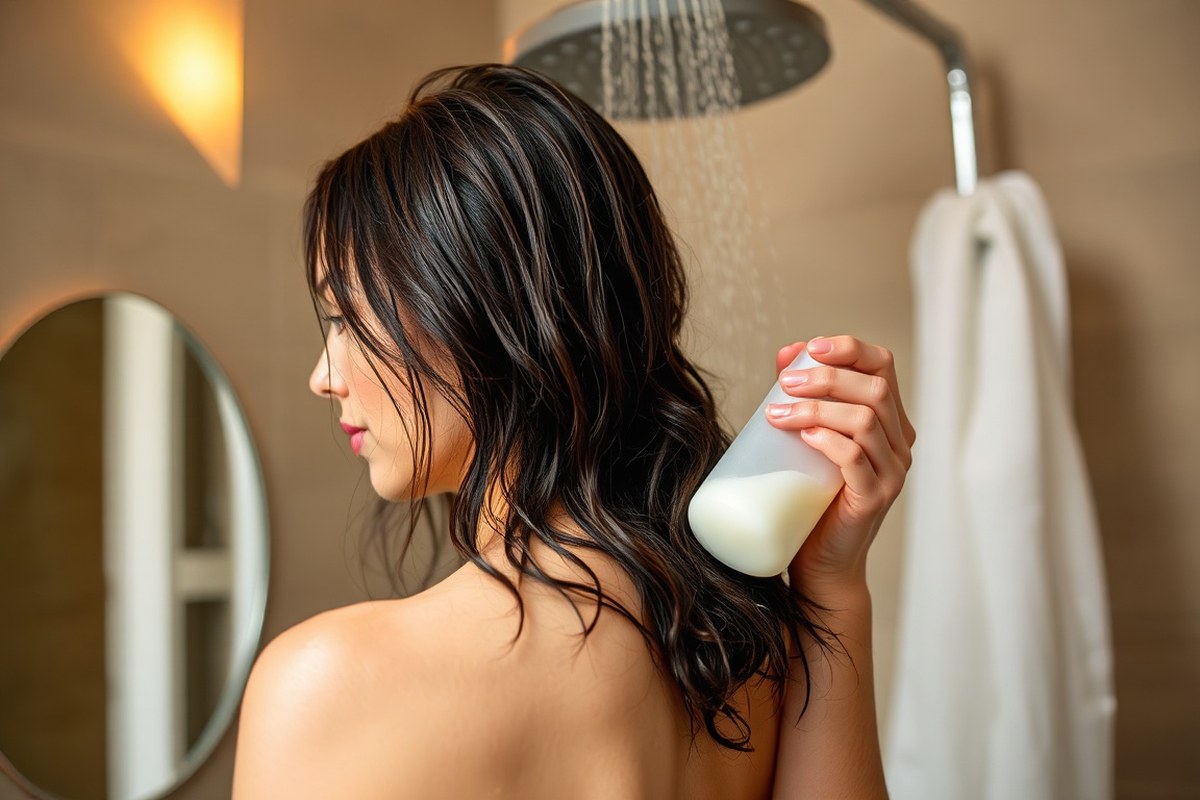
Knowing how conditioner is used can make a big difference in your hair health. Conditioner works by smoothing the hair and locking in moisture after shampooing. You apply it to wet hair.
Leave it on for the right time. Then rinse it out.
Start by focusing the conditioner on your hair ends, where damage and dryness happen most. Avoid putting too much near your scalp to prevent greasiness. The exact wait time depends on the type of conditioner and your hair needs.
For example, daily conditioners usually work well after 1 to 5 minutes. Deep conditioners or treatments take longer. Sometimes up to 20 minutes.
They give your hair extra care. Rinse thoroughly to avoid buildup that can weigh hair down.
Key Takeaways
- Apply conditioner mainly to your hair ends, not your scalp.
- Leave daily conditioner on for 1 to 5 minutes before rinsing.
- Use deep conditioners for 15 to 20 minutes to repair damage.
- Rinse conditioner thoroughly, spending 3 to 5 minutes to remove all residue.
- Follow the product instructions for leave-in time to suit your hair type.
- Avoid over-conditioning by not applying too much product near roots.
How to Use Conditioner Correctly Step-by-Step

Use conditioner after shampooing by focusing on mid-lengths to ends. Avoid applying it at the scalp to prevent weighing hair down. Use the right amount based on your hair length for even coverage and best results.
Prepare Hair for Conditioning
Wet your hair thoroughly with lukewarm water before shampooing. Squeeze out excess water after rinsing shampoo.
Sopping wet hair causes conditioner to run off. Detangle your hair gently with a wide-tooth comb to help spread conditioner evenly.
Applying Conditioner to Hair Sections
Use a quarter-sized amount of conditioner for medium-length hair. For longer hair, increase the amount slightly to cover all strands. Apply conditioner from mid-length to the ends, leaving roots free unless using a scalp-specific product.
Work the conditioner through hair sections with your fingers or a wide-tooth comb. Focus on the older, drier ends that need the most moisture.
Avoid piling too much conditioner on strand ends. This can weigh hair down or cause buildup.
Rinsing and Drying After Conditioning
Leave conditioner on your hair for 2 to 3 minutes. Deep conditioners need 15 to 20 minutes to work. This helps your hair absorb the product fully.
Rinse thoroughly with lukewarm water, making sure no residue remains. Excess conditioner can make hair oily and heavy.
After rinsing, gently squeeze out water. Avoid rubbing hair with a towel; pat dry instead to protect strands. Let hair air-dry or use a diffuser on low heat to keep hair healthy.
- Wet your hair completely with lukewarm water.
- Shampoo and rinse hair thoroughly.
- Squeeze excess water gently from your hair.
- Squeeze a quarter-sized amount (adjust for longer hair) of conditioner onto your palm.
- Apply conditioner from the mid-lengths down to the ends, avoiding roots.
- Use fingers or a wide-tooth comb to spread conditioner evenly.
- Leave the conditioner on for 2 to 3 minutes (longer for deep conditioners).
- Rinse thoroughly with lukewarm water until no conditioner remains.
Understanding Different Types of Conditioner

Conditioners come in several types, each made for different hair needs. Rinse-out, leave-in, deep, protein, and moisturizing conditioners serve various roles. Choosing one depends on your hair type and what it needs most.
Rinse-Out Conditioners
Rinse-out conditioners are used right after shampooing. They stay on your hair for 2 to 5 minutes before rinsing out. These conditioners add softness, shine, and help detangle hair.
They work best on normal to slightly dry hair types. Lightweight formulas suit fine or oily hair, so it doesn’t weigh your hair down.
Your hair feels fine after washing. Use rinse-out conditioner to hydrate without heaviness.
Leave-In Conditioners
Apply leave-in conditioner to towel-dried hair and do not rinse it out. It provides ongoing moisture and shields hair from heat or environmental damage. This type suits frizzy, curly, or very dry hair needing all-day hydration.
Use it once a week or more if your hair is curly or dry. Leave-in formulas improve manageability by reducing tangles throughout the day. They usually feel lightweight and don’t leave hair greasy or stiff.
Deep Conditioners and Masks
Deep conditioners offer intense repair for dry or damaged hair. Leave them on for 15 to 30 minutes before rinsing thoroughly. They work like a mask, restoring elasticity and strength to your strands.
Use deep conditioners every month or two, especially if your hair breaks easily or feels brittle. Make sure to rinse out all product after allowing it to work.
Residue can weigh hair down or cause buildup. These treatments cost more and need longer time than regular conditioners but bring noticeable repair.
Protein and Moisturizing Conditioners
Protein conditioners strengthen brittle hair with proteins like hydrolyzed silk or wheat protein. They help repair damage from heat and styling. Use protein conditioners if your hair feels weak or breaks frequently.
Moisturizing conditioners use oils, butters, and humectants to soften and hydrate hair deeply. These are best for dry, curly, color-treated, or damaged hair. They smooth the cuticle and add shine without stiffness.
Lightweight options suit fine hair. Richer creams work well with thicker or coarse hair. Rotate protein and moisturizing conditioners, depending on your hair’s current needs.
Here’s a quick comparison of conditioner types, their benefits, and best hair types:
| Type | Benefit | Best For |
|---|---|---|
| Rinse-out | Hydration, detangling, softness, shine | Normal to slightly dry hair |
| Leave-in | Hydration, heat protection, manageability | Frizzy, curly, dry hair |
| Deep Conditioner | Elasticity, strength, breakage reduction | Severely damaged or dry hair |
| Protein Conditioner | Strengthening, repair, elasticity | Brittle hair |
| Moisturizing Conditioner | Softening, hydration, smooth cuticle | Dry, curly, color-treated hair |
Pro-tip: Leave deep conditioner on for at least 15 minutes. This helps your hair repair better.
How Long Should You Leave Conditioner in Hair?
Rinse-out conditioners typically need 2 to 5 minutes to work well. Most products suggest reading the label for exact times.
Leaving conditioner on for about two minutes works well. This time lets it stick to your hair properly.
Deep conditioners require more time, often 10 to 30 minutes according to the product’s instructions. This longer period lets the richer formula deeply nourish dry or damaged hair. You can use a shower cap to keep moisture in while you wait.
Leave-in conditioners stay on without rinsing, so timing varies widely. Some recommend 1 to 7 minutes before styling or you can leave it all day. This kind helps protect hair from heat and keeps it hydrated.
Rinsing out conditioner too soon can leave your hair rough. It may also get tangled easily then.
Leaving it in too long might weigh your hair down or cause buildup. Adjust timing if your hair is oily, dry, curly, or damaged to fit your needs better.
Signs conditioner is working include easier combing, softer strands, and less frizz. Sticky or heavy hair can mean using too much conditioner.
Rinse sooner or use less product next time. Hair that stays dry or rough likely needs a different conditioner or longer time.
How Conditioner Works to Improve Hair Health
Conditioner smooths the hair shaft by coating its outer layer, called the cuticle. This layer gets rough and lifts during shampooing, which causes frizz and tangles. Conditioning ingredients like silicones and oils seal the hair cuticle.
This sealing makes hair feel soft. It also gives hair a shiny look.
Oils in conditioner add slip and lock in moisture, helping hair stay hydrated. Proteins repair and strengthen weak spots by filling gaps in the hair structure. Humectants draw moisture from the air into the hair, preventing dryness throughout the day.
Cationic surfactants in conditioners have a positive charge. So they cling to the negatively charged hair strands.
This reduces static electricity, which makes hair easier to comb and less flyaway. These ingredients also help reduce breakage by smoothing sharp, damaged edges on the hair.
Conditioner replenishes moisture lost during washing by restoring lipids the shampoo removes. This keeps hair flexible and less prone to split ends. A good conditioner balances the hair’s pH, usually around 4.5 to 5.5, which helps the cuticle close tightly and protects color-treated hair.
Applying conditioner on slightly damp hair helps it absorb better. Letting it sit for two to five minutes gives ingredients time to penetrate.
Not rinsing thoroughly or using too much conditioner can weigh hair down or make it greasy. So use the right amount for your hair length and type.
Choosing the Right Conditioner for Your Hair Type
Look for a conditioner made for your hair type to get the best results. Your hair is fine or oily. Use a light, silicone-free conditioner.
Try a spray leave-in treatment instead. Heavy creams or butter-based formulas can weigh down fine hair and make oily roots worse.
Curly or textured hair needs a richer conditioner that moisturizes and controls frizz. Choose one with nourishing oils or ingredients designed to smooth and hydrate thick, coarse strands. Use a pH-balanced, light leave-in conditioner with no heavy silicones.
It helps keep curls soft. This also defines curls without greasiness.
Color-treated hair benefits from conditioners that protect and repair damage. Look for products labeled “color protecting” or with bond-repair technology. These help keep color vibrant and reduce dryness caused by chemical treatments.
Avoid very light conditioners made to add volume. They may not hydrate or repair treated hair. Your hair needs more moisture.
Damaged or dry hair needs deep conditioning with formulas that offer intense hydration and repair. Stronger conditioners with nourishing ingredients like proteins can help rebuild hair strength. Heavy conditioners cause limpness or greasiness on fine or oily hair.
Skip those to keep your hair bouncy. Choose lighter options instead.
Trying to use one formula for all hair types can make problems worse. For example, heavy conditioners on fine hair create buildup and dullness.
Lightweight products on thick or damaged hair won’t deliver enough moisture or protection. Match your conditioner texture and ingredients with your hair’s needs for better softness, shine, and manageability.
Use only the conditioner amount the label says. Overusing makes hair heavy or greasy. Stick to the recommended dose every time.
Common Conditioner Mistakes and How to Fix Them
Applying conditioner directly to your scalp often causes greasiness and weighs hair down. Conditioner is best used on the mid-lengths and ends where hair tends to be driest. Avoid clogging hair follicles by steering clear of your roots during application.
The right amount of conditioner depends on hair length and thickness. Use a quarter-sized amount for short hair. For longer or thicker hair, use a palm-sized dollop.
Using too little leaves your hair dry and rough. Too much causes buildup and flatness.
Skipping conditioner regularly dries hair out and increases breakage. Conditioner smooths hair cuticles and helps retain moisture. Regular use helps keep your hair soft and shiny.
It also makes hair stronger. This is key if you style with heat or color often.
Conditioner buildup results when you don’t rinse thoroughly or overuse product. This buildup causes itchiness, scalp irritation, and limp hair. Always rinse for at least 30 seconds under lukewarm water to remove residue properly.
- Apply conditioner only from mid-length to ends, avoiding roots
- Use a small, measured amount based on hair length
- Don’t skip conditioner after shampooing, especially if hair is dry
- Rinse thoroughly for at least 30 seconds to avoid product buildup
- Use a wide-tooth comb in the shower to detangle gently
- Consider deep conditioning once or twice a week for damaged hair
Brushing your hair while it’s wet and coated with conditioner can cause breakage. Instead, comb gently with a wide-tooth comb in the shower. Use deep-conditioning treatments regularly on damaged or color-treated hair.
Leave them on for 15 to 20 minutes. Rinse them out fully after that.
You might grow fond of a specific conditioner that works well for your hair. Still, switching or consulting a hair expert can help if your hair changes or problems develop. Following these careful steps prevents common mistakes and keeps your hair healthy and balanced.
Special Conditioner Use for Curly, Damaged, and Color-Treated Hair
Curly, damaged, and color-treated hair each need special care with conditioner. Using the right technique and products helps keep hair healthy and looking good. Focus on moisture, protecting the hair, and avoiding damage during application.
Curly Hair Conditioning Tips
Curly hair is drier because natural oils can’t move down easily. Oils struggle to travel through all the bends and twists. This leaves hair strands without enough moisture.
Use leave-in conditioners to keep curls moisturized and easy to manage throughout the day. Don’t put conditioner right on your scalp.
This can cause buildup there. Focus on applying it to the mid-lengths and ends instead.
Apply conditioner with your fingers or a wide-tooth comb to distribute it evenly without breaking curls. Pick products with humectants like glycerin or natural oils. These ingredients help hair hold onto water.
This keeps your hair moisturized longer. Keep a moisturizing leave-in conditioner handy for touch-ups between washes.
Deep Conditioning for Damaged Hair
Damaged hair benefits from deep conditioning treatments once per week to restore moisture and strengthen strands. Use thick formulas made to fix damage. Look for proteins like keratin in them.
Hydrating ingredients are also key in these treatments. Put the treatment on after shampooing your hair.
Comb it gently to spread it evenly. Leave it on for 10 to 30 minutes, as the product says.
Heat can help deep conditioner penetrate better. So wrap your hair in a warm towel or use a shower cap. After rinsing, avoid using hot water.
Lukewarm water keeps the cuticle sealed and protects hair fiber. Make your own deep conditioner at home with natural oils.
This can save money compared to store products. Try simple recipes with ingredients you trust.
Color-Treated Hair Care
Conditioners for color-treated hair must protect both color and moisture. Use sulfate-free formulas designed specifically for dyed hair to prevent color loss. Pick conditioners with a pH level from 4.5 to 5.5 to lock the hair cuticles.
Apply conditioner softly to protect the hair cuticle. Focus mostly on the ends where hair is most damaged. Avoid rubbing harshly or scrunching hair too much.
Use moisturizing leave-in conditioners regularly to maintain softness and shine. Skip heavy oils unless your hair is very dry.
Oils can weigh down color-treated hair or make it greasy. Use light products to keep your color fresh and hair airy.
When to Consult a Professional About Conditioner Use
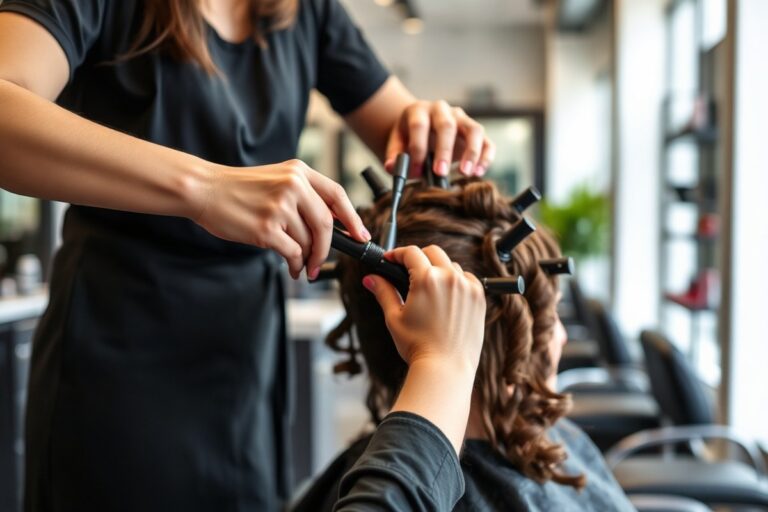
Persistent dryness or damage are signs you might need expert help. When your hair stays rough or breaks easily after conditioning, see a pro. They know which treatment suits your hair type and damage level best.
Scalp irritation or allergic reactions to conditioner should never be ignored. Redness, itching, or bumps after using a new product means you need immediate advice. Experts can suggest safe alternatives or test for allergies to protect your scalp and hair health.
Changing your hair care routine requires careful guidance from a hairstylist. Big changes in your hair’s texture, color, or health may need a conditioner update.
A pro can suggest conditioners that suit your hair as it changes. This saves money on guessing.
- Hair breakage or split ends despite conditioning
- Scalp redness, itching, or swelling after product use
- Persistent dryness or dullness after regular conditioning
- Severe hair loss or thinning noticed over weeks
- Changes in hair texture or color needing new care
- Unclear product selection due to special needs like allergies
Checking these points can help you decide when professional advice is necessary. Appointments usually take 30 to 60 minutes.
Prices range from $50 to $150 by location. Good results show softer, healthier hair and a calm scalp, usually within a few sessions.
Always patch-test new conditioners on a small skin area before full use to avoid reactions.
Talking to a cosmetologist or dermatologist helps you avoid worsening damage or irritation. Pros explain why some conditioners suit you better.
They also tell you how often to use them. This saves you time, discomfort, and money in the long run.
Step-by-Step Action Plan for Using Conditioner Effectively
Follow these simple steps to get the most from your conditioner. Each step helps you improve your hair’s feel and look.
- Before Shampooing: Brush your hair gently to remove tangles. This stops your hair from breaking during washing.
- After Shampoo: Squeeze out excess water. Damp hair lets the conditioner work without dripping.
- Apply Conditioner: Use a quarter-sized amount on your palm. Focus on mid-length to ends where hair is oldest and driest.
- Massage Gently: Spread conditioner evenly without rubbing your scalp. This avoids weighing down roots or causing build-up.
- Wait for 2 to 5 minutes: Let the conditioner soak in. Time depends on your hair type and product instructions. Thicker hair often needs the longer time.
- Rinse Thoroughly: Use cool or lukewarm water to close the hair cuticles. This leaves hair smoother and shinier.
- Dry Carefully: Pat your hair with a towel instead of rubbing. It helps reduce frizz and breakage after conditioning.
- Adjust Frequency: Start conditioning every time you shampoo. Skip some days or use lighter formulas when your hair feels heavy.
Frequently Asked Questions
Can You Use Conditioner Every Day Without Damaging Hair?
Yes, daily conditioner use is usually safe if it suits your hair type. Avoid heavy formulas that can weigh hair down or cause build-up on your scalp.
Is It Necessary to Shampoo Before Applying Conditioner?
Shampooing first removes dirt and oil, allowing conditioner to work better. Conditioner alone can’t clean hair well.
You can skip shampoo on some days. This works especially for dry or curly hair.
Should You Apply Conditioner to Your Scalp or Just the Ends?
It’s best to avoid your scalp and focus on mid-lengths and ends. The scalp produces natural oils, and conditioner can weigh it down or cause greasiness.
Can You Use Conditioner on Dry Hair Without Washing It First?
Yes, leave-in conditioners or conditioners for dry hair can be applied to dry strands. This helps add moisture and reduce frizz between washes without shampooing each time.
How Do You Properly Rinse Conditioner Out of Your Hair?
Rinse conditioner thoroughly with warm water for 1 to 2 minutes until slippery feel is gone. Leftover product can build up and weigh hair down or cause scalp issues.
Does Conditioner Help Protect Hair from Heat Styling Tools?
Conditioner adds moisture and smooths the hair cuticle, which helps reduce heat damage. For extra protection, use a heat protectant spray designed for styling tools.
Wrapping Up
Conditioner works best when you apply it correctly and consistently. Try the steps above to see your hair improve quickly. Grab your regular conditioner and start today for softer, healthier hair.