How to Straighten Your Hair Without Hair Straightener: 8 Proven Methods That Work
How to straighten your hair without hair straightener is a common question. You can use several heat-free methods that help smooth your hair naturally.
These methods change your hair by setting it a certain way. They also use natural treatments to loosen curls.
The first step is washing your hair with a smoothing shampoo and conditioner. Next, dry your hair gently with a towel.
Let it air dry a little before styling. This helps reduce frizz and prepares your hair for whatever method you choose.
Keep in mind, you won’t get your hair perfectly straight without heat or chemicals. However, these techniques can give you a sleek look with less damage. The key is to be patient and consistent with your chosen method.
Key Takeaways
- Use a gentle towel dry, then air dry hair before styling to reduce frizz.
- Apply natural masks like milk and egg to relax hair texture twice a week.
- Wrap hair tightly with pins to hold straight styles for longer-lasting results.
- Set hair in rollers when 75% dry to smooth hair naturally without heat.
- Brush hair straight repeatedly while it air dries to train it flat.
- Use leave-in conditioners to keep hair soft and easier to straighten.
1. Effective Ways to Straighten Hair Without Heat Tools
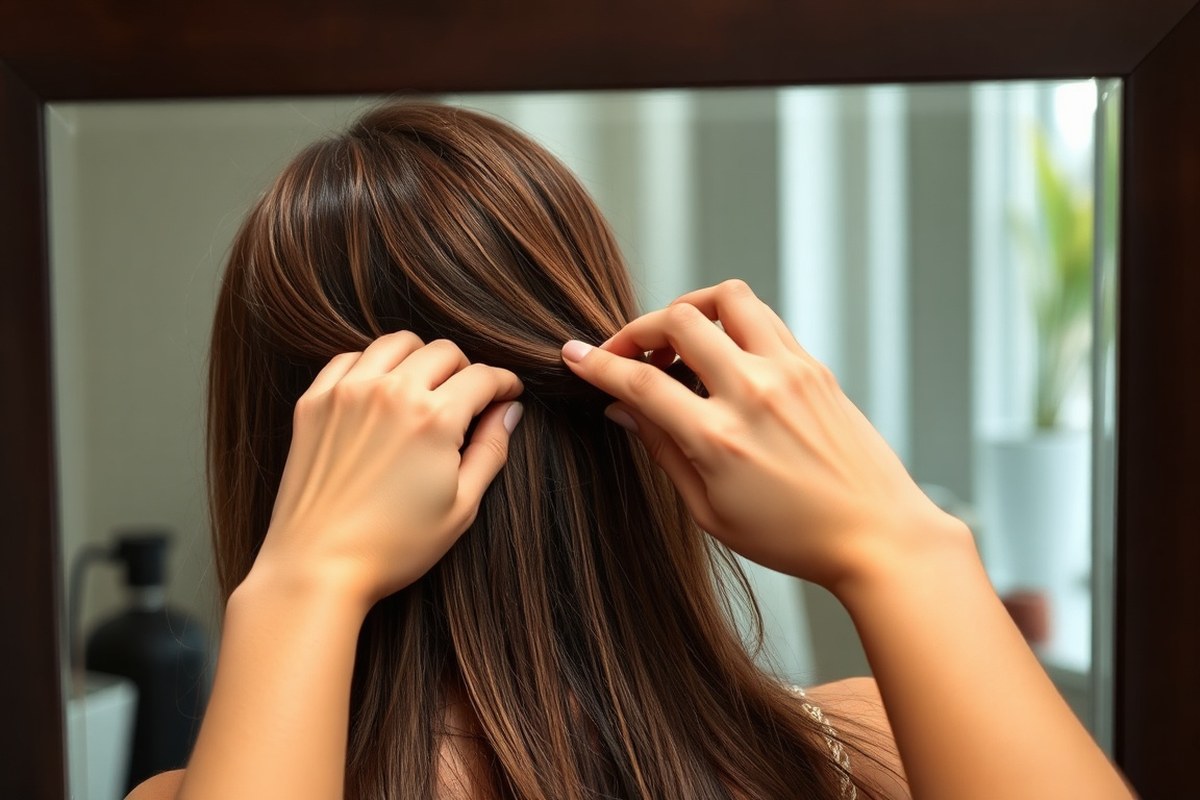
Straightening your hair without heat tools is possible using several gentle methods. One way is the brush and air-dry technique. After washing, comb your hair straight and use a brush to hold sections taut.
Let your hair dry naturally while stretched. This usually takes 1 to 2 hours.
The time depends on your hair thickness. This method avoids heat damage but won’t create perfectly sleek strands.
Another popular method is the overnight wrapping technique. When your hair is damp, comb it straight around your head. Secure it flat with bobby pins or a silk scarf.
Sleep with your hair wrapped this way overnight. This reduces curls and waves by morning. It works best on waves or loose curls.
Tight curls get less smooth. Expect softer straightness rather than a pin-straight look.
Hair stretching techniques also help straighten without heat. You can braid your hair into large, loose braids or twist it before it dries. These styles pull the curls down and relax the wave pattern as your hair sets.
Natural hair masks or leave-in conditioners smooth strands and add moisture. They reduce frizz during straightening. These help your results.
All these methods take more time compared to flat irons or hot tools. You’ll need patience since hair dries slowly. The results depend on your hair type and texture.
Thick or tight curls may not get fully straight without heat. But these options protect your hair’s health.
Using heat tools often causes breakage or dryness. So these gentle methods keep your strands stronger and shinier in the long run.
These heat-free straightening methods mostly need simple tools. Use a soft brush, silk scarves, bobby pins, or hair ties. Costs are minimal, often under $10 if you don’t already have these items.
The results won’t be as smooth as using a flat iron. Still, your hair will feel softer and frizz-free. Your hair’s natural style remains intact with less risk of damage or split ends.
2. How to Use Hair Wrapping for Long-Lasting Straightness

Hair wrapping stretches and smooths your hair by wrapping it around your head. This method works best on damp hair and gives you a straighter look without any heat. Different wrapping styles fit various hair types and desired straightness levels.
Flat Wrapping Method Explained
Flat wrapping stretches your hair by wrapping it flat across your scalp. It’s great for those with wavy or mildly curly hair who want smooth, sleek results. Wrapping your hair flat minimizes frizz and sets your hair straight as it dries.
Here’s how to do the flat wrap:
- Start with clean, damp hair. Apply a leave-in conditioner or smoothing serum.
- Comb your hair thoroughly to remove all tangles.
- Part your hair in the middle or on the side, depending on your style.
- Comb the hair flat against your scalp and begin wrapping it around your head.
- Keep your hair smooth as you wrap, securing it with large hair clips or bobby pins.
- Cover your hair with a satin scarf or bonnet to hold it down.
- Leave it wrapped overnight or until the hair dries completely.
Make sure to smooth hair as you wrap to avoid bumps and waves.
Tubi Wrapping Technique Details
The Tubi wrap uses a wide fabric tube to hold hair flat and stretched. This method helps reduce tension on your scalp compared to pins. It works well for straightening all hair textures but shines with tighter curls or thick hair.
Follow these steps for a Tubi wrap:
- Dampen hair and apply a smoothing product to reduce frizz.
- Comb hair straight from roots to ends.
- Put your head in the fabric tube and pull the tube forward around your hairline.
- Smooth your hair inside the tube, pressing flat.
- Tie the tube securely at the nape of your neck to hold the hair tightly.
- Keep the tube on for several hours or overnight for best results.
- Remove gently to avoid disturbing the smooth hair.
Use a silk or satin tube to prevent static and frizz while wrapping.
Banding Technique for Thick Hair
Banding stretches thick or curly hair by tying sections with elastic bands. It’s an easy way to straighten hair without heat, especially if your curls are tight. This technique works best on damp hair and reduces shrinkage and curl pattern.
Try this banding method:
- Divide damp hair into 3 to 6 sections based on thickness.
- Comb each section smooth from roots to ends.
- Wrap a soft elastic band around each section starting about 1 inch from the scalp.
- Add more bands down the length of your hair to keep it stretched.
- Leave hair to dry completely or sleep with bands in place.
- Remove the bands carefully to keep your hair straight.
Avoid tight bands that pull hard on your scalp; comfort matters for overnight bands.
3. Using Rollers and Cold Sets to Smooth Hair Naturally
Rollers and cold sets help smooth and stretch wavy or curly hair. Jumbo plastic rollers create soft volume and gentle waves without heat. Using cold rollers slows curl rebound and keeps hair healthier than heat styling.
Choosing the Right Rollers
Jumbo plastic rollers about 1 3/4 inches or larger suit thick, curly hair well. They stretch your hair while adding volume that looks natural.
Avoid foam or Velcro rollers if your goal is smoothness. Plastic rollers give a shinier finish.
Smaller rollers create tighter curls or bounce. So use them only if your hair is fine or you want waves.
For wavy or frizzy hair, bigger rollers help straighten and add body. Pick rollers close to your hair texture and length for best results.
Step-by-Step Cold Roller Application
Cold sets require a good technique to avoid tangles and damage. The process starts with clean, damp hair and a gentle detangling brush.
- Spray your damp hair lightly with a leave-in conditioner or smoothing product.
- Part your hair into sections depending on thickness, usually six sections work best.
- Comb each hair section straight first. Then roll it onto a jumbo plastic roller starting at the ends. 2 | Let your hair air dry fully. Or use a blow-dryer on cool to dry faster.
- Secure the roller firmly but not tight enough to pull the scalp or cause discomfort.
- Repeat for all sections, ensuring hair lies flat against your head for smoothness.
- Let your hair dry fully while rolled up, avoiding touching the rollers.
Drying Tips for Best Results
Allow your hair to air dry completely or use a cool setting on a blow-dryer to speed up drying. Heat cures the shape, but cold air avoids damage.
Drying time can take 2 to 4 hours depending on hair thickness and humidity. Avoid removing rollers when damp; this causes frizz and bends in hair.
Once dry, gently unroll without yanking. Brush hair lightly with a wide-tooth comb or fingers to keep volume and softness.
4. Natural Hair Masks and Treatments to Relax Hair Texture
Natural Masks That Help Relax Hair Texture
Milk and egg mask is a popular natural treatment to smooth and relax curls. Use a cup of whole milk mixed with one egg beaten well for this mask. Milk proteins help strengthen hair while egg fats coat strands to reduce frizz and loosen curls.
Another effective mask uses one mashed banana. Add two tablespoons of honey. Then mix in one tablespoon of olive oil.
Banana adds moisture and softness, honey seals water in, and olive oil smooths the cuticle. This mix helps your hair stay straighter longer after styling.
How to Apply Masks for Best Effects
Saturate clean, damp hair with your chosen mask from roots to ends. Use a wide-tooth comb to distribute evenly and detangle. Cover hair with a plastic cap to trap heat from your scalp, amplifying the mask’s effect.
Leave the mask on for 30 to 45 minutes, then rinse with lukewarm water. Use a gentle shampoo if your hair feels oily afterward. Doing this once a week gives good results without buildup or greasiness.
Timeline and Expected Results from Natural Treatments
You won’t get straight hair overnight from masks alone. Noticeable relaxation of curls usually appears after 4 to 6 weeks of weekly use. Hair looks smoother and less frizzy as moisture balances improve.
Results depend on your hair type and natural curl tightness. Very tight curls may loosen slightly.
But won’t become pin-straight without heat or chemical treatments. Patience and consistency deliver the best outcome.
Pre-Application and Post-Care Tips
Before applying masks, shampoo and condition with smoothing products that contain keratin or moisturizing oils. This prepares hair to absorb mask nutrients more effectively. Avoid tangles by gently detangling hair first with a wide-tooth comb.
After rinsing, apply a lightweight leave-in conditioner or anti-frizz serum to lock in moisture. Avoid heavy products that weigh hair down. Air-dry or wrap hair smoothly to elongate curls while drying.
Can Natural Treatments Replace Heat Straightening?
Natural masks help soften curls and reduce frizz but don’t replace heat straighteners completely. They improve hair health, making strands easier to style and manage. Still, these treatments won’t give the same long-lasting pin-straight finish without heat.
Using masks as part of a heat-free routine is a safer option to reduce damage. Combine these with wrapping or roller methods for better straightening. For completely heat-free styling, accept looser, softer waves instead of perfectly straight hair.
5. Top Smoothing Products That improve Heat-Free Straightening
To smooth hair and cut frizz without heat, use key products. These help weigh down hair strands. They also lock in moisture.
These include smoothing creams, leave-in conditioners, and natural oils like argan or jojoba. Pick one based on your hair type and texture.
Thick, frizzy hair needs more weight. Dry or damaged hair needs sealing oils.
Apply these products on damp hair before air drying or styling without heat. When your hair is about 60% dry, section it into three parts: top, middle, and bottom.
This lets you evenly distribute the product and handle hair gently to keep it smooth. Avoid using heavy products on fine hair as they may cause limpness instead of straightening.
| Product Type | What It Does | Best For |
|---|---|---|
| Smoothing Cream | Adds weight and reduces flyaways | Thick or frizzy hair |
| Leave-in Conditioner | Keeps hair hydrated and soft | All hair types |
| Argan or Jojoba Oil | Seals the hair cuticle for shine | Dry or damaged hair |
Apply leave-in conditioner first to hydrate, then smooth cream or oil to seal strands. Use just a dime-sized amount of oil or cream to avoid greasiness.
For dry hair, apply oils mainly to ends to prevent frizz and split ends. Consistency matters: apply these products after every wash and before styling without heat.
Avoid applying oils or creams to soaking wet hair. Let it air dry a bit first for better absorption.
These products can’t fully replace heat tools but can significantly improve straightened looks without damage. They work best combined with methods like hair wrapping or roller sets, adding smoothness and shine. If your hair is dyed, pick color-safe brands.
Pureology Smooth Perfection shampoo and conditioner work well. They control frizz and protect color.
6. Maintaining Straight Hair Without Heat: Daily Care Tips
Keeping your hair straight after using heat-free methods means good daily care. Avoid letting your hair get damp or oily, as this invites frizz. Brushing gently with a wide-tooth comb helps maintain smoothness without causing breakage.
Weather plays a big role, especially humidity. Moisture in the air can curl or kink your hair quickly. You can fight frizz by sealing your cuticles with serum.
Use a small amount of leave-in serum made to fight frizz. This helps keep your hair smooth and less frizzy.
- Brush hair when dry using a wide-tooth comb
- Use silicone-based or anti-humidity serums daily
- Wear a satin or silk scarf at night to reduce friction
- Dry hair with a cool air setting to close cuticles
- Keep hair moisturized but avoid heavy products that weigh it down
- Avoid touching hair too much to prevent oils from disrupting straightness
- Protect hair from rain and damp conditions with a hood or umbrella
Be careful using too many styling products. Heavy stuff weighs hair down and can make it look greasy fast.
After washing, roughly towel-dry hair without rubbing. That helps prevent waves or curls from forming.
When drying, switch your hair dryer to its cool setting for one minute once damp. This step helps close the hair cuticles. Closed cuticles reflect light better and keep strands smoother longer.
Sleeping on rough cotton pillowcases causes friction that can mess with your straight hair. Switching to satin or silk pillowcases can help maintain your style through the night. Moisture from your skin stays on satin, not your hair, avoiding frizziness.
7. Common Mistakes When Straightening Hair Without Heat and How to Fix Them
One common mistake is starting with dirty or product-heavy hair. Build-up stops your hair from straightening smoothly. Wash your hair with a gentle shampoo.
Skip heavy oils before straightening. This helps your hair stay light and clean.
Another issue is leaving hair too damp or too wet. Hair that’s overly wet takes longer to dry and won’t hold the straight style well. Aim for damp hair that’s about 70-80% dry before you begin styling free of heat.
Tying hair too loosely or unevenly can also ruin the results. Loose wraps or bands let your hair spring back to its natural wave. Make sure you wrap hair tightly and evenly to hold the straight shape better.
- Using the wrong type of bands or clips that slip easily.
- Not allowing enough time for the hair to set straight, often less than 6 hours.
- Skipping smoothing products that help reduce frizz and hold the style.
- Starting with hair that is very curly or frizzy without prepping it first.
- Not sealing the ends properly, which leaves them wavy or puffed out.
Using sticky or cheap hair ties causes slippage and messes with your wrap. Use smooth, snag-free bands instead. Give yourself 6 to 8 hours for hair to adjust, often by wrapping it overnight.
Smoothing serums or light leave-in conditioners help control texture and keep strands flat. For tight curls, apply a hair mask or leave-in to soften curls before wrapping. Wrap your hair ends firmly around your head.
Pin them flat for better hold. This gives straighter results.
Sometimes results aren’t good because your hair type resists straightening without heat. Thicker, curlier hair needs extra time or prep. Use a moisturizing treatment overnight to boost moisture.
Or blow-dry on a cool setting. This helps speed up straightening.
Finer hair usually straightens faster but can get frizzy without product. Watch how your hair reacts and adjust your timing, wrap tightness, and product use accordingly.
8. Which Heat-Free Straightening Methods Suit Your Hair Type Best?
Choosing a heat-free straightening method depends on your hair type. You should also consider how much time you want to spend. Different methods work better for different needs.
Wavy hair, like type 2B, responds well to wrapping. Cold sets also work well and take a few hours to set. These methods help gently straighten your hair.
Curly or tightly coiled hair needs stronger methods to straighten. It also takes longer treatments to see results. These reduce damage while you straighten your hair.
Thicker, coarser hair can straighten without heat using strong setting products or extended wrapping times. You might need to combine methods, like smoothing masks with wrapping. Using the right products tuned for your texture avoids frizz and helps keep strands smooth.
| Method | Best Hair Type | Time to Work | Effectiveness |
|---|---|---|---|
| Hair Wrapping | Wavy (2A, 2C) & Fine Curly | 4 to 8 hours | Good for light to medium straightening |
| Rollers and Cold Sets | Wavy to Loose Curly | 6 to 12 hours | Moderate smoothing with volume control |
| Natural Hair Masks (e.g. Aloe, Coconut) | Curly and Coily | 30 min to 1 hour (leave-in or rinse) | Helps relax hair; minimal straightening alone |
| Smoothing Products (Creams, Serums) | All Types, especially frizzy | Apply as needed | Improve other methods; controls frizz |
Your hair type guides how long you wrap or set hair. Fine waves need less time, so avoid over-wrapping or they flatten too much.
Thick curls benefit from overnight wrapping to stretch curls without heat. Adding smoothing creams helps lock straightness.
For tightly coiled hair, use deep conditioning masks regularly. Combine with protective styling like twisting or large rollers set overnight. Avoid forcing hair flat with tight wraps, which can cause lines or breakage.
Wrap your hair on a damp towel or light cream to reduce breakage during heat-free straightening.
Adjust products by your hair’s moisture level. Dry hair responds better to cream-based products. Fine hair does well with light serums.
Using the right method and products for your texture helps. This makes your hair look straighter and healthier. It avoids the damage caused by heat styling.
Step-by-Step Action Plan for Heat-Free Hair Straightening
Follow this plan to start straightening your hair without heat. Each step shows what to do and how to check it worked well.
- Day 1: Wash your hair with a smoothing shampoo and conditioner. Your hair should feel softer and less frizzy when damp.
- Day 2: Apply a natural hair mask made for relaxing curl patterns. After rinsing, your hair will feel more manageable and less bumpy.
- Day 3: Use hair wrapping to set your hair straight before sleeping. In the morning, check for a smoother, straighter look.
- Day 4: Try cold rollers or large velcro rollers on damp hair. Wait for your hair to dry completely and see if waves have relaxed.
- Week 2: Begin using a leave-in smoothing product daily. Notice if frizz decreases and your strands look sleeker.
- Ongoing: Use daily care tips like gentle brushing and avoiding humidity. Your straightened style will last longer and feel healthier.
- After 3 Weeks: Assess which methods gave you the best results for your hair type. Stick with those and adjust products as needed.
Frequently Asked Questions
How Does Brushing Help Straighten Hair Without Heat?
Brushing hair while damp helps stretch and smooth curls naturally. It separates strands, reducing frizz and letting hair dry straighter without heat damage.
Can Hair Wrapping Work on All Hair Lengths and Types?
Hair wrapping mainly suits longer, thicker hair for best results. Short or very curly hair may not hold the wrap as well, so results can vary.
What Natural Ingredients Relax Hair Texture for Straighter Styles?
Ingredients like coconut oil and aloe vera soften hair and reduce curls. Applying these in masks twice a week can help slow curl return.
How Long Does It Take to See Results from Natural Straightening Masks?
Usually you see gradual straightening over 6 to 8 weeks of consistent use. Masking twice weekly gives best results without harming your hair.
Are There Risks to Straightening Hair Without Heat?
No major risks but improper wrapping or brushing can cause breakage. Being gentle and patient limits damage and protects hair health.
Is Cooling Hair After Washing Important for Straightening?
Yes, rinsing with cool water helps close the hair cuticle. This seals in moisture and keeps hair smoother and less frizzy.
Key Points to Remember
Straightening your hair without heat takes time but protects your strands. Stick to gentle methods and choose products wisely. Start with one step today and watch your hair improve.