What Is Dry Shampoo: A Complete Guide to How It Works and When to Use It
What is dry shampoo? It’s a quick way to refresh oily hair without water.
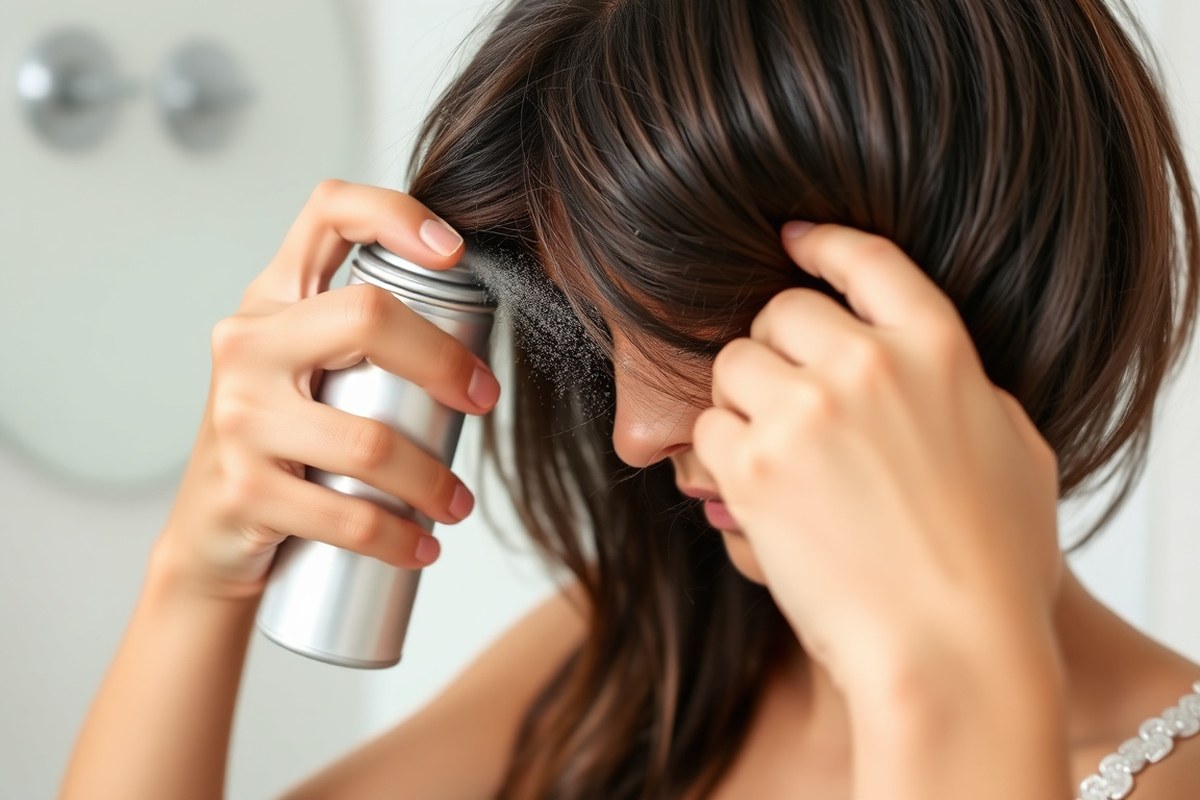
Dry shampoo absorbs excess oil and sweat, giving your hair a cleaner look. You spray or apply it at your roots to soak up grease and add volume.
Dry shampoo works by using powders or sprays that capture oil from your scalp. These products let you delay washing hair when you’re in a rush. Shake the can well before use.
Hold it 6 to 10 inches away from your head. Keep the spray at a steady distance while applying.
Apply dry shampoo directly to your roots, not the whole length of hair. Too much can leave a white residue or make hair look dull. Using just the right amount keeps your hair looking fresh without weighing it down.
Key Takeaways
- Shake dry shampoo thoroughly before each use for even application.
- Hold the spray can 6 to 10 inches away from your scalp.
- Focus dry shampoo application only on oily roots, avoiding hair ends.
- Use a small amount to prevent white residue or dullness.
- Dry shampoo removes oil but doesn’t clean hair like regular shampoo.
- It’s best for refreshing hair, not replacing water washing every time.
What Exactly Is Dry Shampoo and How Does It Work?

Dry shampoo is a product that soaks up oil and sweat from your hair. Unlike regular shampoo, it doesn’t use water to clean your scalp or hair strands.
It usually comes as a powder or spray. The key ingredients in dry shampoo are starch-based powders, like rice or corn starch. These powders grab onto excess oil and grease, lifting it from your scalp and hair roots.
This oil absorption makes your hair look less greasy and feeling fresher. Some dry shampoos also include alcohol, which helps the formula dry quickly and carry away odors.
Dry shampoo helps your hair look cleaner. It doesn’t remove dirt, dead skin, or buildup like regular shampoo does. It just masks the oil until you can wash with water and shampoo again.
When you spray or sprinkle dry shampoo, you want to focus on the roots. These areas get oily fastest and make hair look limp. Let the product sit for a minute so it can absorb oil fully.
Then, use your fingers or a brush to spread it evenly and remove any white residue. This takes a couple of minutes. It gives your hair extra volume and a fresher feel fast.
Dry shampoo works well if you lack time for a full wash. It also helps protect hair from damage by skipping washes. It usually costs between $7 and $20 per bottle, lasting weeks if used moderately.
Using dry shampoo too often without washing can cause buildup. This may lead to scalp irritation. It’s a helpful tool but not a substitute for regular shampoo and water cleansing.
Types of Dry Shampoo: Powders, Sprays, and Pastes Compared
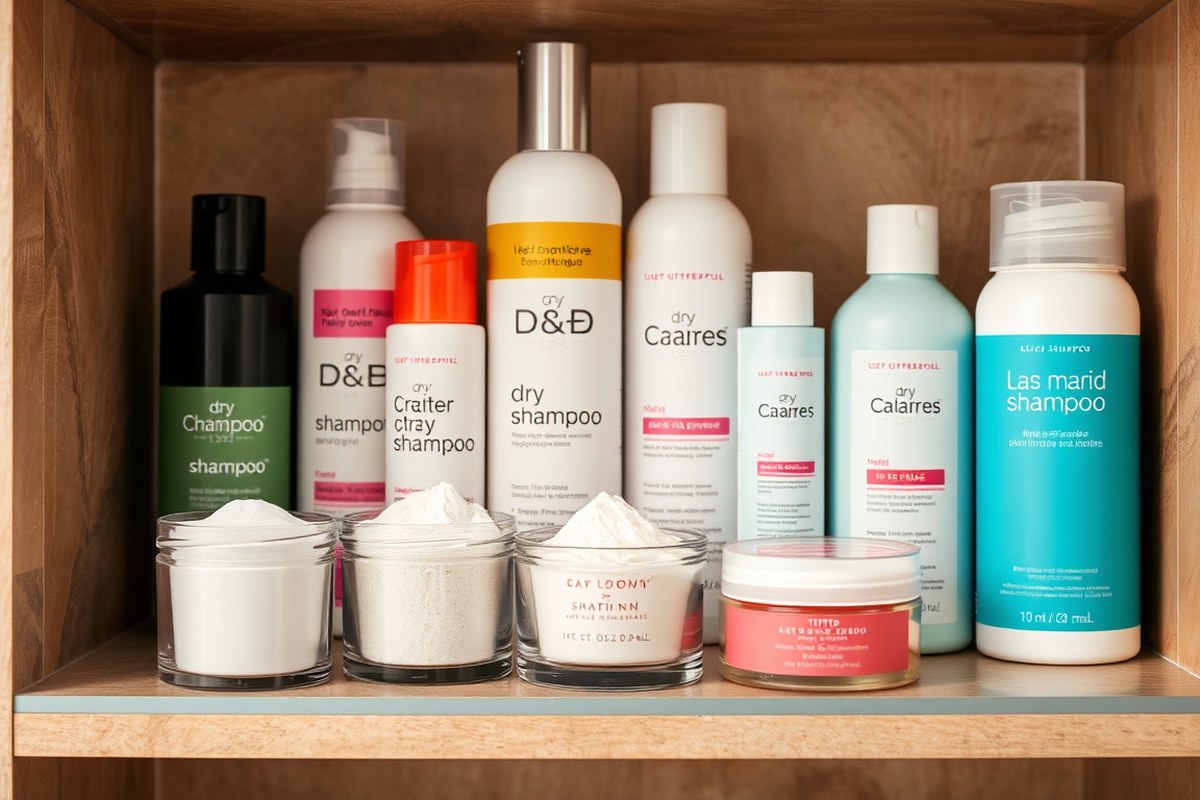
Dry shampoo comes mainly in powders, sprays, and pastes. Each type works differently and suits various hair types and situations. Powders are simple and often less expensive.
Sprays use aerosol delivery, making application quick and light. Pastes offer a thicker texture and sometimes include nourishing ingredients.
Powders often contain talc, starch, or clay to soak up oil. They can be messy, so you have to be careful applying them. Sprays are usually alcohol-based and dry fast, leaving less residue.
They work well for most hair types but may cause dryness if overused. Pastes combine oil absorption with moisture balance, fitting sensitive scalps better.
Choosing the right type depends on what you need it to do. Sprays work well for quick touch-ups. Powders absorb oil from oily hair.
Pastes help dry hair and curls. Tinted dry shampoos can hide visible white flakes on dark hair. They come in shades matching brunette or black hair tones.
| Type | Key Ingredients | Pros | Cons | Best For |
|---|---|---|---|---|
| Powder | Talc, starch, clay | Absorbs oil well, affordable | Can be messy, visible on dark hair | Oily scalp, thick hair |
| Spray | Alcohol, starch, sometimes nourishing extracts | Fast dry, easy to spread | May dry out sensitive scalps | Most hair types, quick fixes |
| Paste | Clay, oils, conditioning agents | Balances moisture, gentle | Heavier feel, takes longer to dry | Dry, curly, or sensitive scalps |
| Tinted Versions | Same base + color pigments | Hides white flakes on dark hair | Must match color carefully | Brunette, black hair |
Using the wrong type can cause buildup or flaking. Dark hair needs tinted sprays or powders to avoid white residue.
For sensitive scalps, a paste with moisturizing ingredients works better. Oily scalps benefit most from powders or sprays because they absorb more oil quickly.
Dry shampoo usually costs between $5 and $15 depending on the brand and formula. Powders tend to be the cheapest, while pastes and tinted versions cost more. Application speed also varies.
Sprays dry within seconds. Powders take 1 to 2 minutes to settle. Pastes need extra time to blend.
Use dry shampoo sparingly on dry or sensitive scalps to prevent buildup and irritation.
How to Apply Dry Shampoo for the Best Results
Start by sectioning your hair into four parts to cover all roots evenly. Hold the spray can about 6 to 12 inches from your scalp for the best coverage. Wait one to two minutes before brushing the powder out.
This lets the powder soak up oil and add volume. Then, you can brush your hair to remove excess powder.
Preparing Your Hair for Application
Divide your hair into four sections: front left, front right, back left, back right. This helps you target oily roots and apply dry shampoo evenly. Focus mainly on areas that look greasy or feel oily.
Use your fingers to lightly lift hair at the roots. This lets the dry shampoo get closer to the scalp, where oil builds up the most. Spray in short bursts instead of soaking your hair.
Correct Spray Distance and Amount
Shake the dry shampoo can before each use. Hold it 6 to 12 inches away from your scalp to avoid white residue piling up. Spraying too close will clump powder and leave visible flakes.
Spray just a little at a time. Start with a light mist on your roots.
You can add more if needed after waiting a moment. Applying too much can dull your hair or create a powdery look.
Waiting Time and Absorption
Let the dry shampoo sit for about one to two minutes. This gives it time to soak up excess oils on your scalp. Rushing this step reduces how fresh and clean your hair will look.
Avoid brushing immediately after spraying. Massaging with fingers can help spread the product while keeping it close to the scalp. This also prevents uneven patches and white powder spots.
Brushing Out Residue and Styling Tips
Use a brush to gently remove excess dry shampoo and white residue after it absorbs oil. Brush through your hair to boost volume and fluff up limp strands. A wide-tooth comb or natural bristle brush works well.
Spot any chalky areas? Break up the powder with your fingers.
Lightly massage those spots to blend dry shampoo completely. This step helps hair look natural, not powdered or dull.
Follow these steps to apply dry shampoo correctly:
- Shake the dry shampoo can well before use.
- Section your hair into four parts to expose all roots.
- Hold the can 6 to 12 inches from your scalp.
- Spray a light mist on the oily roots, avoiding over-application.
- Wait one to two minutes to allow absorption.
- Massage your scalp gently with fingers to spread the powder evenly.
- Brush through your hair to remove white residue and add volume.
Is Dry Shampoo Safe? Usage Frequency and Potential Hair Risks
Dry shampoo can cause scalp irritation and hair damage if you use it too often. Applying dry shampoo every day is not safe for your scalp. It causes buildup of oil and leftover product.
This buildup can harm your scalp over time. Buildup clogs your scalp pores and causes skin problems.
It can make your scalp itchy or flaky. Over time, it might cause hair to fall out.
Experts suggest you don’t use dry shampoo for more than two days straight. Your scalp needs regular washing to remove dirt, oil, and dry shampoo residue. Your hair needs washing when it feels greasy or smells bad.
Use water and shampoo to keep your scalp healthy. This helps avoid scalp issues.
Ingredients like alcohol or starches in dry shampoo absorb oils but can irritate sensitive scalps. Stop using dry shampoo if you feel itching or burning on your scalp. Also stop if you see rashes or bumps forming.
Some people with fine or curly hair tolerate dry shampoo better. But everyone should watch for irritation signs.
The American Academy of Dermatology says people with oily scalps might need to wash daily. Those with dry or textured hair usually wash less and can use dry shampoo between washes. Still, dry shampoo is just a temporary fix to freshen hair, not a replacement for washing.
See a doctor if your scalp has painful bumps or spreading rashes. Also go if you notice areas where hair is falling out. Healthy hair needs a clean scalp.
So using dry shampoo without washing every few days can cause problems. Washing removes buildup that can weaken hair follicles and make hair break or fall out.
Use dry shampoo on non-wash days or after workouts to absorb sweat. This way, you avoid buildup from daily use. It keeps your scalp healthier.
Avoid layering it daily or leaving it on your scalp for too long. Spray dry shampoo, wait a few minutes, then brush out the extra. This helps soak up oils properly before you style your hair.
Choosing the Right Dry Shampoo for Your Hair Type and Color
Choosing the right dry shampoo depends on your hair’s texture, oiliness, and color. Pick formulas made for your hair type to avoid residue and get the best results. Matching your dry shampoo to your scalp’s needs helps prevent dryness, itchiness, or dullness.
Hair Texture Needs
Oily hair benefits from dry shampoos with strong absorbing agents. These stop oil from making hair look greasy too fast. For dry hair, lighter, moisturizing dry shampoos work better to avoid extra dryness.
Curly or textured hair often needs a gentle formula that won’t strip natural oils. Many find dry shampoo unnecessary because some scalp oil helps curls stay defined. Use dry shampoo made for textured hair to cut oil.
It won’t damage your curl shape. This keeps your curls looking good.
Hair Color Considerations
Dark hair usually needs tinted dry shampoo to hide white residue. These colored powders or sprays blend with your hair tone and prevent a chalky look. Light or blonde hair users can pick lighter formulas that blend easily without leaving marks.
Colored dry shampoos also help protect color vibrancy by reducing washing frequency. They keep hair looking fresh longer without fading color. Avoid clear or white powders on dark hair to prevent visible residue on roots.
Sensitive Scalps and Allergies
Dry shampoo with alcohol or strong fragrances can irritate sensitive scalps. Choose formulas with gentle ingredients like kaolin clay or starches instead. Scalp redness or itchiness means you should stop using the product and try a milder one.
Test new dry shampoos on a small scalp area first. Watch for reactions over 24 hours before applying fully. Avoid aerosol sprays if you have breathing sensitivities or scalp eczema.
Recommended Ingredients by Hair Type
Rice, corn, tapioca starch, and arrowroot powder absorb oil well and rinse out easily. They suit most hair types, especially oily or fine hair. Kaolin clay is best for sensitive scalps, causing less irritation.
Alcohol speeds drying but can dry out scalp and hair with regular use. Skip alcohol-based products if your scalp already feels dry or irritated. Aerosol options use butane or propane propellants; use them in well-ventilated areas.
Use the smallest amount of dry shampoo needed to avoid buildup and residue.
Common Dry Shampoo Mistakes and How to Fix Them
White residue or flakes often happen because you sprayed dry shampoo too close. Aim to hold the spray at least 6 to 8 inches from your roots. Spray lightly in short bursts to avoid clumps and visible powder.
Overusing dry shampoo can create buildup on your scalp. This buildup mixes with oil and dirt, which can look like dandruff or cause itching. Wash your hair with water and shampoo at least twice a week.
This helps clear away residues from your scalp and hair. Keeping your hair clean stops build-up that dry shampoo can’t remove.
Skipping hair washing too long and relying only on dry shampoo is not a good idea. Dry shampoo doesn’t clean the scalp; it just absorbs oil temporarily. Your scalp needs regular cleansing to prevent clogged pores and irritation.
Waking up with greasy hair after using dry shampoo shows your roots need washing. Dry shampoo can’t replace a real wash. Make sure to shampoo your hair regularly to get rid of oil.
For quick fixes, spray a little dry shampoo on oily spots, then comb it out gently. That refreshes hair without the flakes.
- Spray from 6 to 8 inches away, in short bursts
- Use dry shampoo only on oily roots, not all over
- Brush or rub in the product to avoid white spots
- Wash your hair twice a week to remove buildup
- Choose starch-based dry shampoos for less visible residue
- Don’t rely on dry shampoo daily; rotate with regular washing
- Apply less product rather than more for better results
These tips help prevent scalp buildup and visible flakes. Rice starch formulas, like Fructis Invisible Dry Shampoo, reduce residue on dark hair.
Remember, dry shampoo is a tool to stretch time between washes, not a replacement for shampooing. Your scalp health depends on regular water washing to stay clean and comfortable.
What to Expect When Using Dry Shampoo: Benefits and Limitations
Dry shampoo mainly absorbs oil and grease on your scalp and hair roots. You’ll see less shine and feel less grease without water.
It also adds some volume by lifting roots, making hair look fuller. A quick spray can even give a cool, refreshing sensation to your scalp.
Dry shampoo does not clean your hair like regular shampoo. It doesn’t use water. It just soaks up oil and freshens your hair.
It doesn’t remove dirt, sweat, or buildup deeply. Oil and residue stay on your scalp without washing them out.
Too much buildup can cause scalp problems. Use dry shampoo only sometimes.
You can use dry shampoo between regular washes. It works well when your scalp feels oily. Use it when you don’t have time to wash.
If your roots look greasy on day two, spray dry shampoo. It cuts shine and gives your hair more volume.
Just a few sprays help. It’s best for oily hair and active lifestyles where daily washing isn’t doable.
Don’t expect dry shampoo to replace washing completely. It should complement your routine, not substitute it.
Overuse may leave a white or powdery film, especially if the formula has starch or clay. On dark hair, look for versions with invisible formulas like rice starch to avoid residue.
When you want to boost volume, choose a dry shampoo designed to add body. Applying it to roots and massaging gently can lift flat hair.
Avoid heavy sprays near the ends to steer clear of stiffness. Using it sparingly will help maintain a natural feel and look.
When to Consult a Professional About Dry Shampoo and Scalp Health
See a professional if your scalp feels irritated, itchy, or painful after using dry shampoo. Hair loss or thinning after frequent use also needs expert advice. Persistent buildup that won’t wash out can cause problems best handled by specialists.
Signs of Scalp Irritation
Redness, itching, or a burning sensation on your scalp can signal irritation from dry shampoo. These symptoms suggest your skin might be reacting to ingredients or buildup. You might also notice flaky patches or mild swelling in affected areas.
Checking for irritation early helps avoid long-term damage. Avoid scratching, which can worsen inflammation or cause infection. Book a dermatologist visit when irritation lasts more than a few days.
Hair Loss or Breakage Warning
Dry shampoo buildup can clog hair follicles, leading to weaker hair strands. When hair breaks easily or you see more shedding than usual, that’s a warning sign. Using dry shampoo daily without washing in between raises this risk significantly.
Sudden hair thinning or bald patches need immediate evaluation by a scalp specialist. They can check if dry shampoo or an underlying condition causes hair loss. This step is important if hair loss lasts beyond two weeks or worsens quickly.
Buildup Symptoms to Watch For
Sticky, dull strands often mean too much dry shampoo remains. A heavy scalp feeling is another sign. This means you need to rinse better or use less.
You might notice white flakes or clumps of powder on your scalp or hair roots. These signs show the product isn’t properly brushed out or washed away.
Long-term buildup blocks hair follicles, trapping oils and dirt. It can cause clogged pores and skin irritation, making your scalp unhealthy. A quick checklist for buildup problems:
- Hair looks dull and feels greasy despite dry shampoo use
- White residue or powder visible on scalp or hair
- Scalp feels itchy or tight
- Hair breaks or falls out more than usual
- Product doesn’t absorb oils like before
- Scalp smells unusual or unpleasant
Try rinsing your scalp with mild shampoo weekly to prevent buildup. Visit a professional if symptoms keep going after stopping dry shampoo. They can suggest a deep-cleaning treatment.
Professional Treatment Options
Dermatologists and haircare specialists can diagnose scalp conditions linked to dry shampoo use. They often recommend medicated shampoos or topical treatments to reduce inflammation and unclog follicles.
A professional can teach you how often to use dry shampoo. They also help pick formulas that fit your skin.
Specialists can suggest safer product alternatives that minimize irritation. They may perform scalp exams or tests to rule out infections or other issues. Booking a consultation usually costs between $100 and $300, depending on location and services.
A scalp checkup can catch dry shampoo-related problems early and protect your hair health.
Step-by-Step Action Plan for Using Dry Shampoo
Follow these steps to start using dry shampoo the right way. This plan will help you see how it works on your hair.
- Before your first use: Choose a dry shampoo suited for your hair type and color. You’ll avoid white residue and get the best absorption.
- Day 1: Spray or apply a small amount of dry shampoo to the roots. Wait a few minutes to let it soak up oils before brushing out.
- After first use: Check your scalp and hair feel. They should feel fresher, less oily, and look less greasy.
- Day 3: Use dry shampoo again only if your hair feels oily. Don’t overuse to avoid buildup or scalp irritation.
- Week 1: Try spraying from different distances. Use various amounts. See what feels right and doesn’t leave white spots.
- After 2 weeks: Assess if dry shampoo fits your routine. Your scalp feels dry or itchy? Use less dry shampoo or skip some days.
- Throughout use: Keep cleansing your hair normally with water and shampoo a few times weekly. Dry shampoo is a supplement, not a full substitute.
Frequently Asked Questions
Can Dry Shampoo Replace Regular Washing Completely?
No, dry shampoo only absorbs oil, not dirt or sweat. It’s best used between washes, not as a full substitute.
Does Dry Shampoo Work on Curly Hair?
Yes, but use sparingly and apply mainly to roots to avoid buildup. Curly hair can get weighed down more easily.
Can Dry Shampoo Cause Hair Loss?
Overuse might irritate your scalp and clog follicles, increasing hair loss risk. Use moderate amounts and wash hair regularly.
Is Dry Shampoo Safe for Color-Treated Hair?
Most dry shampoos are safe for color-treated hair. Check labels for alcohol or harsh chemicals.
Avoid those to protect your color. Choose gentler formulas for dyed hair.
Can Dry Shampoo Add Volume to Fine Hair?
Yes, dry shampoo can boost volume by absorbing oils that weigh hair down. Choose formulas labeled for volume for extra body.
How Long Does Dry Shampoo Last in Your Hair?
It usually works for up to 24 hours before needing a wash. Reapply sparingly to avoid buildup or dullness.
Key Points to Remember
Dry shampoo works by absorbing oils and refreshing hair between washes. Use it carefully to avoid buildup and scalp issues.
Try it for a week. You’ll see if it fits your hair care routine.