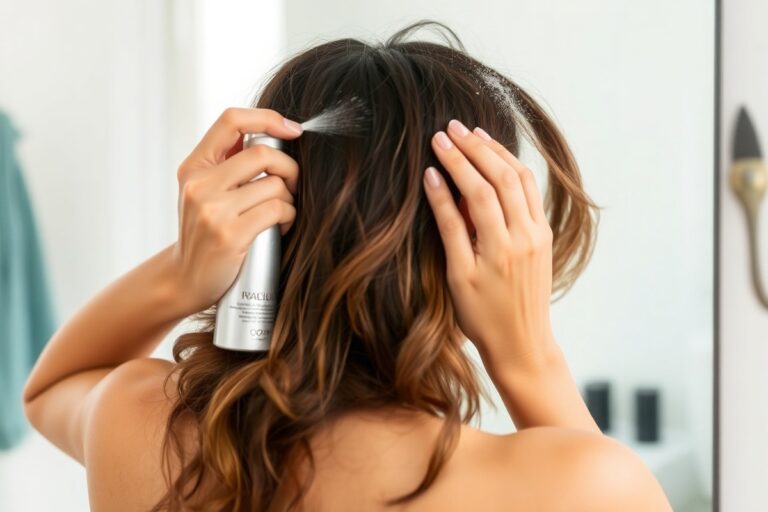
Is Texture Powder Bad for Your Hair? Complete Guide to Safety and Use
Is texture powder bad for your hair? Not really, if you use it the right way.
It adds quick volume and texture without heavy buildup or damage. The key is to use it in moderation and choose gentle formulas.
Start by waiting at least 48 hours after coloring your hair before applying texture powder. This pause helps your hair cuticle seal properly and avoids extra damage. Also, avoid daily use, limit it to one or two times a week for safer styling.
Keep an eye on how your scalp feels and watch for dryness or irritation. Switch to a conditioner-rich texture powder if your hair feels brittle or your scalp feels itchy. Using texture powder carefully keeps your hair looking good without harm.
===
Key Takeaways
- Wait 48 hours after coloring before using texture powder to protect the hair cuticle.
- Use texture powder sparingly, no more than once or twice a week.
- Choose texture powders with conditioning ingredients for treated or sensitive hair.
- Watch for scalp dryness or irritation after applying texture powder.
- Texture powder gives fast volume without the mess of heavy styling products.
- It doesn’t cause permanent hair loss when used appropriately.
Is Texture Powder Bad for Your Hair?

Texture powder is not inherently bad for your hair when used properly. It does not cause permanent hair loss or recognized medical conditions like androgenetic alopecia. Most experts say using texture powder sometimes on healthy hair is safe.
It usually doesn’t cause lasting damage. Use it in moderation to avoid problems.
The real risk comes with frequent use without proper washing. Texture powder can build up on your scalp. This might cause shedding or irritation.
These come from scalp inflammation caused by the powder. This build-up can make hair feel dry or brittle if left for long periods without cleansing.
Texture powder works best on dry hair and adds lift without weighing strands down. Using it daily could dry out hair because the powder’s fine texture absorbs moisture. This is especially a concern if your hair is fine, color-treated, or sensitive.
To avoid damage, limit texture powder use to about two or three times a week. Always wash your hair with a gentle, clarifying shampoo to remove any residue.
Stop using the powder if itching or flakes appear. Let your scalp rest before trying again.
Your hair type matters for safe use. Thick or coarse hair handles texture powder better and less often needs extra moisturizing. Use texture powder less often if your hair is fine or colored.
Always use a hydrating conditioner after applying powder. This helps keep your hair healthy.
Pick quality texture powders without harsh ingredients to reduce drying effects. Some luxury options cost $15 to $30 but often contain better moisturizing agents. Skip powder products with heavy talc or alcohol, as these dry hair faster.
Applying a small amount evenly and avoiding scalp contact helps too. Use about a pea-sized amount for short hair and slightly more for long hair. Focus on roots and mid-lengths without overloading any areas to prevent buildup.
How Texture Powder Works to Add Volume and Texture
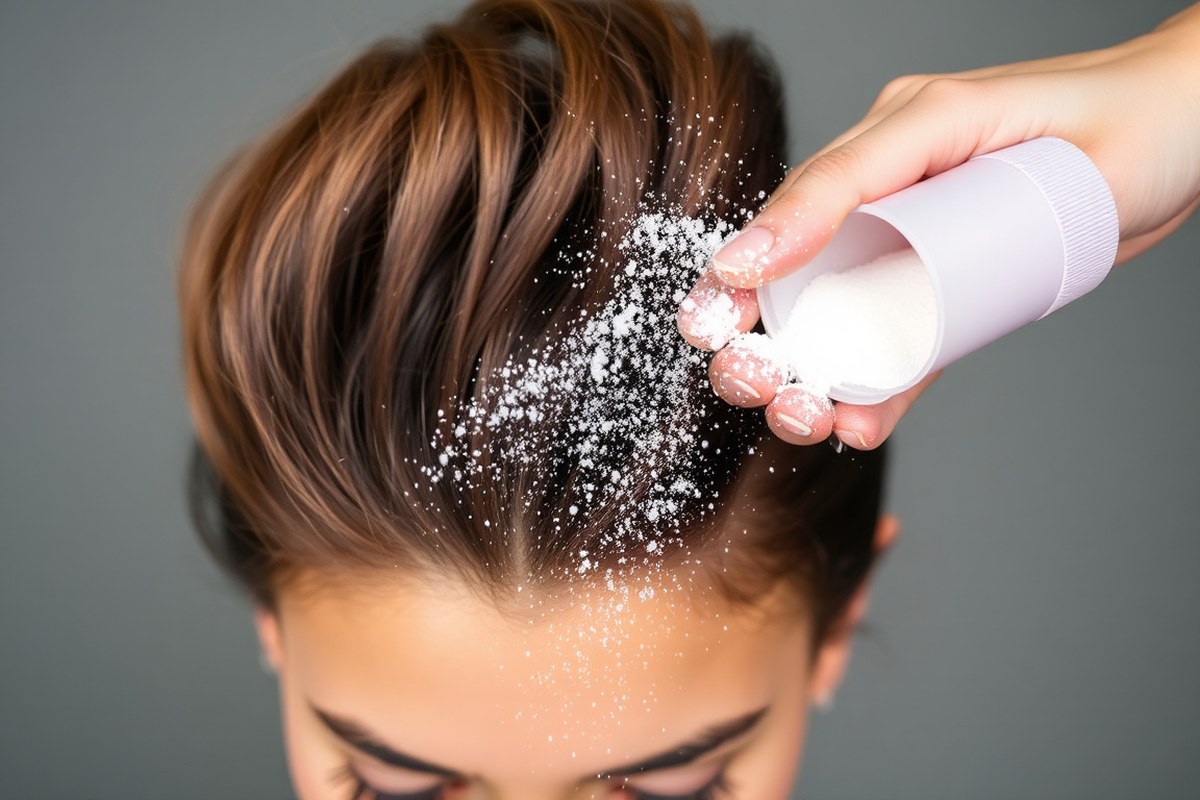
Texture powder works by coating hair strands with fine particles like silica and kaolin clay. These particles absorb moisture and oils from the hair shaft and scalp. This absorption reduces greasiness and lifts hair at the roots, creating volume and texture.
When you sprinkle texture powder near your roots, it sticks. It grabs onto oils and sweat on your scalp. This dries out the extra oil that weighs hair down.
It’s a big help if you have fine or flat hair. As the powder coats individual strands, it increases friction, helping hair hold styles better without slipping.
Applying texture powder involves a few clear steps. First, sprinkle a small amount onto dry hair at the roots. Then, gently massage with your fingertips to spread the powder evenly and break up clumps.
Tousle your hair with fingers to add volume. This makes your hair look matte and textured. The look lasts longer.
The powder’s particles sit close to the scalp. So they add both volume and grip right where hair tends to get limp. Fine or thinning hair shows this effect more.
Thick or coarse hair shows it less. Using too much powder or daily use causes build-up. Build-up makes hair feel dry or heavy, not lifted.
Use a small amount of texture powder only. Don’t apply it to wet hair to avoid clumps and residue.
Common Ingredients in Texture Powder and Their Effects
Texture powders often contain a mix of synthetic and natural ingredients. Some ingredients provide hold and texture while others help moisturize or thicken the product. You want to avoid harsh chemicals if you have sensitive scalp or color-treated hair.
Synthetic Polymers and Their Purpose
Polymers like PVP and polyquaternium-11 help texture powder hold your hair style. They form a light film that adds structure and grip. However, these synthetic ingredients may make hair feel stiff or dry if used too often.
These polymers provide a lasting hold without weighing hair down. But frequent use can strip natural oils, leading to dryness and brittleness. Occasional use with good shampooing can minimize this issue.
Moisturizers and Oils for Hair Health
Moisturizers like glycerin, panthenol, and argan oil help keep hair hydrated and nourished. They counterbalance drying effects from powders that absorb oily buildup. Adding premium oils to your routine can improve your hair’s overall feel and shine.
Look for powders that include these moisturizers if you have dry or color-treated hair. They offer a softer texture and reduce scalp irritation. Using them helps maintain hair health while still adding volume.
Natural and Organic Ingredient Alternatives
Some texture powders rely entirely on plant-based powders and avoid synthetic chemicals. These include rice starch, oat flour, or tapioca powder. They absorb oils and add texture with less risk of irritation.
Natural waxes like beeswax, carnauba, and candelilla wax provide hold without harsh side effects. These powders often skip silicones, drying alcohols, parabens, mineral oils, and synthetic fragrances. Hair texture powders work well for sensitive scalps.
They are gentle and won’t irritate your skin. They also suit hair that has been chemically treated.
Here is a table comparing some ingredient types and their effects:
| Ingredient Type | Benefits | Risks |
|---|---|---|
| Polymers (PVP, polyquaternium-11) | Add hold and structure | Can cause dryness with frequent use |
| Moisturizers (glycerin, panthenol, argan oil) | Hydrate and nourish hair | None significant, generally safe |
| Natural Waxes (beeswax, carnauba) | Provide hold and texture | May build up if not washed well |
| Plant Powders (rice starch, oat flour) | Absorb oils naturally, gentle | Less hold compared to synthetics |
| Silicones, Parabens, Alcohols | Improve texture, shelf life | Drying, irritation, scalp sensitivity |
Picking a powder with natural ingredients reduces scalp irritation risks. It may take a bit more time to build volume compared to synthetics. Cleaning your hair well prevents buildup from any styling product.
Common Irritants to Watch For
Some texture powders include parabens, silicones, drying alcohols, or synthetic fragrances. These ingredients may irritate sensitive scalp or stunt hair growth. Avoid powders with these if your scalp is prone to redness or itching.
UK dermatologists suggest limiting powder use to occasional styling days. Always wash your scalp thoroughly with gentle shampoo afterward. Avoid applying powder directly on sensitive scalp patches.
Checking ingredient lists helps you avoid known allergens like isothiazolinones and synthetic perfumes. Choosing fragrance-free or natural products can improve scalp comfort over time.
How to Apply Texture Powder Safely for Best Results
Apply texture powder sparingly to dry hair, focusing on roots and mid-lengths. Distribute it evenly with fingers or a comb to avoid clumps and buildup. Wash your hair every two to three days with a clarifying shampoo to remove residue.
Preparing Hair for Powder Application
Start with dry hair because texture powder works best on dry strands. Damp hair can cause the powder to clump and not spread evenly.
You just washed your hair. Let it air dry fully or blow dry it first.
Consider your hair’s condition. Use a small amount if you have fine or colored hair to avoid dryness. Avoid applying the powder directly on your scalp, especially if hair is thinning, to prevent irritation.
Applying and Distributing Texture Powder Evenly
Applying texture powder evenly is key to good volume and no residue. Focus on the roots and mid-lengths where you want the most lift and texture. Use your fingers or a wide-tooth comb to spread the powder thoroughly.
You can sprinkle a small pinch and tap it between your fingers before applying. Avoid piling powder in one spot to prevent visible buildup and stiffness. Use light layers, and build up the volume gradually as needed.
- Scoop a pinch of powder (about a quarter teaspoon) with your fingers.
- Sprinkle the powder over your roots and mid-lengths evenly.
- Tap your fingers together to disperse powder lightly over areas.
- Use your fingertips to massage the powder into the roots gently.
- Comb or tousle your hair to spread the powder and create volume.
- Repeat small applications only if more texture is needed.
- Avoid touching your scalp directly with powder to reduce buildup.
Proper Washing and Clarifying Routine
Washing out texture powder prevents buildup that can cause dryness and dullness. Use a clarifying shampoo every two to three days.
This depends on your powder use. Avoid daily washing to protect your hair’s natural oils.
Wet your hair thoroughly with warm water before applying shampoo. Massage your scalp and hair well to remove all powder residue. Rinse completely and follow with a moisturizing conditioner to replenish hydration.
Skip heavy conditioners on your roots to avoid weighing down volume. Instead, apply conditioner mainly from mid-lengths to ends. Regular cleansing stops residue buildup that may clog follicles and cause scalp discomfort.
Is Texture Powder Safe for Colored or Treated Hair?
Wait at least 48 hours after coloring before using texture powder. This gives your hair time to recover from chemicals and close the cuticle. Using powder too soon risks drying out your colored strands and making them brittle.
Look for texture powders with conditioning ingredients. Lightweight formulas designed for treated hair reduce dryness and protect your color. Avoid powders heavy on alcohol or matte clays, as they can strip moisture and cause fading.
Limit texture powder use to once or twice a week on colored or chemically treated hair. Frequent use increases buildup and dryness.
When you do use it, apply lightly to areas needing volume instead of saturating all over. This gentle approach helps preserve your hair’s strength and shine.
Test new powders on a small hair section before full use. Colored hair can react differently to different ingredients. This helps prevent damage or unwanted results.
Signs Texture Powder Is Damaging Your Hair or Scalp
Texture powder can cause trouble if used too much or wrong. Watch for dryness, scalp irritation, flaking, and hair breaking. These signs show your hair or scalp needs a break or different care.
Scalp Itching and Redness
Itching is a common early sign of texture powder buildup. The powder mixes with natural scalp oils, causing an unpleasant, itchy feeling. Redness can follow if irritation worsens or if you are allergic to an ingredient.
To tell if the scalp irritation is from texture powder, check timing. Itching that starts soon after applying powder usually means it’s the cause. Scalp redness that lasts more than a day or spreads deserves a dermatologist’s check.
Dryness and Hair Breakage
Too much texture powder can dry out hair and scalp. It absorbs oils but can leave hair stiff and rough if over-applied. Dried hair is weaker and breaks easier, especially if you use heat styling on top.
Breakage shows as short, frizzy strands near the scalp. You may also lose more hair when brushing.
Give your hair a rest from powder if you spot this. Moisturizing treatments help restore hair strength after damage.
Excessive Flaking or Dandruff
Flaking that looks like dandruff can happen with texture powder buildup. The powder clumps with dead skin cells, creating white flakes that fall on your shoulders. This usually occurs if you don’t wash hair thoroughly.
Switch to gentle shampoos to wash out residue without stripping your scalp. Flakes that keep appearing and spreading mean you should see a doctor. Persistent flaking might also mean a scalp condition that needs treatment.
Noticeable Hair Thinning
Hair thinning can happen if scalp irritation and breakage go unchecked. While texture powder itself doesn’t stop hair growth, buildup can worsen scalp health and hair quality. You might see your hair look less dense or thinner.
Keep track of your hair’s fullness and shedding over weeks. Losing more hair than usual or seeing wide patches needs a dermatologist visit. Early advice helps protect your hair’s health.
Here’s a checklist of symptoms and what to do for texture powder problems:
| Symptom | Description | Suggested Action |
|---|---|---|
| Scalp Itching | Persistent urge to scratch after powder use | Switch to paraben-free products and reduce usage |
| Redness | Inflamed, irritated scalp area | Consult a dermatologist for proper diagnosis |
| Flaking | Dandruff-like white flakes on scalp and shoulders | Use gentle, natural shampoos to remove buildup |
| Hair Thinning | Noticeable increase in hair shedding or loss | Seek professional advice to check for scalp issues |
Check your scalp and hair regularly for these signs. Reducing product use and improving scalp care often clears mild issues.
Problems lasting more than a few days need expert advice. Getting help fast avoids lasting damage.
How to Maintain Hair Health While Using Texture Powder
To keep your hair healthy while using texture powder, follow a balanced routine. Use sulfate-free shampoos suited to your hair type to gently cleanse without stripping oils. Condition daily with hydrating formulas to restore moisture lost during styling.
Adding natural oils, like argan or jojoba, after washing can reduce dryness caused by powder use. These oils lock in moisture and protect hair strands, improving strength and shine. Avoid applying oils directly on roots to prevent buildup that clogs follicles.
What you eat matters for your hair’s resilience. Protein-rich foods like eggs and nuts support hair follicle growth. Eat leafy greens and citrus fruits for vitamins A and C. These vitamins help scalp circulation and boost collagen production.
- Wash hair every 2-3 days with a gentle, sulfate-free shampoo
- Use a moisturizing conditioner after each shampoo
- Apply a small amount of premium oil to mid-lengths and ends
- Limit texture powder use to 2-3 times per week
- Eat proteins and vitamins A, C, and E daily for hair strength
- Rinse scalp thoroughly to remove powder residue
- Try clarifying shampoo once a month to avoid build-up
Check your scalp regularly for irritation or dryness. Notice flakes or itching? Cut down on texture powder use.
Try switching to gentler products instead. Drink plenty of water to keep your hair and scalp hydrated from the inside out.
A healthy hair care routine paired with mindful nutrition helps reverse most damage from texture powder. Over time, your hair should look fuller and feel soft without increased breakage or scalp issues. Staying consistent with these steps is key to long-lasting hair health.
Comparing Texture Powder to Other Volumizing Products
Texture powder lifts hair instantly without weighing it down. Mousse adds wet foam that builds volume but can leave residue.
Sea salt spray textures damp hair as it dries, giving a natural look. Dry shampoo refreshes oily roots while adding some volume and grit.
| Product | How It Works | Best For | Downside |
|---|---|---|---|
| Texture powder | Sprinkle on dry hair for instant volume and matte finish | Fine, oily hair that needs lift without weight | Can dry out already dry or sensitive scalps |
| Mousse | Apply on damp hair to build volume with foam | Normal to thick hair wanting bounce and hold | May leave residue and weigh down fine hair |
| Sea salt spray | Spray on damp hair to create texture during drying | Wavy or curly hair needing natural definition | Can dry hair if overused and cause buildup |
| Dry shampoo | Apply to oily roots to absorb oil and add volume | Oily scalps needing quick refresh and lift | Not a styling product alone; can cause buildup |
People with sensitive or dry scalps often prefer sea salt spray. It avoids powders’ drying effects but needs sparing use. Mousse carries more moisture but can flatten fine hair quickly.
Texture powder and dry shampoo suit fine or oily hair best. Each adds volume without sticky buildup or heaviness.
Use texture powder on dry hair only. Applying to damp hair reduces lift and increases clumping.
Sea salt spray is a gentle natural volumizer for sensitive scalps. It can dry hair if you use it too much. Use it sparingly to avoid dryness.
You can combine texture powder with dry shampoo if you want volume and oil control. Texture powder does not fix flat hair causes, only masks them temporarily. Choose products based on your hair type and scalp condition for best results.
Step-by-Step Action Plan for Using Texture Powder Safely
Follow these steps to add volume without hurting your hair or scalp. Watch how your hair feels and looks as you go.
- Before you start: Pick a texture powder for your hair type. This is important if your hair is colored or treated. Use one made to suit what your hair needs.
- Day 1: Apply a small amount at the roots and style gently. Your hair should feel thicker but not dry or stiff.
- After 3 days: Check your scalp for itchiness or flakes. Notice any problems with your hair? Stop or use less texture powder. Try a different product to avoid issues.
- Week 1: Wash your hair thoroughly every other day to remove buildup. Your hair should stay soft and clean.
- Week 2: Add a deep-conditioning treatment once a week to keep hair hydrated and healthy.
- After 2 weeks: Evaluate hair texture and volume. Hair feels dry or breaks a lot? Use less or stop the powder. Protect your hair by reducing how much you apply.
- Ongoing: Rotate texture powder with other volumizers like mousse or spray to reduce risk of damage.
Frequently Asked Questions
Can Texture Powder Cause Scalp Irritation?
Texture powder can irritate sensitive scalps if used too often. Use it sparingly and wash your hair regularly to avoid buildup.
Is It Harmful to Leave Texture Powder in Your Hair Overnight?
Leaving texture powder overnight may dry out your scalp and hair. It’s better to wash it out daily to keep hair healthy.
Does Texture Powder Make Hair Feel Heavy or Sticky?
A good quality texture powder should feel light and not sticky. Applying too much can weigh hair down and feel uncomfortable.
Is Texture Powder Safe to Use on Children’s Hair?
Texture powder is generally safe for older kids but avoid use on very young children. Their scalps are more sensitive and prone to irritation.
Can Texture Powder Affect Hair Growth?
Texture powder does not affect hair growth directly. However, buildup and scalp irritation might slow growth if not cleaned properly.
Does Texture Powder Work Better on Fine or Thick Hair?
Texture powder works best on fine, limp hair for added volume. Thick hair may not see as much change but can gain extra grip.
Key Points to Remember
Texture powder can add volume without hurting hair if used right. Always watch for dryness or scalp irritation. Try it on one day and see how your hair feels before regular use.