Should I Put Purple Shampoo on Dry Hair? What Actually Works for Best Results
Should I put purple shampoo on dry hair? The short answer is no.
Purple shampoo works best on wet hair because it spreads and rinses better. Using it on dry strands often leads to uneven colour and dryness.
Applying purple shampoo to dry hair strips away the natural oils your hair needs. This can cause up to 18% more dryness than using it on wet hair. You risk making your hair brittle and dull if you don’t follow carefully.
Use dry hair only if your hair is very healthy. Only do this if you’ll leave shampoo on for a short time.
Always divide your hair into sections and brush gently before applying. That helps stop patchy spots and improves even toning.
Key Takeaways
- Never use purple shampoo on dry, brittle hair to avoid extra dryness and breakage.
- Brush and section hair before applying purple shampoo for better coverage and results.
- Leave purple shampoo on dry hair for no longer than 5 minutes if you try it.
- Wet hair first for a safer, smoother purple shampoo application and less damage.
- Adjust purple shampoo time based on hair health: shorter for dry hair, longer if healthy.
- Follow the instructions on each product for development time to avoid brassiness or staining.
Can You Safely Put Purple Shampoo on Dry Hair?

Yes, you can apply purple shampoo on dry hair. But it depends on your hair’s condition and goals. Dry hair soaks up purple shampoo faster.
This means stronger toning. Leave it on for 4 to 6 minutes. This method works best if you have stubborn brassiness and want quicker yellow neutralization without over-washing.
Applying purple shampoo on dry hair isn’t safe for everyone. It removes natural oils more strongly. This can cause 18% more dryness.
That happens compared to using shampoo on wet or damp hair. Avoid this method if your hair feels brittle, fragile, or dry. It could worsen damage and make your hair rough or prone to breakage.
Use purple shampoo on dry hair only if your strands are healthy and not overly porous. Focus the shampoo on brassy spots instead of full head coverage to prevent uneven purple staining.
Rubbing it in gently with your fingers helps control application and reduces clumping. Always follow with a deep conditioner to restore moisture lost during toning.
Think about your hair texture and moisture levels before deciding. Dry application works if your hair holds moisture well. It gives stronger toning.
It can help you use less purple shampoo. However, for finer or fragile hair, applying it on damp hair is safer and still effective. Always test a small section first to watch for unwanted purple hues or dryness.
Check these points before you try purple shampoo on dry hair: Is your hair healthy? Does it have few split ends? Do you want stronger toning in less time?
Are you ready to put on a nourishing conditioner right after? Yes? Then apply shampoo on dry, clean hair.
Focus on brassy spots. Rinse after 4 to 6 minutes. Do not leave it longer or you risk purple stains.
How Does Hair Porosity Influence Purple Shampoo on Dry Hair?
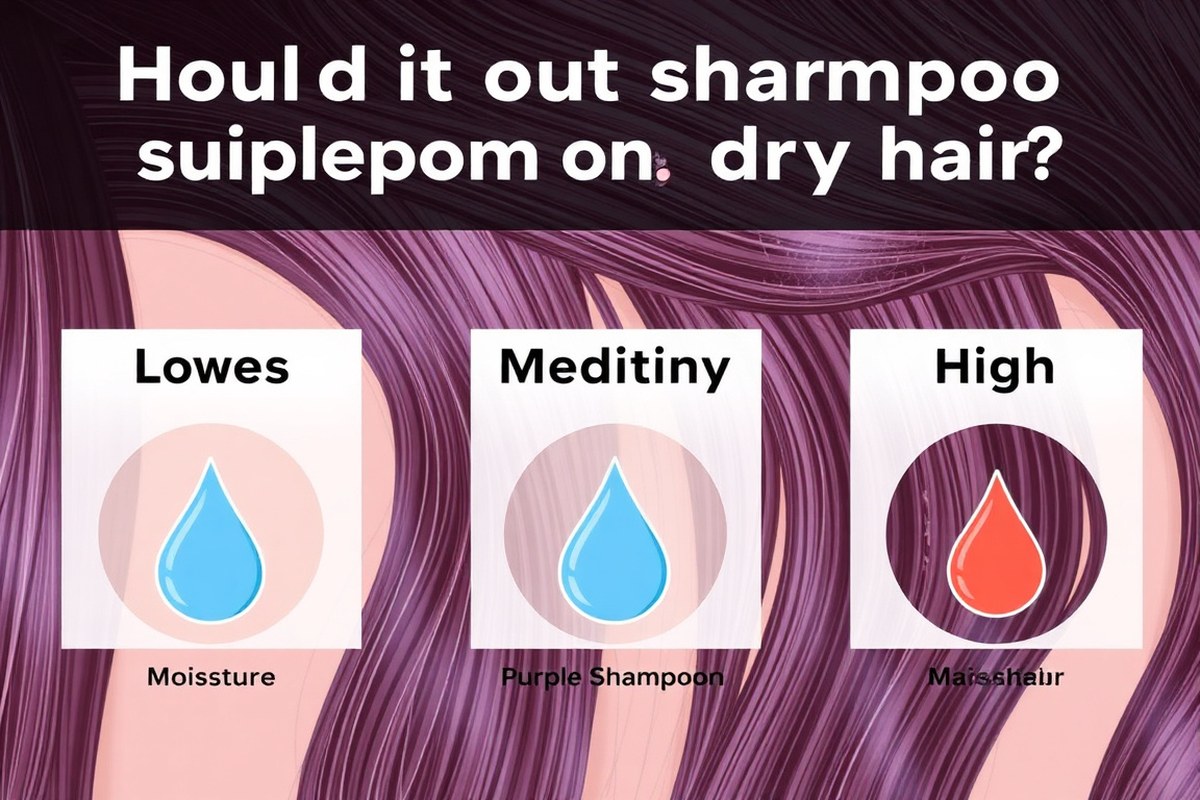
Hair porosity affects how well purple shampoo works on dry hair. High porosity hair soaks up pigment quickly, making toning faster. Low porosity hair takes longer to absorb any color from the shampoo.
What Hair Porosity Means
Porosity measures how open your hair cuticles are. High porosity means the cuticles lift easily, letting moisture and color in fast. Low porosity hair has tightly closed cuticles, which resist moisture and pigment absorption.
This matters because purple shampoo’s color must penetrate your hair to tone brassiness. Open cuticles react stronger to pigment, so toning happens faster and more deeply. Tight cuticles slow that process, requiring more time or effort.
How Different Porosity Levels React to Purple Shampoo on Dry Hair
High porosity hair grabs purple shampoo pigment in just 1 to 2 minutes. The result is a strong toning effect, often on the first try.
But this hair also dries easily. So limiting how long you leave the shampoo on is important.
Medium porosity hair needs about 3 to 5 minutes for good pigment absorption. The toning is balanced and less risky for over-drying.
Low porosity hair takes at least 3 to 5 minutes, sometimes longer. This hair may require added effort to see a good effect.
Testing Your Hair Porosity at Home
Fill a glass with room temperature water. Take a clean strand of dry hair and drop it into the glass. Wait for two to four minutes and watch what happens to the strand.
When the hair floats on top, it means it has low porosity. Hair that sinks slowly has medium porosity.
Hair that quickly sinks means high porosity, which absorbs pigment fast. Doing this test helps avoid damage by tailoring your shampoo use.
Adjusting Purple Shampoo Application Based on Porosity
For high porosity hair, apply purple shampoo dry but rinse after 1 to 2 minutes. Leaving it longer can cause dryness or breakage because of fast pigment absorption. For medium porosity hair, leave shampoo on dry hair 3 to 5 minutes for even toning.
Low porosity hair needs longer, between 5 to 10 minutes, for visible effects on dry strands. Adding a bit of steam or light dampness before applying can help open cuticles slightly. Keep the shampoo evenly distributed, especially on dry hair ends with higher porosity.
| Porosity Level | Shampoo Time on Dry Hair | Tip |
|---|---|---|
| High Porosity | 1-2 minutes | Rinse quickly to avoid dryness |
| Medium Porosity | 3-5 minutes | Even application, moderate time |
| Low Porosity | 5-10 minutes | Add moisture or steam before use |
Always test a small strand of hair first. See how fast the purple shampoo tones dry hair.
Step-by-Step Guide to Applying Purple Shampoo on Dry Hair
You can apply purple shampoo on dry hair to get stronger toning. It works better if you follow careful steps that prevent patchiness. Here’s how to do it right.
Preparing and Sectioning Dry Hair
Start with completely dry hair for the most intense toning effect. Brush your hair thoroughly to remove tangles. This helps the shampoo spread evenly and cuts down on blotchiness by about 35%.
Divide your hair into four equal sections. Use clips to hold each section separately. Sectioning gives you better control and ensures every strand gets treated.
Applying Purple Shampoo Evenly
Use a purple shampoo formula with extra moisturizing ingredients to prevent dryness. Take a small amount into your palm and rub your hands together first. This warms the product and makes it easier to apply.
Start applying the shampoo near your roots. Work it downward in smooth strokes, covering one section at a time. Work carefully to avoid overlap or streaking, which are common problems with dry hair.
Timing and Rinsing for Best Results
Leave the shampoo on for 5 to 10 minutes. Check your hair every two minutes to avoid over-toning. Rinse your hair well with cool water once the tone looks right.
Cool water helps seal your hair cuticle. This locks in your color.
Rinse until the water runs clear, around 1 to 2 minutes. Avoid using hot water since it can dry out brittle color-treated hair. Finish with a conditioner designed for moisture to keep your hair soft.
- Brush dry hair well to detangle before starting.
- Divide hair into four sections and clip each one separately.
- Take a small amount of moisturizing purple shampoo and warm it in your hands.
- Apply starting near roots, working downward evenly per section.
- Leave shampoo on for 5 to 10 minutes, checking progress every 2 minutes.
- Rinse thoroughly with cool water until water runs clear.
- Apply conditioner to restore moisture after rinsing.
How Long Should Purple Shampoo Stay on Dry Hair?
Leaving purple shampoo on dry hair should last between 3 to 5 minutes. This range works well for most hair types and balances toning without risking purple stains.
Applying it shorter than 3 minutes may not neutralize brassiness effectively. Going beyond 5 minutes raises the chance of a purple tint showing up.
The timing needs adjustment based on your hair’s condition and porosity. Your hair is very porous or damaged. Keep it on for about 3 minutes.
Porous hair absorbs pigment faster. So longer times may cause unwanted ashy or purple hues.
For healthy hair with low porosity, leave it for 4 to 5 minutes. This helps get stronger toning.
Signs you left purple shampoo on too long include dull purple residue. You may also see uneven purple patches. Your hair might look ashy or feel dry and brittle.
Notice purple stains on your scalp or skin? Rinse it off right away. Always watch your hair closely during the process to avoid over-toning.
The longer the shampoo stays on, the deeper the purple pigment penetrates. This boosts toning intensity but increases risk of staining and dryness. On dry hair, watch for uneven spread; shampoo may not cover all areas uniformly.
It takes just a few minutes. But spreading the shampoo evenly while massaging helps avoid patchy tones.
Follow this timing guide: 3 minutes on fragile or porous hair. It also applies to over-processed, dry hair. 4 minutes on moderate porosity with some damage.
5 minutes on healthy dry hair with low porosity. Always set a timer and check your hair’s look and feel every minute after 3 minutes.
Purple shampoo is harsh on dry strands. Use a sulfate-free option made for your hair type.
After rinsing, applying conditioner to the ends helps lock in moisture and prevent dryness. Wearing gloves also protects your hands from purple stains during application and rinsing.
Common Problems When Using Purple Shampoo on Dry Hair and How to Fix Them
Applying purple shampoo on dry hair can cause patchy, uneven tones. Dry strands absorb the pigment too quickly, leading to blotchy purple or ashy spots. This happens because the shampoo doesn’t spread evenly without water, making some areas darker than others.
Excessive dryness or brittleness often follows using purple shampoo on dry hair. The shampoo’s pigment and ingredients can strip moisture, especially if your hair is already fragile. Your scalp might also get stained or irritated from the concentrated shampoo sitting on dry skin.
Fixing purple stains on your scalp or skin is simple. Use a damp washcloth or cotton ball lightly soaked with rubbing alcohol or micellar water.
Gently rub the stained areas; repeat once if needed. Avoid harsh scrubbing to protect your skin.
Your hair might feel brittle or very dry after toning. Add moisture fast to fix this. Use a deep conditioning treatment or a rich leave-in conditioner right away.
Find products with argan oil, shea butter, or glycerin. They help bring back softness. These ingredients also add shine to your hair.
Patching purple or ash tones can be corrected with a few steps. First, shampoo your hair with a clarifying shampoo to lift some pigment. The staining might stick around.
Try mixing purple shampoo with water before putting it back on. This lessens its strength and spreads color more evenly.
- Wet your hair before applying purple shampoo for smoother pigment spread.
- Use clarifying shampoo to remove stubborn purple or ash build-up.
- Moisturize deeply after using purple shampoo to avoid brittleness.
- Remove scalp or skin stains with micellar water or rubbing alcohol.
- Dilute purple shampoo with water to reduce pigment intensity.
- Limit purple shampoo use to 1-2 times weekly to prevent dryness.
Purple shampoo should not stay on dry hair for more than 5 minutes. Leaving it longer can cause uneven tones. It can also damage your hair.
Over-toned purple patches look unnatural and stand out on blonde or silver hair. Fixing them quickly by clarifying helps prevent further damage.
Always follow up with strong hydration to bring your hair back to softness. These fixes usually take 10 to 30 minutes and require products costing around $10 to $30.
Remember, purple shampoo is stronger on dry hair. Use water to dilute it, spread pigment better, and protect your strands. This keeps your color bright and smooth without creating problems.
Better Alternatives to Purple Shampoo on Dry Hair for Toning
Using purple shampoo on dry hair can be too harsh sometimes. It especially affects brittle or damaged hair. Be cautious to avoid extra damage.
A safer way is to apply purple shampoo on damp hair. Wet strands help the pigment spread more evenly and reduce the risk of over-toning. Mixing purple shampoo with conditioner also softens the effect and protects your hair from dryness.
Toning foams and leave-in treatments offer gentler alternatives for controlling brassiness. These products often have lower pigment levels and less intense formulas. You apply them after washing, on damp or dry hair, then leave them in.
This slow toning helps stop purple cast and dryness. Purple shampoo on dry hair might cause these issues. Gradual use reduces the risk.
Time matters too. Leave purple shampoo or foams on your hair for 1 to 5 minutes. Time depends on your hair’s porosity.
It also depends on how brass your hair is. Rinse out promptly to avoid buildup.
Wet application generally takes around 3 to 5 minutes for good results. Toning foams can stay on until your next wash.
| Toning Method | Application | Timing | Risk Level | Cost Range | Effect on Hair |
|---|---|---|---|---|---|
| Purple Shampoo on Dry Hair | Directly on dry strands | 1-3 minutes | High (over-toning, dryness) | $8-$20 per bottle | Strong, fast toning but can dry hair |
| Purple Shampoo on Damp Hair | On wet, towel-dried hair | 3-5 minutes | Medium | $8-$20 per bottle | Even toning, less drying |
| Purple Shampoo + Conditioner Mix | Mix 1:2 or 1:3 shampoo to conditioner | 3-5 minutes | Low | $10-$25 depending on products | Mild toning, adds moisture |
| Toning Foam / Leave-in | Apply to damp or dry hair, no rinse | Leave until next wash | Low | $15-$30 per bottle | Gradual toning, best for sensitive hair |
Mix toning shampoo with conditioner in a 1 to 2 or 3 ratio. Use one part shampoo to two or three parts conditioner. This mix balances tone and moisture.
This mix balances the pigment strength and hydration. Use this blend on damp hair, leave it for 3 to 5 minutes, then rinse. This method keeps your blonde or silver hair soft.
It reduces burning or uneven tone. You avoid patchy results using this mix.
Foams and leave-in treatments let you build tone slowly. They’re easy to apply and don’t rinse out, so pigment deposits gently. You get better control, especially if you worry about drying or uneven colour.
Using purple shampoo on wet hair spreads tone evenly. It helps keep brassiness down without scrubbing hard. It also prevents drying your hair.
Best Aftercare Practices to Maintain Moisture Post Purple Shampoo
After using purple shampoo on dry hair, it’s important to restore moisture quickly. Choose a conditioner labeled moisturizing or hydrating. These often have ingredients like shea butter, glycerin, or aloe vera.
They help soothe hair. They also make it softer.
Use the conditioner every time you shampoo to keep your hair feeling smooth. For extra care, apply a deep conditioning mask once a week. Look for masks with proteins and vitamins to repair damage from toning and bleaching.
Moisturizers like leave-in conditioners work well after rinsing out the mask. They add an extra layer of hydration without weighing down your hair.
Oils like argan, jojoba, and coconut lock in moisture. They protect hair from heat and sun dryness.
Spread a small amount of oil on your fingers and run them through damp ends. Avoid the roots to keep your hair from looking greasy. This simple step helps maintain softness and shine between washes.
Space out purple shampoo treatments 3 to 5 days apart. This helps keep your color bright. It also avoids damage.
Overusing purple shampoo can dry hair and cause brittleness. Adjust the frequency based on how your hair reacts and the level of brassiness you see.
After toning with purple shampoo on dry hair, rinse it well. Then apply a moisturizing conditioner and rinse after 3 to 5 minutes. Use a deep conditioning mask weekly, a leave-in conditioner, and a light oil on damp ends.
The routine adds little extra time. It keeps your hair healthy. It helps your blonde or silver tones stay fresh.
Skipping these steps can leave hair dry, dull, and prone to breakage. Stick to this plan and watch your hair feel softer and more manageable after each wash.
How to Monitor and Adjust Your Purple Shampoo Usage over Time
Use purple shampoo on dry hair no more than once a week to avoid damage. Watch your hair’s tone and condition closely. You can decide to tone less often.
Stop if your hair looks or feels damaged. See a pro if brassiness won’t fade.
Also see them if hair feels brittle after many uses. They can help fix the problem.
Setting a Toning Frequency Schedule
Start using purple shampoo once a week to test your hair’s reaction. Adjust frequency based on how your brassiness looks and how your hair feels. Cut back to toning every two weeks or less when your hair feels dry or dull.
Here is a simple schedule to set your toning routine:
- Apply purple shampoo on dry hair once a week for the first month.
- Check your hair tone and moisture after each use.
- Reduce to every two weeks if your hair feels dry or brittle.
- Keep track of brassiness return between washes.
- Increase frequency if brassiness shows sooner than two weeks.
- Pause purple shampoo if you notice dullness or dryness signs.
- Reassess in a month to see if your hair improves.
Tracking Results and Making Adjustments
Look at your hair’s color every week and note how brassiness changes. A weekly photo or simple notes help you see small changes over time. Use an app to compare photos or time between tonings for a clear pattern.
Adjust the timing to keep brassiness controlled without hurting your hair. Water temperature, shampoo formula, and hair porosity may change how often you should tone. Stick to your schedule, but listen to your hair’s needs.
Stop purple shampoo if your hair feels rough or starts breaking.
Identifying Signs for Professional Treatment
Visit a salon every 6 to 8 weeks for expert tone checks and advice. A professional can fix uneven color or over-toning damage that purple shampoo can’t. Seek help if purple shampoo no longer removes brassiness or if your hair is very damaged.
Here’s a quick decision guide for when to see a pro:
- Hair stays brassy after multiple purple shampoo uses.
- Hair becomes dry, brittle, or breaks easily after toning.
- Color looks uneven or patchy despite regular toning.
- You want a longer-lasting, more even silver or blonde tone.
- Uncertainty about how often to tone or what products to use.
Step-by-Step Action Plan for Using Purple Shampoo on Dry Hair
Follow this plan to safely tone brassiness on dry hair with purple shampoo. It helps you get the best results without damage.
- Before you start: Check your hair porosity by doing a slip test. If your hair feels rough or dry, avoid dry application.
- Day 1: Apply a small amount of purple shampoo to dry strands, focusing on brassier areas. Look for even coverage without clumps.
- After 3 minutes: Add a little water to create a gentle lather. This activates the purple pigment and softens the shampoo.
- After 5 minutes: Rinse thoroughly with cool water. Your hair should look less yellow without feeling stripped.
- After washing: Apply a deep conditioner or hair mask. This replaces moisture and protects the color.
- Week 1: Monitor your hair’s tone and moisture level. Stop dry application if you notice dryness or irritation.
- Week 2: Adjust frequency to once or twice a week based on brassiness and hair health. Too much can cause dullness.
- After 1 month: Consider alternating with wet application or conditioner-based toners for gentler care.
Frequently Asked Questions
Should I Apply Purple Shampoo on Soaking Wet Hair or Just Damp?
It’s best to use purple shampoo on damp hair for even pigment spread. Wet hair helps shampoo foam better.
It also rinses out easier. This lowers buildup and dryness risk.
Can I Use Purple Shampoo Daily Without Damaging My Hair?
Daily use is not recommended as it can dry out your hair more quickly. Use it 1-3 times a week.
Adjust based on your hair’s condition. This keeps brassiness away without too much dryness.
Will Purple Shampoo Lighten My Hair Color over Time?
Purple shampoo won’t lighten hair like bleach, but it can subtly tone down brassiness. It adds violet pigments to your hair.
These tone down yellow hues. It does not change your blonde shade.
Does Hair Thickness Affect How I Should Use Purple Shampoo?
Thicker hair might need more product or longer application time to cover all strands. Thin hair absorbs the pigments quicker. So apply less shampoo and watch timing to avoid over-toning.
Can Purple Shampoo Cause Scalp Irritation If Used on Dry Hair?
Yes, applying it on dry scalp can increase irritation because it strips oils faster. Diluting it with water or using on wet scalp helps prevent itching and dryness.
Should I Use Conditioner After Purple Shampoo, Especially on Dry Hair?
Absolutely, conditioner helps restore moisture purple shampoo can strip away. Focus on mid-lengths to ends to avoid weighing down roots and keep hair soft and manageable.
Key Points to Remember
Using purple shampoo on dry hair can work but needs caution to avoid dryness. Start with small tests and watch your hair’s reaction closely. Try your first dry application today, then adjust as needed for the best look without damage.