How to Detangle Matted Hair: A Complete Guide with Proven Methods
Knowing how to detangle matted hair starts with patience and the right approach. Use a gentle detangling product. Apply it well all over your hair.
Let it sit for at least 10 minutes. This softens the mats, making them easier to work through without harsh pulling.
Begin by sectioning your hair carefully to avoid making tangles worse. Start detangling from the tips, not the roots, to reduce breakage. You’ll want to use wide-tooth combs or your fingers to slowly ease out knots.
Detangling matted hair takes time, generally 30 to 60 minutes for mild mats. But severe tangles may stretch longer.
Rushing leads to pain and hair damage. So move slowly and gently, even if it takes several sessions.
Key Takeaways
- Put a detangler on your hair to help loosen mats. Let the product work for 10 minutes or more before detangling.
- Work in small sections and detangle from the ends toward the roots.
- Use a wide-tooth comb or your fingers for gentle detangling.
- Set aside 30 to 60 minutes for mild matting; severe mats can take hours.
- Avoid harsh pulling to prevent hair breakage and scalp pain.
- Trim split ends every 6-8 weeks to reduce future tangles and matting.
How to Detangle Matted Hair Safely at Home
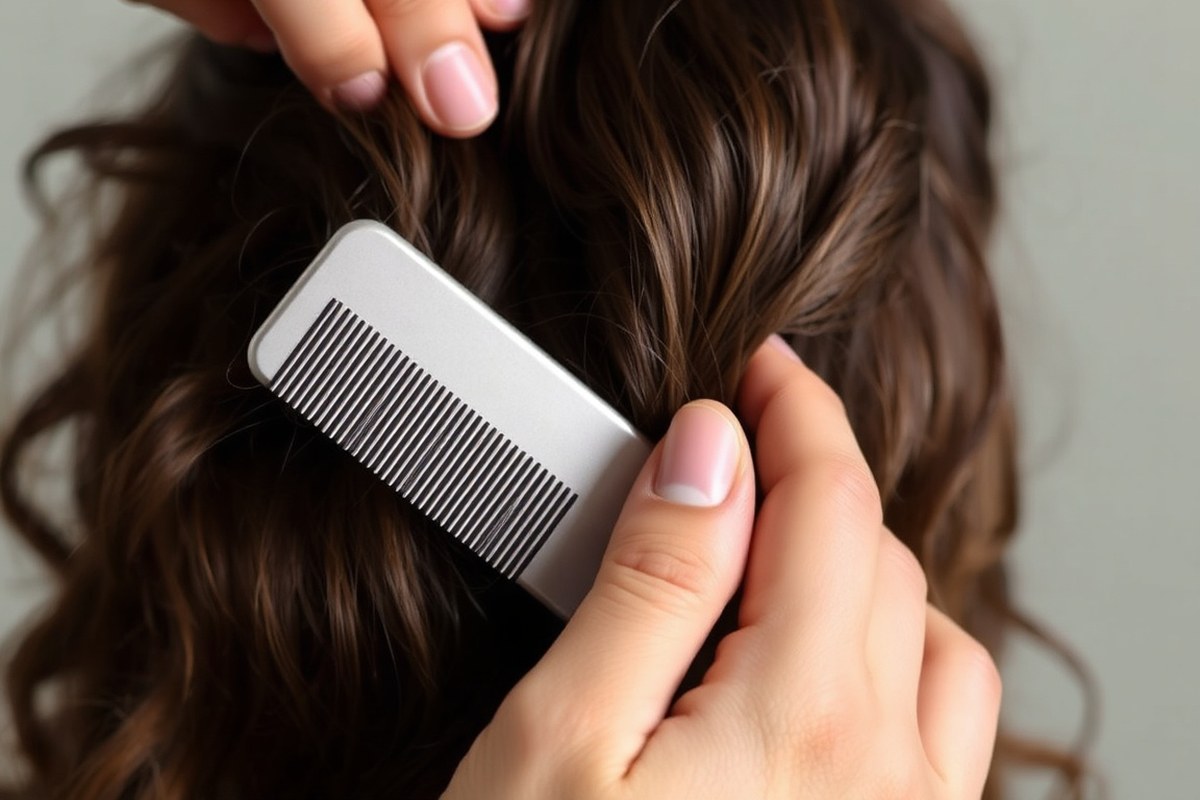
Untangling matted hair without causing pain or breakage takes patience and a good plan. Starting with clean, dry hair helps you see the tangles clearly. Using your fingers first avoids extra pulling and damage.
Divide your hair into sections to focus on manageable parts. Work slowly and gently by starting at the ends, where knots are easier to loosen. Use the right tools only after fingers can no longer separate tangles safely.
- Separate hair into small sections.Clip or tie each section apart from the others. Work carefully on one section at a time. This avoids making tangles worse.
- Use your fingers to loosen knots. Gently pull or slide the hair apart. Fingers feel knots better, so you avoid yanking on strands that are stuck together.
- Apply detangling spray or conditioner. Lightly mist or comb in a conditioner to soften hair. This helps your fingers and tools slide through tangles easier.
- Work from the ends upward. Never start detangling at the roots. Begin at the section ends where knots usually form, then move upward as you untangle.
- Use a wide-tooth comb or detangling brush. After fingers loosen tangles, gently comb through each section. Choose a tool with flexible teeth to minimize breakage.
- Be patient and take breaks. Detangling matted hair may take 30 to 60 minutes or more. Stop if your scalp hurts to avoid injury and more damage.
- Finish with a gentle rinse or leave-in treatment. Once detangled, nourish hair with conditioner or oil to keep strands soft and reduce future tangles.
Tight mats covering large areas need gentle handling. Avoid forcing combs through tangled hair.
Forceful pulling causes breakage and scalp pain. In these cases, consider professional help to protect your hair’s health.
Why Hair Becomes Matted and What Increases It

Hair mats form when strands tangle tightly into knots that stick together. Dry or brittle hair often mats because it loses moisture and care. Curly and coiled hair mats more since its shape traps strands easily.
Neglect plays a big role in causing mats. Skipping regular washing, conditioning, and detangling allows dirt and oils to build up. That buildup can hold strands together and lead to mats.
Harsh styling can cause friction and damage your hair. Rubbing hair roughly with a towel hurts the strands.
Sleeping without protection also makes tangles worse. That friction can tangle hair more quickly.
Environmental factors worsen matting. Exposure to wind, sun, or chlorine can dry hair and weaken it. Hair brittleness from these stresses raises the chance of mats by around 40%.
Some health issues affecting scalp oils or hair strength can add to the problem. Chemicals like bleach and harsh dyes also make hair more prone to tangling and tearing.
Always handle your hair gently when it’s wet. Use plenty of conditioner or oil to slip through mats easier.
Check your habits to stop mats early. Wash and condition your hair on a regular schedule. Detangle your hair when it’s damp for easier combing.
Use a silk scarf or pillowcase to protect hair during sleep. Avoid heavy chemical use and limit heat styling.
Watch for signs of dryness or brittleness and treat it quickly with moisture-rich products. Those small steps prevent mats from getting worse.
Best Tools and Products for Detangling Matted Hair
Different hair textures and mat severity need specific tools and products for the best detangling results. Thick or curly hair benefits from wide-tooth combs and rich conditioners that add slip. Lightweight sprays and oils work well on finer hair, helping reduce friction and breakage.
Wide-Tooth Combs vs. Detangling Brushes
A wide-tooth comb is the top choice for thick, curly, or tightly coiled hair. It gently separates strands without pulling or tearing. When mats are very tight, start loosening them by hand before moving to a wide-tooth comb.
Detangling brushes can work once your hair is mostly loose. They smooth out smaller tangles and speed up the process. Use them lightly on curly or fine hair to avoid breakage.
Leave-In Conditioners and Moisturizing Sprays
Conditioners and detangling sprays create slip that reduces friction in matted areas. Saturate mats well with these products for easier detangling. For seriously matted hair, choose rich, hydrating conditioners for a better slip effect.
For curly or 4C hair, lightweight detangling sprays are best. They hydrate without weighing hair down. Brands like Amika and Oribe offer sprays that help glide through tangles smoothly.
Oils and Natural Remedies for Slip
Applying oils like coconut or specially formulated blends adds slip and softens hair strands. Use a few drops on mats as you work through tangles. Oils help detangling conditioners penetrate better and loosen knots from the inside.
Oils also reduce static and prevent new tangles from forming during and after detangling. For example, Righteous Roots Rx is known for helping with slip in matted hair. Avoid overusing oils, which can weigh hair down and attract dirt.
Products to Avoid During Detangling
Avoid heavy creams that weigh your hair down. Stay clear of products that build up, like waxes or thick gels. These can make detangling harder.
These products block slip and make detangling harder. Silicone-heavy products can cause buildup that tightens mats further.
Using harsh shampoos or washing too often before detangling can dry hair and increase breakage. Only shampoo once most mats are gone.
Use gentle shampoos that add moisture instead of stripping oils. This protects your hair during detangling.
Here’s a simple table showing key steps, tools, and products for effective detangling:
| Step | Product/Tool | Purpose |
|---|---|---|
| Mist lightly | Water spray bottle | Balance pliability without over-wetting |
| Saturate mats | Conditioner or detangling spray | Provide slip, reduce friction |
| Divide hair | Clips and wide-tooth comb | Create controlled, smaller work areas |
This approach helps you target matted hair with the right tools and products. It breaks down the process into manageable steps, reducing damage and speeding up detangling. Using the right combination for your hair texture means fewer tangles and stronger strands.
How Long Does Detangling Matted Hair Take?
Detangling mildly matted hair usually takes about 20 to 40 minutes. Moderate mats need closer to an hour or more, depending on thickness and texture. Severe mats may need two or more sessions.
Each session lasts 1 to 2 hours. This helps avoid damage.
Your hair texture affects timing. Tightly coiled, afro-like hair or thick curly hair can take longer because the mats are denser.
Straight or wavy hair usually detangles faster. But even then, severe mats need slow, gentle work.
Breaking detangling into multiple sessions spreads out the strain on your scalp and strands. Plan short sessions for severe mats. Spread them over days or a week.
Avoid doing one long session. This approach helps prevent pain, breakage, and hair loss from rushing.
A good way to decide is by watching your scalp and hair’s response. Stop when you feel discomfort or notice too much shedding.
Let your hair rest. Avoid forcing knots out quickly, as this often causes damage and tears the hair.
Patience is key. Working slowly and patiently keeps your hair healthier and preserves length. Detangling takes time, but every gentle stroke moves you closer to smooth, mat-free hair.
Should You Detangle Hair Wet, Damp, or Dry?
You can detangle matted hair wet, damp, or dry. But each way has pros and cons.
Wet or damp hair usually works best because moisture adds slip and softness. Dry detangling can work but is riskier for breakage without proper care and products.
Benefits of Detangling on Wet Hair
Wet hair softens and becomes more flexible, making tangles easier to work out. Moisture opens the cuticle slightly, helping conditioner or detanglers coat strands for better slip.
But soaking wet hair swells, making mats tighter and heavier. So be gentle and patient.
Apply conditioner to clean, wet hair. Let it sit for about 3 minutes. This adds the needed slip for detangling.
Never shampoo or wash matted hair before detangling. Wet strands break more easily.
It’s best to detangle before washing. Wet detangling suits thick, curly, or wavy hair that needs extra softness to avoid snapping.
When to Use Damp Hair for Detangling
Damp hair hits a sweet spot between wet and dry. It’s soft but not too swollen or delicate. Spray hair lightly with water and add leave-in conditioner.
This keeps moisture and slip in the hair. It won’t weigh mats down.
Use this method if you detangle for several minutes. Sections may dry out during detangling. Moistening them again helps the process.
You can respray water and add a little more product to keep strands slippery. Fine or straight hair also benefits from damp detangling to reduce breakage risks.
Risks of Dry Hair Detangling
Dry detangling can cause breakage if you’re not very gentle or don’t use conditioner. Matted hair gets stiff when dry, which increases pulling force and snapping.
Fine or straight hair tolerates dry detangling better. But thick matted waves or curls usually won’t.
You can minimize damage by applying small amounts of conditioner during dry detangling. The conditioner works as a slip agent to protect elasticity.
Still, avoid forcing knots out. Work slowly, section by section, to prevent pain and hair loss.
How to Maintain Slip During the Process
Slip means enough moisture and product to let strands slide past each other. Start detangling with clean, conditioned hair or apply a detangler spray on dry or damp strands. Reapply water and product whenever you feel catching or tugging.
Use a wide-toothed comb or fingers to gently lift knots, avoiding fine-tooth combs that pull hard. Taking your time and working in small sections reduces scalp discomfort and lowers breakage chances. After detangling, leave-in products help keep hair soft and defend against new mats.
Never force combs or brushes through tough mats; add more water and product instead.
Detangling Techniques for Different Hair Textures
Detangling methods change depending on your hair texture to avoid breakage. Fine, curly, 4C, and textured hair all need different care to keep strands strong. Using the right tools, products, and gentler pressure helps reduce damage and makes detangling less frustrating.
Fine and Straight Hair Detangling Tips
Fine and straight hair tangles easily but can break with rough handling. Use lightweight detanglers to avoid weighing hair down. Work in small sections and comb from the ends upward to loosen knots gently.
Follow these steps to detangle fine hair carefully:
- Apply a light leave-in conditioner or detangling spray evenly.
- Divide hair into small sections for easier control.
- Start detangling at the ends using a wide-tooth comb.
- Comb slowly, moving upward toward the roots without pulling hard.
- Use your fingers to gently loosen stubborn knots.
- Repeat on each section until all tangles are removed.
Taking your time and using minimal tension helps keep fine hair intact. Avoid brushing dry hair to prevent breakage and frizz.
Curly and Wavy Hair Techniques
Curly and wavy hair needs extra moisture since it’s prone to dryness and tangles. Detangle when hair is wet or damp using plenty of conditioner and a wide-tooth comb. This reduces friction and protects the natural curl pattern.
Try these steps to detangle curly or wavy hair:
- Apply a rich conditioner or detangling product to soaking wet hair.
- Divide hair into manageable sections to reduce tangling.
- Use your fingers first to separate larger knots.
- Comb gently from ends to roots with a wide-tooth comb.
- Rinse carefully if detangling in the shower to keep hair slippery.
Detangling curls too roughly might cause breakage or loss of curl shape. Use gentle strokes and update products that suit your curl pattern.
Detangling 4C and Tightly Coiled Hair
4C hair and tightly coiled textures need the most gentle care because they tangle easily. Applying a thick, slip-improving cream or oil helps ease knots without breaks. Detangle small sections slowly, ideally with fingers before adding a tool.
Follow these steps for 4C hair:
- Moisturize hair generously with water and a rich conditioner or cream.
- Part hair into very small sections to work carefully.
- Use fingers to loosen mats before combing.
- Detangle gently with a wide-tooth comb or pick from tips upward.
- Avoid force; if a knot resists, soak again and try fingers once more.
This slow approach prevents damage and keeps hair healthy. Frequent detangling helps avoid extreme matting.
Adjusting Tools and Products by Texture
Choosing the right tools and products depends on your hair type. Wide-tooth combs work best for all textured hair.
But 4C hair might also do well with flexible fingers. Fine hair prefers lighter sprays, while coarser textures benefit from creamy oils or balms.
Use this product approach by texture:
- Fine hair: lightweight sprays or leave-in conditioners, 2-3 pumps at most.
- Curly/wavy hair: moisturizing detangling sprays or conditioner-rich creams.
- 4C/coily hair: thick creams and oils that offer strong slip and hydration.
Pressure should always feel gentle. You can increase detangling time but never force tangles apart. Patience means fewer broken strands and smoother hair.
Common Mistakes When Detangling Matted Hair and How to Fix Them
Pushing too hard on tight mats often breaks hair or hurts your scalp. Harsh pulling worsens tangles, making them tighter and more painful. Stop immediately if you feel pain or if hair starts snapping.
Dry hair is more fragile. So combing or pulling tangles when hair is dry risks more damage.
Use water and conditioner or a detangling spray to soften mats before working through them gently. Spraying, then waiting 5 to 10 minutes lets the product penetrate and loosen knots.
Using a fine-tooth comb or brush on matted hair can cause worse tangles or breakage. Always opt for a wide-tooth comb and work in small sections. Start detangling at the ends of your hair.
Work slowly towards the roots. This helps avoid pulling on tight knots.
- Don’t rush: Take breaks if your fingers or scalp hurt
- Section hair into small parts for easier control and focus
- Use plenty of conditioner or detangling spray to reduce friction
- Work with your fingers first to loosen big mats gently
- Try detangling tools designed for matted hair, like wide-tooth combs
- Stop and reapply spray if sections feel dry or tight again
- Avoid brushing or combing aggressively, which breaks hair
Hair breaks or tools get stuck? Pause the process. Gently use your fingers to untangle knots.
Applying more conditioner can help loosen tight areas before trying a comb again. Avoid pulling or forcing, which leads to more breakage.
If tangles got worse before, try soaking your hair overnight. Use a conditioning treatment to help soften the knots. This can make detangling easier next time.
After rinsing lightly, gently finger-detangle before using a comb. This gradual approach reduces added mats and damage.
When to Seek Professional Help for Severely Matted Hair
Severe matting needs professional help when gentle detangling stops working. You should look for tight mats near the scalp that won’t loosen with home care. Other signs include pain, excessive hair breakage, and losing large clumps of hair during detangling.
Professionals use special tools and products designed to loosen tough mats without cutting unless necessary. They often apply detangling sprays and conditioners to soften hair before carefully working through knots. The goal is to save as much hair as possible while avoiding scalp damage or pain.
A typical salon session for severe mats lasts 1 to 3 hours. It depends on how bad the tangles are. You might spend more time if mats are very tight.
Costs usually range from $75 to over $200 based on location and stylist experience. Some treatments could require follow-up visits if your hair has deep or widespread mats.
Choosing a detangling specialist means finding someone experienced with your hair type. Ask about their approach to matted hair and if they use gentle, conditioning techniques. Check reviews and see local salons that mention mat removal or trichology services.
Use this simple rule: if mats stay hard after a week, act. Patient home care helps, but pain means you need a pro. Book a professional if mats still hurt or don’t soften.
Remember, cutting should be a last option; skilled pros try to detangle first. Early professional help prevents permanent hair damage and saves time.
Don’t force your comb through painful mats. It can lead to hair loss or scalp injury.
Step-by-Step Action Plan for Detangling Matted Hair
Follow these steps to start detangling your matted hair carefully at home. Each step helps prevent damage and shows you when to move on.
- Before you start: Gather the right tools such as a wide-tooth comb, detangling spray, and conditioner. Make sure your hair is dry or slightly damp based on your hair type.
- Day 1: Apply a generous amount of conditioner or detangling spray to the matted areas. Let it sit for 10 to 15 minutes to soften the knots.
- Day 1 – First hour: Begin detangling gently with your fingers to loosen large mats. Stop if you feel excessive pulling or pain.
- Day 1 – Next hour: Start with a wide-tooth comb. Begin at the ends gently. Slowly move the comb upward through your hair. Work in small sections to avoid breakage.
- Day 2: Wash your hair with a gentle shampoo and deep condition afterward. This helps maintain softness and makes future detangling easier.
- Week 1: Repeat gentle detangling once or twice, focusing on problem spots. Moisturize your hair daily to prevent new mats.
- After 2 weeks: Check your hair’s condition and trimming needs. Cut off any stubborn tangles or damaged ends to keep hair healthy.
- Ongoing: Use protective hairstyles and avoid harsh brushing. Regular moisturizing and gentle care will reduce matting over time.
Frequently Asked Questions
Is It Better to Untangle Matted Hair Wet or Dry?
You should detangle matted hair wet or damp with conditioner or oil. Dry hair breaks more easily when brushed. So wetting and lubricating protects your hair during detangling.
Is Matted Hair Able to Be Saved?
Yes, you can detangle matted hair no matter how severe it is. It may take time and patience. But most matted hair can be saved without cutting.
Can Matted Hair Grow Back?
Hair doesn’t grow back if it breaks or gets cut off. Your scalp keeps making new hair.
It grows hair over time. Proper care supports healthy growth even after detangling matted hair.
What Is the Best Product for Severely Matted Hair?
Oils like olive oil help seal cuticles and trap moisture, easing detangling. Conditioner alone often isn’t enough for severe mats. So use oils with water for better slip.
How Long Does It Usually Take to Detangle Matted Hair?
Mild mats take about 30 to 60 minutes to detangle at home. Severe mats can require several hours or multiple sessions to work through safely.
Can I Use Apple Cider Vinegar to Detangle Matted Hair?
Yes, mixing equal parts apple cider vinegar and water can help loosen mats. It softly breaks down buildup but should be used carefully to avoid scalp irritation.
Key Points to Remember
Detangling matted hair takes time and patience but protects your hair from damage. Start with gentle care and the right products.
Your next step is to choose your detangling tools. Then get your hair ready for the first treatment.