How to Apply Castor Oil to Hair: A Complete Guide for Healthy Growth
Knowing how to apply castor oil to hair can speed up growth and improve scalp health. Start by using only a small amount of organic, cold-pressed castor oil. Massage the oil into your scalp and hair softly.
Do this for 3 to 5 minutes. This helps the oil absorb and boosts blood flow.
Apply castor oil to hair that’s clean and either dry or damp. Let it sit for 30 to 60 minutes before washing with shampoo and conditioner. For fine hair, shorten this time to prevent heaviness.
Testing the oil on your skin 24 hours before use helps prevent allergic reactions. Diluting castor oil with coconut or jojoba oil makes it lighter and easier to spread. Warm the mix slightly for better absorption and massage.
Key Takeaways
- Choose 100% cold-pressed, organic castor oil free of hexane for best results.
- Massage castor oil into your scalp for about 3 to 5 minutes.
- Apply castor oil on clean hair, whether damp or dry, for easy absorption.
- Leave oil in your hair for 30 minutes to an hour before washing out.
- Dilute castor oil with a lighter oil if you have fine or oily hair.
- Perform a patch test 24 hours before full application to check for allergies.
How to Apply Castor Oil to Hair Step-by-Step
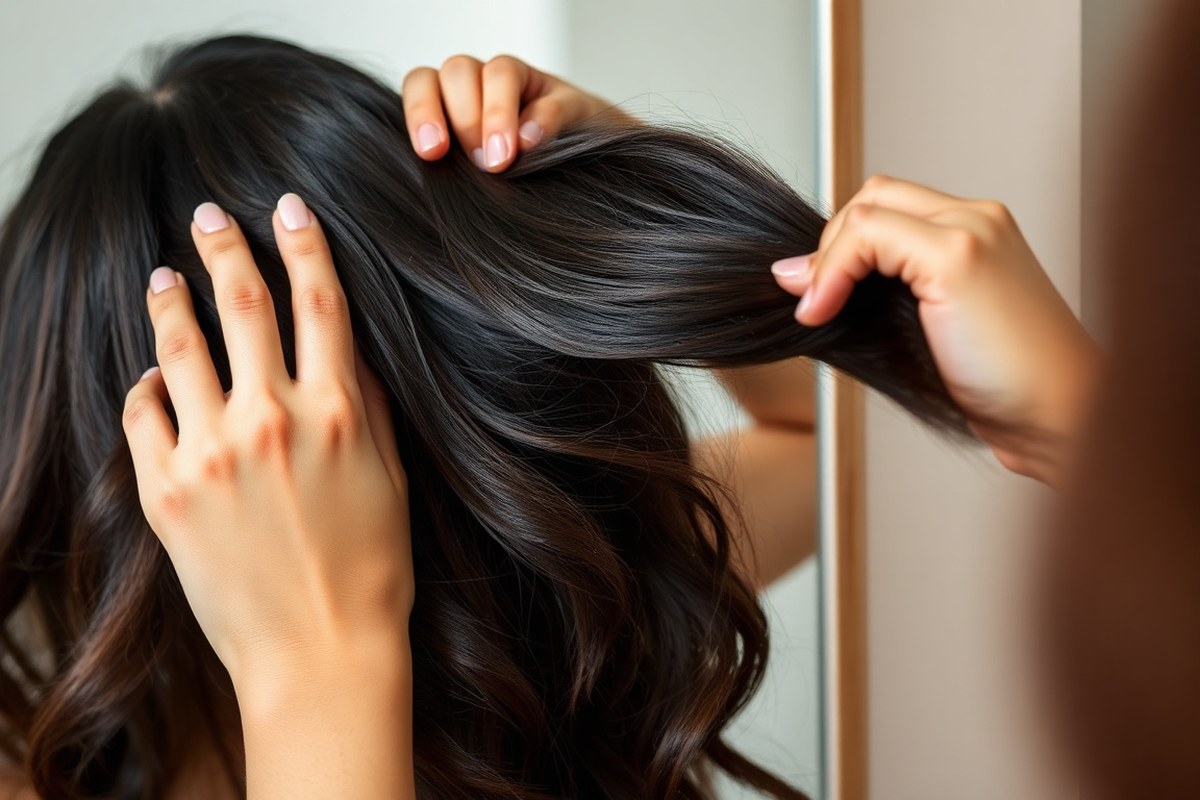
Applying castor oil to your hair is simple if done the right way. Start with clean hair that is either damp or dry. Use a diluted mix to spread the oil easily.
This stops your hair from feeling too heavy. This helps your scalp absorb the oil better for healthy growth.
The thick, sticky texture of castor oil means washing it out can take some care. Leaving it on for 30 minutes gives a quick boost.
But overnight treatments once or twice a week offer deeper nourishment. Use a mild shampoo to remove oil without drying your hair.
- Mix the oil: Put two parts castor oil in a small bowl. Add one part coconut oil or another light oil. Stir them well together. This thins it out for easier application and better absorption.
- Section your hair: Divide hair into parts to reach your scalp easily. Use clips or hair ties to keep sections separate.
- Apply the oil: Use your fingers or a dropper to place the oil on your scalp. Spread it gently for good coverage. Massage gently in circular motions for five minutes. This boosts blood flow and helps the oil penetrate.
- Spread through hair: Lightly run your fingers through the rest of your hair to cover strands. Focus on ends if they are dry or damaged.
- Leave the oil in: Keep it on for at least 30 minutes. For stronger conditioning, wear a shower cap and leave the oil overnight. Avoid all-day use more than twice a week to prevent buildup.
- Rinse thoroughly: Wash with a gentle shampoo. You may need to shampoo twice due to castor oil’s thickness. Follow with conditioner to keep hair soft.
Don’t apply castor oil to greasy hair. Clean, dry or slightly damp hair helps oil soak in without trapping dirt. Cut back on how much or how often you apply if your scalp feels itchy or heavy.
Patience matters. You’ll see stronger, healthier hair after several weeks if you stick to a routine. Use only a small amount of oil each time.
Wash your hair well to prevent buildup. Too much oil or poor washing can weigh your hair down.
Choosing the Right Castor Oil and Dilution Method

Choosing the right castor oil depends on your hair type and goals. Cold-pressed, hexane-free, and Jamaican Black Castor Oil all have benefits. You should dilute castor oil with a carrier oil unless your hair is thick and coarse.
Types of Castor Oil for Hair
Cold-pressed castor oil is the purest form and keeps most nutrients intact. It is best for most hair types, especially fine or light-colored hair. Jamaican Black Castor Oil (JBCO) has ash from roasted beans, making it darker and more alkaline.
JBCO works well for thick, curly, or coarse hair. It improves blood flow to the scalp and promotes growth. Both types nourish your scalp but suit different hair textures.
| Oil Type | Best For | Characteristics |
|---|---|---|
| Regular Castor Oil | Fine or light-colored hair | Pale yellow, cold-pressed, filtered |
| Jamaican Black Castor Oil (JBCO) | Thick, curly, or coarse hair | Dark brown, contains ash, highly alkaline |
JBCO’s dark color and alkalinity come from roasting. It helps especially dry and thick hair. Cold-pressed oils suit finer hair because they are lighter and more nutrient-rich.
Carrier Oils to Mix with Castor Oil
Castor oil is thick and sticky so mixing helps smooth application. Good carrier oils are jojoba, coconut, and almond oil. These oils thin castor oil and aid absorption.
Use about one part castor oil to two parts carrier oil for easier spreading. This mix warms better and massages nicely into the scalp. Lighter oils reduce buildup risks and add extra benefits.
| Oil Type | Texture | Best For | Absorption | Risk of Buildup | Suitable for Oily Scalp |
|---|---|---|---|---|---|
| Castor Oil | Very thick | Dry scalp, breakage | Slow | High | Rarely |
| Coconut Oil | Medium | Protein loss | Moderate | Moderate | Sometimes |
| Almond Oil | Light | Shine, mild dryness | Fast | Low | More suitable |
Mixing makes castor oil lighter and more enjoyable to use. It also cuts the chance of buildup, especially if your scalp is oily or sensitive.
When to Use Undiluted Castor Oil
Apply pure castor oil only if your hair is thick, coarse, or dry. It can be too heavy for fine or thin hair, causing greasiness. Thick hair handles the dense oil better and benefits more from undiluted use.
Massage undiluted oil into your scalp for 3 to 5 minutes. Then, leave it on for 1 to 2 hours.
Avoid daily use with pure castor oil to prevent excess buildup and clogged pores. Use weekly treatments to get growth effects.
Try warming the oil slightly before application to help it spread better.
How Often and How Long to Use Castor Oil for Best Results
You can apply castor oil to your hair two to three times a week. For most hair types, this frequency helps your scalp absorb nutrients without weighing down your hair. Limit leave-in time to 30 to 40 minutes for fine or thin hair to avoid greasiness.
Those with thicker or coarser hair can leave castor oil on longer, even overnight. But avoid doing this daily.
Use overnight treatments once or twice a week to give your scalp extra moisture. Daily overnight use often leads to buildup, making hair look oily and dull.
Applying castor oil on slightly damp hair helps spread it evenly and boosts absorption. Warm the oil slightly in your palms. Massage it into your scalp gently.
Focus on areas needing growth or repair. Use a small amount, about a teaspoon for most people. This avoids weighing hair down.
Castor oil suits all hair types generally. But how long you keep it on varies by your hair’s texture and goals. Rinse out the oil sooner next time if hair looks greasy or feels heavy.
Softer, more hydrated hair appears in a few weeks. Evidence for actual hair regrowth is limited.
Apply castor oil regularly, leave it on 30 minutes to overnight, then rinse well. Trying it twice a week with occasional overnight applications is a good rule of thumb. Reduce use or stop overnight treatments if scalp irritation, buildup, or oiliness occur.
Benefits of Castor Oil for Hair and Scalp Health
Castor oil deeply moisturizes dry scalp areas to support hair health. Its thick texture locks in moisture, helping reduce flakes and dandruff. Massage a small amount into your scalp, focusing on dry spots for better hydration.
The oil also has antimicrobial properties that help fight bacteria and fungi causing scalp irritation. This makes it a good option for keeping your scalp clean to prevent dandruff buildup. Using castor oil once or twice a week can minimize flaking and soothe dryness.
Castor oil nourishes hair follicles with nutrients, which encourages healthier hair growth. It improves blood flow to the scalp and strengthens the hair shaft, reducing breakage. It won’t stop major hair loss by itself.
Using it regularly improves the scalp environment. This makes hair growth conditions better over time.
You’ll usually see softer, shinier hair and less scalp itching within a few weeks. Stronger strands and fewer split ends might take a couple of months with twice-monthly applications. Using Jamaican Black Castor Oil, especially cold-pressed versions, further improves scalp circulation and moisture.
One tip is to massage the oil into the scalp gently to increase absorption. This helps the nutrients reach hair roots, boosting their effect. Combining castor oil with other scalp treatments also improve its moisture retention and anti-breakage benefits.
Hair Type and Scalp Considerations When Using Castor Oil
Castor oil suits all hair types but needs tweaks based on your scalp and hair texture. Your scalp’s moisture and sensitivity affect how long and often you should use it. Hair texture also guides how you apply castor oil to avoid heaviness or build-up.
Adjusting Use for Dry vs Oily Scalp
People with dry scalps can leave castor oil on for 20 minutes. Leaving it up to 30 minutes locks in moisture well. This helps keep the scalp hydrated longer.
Using it two to three times a week hydrates dry scalp without causing buildup. For oily scalps, use a light, diluted amount.
Limit applying it to just once a week. This prevents the hair from getting too greasy.
Rinse oil thoroughly if your scalp feels weighed down or oily after treatment. Castor oil absorbs well but oily or thin hair usually needs shampoo to remove excess residue. Change how often and how long you leave castor oil on.
This helps keep your scalp healthy. It balances moisture and oil without overdoing it.
Fine, Curly, and Coarse Hair Tips
For fine hair, dilute castor oil with a lighter oil like jojoba to avoid greasiness. Use a small amount on your roots and ends. Gently focus on the scalp to avoid heaviness.
This keeps hair feeling light and fresh. Curly and coarse hair can handle thicker castor oil well.
It locks in moisture and reduces frizz nicely. Apply it evenly through the hair strands.
Applying castor oil on damp hair improves absorption and spreads more easily. Castor oil makes detangling curls easier by adding slip. But putting too much on fine hair can weigh it down.
Use just enough to avoid heaviness. Start with a drop the size of a dime in your palm.
Add more only if your hair texture can take it. Watch out for any greasy look.
Patch Testing and Allergic Reactions
Test castor oil on a small skin patch first. This is very important if your scalp is sensitive. It helps avoid unwanted reactions.
Put a tiny bit of diluted castor oil on your wrist or behind your ear. Use these spots for a quick skin test before full use. Wait 24 hours and check for redness, itching, or irritation before using it on your scalp.
Stop using castor oil right away if you see irritation or a rash. Rinse the area well with warm water to soothe it.
Allergic reactions from castor oil are rare but possible. Using pure, high-quality castor oil lowers the risk of irritation but patch testing remains essential.
Always try castor oil on a small skin patch before full use. This helps spot allergic reactions early. It keeps your skin safe.
Precautions, Common Mistakes, and How to Avoid Them
Castor oil can cause buildup if applied too often or in large amounts. This makes hair feel greasy, heavy, and hard to wash out. Using just a little and rinsing well helps prevent this problem.
One common mistake is skipping the patch test. Put a little castor oil on your skin. Wait 24 hours.
Watch for any reaction. This step avoids irritation or allergies that could worsen your scalp condition.
Another error is applying castor oil heavily on roots, especially for fine or thin hair. Using too much oil on your scalp can weigh hair down.
It makes hair look oily quickly. Focus on applying oil mainly on dry ends or areas with dandruff or hair thinning.
- Do a patch test with a drop of castor oil, wait 24 hours.
- Use a small amount: about a teaspoon for medium-length hair.
- Avoid heavy application on fine or thin roots.
- Wash hair thoroughly after each treatment to stop buildup.
- Use warm water and gentle shampoo to remove oil.
- Avoid getting oil in your eyes or mucous membranes.
Greasy hair after using castor oil often means you applied too much or didn’t rinse well. For thicker or coarse hair types, leaving oil overnight can work.
However, thinner hair types should wash out the oil in a few hours. Jamaican Black Castor Oil users with thin hair especially need this step to avoid heaviness.
Washing tips include using warm water and a gentle shampoo to strip the oil. Repeat if needed but avoid harsh shampoos that dry out your scalp. A little buildup is normal at first but fades after a few uses with good rinsing.
Improving Castor Oil Absorption: Heat, Massage, and Techniques
Warming castor oil and massaging your scalp helps the oil soak in better. Heat opens pores and softens the oil for easy spreading. Gentle massage boosts blood flow, helping the oil work its magic.
How to Warm Castor Oil Safely
Heating castor oil a little warms it evenly and avoids burning your scalp. The right temperature makes the oil less thick and easier to spread through your hair. You want warm, not hot, to protect the oil’s nutrients and your skin.
Simple warming methods use everyday kitchen tools and take just a few minutes. Avoid microwaving directly to prevent overheating. Instead, use indirect heat for a gentle, consistent warm-up.
- Pour a small amount of castor oil into a glass or ceramic bowl.
- Place the bowl in a larger bowl filled with hot water (about 110°F to 120°F).
- Let the oil sit for 3 to 5 minutes, stirring occasionally for even warming.
- Test a drop on your wrist to make sure the oil feels warm, not hot.
- Warm oil is now ready to use. Apply within a few minutes before it cools.
Scalp Massage Techniques
Using your fingertips, apply gentle pressure on the scalp in small circles. This method spreads oil while increasing blood circulation to hair follicles. Use slow, steady motions for 5 to 10 minutes to get the best effect.
Start at the front hairline, working back toward the crown and sides. Adjust pressure based on scalp sensitivity, avoiding a rough or scratching motion. While massaging, you can pause to hold gentle pressure on tight spots.
- Scoop a small amount of warmed castor oil onto your fingertips.
- Apply oil directly on your scalp in sections for thorough coverage.
- Use circular motions with the pads of your fingers to massage each section.
- Continue the circles evenly across your entire scalp for about 5 to 10 minutes.
- Finish by gently rubbing your scalp with light tapping motions to relax it.
Using Heat Caps or Towels
Wrapping your hair with a warm towel helps castor oil soak in. Using a heat cap does the same. Both make the oil reach deeper layers.
Heat softens the oil and opens pores, so your scalp absorbs more nutrients. Heat sessions should last 20 to 30 minutes for best results.
Warm a towel in hot water and wring it out until damp and cozy. Alternatively, plug in a heat cap and set it to low or medium heat. Quick heating before wrapping helps maintain warmth during your castor oil treatment.
- After massaging the oil, wrap your hair in a warm, damp towel or heat cap.
- Secure the towel or cap to keep it close against the scalp.
- Relax for 20 to 30 minutes, letting the heat improve oil absorption.
- Remove the towel or cap carefully to avoid oil drips.
- Wash or rinse hair as usual to avoid oil buildup after treatment.
When to Seek Professional Advice for Hair Loss
Castor oil has limits when it comes to treating hair loss. It may help with minor damage and split ends. It isn’t proven to regrow hair with serious conditions like male or female pattern baldness.
Use it only for small hair issues. You see thinning or large bald spots. Castor oil alone probably won’t fix it.
Watch for signs like sudden or patchy hair loss, scalp itching, redness, or pain. These could mean an infection, autoimmune issue, or other medical problem. Castor oil won’t treat these causes, so seeing a doctor is important.
To decide when to see a professional, use castor oil for about 3 months. Your hair loss continues or worsens. Contact a dermatologist for proper care.
They can diagnose underlying causes and suggest proper treatments. Avoid delaying if you notice fast hair loss or scalp changes.
Professionals like dermatologists can offer tests, prescription treatments, or therapies that castor oil cannot replace. They may check for hormonal imbalances, infections, or nutrient deficiencies. Though castor oil is nourishing, it won’t solve all hair and scalp problems.
You don’t need a doctor for shine or fewer split ends. Castor oil can help these issues safely at home.
But for ongoing hair thinning or scalp discomfort, professional advice will save time and frustration. Early diagnosis often means better treatment options.
Stop using castor oil if you have scalp pain or inflammation. Rapid hair loss needs a doctor’s check-up.
Your First Week: A Quick-Start Plan for Using Castor Oil
Start applying castor oil to your hair with these simple steps. This plan helps you begin safely and track progress.
- Day 1: Choose cold-pressed castor oil and mix it with a lighter oil, like coconut. Check your skin reaction on a small patch before full use.
- Day 2: Apply the diluted oil to your scalp and roots using fingertips. You should feel gentle and no itching.
- Day 3: Massage your scalp with oil for five minutes. This helps boost absorption and blood flow.
- Day 4: Apply warm heat with a towel for 15 minutes after oiling. Notice if your scalp feels comfortable, not hot or irritated.
- Day 5: Shampoo gently with a mild cleanser to remove oil. Hair should feel nourished, not greasy.
- Day 6: Repeat the oil application and scalp massage. Note any changes in scalp itch or dryness.
- Day 7: Skip oiling and observe your hair’s natural shine and softness. Adjust frequency if hair feels too oily or dry.
Frequently Asked Questions
Can I Apply Castor Oil on Wet Hair?
Yes, you can apply castor oil on damp hair that is 50-70% dry. This helps the oil spread easier and absorb better into your scalp and strands.
How Much Castor Oil Should I Use for My Scalp?
Use only a small amount, about a teaspoon for your whole scalp. Too much oil can be hard to wash out and make hair greasy.
Can I Use Castor Oil on My Hair Ends Only?
Yes, applying castor oil to your hair ends helps treat split ends. Focus on dry, damaged ends to add moisture and reduce breakage.
Should I Warm Castor Oil Before Applying It?
Warming castor oil slightly makes it runnier and easier to apply. Warm it by placing the bottle in warm water for a few minutes.
Can I Mix Castor Oil with Other Oils for Better Results?
Blending castor oil with lighter oils such as coconut or jojoba makes it easier to apply. It also provides extra nutrients that can support hair growth and strength.
How Long Does It Take for Castor Oil to Show Hair Growth?
Visible hair growth results usually take 3 to 6 months of regular use. Consistency and proper application matter the most for results.
The Bottom Line
Castor oil works best with careful use and patience. Check how your scalp reacts and adjust the routine if needed. Try applying oil today and watch for small improvements in your hair’s health.