How to Dye Hair at Home: A Complete Guide for Safe, Even, Long-Lasting Color
Wondering how to dye hair at home without a mess or mistakes? You can get a fresh, even color by planning and following clear steps.
Pick the right dye, prepare your hair well, and stick to the timing instructions. Use gloves and old towels to keep your skin and clothes clean.
Start by washing your hair twice in the two days before dyeing. This removes dirt and buildup so the color sticks better. Also, test the dye on your skin 48 hours before coloring to avoid any allergic reactions or irritation.
Section your hair before applying the dye to cover every strand evenly. Set aside at least 1 to 1.5 hours for the entire dye session. Apply the color evenly, cover with a shower cap, and wait 30 to 45 minutes to let the dye work.
Key Takeaways
- Wash your hair twice 24 to 48 hours before coloring for better dye absorption.
- Do a skin patch test 48 hours before dyeing to check for allergies.
- Reserve 1 to 1.5 hours to dye your hair from start to finish.
- Apply color evenly and saturate strands for consistent, long-lasting results.
- Cover hair with a shower cap to keep dye moist during processing.
- Wait 2 days before washing your hair after dyeing to keep color vibrant.
How to Dye Your Hair at Home Step by Step
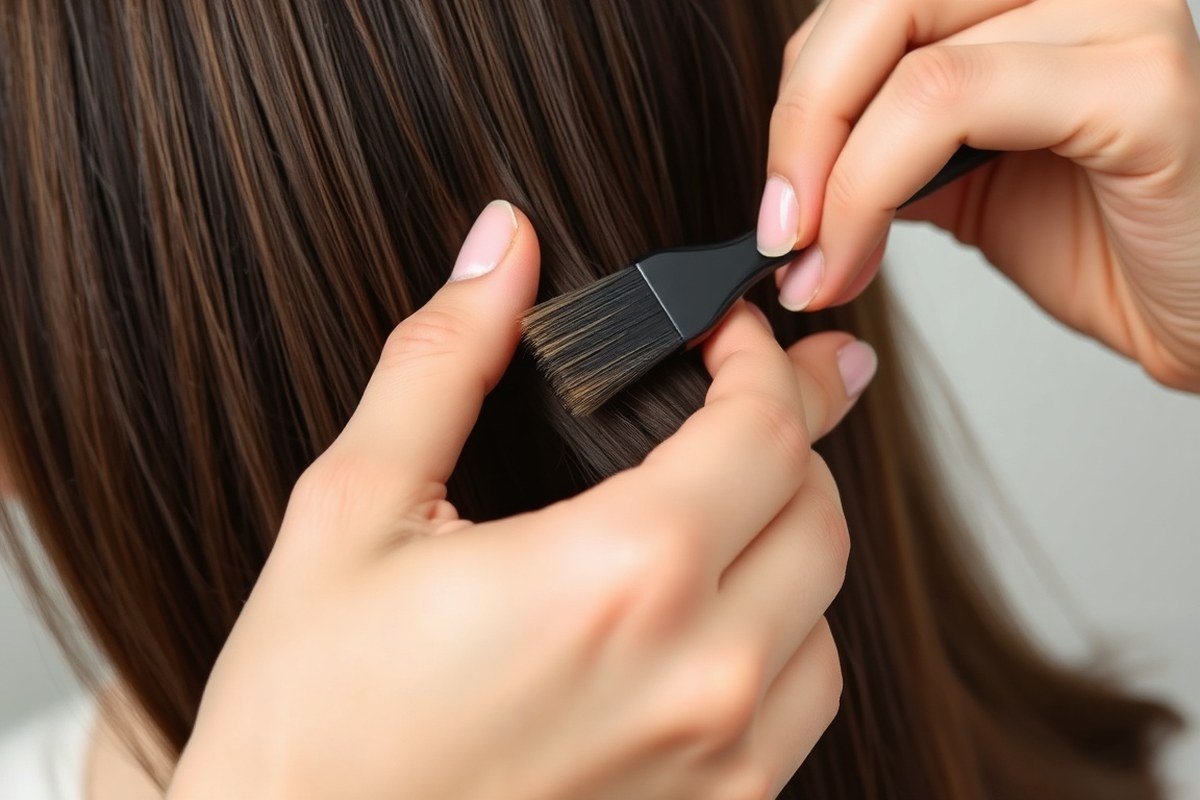
Dyeing your hair at home takes patience and the right steps. You want even coverage and a color that lasts. Setting aside 1 to 1.5 hours helps you avoid rushing at any stage.
You’ll need gloves and a mixing bowl for the dye. Use a dye brush and clips to section your hair. Also, grab an old towel and a timer.
Wear clothes you don’t mind staining. Using the right tools ensures the dye goes on smoothly and evenly.
- Mix the hair dye: Follow your box instructions exactly, combining color and developer in the bowl. Mix well for an even blend.
- Section your hair: Divide hair into four or more parts using clips. This makes applying the dye easier and more thorough.
- Apply dye to roots first: Roots take longer to absorb the color. Start by putting dye on the roots. Use the dye brush to cover roots evenly on each section.
- Spread dye through the lengths: After roots, apply dye from mid-length to ends. Hair here is older and more porous, so it picks up color faster.
- Let the dye develop with hair loose: Keep your hair down to avoid uneven patches. The dye box says how long you should leave it on. This is usually 25 to 45 minutes. Set a timer to keep track.
- Rinse out with lukewarm water: Use gentle water to rinse until it runs clear. Do not shampoo unless the instructions say so; use conditioner to help seal color.
- Dry and style: Gently towel dry and style as usual. Avoid heat if your dye routine suggests waiting to protect your new color.
Good results mean no missed spots and a vibrant, even color. Rushing or skipping roots can create shadow lines or fading fast.
Be generous with dye and patient with timing. That’s the key to a salon-like finish at home.
Choosing the Right Hair Color and Dye Type

You choose your hair dye based on the look you want and your hair’s condition. Permanent dyes last longest and cover gray hair best.
Semi-permanent options work if you want a short-term change without damage. Temporary dyes work for a quick update but fade fast.
Permanent vs Semi-Permanent Dyes
Permanent hair dye fully changes your natural color and lasts until your hair grows out. It works well on gray hair, covering at least 25% gray with good results. These dyes use a developer that opens hair cuticles, letting color stick deep inside.
Semi-permanent dye stains hair but doesn’t fully penetrate the shaft. This makes it less damaging, but the color fades in 4 to 12 shampoos. It’s great for trying fun colors or refreshing your shade without a long commitment.
| Your Goal or Starting Point | May Be Suitable for At-Home Color | Consider a Professional Assessment |
|---|---|---|
| Temporary change or color refresh | Temporary, semi-permanent, or color-depositing products | Hair that is porous, stained, fragile, or uneven needs special care. |
| Gray or root maintenance | Compatible permanent shade on new growth only | Resistance, scalp sensitivity, or banding issues |
| Going darker or changing tone | Modest changes within product guidelines | Significant color correction or bleached hair |
Permanent dyes suit full coverage and longer results. Semi-permanent dyes suit quick or noncommittal changes. The type of dye you pick should match your goals and hair health to avoid damage.
Do not try to lighten hair at home; it often damages and looks uneven.
Matching Shades to Your Skin Tone
Pick hair colors that fit your skin’s undertones for a natural look. Warm skin tones look best with golden, copper, or warm brown shades. Cool skin tones work well with ash, platinum, or cool brown hues.
Eye color can also guide you. Blue eyes suit cooler blondes or light browns. Green and hazel eyes pair nicely with warmer reds or browns, bringing out their brightness.
Test a few shades on your jawline or wrist under natural light. Pick a color close to your skin tone.
Make sure it doesn’t dull your look. Avoid shades that wash you out.
Special Considerations for Gray Hair
Gray hair needs permanent dyes for full coverage. Semi-permanent colors won’t cover gray effectively because they only stain the surface. Look for permanent kits designed for gray coverage.
Choosing a shade close to your natural color or one shade lighter works best. Drastic shade changes on gray hair may end uneven or patchy. Use permanent dye only on new growth for root touch-ups.
Your scalp might be sensitive or your hair fragile. Talk to a pro before coloring your whole head.
Gray hair is often drier and more fragile. So products that include conditioning ingredients help maintain hair health.
Preparing Your Hair and Tools for Dyeing
Before dyeing your hair at home, you need to prepare your hair and tools carefully. Wash your hair at the right time and do a safety patch test. Gather all the supplies you’ll need before starting.
Washing and Condition Timing
Wash your hair with a clarifying shampoo about 24 hours before dyeing. This removes build-up without stripping natural oils, which helps the dye stick better. Avoid washing your hair right before coloring to keep the scalp’s natural oils intact.
You should apply dye on dry hair, so don’t shampoo on dye day. After dyeing, wait at least two days before washing your hair.
This helps the color set fully. Using conditioner in the 24 hours before dyeing keeps hair smooth and prepared.
Conducting a Patch Test
Doing a patch test is key to avoid allergic reactions. Mix a small amount of the hair dye with the developer according to package instructions. Apply it behind your ear or on the inside of your elbow.
Leave the test spot uncovered and do not wash it off for 48 hours. Watch for redness, itchiness, or swelling.
Stop using the dye if irritation shows. Then, talk with a professional.
Patch tests cost nothing if you use small leftover product from the dye kit. They can save you from serious skin problems later.
Tool Checklist for Your Dye Session
Set up your space with all your tools before you start. Having everything ready prevents rushing and mistakes during application. Use a towel you don’t mind staining on your shoulders.
- Hair dye kit with color and developer
- Gloves to protect your hands
- Hair clips to section hair evenly
- Comb for detangling and distributing dye
- Vaseline or petroleum jelly to protect skin around your hairline
- Old towel or cape to catch drips
- Makeup remover wipes to clean dye from skin
You can use a plastic bowl and brush for better precision. But most kits include enough tools already. Keep your phone or timer nearby to track dyeing time exactly.
Applying Hair Dye Correctly for Even, Long-Lasting Results
Start by dividing your hair into sections to make the dyeing easy and even. Use clips to hold each section up, working with one at a time. This keeps you from missing spots or overapplying dye.
Apply dye first to your roots, since they usually need more processing time than the lengths. Roots tend to be darker or less processed.
So that helps color match and fade evenly. After roots, comb the dye down through the rest of your hair for full coverage.
For tricky spots like hairlines, use a smaller brush. The same goes for behind ears or the nape. You can also use your finger for a precise apply.
Pay attention to saturation, so you avoid patchy or uneven spots. When the dye seems thin in spots, add more carefully. Avoid making clumps while you add extra dye.
- Section your dry, unwashed hair into four parts and clip each out of the way.
- Put on gloves and mix the dye according to package instructions.
- Apply dye to about a one-inch square of roots at a time, starting at the front.
- Clip each dyed section away after applying color to prevent overlap.
- Use a wide-toothed comb to brush dye down from roots to tips, covering all lengths.
- Go over tricky spots with a small brush or fingertips for even saturation.
- Leave dye on for the recommended time, then rinse thoroughly with cool water.
You can dye your hair alone. But be patient and use mirrors to check all angles.
Uneven dye usually comes from hurrying or skipping sections. Taking your time will help the color last longer and look natural.
For gray or coarse hair, root application is key because those hairs absorb dye slower. Make sure to fully cover the gray areas first, then blend the rest. This technique keeps your look uniform and vibrant.
Common Mistakes and How to Fix Them Quickly
Uneven color and patchiness happen when you don’t use enough dye or rub it unevenly. You should apply generous amounts and section hair carefully.
Fine hair soaks up color faster. So avoid super dark shades on thin hair to prevent uneven tones.
Getting dye on your skin is common but fixable. Wait one minute for the dye to dry.
Then gently wipe it off with a makeup remover wipe or a cotton ball dipped in oil. Using harsh scrubs or bleach might irritate your skin, so stick to gentle options.
Your color looks too dark? Try shampooing your hair a few extra times. The color usually fades a bit within 1 to 2 weeks with regular washing.
For color that is too light, apply another coat soon. You can also use a color-depositing conditioner until you get the right tone.
- Use plenty of dye; too little causes patchy spots.
- Work in small sections for even coverage.
- Remove dye stains with oil or makeup remover wipes quickly.
- Shampoo to fade overly dark color gradually.
- Apply another dye coat if color is too light.
- Wear gloves to avoid staining your hands.
- Keep a timer to avoid leaving dye on too long.
You may notice discoloration lasting a few days if you had light hair before coloring. It fades with washing and time. Harsh dye stains on your skin?
Gently rub a paste made of baking soda and dish soap. Always rinse well afterward.
Work fast but carefully, applying dye liberally to wet hair for best results.
How to Care for Your Color-Treated Hair Post-Dye
After dyeing your hair, wash it gently using shampoos made for color-treated hair. These shampoos contain pigments that help slow down color fading. Avoid regular shampoos because they can strip color and dry your hair out faster.
Conditioning is just as important. Use a conditioner formulated for dyed hair each time you wash. It helps lock moisture inside your hair.
This keeps your color bright. The color stays vibrant longer.
To protect your new color, try to wash your hair less often. Washing two to three times a week is usually enough. Excessive washing can fade the dye faster and cause dryness.
When washing, use lukewarm water instead of hot. Hot water opens your hair cuticles and lets the dye wash out quicker. Aim for cooler rinses to help keep the hair shaft closed and color sealed.
Spend lots of time in the sun? Protect your hair with hats. Use sprays that have UV filters too.
Sunlight breaks down color molecules, leading to dullness. Avoid harsh swimming pool chemicals on your hair.
Wear a swim cap to protect it. This stops greenish tones and fading.
Deep conditioning treatments once a week help repair and nourish dyed hair. These treatments add moisture and strengthen hair strands. You can buy ready-made masks or make your own with natural oils like coconut or argan.
Know your re-dye schedule to avoid damage. Permanent colors usually last 4 to 6 weeks, so plan touch-ups around that. Overlapping dyeing too soon can cause dryness and breakage, especially near the scalp.
Semi-permanent dyes and color-depositing shampoos act differently. They smooth color on the surface and wash out in 4 to 12 shampoos. Use these products in between permanent dye sessions to refresh your color without extra chemicals.
For caring color-treated hair on any budget, focus on gentle care and protection. Choose color-friendly products under $15 at drugstores.
Avoid heat styling too often. Always use a heat protectant spray before blow-drying or curling.
When to Avoid DIY and Seek Professional Hair Coloring
Avoid dyeing hair that is very damaged or chemically treated at home. The FDA recommends waiting 14 days after bleaching, relaxing, or perming before coloring. Dyeing too soon can cause breakage and uneven color.
Save major color changes like highlights or balayage for a salon visit. Pros have special tools and skills for these complex results. They also use better-quality dyes than the box kits you find at drugstores.
Your hair may need a professional if it feels dry or breaks easily. Brittleness and breakage show it needs special care.
They can assess your hair’s health and suggest safe treatments. Home dyeing on fragile hair often leads to patchy or faded color.
Call a colorist to change your hair color family. For example, going from brown to platinum blonde needs expert help. They can achieve a better look safely.
This usually requires multiple processes to avoid severe damage. A pro’s experience helps protect your hair and reach the shade you want safely.
Ask your friends or salon for a specialist in the color technique you need. Some colorists focus on natural looks, others on creative or bold styles. Choosing the right expert matters for great results.
Think about your hair’s health and your style goals first. It helps to decide whether to dye at home or see a pro. This gives you the best results.
Keep it simple if your hair is healthy and you want a small shade change. Pick a pro if your hair has been heavily processed or you seek dramatic, multi-step color.
Timing Your Hair Dye Session and Hair Color Longevity
At-home hair dyeing usually takes about 45 to 60 minutes from start to finish. You need to allow time for preparation, applying dye, and letting it process. Afterward, proper timing for washing and upkeep keeps your color fresh for weeks.
Recommended Timing for Dye Application and Development
Start by applying dye to your roots first since they often need the longest processing time. Leave it on for about 30 to 45 minutes depending on the product’s instructions.
After you treat the roots, apply dye to the rest of your hair. Let it sit and process for 15 to 30 minutes.
Check your color toward the end to avoid overprocessing, which can cause damage and uneven shades. The total time on your hair is usually 40 to 60 minutes with permanent dyes. Semi-permanent types often need less time, around 20 to 30 minutes.
Post-Dye Washing and Care Timeline
Wait at least 48 hours before washing your hair after dyeing it, especially with permanent dye. This pause lets the cuticle seal, locking in color and reducing fade. Use cool or lukewarm water instead of hot to keep color lasting longer.
Shampoo and conditioner made for color-treated hair help maintain brightness and stop premature washing out. Avoid daily washes since frequent shampooing strips color and natural oils. Try washing every two to three days if possible.
How Often to Repeat Dyeing Sessions
Permanent hair color often needs a touch-up every 6 to 8 weeks. This helps cover new growth and keep the color bright.
People with fast hair growth or grey hair may need to redo roots sooner. Full-color refreshes happen every 8 to 12 weeks depending on how faded your shade looks.
Semi-permanent dyes fade faster, often needing reapplication every 3 to 4 weeks. These work well if you want to experiment with color changes or avoid harsh chemicals. Remember that overdoing dyeing can harm your hair, so proper gaps are essential.
Always follow the specific dye instructions for timing. Overprocessing or early rinsing both harm your results.
Step-by-Step Action Plan to Dye Your Hair at Home
Follow these steps to get great color results and keep your hair healthy. Check each step carefully to avoid mistakes.
- Before you start: Do a patch test 48 hours before dyeing. Watch for any redness or irritation.
- Day 1: Prepare your hair by washing it a day ago but don’t condition. Hair needs natural oils to protect your scalp.
- Day 1: Gather all tools and dye ingredients. Check the instructions and measure the dye and developer carefully.
- Day 1: Apply dye evenly to clean, dry hair. Use sections and start at roots if you’re touching up.
- Day 1: Let the dye sit for the time suggested on the box. Do not leave it on longer than advised.
- Day 1: Rinse your hair with lukewarm water until it runs clear. Use conditioner from the kit to lock in color.
- First week: Use shampoo and conditioner for color-treated hair. Avoid heat styling to keep color bright.
- After 3-4 weeks: Check your roots for regrowth. Decide if you can touch up or if a professional is needed.
Frequently Asked Questions
How Do I Fix Patchy Hair Dye at Home?
Use a small brush to apply dye to missed spots. Blend carefully to even out the color for a natural look.
Can I Dye My Hair If It’s Damaged or Dry?
It’s best to avoid dyeing very dry or damaged hair. Dye can make it worse, so deep condition first and wait.
What Should I Do If Hair Dye Gets in My Eyes?
Rinse your eyes immediately with plenty of water. Seek medical help if irritation continues or worsens.
How Do I Know If I’m Allergic to Hair Dye?
Do a patch test 48 hours before dyeing your hair. Watch for redness or itching to avoid reactions.
Can I Mix Different Hair Dye Brands Safely?
Mixing brands isn’t recommended because formulas vary greatly. Stick to one brand for predictable results.
Is It Okay to Dye My Hair Every Week?
Dyeing every week can damage your hair severely. Space dye sessions at least 6 to 8 weeks apart.
Before You Go
Dyeing your hair at home can work well with the right steps and care. Take your time and follow instructions closely for the best color. Next, pick your hair color and prepare your tools to get started today.