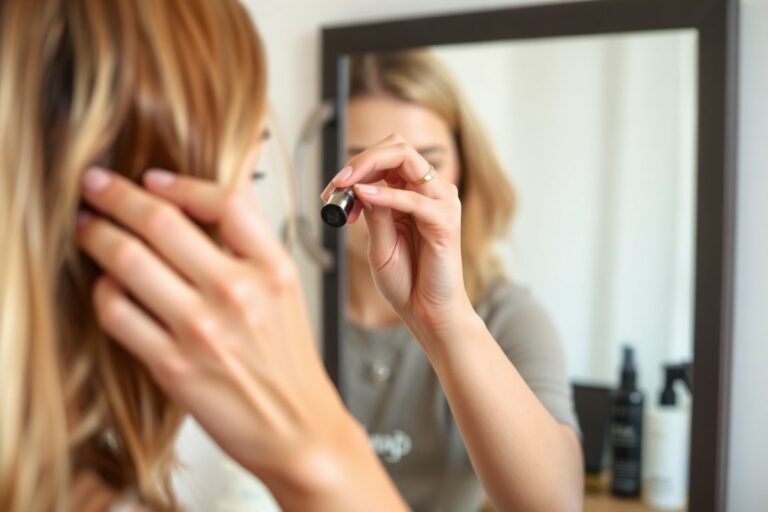
What Does Texture Spray Do? A Complete Guide to Volume and Style
What does texture spray do for your hair? It adds volume, texture, and grip to flat or limp hair.
Texture spray helps create movement and body without making hair stiff or greasy. It also refreshes second-day hair by absorbing excess oils and adding bounce.
It works by coating hair strands with light hold ingredients. These ingredients lift hair from the roots and give a matte finish.
That makes hair look thicker and easier to style. Texture spray also improves hold for styles like braids and updos.
To get the best results, shake the can well before use. Hold it 6 to 10 inches away and spray evenly, focusing on roots and mid-lengths.
Using texture spray before backcombing can boost volume even more. You can also scrunch your hair after spraying for a casual, tousled look.
Key Takeaways
- Shake texture spray before applying to ensure an even formula.
- Hold the can 6 to 10 inches away when spraying hair.
- Spray roots and mid-lengths for added volume and texture.
- Flip hair upside-down and blow dry 70% dry for fuller look.
- Use texture spray before backcombing to intensify volume.
- Texture spray is not dry shampoo; it doesn’t absorb oil.
What Does Texture Spray Do to Your Hair?

Texture spray adds volume and lift by coating your hair strands. It gives your hair a light, touchable hold without heaviness. Use it to make fine or limp hair look fuller and more alive.
The spray also creates grip, which helps your hair hold styles better. This is great for braids, updos, or tousled looks. Spraying from roots to tips while lifting hair sections targets both volume and natural texture.
Texture spray boosts your hair’s natural feel with a lived-in matte finish. It adds bounce and definition but lets your hair move freely, unlike stiff hairsprays. For messy, casual styles, it’s a great tool to boost waves.
It helps create 80s-style volume before you backcomb your hair. This spray works well for adding texture and body.
Applying texture spray on dry hair gives instant lift and dimension. Hold the can 6-10 inches away and spray evenly, focusing more at the roots for lift. Light mists along the hair length add texture without weighing hair down.
Using texture spray doesn’t give a glossy, sticky look. Instead, it slightly roughens the hair surface to catch light and hold styles naturally. This makes it easier to shape hair and refresh volume during the day without buildup.
How Texture Spray Works: Key Ingredients and Mechanism
Texture spray works by coating your hair strands with lightweight polymers like Polyquaternium-72. These ingredients create a thin layer on your hair. This layer adds some grip.
It gives a light hold without stiffening your hair. This lets you style your hair several times a day without it feeling crunchy or dry.
Polyquaternium-72 is key because it balances hold and softness. It sticks to each strand, creating texture and volume while keeping your hair flexible. This means your hair stays soft and natural.
It feels touchable and not sticky. Hairsprays make hair firm, but this does not.
When you spray texture spray, it adds surface roughness to your hair. Your hair becomes easier to style and shape. This helps when making loose waves shine.
It’s great for tousled, casual looks too. The spray also lifts strands at the roots, helping fine hair look fuller and less flat.
Texture spray works better on dry hair. Damp hair stops it from gripping well. Dry hair gets the best hold from texture spray.
Shake the can well before use to evenly distribute the polymers. Hold the spray 8 to 10 inches from hair.
Mist lightly to avoid buildup. Too much product can weigh hair down.
Lightly mist your hair and build layers gradually. Too much spray can make hair feel gritty.
The effect lasts for hours but stays workable. So you can tweak your style throughout the day. That’s why texture spray works for messy styles.
Beachy waves and updos need a soft hold. Texture spray gives just the right touch. It also adds volume without grease or heaviness, leaving a matte finish.
Depending on your hair type and style, you might need more or less spray. For thin hair, start with a small amount to avoid weighing it down. Curly or thick hair can handle more since texture spray helps keep curls defined without stiffness.
When and How to Apply Texture Spray for Best Results
Spray texture on dry hair for a quick volume boost. Use on damp hair to build texture slowly.
Hold the can 10 to 12 inches away and spray evenly, focusing on roots or mid-lengths. Position your head to let the spray settle under lifted sections for better hold and body.
Spraying on Dry Hair: Step-by-Step
Spraying texture spray on dry hair is great for instant volume and hold after styling. Use texture spray on clean, dry hair for body. Spray it midday to refresh your style.
- Shake the can well to mix ingredients evenly.
- Part your hair into horizontal sections at the crown.
- Lift each section gently away from your scalp.
- Hold the can about 10 to 12 inches from the hair.
- Spray lightly underneath each lifted section to add structure.
- Let the spray settle for a few seconds before releasing the hair.
- Repeat on other sections if needed, avoiding heavy buildup.
- Style with fingers or a wide-tooth comb to smooth and shape.
Using Texture Spray on Damp Hair for Volume
Apply texture spray to damp hair to add grip and shape as it dries naturally. Avoid using it on soaking wet hair. The spray works best when hair is towel-dried and just slightly damp.
Spray from mid-lengths to ends to encourage waves, curls, or a beachy look. For more hold, you can spray again after your hair dries and you style it.
Head Positioning for Maximum Lift
Tilting your head upside down while spraying puts your roots in full view for the spray. This position helps distribute the spray evenly under your hair for better volume.
Lift hair sections at the crown for spraying underneath. This helps the spray support the hair from inside. Avoid spraying only on top; it can make hair look dry and flaky.
How Far to Hold the Can from Hair
Hold the texture spray can 10 to 12 inches away from your hair. This distance spreads the spray evenly without overloading one spot.
Spraying too close causes heavy buildup and can make hair stiff or overly dry. Too far away means the spray misses the scalp and hair strands, giving weak results.
Types of Texture Sprays and How to Choose One
You’ll find two main types of texture sprays: dry and wet. Each works differently depending on if you apply it before or after styling.
The finish, weight, and hold also vary. So picking the right one matches your hair type and look.
Dry vs. Wet Texture Sprays Explained
Dry texture sprays give your hair instant grit and volume without any moisture. They work best on dry hair by adding thickness and grip to help with styling. Wet texture sprays go on damp hair.
They help create waves. They also set a softer hold style.
Spraying dry texture spray lightly on dry hair before styling boosts grip. Wet sprays like salt spray add texture and body. Use on damp hair.
They dry with natural movement. Each type supports hair differently depending on your hair’s natural moisture and your style goal.
Matte Finish vs. Shine: What to Expect
Matte finish texture sprays add volume and texture without extra shine. These work well on oily or fine hair to give a natural, lived-in look. Shiny texture sprays add gloss and smooth out frizz.
They still give you definition. They add body too.
A matte finish feels light and powdery. Shiny sprays add a touch of polish.
Go matte for fuller, thicker hair without greasiness. For a polished style that still feels touchable, try sprays designed to add shine.
Choosing Texture Spray by Hair Thickness and Curl Pattern
Fine hair benefits from lightweight or dry texture sprays that lift hair without weighing it down. Thick or coarse hair needs stronger spray with more hold.
These tame and shape curls or waves. Curly hair often responds well to wet texture sprays or sprays with moisturizing ingredients.
Use this simple decision table to help choose what fits your hair type and style goals:
| Hair Type | Texture Spray Type | Finish | Recommended Benefit |
|---|---|---|---|
| Fine, straight | Dry, lightweight | Matte | Adds volume without weight or shine |
| Fine to medium, wavy | Wet or dry | Matte or light shine | Improves texture and touchable hold |
| Thick, curly | Wet or thickening | Shiny or matte | Defines curls and controls frizz |
| Coarse or coarse curly | Thickening, moisturizing | Shiny | Softens and adds body without dryness |
For fine hair, a dry finish working texture spray is ideal. Thicker hair can handle sprays with a bit more grip and shine. Always start with a small amount and adjust to your hair’s response.
Popular Ingredients to Look For
Look for ingredients that match your hair needs. Volcanic minerals help absorb excess oil and add texture.
Salt sprays create beachy waves but can dry out very fine hair. Lightweight polymers offer hold without stiffness, especially for fine or wavy hair.
Some texture sprays include moisture boosters to keep curls soft and defined. Others soak up grease while delivering fullness. Choosing a formula with gentle ingredients also helps reduce buildup when used regularly.
How Texture Spray Compares to Dry Shampoo and Hairspray
Texture spray, dry shampoo, and hairspray have different jobs for your hair. Texture spray adds grip, body, and a bit of roughness to help style your hair.
Dry shampoo soaks up oil and refreshes hair between washes. Hairspray locks your style in place and adds hold.
Texture spray is not like dry shampoo because it doesn’t clean or absorb oil. Use texture spray on clean hair to shape waves better. Dry shampoo goes at the roots to stop hair from looking greasy, usually on second-day hair.
Hairspray holds hair tightly without adding texture or volume. You apply hairspray last after styling to keep your style.
Texture spray can be used before, during, or after styling to add natural body. Texture spray feels softer and less stiff compared to hairspray’s firm hold.
| Product | Main Function | Best Use | Application | Effect on Hair |
|---|---|---|---|---|
| Texture Spray | Adds grip, volume, and texture | During or after styling, or on dry hair for waves | Spray on dry or damp hair, focus near roots for volume | Gritty, touchable, soft feel; boosts body without stiffness |
| Dry Shampoo | Absorbs oil and refreshes hair | Between washes, on greasy, second-day hair | Spray at roots; leave a few minutes for oil absorption | Reduces oil, cleans appearance but no styling hold |
| Hairspray | Holds style in place | After styling to keep hair fixed | Spray evenly from 8-12 inches after finishing style | Firm hold, stiffens hair, can feel crunchy if overused |
| Mousse | Adds volume, soft hold, and body | On damp hair before blow drying for lift | Apply a golf-ball size amount to roots and lengths | Volumizes with light, flexible hold and some texture |
| Styling Cream | Controls frizz, smooths hair, adds light hold | On dry or damp hair for polished look | Work a pea-sized amount through hair with fingers | Sleek finish, soft texture, little to no volume |
The right choice depends on what you want. Pick dry shampoo for freshness without washing. Choose texture spray to give hair body and styling grip.
Use hairspray to lock that style tight. Mousse adds volume when you blow dry, and cream controls frizz without weight.
Don’t confuse texture spray with dry shampoo, texture spray won’t clean oily roots. Use them separately depending on your hair needs.
Styling Tips: Using Texture Spray for Volume, Waves, and Updos
Texture spray helps you create volume, define waves, and add grip for braids or updos. It gives your hair flexible hold and texture without stiffness. Use it at different steps depending on the style you want.
Creating Volume for Blowouts
Start with damp hair to build volume easily. Texture spray adds lift and fullness for a salon-style blowout.
Apply it before blow-drying for best results. This keeps hair light and airy without weighing it down. Follow a few simple steps to get a bouncy, voluminous look:
- Spray a heat protectant evenly on damp hair.
- Apply texture spray from roots to mid-lengths for volume.
- Blow-dry hair using a round brush, lifting sections at the roots.
- Finish with more texture spray for extra body, if needed.
- Use a light hairspray to hold the style all day.
Improving Beachy Waves and Curls
Texture spray can boost natural curls and waves by adding definition and bounce. It also helps hold the shape without crunchiness.
Use it after curling or scrunching your hair. This locks in waves and adds soft texture. Follow these steps to get easy, tousled waves:
- Finish curling with a curling iron or diffuser.
- Spray texture spray evenly through your hair.
- Scrunch your hair gently with hands to improve waves.
- Let your hair air-dry or use a diffuser for extra bounce.
- Optionally, mist with a light hairspray to keep waves all day.
Adding Grip to Braids and Updos
Texture spray helps hair grip together for neat braids or secure updos. It adds slip-free hold and volume.
Apply it both before and after styling to keep strands in place longer. This avoids slippage and flyaways. Try these steps for braids or updos that stay put:
- Start with dry or slightly damp hair.
- Spray texture spray evenly over hair for grip and volume.
- Create your braid or style your updo as usual.
- Finish by misting texture spray lightly to lock the style.
- Touch up the spray on loose strands during the day if needed.
Touching Up Styles Midday
Texture spray can refresh limp or flat hair without washing. It adds instant volume and texture fast.
Spray near roots and scrunch to revive volume. This works well on blowouts, curls, or braids. Use these quick steps anytime you want to lift your hair:
- Hold the texture spray about 6 to 8 inches from your head.
- Spray lightly at the roots and mid-lengths.
- Use your fingers to scrunch or tousle hair gently.
- Focus on areas that feel flat or look oily.
- Avoid too much product to prevent stiffness or buildup.
Common Mistakes with Texture Spray and How to Fix Them
Using texture spray often leads to some common errors that reduce its effect. Overapplying can weigh hair down and leave a crunchy feel. Aim for a light mist instead of thick coats to keep hair flexible and soft.
Many users spray too close to their hair, resulting in uneven texture or clumps. Hold the spray about 8 to 12 inches away for fine, even coverage. This distance helps the mist spread properly without dampening spots.
Applying texture spray on wet hair happens a lot but can cause issues. Spraying on damp hair helps to create waves.
Using it on soaking wet hair stops it from working well. Let your hair air dry for a few minutes after towel drying before spraying.
- Overuse: Spray less to avoid stiffness and flakes.
- Spraying too close: Hold 8, 12 inches from your hair.
- Using on soaking wet hair: Wait until hair is damp, not wet.
- Neglecting to scrunch: Gather sprayed hair in your hand and scrunch for better texture.
- Ignoring root spray: Focus on roots and lengths for balanced volume and texture.
- Not sectioning hair: Spray in sections to cover evenly and avoid clumps.
It also helps to scrunch your hair after spraying. Grab a section, close your fingers around it, and squeeze.
That moves the spray through strands and builds a tousled look without stiffness. Spraying section by section gives more control and avoids overdoing any spots.
For volume, target spray at hair roots, while spraying mid-lengths and ends adds texture. Avoid just spraying one area or you’ll miss out on the full effect. Let your hair set for a few minutes.
Or, gently blow dry on low heat to lock in your style. These steps help keep your hair looking natural, bouncy, and full of life.
Safety and Hair Care Considerations When Using Texture Spray
Texture spray can dry out your hair if you use it too often. Many sprays contain alcohol, which strips moisture from your strands. This can lead to brittle hair and split ends, especially for fine or damaged hair types.
To avoid dryness, try not to use texture spray every day. Use it only two or three times a week. This helps protect your hair’s natural oils.
You avoid drying out your hair this way. Washing your hair regularly will also help remove product buildup that may weigh your hair down.
Moisturizing is key when you use texture spray. After washing, apply a deep conditioning mask once a week. This keeps your hair soft and strong.
It helps fight the drying effect of alcohol in the spray. Your hair stays healthier using this method.
People with fine hair should look for texture sprays with added conditioners or nourishing ingredients. These formulas protect the hair while giving it volume and texture. Avoid sprays with heavy silicones or sulfates, as they can cause damage over time.
Don’t overdo texture spray, build up leads to dryness and dull hair.
Apply texture spray mostly the day after washing, not right after shampooing. This timing keeps styles fresh without removing natural oils. To get volume and hold without damage, spray lightly first.
Then add more spray little by little. This lets you build the style safely.
Checking product labels helps you find sprays with less harsh chemicals. Some cost $10 to $20 per bottle and focus on hair health. Choose one that fits your hair type and use it sparingly for best results.
Your Quick-Start Action Plan for Using Texture Spray
Use this plan to start applying texture spray the right way. Follow each step and watch your hair transform.
- Before styling: Shake the texture spray well to mix ingredients. This helps the spray work evenly on your hair.
- Right after washing (Day 1): Spray a small amount on damp hair. Focus spray on roots and mid-lengths. Your hair should feel slightly gritty but not stiff.
- Styling (Day 1): Use your fingers to scrunch hair. Or use a blow dryer with a diffuser. Scrunch and lift hair as you dry. You’ll notice more lift and natural waves forming.
- Daily touch-ups (Day 2 and onward): Spray a little on dry hair. Use this to refresh volume and texture. Your hair will look less flat without re-washing.
- Once a week: Deep condition overnight to counter dryness from texture sprays. Your hair stays soft and healthy.
- After several uses: Adjust the amount of spray based on your hair type and style needs. More on fine hair, less on thick hair to avoid heaviness.
- Before special styles: Use texture spray as a base for updos or braids. Your hair should hold better and look fuller.
Frequently Asked Questions
What Does Texture Spray Do to Fine Hair?
Texture spray adds volume and grip to fine hair without weighing it down. It lifts roots and creates a fuller look throughout the day.
Can Texture Spray Help with Oily Hair?
Texture spray is not for oil control like dry shampoo. Use dry shampoo to absorb oil, then add texture spray for volume and style.
Is Texture Spray Suitable for Curly Hair?
Yes, it improve definition and grip in curly hair. It helps create a tousled, natural look without tightening curls.
How Long Does Texture Spray Typically Last in Hair?
Texture spray usually lasts a whole day, depending on hair type and activity. Reapply lightly if texture fades or hair feels flat.
Can I Use Texture Spray Before Heat Styling?
Yes, apply texture spray at the roots before heat styling. It acts like a primer and helps add volume and hold.
Does Texture Spray Make Hair Sticky or Crunchy?
Good texture sprays don’t leave hair sticky or crunchy. They give grip and volume with a light, dry finish.
Key Points to Remember
Texture spray gives you volume, grip, and natural hold without heavy buildup. Start by adding a little to damp hair, then style as usual. Next, try texture spray on dry hair for quick volume boosts anytime.