What Does Mousse Do for Hair? A Complete Guide with Styling Tips
What does mousse do for hair? It adds volume, hold, and texture without weighing hair down.
Mousse lifts your roots and defines curls or waves softly. This makes styling easier and your hair look fuller for hours.
Mousse works best on damp hair, so apply it right after you towel dry. It evenly spreads to avoid sticky spots or clumps.
Look for a lightweight formula if your hair is fine or wavy. Denser mousse suits curly or thick hair better.
Using mousse gives temporary styling results that usually last most of the day. You can refresh your look by reapplying mousse or using a bit of hairspray if needed. It creates a natural, flexible hold without the stiffness gels often cause.
Key Takeaways
- Apply mousse on damp hair for even coverage and better styling control.
- Choose lightweight mousse for fine or wavy hair to keep volume without heaviness.
- Dense mousse works well on curly or thick hair to define and hold curls.
- Mousse lifts roots and adds texture, making hair appear fuller and bouncier.
- Use round brushes when blow-drying mousse-treated hair for extra volume and shape.
- Reapply mousse or add light hairspray during the day to refresh your style.
What Does Hair Mousse Do to Your Hair?
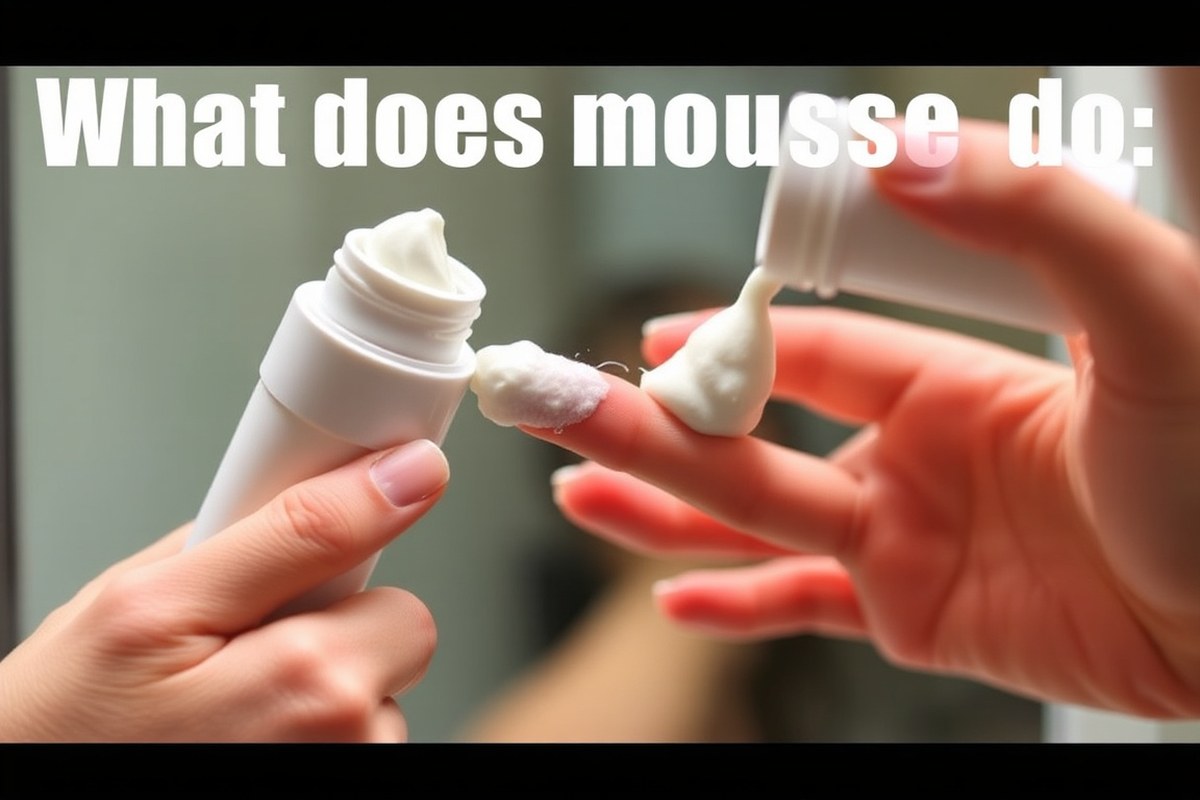
Hair mousse is a lightweight foam used for styling and shaping hair. It adds volume and texture while providing a natural, flexible hold. It doesn’t stiffen or weigh hair down like gels or creams often do.
Mousse works well on all hair types, especially fine and curly hair. For fine hair, it lifts the roots and gives fuller body. For curls or waves, it defines and clumps strands to boost shape without crunchiness.
You apply mousse to damp hair by squeezing a golf-ball-sized amount into your palm. Spread it evenly through mid-lengths to ends or focus on roots for volume. Scrunch curls gently, then air dry or use a diffuser to lock the style.
The product also helps keep curls shiny and frizz-free, especially mousses with anti-humidity ingredients. Light hold without stiffness means your hair moves naturally but stays shaped longer. It’s perfect for soft curls or waves that need staying power without residue.
How Hair Mousse Works on Different Hair Types

Hair mousse works well on almost all hair types. But its effects differ a lot.
For fine or thin hair, mousse adds volume and body without weighing hair down. It lifts roots and creates the look of thicker hair, which fine strands often lack.
Curly and wavy hair also benefits from mousse. But the focus is more on managing frizz and defining curls.
Mousse gives curls a softer hold and reduces puffiness without making hair crunchy. Thicker curls often need a richer, denser mousse that keeps curls in shape all day long.
Straight hair can gain fullness and bounce with mousse, especially if it’s fine or limp. The key is using lightweight mousse near the roots. This lifts hair without creating stiffness or stickiness.
- For fine hair: Use a volumizing, alcohol-free mousse and apply to roots.
- For medium or thick straight hair, use moderate mousse. Spread it from roots to ends for hold. This adds volume without weighing hair down.
- Curly hair: Choose a denser, moisturizing mousse to define curls and fight frizz.
- Wavy hair: Lightweight mousse improve waves without weighing them down.
- Apply mousse on damp hair before blow-drying for best volume and control.
Avoid using too much mousse, especially on fine hair. It can cause buildup and dull your style.
The way you apply mousse changes with your hair type. Those with fine hair should focus on roots for maximum lift. Curly hair needs mousse spread evenly throughout to keep curls soft and defined.
For straight hair and a natural look, use light mousse. Avoid heavy formulas that cause stiffness. Choose mousse made for volume and softness.
Different Types of Hair Mousse and Their Uses
Different types of hair mousse vary in consistency, hold strength, and moisture. Choosing the right mousse depends on your hair type and styling goals. Each type delivers specific benefits that shape your hair’s look and feel.
Lightweight Volume Mousses
Lightweight mousses add body without weighing hair down. They work well for fine or limp hair needing extra volume and bounce. These mousse types usually provide a medium hold while keeping hair soft and touchable.
For example, Herbal Essences Lightweight Hair Volumizing Hairspray offers 24 hours of soft, moisturizing hold. Use it on damp hair near roots for noticeable lift that stays flexible. Avoid heavy products if you want natural movement with extra fullness.
Curl Defining Mousses
Curl defining mousses help shape and maintain curls without stiffness. They often include moisturizing ingredients for frizz control and softness. This kind of mousse works best with curly or wavy hair to improve curl patterns gently.
Mielle Pomegranate &. Honey Curl Defining Mousse is a good choice if you want both hold and hydration.
Apply it evenly through damp curls, then diffuse dry to keep tendrils intact. Curl mousses rarely replace daily moisturizers but improve styling hold.
Moisturizing and Hold Mousses
Mousses with good moisture level suit thick or coarse hair types. These formulas add hydration while giving medium to strong hold. They keep hair smooth and manageable without crunchiness or residue.
Products like Frizz Patrol Anti-Poof Twist &. Curl Setting Mousse work across hair textures and protect against humidity.
Use them when you want a sleek finish with lasting structure. Don’t go heavy if your hair is naturally soft or fine.
Heat-Activated Mousses
Heat-activated mousses improve hold and volume after blow drying. They often react to warm air, expanding the mousse’s volume-boosting effect. This type is useful for creating styles that need structure and lift throughout the day.
Apply on towel-dried hair in small sections before using a round brush and blow dryer. This technique traps air and smooths strands for a fuller look. Overapplication can weigh hair down or cause stiffness, so start with a small amount.
Choosing mousse depends on your hair type, moisture needs, and desired hold. The table below helps compare popular mousse features and what they’re best for.
| Mousse Type | Consistency | Hold Strength | Moisture Level | Best For |
|---|---|---|---|---|
| Lightweight Volume Mousse | Light, airy foam | Medium | Low to moderate | Fine, limp hair needing lift |
| Curl Defining Mousse | Foamy, creamy | Medium | High | Curly or wavy hair |
| Moisturizing & Hold Mousse | Rich foam | Medium to strong | High | Coarse, thick, or frizzy hair |
| Heat-Activated Mousse | Light to medium foam | Medium to strong | Low to moderate | Styles needing long-lasting lift |
Check your hair’s moisture and texture before choosing a mousse. Apply mousse mostly on damp hair for the best effect.
Using too much can weigh hair down. Too little may give weak hold or volume.
How to Apply Hair Mousse Correctly for Best Results
You apply hair mousse to damp hair for the best hold and volume. It works well before blow drying or using heat tools. Using the right amount and technique helps you style your hair smoothly without stiffness.
Preparing Your Hair Before Application
Your hair should be clean and towel-dried until just damp, not dripping wet. Damp hair helps the mousse spread evenly and activate properly. Avoid applying mousse on dry hair because it won’t distribute well or provide enough volume.
Use a wide-tooth comb or your fingers to gently remove tangles. This step makes it easier to work the mousse through your hair later. Starting with smooth, untangled hair ensures better styling results.
Applying the Right Amount of Mousse
Start with a golf ball-sized amount of mousse for medium-length hair. Use less for short hair or more for thick, long hair, but avoid overusing it. Too much mousse can leave hair sticky or crunchy, reducing natural movement.
For beginners, pump mousse onto your palm and rub your hands together before application. This helps spread the product evenly when you apply it to your hair. Adjust how much you use based on your hair’s thickness and style goals.
Distributing Mousse Evenly
Begin applying the mousse at your roots to boost volume where hair is flat. Work your way down through the ends to coat each strand lightly. Use your fingers or a comb to spread the mousse.
Make sure you don’t put too much in one spot. Spread it evenly through your hair.
Use a gentle scrunching motion for curly hair to maintain natural curl shapes. For straight styles, smooth your hair down after applying mousse for a controlled look. Even distribution prevents patchy areas and uneven texture.
Using Blow Dryers or Heat Tools with Mousse
Mousse protects hair from heat damage by coating strands before styling tools touch them. After applying mousse, use a blow dryer on medium heat to activate its full volume effect. For curls, use a diffuser attachment and dry with circular motions.
Let your hair cool down before touching or combing it after heat styling. This locks in volume and hold for longer-lasting styles. Also, for extra protection, add a dedicated heat protectant spray before using hot tools.
- Wash and towel dry your hair until damp but not wet.
- Comb your hair gently to remove any tangles.
- Dispense a golf ball-sized amount of mousse into your palm.
- Rub your hands together to spread the mousse.
- Apply the mousse starting at your roots and work down to the ends.
- Distribute the mousse evenly using fingers or a wide-tooth comb.
- Use a blow dryer on medium heat, adding a diffuser for curly hair.
- Cool your hair completely before touching or further styling.
Comparing Mousse with Gel and Cream for Styling
Hair mousse, gel, and cream all style hair but differ in texture and hold. Mousse is a light foam that adds volume without stiffness.
Gel provides a stronger hold but can feel sticky. Creams offer a softer hold with moisture and smoothness.
Hold Strength and Texture Differences
Mousse feels airy and light when you apply it. Its hold ranges from soft to medium, ideal for body and bounce.
Gel creates a firm, sticky hold that lasts all day and resists frizz. Creams have the softest hold and a creamy texture that smooths without making hair stiff.
You can expect mousse to leave hair flexible. Gel might feel crunchy or hard. Cream works best if you want a natural finish with minimal hold.
Best Hair Types for Each Product
Mousse suits most hair types, especially fine or thin hair needing volume. It lifts roots and adds bounce without weighing hair down.
Gel excels with thick or curly hair that needs strong hold and frizz control. Creams fit dry or coarse hair because they add moisture and tame flyaways.
Choosing between them depends on your hair’s thickness and the style you want to keep. For example, mousse can boost limp hair but may not manage thick curls well.
Styling Goals Each Product Supports
If you want volume and body, mousse is your go-to product. It gives soft texture and holds while making styles last through the day.
Gel is preferred for sculpted looks, like slick backs or defined curls. It locks hair in place firmly.
Cream suits those who want softness and control without crunchiness. It smooths hair and is perfect for everyday styles or light curl definition. Mousse doesn’t fully replace gel or cream if you need extra hold or moisture.
| Feature | Mousse | Gel | Cream |
|---|---|---|---|
| Texture | Light foam, airy | Thick, sticky | Soft, creamy |
| Hold Strength | Soft to medium | Strong, firm | Light, flexible |
| Best Hair Types | Fine to medium hair | Thick, curly hair | Dry, coarse hair |
| Styling Goal | Volume, bounce | Sculpted, defined styles | Softness, smoothness |
| Feel in Hair | Flexible, light | Sticky, firm | Soft, non-sticky |
The table shows clear differences and helps match the product to your needs. Pick mousse for volume and lightweight hold. Choose gel for maximum hold or cream to soften and add moisture.
Using too much mousse can weigh hair down, so start with a golf-ball-sized amount.
Common Hair Mousse Mistakes and How to Fix Them
Using too much mousse often leads to sticky, weighed-down hair. Mousse contains alcohol, which can dry your strands if you apply it in large amounts. Stick to a golf ball-sized amount for medium-length hair to avoid this problem.
Applying mousse onto completely dry hair can cause a crunchy texture. You should start with damp hair instead. Damp hair helps mousse spread evenly and reduces stiffness after drying.
- Apply mousse to towel-dried hair, not bone-dry
- Use a small amount, about 1 to 2 tablespoons for medium hair
- Distribute mousse evenly from roots to ends with your fingers or a comb
- Avoid layering mousse with other heavy styling products
- Blow-dry to activate mousse’s volumizing power but avoid high heat
- Do not reapply mousse on dry hair to prevent buildup
- Choose mousses with lighter, alcohol-free formulas if available
Too much mousse can deflate curls and increase frizz instead of controlling it. Applying it unevenly creates patchy volume and messy styles. Spread it out well and use smaller quantities to keep curls intact and bouncy.
If your hair feels stiff or crunchy after using mousse, try misting it lightly with water and scrunching it gently. This helps loosen the hold and adds natural movement back. Another hack is to switch to mousses labeled as flexible hold for softer results.
How Safe Is Hair Mousse? Ingredients and Usage Tips
Hair mousse usually contains water, alcohol, polymers, and conditioning agents. Alcohol helps mousse dry quickly but can dry out your hair if used often. Some mousses add oils or moisturizers to protect dry or damaged hair.
Check ingredients before buying to avoid allergy risks. Avoid mousse with strong scents or preservatives if your skin is sensitive. Using a color-safe mousse with UV protection helps preserve dyed hair and avoids fading.
Using mousse too frequently can cause dryness and damage, especially if your hair is chemically treated. Limit mousse use to a few times a week and use a moisturizing shampoo and conditioner. This prevents product buildup that may weigh hair down.
Apply mousse to damp, not dry, hair for even coverage. Dry hair often leads to stiffness or patchy styling.
Start with a golf ball-sized amount. Add more only if needed to avoid heavy, crunchy hair.
Some mousse products contain cocoa butter. It firms up when chilled. Cocoa butter also helps protect your hair.
Others add natural oils to lock in moisture. Pick a mousse that matches your hair type and needs.
Dry or brittle hair needs extra care. Choose accordingly.
How to Choose the Right Mousse for Your Hair and Style
Choose mousse based on your hair type and the hold you want. For fine hair, pick a lightweight mousse that adds volume without weighing hair down. Thicker hair needs a mousse with stronger hold to control frizz and maintain shape all day.
Moisture is another key factor. Your hair feels dry. Look for a mousse with hydrating ingredients.
For oily hair, use a mousse that balances oil without adding shine or residue. You can layer mousse with other products.
Use leave-in conditioner first. Then add a light hairspray to build hold and texture.
- Fine hair: lightweight, volumizing mousse
- Thick/coarse hair: strong hold with frizz control
- Dry hair: moisturizing mousse with nourishing oils
- Oily hair: oil-balancing formula without residue
- Use mousse before blow-drying or styling for best shape
- Layer with light styling spray for extra hold if needed
- Avoid using too much mousse to prevent stiffness
Start with a golf-size amount of mousse for medium-length hair. Adjust based on hair length or thickness.
Spread mousse evenly on damp hair, focusing on roots for volume or all over for texture. Blow-dry or air-dry depending on your style.
Too much mousse can make hair sticky or crunchy. Start small and add more if needed.
Strong hold mousse works for styles that need stiffness. But for a softer look, pick a flexible hold mousse.
Mixing mousse with other styling products lets you customize texture and hold. Just apply mousse first, then follow with creams or sprays.
Step-by-Step Action Plan for Using Hair Mousse
Follow these steps to get the best results from your hair mousse. This plan works whether your hair is straight, curly, or thick.
- Before you start: Pick a mousse that fits your hair type and style goals. Look for lightweight formulas for fine hair and moisture-rich ones for thick or curly hair.
- After washing your hair: Towel-dry until damp, not dripping. This helps mousse spread evenly and avoid heaviness.
- Right after towel-drying: Shake the mousse can well. Squirt a golf-ball-sized amount into your hand. Adjust if hair is very short or long.
- During application: Work mousse through hair from roots to ends. Use fingers or a wide-tooth comb to distribute evenly and avoid clumps.
- Before styling: Blow-dry or air-dry your hair. Use a diffuser to keep curls defined if you have wavy or curly hair.
- After drying: Use a small amount of mousse for extra hold. Add a bit more if you want more volume. Avoid too much to keep hair natural-looking.
- Weekly: Clarify your hair once a week to remove buildup from mousse and other products. Look for clarifying shampoos designed for your hair type.
- Every few months: Assess your mousse choice. Hair needs and formulas change. Switch if your current product feels heavy or ineffective.
Frequently Asked Questions
What Does Mousse Do for Curly Hair?
Mousse defines curls without weighing them down. It adds bounce and reduces frizz, making curls look fresh and lively.
Can Mousse Make Fine Hair Look Thicker?
Yes, mousse adds volume that makes hair appear two to three times thicker. It lifts the roots for fuller-looking hair.
Does Mousse Damage Hair with Frequent Use?
Mousse is generally safe when used correctly and not daily. Choose products with nourishing ingredients to avoid dryness or buildup.
Can You Use Mousse on Dry Hair?
Mousse works best on damp hair for even distribution and hold. Applying it to dry hair may cause stiffness and uneven texture.
How Long Does Hair Mousse Hold a Style?
Some mousses can hold styles for up to 24 hours. Check the label for specific hold times, especially if you need all-day control.
Will Mousse Work on Thick, Coarse Hair?
Denser mousses help manage thick or coarse hair by providing firm hold and definition. Lighter mousses may not control coarse strands well.
Before You Go
Hair mousse adds volume, hold, and texture while working well for many hair types. Using it properly lets your style last longer without stiffness or flakes. Put mousse in your hair after washing it next time.
Watch how it changes your hair’s feel. See if the look improves.