What Does Dry Shampoo Do? A Complete Guide for Fast, Fresh Hair
What does dry shampoo do? It refreshes your hair without water, soaking up oils.
This quick fix extends the time between washes by 2 to 4 days. Dry shampoo revives your style and makes hair look less greasy fast.
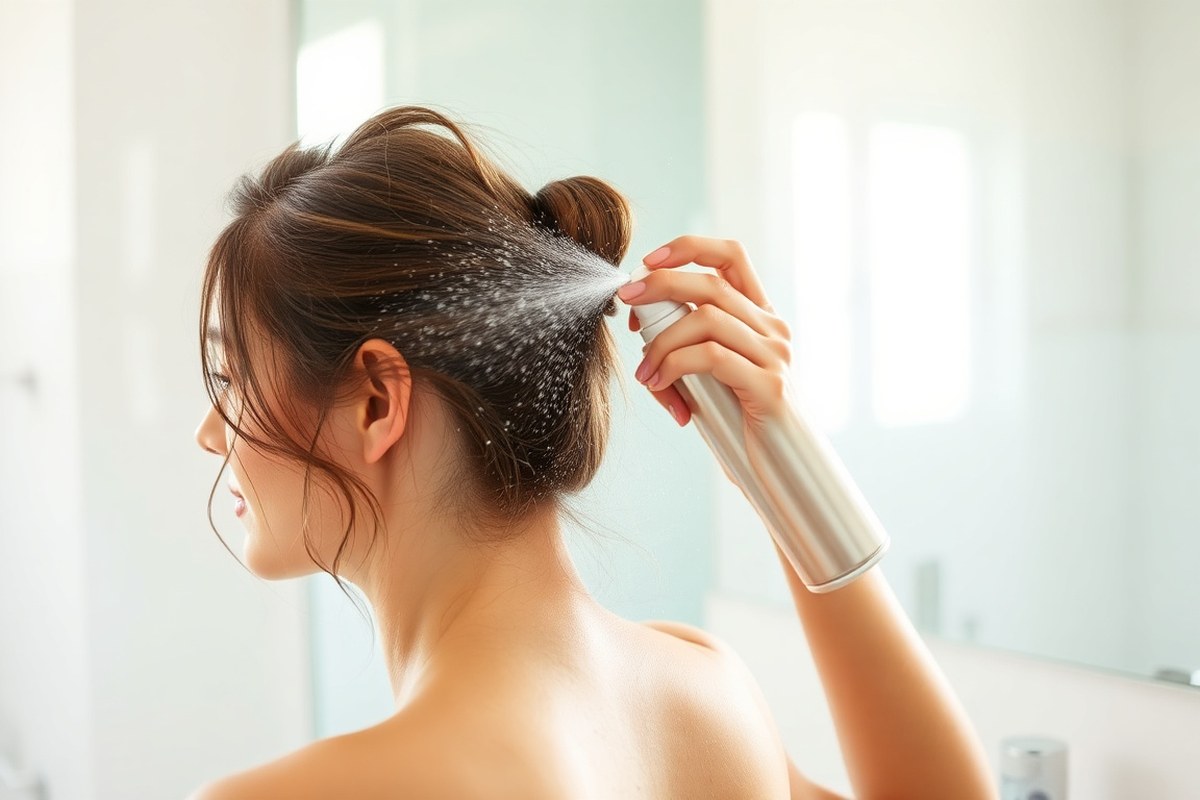
It works by absorbing oil at your roots, where hair gets the oiliest first. You spray it on your scalp, not on hair strands themselves, and let it sit briefly. After about 30 seconds, it soaks up grease, then you brush or massage it through.
Hold the can about 6 to 10 inches from your hair while spraying. Spraying too near can cause product buildup on your scalp. Keeping this distance helps your hair stay clean and fresh.
Key Takeaways
- Hold dry shampoo 6 to 10 inches away when spraying for even coverage.
- Spray mainly at the roots, where oil builds up the most.
- Let dry shampoo sit for at least 30 seconds before brushing out.
- You can skip washing for 2 to 4 extra days using dry shampoo.
- Shake the can well before spraying to mix ingredients evenly.
- Use clean hands or a brush to distribute dry shampoo evenly.
What Does Dry Shampoo Actually Do to Your Hair?

Dry shampoo mainly works by soaking up excess oil on your scalp and hair. It contains ingredients that absorb grease, making your hair look less shiny and oily. This instantly refreshes your hair without using water or traditional shampoo.
Besides oil absorption, dry shampoo also helps reduce scalp odor. It neutralizes smells that build up between washes, so your hair feels fresher. While it doesn’t wash away dirt or buildup, it masks oil and scent effectively.
Using dry shampoo gives hair a cleaner, lighter feel by soaking up natural oils. This helps your hairstyle hold better and look less weighed down. Most people can skip washing for 2 to 4 days when using dry shampoo well.
Keep in mind, dry shampoo does not clean like regular shampoo. It only freshens hair temporarily by removing the oily look and smell. You still need to wash your hair regularly to actually remove dirt and build-up.
Look for dry shampoos marked as cleansing if you want some actual cleaning effects. Those products can remove up to 95% of oil using special technology. But most dry shampoos mainly act as a quick freshener until your next wash.
To get good results, spray dry shampoo on dry hair, focusing on oily roots. Let it sit for a few minutes to absorb oil, then brush or massage your scalp. This lifts oil away and leaves your hair looking cleaner and more voluminous.
Using dry shampoo too often without washing can cause buildup that blocks hair follicles. This may trap oil and slow scalp skin renewal.
Use it carefully. Wash your hair with water and shampoo regularly to keep your scalp healthy.
How Does Dry Shampoo Work? Key Ingredients and Mechanism

Dry shampoo works by absorbing oils and sweat on your scalp and hair. It uses powders and starches to soak up excess sebum, refreshing your hair without water. The key ingredients pull in oil from the roots, making your hair look cleaner quickly.
Main Ingredients That Absorb Oil
Most dry shampoos rely on starch or alcohol-based powders. Starches come from plants like rice, corn, or oats.
These powders soak up oil and sweat by sticking to them. They lift the oil and sweat away from your scalp.
Alcohols help the powder spread evenly across your hair. They also evaporate fast, so your hair doesn’t feel wet or sticky. Some formulas mix both starches and alcohols to balance oil absorption and freshness.
How Dry Shampoo Removes Oil and Odor
When you spray or sprinkle dry shampoo on your roots, the starch and powder grab extra oil. They cling to your hair effectively.
This reduces the shiny, greasy look at your scalp. The powders also absorb sweat and odor, so your hair smells cleaner.
The oil isn’t washed away by water or shampoo. Instead, dry shampoo holds it as tiny particles on your hair.
That keeps hair looking fresh before your next wash. It also adds volume by reducing oil’s weight on your roots.
Application Distance and Timing
Hold the dry shampoo can or bottle about six to ten inches from your scalp. This distance spreads the powder evenly without clumping.
Start at the oiliest parts first, usually roots at your forehead. Then cover the crown and other greasy spots.
Gently massage or brush your hair to spread the powder and remove residue. Oil can take a few minutes to fully absorb. Waiting two to five minutes before styling lets dry shampoo work its magic for best results.
Different Formulas for Hair Types
Powder, aerosol sprays, and foams all use starch or alcohol but feel different on hair. Aerosols spread fine powders widely, which is convenient for thick or long hair. Powder formulas let you apply just to specific spots.
Some dry shampoos have tinted powders for dark hair to avoid white residue. Others include fragrances to freshen odor. Choose a formula that suits your hair texture and color to avoid buildup or visible flakes.
Use just enough dry shampoo to cover oily roots without leaving powder visible. Overuse can make hair look dull or gritty.
Types of Dry Shampoo and How to Choose the Right One
Dry shampoo comes mainly in spray, powder, and paste types. Choosing the right one depends on your hair type and what you want from it. Each type offers different benefits and works better for certain hair needs.
Spray Dry Shampoo Features and Uses
Spray dry shampoos are the most common and easy to use. They deliver oil-absorbing ingredients directly to your scalp with a fine mist. Sprays add volume and freshness fast, especially for oily hair or fine strands.
One downside to sprays is they can leave a white or flaky residue on dark hair. Choose tinted sprays made to match your hair color if you want to avoid this. Sprays are quick and mess-free, making them good for on-the-go touch-ups.
Powder Dry Shampoo Benefits and Drawbacks
Powder dry shampoos typically contain starches that soak up grease and build volume. You apply them by sprinkling or using an applicator at the roots. They work well for adding texture and body to limp hair.
Powders can sometimes leave visible residue, especially on dark hair. Massaging and brushing after application helps distribute the powder evenly and reduce flakes. Powders also let you control how much you use, which some people prefer.
Paste and Other Specialized Dry Shampoos
Paste dry shampoos are less common and usually thicker. They often come tinted to blend with hair color and suit curly or textured hair better. Pastes can hydrate while cleaning, which benefits drier hair types.
You can find foam dry shampoos for different hair types. Some have tint to suit colored hair. Others target specific hair needs.
These specialty options can help avoid the white residue sprays and powders sometimes leave behind. Pastes take a little more work to apply evenly but offer a styling boost.
Here’s a simple guide to picking your dry shampoo type based on your hair and needs:
| Dry Shampoo Type | Best For | Pros | Cons |
|---|---|---|---|
| Spray | Oily, fine hair; quick fixes | Easy, quick; adds volume fast | May leave residue; less control |
| Powder | All hair; adds texture and volume | Good control; adds body | Can look flaky; needs brushing |
| Paste | Curly, dry or colored hair | Hydrates; tinted options; no flakes | More effort; less common |
Match your dry shampoo to your hair type and styling goals. Oily scalps usually do well with sprays or powders.
People with textured or colored hair may want tinted pastes or foams. Try small sizes first to avoid buying what doesn’t suit your needs.
Step-by-Step Guide: How to Use Dry Shampoo for Best Results
To get the best results with dry shampoo, you need a clear method. Section your hair, spray from the right distance, wait a bit, then massage and brush. This keeps your hair fresh and stops white residue or clogging.
Preparation and Sectioning Hair
Start by drying your hair completely before you apply dry shampoo. Wet hair won’t absorb the product well and leaves a heavier buildup.
Divide your hair into four sections using clips or hair ties. This helps you cover the roots evenly without missing spots.
Spraying Techniques and Timing
Hold the dry shampoo spray 6 to 10 inches, about 10 cm, away from your scalp. Spray only the oily areas at the roots, not all over your head.
Spray your sections one at a time. Wait 1 to 2 minutes to let the product soak into your hair.
This helps absorb oils fully. Only then, move on to the next step.
Massaging and Removing Residue
Rub your fingertips over your scalp to spread the dry shampoo evenly. This helps absorb oils and prevents powder patches or white residue.
After massaging, use a boar bristle brush to work the powder through your hair. Brushing reduces buildup and helps your scalp breathe better.
Styling After Dry Shampoo
Once the product is worked in, you can style your hair as usual. Avoid hot tools immediately after applying to prevent product clumping.
You don’t need to wash your hair every day if you’re using dry shampoo properly. Just use it on oily spots and keep rinsing your scalp regularly. Follow these steps for the best dry shampoo results:
- Let your hair dry completely before applying dry shampoo.
- Section your hair into four equal parts to cover roots evenly.
- Hold the spray can 6 to 10 inches from your scalp.
- Spray the oily roots in each section, not all over.
- Wait 1 to 2 minutes for it to absorb excess oils.
- Massage your scalp with fingertips to spread the product well.
- Brush your hair with a boar bristle brush to remove residue.
- Style as usual, avoiding hot tools right after application.
How Often Can You Safely Use Dry Shampoo Without Damage?
Dry shampoo should not replace regular hair washing. Most experts recommend using it no more than two days in a row. Using it longer can cause buildup that clogs hair follicles and irritates your scalp.
Use dry shampoo on day two when you wash hair every two to three days. It helps keep hair fresh longer and lowers scalp irritation risk. Using it every day might dry out your scalp and cause itching or dandruff-like flakes.
- Use dry shampoo only on dry hair for best results
- Hold the spray 8 to 12 inches away when applying
- Avoid keeping dry shampoo on your scalp longer than two days without washing it out.
- Wash your hair regularly to prevent product buildup and scalp irritation
- Choose formulas suited for your hair type and scalp health
- Use dry conditioner to help maintain hair softness between washes
- Skip dry shampoo on days when you can wash and fully rinse your hair
Keep in mind that overusing dry shampoo without rinsing leads to buildup. It traps dirt and oil, which can worsen scalp conditions. Switch to a normal shampoo wash if you notice flakes, redness, or scalp dryness.
Don’t use dry shampoo for more than two days straight without a proper shampoo wash.
Common Mistakes with Dry Shampoo and How to Fix Them
White flakes often happen because dry shampoo sits on the hair surface without being spread out. Brushing or rubbing it into your scalp helps remove visible residue.
For brunettes, white residue can be more noticeable. So choosing a product with rice starch minimizes this problem.
Residue buildup happens when you use dry shampoo too often without washing. It feels gritty and can cause scalp irritation. Use dry shampoo only between hair washes to avoid buildup.
Rinse your hair fully every few days to keep it clean. This helps your scalp stay healthy and fresh. Overuse can dry out your scalp or worsen flakes.
Most scalp irritation comes from leaving dry shampoo on too long or layering too much product. When your scalp feels itchy, make sure to wash your hair with water and regular shampoo. A clean scalp stops buildup and keeps follicles healthy.
Getting an even dry shampoo application is about the right distance and method. Hold the can about 6 inches from your head.
Spray lightly, especially at the crown, then wait 30 seconds. Use your fingers or a paddle brush to spread it evenly and remove any white spots.
- Spray dry shampoo about 6 inches away from your hair
- Apply it mainly at the crown or oily spots
- Wait at least 30 seconds after spraying before touching
- Use fingers or a brush to massage it into your scalp
- Brush or shake your hair to remove white flakes
- Don’t overuse, limit dry shampoo to a few times weekly
- Wash hair regularly to remove buildup and soothe scalp
Applying dry shampoo at night gives it time to work while you sleep. Your hair looks fresher the next day.
You’ll see less residue because it absorbs oil slowly. Follow these tips to keep dry shampoo invisible and your scalp comfy.
Does Dry Shampoo Work on All Hair Types and Textures?
Dry shampoo works on all hair types but with some differences. Straight hair often shows the powder more easily.
So spraying the product about 8 to 12 inches from the scalp helps with even coverage. For fine hair, volumizing dry shampoo formulas add body without weighing it down.
Curly, coily, and thicker hair types do well with powder dry shampoo. Apply it directly to your roots for best results. This helps absorb oil without weighing hair down.
You can part your hair in sections and sprinkle or pat the powder onto oily spots. Then rub it in with your fingertips to avoid leaving visible residue.
Aerosol sprays tend to cling unevenly to these textures. So powders give a cleaner refresh.
Dry shampoo is safe on color-treated hair if you pick the right kind. Products with a tinted formula can protect and improve hair color while absorbing oils.
For example, purple-hued dry shampoos help reduce brassiness in cool tones. Avoid products with harsh chemicals to keep color and hair health intact.
People with natural hair often shampoo less frequently. Using dry shampoo between washes reduces buildup and keeps hair fresh.
Choose formulas made for darker or natural hair to avoid ashy or white flakes. Let the product sit for 5 minutes before brushing it out for best results.
Your hair texture affects how you use dry shampoo. For oily roots and flat hair, spritz at the scalp and massage gently. Thicker curls benefit from light application of powder directly where needed.
Your hair might smell musty or oily after using dry shampoo. You could be using too much or not blending it properly. Try using less and blending well into your roots.
Choosing dry shampoo depends on what you want it to do. Fine or straight hair gains volume from aerosol sprays. Thick and curly hair needs powders to blend naturally.
Color-treated hair calls for tinted options to avoid dullness. Start with a small amount and build up. So you don’t weigh your hair down or leave a residue.
Safety, Environmental Impact, and When to See a Professional
Dry shampoo is generally safe to use during pregnancy. It does not contain chemicals proven harmful to an unborn baby when used as directed. Avoid inhaling the spray near your face.
Use it in a well-ventilated room. This helps limit your exposure to fumes.
Concerns about dry shampoo causing hair loss or dandruff are common but not backed by science. There is no direct link showing dry shampoo causes these problems. Leaving dry shampoo on your scalp too long can clog pores.
Overusing it may irritate your skin. This might make dandruff or sensitivity worse.
The environmental impact varies depending on the type of dry shampoo. Aerosol sprays often contain propellants that can harm the environment. Powders in recyclable containers tend to have less effect.
Look for brands that use natural ingredients like charcoal or bhringaraj. These offer scalp benefits without harsh chemicals.
See a dermatologist if your scalp has persistent redness, itching, or flaking that does not improve. Also, consult a doctor if you notice unusual hair shedding. These could be signs of underlying scalp conditions requiring treatment beyond dry shampoo.
- Spray dry shampoo 6, 8 inches away from hair
- Use dry shampoo no more than 2, 3 times per week
- Choose natural ingredient formulas for scalp health
- Wash hair regularly to prevent buildup and irritation
- Discontinue use if scalp becomes itchy or inflamed
- Consult a dermatology professional if scalp problems persist
Do not rely on dry shampoo daily; it should supplement, not replace, regular washing.
Using dry shampoo correctly means avoiding buildup on your scalp, which can cause discomfort. Choose versions with added natural ingredients like bhringaraj or charcoal for a cleaner feel. Regular shampooing remains key to scalp health and controlling dandruff.
Scalp issues that don’t improve need a dermatologist. A licensed doctor can diagnose scalp inflammation or hair loss. They offer the right treatment options.
Step-by-Step Action Plan to Use Dry Shampoo Effectively
Start with these simple steps to get fresh hair without washing. Follow this plan to avoid common issues and protect your hair.
- Before using dry shampoo: Choose one made for your hair type. This helps it absorb oil without weighing hair down.
- Day 1: Spray or sprinkle dry shampoo on dry roots. Wait 2 to 3 minutes for it to soak up oil.
- Day 1: Massage scalp gently with fingertips. This spreads the product and breaks up build-up.
- Day 1: Brush or comb through hair to remove excess powder. Your hair should feel fresher and look less greasy.
- After 3 days: Wash your hair normally to clear any product residue. This keeps scalp healthy and prevents dryness.
- Weekly: Give your scalp a break from dry shampoo every few days. Use regular shampoo and conditioner to avoid build-up.
- Watch: Avoid using dry shampoo on wet hair or too close to scalp. This prevents flakes and irritation.
- Monthly: Check your hair and scalp condition. See a pro if you notice redness, itching, or hair loss.
Frequently Asked Questions
Can Dry Shampoo Replace Washing Hair Every Day?
Dry shampoo can extend the time between washes by 2 to 4 days. It absorbs oil and sweat but doesn’t clean scalp dirt. Use it alongside regular shampoo for the best hygiene and scalp health.
Is Dry Shampoo Safe for Colored or Treated Hair?
Yes, most dry shampoos are safe for colored and treated hair. Look for formulas without harsh chemicals to avoid fading. Test on a small patch first to check for any reaction.
Will Dry Shampoo Cause Buildup or Scalp Issues?
Using dry shampoo too often may cause product buildup and clogged follicles. This can lead to scalp irritation or flakiness. Wash your hair with regular shampoo regularly to keep the scalp healthy.
Can I Use Dry Shampoo on Curly Hair?
You can use dry shampoo on curly hair to reduce oil and refresh curls. Spray mainly on roots and avoid over-applying to maintain curl shape. Use a light touch to keep curls bouncy.
Does Dry Shampoo Work on Very Fine or Thin Hair?
Dry shampoo works on fine or thin hair by adding volume and absorbing oil. Spray from 6-10 inches away and use less product to avoid weighing hair down. It can give hair a fuller look.
How Long Should I Wait After Applying Dry Shampoo Before Styling?
Wait at least 30 seconds to let dry shampoo absorb oil. Then, use your fingers or a brush to distribute it evenly. Styling soon after helps avoid visible residue or clumping.
The Bottom Line
Dry shampoo helps you skip daily washing while controlling oil. Use it the right way for the best results and fewer problems. Try it out today and see how fresh your hair feels without water.