Does Dry Shampoo Help with Greasy Hair? A Complete Guide That Really Works
Does dry shampoo help with greasy hair? Yes, it does, but only to a point.
Dry shampoo soaks up excess oil and reduces shine, giving hair a fresher look between washes. It isn’t a full replacement for regular shampooing, though.
Apply dry shampoo when your hair feels greasy. This usually happens 1 to 3 times between washes. Use it to freshen your hair without water.
Using it right helps avoid buildup that can weigh hair down or look dull. Hold the spray about 6 inches from your scalp for best coverage.
Dry shampoo works by absorbing oil on your scalp and strands. So the hair looks cleaner and less oily. It adds texture and volume to your hair.
This helps styling when your hair feels limp. Grease often makes hair lose its body.
Key Takeaways
- Apply dry shampoo 1 to 3 times between shampoo washes for best results.
- Hold the dry shampoo can about 6 to 8 inches from your scalp.
- Let dry shampoo sit for about 2 minutes before brushing or styling.
- Use a clarifying shampoo every 1 to 2 weeks to remove residue build-up.
- Don’t overuse dry shampoo; washing every 2 to 4 days is still best.
- Dry shampoo works better on roots and greasy spots, not as full cleanser.
Does Dry Shampoo Actually Help with Greasy Hair?

Dry shampoo does help with greasy hair, but only to a certain degree. It soaks up extra oil at your roots. This makes hair look less shiny.
It also helps your hair seem fresher. However, it doesn’t actually clean your scalp or hair the way regular shampoo and water would.
Your hair might get oily fast. Dry shampoo can add one or two days between washes. You can apply it once or two times between regular washes.
This controls oil buildup on your roots. It keeps them looking nice. You don’t need to wash every day.
Remember, dry shampoo is a powder or spray that sits on your hair. After spraying, wait about 10 minutes for it to absorb the oil before styling.
Some products can leave white residue or make hair feel stiff if overused or applied unevenly. This usually happens because the product can’t dissolve the oil, unlike traditional shampoo.
Dry shampoo is best used as a quick refresher rather than a complete substitute for washing. Your scalp still needs a proper cleanse to remove dirt and buildup. Using dry shampoo too often can irritate your scalp.
It can also cause greasy roots. This happens because oil isn’t fully removed.
Hair feels greasy after a workout or humid day. Try a quick spray of dry shampoo. It can freshen your look fast.
It also adds subtle volume to roots, which helps greasy hair look less flat. Wash your hair regularly for best results.
Use dry shampoo only between washes. This helps keep your hair healthy.
How Dry Shampoo Works to Absorb Oil and Grease

Dry shampoo uses porous ingredients to soak up excess oil. It removes oil from your scalp and hair. This helps your hair feel fresher without water.
These ingredients, like starches, act like tiny sponges that physically absorb the grease. This absorption stops the oily roots from looking wet or shiny without needing water.
Most dry shampoos contain natural starches or powders that cling to oil. Alcohol in the formula helps spread the ingredients evenly, speeding up oil absorption. When you spray dry shampoo, the powder sticks to oily spots.
It draws out sebum from your hair. This makes your hair look cleaner quickly.
For best oil absorption, let dry shampoo sit on your hair. Waiting gives time to soak up the oil. This step helps your hair look less greasy.
Applying dry shampoo the night before works well. The starches soak up oil while you sleep.
This gives better results in the morning. Hair feels fresher the next morning without you having to wash it again right away.
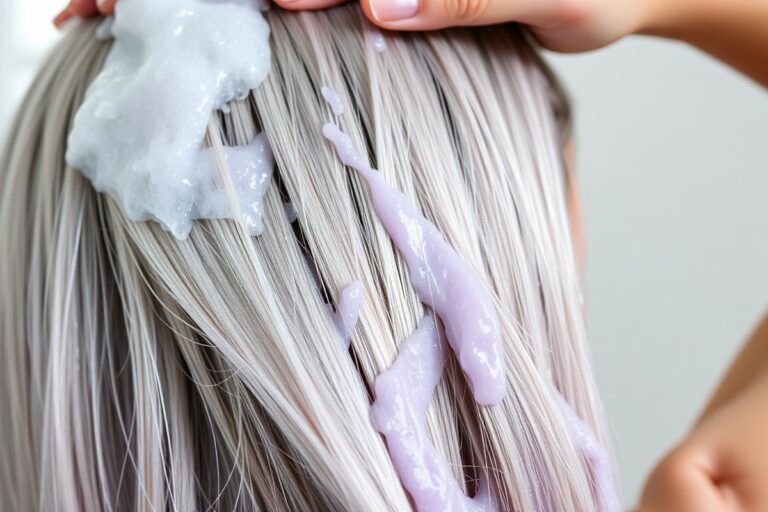
Dry shampoo can leave white or chalky residue sometimes. This happens more on dark or very fine hair. You might see powder spots especially in those areas.
This happens when the powder doesn’t fully blend or if you use too much product. Some dry shampoos add color-matching pigments to reduce this white cast. But it can still be noticeable.
Use a small amount and focus on your roots only. This avoids visible powder on your hair strands. It helps your hair look natural and clean.
Applying dry shampoo onto already greasy hair can make residue worse. Dry shampoo works best on hair with some grease, not dripping oil. It absorbs built-up oil better at this stage.
Very wet hair won’t absorb the powder well. Some people also find blotting papers effective for a quick oil lift before using dry shampoo.
Using too much dry shampoo can cause buildup on scalp and hair. This may leave your hair feeling sticky or heavy. Less is more to prevent this problem.
Over time, buildup might clog hair follicles and cause discomfort. Using it sparingly and not every day helps maintain a healthy scalp while still controlling oil.
Choosing the Best Dry Shampoo for Your Hair Type and Color
Choose a dry shampoo that matches your hair texture and color. This helps avoid residue and keeps your hair looking fresh. The right product makes oily hair appear cleaner and adds volume without dryness.
Dry Shampoo Types by Hair Texture
Fine hair benefits from dry shampoos with rice or tapioca starch. These powders add volume without weighing hair down. Avoid heavy formulas that can make fine hair look sticky or oily.
For thicker or textured hair, look for products with nourishing ingredients. These help prevent dryness and frizz at the ends. Aerosol sprays often distribute product evenly for better coverage.
Curly and coarse hair may need a dry shampoo designed for hydration. Too much powder can cause buildup and dull curls. Use formulas with light textures and ingredients that boost shine.
Recommended Formulas for Dark and Light Hair
Choose tinted dry shampoos for dark hair to avoid white residue. Batiste Dry Shampoo Divine Dark is a popular option for this. It blends in well and leaves hair feeling natural.
Light or blonde hair works well with most classic or clear sprays. Batiste Hint of Color suits lighter shades. It refreshes without noticeable powder or chalkiness.
Avoid too much product on dark hair to prevent a dusty look. Spray a little at a time and let it absorb before styling. Apply dry shampoo mainly near the scalp, not on ends, to prevent dryness and residue.
Key Ingredients to Look For
Choose dry shampoos with starches like rice or tapioca for oil absorption. These ingredients boost volume and reduce oil clumps near the scalp. Avoid products with too much alcohol if your hair is dry or curly.
Nourishing oils and extracts help keep hair hydrated and shiny. Some dry shampoos add these for a healthy finish. Look for formulas that balance oil absorption with scalp care.
Powders that match your hair color reduce visible residue. Tinted powders work best on dark hair, while clear sprays suit lighter tones. Testing a small amount first prevents unwanted buildup or dryness.
Here’s a quick comparison of common dry shampoo features by hair type and color:
| Hair Type | Recommended Product Type | Best Ingredients | Typical Cost Range |
|---|---|---|---|
| Fine Hair | Light powder with volume-boosting starch | Rice starch, tapioca starch | $8, $25 |
| Thick/Textured Hair | Aerosol sprays with nourishing oils | Light oils, conditioning extracts | $15, $35 |
| Curly/Coarse Hair | Hydrating, lightweight powders/sprays | Moisturizing agents, minimal alcohol | $15, $40 |
| Dark Hair | Tinted powders or color match sprays | Colored starch powders | $8, $20 |
| Light Hair | Clear sprays or light tinted powders | Neutral starch powders | $8, $20 |
Choosing the right dry shampoo means thinking about hair thickness and shade. The best fit absorbs oil without weighing hair down or leaving powdery residue. Applying small amounts keeps hair looking clean and healthy.
Step-by-Step Guide: How to Properly Apply Dry Shampoo on Greasy Hair
Dry shampoo works best when you apply it properly on greasy roots. Hold the spray about 6 to 8 inches from your scalp. Let it absorb for a few minutes before you brush or style your hair.
Correct Spray Distance and Amount
Hold the dry shampoo can 6 to 8 inches away from your head. This distance helps distribute the product evenly without overloading any spot. Spray lightly on your roots where you get oily.
Focus on your crown and hairline. Use just enough to cover these spots.
Avoid spraying too close because that can cause white buildup or dryness. Apply just enough to cover the greasy parts. Using too much leads to residue that looks chalky and weighs hair down.
Waiting Time and Absorption Tips
Let the dry shampoo sit on your scalp. Wait 2 to 5 minutes for it to work. This gives it time to soak up oils.
This wait time lets it pull moisture from your greasy roots effectively. Don’t rush to style immediately after spraying; give it time to work well.
Spray a little more dry shampoo on oily spots. Wait again to see if it feels less greasy. Do this only if needed.
Then wait again before brushing or styling. This step-by-step wait and check helps avoid buildup from overuse.
Techniques to Massage and Brush Dry Shampoo In
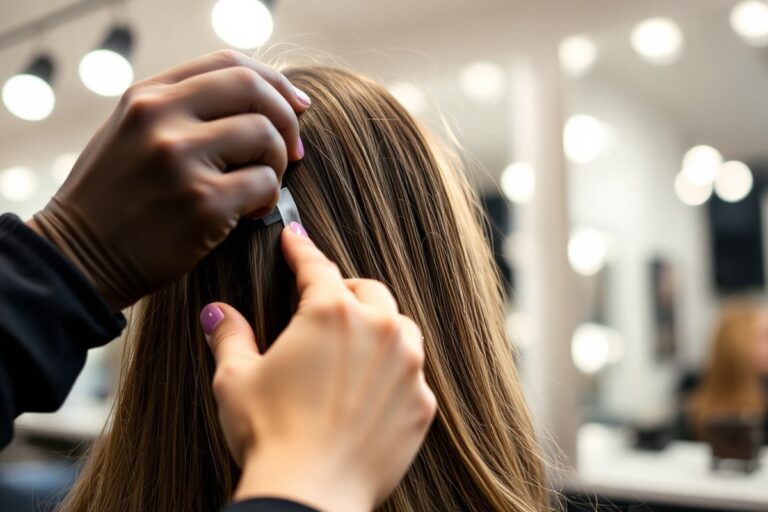
Use your fingers to gently massage the dry shampoo into your roots once it’s absorbed. This moves the product deeper and breaks up any powder clumps. Then use a brush or comb to smooth through your hair and blend the product.
Massaging also feels good and can help reduce scalp irritation. Don’t rub too hard, as that can scratch the scalp or cause breakage. Light, circular movements work best to spread the dry shampoo evenly.
Follow these steps for applying dry shampoo to greasy hair:
- Shake the can well before use.
- Hold the can 6 to 8 inches from your scalp.
- Spray lightly on oily roots, focusing on your crown and hairline.
- Wait 2 to 5 minutes to let the dry shampoo absorb oils.
- Gently massage the product into your scalp with your fingertips.
- Brush or comb through to blend and remove excess powder.
- Style your hair as usual once dry shampoo feels fully absorbed.
How Often Is It Safe and Effective to Use Dry Shampoo?
Dry shampoo is most effective when applied lightly, no more than once or twice between washes. Using it for over two days straight can cause residue buildup on your scalp. Giving your scalp rest times prevents clogged follicles, irritation, and dandruff.
Most people with fine hair should wash their hair every 1 to 3 days. Thicker hair can stretch to 3 to 7 days before needing a full wash. Washing removes excess oil and dirt your dry shampoo can’t fully absorb.
When washing, focus shampoo on your scalp and roots, not the whole hair length. This targets the oiliest area and keeps your hair healthy longer. Use a gentle shampoo every 2 to 4 days.
It controls oil without drying your scalp. This balance helps your hair stay fresh longer.
Relying too much on dry shampoo means oil, sweat, and product residue build up. This risk includes itchy scalp, dandruff, and even clogged pores that affect hair growth. You want to use dry shampoo as a quick fix, not a replacement for shampooing.
Apply dry shampoo only on your roots. Don’t skip washing your hair for over two days. This keeps your scalp clean and oil-free.
Your scalp needs shampoo if it feels itchy or has flakes. Don’t wait to wash your hair in this case. Clean scalp helps prevent irritation and buildup.
Also, avoid spraying dry shampoo directly onto your scalp. Instead, aim at roots from about 8 to 12 inches away. This helps distribute the powder evenly without overcoating one spot.
For a budget-friendly alternative, cornstarch from your pantry absorbs oil surprisingly well. Just dust a little on the roots, wait a minute, then brush through your hair. Cornstarch keeps hair feeling fresher but won’t replace shampooing.
Balancing dry shampoo and washing maintains a fresh scalp and controls grease. Listen to your scalp’s needs, not just trends.
Washing too much strips oils and triggers more oil. Skipping washes invites build-up problems.
Common Dry Shampoo Mistakes and How to Fix Them
People often use too much dry shampoo, which causes white residue on hair. Spray just 6 to 8 inches away from your roots and use a light mist. You can always add more if needed, but too much leaves a powdery look.
Not waiting a few minutes before brushing or styling is another common mistake. Let dry shampoo sit for 3 to 5 minutes so it absorbs oil properly. Rubbing or brushing immediately can spread the product unevenly and make hair stiff.
- Spraying too close to hair leads to clumps or stiffness. Keep 6, 8 inches distance.
- Using dry shampoo on damp hair can cause sticky spots. Apply only to dry hair.
- Not blending the product by massaging scalp can leave visible powder.
- Applying dry shampoo all over instead of just roots wastes product and looks unnatural.
- Ignoring hair color considerations may leave white or ashy patches.
Dry shampoo often stiffens hair when applied unevenly or in big amounts. You can fix this by breaking up clumps with your fingers or a wide-tooth comb. Avoid rubbing too hard to prevent frizz, which makes greasy hair stand out even more.
If white residue stays despite correct use, try tinted dry shampoos for blondes or brunettes. They contain subtle color to blend with your hair shade. Also, choose formulas that match your hair type to reduce build-up and improve texture.
Alternatives to Dry Shampoo for Managing Greasy Hair
Dry shampoo is handy. But other products and habits can help control greasy hair better.
Shampoos made for oily hair, scalp treatments, and natural methods all work in different ways. Some options might fit your routine or budget better than dry shampoo.
Oil-Controlling Shampoos and Clarifiers
Shampoos designed to strip excess oil can clear buildup left by dry shampoo. Look for clarifying shampoos or those labeled for oily hair.
Use these shampoos once or twice a week. Too often can dry out your scalp and cause more oil production.
Scalp Treatments and Serums
Scalp treatments often contain ingredients like salicylic acid or tea tree oil. These remove dead skin cells and reduce oiliness.
Apply the treatment as directed, usually on a clean scalp a few times weekly. Avoid heavy formulas that could add more grease.
Natural Remedies and Lifestyle Tips
Switching pillowcases often and rinsing hair with cool water can reduce oiliness. Avoid touching your hair too much, which spreads oils.
Avoid heavy conditioners at the roots. Using a lightweight conditioner on the ends helps to keep hair balanced. Here is a table comparing these alternatives to dry shampoo:
| Product/Method | How It Helps | How Often to Use | Cost Range | Possible Drawback |
|---|---|---|---|---|
| Oil-Controlling Shampoo | Removes excess oil and buildup | Once or twice weekly | $5, $25 per bottle | Overuse may dry out scalp |
| Clarifying Shampoo | Deep cleans scalp and hair | Once a week | $8, $30 per bottle | Can cause dryness with frequent use |
| Scalp Treatments (salicylic acid, tea tree) | Breaks down oil and dead skin | 2, 3 times weekly | $10, $40 | Heavy formulas may add oiliness |
| Natural Methods (cool rinse, pillowcases) | Reduces oil spread and buildup | Daily habits | Minimal to no cost | Needs consistent practice |
| Lightweight Conditioner on Ends | Keeps hair nourished without greasing roots | Every wash | $5, $20 per bottle | Skipping conditioner can dry hair |
Choose the products based on how oily your hair gets and your budget. Start with a gentle shampoo and add scalp treatments if needed.
Natural fixes cost less and support cleaning between washes. They also limit how often you must use stronger shampoos or dry shampoo.
Integrating Dry Shampoo into a Healthy Hair and Scalp Routine
Using dry shampoo means you’ll still need to wash your hair regularly. Wash your hair with a clarifying shampoo once a week to remove any dry shampoo buildup. Clarifying cleansers strip away oil and product residue that dry shampoo can leave behind.
Daily washing is too harsh if you rely on dry shampoo. But skip washing for more than a week. This can cause clogged follicles and greasy buildup.
Wash your hair every 4 to 7 days, based on your scalp. Adjust how often depending on how oily your scalp feels.
To safely remove buildup, massage your scalp well while shampooing. Use lukewarm water to open pores, then rinse with cooler water to close them. Avoid scrubbing too hard; gentle circles help loosen residue without irritating your scalp.
Notice flakes, itchiness, or redness? Cut back on dry shampoo use. These symptoms might mean scalp irritation or blocked pores.
Use dry shampoo only once or twice per week. Focus on gentle scalp care. Use soothing shampoos to calm your scalp.
Greasy scalp issues lasting over two weeks need a specialist. See a dermatologist or hair expert for advice.
They can check for conditions like seborrheic dermatitis or scalp infections. Professional treatment may prevent long-term damage or hair loss.
Wait at least one day between dry shampoo uses to avoid scalp buildup and irritation.
Step-by-Step Action Plan for Managing Greasy Hair with Dry Shampoo
Follow these steps to use dry shampoo safely and keep greasy hair under control. Track how your hair feels and looks to adjust the routine.
- Before you start: Choose a dry shampoo that matches your hair type and color. It should absorb oil without leaving white residue.
- Day 1: Apply dry shampoo to your roots and wait 5 to 10 minutes. Rub gently with your fingers to see if the hair looks less greasy.
- Week 1: Use dry shampoo only 2 to 3 times per week to avoid buildup. Check if your scalp feels less oily but not dry or itchy.
- Week 2: Combine dry shampoo with regular washing using a gentle shampoo. Notice if your hair oiliness stays balanced.
- After 2 weeks: Try one alternative method like apple cider vinegar rinse or scalp exfoliation. Watch for any reduction in greasiness.
- Month 1: Adjust your dry shampoo use based on results. Cut back if build-up appears or increase if hair stays oily too soon.
Frequently Asked Questions
Can Dry Shampoo Cause Buildup on My Scalp?
Yes, frequent use can cause buildup. It may clog pores and irritate your scalp if you don’t wash regularly.
Is Dry Shampoo Safe for Color-Treated Greasy Hair?
Most are safe, but check your product’s label. Choose formulas made for color-treated hair to prevent fading.
Can Dry Shampoo Help with Greasy Hair in Humid Weather?
It works less well in high humidity. Humidity causes oil to spread, making dry shampoo less effective.
How Long Should I Wait to See Dry Shampoo’s Oil-Absorbing Effect?
Wait about 5 to 10 minutes after applying. This gives the powder time to soak up oil properly.
Can Applying Too Much Dry Shampoo Make Greasy Hair Worse?
Yes, overuse can create a chalky or stiff look. Use just enough to absorb oil without weighing hair down.
Does Dry Shampoo Clean Hair or Just Mask Grease?
It only masks grease by absorbing oil, not cleaning your scalp. Regular washing is necessary for true cleanliness.
Key Points to Remember
Dry shampoo can help control greasy hair if you use it right. Don’t use it every day to avoid scalp problems. Start with a good product and apply it carefully for best results.