

What Shampoo and Conditioner Is Good for Curly Hair: A Complete Guide to Care and Products
The best shampoo and conditioner depend on your curl type. Your hair needs also matter when choosing products. Different curls need different care and ingredients.
Look for moisturizing ingredients like coconut oil to keep curls defined and soft. Products designed for tight curls, like Shea Moisture Coconut &. Hibiscus, hydrate for up to 48 hours.
The best shampoos for curly hair avoid sulfates that dry out strands. Choose sulfate-free formulas with repair proteins to keep curls healthy and frizz-free. Also, pick conditioners that strengthen curls without making them heavy or greasy.
Start with gentle cleansing and deep hydration. Check if your product matches your curl pattern, from wavy to coily. This helps curls stay bouncy and manageable every day.
Key Takeaways
- Pick shampoos with coconut oil for long-lasting curl moisture and definition.
- Sulfate-free shampoos prevent dryness and maintain natural curl texture.
- Use conditioners with repair proteins like 9% repair concentrate for softness.
- Match shampoo and conditioner to your specific curl type for best results.
- Avoid heavy conditioners that weigh down fine or looser curls.
- Moisturizing ingredients like ceramides help restore hydration under $10.
Best Shampoo and Conditioner for Different Curl Types
Choosing shampoo and conditioner depends on your curl type from 2A to 4C. Softer waves like 2A need lighter moisture, while tight 4C curls require intense hydration. Match formulas to your hair’s thickness and pattern to keep curls healthy and defined.
Characteristics of Curl Types 2A to 4C
2A curls are loose, soft waves with less volume and oil tends to spread easily. 3B curls form tight spirals and are denser. So they need more moisture and curl definition products.
4C curls have very tight coils. They often shrink up to 75%. These curls need deep conditioning and gentle cleansing.
Thickness also varies. Fine curls like 2A or 2B can get weighed down easily. Thick curls like 3C, 4A, or 4C require richer, creamier products.
They need extra nourishment. The products should not cause buildup.
Recommended Ingredients by Curl Texture
Lighter curls, such as 2A and 2B, do well with gentle shampoos. They need light moisturizers. This helps waves stay bouncy and not flat.
Look for humectants like glycerin that add moisture without heaviness. Conditioners should be hydrating but light.
Tighter curls, from 3B to 4C, do best with oils and butters. Coconut oil or shea butter work well. They give needed moisture and softness.
These ingredients seal moisture and reduce frizz. Sulfate-free formulas preserve curls’ natural oils and prevent drying.
Best Product Examples for Each Curl Type
Haircare products designed for multiple curl patterns usually fit various hair types. Not Your Mother’s Curl Talk Shampoo and Conditioner supports curls from 2A through 4C. It contains oils and humectants that provide intense moisture to curls.
The Shea Moisture Coconut & Hibiscus Curl &. Shine line is best if you have thick curls from 3A to 4C.
Its rich formula tackles dryness and improve curl shape. For finer 2A to 3B curls, try L’Oreal Paris EverCurl for gentle, sulfate-free moisture without heaviness.
Verb Hydrating Shampoo and Conditioner stand out for curly-hair types with fine to thick strands. These balance hydration and softness, avoiding buildup for various curl patterns. Here’s how these products compare for different curl types and textures:
| Product | Curl Types | Best For | Key Features | Size & Cost |
|---|---|---|---|---|
| Not Your Mother’s Curl Talk | 2A to 4C | All curl thicknesses | Oils, humectants, deep hydration | 10 fl. Oz., mid-range price |
| Shea Moisture Coconut & Hibiscus | 3A to 4C | Thick, curly hair | Rich moisturizers, frizz control | Mid-size bottles, moderate cost |
| L’Oreal Paris EverCurl | 2A to 3B | Fine, curly hair | Sulfate-free, lightweight moisture | Standard sets, affordable |
| Verb Hydrating Shampoo & Conditioner | 2A to 4C | Fine to thick curls | Balanced hydration, no buildup | Medium bottles, slightly higher price |
Trying a set matched to your curl type avoids dryness or heavy buildup. You’ll notice softer, shinier curls with better definition, even after washing. Choose sulfate-free formulas to keep your natural oils intact.
Key Ingredients in Curly Hair Shampoo and Conditioner
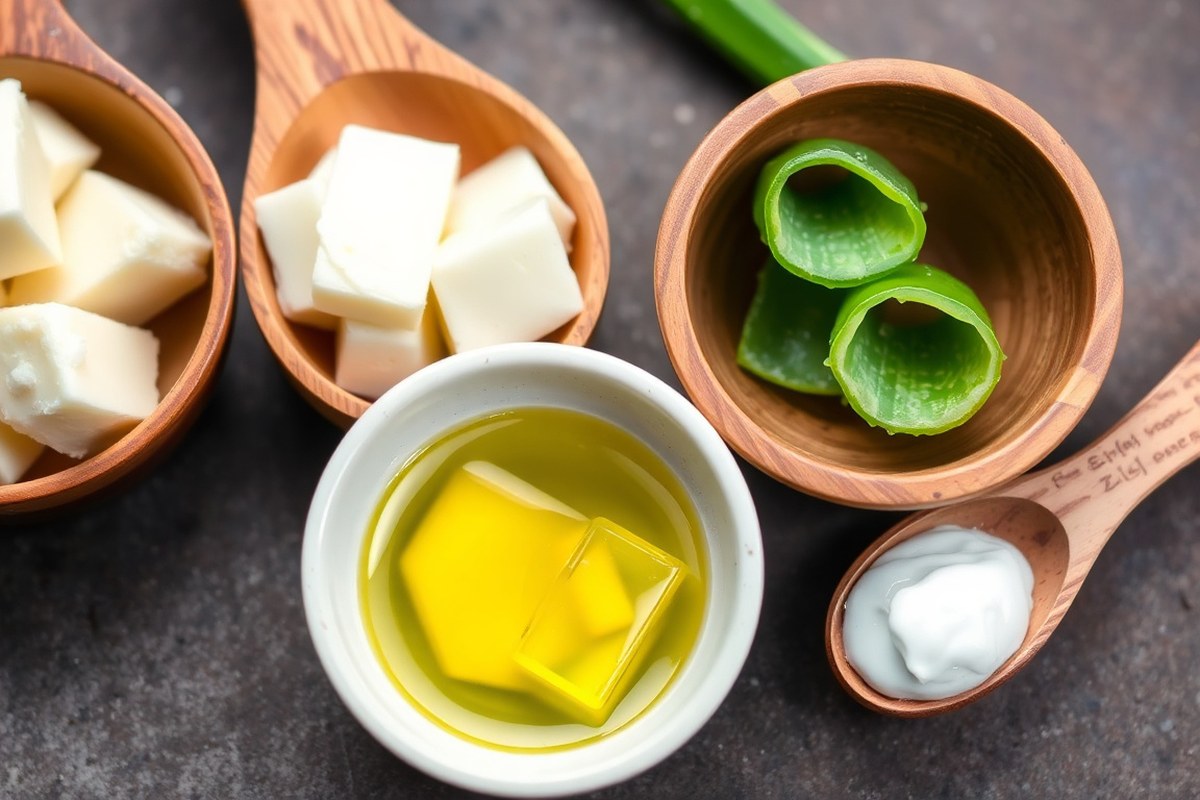
Look for shampoos and conditioners with moisturizing oils, proteins, and gentle cleansers. Shea butter and coconut oil hydrate and soften curls. Avoid harsh sulfates and silicones that dry curls and cause buildup.
Must-Have Moisturizing Ingredients
Shea butter is a top pick because it softens and smooths curly hair. It adds long-lasting moisture to coarse, dry curls without weighing them down.
Coconut oil helps seal in moisture and protects curls from damage caused by sun and pollution. It can keep curls defined and less frizzy for up to 48 hours.
Other good moisturizers include aloe vera, avocado oil, and jojoba oil. They hydrate curls and reduce frizz while improving shine and softness.
- Shea butter: softens and smooths hair
- Coconut oil: seals moisture, protects from UV and dirt
- Aloe vera: hydrates and calms scalp
- Avocado oil: nourishes and strengthens dry curls
- Jojoba oil: mimics natural scalp oils for gentle hydration
Proteins and Strengthening Agents
Proteins like hydrolyzed keratin repair broken strands and strengthen curls. They help prevent breakage from daily styling and reduce frizz.
Humectants such as glycerin and honey draw moisture from the air into your curls. These keep hair hydrated during dry weather or indoor heating.
Look for blends with marshmallow root or argan oil for smooth, strong hair. These maintain bounce while locking in moisture.
Too much protein can make hair stiff or brittle. Use protein-rich products based on your curl health and needs.
Harsh Ingredients to Avoid
Sulfates strip natural oils and leave curls dry and frizzy. Avoid shampoos with sodium lauryl sulfate or sulfates listed anywhere on labels.
Silicones create buildup that weighs down curls and block moisture. Look for “water-soluble” or silicone-free formulas for easy rinsing.
Parabens and alcohols can dry out curls or irritate the scalp. Choose products labeled paraben-free and with low drying alcohols like cetyl or stearyl alcohol.
Why Sulfate-Free Shampoo Is Essential for Curly Hair
Sulfates are cleaning agents often found in regular shampoos. They strip oils and moisture from curly hair. This leaves hair dry.
It also causes frizz and breakage. Avoiding sulfates helps maintain your natural oils, keeping curls soft and defined.
You can use sulfates occasionally. But only if your hair feels heavy or product buildup appears. Choose a mild, sulfate-free shampoo for most washes.
Use a clarifying shampoo once a month. It refreshes your curls gently. This routine prevents damage while keeping your scalp clean.
Sulfate-free shampoos clean without harsh chemicals. They use gentle ingredients that remove dirt and oils but keep moisture protected. Some formulas do this well for all curl types.
Examples include L’Oreal Paris EverCurl and HASK CURL CARE. These products offer effective care.
To make sulfate-free shampoo work best, wet your hair thoroughly first. Use about a quarter-size amount and massage it gently on your scalp.
Avoid rubbing curls roughly to prevent frizz. Rinse with lukewarm water, then follow with a conditioner that hydrates and seals moisture.
Choose sulfate-free shampoos priced between $8 and $15 for quality and effectiveness. Higher prices don’t always guarantee better care.
So look for products with nourishing ingredients like ceramides, wheat protein, or meadowfoam seed oil. These help repair curls and lock in moisture.
Notice dry, brittle hair or unwanted frizz after shampooing? Try switching brands. Or use less product during washes.
Your curls should feel softer and look more defined with regular sulfate-free shampooing. Cold water rinses at the end help seal the cuticle and boost shine.
How Often Should You Wash Curly Hair?
Curly hair needs washing less often than straight hair. Washing every day strips natural oils, making curls dry and fragile. For most curly types, shampooing once or twice a week works well.
Thicker curls and dry scalps usually need less frequent washing. If your scalp feels oily or itchy more often, wash curls every two to three days. Fine curls or combination scalps might need shampooing more often, about every other day.
Overwashing curls can cause breakage and frizz. It weakens hair strands and removes essential moisture. The goal is to keep curls hydrated while cleaning without stripping oils.
- Fine, oily curls: wash every 2 to 3 days with lightweight shampoo
- Thick, dry curls: shampoo once a week with rich, hydrating shampoo
- Combination scalp: cleanse root area more often, condition ends deeply
- Active lifestyle or heavy sweating: shampoo up to 2 times per week
- Use conditioner every wash or rinse day to keep curls soft
Try using a gentle, sulfate-free shampoo that cleans well without harsh chemicals. For most types, clearning hair lightly one to two times weekly supports curl health. Pair this with a good conditioner for softness and hydration.
Adjust your routine seasonally too. Hot, dry weather calls for more moisture and less washing.
When you sweat or exercise often, rinsing curls can help without full shampoo. Watching how your hair feels is the best signal for tuning your wash schedule.
How to Choose Shampoo and Conditioner for Color-Treated Curly Hair
Normal shampoos for curly hair often contain sulfates that strip color. Choose ones labeled safe for color-treated hair instead. These shampoos avoid harsh chemicals that fade dye faster and dry curls out.
Look for shampoos with gentle cleansing agents and conditioners rich in moisturizers. Ingredients like jojoba oil hydrate curls without weighing them down. Bond-building technology in formulas helps repair damage from coloring and boosts curl strength.
To keep color-treated curls hydrated, pick sets made for color and curls. These sets help reduce frizz and keep moisture locked in.
Conditioners come in formulas from lightweight to intensive based on curl thickness and porosity. Match your curl type with the right conditioner intensity for best moisture balance.
Use this checklist when buying shampoo and conditioner. Check if it’s safe for color-treated hair. Make sure it’s free of sulfates and parabens.
Confirm it includes nourishing oils like jojoba or other natural moisturizers. Check for repair ingredients that improve hair elasticity and prevent breakage. Finally, choose a conditioner suited to your hair’s thickness and curl tightness.
Products that protect color and hydrate curls often cost $10 to $20 per bottle. Using them regularly keeps color vibrant longer and curls soft. Skipping these features can cause faster color fading and brittle, frizzy curls.
A sulfate-free shampoo with jojoba oil cleans hair gently. It also helps keep moisture locked in your curls. Use a medium-weight conditioner for fine 3A curls.
For thick 4B curls, pick a richer formula to nourish well. Adjust based on your hair’s condition and how dry or damaged it feels after coloring.
Test new shampoo and conditioner on a small hair section first. This helps avoid unwanted reactions or extra dryness later.
How to Tell If Your Shampoo and Conditioner Are Working
Look for curls that feel soft and springy after washing. Your hair might be dry because shampoo or conditioner strips too much oil. On the other hand, hair that feels greasy or heavy can mean product build-up.
Check your curls for frizz or limpness. Well-moisturized curls bounce back and shine without feeling weighed down. Curls might lose shape or look dull if products don’t moisturize well.
Here is a quick checklist to track how your shampoo and conditioner perform:
- Curls are hydrated, defined, and easy to detangle.
- Scalp feels clean without tightness or itchiness.
- No visible residue or sticky feeling after styling.
- Hair is soft but not greasy between washes.
- Frizz is controlled and curls hold their shape all day.
You can switch to a gentler, sulfate-free shampoo that has nourishing oils. Sulfate-free shampoos can clean well without stripping natural oils, which curly hair needs to avoid dryness. Conditioner with natural oils like tamanu helps keep curls moisturized without build-up.
Build-up shows as dull, sticky curls that never feel clean. Use a clarifying shampoo once every few weeks to clear residue.
Clarifying shampoos remove extra silicone or styling product layers but should not replace your regular shampoo. Overuse can dry curls out.
Change your hair products every 3 to 6 months. Do it sooner if you spot signs.
- Hair feels consistently dry or brittle despite conditioner use.
- Curls lose their bounce or start frizzing more than usual.
- The scalp becomes itchy or flaky.
- Your usual routine no longer provides freshness or definition.
Pay attention to your hair’s reaction after new products or weather changes. Humidity may need more moisturizing conditioner, whereas dry climates might need richer formulas. Notice these effects and adjust your routine instead of sticking to one set forever.
Common Mistakes When Choosing Curly Hair Shampoo and Conditioner
Some shampoos cause curls to become frizzy because they strip natural oils. Harsh ingredients like sulfates dry out curly hair and roughen the cuticle. Look for gentle cleansers with moisturizing ingredients to keep curls smooth and defined.
Mixing shampoo and conditioner brands isn’t always bad, but formulas can clash. Some conditioners don’t match your shampoo’s moisture or protein levels.
This mismatch can make curls brittle or weigh them down. Try to choose products designed for curly hair or from the same line for balanced care.
Over-conditioning curly hair makes it limp, greasy, or prone to buildup. Curly hair needs moisture, but too much blocks air and causes scalp issues.
Use conditioner mainly on mid-lengths and ends, and rinse well. Limit deep conditioning treatments to once a week or less.
- Avoid shampoos with sulfates or alcohols that dry curls.
- Choose conditioners labeled for waves, curls, or coils.
- Match your shampoo and conditioner brands or formulas.
- Apply conditioner gently, focusing away from the scalp.
- Use deep conditioning once every 7 to 10 days.
- Rinse hair with cool water to seal the cuticle after conditioning.
Frizzy curls often come from moisture loss during washing and drying. Use a microfiber towel or cotton T-shirt to blot, not rub, your hair dry. This prevents roughing up the hair strands and keeps curls smoother.
Check product labels for ingredients like shea butter, coconut oil, or glycerin. These add hydration without heaviness or buildup.
Try a lightweight conditioner or a co-wash product for greasy curls. Heavy conditioners can make curls feel heavy or greasy.
Building an Effective Shampoo and Conditioner Routine for Curls
Building a solid shampoo and conditioner routine is key for healthy curls. You want to clean your hair gently, add moisture, and protect your curl pattern. It’s about the right steps and product timing, plus special care for seasons or damage.
Shampooing and Conditioning Properly
Use a gentle shampoo to clean curls without stripping natural oils. Look for formulas made for curls or sulfate-free options that prevent dryness.
Follow shampoo with a rich conditioner that detangles and adds moisture back to your curls. Let it sit a few minutes for best results.
- Wet hair with lukewarm water, not hot, to avoid drying curls.
- Apply a golf ball, sized amount of shampoo to your scalp only.
- Massage scalp gently with fingertips for about 30 seconds.
- Rinse thoroughly, letting suds run through your curls to clean them.
- Squeeze out excess water softly without rubbing hair with a towel.
- Apply conditioner from mid-lengths to ends, avoiding the scalp.
- Use fingers or a wide-tooth comb to detangle while conditioner is in.
- Leave conditioner on your hair for 3 to 5 minutes. Rinse it out with cool water. This helps seal your hair cuticles.
Avoid shampooing curls every day to prevent dryness. Two to three times a week works well for most curly hair.
Post-Shampoo Care and Styling Basics
After rinsing out conditioner, gently pat hair with a microfiber towel or a soft cotton T-shirt. This reduces frizz caused by rough drying.
Put on a leave-in conditioner or curl cream while hair is damp. This locks moisture inside. It also helps define curls.
Use your fingers or a wide-tooth comb to style and detangle. Avoid brushes as they break curl clumps and cause frizz.
Adjusting Your Routine for Weather and Hair Changes
In dry winter months, add extra conditioning treatments or hydrating masks once a week. This helps fight dryness from indoor heat.
In humid summers, use lighter conditioners and avoid heavy styling products that weigh curls down. Refresh curls with water and light curl cream.
Exposing your hair to sun or pollution needs extra care. Use shampoo and conditioner made to repair damage.
Look for soothing ingredients. Detangling may also require richer conditioners to keep curls smooth.
Seasonal changes often mean adjusting product amounts and treatment frequency to avoid build-up or dryness.
Step-by-Step Action Plan for Healthy Curly Hair
Follow this plan to pick and use the right shampoo and conditioner for your curls. Check your hair’s response at each step.
- Before you start: Identify your curl type and if your hair is color-treated. This helps choose the right product formulas.
- Day 1: Try a sulfate-free shampoo with hydrating ingredients. Notice if your hair feels less dry or tangled after rinsing.
- Week 1: Add a conditioner rich in oils or humectants. Watch for softer, smoother curls and less frizz.
- Week 2: Adjust your washing frequency to every 3 to 5 days. Check if your scalp feels balanced, not too oily or dry.
- After 3 weeks: Assess if your curls keep their shape and bounce between washes. Avoid products that weigh hair down.
- After 4 weeks: Try a deep conditioner or mask once a week. See if your curls stay hydrated longer and look shinier.
- Ongoing: Swap products if you notice build-up, dryness or loss of curl definition. Keep testing gently and note results.
Frequently Asked Questions
Can I Use the Same Shampoo and Conditioner for All Curl Types?
Not always. Some products suit thick curls like Shea Moisture for 3A to 4C. Others like L’Oreal EverCurl work best for fine curls.
Different curls need different products. Match your curl type to the product for best results.
Is a Conditioner Alone Enough to Care for Curly Hair?
Conditioner helps keep curls soft and hydrated but doesn’t clean scalp oils and buildup. Use a gentle shampoo that’s sulfate-free along with conditioner for healthy curls.
Can Shampoos and Conditioners Damage Curly Hair?
Yes, harsh shampoos with sulfates can dry hair and ruin curl shape. Pick gentle, moisturizing formulas designed for curly hair to avoid damage.
Should I Switch My Shampoo and Conditioner Seasonally?
Changing products for winter or summer can help because humidity alters hair moisture needs. You might need more hydration in dry, cold months.
Does Using a Clarifying Shampoo Benefit Curly Hair?
Clarifying shampoo removes buildup but can be drying. Use it once a month or less, followed by a deep conditioner to keep curls healthy.
Is It Okay to Use Shampoo and Conditioner Made for Straight Hair on Curly Hair?
They usually lack moisturizing ingredients that curls need. You may find your curls frizzy or dry if you use those often.
The Bottom Line
Picking the right shampoo and conditioner matters for happy, healthy curls. Start with sulfate-free products that match your curl type and treatment. Try your first wash now and feel the curl difference.


