Is Dry Shampoo Bad for You? What Science Says and Safe Usage Tips
Is dry shampoo bad for you is a question many ask before using it. The short answer is, it’s safe if you use it carefully and not too often. Using dry shampoo once or twice a week usually won’t harm your hair or scalp.
Problems come up with daily use. It can cause buildup on your scalp and even dry out your hair.
Some brands have had recalls because they contained benzene, a health risk. So be careful about what you buy.
To stay safe, use dry shampoo on no more than two days in a row. Pick brands that test for harmful chemicals. Spray dry shampoo from 6 to 8 inches away.
This helps keep your hair safe and fresh. This keeps your hair looking fresh without causing damage.
Key Takeaways
- Limit dry shampoo use to one or two times per week to avoid scalp buildup.
- Avoid daily use to prevent clogged follicles and dryness.
- Check product recalls and avoid brands linked to benzene contamination.
- Spray dry shampoo from 6 to 8 inches away to reduce scalp irritation.
- Shaking the can well before use helps even product distribution.
- Look for dry shampoos without harmful chemicals or heavy silicones.
Is Dry Shampoo Bad for You? What You Need to Know
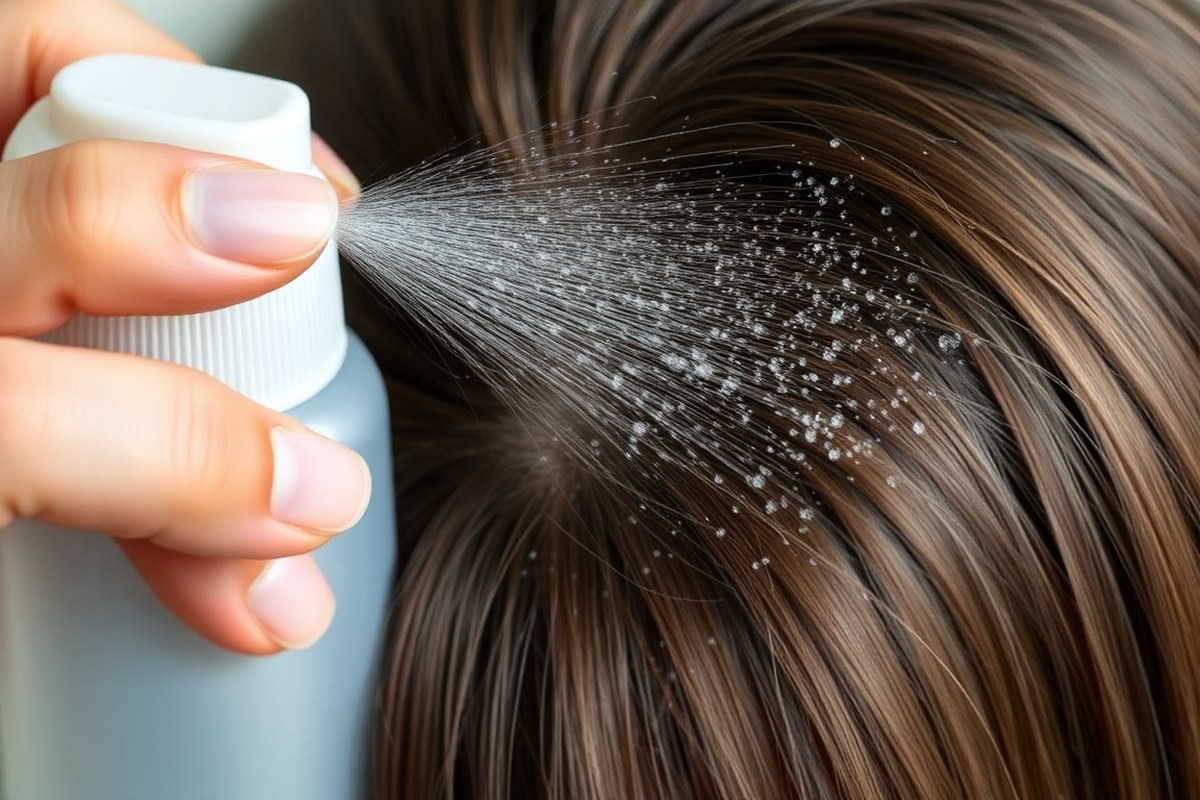
Dry shampoo isn’t bad for your hair if you use it the right way. It doesn’t clean your hair or scalp but helps absorb oil and sweat temporarily. You should keep your hair and scalp dry before applying it so it works well.
Using dry shampoo every day can cause problems like buildup, clogged follicles, or scalp dryness. This can weaken your hair and lead to shedding or breakage over time. Limit dry shampoo to one or two days each week.
Wash your hair with water on other days. This helps avoid problems from buildup.
Some dry shampoos contain chemicals like benzene, which appeared in about 70% of tested aerosol products. This chemical can carry health risks if inhaled regularly. Use powders or natural dry shampoo options to reduce exposure.
Apply in well-ventilated rooms. These steps lower your risk when using dry shampoo.
Dry shampoo doesn’t directly cause hair loss. But overusing it might harm your scalp and hair quality. Skipping water washes lets dry shampoo build up on your scalp.
This buildup can cause irritation or flakes. Wash hair regularly to avoid these issues. So stick to occasional use and remember real shampoo helps by cleaning and massaging your scalp.
Use dry shampoo on dry hair only. Spray it from 6 to 8 inches away. Avoid rubbing it in roughly to stay safe.
Washing your hair within a couple of days clears out product build-up. This routine keeps your scalp healthy and reduces risks of irritation or hair damage.
Try mixing natural powder with essential oils like lavender. This makes a gentle, safer dry shampoo option. You control the ingredients this way.
This helps mask odors and may support scalp health. Dry shampoo can be convenient. But it works best as a backup, not a daily substitute for washing.
How Dry Shampoo Works and Its Effects on Hair and Scalp

Dry shampoo works by soaking up oil on your scalp and hair without using water. It leaves your hair looking less greasy and smelling fresher.
But it doesn’t clean like regular shampoo. Its effects typically last until you wash your hair with water and soap again.
How Dry Shampoo Absorbs Oil
Dry shampoo usually contains starch or alcohol-based powders. These powders stick to the oily parts of your scalp and hair. They absorb the extra oil, which makes your hair look drier and less shiny.
The powder particles give hair a fresher appearance by reducing greasy spots. You only need to apply dry shampoo where your hair feels oily, mostly near the scalp. Using too much can leave a dusty residue that looks like powder on your hair.
Why Dry Shampoo Doesn’t Clean Your Hair
Unlike traditional shampoo, dry shampoo doesn’t remove dirt, sweat, or dead skin cells. It only hides oil by soaking it up. That means any grime stays on your scalp until you wash with water and soap.
Regular shampoo uses water and soap to clean your scalp and hair fully. It rinses away all buildup, including oils and dirt. Dry shampoo can’t do that because it doesn’t use water or soap ingredients.
Effects on Scalp Cleanliness and Health
Using dry shampoo too often can cause product buildup on your scalp. The tiny powder particles mix with natural oils and dead skin, creating residue. This buildup can clog hair follicles and block pores.
Clogged follicles can become inflamed or infected over time. Some people might get itchy, red bumps or scalp irritation from this buildup. It also might encourage fungal or bacterial growth, affecting scalp health.
How Long Dry Shampoo’s Effects Last
Dry shampoo works well as a quick fix for one day or less. Its oil-absorbing effects usually last until you wash your hair properly. This means that by the next shampoo, all the dry shampoo residue should be removed.
You use dry shampoo several days in a row without washing hair. Residue will build up on your scalp and hair strands. Over time, your scalp might feel dirty and clogged.
Your hair may still look clean and not oily. That’s why it’s best not to rely on dry shampoo daily.
Best Way to Use Dry Shampoo for Freshness
Apply dry shampoo in small amounts near the roots where hair feels oily. Start by spraying or sprinkling a little, then wait a few minutes. After that, gently massage or brush your hair to spread and remove excess powder.
This helps absorb oil without leaving a visible residue. Using dry shampoo only when needed prevents buildup and scalp issues. Remember that dry shampoo only refreshes the look; it doesn’t replace washing your hair.
Don’t use dry shampoo every day. Give your scalp a break with regular washing to avoid buildup and irritation.
Which Dry Shampoo Ingredients Pose Risks? A Comparison Table
Dry shampoo often contains starches like rice or corn starch to absorb oil. Some ingredients, such as benzene and sulfates, have drawn health concerns. Benzene can cause blood cancers.
Valisure found it in 70% of tested dry shampoos in 2022. This chemical is a known carcinogen.
Brands using aerosol sprays risk trace benzene contamination from propellants. Many products made before October 2021 faced voluntary recalls due to benzene presence. Avoiding sulfates matters since they can dry out the scalp and hair, causing irritation over time.
| Ingredient | Function | Potential Risks |
|---|---|---|
| Benzene | Not intentionally added; contaminant in spray propellants | Carcinogen linked to leukemia and blood cancers; recall risk |
| Sulfates | Cleaning agents in some formulas | Scalp irritation and dryness, especially with frequent use |
| Starches (rice, corn) | Absorb oils and grease from hair | Generally safe but may cause buildup if not washed out |
| Petroleum-based propellants | Spray aerosol delivery | Possible trace benzene contamination; respiratory concerns if inhaled |
| Natural ingredients (charcoal, clay, witch hazel) | Oil absorption and scalp soothing | Typically safer but can still cause sensitivity for some users |
Choosing dry shampoos with natural ingredients like charcoal, clay, and witch hazel can reduce chemical exposure. These are gentler on the scalp and may lower irritation risk. Still, natural products might irritate sensitive skin, so test before regular use.
Use dry shampoo sparingly and wash hair regularly to prevent buildup and scalp issues. Reading ingredient labels helps you skip known harmful substances. Staying informed lets you enjoy dry shampoo’s convenience without unnecessary risks.
How Often Can You Safely Use Dry Shampoo?
Applying dry shampoo for over two consecutive days may cause residue buildup. This buildup blocks hair follicles and might irritate your scalp. Specialists recommend washing hair every two to three days to maintain a healthy scalp.
Daily use of dry shampoo raises the risk of clogged pores and scalp inflammation. This can cause hair to look lifeless and increase flakiness. Keep dry shampoo use to two days in a row at most.
Wash your hair regularly with water and gentle shampoo. This routine helps your scalp stay clean and healthy.
Here’s how to safely use dry shampoo while protecting your scalp and hair:
- Use dry shampoo only on the roots where oil collects, avoiding the entire scalp.
- Apply a light, even layer; avoid spraying too much product at once.
- Avoid using dry shampoo for more than two days straight. After that, wash your hair to avoid buildup. This helps prevent scalp issues from forming.
- Wash your hair thoroughly every two to three days with a gentle shampoo.
- Massage your scalp while washing to remove any product buildup completely.
- Choose a natural or mild dry shampoo to reduce irritation risks.
- Take breaks from dry shampoo whenever possible. Skip it if your scalp feels irritated or itchy. Giving your scalp time to breathe helps it stay comfortable.
Following these steps helps keep your hair looking fresh without harming your scalp. Washing regularly clears away oils and leftover dry shampoo, preventing clogged follicles. Only use dry shampoo when really needed.
This lowers risk of scalp irritation and buildup. Your hair will stay healthier the more you limit dry shampoo use.
How to Apply Dry Shampoo Correctly to Avoid Damage
You can avoid damage from dry shampoo by using it the right way. Hold the spray about 6 to 8 inches away and focus on the roots. Always brush or massage dry shampoo into your hair.
Wash your hair within 1 to 2 days. This helps clear any buildup.
Step 1: Shake and Prepare the Product
Shake the dry shampoo can well before use. This mixes the ingredients evenly for better absorption. It also prevents clumping when you spray it on your hair.
Hold the can upright to avoid uneven sprays. Prepare your hair by parting it into sections where you want to apply the product. This helps you cover your roots thoroughly.
Step 2: Spray from the Correct Distance
Hold the bottle 6 to 8 inches from your scalp while spraying. This distance helps the spray spread evenly without leaving white residue. Spray directly onto oily roots where buildup is most visible.
Avoid spraying closer than 6 inches. Spraying too near causes clumps and a white halo that’s hard to brush out. You want a thin, even layer across your roots.
Step 3: Focus on Roots and Let It Set
Spray dry shampoo only on small sections at your roots. This targets scalp oils without wasting product on dry strands. Let the product sit for 2 to 3 minutes before moving on.
During this time, the powder absorbs excess oil. Sitting too long doesn’t improve results and might increase scalp buildup if you use too much. Limit your application to needed sections.
Step 4: Brush or Massage to Distribute
After letting dry shampoo sit, gently brush through your hair. Use a clean brush to spread the product evenly and remove excess powder. This also helps avoid flakes or buildup that irritate your scalp.
You can also massage your scalp lightly with fingers. This boosts circulation and improves product distribution.
Don’t skip this step. Leftover dry shampoo can clog follicles and cause itching or inflammation.
Step 5: Wash Hair After 1-2 Days
Dry shampoo isn’t a replacement for regular washing. Plan to wash your hair within 1 or 2 days after use. This stops product buildup that can clog pores and irritate your scalp.
Use lukewarm water and a gentle shampoo to rinse away residue. Avoid leaving dry shampoo on your scalp overnight. This often leads to irritation and might cause hair breakage over time.
- Shake the dry shampoo can well before use.
- Hold the spray 6 to 8 inches from your scalp.
- Spray small sections at the oily roots only.
- Let it sit for 2 to 3 minutes to absorb oil.
- Brush through or massage your scalp to spread the product.
- Wash your hair within 1 to 2 days after use.
Spraying too close or skipping brushing causes visible flakes and scalp buildup that lead to irritation.
How Dry Shampoo Affects Different Hair Types and Textures
Dry shampoo works differently on various hair types, so picking the right one matters. For oily hair, it quickly absorbs excess oil and keeps your scalp from looking shiny.
Using it helps save time on days you skip washing. But avoid overuse to prevent buildup.
Curly or coily hair gets a volume boost from dry shampoo. It doesn’t wet strands or mess up curl patterns. Use a formula designed for curls to avoid drying and flakes.
Apply dry shampoo mainly to roots. Wait a few minutes. Then gently massage to keep curls fresh and defined.
People with fine or limp hair find dry shampoo useful to add texture and thickness. Spray from 6 to 8 inches away, focus on roots only, and avoid heavy layers.
Too much product can weigh hair down and look dull. So start with a light spray.
Make your own dry shampoo by mixing 1/4 cup cornstarch. Add cinnamon for brunettes or cocoa powder for dark hair.
Sprinkle lightly onto roots, wait two minutes, then brush through. This DIY option costs very little and avoids some harsh chemicals.
Don’t leave dry shampoo in your hair for more than two days. Then wash with water and regular shampoo. Prolonged use can cause scalp irritation or clogged follicles.
Your hair may feel itchy or look dull. Take a break and wash your scalp thoroughly.
Adjust use by hair texture and oil levels. Those with oily scalps may need dry shampoo every other day.
Dry or curly hair types should use it once or twice a week at most. Watch how your scalp reacts and reduce frequency if you notice dryness or flaking.
Choosing a dry shampoo suited to your hair type and color makes a big difference. Formulas made for oily hair remove grease better.
Those for curls contain moisturizing ingredients. Picking the right one helps your hair look natural and healthy instead of powdery or stiff.
Natural and Safe Alternatives to Conventional Dry Shampoo
You can make your own dry shampoo using simple, natural ingredients. These homemade options avoid common irritants found in many store brands. There are also safe, non-toxic brands that use gentle formulas.
DIY Dry Shampoo Recipes
Use kitchen starches like cornstarch or arrowroot powder to absorb oil naturally. Add a pinch of cinnamon or cocoa powder to match your hair color. Mix 2 tablespoons of starch with 1 teaspoon of your chosen spice for a basic blend.
Apply a light sprinkle to your roots. Let it sit for five minutes, then brush it out thoroughly. This method usually costs less than $5 and causes fewer scalp reactions.
Top Non-Toxic Dry Shampoo Brands
Look for dry shampoos that skip talc and harsh chemicals. Brands with rice-starch bases or propellant-free sprays often suit sensitive skin better. These formulas reduce risks of irritation and dryness with regular use.
Prices generally range from $10 to $20 for a standard bottle. Choose options that specify free from parabens, sulfates, and synthetic fragrances for safer use. Here’s a quick comparison of common ingredient types related to dry shampoos you might see:
| Ingredient | Common Source | Potential Issue |
|---|---|---|
| Talc | Mineral powder | May contain asbestos trace; irritation risk |
| Cornstarch | Natural plant starch | Absorbs oil; gentle on most scalps |
| Rice starch | Processed rice | Non-toxic; good for sensitive skin |
| Cocoa powder | Natural spice | Matches darker hair; minimal irritation |
| Propellants | Compressed gases | Can dry scalp; chemical exposure concern |
This table highlights safer ingredients for dry shampoos. Avoid talc and propellants if you have sensitive skin. Using natural starches will reduce the chance of dryness and irritation.
When to Choose Natural Alternatives
Natural dry shampoos work best if you have a sensitive scalp or are prone to irritation. They suit all hair types but especially benefit ethnic and textured hair. These formulas add moisture instead of stripping oils harshly.
Switch to natural options if your scalp feels dry after use. You might also see more flakes. These signs suggest your current shampoo may be harsh.
Also consider them for everyday use to avoid chemical buildup. Regular hair washing is still necessary to keep your scalp healthy.
Signs of Dry Shampoo Damage and When to Consult a Dermatologist
Dry shampoo can cause scalp problems if overused or applied incorrectly. Signs to watch for include itching, burning, redness, and flaking. These symptoms show your scalp is irritated or its natural barrier is damaged.
To soothe irritation, stop using dry shampoo and wash your hair thoroughly with a gentle shampoo. Avoid scratching or harsh scrubbing, which may worsen inflammation. Applying a cool compress or aloe vera gel can help calm your scalp.
Use this checklist to spot dry shampoo damage and address it promptly:
- Itchiness or burning sensation on the scalp
- Visible redness or rash
- Dry flakes or unusual dandruff buildup
- Soreness or tenderness when touching your scalp
- Increased hair breakage or thinning
- Scalp feels oily but looks dry or flaky
- Symptoms don’t improve after washing
Sometimes irritation needs medical care. Call a dermatologist if your scalp reaction worsens or doesn’t improve within a week. Ask a doctor if you have eczema or psoriasis first.
Don’t use dry shampoo before getting advice. Protect your skin by checking with a professional.
Avoid using dry shampoo daily to prevent buildup and scalp damage.
A dermatologist can diagnose scalp conditions caused by dry shampoo or other products. They may recommend medicated shampoos or topical treatments to repair your skin barrier. Shampoo your scalp regularly to keep it clean and healthy.
This is especially true if you use dry shampoo a lot. Regular washing helps avoid buildup and irritation.
Step-by-Step Action Plan for Safe Dry Shampoo Use
Follow this plan to use dry shampoo safely without harming your scalp or hair. Watch for signs of improvement or irritation to adjust your routine.
- Before You Start: Choose a dry shampoo with simple, natural ingredients. It reduces the risk of scalp irritation and buildup.
- Day 1: Apply dry shampoo on clean, dry hair. Wait 10 minutes, then brush thoroughly to remove residue.
- Week 1: Limit dry shampoo use to 2 times this week. Check if your scalp feels comfortable and hair looks fresh.
- Week 2: Increase use only if needed, but never exceed 3 times per week. Monitor for signs of dryness or itchiness.
- After 2 Weeks: Deep clean your scalp with a gentle shampoo to remove any product buildup. Notice if your hair feels lighter and healthier.
- Month 1: Change how often you use dry shampoo. Think about your hair type. Also, watch how your scalp feels. Less is generally better.
- Ongoing: If you see flakes, redness, or irritation, stop using dry shampoo and consult a dermatologist. Protect your scalp health first.
Frequently Asked Questions
Can Dry Shampoo Cause Scalp Irritation or Allergies?
Yes, dry shampoo can cause irritation or allergies for some people. Choosing a gentle formula and testing a small area first helps avoid reactions.
Does Dry Shampoo Build Up on Hair over Time?
Yes, dry shampoo can build up and make hair feel heavy or dull. Washing hair regularly with water and shampoo clears the residue.
Is Dry Shampoo Safe for Color-Treated Hair?
Generally, yes, but some dry shampoos may dull color over time. Look for color-safe formulas to protect dyed hair’s vibrancy.
Can Dry Shampoo Clog Hair Follicles and Cause Hair Loss?
Excessive use may clog follicles and irritate scalp, which can harm hair health. Limit use to 1, 2 days a week to reduce risks.
Are Aerosol Dry Shampoos More Harmful Than Powder Types?
Aerosol sprays may release benzene, a cancer-linked chemical, in some cases. Powder dry shampoos may be safer but can still cause buildup.
How Does the Scent in Dry Shampoo Affect Sensitive Scalp?
Strong fragrances may irritate sensitive scalps or cause allergies. Choose fragrance-free options if you have scalp sensitivity.
Final Thoughts
Dry shampoo isn’t bad if you use it right and don’t overdo it. Pay attention to how your scalp reacts and choose gentle products.
Start by applying it less often. Focus on keeping your scalp clean and healthy.