What Colour to Colour My Hair: A Complete Guide to Choosing the Right Shade
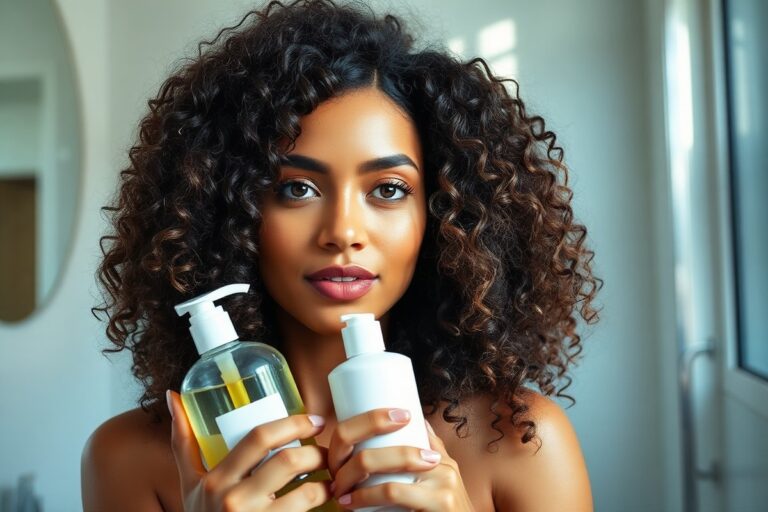
You’re asking what colour to colour my hair and want it right. The best choice depends mostly on your skin tone and natural hair colour. Start with shades that match your undertones and gently improve your features.
Look at your natural hair for clues too. Lighter hair often suits pastel or warm tones.
Darker hair handles richer, deeper colours. Avoid huge jumps in tone that need constant touch-ups or damage your hair.
Decide on permanent or semi-permanent dye based on your lifestyle. Permanent lasts longer but can be harsh. Semi-permanent is gentler and good for trying new looks.
Think about your hair’s texture and porosity. These affect how colour takes. They also affect how long it holds.
Key Takeaways
- Match hair colour with your skin’s undertone for a natural look.
- Use your natural hair shade as a starting point for new colours.
- Semi-permanent dye is best for low-commitment colour changes.
- Permanent dye lasts up to 12 weeks but can damage hair.
- Porous hair absorbs colour faster but may fade quicker too.
- Assess your time and budget before choosing high-maintenance colours.
How to Choose the Best Hair Colour for Your Skin Tone
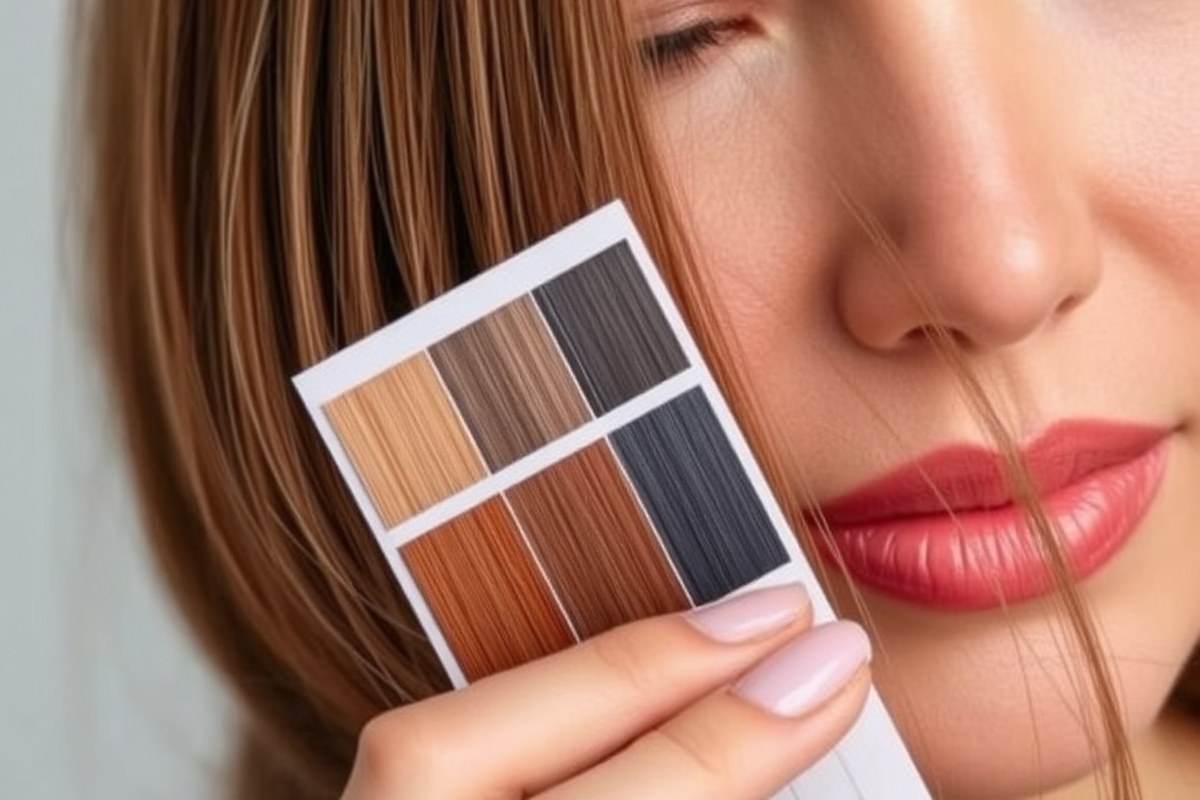
Start by figuring out your skin undertone. Check the veins on your wrist in natural light. Blue or purple veins usually mean cool undertones.
Green or olive veins point to warm undertones. You might have a neutral undertone if you see both colors or can’t tell.
Another quick test is to hold white and cream fabric near your face. Your skin shows a cool undertone if crisp white looks best on you.
Cream tones suit you better when your skin has a warm undertone. Neutral undertones work well with both.
Knowing your undertone helps you pick hair colors that make you glow. Warm undertones match golden, honey, caramel, and copper shades.
Cool undertones look best with ash, icy, or berry tones. Neutral undertones can pull off many colors, especially ones with subtle highlights.
Your eye color also matters when choosing a shade. Warm-colored eyes, like amber or hazel, often pair well with warm hair colors.
For cooler eye colors, such as blue or gray, cool hair tones create a sharper contrast. Choosing a hair color that contrasts with your eye color can give you a striking look.
Consider your natural hair color too. Darker skin with warm undertones looks good with red or gold highlights.
Light skin and cool undertones can sometimes pull off warm shades well. So trying different colors is okay.
Use these tests and tips to narrow your choices. Pick shades that match your undertone for a natural look. Complementary colors also work well.
This helps your hair color blend nicely with skin tones. Choose shades contrasting your undertone for a bold, striking look and more contrast.
What Your Natural Hair Colour Tells You About New Shades

Your natural hair colour sets the limits on which new shades you can pick. It affects how much you can go lighter or darker and what the process will take. Knowing this helps you pick shades that suit your hair’s health and your look goals.
How Natural Hair Levels Affect Colour Change
Natural hair colour ranges from level 1 (black) to level 10 (lightest blonde). Darker hair, between levels 1 and 4, needs strong bleaching for light shades. This can take multiple sessions and careful care.
Lightening dark hair too fast causes damage and uneven colour. Medium brown hair, around level 5 or 6, can go lighter more easily. Choose shades no more than two levels lighter for a natural look.
This helps your hair colour blend nicely. Avoid big jumps in lightness to keep it subtle.
Going Lighter: What to Expect
Bleaching to go lighter breaks down natural pigments. The darker your hair, the more sessions and time it takes. Even then, reds and warm blondes are easier to reach than cool blondes on dark hair.
Going from dark brown to strawberry blonde (level 8) is a good change. This works best when your hair has warm undertones. It adds a natural brightness.
Going all the way to pale blonde needs strong bleach. It can cause breakage without extra care. You should use protective treatments regularly.
Darkening Hair Is Gentler
Choosing colours one or two levels darker than your natural shade is kinder to hair. It needs less processing and your roots blend better as your hair grows out. Going from medium brown to dark red is quick and less risky than lightening.
True black hair is difficult to lift once dyed. So decide carefully before going very dark. Picking shades with blue or brown undertones can add depth.
This works well for a subtle change. You won’t need heavy dye to see the difference.
Maintaining Colour and Hair Health
Lighter colours, especially on dark hair, require more touch-ups and gentle care. Bleached hair tends to lose moisture and colour faster. Use deep conditioners to keep hair healthy.
Try dyes like John Frieda Colour Refreshing Gloss for a gentle boost. These products are good for low maintenance.
Red shades fade faster than others, so plan for frequent root touch-ups. Gray coverage calls for appointments every four weeks to keep hair looking smooth and healthy.
Choosing Shades Based on Your Starting Colour
Black hair limits how much lighter you can go without damage. Try subtle highlights or shades like Olia’s Black Sapphire for a fresh look. Brown hair lets you try different shades easily.
Stay within two shades of your base colour. This keeps your look natural and fresh.
Blonde hair can explore many shades, but harsh bleaching can cause dryness. Reds are easiest over lighter hair but fade fastest. Remember, your hair’s porosity also affects colour hold and evenness.
Avoid drastic changes right away. Staying within two shades of your natural colour reduces damage and looks more natural.
Permanent, Semi-Permanent, or Demi-Permanent: Which Hair Dye Is Right?
Permanent, semi-permanent, and demi-permanent dyes color hair differently. They also last for different amounts of time. Permanent dye changes your hair color deeply and lasts the longest but can cause more damage.
Semi-permanent and demi-permanent dyes stay on the surface or gently enter hair. They fade faster and usually treat hair more gently.
How Each Dye Type Works
Semi-permanent dye deposits color on the hair shaft without opening the cuticle. It doesn’t use harsh chemicals and fades after four to six weeks.
This makes them perfect for trying new colors or adding subtle shades. They cause less damage too.
Demi-permanent dye uses a mild developer that slightly opens the cuticle to let color in. It lasts longer than semi-permanent dye, about 12 to 24 washes, roughly six to eight weeks.
Demi-permanent dye improves natural color and has no ammonia. It damages hair less than permanent dye.
Permanent dye uses a stronger developer and chemicals that open the cuticle fully. It bonds color deep inside your hair for long-lasting results, usually 6 to 12 weeks.
Permanent dye fully changes hair color and covers gray well. It can dry and weaken hair if used often.
Longevity and Maintenance Needs
Semi-permanent dye fades in about four to six weeks naturally. You need to touch it up to keep color fresh.
You don’t need root touch-ups because the dye fades evenly. It’s low-maintenance and simple to reapply at home.
Demi-permanent dye lasts around six to eight weeks or up to about 24 washes. You’ll see some fading, especially with vivid colors.
But it’s easier to maintain than permanent dye. You might need touch-ups every one to two months depending on your hair and the shade.
Permanent dye lasts the longest, about eight to twelve weeks, until new growth shows at roots. You’ll need root touch-ups regularly, usually every 4 to 8 weeks for best results. It requires more upkeep and careful hair care to avoid damage and color fading.
Impact on Hair Health
Semi-permanent dye is the safest choice for your hair. It doesn’t open the cuticle or contain ammonia.
So it doesn’t dry or damage hair much. It’s good for damaged or fragile hair when you want to try color with minimal risk.
Demi-permanent dye is gentle but still uses a developer. Demi-permanent dye causes less damage than permanent dye because it has no ammonia.
It only slightly opens the hair cuticle. Choose demi when you want lasting color without heavy damage.
Permanent dye has the highest risk of damaging hair. Permanent dye contains ammonia and stronger chemicals.
These open the cuticle fully and can dry out hair. Using it too often or on already damaged hair can cause breakage and split ends.
Switching Colors Between Dye Types
You can switch colors between dye types, but timing matters. Semi-permanent colors fade quickly.
So switching to a permanent dye after four to six weeks works well. The color will absorb better when the hair cuticle isn’t blocked.
Changing from permanent to semi-permanent or demi-permanent dye is easier on your hair. The cuticle is already open, so the new color deposits well.
Avoid switching too fast when your hair feels dry or damaged. Wait several weeks and use deep conditioners.
For dramatic color changes, permanent dye offers the most lasting effect. Wait at least 4 to 8 weeks between dyeing sessions.
This is important if your hair feels fragile. Overlapping permanent and demi-permanent dyes can smooth color transitions without too much damage.
Choosing What Fits Your Hair and Lifestyle
Pick semi-permanent dye if you want to experiment or add shine without damage. It’s great for short-term looks or protecting hair health. You’ll spend less time on root touch-ups but need to reapply every month or so.
Demi-permanent dye suits you when you want a balance between durability and gentleness. It holds color longer than semi-permanent but doesn’t stress hair as much as permanent dye. It’s good if you want subtle tone changes or to boost your natural color.
Use permanent dye for full coverage or big color changes. It works best on gray hair.
Be ready for regular root touch-ups and some upkeep to avoid damage. Use conditioning treatments after dyeing to keep your hair healthy.
How Hair Texture and Porosity Affect Hair Colour Results
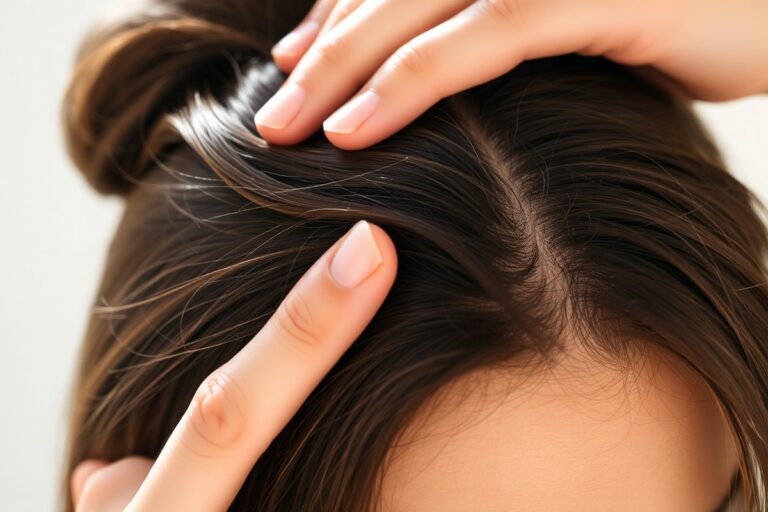
Hair porosity shows how well your hair absorbs and holds moisture. You can check it easily with a strand test. Put a clean hair strand in water and watch it.
Your hair has low porosity and resists dye if it floats. Your hair soaks up dye quickly if it sinks fast.
Low porosity hair needs more time or warmth to take the dye well. You can speed this by using heat. Wrap a warm towel or use a hooded dryer.
Keep this on for about 20 minutes during dyeing. Otherwise, the color may look faint or uneven.
High porosity hair grabs dye fast but also loses color quickly with washing. It benefits from bond-building treatments after coloring to keep hair strong and color locked in.
Texture also changes how hair holds dye. Thicker or coarser hair takes longer to dye because the dye sits mostly on the surface. Fine hair soaks up color faster and looks richer but can fade sooner.
Damaged or dry hair may have uneven porosity, causing patchy results. That’s why a strand test is helpful before full dyeing.
Choosing your dye color can depend on your hair’s health. For example, darker shades cover damage better and don’t need as strong a developer. Avoid bleach or high-lift dyes if your hair is fragile.
These raise porosity and weaken strands. Staying within two levels of your natural hair color protects your hair.
It also gives a more natural look. Experts recommend this approach.
After dyeing, use shampoos for color-treated hair to slow fading. Treatments with keratin or bond builders restore strength for high porosity hair.
These products can cost $15 to $40 but help your color last longer. Keeping hair balanced and healthy means your next dye job will go smoother, too.
Step-by-Step Guide to Preparing and Dyeing Your Hair Safely
Take precautions before dyeing hair. This keeps your scalp safe. It also helps you get the color right.
Test your skin for reactions 48 hours ahead. Try the dye on a hair strand first. Follow clear steps for applying the dye and timing it properly for your hair type.
Performing a Patch Test
Patch tests help prevent allergic reactions from hair dye chemicals. Pick a small skin patch behind your ear or on your inner elbow. Mix a small amount of dye as directions say.
Apply it to your skin. Wait 48 hours, then check for redness or itching.
Don’t skip this step even if you’ve dyed before. Allergies can develop over time. The test only takes 5 minutes but can save lots of trouble.
Preparing Hair Before Dyeing
Your hair needs to be clean but not freshly washed. Washing hair 24 to 48 hours before dyeing helps protect your scalp’s natural oils. These oils reduce irritation and allow dye to apply more evenly.
Use gloves to avoid stain and irritation on your hands. Protect your clothing with an old towel or cape. Gather all your tools, dye, brushes, clips, and timer, so you’re ready to go.
- Mix the hair dye according to package instructions.
- Put on gloves to protect your skin and nails.
- Section your hair into four parts to ensure full coverage.
- Apply petroleum jelly along your hairline to stop staining.
- Use a brush or applicator to start dyeing at your roots.
- Work the dye gently through to the mid-lengths and ends.
Always do your patch test 48 hours before dyeing to avoid allergic reactions.
Applying and Timing the Dye
Start applying dye at the roots because they process color faster from your scalp’s heat. For touch-ups without grey hair, keep color on roots for 20 minutes. Then spread color to ends and leave for 10 more minutes.
Leave dye on 30 to 45 minutes unless the package suggests differently. Porous or damaged hair might need less time to avoid overprocessing. Healthy hair often needs the full suggested time for true color payoff.
Rinse with cool water to seal the cuticle and lock in color. Avoid shampoo for at least 48 hours after dyeing to help your new color last longer.
Understanding Hair Colour Maintenance: What to Expect and How to Care
Different hair colours need very different upkeep. Reds fade fastest and usually call for touch-ups every 3 to 4 weeks.
Cooler blondes or platinum shades need a toner every 3 to 5 weeks. You also need a salon visit every 6 to 10 weeks for root regrowth.
Balayage and subtle low-contrast highlights need fewer trips, about every three months. These tones add dimension without demanding constant care. Use shampoo and conditioner made for colour-treated hair to keep your hair looking best between visits.
Roots usually need attention more often than the rest of your hair. Touching up grey roots takes about 40 minutes total. Spend 30 minutes on roots and 10 minutes on ends.
Use a milder developer on your hair lengths. Apply a stronger one just to the roots to avoid damage.
Lightening hair makes upkeep harder. It requires more frequent salon visits and careful at-home care.
Consider your time and budget before choosing very light or vivid colours. These colours need more frequent maintenance and products.
Colour-safe care products do more than protect colour; they help keep your hair healthy. Avoid shampoo with harsh sulfates and rinse with cool water to slow fading. Regular deep conditioning treatments fortify your hair and reduce breakage, especially after bleaching.
Learn simple at-home touch-up methods to save money. Also, buy quality products to protect your hair. Work in sections to ensure full coverage and avoid patchy results.
Follow timing instructions carefully to prevent over-processing. For example, 30 minutes on roots and 10 minutes on lengths.
Which Hair Colours Are Best for Low-Maintenance Lifestyles?
Low-maintenance hair colours match your natural shade closely. They need fewer root touch-ups and blend well as they grow out.
Natural browns, dark blondes, and soft blacks usually fall into this category. These shades fit busy lifestyles and save time and money on salon visits.
Balayage and highlights can reduce how often you need to refresh your hair colour. A balayage adds lighter tones gradually from mid-lengths to ends. This style allows roots to grow without sharp lines.
It cuts touch-up visits to every 8 to 12 weeks. Highlights placed strategically also allow your natural colour to blend, making new growth less obvious.
Semi-permanent dyes are great for improving natural colours without heavy upkeep. They fade gradually over 4 to 6 weeks, which helps avoid root lines.
You can try this if you want a slight colour boost or richer tones. Semi-permanent options usually cost less upfront than permanent dyes and damage hair less.
- Pick natural colours close to your original shade to hide regrowth better.
- Try balayage if you want a lighter colour without monthly touch-ups.
- Use semi-permanent dyes for a subtle change and easier fading.
- Consider gray blending to mix grays with your natural colour smoothly.
- Look for gloss treatments every 6 to 8 weeks to keep shine and tone.
- Use box dyes matching your natural shade or one or two shades apart.
Lightening your whole head demands more upkeep and damage control. Sticking to subtle changes or partial colouring, like face-framing highlights, can keep maintenance lower.
Choosing dyes with conditioning oils, like Olia, also helps keep hair healthier. This way, your hair stays vibrant longer with less effort.
When to Choose a Professional Colourist over DIY Hair Dye
Trying a bold color change takes skill. Going much lighter than your natural shade also needs a pro. A professional can help avoid damage and get the look right.
Experts handle bleach, tone, and multiple steps better than DIY kits. They know how to protect your hair from damage while reaching the shade you want.
Bleaching dark hair or fixing uneven colour from past dye jobs often needs a colourist. DIY tries can leave patchy results or break your hair.
Also, tricky shades like ash blondes or vibrant reds require careful mixing and timing. The pros have the right tools and experience to get the results you expect.
Your hair is fragile, curly, very thick, or chemically treated. Getting advice from a professional helps you avoid mistakes. This keeps your hair healthier and looking good.
They assess porosity and texture to pick a formula that won’t dry or weaken your strands. Professionals also customize colours for your skin tone and eye colour. So expect more flattering results.
To find a good colourist, ask friends for recommendations or check salons with strong online reviews. Consultations can cost $20, 50 but many waive this if you book colour services.
Use your appointment for a patch test if you have allergies or sensitive skin. Show photos of colours you like and explain your hair history clearly.
Expect your appointment to take 1.5 to 3 hours, mainly based on technique and hair length. Bring comfort items since you might wait through processing times.
Professionals usually charge between $75 and $200 or more depending on your location and the service. But your results and hair health can improve significantly.
Don’t skip the patch test before a new colour. It can prevent allergic reactions and scalp issues.
Your Step-by-Step Plan to Dye Your Hair Right
Follow these steps to get the hair colour you want without drama. Take your time and check each step before moving on.
- Before you start: Choose the right dye type based on your hair’s condition and goals. Look for a shade that matches your skin tone and natural hair base.
- Day 1: Do a patch test 48 hours before dyeing. Check for any irritation or allergies to avoid surprises.
- Day 2: Prep your hair by washing 24 to 48 hours earlier without conditioner. Hair will hold colour better this way.
- Day 3: Follow the dye instructions carefully, timing the colour application exactly. Check a strand test to see the colour developing.
- Right after: Rinse with cool water until it runs clear. Use a colour-safe conditioner to lock in moisture.
- Week 1: Wash hair every other day with sulfate-free shampoo. Avoid heat styling tools to keep colour fresh longer.
- Week 2 and beyond: Apply a colour-depositing conditioner once a week to maintain vibrancy. Touch up roots as needed keeping in mind your hair growth rate.
- Every month: Deep condition your hair to repair damage. You can also schedule a salon treatment. This helps keep your colour looking healthy.
Frequently Asked Questions
Can I Dye My Hair If It’s Already Damaged?
It’s best to avoid dyeing very damaged hair. Dye chemicals can worsen breakage. Deep conditioning treatments can help repair it before colouring.
How Do I Know If I’m Allergic to Hair Dye?
Do a patch test 48 hours before dyeing. Apply a small dye spot behind your ear or on your arm. If you get itching or redness, avoid that dye.
Can I Dye My Hair Darker over a Light Colour?
Yes, darkening hair over light colours usually works well. The new colour covers the light evenly without bleach. Use a permanent dye for long-lasting results.
How Long Should I Wait Between Colour Jobs?
Wait at least 2 weeks before dyeing again. This gap helps your hair recover from chemicals. Overlapping dye too soon may cause damage or uneven colour.
Will Hair Dye Work the Same on Grey Hair?
Grey hair is thicker and harder to colour. It may take more than one application for full coverage. Use dyes labelled for grey coverage for best results.
How Do I Prevent Hair Dye from Fading Quickly?
Use colour-safe shampoos and avoid hot water. Limit washing to 2-3 times per week to keep colour vibrant longer. Also, protect your hair from strong sun exposure.
The Bottom Line
Pick a hair colour that fits your look and lifestyle. Think about your skin tone and hair type. Also consider how much upkeep you want.
Start with a patch test now to make sure you avoid any issues. This simple step leads you toward the new shade you want safely and confidently.