How to Stop Frizz in Hair: 8 Proven Ways for Smoother, Healthier Strands
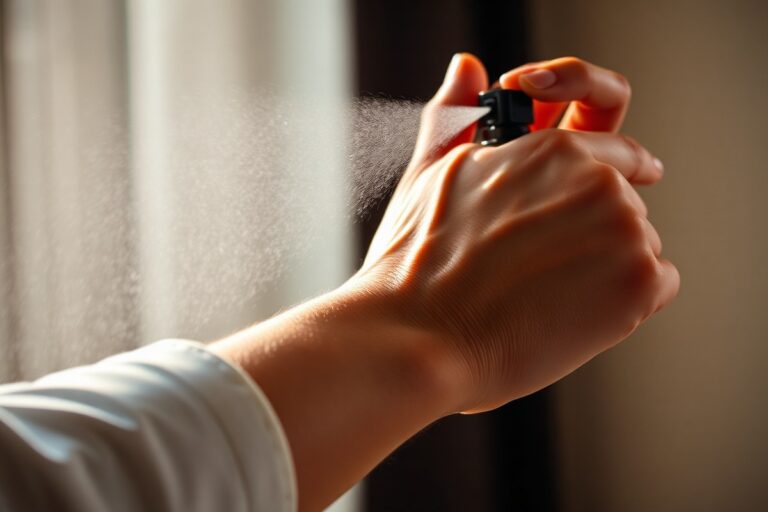
How to stop frizz in hair starts with locking in moisture and protecting strands. You can stop frizz fast with heat protectant spray. Use it right after towel-drying.
Or try a smoothing serum instead. These products create a barrier that fights humidity and smooths out rough cuticles.
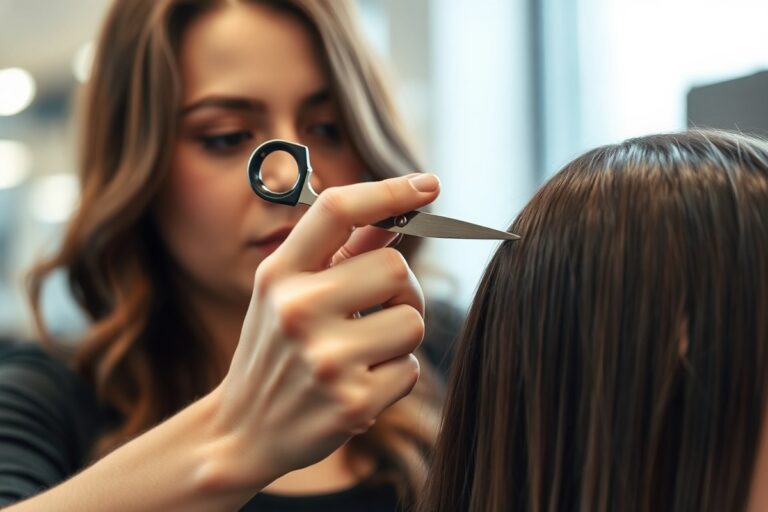
Trimming your hair every 8 to 10 weeks also stops split ends from causing more frizz. Damaged ends suck up moisture unevenly, making hair look puffy and wild. Regular trims keep hair healthier and easier to manage.
Choosing products with ingredients like squalane and omega-9 helps nourish hair deeply. These nutrients smooth the hair shaft and shield strands against environmental moisture. You’ll see smoother hair that lasts for days after using the right serum.
Key Takeaways
- Apply a heat protectant or smoothing serum within minutes of towel-drying.
- Trim hair every 8 to 10 weeks to prevent split ends and frizz buildup.
- Use hair products with squalane and omega-9 for lasting smoothness and moisture.
- Humidity over 70% makes porous hair frizz by pulling in water vapor.
- Lock in moisture by avoiding harsh shampoos and heat styling without protection.
- Massage warm oil into scalp and hair for 15 minutes before rinsing for softness.
1. How to Stop Hair Frizz Quickly and Effectively

Frizz can pop up soon after washing if your hair isn’t handled right. You want to lock in moisture and protect strands while styling. Using a lightweight serum or heat protectant spray fast can calm frizz in just minutes.
Styling to prevent frizz means working gently and avoiding too much product. Using a microfiber towel or towel turban cuts down friction. It helps stop the puffball effect on your hair.
This method protects your hair better than ordinary towels. Avoid over-touching your hair during the day to keep frizz low.
Here’s a quick way to stop frizz right after washing. It also helps keep frizz from coming back fast. Using this method saves you time and effort daily.
- Rinse with lukewarm water. Hot water strips oils; cold water can shock hair. Lukewarm helps keep moisture inside strands.
- Pat dry gently with a microfiber towel. Rough rubbing or rough cotton towels cause friction, which sparks frizz.
- Apply a heat protectant spray or lightweight serum. Use about a dime-sized amount, focusing on mid-lengths to ends.
- Blow-dry using a diffuser or low heat setting. Keep the dryer moving and avoid concentrating heat in one spot.
- Comb hair gently with a wide-tooth comb. Work from the ends up to detangle without breaking strands.
- Lightly mist with an anti-frizz hairspray if needed. This adds a protective shield and smooths flyaways.
- Reapply a small amount of serum during the day. Avoid over-applying as it causes build-up and can worsen frizz.
Using products made for frizz, like a serum with squalane and omega-9 oils, works well. These products form a barrier against humidity lasting up to 96 hours. That barrier makes your hair smoother and easier to manage.
You’ll notice less frizz for several days. Products designed as systems, including shampoo, conditioner, and mask, can improve results when used together.
Keep trims every 8 to 10 weeks to remove split ends. Split ends tend to lift, creating that frizzy look. You’ll notice your hair feels softer and looks shinier after trimming.
2. What Causes Hair to Frizz and Who Is Most Affected?

Frizz happens when your hair’s outer layer lifts. This outer layer protects your hair. When it lifts, moisture can enter or leave the hair.
Hair cuticles that are smooth lie flat, keeping hair shiny and sleek. When cuticles are raised by damage or dryness, strands swell and separate, making hair look fuzzy.
Humidity causes frizz by adding extra moisture to the air. Hair, especially damaged or porous hair, absorbs this moisture. It swells unevenly because the cuticles are open, leading to the frizzy, puffy look you see.
Curly hair frizzes more than straight hair because its shape naturally lifts the cuticles. Curly strands often have more gaps and bends, so moisture penetrates unevenly.
Straight hair can frizz too. But usually less since its cuticles lie flatter and lock in moisture better.
Hair with split ends or breakage frizzes more. These damaged areas block moisture from spreading. Moisture won’t move evenly along the hair strand.
Dry hair makes frizz worse. Its cuticles don’t lie flat.
That makes hair rough and flyaway-prone. Taking care to repair damage helps keep cuticles smooth, reducing frizz.
Different hair types need different environments to stay smooth. For example, curly hair might require products that hydrate deeply and lock in moisture.
Straight hair usually needs lighter hydration to avoid weighing it down. Adjusting your routine depending on your hair’s condition matters a lot for frizz control.
Don’t brush your hair when it’s dry if it’s curly or wavy. This can lift cuticles and increase frizz.
3. Choosing the Right Products for Frizz Control
Look for shampoos and conditioners that boost moisture without stripping natural oils. Avoid harsh cleansers like sodium lauryl sulfate and products with alcohol. Moisturizing shampoos help fight frizz.
Pair them with conditioners that have keratin or natural oils like jojoba. This combo works best to smooth your hair.
Leave-in conditioners and serums both help reduce frizz but serve different roles. Leave-ins add moisture and strengthen hair by sealing cuticles. Serums create a protective layer against humidity.
Use leave-ins on damp hair right after showering to lock in moisture. Apply serums on dry hair to smooth strands.
Here’s a table comparing good product types. It also shows what to avoid for your hair type. Use it to find the best products for your needs.
| Product Type | Best For | Key Ingredients | What to Avoid |
|---|---|---|---|
| Shampoo | All hair types, especially dry | Moisturizing agents, no harsh sulfates | Sodium lauryl sulfate, alcohols |
| Conditioner | Dry, damaged, or frizzy hair | Keratin, natural oils (jojoba, avocado) | Heavy silicones that weigh hair down |
| Leave-in Conditioner | Fine to thick hair needing moisture | Keratin, essential oils | Alcohols that dry hair |
| Serum/Oil | All hair types for smoothing | Light oils, anti-frizz silicones | Heavy oils that cause buildup |
| Treatments (Masks) | Damaged, curly, or coarse hair | Deep moisturizers, protein complexes | Frequent use of heat-based treatments |
Fine hair needs lighter formulations to avoid feeling weighed down. Thick or curly hair benefits from richer oils like avocado or shea butter.
Natural oils seal moisture, so applying them keeping hair damp works well. Getting regular haircuts every 6 to 8 weeks helps prevent split ends, which worsen frizz.
Avoid washing hair too often to keep natural oils balanced. Washing every other day or two to three times a week suits most hair types.
Use cool or lukewarm water instead of hot to reduce cuticle damage that can cause frizz. After washing, comb leave-in conditioners through wet hair to seal moisture quickly.
4. Proper Hair-Washing and Drying to Minimize Frizz
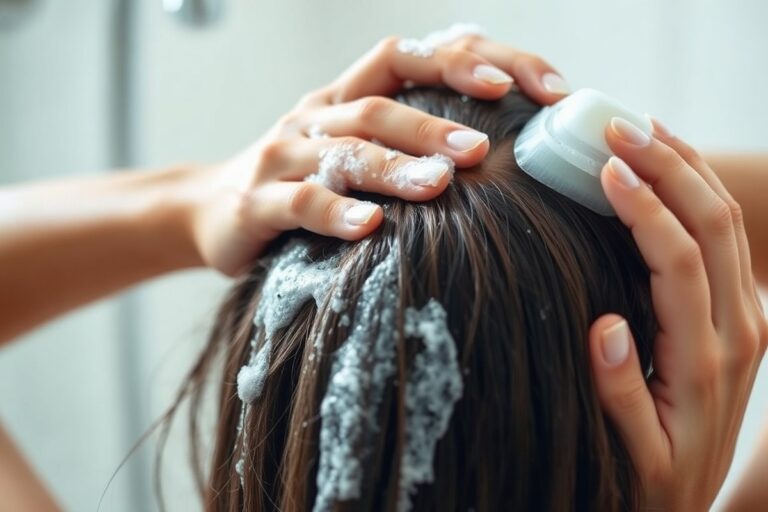
Washing your hair too often can strip natural oils, drying it out and causing frizz. Avoid hot water because it opens the hair cuticle. Open cuticles let moisture escape.
This causes dryness. Opt for lukewarm or cool water to keep the hair cuticle flat and preserve moisture.
Use a sulfate-free shampoo designed for dry or frizzy hair. It cleans without removing oils that keep hair smooth. After washing, apply a good conditioner.
It seals moisture inside your strands. It smooths the cuticle too.
Drying your hair wrong makes frizz worse. Rubbing your hair vigorously with a terry cloth towel creates friction and roughs up the cuticle. Don’t rub hair with a towel after washing.
Gently squeeze or pat it instead. Use a microfiber towel or soft cotton T-shirt. These materials cause less friction and keep your hair’s surface smooth.
- Use lukewarm or cool water to wash your hair, not hot.
- Wash your hair 2 to 3 times a week to avoid drying it out.
- Choose sulfate-free, moisturizing shampoo and conditioner.
- Pat dry gently with microfiber or cotton T-shirt, avoid rubbing.
- Use a wide-tooth comb while hair is damp to detangle gently.
- Blow-dry at a low or cool temperature. This helps reduce damage and frizz.
- Avoid using heat tools on soaking wet hair to prevent damage.
After towel-drying, let your hair air-dry partially before using a blow dryer. Hair is weakest when wet and more prone to damage. Use a diffuser when blow-drying.
Hold the dryer at least six inches away. This protects your hair from heat. Use a brush with firm bristles to apply even tension and prevent frizz from loose strands.
Following these steps takes a little time but reduces frizz a lot. Your hair will feel softer, look shinier, and hold moisture better. Rough drying or washing too often hurts your hair.
Hot water makes hair brittle. These cause flyaways and frizz.
5. Heat Styling: Protecting Hair to Prevent Frizz
Heat styling tools can cause frizz by lifting and damaging hair cuticles. Using heat protectants forms a barrier that reduces damage and keeps hair smooth. Choosing the right tools and techniques will protect your hair and reduce frizz while styling.
Selecting the Best Heat Protectant Sprays and Serums
Use a heat protectant spray anytime you style with hot tools. Products like Ceremonia Guava Rescue UV protect and smooth your hair. Using leave-in treatments or serums adds shine and controls frizz while styling.
Hair serums protect strands from heat damage and control flyaways. Applying a smoothing cream before blow-drying locks in moisture and reduces friction. These products cost around $15 to $30 and usually last several months, depending on use.
Techniques for Low-Damage Blow-Drying
Blow-dry hair on a medium or low heat to avoid roughing up the cuticles. Use a microfiber towel to gently dry your hair first.
This cuts down on friction compared to a regular towel. Hold the dryer at least 6 inches away to prevent overheating and frizz.
Let your hair air dry partially before blow-drying to cut down on heat exposure. Use a nozzle attachment on the dryer to focus airflow downward, which smooths the cuticles. Keep moving the dryer to avoid concentrating heat on one spot.
- Towel-dry hair gently with a microfiber towel or t-shirt.
- Apply a leave-in heat protectant or smoothing serum evenly throughout hair.
- Set blow dryer to medium or low heat and use a nozzle attachment.
- Start drying from roots to ends, moving the dryer constantly.
- Use a round or paddle brush to smooth hair while drying.
- Finish with a cool shot of air to close cuticles.
- Apply a lightweight anti-frizz serum after drying for shine.
Direct heat too close to hair causes cuticle damage and frizz.
Choosing Styling Tools Designed for Frizz Control
Tools with ceramic or tourmaline plates produce even heat and reduce frizz better than metal plates. A brush with smooth, flexible bristles also minimizes breakage and flyaways during styling. Avoid frequent use of ultra-high heat tools if your hair is fragile or dry.
Curlers and straighteners with adjustable temperature controls help protect hair from overheating. Lower heat settings work well on fine or damaged hair, which frizzes more easily. Spending $40 to $100 on tools often gives better heat control.
These tools usually have safer materials that protect your hair. Higher prices can mean longer-lasting, more effective styling devices.
How Temperature Settings Affect Frizz Prevention
Set heat tools between 300°F and 375°F (150°C to 190°C) to style safely and reduce frizz. High heat opens hair cuticles too wide and causes damage. This is worse for dry hair or hair with color treatments.
Too much heat leads to more frizz and breakage. Use lower temps for thin, fine, or previously damaged hair and keep sessions short.
Always check your tool’s temperature before styling your hair. Avoid the highest heat unless your hair is very thick. Use lower settings to protect hair health and reduce frizz.
Consistent heat with shorter contact time is better than blasting hair with extreme heat. Use a heat protectant spray every time to form a barrier regardless of the temperature.
6. Weekly Treatments and Natural Remedies for Frizz Reduction
Deep conditioning helps repair and hydrate your hair. Hot oil massages work to improve hair texture. Natural rinses also support long-term frizz control.
These treatments restore moisture, smooth the cuticle, and reduce flyaways with regular care. You can use simple ingredients and easy steps to improve hair texture and shine.
Preparing and Applying Hot Oil Treatments
Hot oil treatments nourish dry hair and lock in moisture. They work well to soften coarse, frizzy strands and prevent breakage. Use oils like coconut, almond, or avocado for best results.
Heat your chosen oil gently until warm but not hot enough to burn your scalp. Apply it section by section for even coverage. You can customize oils based on your hair needs.
- Warm 2 to 3 tablespoons of your preferred oil in a small bowl.
- Test the temperature by dipping a finger; it should feel warm, not hot.
- Divide your hair into sections to apply oil thoroughly.
- Massage oil into your scalp and spread it down to the tips.
- Wrap your hair with a warm towel or plastic cap to trap heat.
- Leave the oil in your hair for 20 to 30 minutes.
- Rinse with a gentle shampoo and cool water to close cuticles.
How to Make and Use Apple Cider Vinegar Rinses Safely
Apple cider vinegar (ACV) rinses clarify hair and help balance pH. They smooth the cuticle and remove product build-up that can cause dullness. Dilute ACV well to avoid scalp irritation.
Use about one to two tablespoons of ACV mixed with one cup of water. Pour it over cleansed hair, then rinse with cool water after a few minutes. Avoid daily use to prevent dryness.
Top DIY Hair Masks to Nourish Dry, Frizzy Hair
Natural hair masks restore moisture and repair damage using common kitchen ingredients. Combining oils, eggs, and fruits offers proteins and vitamins that smooth frizz. Pick ingredients based on your hair’s dryness and texture.
For example, mix half an avocado, one tablespoon of honey, and one egg white. Apply this blend from roots to tips and leave for 20 minutes before washing out. Masks with yogurt and aloe vera calm the scalp and add shine.
Timing and Frequency for Best Results
Deep conditioning once a week works well for most people fighting frizz. Overdoing treatments can weigh hair down or cause buildup, especially if you have fine hair. Adjust frequency based on how dry or damaged your hair feels.
ACV rinses should be used once or twice a week to maintain balance without overdrying. Hot oil massages can complement weekly deep conditioning. Together, they keep hair softer and more manageable over time.
7. Daily and Overnight Habits That Keep Frizz at Bay
Daily habits matter for keeping frizz under control. Choosing the right pillowcase and using gentle styling methods save your hair’s moisture. Your nighttime care routine sets how smooth your hair feels in the morning.
Using Silk vs Cotton Pillowcases
Cotton pillowcases cause friction that roughs up your hair cuticle. This friction lifts the cuticle, making hair frizz and break easily while you toss and turn. Cotton also absorbs moisture from your hair, leaving it dry and prone to frizz.
Silk or satin pillowcases let your hair glide smoothly through the night. They reduce friction and keep hair’s natural oils and moisture locked in. Expect softer, less frizzy hair in the morning with silk pillowcases.
Brushing and Detangling Without Causing Frizz
Brushing wet hair or using the wrong brush can cause breakage and frizz. Always detangle hair when it’s damp, never soaking wet. Use a wide-tooth comb or a brush designed for wet hair.
This helps avoid breakage and pain during detangling. Start detangling from the ends to the roots gently to avoid pulling.
Brushing dry hair too hard can raise the cuticle and increase frizz. Use a soft-bristle brush and brush hair lightly. This smooths your strands and distributes oils to help keep strands more moisturized.
Recommended Hair Accessories to Reduce Friction
Tight elastics or rough headbands increase friction and cause frizz. Silk scrunchies prevent hair breakage by allowing gentle movement. Avoid tight accessories that pull on the hair and damage the cuticle.
- Silk or satin scrunchies over cotton or rubber bands
- Loose hair ties that don’t snag or pull
- Silk or satin headbands for style without friction
- Soft hair clips that hold without crushing hair
- Wide-tooth combs or detangling brushes without sharp teeth
Using these accessories daily protects hair from damage and maintains moisture.
Nighttime Protective Hairstyles and Routines
Protective hairstyles reduce hair movement and friction against your pillow. Loose braids, buns, or twists keep strands together and prevent tangling. Avoid tight ponytails or harsh tension, which can cause breakage.
Wrapping hair with a silk or satin bonnet or scarf helps keep moisture in. These materials protect hair from rough fabrics that cause frizz. Pair a silk pillowcase with a loose style for better frizz control overnight.
8. When to Seek Professional Help for Persistent Frizzy Hair
Persistent frizz can sometimes signal health issues like thyroid problems, nutrient deficiencies, or hormonal imbalances. These conditions often dry out hair, making it brittle and frizzy.
Your frizz comes with scalp irritation or hair loss. Time to see a doctor.
Salon treatments work best for frizz from damage. Damage includes split ends or dryness. Heat tool overuse also causes frizz and needs care.
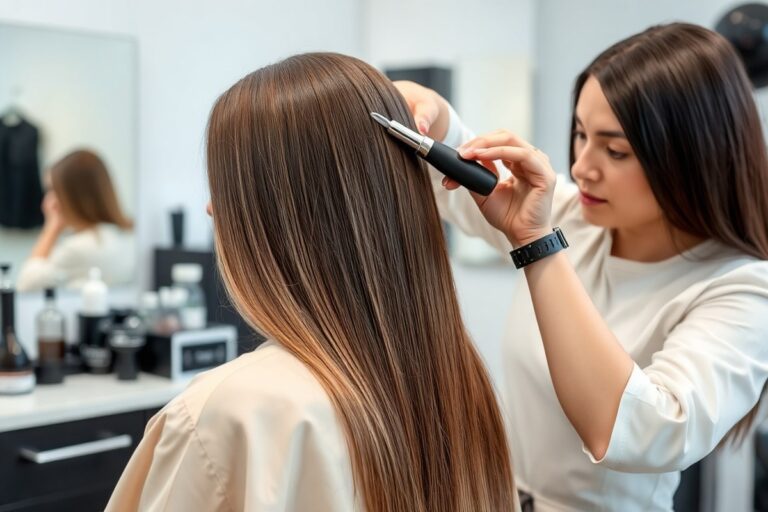
A professional haircut trims away split ends. Treatments like deep conditioning or keratin smoothing add moisture and smooth your strands. Expect to spend $50 to $150, depending on your salon and treatment type.
A dermatologist can spot scalp or skin issues that cause frizz. They’ll check for dandruff, eczema, or infections that dry hair out. They also suggest medical treatments or hair care routines tailored to your scalp health.
A visit might cost $100 to $200 without insurance. But it targets root causes most shampoos can’t fix.
Use heat protectant sprays before styling. Never use high heat on wet hair, it usually causes frizz and damage.
Frizz often shows on your hair’s surface only. Your hair underneath looks normal. Sometimes frizz is just at the ends.
Surface frizz often means dryness from the environment or care routine. Frizzy ends hint that split ends are traveling up the strand. Cutting your hair every 6 to 8 weeks helps stop frizz from split ends.
Ask yourself if your hair feels dry, brittle, or looks dull despite your efforts. Getting professional help is a smart move in those cases. A dermatologist or stylist can recommend the right products.
They help change habits to stop more damage. Ignoring these signs can make frizz worse over time and lead to hair breakage or thinning.
Your Step-by-Step Action Plan to Stop Hair Frizz
Follow this plan to cut down on frizz starting today. Track progress by less flyaways and softer hair texture.
- Day 1: Switch to a sulfate-free shampoo and use a microfiber towel. You’ll notice hair feels less dry and rough after washing.
- Day 3: Apply a leave-in conditioner on damp hair. Your strands should feel smoother and easier to comb through.
- Day 5: Use a heat protectant spray before any blow-drying or straightening. Hair looks shinier and less frizzy after styling.
- Week 2: Try a weekly deep conditioning mask. Your hair will feel softer and more hydrated by the end of the week.
- Week 3: Change your pillowcase to satin or silk. You’ll wake up with less frizz and fewer breakages.
- Week 4: Avoid brushing dry hair and use a wide-tooth comb when wet. Hair stays smoother and breaks less.
- After 1 Month: Assess hair condition. If frizz persists, schedule a visit with a hair care professional for tailored advice.
Frequently Asked Questions
Can Certain Hairbrushes Reduce Frizz Better Than Others?
Yes, brushes designed to minimize breakage help reduce frizz. Using a wide-tooth comb after washing also prevents tangles that cause frizz.
Why Does Humidity Make Hair Frizz?
Humidity causes hair cuticles to swell and lift, trapping moisture. This raised cuticle leads to the frizzy texture you see.
How Often Should I Trim My Hair to Prevent Frizz?
Trim your hair every 8 to 10 weeks to control split ends. Split ends worsen frizz by making hair look dry and rough.
Is It Better to Air Dry or Blow Dry to Avoid Frizz?
Air drying reduces heat damage but can cause frizz if hair stays damp long. Using a blow dryer with heat protectant is often safer for frizz control.
Can Dietary Changes Impact Frizzy Hair?
Yes, eating protein-rich foods like eggs can help repair hair damage. Healthy fats like Omega-9 also nourish hair from the inside out.
Does Water Temperature During Washing Affect Frizz?
Cooler water helps close the hair cuticle, reducing frizz. Avoid hot water since it opens the cuticle and dries the hair.
Before You Go
Frizz doesn’t have to control your hair look. Start with small, smart changes to see quick results. Take one step today by swapping your shampoo for a gentle, frizz-fighting formula.