How to Straighten Hair Without Damaging It: 8 Proven Strategies That Work
Knowing how to straighten hair without damaging it means using the right heat and good habits. Start by using a flat iron set to a safe temperature for your hair type. Avoid going above 300°F to prevent weakening the hair’s structure.
Always make sure your hair is 100% dry before hitting it with a flat iron. Heat dries hair out and causes damage if moisture is still inside. Use a microfiber towel or soft t-shirt to dry your hair.
Pat your hair gently to avoid causing frizz. Avoid rubbing your hair harshly with the towel.
Using a heat protectant spray helps create a barrier between your hair and heat. It keeps your strands smoother and prevents the cuticle from cracking. Small changes like these add up and keep your hair healthy while straightening.
Key Takeaways
- Use a flat iron temperature of 280-320°F for fine or color-treated hair.
- Keep hair completely dry before flat ironing to avoid heat damage.
- Use a microfiber towel or soft t-shirt to reduce frizz when drying.
- Apply a heat protectant spray to protect hair cuticles before heat styling.
- Start with a lower temperature and increase only if needed for thick hair.
- Massage scalp with oil for 15 minutes to promote healthy hair growth.
1. How to Straighten Hair Without Damaging It Safely
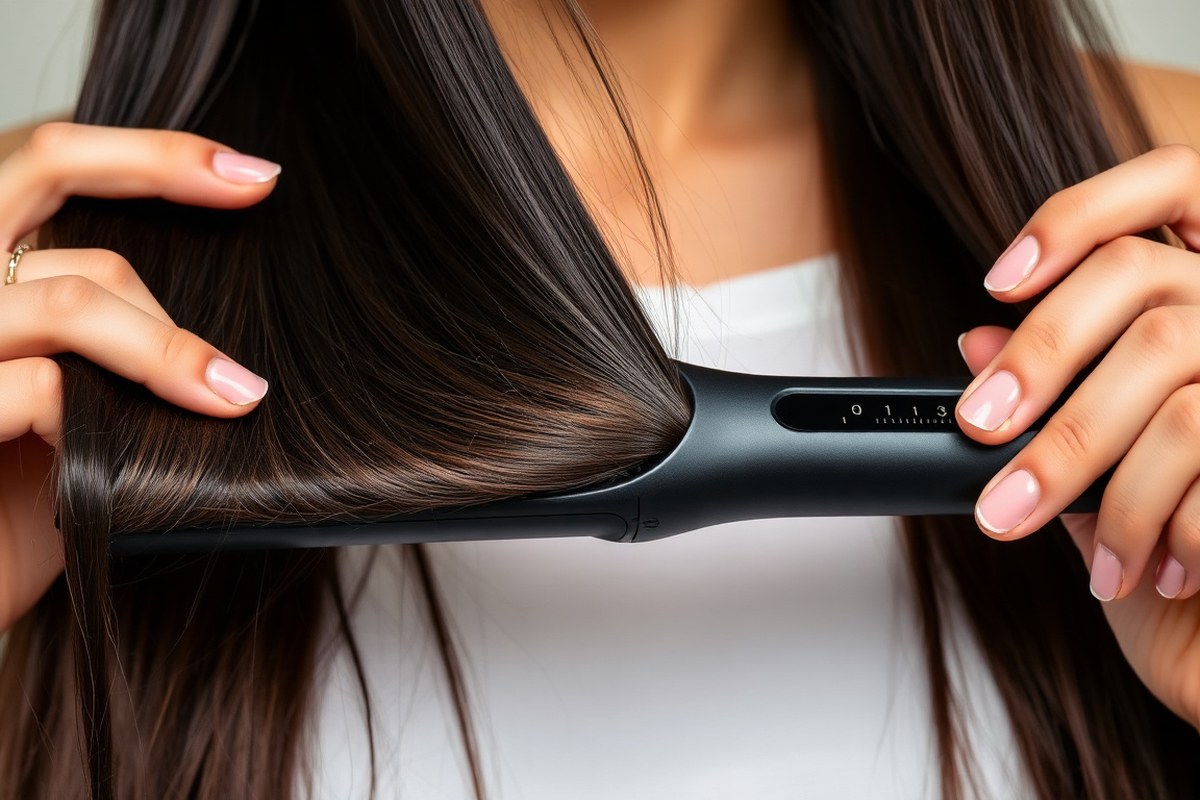
Straightening hair without damage means using the right tools and techniques. The goal is to reduce heat exposure and keep your strands healthy. Start with clean hair that is mostly dry.
Wet hair takes longer to straighten. It also risks more damage when straightened.
A flat iron with temperature control is key for safe straightening. Set the heat based on your hair type: thin or fine hair needs about 300°F. Thicker or curly hair can handle up to 350°F. Avoid using maximum heat settings to protect your hair’s natural moisture and shine.
Follow a clear routine every time to balance styling with care. Section your hair properly before straightening. Glide the flat iron slowly over sections.
Take regular breaks to avoid hot spots and breakage. Protective sprays add a shield against heat, improving your hair’s strength and smoothness.
- Wash hair with a gentle shampoo and use a conditioner for moisture.
- Towel dry gently and wrap hair in a microfiber towel until mostly dry.
- Apply a heat protectant spray evenly, focusing on ends and mid-lengths.
- Set your flat iron to the lowest heat setting that works, usually 300°F to 350°F.
- Divide hair into small sections to straighten each properly and evenly.
- Run the flat iron slowly but steadily over each section once or twice.
- Avoid repeating passes over the same section to reduce heat exposure.
- Finish with a lightweight serum to smooth frizz and add shine.
These steps take about 30 to 45 minutes depending on your hair length and thickness. You’ll notice smoother, shinier hair with fewer split ends after using heat safely. Overheating, rushing through sections, or skipping protection can leave hair dry, brittle, and prone to damage.
2. What Causes Hair Damage When Using Heat Styling Tools?

Heat damages hair by breaking down keratin, the protein that keeps hair strong. High temperatures warp keratin’s natural shape, leading to weak, brittle strands. This damage shows up as dryness, frizz, and split ends over time.
Moisture loss plays a big role in heat damage. When heat strips water from inside the hair, it shrinks and becomes less flexible. Dry hair breaks easier and loses its usual shine and smooth feel.
Styling habits add to the risk. Using very high heat, like above 400°F, causes more keratin breakdown compared to lower settings.
Straightening the same small section repeatedly also stresses hair more. Skipping heat protectants leaves hair vulnerable to direct heat harm.
Applying heat without proper care makes damage worse. Heat protectants form a barrier that locks in moisture and reduces direct heat exposure.
Not letting hair cool between strokes causes repeated stress and strain. Rushing the process usually means more passes and more damage.
Avoid using the highest heat at once. Test lower temperatures first to find the lowest hot setting that straightens your hair well.
Straightening habits matter. Pulling hair too tightly or straightening dirty hair adds friction and stress.
Toweling hair roughly before styling can roughen the cuticle, increasing damage during heat application. Using a soft cotton T-shirt to dry hair helps keep cuticles smooth before heat styling.
3. Choosing and Using the Right Flat Iron for Your Hair
Choosing the right flat iron and using it properly helps keep your hair healthy. Look for models with precise temperature controls suited to your hair type. Maintain your tool well to avoid uneven heat that can cause damage.
Key Flat Iron Features to Look For
Pick a flat iron with adjustable temperature, not just “low” or “high” settings. You want control to avoid overheating your hair. Ceramic or tourmaline plates heat evenly and reduce hot spots that can burn your strands.
Wider plates work well for thick or long hair. Narrow plates give more precision for short or fine hair.
Some irons combine bristles with plates for smoother, more even contact. These options help cut down on passes and prevent damage.
- Precise temperature controls with clear numbers
- Ceramic or tourmaline plates for even heat
- Plate width suited to your hair length and thickness
- Fast heat-up time and consistent temperature
- Options with bristles for smoother straightening
- Automatic shut-off for safety
Cheap, poor-quality tools often heat unevenly or get too hot. Such tools raise the risk of burning your hair. Investing in a mid-range flat iron with good reviews is safer for your hair health.
Recommended Temperature Settings by Hair Type
Temperature choice depends on your hair texture and condition. Keep the heat below 350°F (175°C) to avoid serious damage. Fine or color-treated hair should stay at 280 to 320°F, which straightens without stripping moisture.
Thick, coarse, or very curly hair may need heat around 350°F. Begin at a lower temperature and raise it gradually only if necessary. Avoid exceeding 375°F to prevent dryness and breakage despite smooth results.
Maintenance Tips for Safe Heating Tools
Clean your flat iron regularly to prevent product buildup. Wipe plates with a damp cloth when cool, removing oils and residues. Built-up debris can cause uneven heating and damage your hair.
Check the cord and plug for damage before use to avoid electrical hazards. Store the iron on a heat-resistant surface, never wrapping the cord tightly. Keeping your tool in good shape helps maintain consistent heat and safe performance.
4. Preparing and Protecting Your Hair Before Straightening
Start by washing hair with a gentle shampoo to remove buildup. Dry it until it feels mostly dry, about 80%, before straightening. Use the right products to protect hair and make it smooth.
Hair Washing and Drying Best Practices
Wash hair with a mild, sulfate-free shampoo to avoid stripping natural oils. Follow with a conditioner that nourishes curls and frizz-prone strands.
Towel dry carefully to get rid of excess water but don’t rub hard. Rough drying with your fingers or lightly squeezing hair helps reduce damage.
Use a blow-dryer on low or medium heat, shaking the dryer back and forth. Stop when hair is about 80% dry to reduce heat exposure and cut straightening time.
Top Protective Products to Apply
Apply a leave-in conditioner or heat protectant spray evenly through your damp hair. Focus more on the ends, where damage often starts.
A smoothening or anti-frizz serum can help hair stay sleek during styling. Foam or Velcro rollers on damp hair also prepare strands for a gentler straightening process.
- Heat protectant spray to shield hair from direct heat
- Leave-in conditioner for added moisture
- Anti-frizz serum to improve smoothness
- Smoothing cream for curl control
- Volumizing foam or light mousse to set hair shape
- Velcro rollers to prep damp hair gently
Applying these products before heat styling lets you use lower iron temperatures and fewer passes. This helps keep hair healthier and smooth longer.
When to Avoid Straightening Damp Hair
Never use a flat iron on wet hair. Water inside hair strands heats fast and can cause breakage.
Straightening damp hair makes internal moisture expand rapidly, damaging the fiber. Always dry hair fully before applying heat for safety.
If your leave-in treatment is for damp hair, use it right after toweling dry. Let hair air dry or set with a blow-dryer until mostly dry before straightening.
5. Heat-Free Methods to Straighten Hair Naturally
You can straighten hair without heat by using wrapping, rollers, or braiding techniques. These methods take longer but avoid damage. They work best on damp hair that’s been detangled and slightly conditioned.
Wrapping means combing damp hair around your head and securing it flat. Use bobby pins or a soft scarf to keep hair tight.
Let it dry fully, which usually takes 4 to 8 hours or overnight. This flattens curls gently and smooths waves.
| Method | How to Do It | Time Frame | Result |
|---|---|---|---|
| Hair Wrapping | Comb damp hair around head, pin or tie flat | 4-8 hours or overnight | Smoother, less curly hair with wave reduction |
| Jumbo Rollers | Roll damp hair with large plastic rollers (1¾” or bigger) | Several hours until dry | Soft waves with volume and shine, not fully straight |
| Flat Braids | Braid damp hair tightly in one or more flat plaits | Overnight | Looser curls or light waves, less frizz |
| Wet Wrap with Scarf | Wrap wet or damp hair with a silk scarf for tension | Several hours or overnight | Calmer frizz and smooth texture |
Avoid rushing these steps. Damp hair dries fastest when well-papered with the wrap or rollers.
Using heat on wet hair can harm it. So skip blow dryers during these methods.
Jumbo rollers offer a glossy finish but only create soft waves, not pin-straight hair. Braids loosen curls but don’t remove them entirely. Try these methods when you want less frizz without using heat.
Trying to straighten wet hair causes the most damage. So wait until it dries on its own.
6. Sectioning and Timing Tips for Damage-Free Straightening
Dividing your hair into small, manageable sections helps protect it from heat damage. About 1-inch wide sections let the heat spread evenly and cut down on repeated passes. Use a fine-toothed comb to part your hair.
Smooth each section flat. This helps the straightener work better.
Avoid running the flat iron over the same spot more than twice. More passes mean more heat exposure, which raises damage risks. Start straightening from the bottom layers.
Clip the rest of your hair up and out of the way. This stops you from missing spots or overheating hair near the roots.
Timing between passes matters too. Hold the flat iron on each section for about 3 to 5 seconds only. Longer contact heats hair unnecessarily and weakens its structure.
Straightening dry hair also prevents steam damage. So always make sure hair is fully dry before using heat.
- Brush hair thoroughly to detangle and smooth.
- Divide hair into about six sections: two for sides, one back top, and three lower layers.
- Use a fine-toothed comb to part the top sections flat and clip the rest up.
- Take a 1-inch wide subsection from one section.
- Set your flat iron to the right heat. Use around 300°F for fine hair. For normal hair, 380°F is okay.
- Clamp the flat iron at your roots. Slowly glide it down to the ends. Each pass takes 3 to 5 seconds.
- Pass the iron over that subsection no more than twice before moving on.
- Repeat for all subsections, layer by layer, unclip the next section after finishing the one below.
Following these steps saves time and protects hair from overheating. Small sections mean fewer passes and smoother results. You avoid redness and breakage by not overheating.
Don’t work your hair too long with heat. This also helps stop frizz.
7. Aftercare: Maintaining Hair Health Post-Straightening
Right after straightening, your hair needs extra care to stay soft and shiny. Using nourishing oils or masks adds moisture and repairs heat damage. Regular trims and daily hydration keep your hair healthy and less prone to split ends.
Nourishing Oils and Masks to Use
Choose oils like argan, jojoba, or coconut to restore moisture and smooth your strands. These oils seal the cuticle, preventing frizz and dryness after heat styling. Apply a small amount to damp or dry hair, focusing on the ends.
Hair masks designed for straightened hair add deeper hydration. Look for masks with ingredients like keratin, shea butter, or natural oils. Use these masks one or two times a week after you shampoo.
They help reduce dryness. They also improve your hair’s shine.
- Apply 1-2 teaspoons of oil sparingly to avoid greasiness
- Use a nourishing hair mask once or twice weekly post-wash
- Massage oils mainly into the ends where hair is fragile
- Choose masks labeled for moisture and damage repair
- After a mask, rinse with cool water to seal the hair cuticle
Regular use of these treatments helps hair recover faster from heat exposure. Avoid heavy oils if your hair feels weighed down.
Frequency and Importance of Hair Trims
Trim your ends every six to eight weeks to avoid split ends spreading. Split ends weaken strands and create dullness, undoing your straightening efforts. Keeping ends healthy makes your hair look smoother and healthier overall.
Don’t wait for splits to appear. Getting trims regularly helps maintain hair strength and shine. Dry or rough ends mean you should trim your hair soon.
Trimming helps your hair look healthier. Schedule your trim for best results.
Daily Moisturizing and Protection Tips
Use a leave-in conditioner after washing to hydrate and protect hair from frizz. Spritz it lightly on damp hair before styling or as a refresher on dry days. This adds a light barrier to protect hair from humidity and keeps strands soft.
Limit heat styling frequency to two to three times per week to prevent ongoing damage. Use sulphate-free shampoo and conditioner to keep hair hydrated and prevent stripping natural oils.
- Apply leave-in conditioner daily on damp hair
- Use a silk or satin pillowcase to reduce friction at night
- Brush gently with a wide-tooth comb to avoid breakage
- Avoid washing hair every day to retain natural moisture
- Wear a hat or scarf when exposed to strong sun for long periods
Hydrating and protecting straightened hair daily gives it a smooth, shiny finish that lasts. Overdoing washing or rough brushing causes dryness and frizz.
8. Adjusting Straightening Approaches by Hair Type and Condition
Choose your straightening temperature based on your hair’s texture and condition. Fine, fragile, or bleached hair needs a lower heat setting. Thick or coarse hair can handle much higher temperatures without damage.
| Hair Type or Condition | Starting Temperature (°F) |
|---|---|
| Fine, fragile, bleached, or damaged hair | 250, 300 |
| Medium or average-textured hair | 300, 350 |
| Thick or coarse hair | 350, 375 |
Lower heat reduces the risk of burning fragile hair or causing extra damage. For color-treated hair, stick to the lower range, no higher than 300°F. High heat can fade color and weaken hair. Hold the straightener just a second or two on each section to avoid overexposure.
Switch your hair products to ones made for straightening. Use shampoos and conditioners that smooth hair fibers to help your styling tools work better. Non-heat products like serums, creams, or sprays also help create a sleek look with less heat.
Try deep conditioning treatments or hair packs specialized for straightening. They improve your hair’s texture and strength. Applying them weekly adds moisture and protection, making your strands less prone to damage when heated.
Always test heat on a small hair section first. Check how it reacts there. Do this before styling your whole head.
Adjusting your technique by sectioning hair into smaller parts helps apply heat evenly. For damaged or color-treated hair, use thinner sections to avoid extra heat exposure. This simple step lets you straighten each piece quickly and safely.
Your usual straightening method feels too harsh. Ask a professional hairstylist for advice. Salon treatments might offer alternatives that keep your hair sleek without risking damage from heat tools.
Step-by-Step Action Plan
Follow these steps to safely straighten your hair and keep it healthy.
- Before you start: Wash and condition your hair with a moisturizing formula. Your hair should feel soft and manageable.
- Day 1: Apply a heat protectant spray evenly from roots to ends. Your hair will feel light, not sticky or heavy.
- Day 1: Use the right flat iron set at the correct temperature for your hair type. Fine hair stays below 300°F; thick hair up to 400°F.
- Day 1: Section your hair into small parts and glide the flat iron slowly over each. Your hair should look smooth without burning smells.
- After styling: Use a nourishing oil or serum on the ends to lock in moisture. Your hair shines and feels soft to the touch.
- Week 1: Avoid washing hair daily to preserve natural oils and moisture. Hair feels less dry and breaks less often.
- Week 2: Try a heat-free straightening method like wrapping or blow-drying with a brush. Hair stays straighter with less heat damage.
- After 2 weeks: Trim split ends to prevent breakage. Your hair looks healthier and stronger.
Frequently Asked Questions
Can I Use Coconut Oil to Protect My Hair Before Straightening?
Yes, coconut oil can help shield hair from heat damage. Apply a small amount evenly before using heat tools for added moisture and protection.
How Often Should I Wash My Hair If I Straighten It Regularly?
Washing your hair 2 to 3 times a week is generally best. Overwashing can strip natural oils, making hair drier and prone to damage.
Is It Safe to Straighten Wet or Damp Hair?
No, straightening wet hair can cause severe damage and breakage. Always dry your hair completely before using any heat styling tool.
Can Adjusting the Flat Iron Temperature Prevent Damage?
Yes, using the lowest effective temperature reduces heat stress on hair. Finer or more fragile hair needs lower heat, while thick hair may require more.
Does Using a Straightening Cream Help Protect Hair from Heat?
Some straightening creams include heat protection ingredients. Choose a product with heat protectant to help shield hair during styling.
How Do I Stop Frizz After Straightening My Hair?
Apply a lightweight serum or oil to smooth frizz and add shine. Avoid heavy products that weigh hair down and cause buildup.
Key Points to Remember
Straightening your hair without damage takes attention to heat and care. Always protect your hair before styling and keep it nourished afterward. Start today by picking the right temperature on your flat iron for your hair type.