Does Dry Shampoo Clean Hair? What Actually Works and What It Doesn’t
Dry shampoo does not clean hair like regular shampoo does. It does not wash away dirt or buildup from your scalp.
Instead, it soaks up extra oil, sweat, and odors to make hair look fresher. It sprays a fine powder or liquid onto oily areas, mostly at the roots. This usually contains starch or alcohol to absorb oils.
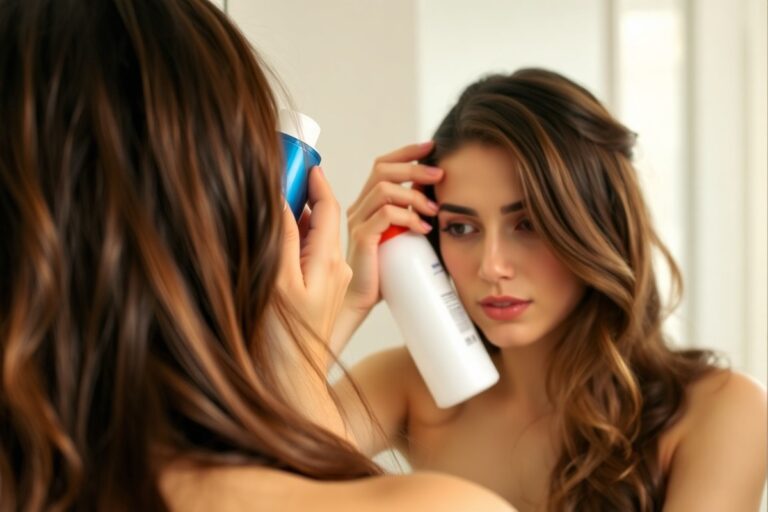
Hold the can 6 to 10 inches from your scalp and wait about 30 seconds. This gives the product time to soak up the oils and refresh your hair.
Afterward, brush or rub dry shampoo through your hair to spread it and remove flakes. Use it only sometimes since it doesn’t clean dirt or buildup like regular shampoo.
Key Takeaways
- Dry shampoo helps absorb oil but does not remove dirt or product buildup.
- Always spray dry shampoo from 6 to 10 inches away from your scalp.
- Let dry shampoo sit for at least 30 seconds before brushing it through.
- Use dry shampoo mainly on scalp roots where oil tends to build up.
- Dry shampoo works best as a quick fix, not a shampoo replacement.
- Limit dry shampoo use to 1 or 2 days between regular washes.
Does Dry Shampoo Actually Clean Hair or Just Absorb Oil?

Dry shampoo does not actually clean your hair like traditional shampoo. It absorbs excess oil and grease from your scalp and hair strands. This leaves your hair looking fresher but does not remove dirt or buildup.
Traditional shampoo uses water and detergents to clean away dirt, oils, sweat, and pollutants. Those detergents break down grime and rinse it off completely. Dry shampoo, often a powder or spray, only soaks up surface oil without washing your hair.
The term “dry shampoo” can be misleading because it suggests cleansing. In reality, it’s more like an oil sponge that freshens your hair. You still need to wash with regular shampoo to truly clean your scalp and remove buildup.
Dry shampoo particles sit on your scalp and absorb oil. They don’t dissolve dirt or residues left by hair products. They only soak up grease from your scalp surface.
Time is needed for the product to absorb oil, usually at least 30 seconds. Overuse can cause buildup that clogs pores or irritates scalp follicles.
Using dry shampoo can save time between washes and extend your hairstyle. But it is a temporary fix and does not replace a deep cleaning. To maintain healthy hair and scalp, regular washing with a gentle shampoo is essential.
How Dry Shampoo Works to Refresh Hair Without Water
Dry shampoo refreshes hair by trapping oil and odor using absorbent ingredients. Most formulas contain plant starches like rice or tapioca and minerals such as clay or silica. These powders soak up oil your scalp makes.
They cut greasiness without using water. That helps you skip washing hair for a bit.
The powders in dry shampoo act like tiny sponges. They cling to oily spots at your roots and pull oil away from hair strands. This stops hair from clumping together and helps it look cleaner and fuller.
Spray or sprinkle dry shampoo on your scalp. Then wait five minutes for it to absorb oil. This lets the powder work fully.
After dry shampoo sets, rub your scalp with fingers. Or you can brush your hair lightly. This helps spread the product evenly.
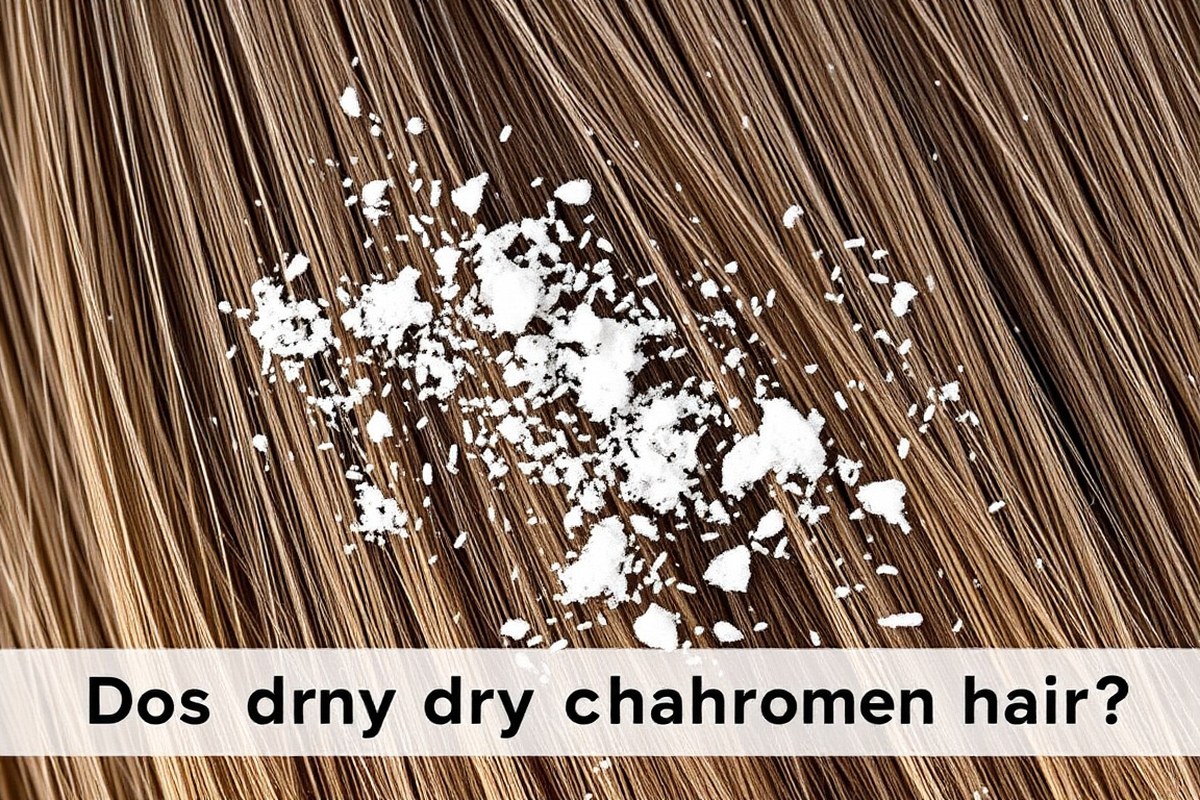
This spreads the powder evenly and removes any leftover residue. Using too much powder or skipping brushing can leave white flakes. This shows most on dark hair.
Brush well to avoid this. That can look like dandruff instead of fresh hair.
Put dry shampoo only on oily spots. Leave it on for 3 to 5 minutes. Then brush it out for best cleanup.
Natural dry shampoos tend to use clays and starches instead of chemicals. These absorb oils without weighing hair down or leaving a sticky feel. Powder formulas grant a weightless volume that makes limp hair look fuller between washes.
Keep in mind dry shampoo doesn’t remove sweat, dirt, or dead skin cells. It just hides greasiness quickly. That’s why regular shampooing with water remains essential for a truly clean scalp and healthy hair.
Choosing the Right Dry Shampoo for Your Hair Type
Choosing the right dry shampoo helps you manage oil, texture, and color better. Different formulas work best for oily, curly, or color-treated hair. Picking one that fits your hair can improve the look and feel after use.
Dry Shampoo for Oily Hair
Dry shampoo works well for oily hair by absorbing excess oil at the roots. Spray the product 6 to 10 inches away from your scalp. Focus on oily sections, then gently brush it through to spread the powder.
Look for formulas marked as oil-control or clarifying. These usually contain stronger absorbing agents to keep your hair fresh longer. Using dry shampoo regularly can reduce how often you wash, saving time without a greasy look.
Formulas Best for Curly and Textured Hair
Curly and textured hair often needs extra moisture. So pick dry shampoos that don’t dry out your strands.
Some are specifically made for natural or textured hair to avoid stiffness or flaking. These products reduce oil without stripping needed moisture.
People following methods like the Curly Girl Method rinse less often and rely on conditioner. Adding dry shampoo can extend fresh roots without damage. Choose touch-up sprays or powders made for your curl type to keep texture soft.
Tinted Dry Shampoos for Colored Hair
Colored hair can show white powder from standard dry shampoos. Tinted dry shampoos match your hair color to avoid visible residue. They protect your color and help your style last longer after salon visits.
Be cautious when picking a tint shade. Applying the wrong one may temporarily change your hair color. Use a small amount first to test coverage, then adjust if needed for subtle freshness.
Here’s how you can match dry shampoo formulas to your hair needs:
| Hair Type | Recommended Dry Shampoo Features | Why It Matters |
|---|---|---|
| Oily Hair | Strong oil absorbing, clarifying formulas | Controls grease, keeps hair from looking flat |
| Curly / Textured Hair | Moisture-friendly, non-drying, specialized formulas | Preserves curl softness, avoids flakes or buildup |
| Fine or Thin Hair | Volumizing and texturizing dry shampoos | Adds body, prevents limp or flat appearance |
| Color-Treated Hair | Tinted powders matching hair color | Prevents white residue, protects color vibrancy |
Choosing the right formula takes some trial but prevents common problems. You get fresh hair without visible dusting or dryness. Keep your hair type and needs in mind before buying to get good results fast.
How to Apply Dry Shampoo Correctly for Best Results
Applying dry shampoo well means spraying it evenly from the right distance. Wait briefly before rubbing it through to avoid white flakes. Brushing after massaging helps remove residue and leaves your hair looking fresh.
Step 1: Section Hair into Quadrants
Start by dividing your hair into four parts: two on top and two underneath. This makes it easier to reach the roots with dry shampoo. Holding hair apart lets you spray evenly without missing oily spots.
Sectioning your hair also prevents using too much product in one spot. Spray small amounts in each section so you get just enough coverage. It feels less clumpy and spreads better when you do this.
Step 2: Spray 6-10 Inches Away from Roots
Hold the dry shampoo about 6 to 10 inches from your scalp before spraying. This distance stops white residue from building up in clumps. You want a light mist over your roots, not thick patches.
Sweep the nozzle gently over each section focusing on oily areas. Spraying too close can cause visible powder and a stiff feel. Keeping the right distance lets the powder soak up oil without showing.
Step 3: Wait 30 Seconds Before Massaging In
After spraying, pause for about 30 seconds before touching your hair. This lets the dry shampoo absorb the excess oils properly. Rubbing too soon may spread the powder unevenly or leave white spots.
Gently rub the product into your scalp using your fingers. This helps spread the powder evenly and breaks up buildup. Spending a bit more time here keeps your hair from looking dusty and dull.
Step 4: Brush to Remove Residue
Use a brush to smooth out your hair and brush away leftover dry shampoo powder. This makes your hair feel soft and natural instead of stiff. A paddle brush or wide-tooth comb usually works best for this step.
Brushing also helps spread the product evenly from roots through the mid-lengths. Use a hairdryer on cold for a quick airflow. This helps stop extra powder from feeling heavy.
It leaves your hair feeling lighter and cleaner. Cool air tightens the cuticle without softening oils again.
Follow these exact steps for the best dry shampoo results:
- Divide your dry hair into four sections.
- Hold the bottle 6 to 10 inches away from your scalp.
- Sweep spray evenly onto the roots of each section.
- Wait at least 30 seconds for the powder to absorb oil.
- Massage your scalp with fingers to blend the product.
- Brush hair through to remove any white residue.
- Finish with cool air from a hairdryer to set the look.
How Often Is It Safe to Use Dry Shampoo?
You should avoid using dry shampoo every day. Using it daily can lead to buildup that clogs hair follicles and irritates your scalp. This leaves your scalp dry, itchy, and can even weaken your hair over time.
Experts advise against applying dry shampoo on your scalp for over two consecutive days. Beyond two days, washing your hair with water and regular shampoo is necessary. This clears away oils, dirt, and residue, keeping the scalp healthy.
Adding regular washes also keeps your hair healthy and prevents scalp issues. The ideal frequency between wet washes depends on your hair type and lifestyle. For most people, washing with shampoo every 2 to 3 days works well.
- Use dry shampoo as a quick refresh between washes, not a cleaning substitute
- Limit dry shampoo use to no more than two consecutive days
- Wash hair with water and shampoo after using dry shampoo for two days
- Consider hair type: dry or sensitive scalps need less frequent dry shampoo use
- Use a small amount of dry shampoo to avoid excessive buildup
- Pair dry shampoo with scalp treatments or conditioners to maintain scalp health
You may see buildup as white flakes or feel a greasy, heavy scalp. This buildup can mimic dandruff or cause real scalp irritation.
Notice these symptoms? Go ahead and wash your scalp completely, even earlier than normal.
Avoid spraying dry shampoo too close to your scalp to reduce irritation and buildup.
Using dry shampoo correctly means knowing when to stop and wash. Your scalp needs a break from powder and product buildup to stay healthy.
For most, this breaks at every 48 hours or after two days of use. Following this routine prevents scalp dryness and supports hair strength over time.
Risks and Side Effects of Overusing Dry Shampoo
Dry shampoo can irritate your scalp if used too often. It leaves behind residue that might clog hair follicles. This build-up can cause redness or itching.
It might also cause folliculitis. Folliculitis looks like small bumps or pimples on your scalp.
There is no solid proof that dry shampoo causes hair loss directly. Still, overusing it could affect hair growth by blocking follicles.
Using it too much may slow down growth in the long run. So keep that in mind.
Hair can feel dry and brittle from dry shampoo’s powder. This happens when the scalp’s natural oils get absorbed too often. Dry hair breaks more easily.
This breakage can look like hair loss. Actually, it is damage to hair strands.
To avoid problems, limit dry shampoo use to one or two times a week. Overusing it for more than three months can cause scalp and hair harm. Give your scalp a break by washing hair with water and shampoo regularly.
Check your scalp and hair for warning signs: irritation, bumps, itching, dryness, or increased hair breakage. Notice these signs?
Cut back on dry shampoo use. You might need to rinse your hair more often to clear residue.
Pick a dry shampoo designed to reduce powder residue, such as Living Proof’s Perfect hair Day™ Advanced Clean Dry Shampoo. It helps clear out leftover build-up and leaves hair feeling fresher. These shampoos typically cost between $20 and $25 and can lessen scalp irritation.
Use dry shampoo safely by following this checklist. Spray only on roots and use a small amount.
Avoid spraying close to your scalp, and brush hair afterward. This helps remove excess powder and prevents clogging follicles.
Comparing Dry Shampoo to Traditional Washing and Alternatives
Dry shampoo can’t fully replace washing with water and shampoo. It works best for quick fixes between washes.
You can find other quick hair fresheners too. Try different dry shampoo types that fit your needs.
Traditional Shampoo and Water Washing
Washing hair with shampoo and water removes dirt, oil, and buildup completely. It keeps your scalp clean and healthy, which dry shampoo cannot do. Experts recommend regular washing to maintain real cleanliness.
Washing requires a few minutes and water access, making it less convenient when busy. But it delivers the actual cleaning, unlike dry shampoo, which just absorbs excess oil. For deep cleaning, traditional washing is the only way.
Dry Shampoo Pros and Cons
Dry shampoo helps you look fresh by soaking up oil and adding volume quickly. It suits days when you’re short on time or skipping a wash. However, dry shampoo does not wash away dirt or sweat from your scalp.
Using it too often can cause buildup and scalp irritation. It shouldn’t replace washing day after day. You save time but sacrifice full cleanliness and risk residue on hair and scalp.
Dry shampoo is best as a complement to washing, not a replacement. It can be a lifesaver after workouts or humid commutes to manage greasiness fast.
Dry Shampoo Types: Aerosol vs. Non-Aerosol
Aerosol dry shampoos spray a fine mist of powder to absorb oil and add texture. They’re easy to apply and often feel lighter in fine or thin hair. Some popular options are Kerastase’s Powder Bluff and Klorane’s Gentle Dry Shampoo.
Non-aerosol versions come in powder or foam forms. These often use recyclable or refillable plastic-free containers, reducing waste. Aerosols usually use single-use aluminum cans, which create more packaging waste.
Choosing between them depends on your hair type, environmental impact concerns, and convenience. Aerosol sprays handle fast application, while non-aerosols appeal to eco-conscious users. Here’s a simple comparison:
| Feature | Aerosol Dry Shampoo | Non-Aerosol Dry Shampoo |
|---|---|---|
| Application | Fine mist spray | Powder or foam |
| Hair Type Suitability | Good for fine or thin hair | Varies; often thicker formulas |
| Packaging | Single-use aluminum cans | Recyclable or refillable containers |
| Environmental Impact | Higher due to aerosol cans | Lower; plastic-free or reusable |
| Convenience | Quick, easy spray | Slower application; may require fingers or tools |
| Cost | Tends to be mid to high | Varies; some eco options pricier |
You can pick aerosol dry shampoo for fast, lightweight touch-ups. Choose non-aerosol dry shampoos if you want to cut waste and take it slower. Both types work best as a quick hair refresher between washes.
Signs You Should Wash Your Hair Instead of Using Dry Shampoo
You should wash your hair when dry shampoo no longer keeps it feeling fresh. You may notice your scalp itching or flaking from buildup irritation. Dry shampoo can absorb oils but doesn’t remove dirt, sweat, or styling products that accumulate.
Look out for dull, heavy strands that don’t bounce back after using dry shampoo. This shows powder and oils are layering on your hair instead of cleaning it.
Buildup can stress your scalp and hair follicles over time. This can raise the chance of thinning hair and hair loss.
- Your scalp feels itchy or sore after dry shampoo use
- Flakes or white powder is visible on scalp or hair
- Hair looks dull, weighs down or feels sticky
- Fingertip test shows greasy roots despite dry shampoo application
- Scalp redness or inflammation appears
- Hair loss or thinning increases noticeably
When these signs appear, wash your hair with water and regular shampoo right away. Using liquid shampoo clears buildup, soothes irritation, and improves scalp health. Dry shampoo should only be a short-term fix, not a daily habit.
Limit dry shampoo use to once or twice per week to avoid buildup and scalp issues.
Persistent scalp irritation or unusual hair loss needs a dermatologist check. They can check for underlying problems caused by buildup or scalp sensitivity. Proper hair washing and dermatologist guidance protect your hair health while still enjoying dry shampoo’s convenience.
Step-by-Step Action Plan for Using Dry Shampoo Safely
Follow these steps to refresh your hair without risking damage. This plan helps you learn when and how to use dry shampoo well.
- Before you start: Choose a dry shampoo suited for your hair type. Test a small spot to avoid any reaction.
- Day 1: Use dry shampoo on greasy roots only. Spray about 6 inches away and wait 5 minutes, then brush out. Your hair should feel less oily.
- Week 1: Limit dry shampoo to two uses per week. Watch for scalp dryness or buildup and skip a day if needed.
- After 1 week: Add a gentle shampoo wash into your routine. This removes product buildup and keeps your scalp healthy.
- Week 2: Apply dry shampoo before styling to add volume. Use light sprays and avoid over-applying.
- Week 3: Check your scalp for irritation or flakes regularly. If you see problems, cut back on dry shampoo use.
- After 3 weeks: Try alternative freshening methods like a scalp massage or refreshing spray. Notice how your hair responds.
- Ongoing: Use dry shampoo as a quick fix, not a daily replacement. Wash hair regularly to keep it clean and healthy.
Frequently Asked Questions
Can Dry Shampoo Remove Product Buildup?
No, dry shampoo only absorbs oil, not styling residue. You still need regular washing to clear product buildup from hair.
Is Dry Shampoo Safe to Use on Colored Hair?
Yes, most dry shampoos are safe for colored hair. Choose one without harsh ingredients to avoid color fading.
Can I Use Dry Shampoo on Curly Hair?
Yes, dry shampoo works on curly hair to reduce oil and refresh curls. Use light sprays to keep curls fluffy.
Does Dry Shampoo Help with Scalp Odor?
Dry shampoo absorbs oils that cause odor but doesn’t clean scalp bacteria. For a clean scalp, wash with water and shampoo.
Will Dry Shampoo Make My Hair Look Greasy over Time?
Using dry shampoo too often can cause buildup making hair look heavier. Wash your hair regularly to avoid greasy appearance.
Can Dry Shampoo Cause Scalp Irritation?
Some ingredients may irritate sensitive scalps, especially with overuse. Test a small patch first if you have sensitive skin.
Before You Go
Dry shampoo absorbs oil but does not clean hair fully. Use it carefully and don’t skip regular washing. Try it out today to see how it fits your routine.