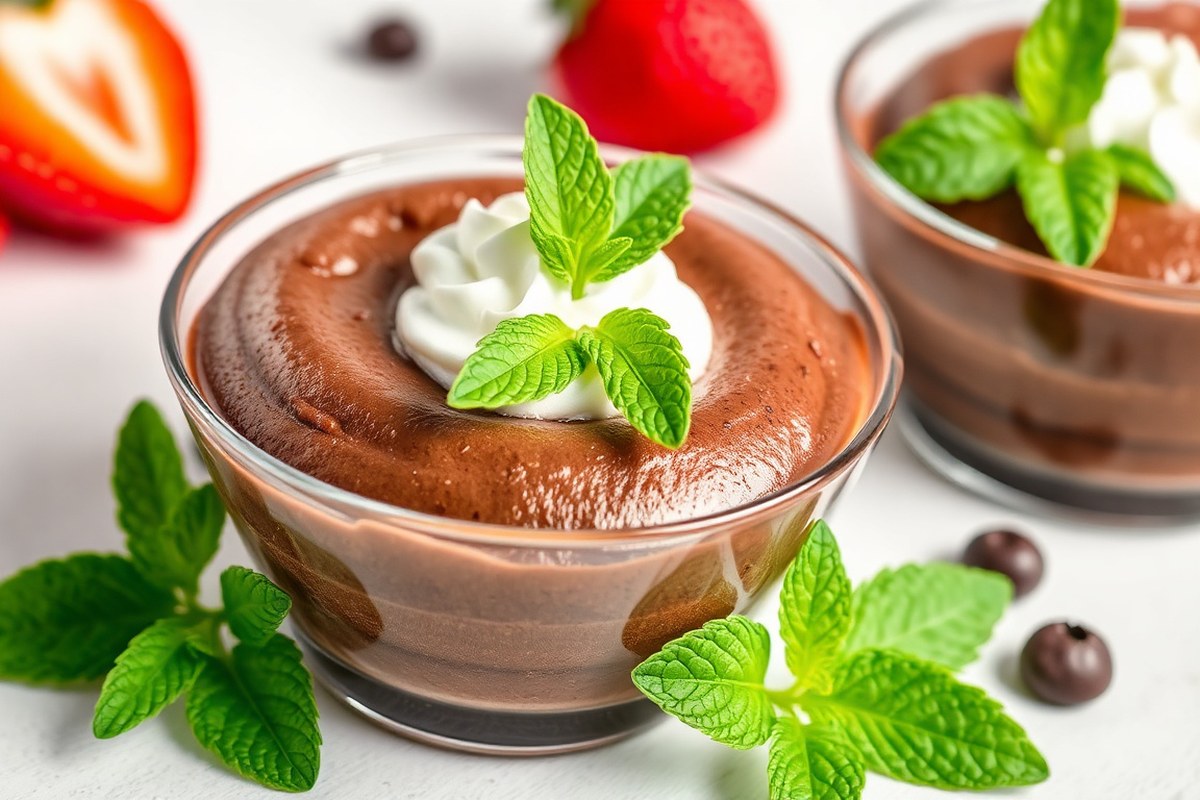
What Is Mousse? A Complete Guide with Key Techniques and Tips
What is mousse? It is a light, fluffy dessert or dish with an airy texture.
Mousse gets this texture from whipped cream, egg whites, or both folded into a flavorful base. These ingredients trap air, creating a soft, spoonable treat that’s smooth and creamy.
Usually, mousse is chilled for several hours to set and develop its rich flavor. The chilling helps it hold its shape while staying tender and easy to eat. Starting with good-quality chocolate or fresh ingredients makes a big difference in the final taste.
You can make mousse sweet or savory, depending on the ingredients. It works well with dietary swaps for dairy or eggs. Make sure you adjust the textures carefully.
This keeps the mousse smooth and tasty. Getting the right whip and fold technique is essential for mousse to be perfect every time.
Key Takeaways
- Use heavy cream with at least 36% fat for stable mousse whipped texture.
- Gently fold whipped cream or egg whites to keep air bubbles intact.
- Melt quality chocolate with 60% or more cocoa for rich chocolate mousse flavor.
- Chill mousse a minimum of 4 hours to let it fully set.
- Cook egg whites to 160°F (71°C) for safe eating in mousse recipes.
- Milk chocolate creates a softer, sweeter mousse with less intense flavor.
What Is Mousse and How Does It Achieve Its Texture?

Mousse is a light dessert. It is airy and fluffy. You make it by mixing whipped cream or egg whites into a flavored base.
The texture comes from trapped tiny air bubbles. These air bubbles give mousse its fluffy feel. This air creates the mousse’s signature softness that melts on your tongue.
Whipped cream, egg whites, sugar, and sometimes gelatin create mousse’s texture. These ingredients work together to make it light.
Whipped cream, which has a high milk fat content, forms stiff peaks when beaten. This adds volume and a smooth, creamy body without heaviness.
Egg whites contribute by being whipped to form a stable foam. Sugar added during whipping helps hold the structure. Gelatin helps the mousse set.
It keeps the airy form when chilled. The mousse needs several hours in the fridge.
The trick to good mousse is careful preparation. You whip cream or egg whites until soft or stiff peaks form. The recipe decides which peak to reach.
The aerated mixture is gently folded into the base. Use a lifting and turning motion to fold it carefully. This keeps the air bubbles intact and prevents the mousse from flattening.
Chilling mousse for at least 4 hours helps it firm. Overnight chilling works even better. It stays light while firming.
Mousse uses air and cold to get texture. It does not need heat or starch like cooked desserts. This balance results in a stable but soft dessert you can spoon easily.
You can also freeze mousse to change the texture to a smooth, ice cream-like dessert. However, freezing can slightly alter the lightness.
Good ingredients and careful whipping make mousse light and fluffy. Folding gently is key to keeping the texture.
Essential Ingredients and Their Roles in Mousse

Mousse mainly uses whipped cream, egg whites, and flavoring bases like chocolate or fruit purees. Each ingredient adds texture, lightness, and flavor to the dessert. You can swap some ingredients, but that can change the mousse’s texture and taste.
Chocolate Types and Their Impact
Dark chocolate is often best for mousse because it has a rich flavor and less sugar. Use chocolate with 60% to 70% cocoa for a balance of bitterness and sweetness. Milk chocolate is sweeter but can make the mousse too soft or sugary.
Let melted chocolate cool for a few minutes first. Then, mix it with whipped cream or egg whites. Make sure the chocolate is not hot when you combine it.
Mixing warm chocolate can melt the air bubbles, flattening the mousse. Chocolate quality also affects texture, cheap chocolate may be grainy or oily.
Egg Whites vs. Whipped Cream Roles
Whipped egg whites create volume by trapping air bubbles, making mousse fluffy and light. They are often beaten to soft or medium peaks before folding gently into the base. Egg whites must be handled carefully to avoid deflating the air and losing volume.
Whipped cream adds richness and a smooth texture to mousse. Heavy cream with 35% fat whips best and stabilizes the dessert. Whip the cream to soft peaks.
Fold it in slowly. This keeps as much air inside as possible.
Be gentle folding whipped eggs or cream into the base to keep the mousse light.
Using Gelatin and Vegetarian Alternatives
Gelatin helps mousse hold its shape and keeps air bubbles locked in after chilling. Dissolve it in warm water. Cool it to about room temperature.
Add it to the mousse only after cooling. Adding gelatin when too hot risks melting whipped cream, costing you air volume.
Vegetarian mousse makers often skip gelatin or use agar-agar instead. Agar-agar sets mousse firmly but can change its texture, making it slightly more gelatinous. Experiment with small amounts when substituting to avoid a jelly-like finish.
Types of Mousse: Sweet, Savory, and Dietary Variations
Mousse comes in many types, mainly sweet and savory, plus versions for various diets. The sweet kind is often based on chocolate or fruit.
Savory mousse includes cheese or vegetables and suits appetizers. You can also find vegetarian and vegan mousse varieties that skip eggs and dairy.
Classic Sweet Mousses (Chocolate, Fruit)
Chocolate mousse is the most famous sweet mousse. It usually uses dark chocolate with about 62% cocoa for rich flavor. Milk chocolate works too, but it makes the mousse sweeter and softer set.
Fruit mousse uses pureed fruit and sometimes agar to set. It’s lighter than chocolate mousse and less rich. You can make quick fruit mousse with berries or mangoes for a fresh dessert.
The calories differ: chocolate mousse has about 250 calories per 100 grams. Most calories come from fat and sugar.
This makes it a rich dessert. Fruit mousses are lighter, about 150 calories per 100 grams.
Savory Mousses (Cheese, Vegetable)
Savory mousses use ingredients like cheese, vegetables, or meats instead of sweeteners. Cheese mousse might use cream cheese or goat cheese whipped to a soft texture. Vegetable mousses can be made with avocado or cooked carrots blended smooth.
These mousses often serve cold and straight from the fridge. You can plate them or spread on bread. They usually include a sauce to highlight their flavors.
Salmon or chicken liver mousse has more protein than sweet ones. It also contains less sugar. This makes them a different kind of mousse.
Savory mousse usually has about 120 calories per 100 grams. Protein makes up a larger portion here.
It tends to have fewer calories overall. It’s a good choice as a light appetizer or a dish to share.
Vegetarian and Vegan Mousse Options
Many sweet mousses, including chocolate or fruit types, can become vegetarian or vegan. Instead of eggs, they use agar or other plant-based thickeners. Cocoa butter helps chocolate mousse set nicely without dairy or eggs.
For vegan options, plant-based milks and whipped coconut cream replace heavy cream. These mousses often have slightly fewer calories than traditional types. They contain around 180 calories per 100 grams.
This makes them a lighter dessert option. They’re a good fit if you want a mousse that fits different diets.
You’ll find eggless recipes online or in vegan cookbooks that guide you step by step. Using the right setting agent helps get classic mousse texture.
Blending carefully is also important. This works without any animal products.
Step-by-Step Guide to Making Perfect Chocolate Mousse
Making perfect chocolate mousse needs a few key steps. Melt chocolate gently. Whip cream and egg whites just right, then fold carefully.
Let the mousse chill before serving. You’ll need a heatproof bowl, electric mixer or whisk, and a spatula.
The mousse should chill for at least 2 hours. But overnight chilling gives the best texture.
Melting and Preparing Chocolate
Start by melting high-quality chocolate slowly to avoid burning. Use a heatproof bowl over simmering water or a microwave in short bursts, stirring often. Let the melted chocolate cool slightly before mixing it with other ingredients.
Separating the eggs is important here. Make sure no yolk gets into the whites, which can stop them from whipping properly. This step keeps the mousse light and airy.
Whipping Cream and Egg Whites Properly
Chill your cream and tools before whipping. Cold tools help the cream form stiffer peaks faster.
Whip heavy cream until it holds soft to medium peaks. So it’s fluffy but still silky.
Beat egg whites in a clean bowl to soft peaks as well. They should hold a shape without collapsing but not be too stiff. This step adds the mousse’s classic lightness and volume.
Folding Techniques and Setting the Mousse
Combine one-quarter of the whipped egg whites into the chocolate mix first to lighten it. Then gently fold in the rest of the egg whites and the whipped cream. Use a spatula and fold carefully to keep air in the mixture.
Pour the mousse into serving dishes or a large bowl. Cover and refrigerate for at least 2 hours to let it set. Overnight chilling makes the texture smoother and richer.
- Chop 6 ounces of bittersweet chocolate and melt it in a heatproof bowl over simmering water.
- Separate 3 large eggs, keeping yolks and whites apart. Ensure no yolk mixes with whites.
- Allow melted chocolate to cool slightly, then whisk in egg yolks until smooth.
- Whip 1 cup of cold heavy cream to soft peaks using a chilled bowl and whisk.
- Beat egg whites until soft peaks form in a separate clean bowl.
- Fold one-quarter of the egg whites into the chocolate mixture gently to lighten it.
- Carefully fold in the rest of the egg whites, then fold in whipped cream until combined.
- Transfer mousse into serving glasses or bowls, cover, and refrigerate for at least 2 hours.
How Mousse Differs from Pudding, Ganache, and Other Desserts
Mousse differs from pudding mainly in texture and air content. Mousse has a light, airy feel due to whipped cream or egg whites folded in. Pudding is thicker and denser because it’s cooked to thicken, usually with starch.
Ganache is a creamy mix of chocolate and cream, often used as frosting or filling. It is richer than mousse because it lacks whipped air. This means it feels heavier.
It doesn’t have the fluffy texture mousse has. Custard is egg-based and cooked slowly to set.
This makes custard smooth but firmer than mousse. It feels more solid to the touch.
Soufflé is cooked in the oven and rises with steam and beaten egg whites. Mousse stays chilled without baking, relying on whipped ingredients to stay fluffy. This change in cooking changes the texture a lot.
Souffle is warm and puffy. Mousse stays cool and light with creamy softness.
| Dessert | Main Ingredients | Texture | Cooking Method | Typical Chilling or Baking Time |
|---|---|---|---|---|
| Mousse | Chocolate/fruit, whipped cream, eggs (whites or yolks) | Light, airy, foamy | No cooking or gentle heating; chill to set | Chill 2 hours or more |
| Pudding | Milk, sugar, starch (cornstarch/flour), sometimes eggs | Thick, creamy, dense | Cook on stove to thicken | Usually served after cooling 30 minutes |
| Ganache | Chocolate and cream | Dense, smooth, glossy | Heat cream and pour over chocolate | Set at room temperature or chill 1 hour |
| Custard | Eggs, milk or cream, sugar | Smooth, firm but soft | Cook gently over stove or oven | Cook 20, 30 minutes; chill if needed |
| Soufflé | Egg whites, base mixture (cheese, chocolate, fruit) | Light, airy, puffy | Baked in oven | Bake 20, 30 minutes; serve immediately |
Mousse gets its light texture from whipped egg whites or cream. These are folded carefully into the base. This folding keeps air inside.
Getting air bubbles evenly distributed without deflating is the key step. A common slip is overmixing, which flattens the mousse and makes it heavy.
Mousse also tends to chill longer than pudding or custard to fully set. You can help by chilling your mixing bowl beforehand to keep the cream cold during whipping. This keeps the mousse stable and fluffy for serving.
Never rush folding egg whites into mousse; fold gently to keep all the air.
Common Mistakes When Making Mousse and How to Fix Them
Runny or lumpy mousse often means one thing: something went wrong during mixing. Overheating chocolate can cause lumps or grainy textures.
Cool melted chocolate to about 95°F to 104°F before folding it in. Cold chocolate will harden and form lumps.
Overwhipping cream or egg whites introduces too much air and breaks the structure. This causes the mousse to look dry or curdled.
Underwhipping results in flat mousse without volume. Beat cream or egg whites until soft peaks form for the right texture.
Chilling time plays a big role in setting mousse properly. Let mousse rest 2 to 4 hours in the fridge for firm texture.
Shorter chilling leaves it loose and unstable. You can add gelatin to mousse if you want a sturdier hold, especially in warm kitchens.
- Ensure chocolate is melted completely and cooled to room temperature.
- Whip cream and egg whites just to soft peaks, not stiff peaks.
- Fold ingredients gently to keep foam intact, avoiding deflation.
- Chill mousse at least 2 hours for proper set and texture.
- Add gelatin for extra firmness when serving in warm conditions.
Incorporating flavors early helps keep mousse smooth and balanced. Avoid rushing; careful mixing avoids lumps or deflation.
Watch the mousse during chilling to catch any liquid separation, which signals weak structure. Fix it by gently stirring in more whipped cream before serving.
Safety and Storage Tips for Homemade Mousse
Raw eggs are common in classic chocolate mousse recipes. They help create a fluffy texture but carry a small risk of bacteria.
Pasteurized eggs are a safer choice if you worry about eating raw eggs. Cooking egg whites to 160°F (71°C) kills bacteria, allowing a safer mousse.
Storing mousse properly keeps it fresh and tasty. Refrigerate mousse in a covered container to avoid absorbing fridge odors and drying out.
- Use pasteurized eggs or cook eggs to 160°F for safety
- Keep mousse in an airtight container in the fridge
- Store mousse for up to 2 days for best taste
- Avoid leaving mousse out longer than 2 hours at room temperature
- Remove mousse from the fridge 10 minutes before serving
Mousse lasts about 48 hours refrigerated before it begins to lose texture and flavor. Don’t freeze mousse, as thawing breaks its airy texture.
Keep mousse chilled until just before serving. This keeps its structure firm and preserves the delicate air bubbles from whipped eggs and cream.
Techniques to Master Whipping and Folding for Flawless Mousse
To whip cream correctly, chill your mixing bowl and beaters in the fridge first. Use cold heavy cream, around 35°F, for better volume.
Whip at medium speed until soft peaks form. Too much whipping turns cream grainy and separates fats.
When whipping egg whites, add a pinch of cream of tartar to stabilize the foam. Beat at medium speed until you get stiff peaks that stand up straight without drooping. Avoid any yolk or grease in the whites, or they won’t whip well.
Folding in whipped cream or egg whites needs a light hand to keep the mousse airy. Use a large rubber spatula to cut gently through the center. Scoop along the bowl’s side.
Fold the mixture over carefully. Rotate the bowl while folding to mix evenly without deflating.
Stop folding as soon as the mixture looks uniform with no streaks or lumps. Overfolding breaks down the air bubbles and results in a dense, flat mousse texture. Underfolding leaves lumps, causing uneven texture and a less smooth mousse.
Temperature plays a big role: cold cream whips better and holds air, improving mousse volume. Egg whites whip best at room temperature, about 70°F. This lets them stretch more.
It also helps trap air efficiently. Adjust timing based on how warm your kitchen is.
Don’t rush folding; gentle, slow strokes keep your mousse fluffy and light.
Your kitchen is very warm. Chill your bowl and tools between steps.
This helps maintain foam stability as you work. For egg whites, always check for clean, dry bowls to avoid collapsing the foam early.
Practice helps. Try whipping small amounts first to see how long it takes for soft and stiff peaks.
Use an electric mixer to beat egg whites for 3 to 5 minutes. Beat cream for 4 to 6 minutes depending on speed and temperature.
Step-by-Step Action Plan for Making Mousse Today
Follow these steps to make a smooth, airy mousse that tastes great every time.
- Before you start: Gather all ingredients fresh and chilled. This helps achieve the right texture.
- First 10 minutes: Whip cream or egg whites until soft peaks form. Stop when peaks hold but still feel light.
- Next 5 minutes: Gently fold the whipped mixture into your base (like melted chocolate). Use a spatula and slow, wide strokes to keep air in.
- After folding: Pour mousse into serving dishes immediately to keep it airy.
- Chill for 2 to 4 hours: Refrigerate undisturbed to set the mousse properly and develop flavor.
- Before serving: Check for firm but soft texture. It should hold shape but feel light on your spoon.
- If texture is off: For too dense mousse, try whipping more air into the mixture next time. For grainy texture, ensure chocolate or gelatin is fully melted and smooth.
Frequently Asked Questions
What Is the Origin of Mousse?
Mousse originated in 18th-century France. It was served at royal banquets as a refined dish.
How Long Should Mousse Chill Before Serving?
Chill mousse for at least 4 hours or overnight. This helps it become luxuriously spoonable.
Can Milk Chocolate Be Used to Make Mousse?
Yes, milk chocolate works but is sweeter and softer. It has a lower cocoa percentage than dark chocolate.
What Bowl Is Best for Whipping Cream for Mousse?
A glass bowl chilled in the freezer for 30 minutes is best. It helps cream whip faster and hold shape better.
Why Does Chocolate Mousse Need Melted Chocolate Cooled?
Cooling melted chocolate prevents curdling when mixed with whipped cream. This keeps the mousse smooth.
What Piping Tip Is Ideal for Decorating Mousse?
The Ateco 808 large round tip works well for piping mousse. It creates clean, rounded dollops.
The Bottom Line
Mousse is a simple dessert that delivers rich flavors and airy texture. You can start by mastering the folding technique today. Try making a classic chocolate mousse as your next dessert project.