What Shampoo Is Sulfate Free: Complete Guide to Gentle, Effective Hair Care
What shampoo is sulfate free is a common question for gentle hair care. Sulfate-free shampoos clean hair without harsh detergents that strip natural oils. These shampoos often use milder ingredients to keep your scalp and hair healthy.
Look at the label to find sulfate-free shampoos. Check for ingredients like sodium lauryl sulfate or sodium laureth sulfate. Avoid these if you want a gentle shampoo.
Instead, look for terms like cocamidopropyl betaine or decyl glucoside. These are milder cleansing agents that won’t dry out your hair.
Sulfate-free shampoos work well, especially if your hair is color-treated, curly, or sensitive. Choose one made for your hair type and rinse with cool water to keep hair vibrant. Using sulfate-free shampoo less often can also improve hair health.
Key Takeaways
- Read shampoo ingredients to ensure it’s free of sulfates and harsh detergents.
- Look for gentle cleansing agents like cocamidopropyl betaine or decyl glucoside.
- Sulfate-free shampoos help preserve hair color and prevent dryness.
- Pick a shampoo matched to your hair type, such as curly or dry hair.
- Rinse your hair with cooler water to protect hair cuticles and color.
- Space out shampooing to every 5 to 7 days for healthier scalp and hair.
What Shampoo Is Sulfate Free and How to Identify It
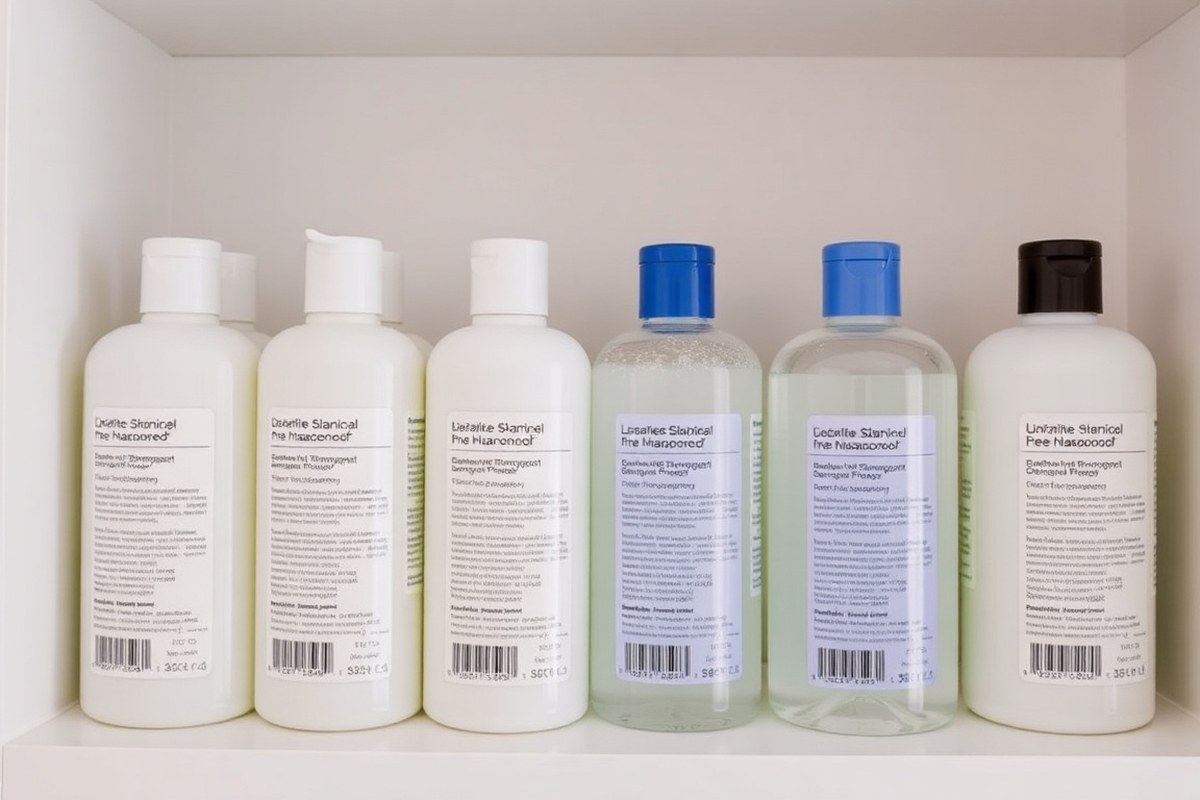
Sulfate-free shampoos don’t have harsh detergents like Sodium Lauryl Sulfate. These sulfates create foam and clean deeply but may dry or irritate hair. Instead, gentler cleansers keep your hair and scalp moist and healthy.
The best way to spot a sulfate-free shampoo is by reading the ingredient label carefully. Look for the absence of sulfates such as SLS, Sodium Dodecyl Sulfate, or ammonium lauryl sulfate. Instead, you’ll see mild surfactants like decyl glucoside or cocamidopropyl betaine listed.
- Check for “sulfate-free” claims on the front label as a quick guide.
- Scan ingredients for sodium lauryl sulfate, sodium laureth sulfate, or ammonium lauryl sulfate. None should be present.
- Look for surfactants like decyl glucoside, coco glucoside, or cocamidopropyl betaine.
- Avoid shampoos with SLS/SLES or any words ending in “-sulfate.”
- Choose brands that state no sulfates anywhere on the label or in the marketing.
Common surfactants replacing sulfates tend to be plant-derived or synthetic but less irritating. Decyl glucoside comes from corn and coconut sugar. It cleans hair gently without removing natural oils.
This keeps your hair soft and healthy. Cocamidopropyl betaine is another mild cleanser from coconut oil that foams softly and soothes skin. These ingredients keep hair clean without the scalp dryness or color fading sulfates can cause.
Shampoos without sulfates usually cost a bit more, often between $9 and $15 per bottle. The price depends on brand and formula, especially if they include extra moisturizing ingredients. Your hair will feel smoother and healthier after switching.
But it can take a few washes to notice. Products labeled sulfate-free give a good heads-up. But the ingredient list shows the full story.
Why Sulfate-Free Shampoo Is Better for Hair and Scalp Health

Sulfate-free shampoos clean hair without stripping natural oils that keep hair soft. Sulfates are strong detergents that create foam but remove moisture, causing dryness. Using sulfate-free shampoo helps your hair stay moisturized and less brittle.
Color-treated hair benefits from sulfate-free shampoos because sulfates can fade color faster. These shampoos use gentle, plant-based cleansers like coconut or amino acids, which clean without damaging color. You’ll notice your color lasts longer with less fading.
People with sensitive skin or scalp find sulfate-free formulas less irritating. Sulfates can cause dryness and itchiness.
Sulfate-free options protect your scalp’s natural moisture barrier. This reduces redness and discomfort, making your scalp feel healthier.
Pick a sulfate-free shampoo to protect your hair and scalp. Look for ones with shea butter or plant oils. These ingredients help keep your hair moist and soft.
These shampoos work well for all hair types, including dry, curly, or thick hair. They help keep hair nourished for up to 72 hours after washing. While sulfate-free shampoos may cost more, they reduce dryness and scalp irritation over time.
Switch gradually if you’re used to sulfate shampoos to avoid buildup and dryness during transition. Look for options specifically formulated for your hair type and needs to get the best benefits. Gentle cleansing with moisture retention reduces breakage and supports healthier hair.
How to Choose the Best Sulfate-Free Shampoo for Your Hair Type
Choosing the best sulfate-free shampoo depends on your hair and scalp needs. Dry, oily, or curly hair has different requirements for cleansing and hydration. Pick a shampoo that matches your hair type and scalp needs.
This helps you get the best hair care results. Choose wisely to avoid problems.
Best Sulfate-Free Shampoo for Dry Hair
Dry hair benefits from shampoos that moisturize without stripping natural oils. Sulfate-free options like Cécred’s Hydrating Shampoo gently cleanse while adding moisture. It also contains vegan ingredients that prevent dryness without harsh chemicals.
Shampoos designed for dry hair often include natural oils or humectants. These support hydration and soothe the scalp, which is essential to avoid flaking and brittleness. Staying away from sulfates helps maintain your hair’s natural lipids.
Top Options for Oily and Normal Scalp
Oily scalps need sulfate-free shampoos that cleanse buildup but stay gentle. Cécred’s Clarifying Shampoo & Scalp Scrub removes excess oil and dirt without heavy stripping. It works well for normal scalps that get oily after a day or two.
Using a sulfate-free clarifying shampoo regularly prevents scalp itchiness and clogged follicles. Cleanse based on your buildup, not daily habits, to avoid scalp drying. This balance keeps your scalp fresh and healthy without irritation.
Recommended Products for Curly and Coily Hair
Curly and coily hair demands hydration to keep curls bouncy and frizz-free. Creme of Nature’s Argan Oil from Morocco Shampoo deeply nourishes curls. It avoids sulfates that can make hair dry.
This keeps your curls healthy and soft. These shampoos often pair with conditioners or treatments for extra softness.
Sulfate-free shampoos help maintain your natural curl pattern and reduce breakage. They cleanse gently without removing the oils curls need. Popular lines like Pattern Hydration Shampoo offer formulas that hydrate and define curls well.
Shampoos with Hydrating and Clarifying Benefits
Shampoos that combine hydration and light clarification are good for all hair types. Cécred offers two options: Hydrating Shampoo and Clarifying Shampoo & Scalp Scrub. Both feature gentle cleansing agents that refresh hair without harsh stripping.
You can use the hydrating shampoo every day for moisture. Use the clarifying shampoo only to remove buildup. This keeps your hair clean without drying it out.
This routine balances moisture and cleanliness, avoiding the damage caused by sulfates. It works well for color-treated and sensitive scalps too.
Here’s a simple table to compare popular sulfate-free shampoos by hair type, price, and key ingredients:
| Shampoo | Best For | Key Ingredients | Price (Approx.) |
|---|---|---|---|
| Cécred Hydrating Shampoo | Dry, Sensitive Hair | Vegan, Moisturizing Complex | $25 |
| Cécred Clarifying Shampoo & Scalp Scrub | Oily, Normal Scalp | Gentle Exfoliants, Mild Surfactants | $28 |
| Creme of Nature Argan Oil Shampoo | Curly, Coily Hair | Argan Oil, Hydrating Agents | $8 |
| Pattern Hydration Shampoo | Curly Hair | Hydrating Ingredients, Sulfate Free | $20 |
| Isima Riquisima Hydrating Shampoo | Thick Hair | Hydrating Formula | $32 |
Matching your shampoo to your hair and scalp needs helps avoid dryness and buildup. Options with hydration and gentle cleansing work best for most hair types. Sulfate-free products cost between $8 and $32 on average, depending on ingredients and brand.
Common Myths and Concerns About Sulfate-Free Shampoos
Some people think sulfate-free shampoo causes an itchy scalp. Actually, it’s often the opposite. Sulfate-free shampoos avoid harsh chemicals that can irritate sensitive skin.
So they usually reduce itching instead of causing it. Your scalp might itch after switching. Rinse your hair well or use a light conditioner to soothe it.
Many worry sulfate-free shampoos don’t clean well. These shampoos use gentle agents that remove dirt and buildup without stripping moisture. Celebrity stylist Erinn Courtney says drugstore sulfate-free shampoos work well.
They have similar ingredients to expensive ones. These shampoos clean your scalp just fine. Massage shampoo into your wet hair and scalp.
Work up a good lather. Then rinse it out thoroughly.
Your hair may feel different switching to sulfate-free shampoo. It sometimes feels less squeaky clean at first because sulfates strip oils for a harsher feel. Over time, hair often feels softer and more hydrated.
Notice heaviness or residue? Wash your hair twice or use a gentle sulfate-free clarifier once a week. Adjusting to this shampoo takes about two to four weeks as your scalp balances oil production.
How to Transition and Use Sulfate-Free Shampoo Effectively
Switching to sulfate-free shampoo can feel different at first. Your hair might seem oily or less clean while it adjusts. Washing less often helps your scalp balance natural oils and your color lasts longer.
Most people wash their hair with sulfate-free shampoo every 5 to 7 days. You can use dry shampoo between washes to keep oil and dirt under control. Using cooler water also helps protect hair and scalp while preventing drying.
Sulfate-free shampoos work well with conditioners and styling products. They cleanse without stripping moisture, so your hair stays hydrated. Choose a conditioner designed to pair with your shampoo for the best results.
Follow these steps to switch and care for your hair the right way:
- Wet your hair with lukewarm to cool water to prevent drying and color fade.
- Apply a small amount of sulfate-free shampoo. Focus on the scalp, not the ends.
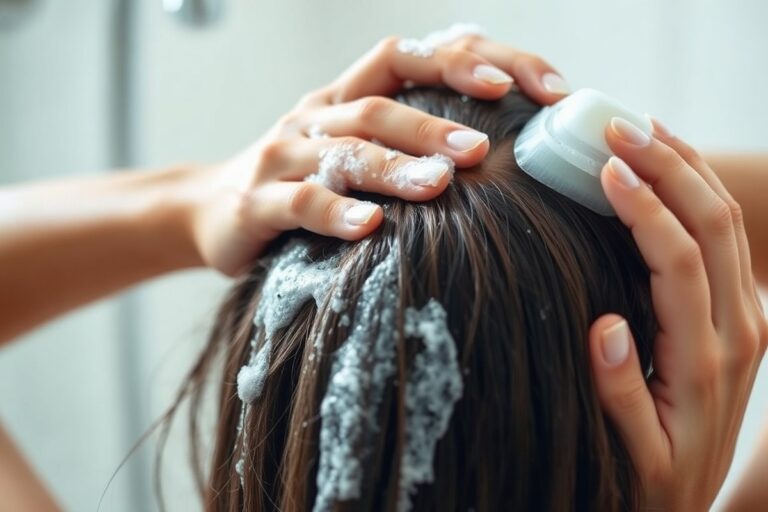
- Massage gently for one to two minutes to loosen dirt and buildup.
- Rinse thoroughly with cool water to close the hair cuticle and lock moisture.
- Use a sulfate-free conditioner, focusing mostly on the mid-lengths and ends.
- Rinse out the conditioner with cool water to keep hair smooth and shiny.
- Wash your hair 1 to 2 times a week, using dry shampoo if needed between washes.
- Avoid overwashing, especially if your hair is dry or color-treated, to keep it healthy.
When you start, your hair might feel greasy or dry; this is normal. Give your scalp about two weeks to adjust.
Key Ingredients to Look for in Sulfate-Free Shampoos
Sulfate-free shampoos use mild cleansers that won’t strip your hair. They often include nourishing ingredients for moisture and repair. Knowing these key ingredients helps you choose the right shampoo.
Each ingredient works differently depending on your hair type. Picking the right one meets your hair needs.
Moisturizing and Nourishing Ingredients
Without sulfates, shampoos rely on ingredients that hydrate and strengthen hair. Oils like avocado and almond add moisture and smoothness. These keep strands soft and easy to manage, especially if your hair is dry or curly.
Proteins like keratin help repair damage and build hair strength. Aloe vera soothes the scalp while adding hydration. These ingredients improve your hair’s health over time with regular use.
Gentle Cleansers Replacing Sulfates
The key is mild surfactants that clean without harsh effects. Ingredients like cocamidopropyl betaine and decyl glucoside create suds but don’t strip oils. They cleanse gently, preserving your scalp’s natural barrier.
Because these ingredients aren’t as strong as sulfates, shampoos usually ask you to shampoo twice. This ensures your scalp and hair get fully clean. You can part hair into sections for easier application.
- Cocamidopropyl betaine, a mild foaming agent from coconut oil
- Decyl glucoside, a gentle plant-based cleanser
- Sodium cocoyl isethionate, soft foaming ingredient derived from coconut
- Disodium laureth sulfosuccinate, a gentle surfactant that cleans well
These cleansers create a harmless foam that lifts dirt and oil without drying your scalp. They’re good for all hair types, especially sensitive or color-treated hair.
Additives for Color and Scalp Protection
Sulfate-free shampoos often include antioxidants and UV filters. Ingredients like vitamin E protect hair color from fading. Plant extracts can calm scalp irritation and reduce dryness.
Some formulas add ingredients like panthenol to keep hair strong and flexible. These help support your scalp’s health and protect colored or fragile hair. Look for shampoos labeled color safe or designed for sensitive scalps.
Cost and Availability of Popular Sulfate-Free Shampoos
Sulfate-free shampoos range widely in price, but many affordable options exist. Drugstores carry several quality brands that won’t break the bank.
You can buy them at Walmart, Target, CVS, and Walgreens. You’ll also find these online through Amazon or brand websites.
Some sulfate-free shampoos cost $5 to $8 for 10 to 12 ounces. These prices are common in drugstores. Specialty products, like solid shampoo bars, can cost more upfront.
They usually last longer with each use. Ethique’s Hydrating Solid Shampoo Bar costs more per bar. Still, it can last longer than many liquid shampoo bottles.
| Brand | Price Range | Availability |
|---|---|---|
| Ethique Hydrating Solid Shampoo Bar | $15, $20 per bar | Online, specialty stores |
| SheaMoisture Coconut & Hibiscus Shampoo | $8, $12 per bottle | Walmart, Target, CVS, Amazon |
| Love Beauty and Planet Shampoo | $6, $9 per bottle | Target, Amazon, Walgreens |
| Garnier Fructis Pure Clean Shampoo | $5, $7 per bottle | Drugstores, Walmart, Amazon |
| Jason Restorative Biotin Shampoo | $7, $10 per bottle | Whole Foods, CVS, Amazon |
Check labels carefully before buying. Some shampoos advertised as sulfate-free may still contain less common sulfates. Knowing this avoids irritation, especially if your hair is color-treated or sensitive.
Buying online often gives you better deals and more choices, including often cruelty-free brands. Solid shampoo bars like Ethique’s offer plastic-free packaging and save space in your shower. They might be pricier upfront but stretch your budget in the long run.
How Sulfate-Free Shampoos Impact Hair Growth and Scalp Condition
Sulfate-free shampoos gently cleanse your hair and scalp without stripping natural oils. They help maintain a healthy scalp environment, which may support hair growth over time. These shampoos are especially good for sensitive or damaged scalps.
Sulfate-Free Shampoo and Hair Growth Relationship
Sulfates can irritate the scalp and remove protective oils, leading to dryness. Without this irritation, hair follicles stay healthier, reducing breakage and shedding. Healthy follicles can grow stronger, fuller hair over months of consistent use.
Switching to a sulfate-free shampoo slows hair dryness and breakage, keeping your strands intact. You won’t see instant growth.
But expect improved hair strength and texture in 6 to 8 weeks. Moroccanoil’s argan oil shampoo, for instance, nourishes hair to boost softness and shine.
Benefits for Sensitive and Irritated Scalps
Sulfate-free shampoos calm irritation by avoiding harsh detergents that provoke redness or itching. They protect the skin’s natural barrier, preserving moisture and reducing dryness. This helps prevent flaking and sensitivity, common in dry or eczema-prone scalps.
Use lukewarm water with sulfate-free shampoo and rinse gently to avoid scalp stress. Avoid shampoos with alcohol or heavy fragrances, as they can worsen irritation. Regular use supports a balanced scalp that feels comfortable and less inflamed.
Support for Dandruff and Inflammation Management
Dandruff arises partly from a disrupted scalp environment. Sulfate-free shampoos preserve the scalp’s natural oils, improving its defense against flakes and itchiness. Some also include soothing ingredients that reduce inflammation gently, without harsh chemicals.
If you have dandruff, look for sulfate-free options with anti-inflammatory botanicals or ingredients like tea tree oil. Use the shampoo every other day, so your scalp’s natural oils stay balanced. Overwashing or rough scrubbing with sulfates often worsens dandruff and irritation.
Always switch gradually to sulfate-free shampoo to avoid scalp dryness or buildup during adjustment.
Step-by-Step Action Plan for Switching to Sulfate-Free Shampoo
Use this plan to start using sulfate-free shampoo without frustrating your hair or scalp. Follow each step and watch for signs of healthier hair.
- Before you start: Check your current shampoo’s label to confirm if it contains sulfates. Switch only if you want gentler care or have dry, color-treated, or sensitive hair.
- Day 1: Apply sulfate-free shampoo and conditioner as usual. Your hair may feel different but keep going.
- Week 1: Use sulfate-free shampoo 3 to 4 times this week. Your scalp might feel oilier at first, which is normal.
- Week 2: Stick with sulfate-free shampoo daily or every other day. You should notice less scalp irritation and softer hair.
- After 3 weeks: Evaluate your hair’s texture and shine. If your hair feels dry, try a sulfate-free shampoo with moisturizing ingredients like coconut oil or glycerin.
- After 1 month: You should see less frizz and color fading. Keep using sulfate-free shampoo for long-term scalp health.
- Ongoing: Combine sulfate-free shampoo with a gentle conditioner matched to your hair type. Adjust use frequency if your scalp gets too oily or dry.
Frequently Asked Questions
What Shampoo Is Sulfate Free?
Sulfate-free shampoos clean your hair without harsh chemicals called sulfates. Look for shampoos that say “sulfate-free” on the label.
These avoid dryness and irritation. They are best for sensitive scalps or color-treated hair.
What Is the Best Sulfate-Free Shampoo?
The best sulfate-free shampoo depends on your hair type and needs. Method’s Simply Nourish Moisturizing Shampoo is affordable and works for many hair types. Creme of Nature’s Argan Oil shampoo is a good choice for coily hair.
Is Dove Shampoo Sulfate-Free?
Most Dove shampoos contain sulfates, but Dove does offer some sulfate-free options. Check the label for ingredients like sodium lauryl sulfate or sodium laureth sulfate. Avoid those if you want a truly sulfate-free shampoo.
Is Sulfate-Free Shampoo Better for Hair?
Yes, sulfate-free shampoos are gentler and help keep hair moisture and color intact. They don’t strip natural oils, which reduces dryness and irritation for dry or sensitive scalps.
Can Sulfate-Free Shampoo Cause Itchy Scalp?
Sulfate-free shampoos usually reduce itchiness, but some formulas may not suit your scalp. Your scalp feels itchy. Try switching brands or find products with aloe or chamomile.
Are Sulfate-Free Shampoos Safe to Use Every Day?
Yes, sulfate-free shampoos are gentle enough for daily use, especially on dry or color-treated hair. They avoid harsh stripping, so your scalp and hair stay healthier with regular washing.
The Bottom Line
Sulfate-free shampoo offers a gentler, healthier choice for many hair types. Your hair and scalp can feel softer and less irritated with regular use. Try one now and give your hair the care it deserves.