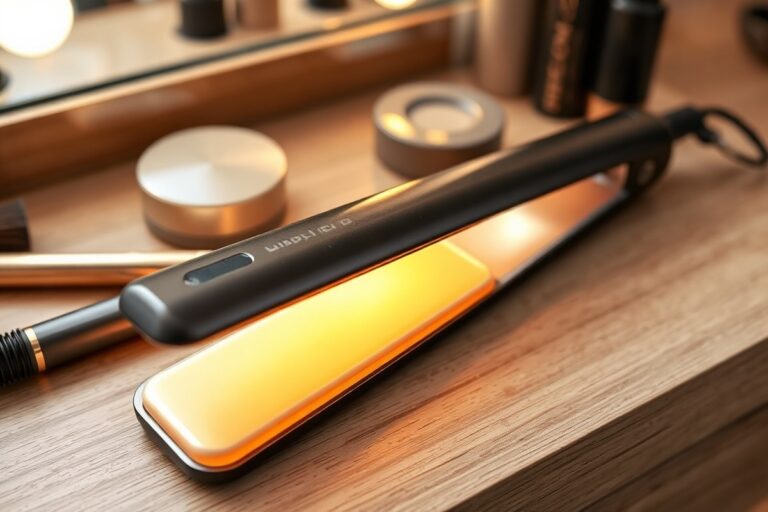
What Is a Hot Comb: A Complete Guide to Safe and Effective Use
What is a hot comb? It’s a heated tool designed to straighten curly or coarse hair quickly.
The comb heats up and smooths your hair strands, making them straight and sleek. Many hot combs reach temperatures over 300 degrees Fahrenheit to handle tough textures.
This tool works by gently pressing heated metal against your hair, which loosens curls or waves. You need to start with clean, dry hair for the best results. Avoid using it on tangled hair because the comb can snag and cause breakage or burns.
A modern hot comb has adjustable heat settings. These help you match the right temperature to your hair type.
Start with a lower temperature and test the heat carefully to prevent burns. That way, you keep your hair healthy and get smooth results safely.
Key Takeaways
- Heat the hot comb slowly and test it on your wrist before each use.
- Use a hot comb only on dry, detangled hair to avoid damage.
- Adjust heat settings: 250°F for fine, up to 400°F for coarse hair.
- Focus only on new hair growth rather than your entire length.
- Wear heat-resistant gloves to protect your fingers during styling.
- Let the comb cool completely before storing to extend its lifespan.
What Is a Hot Comb and How Does It Work?

A hot comb is a heated styling tool designed to straighten hair. It looks like a regular comb but has metal teeth spaced wider apart. These teeth heat up to smooth out curly or coarse hair, making it easier to style.
The comb heats up with a metal base. You glide it through your hair strands. It can be electric or manual.
Heat softens your hair’s natural curls or kinks. The comb’s teeth then pull the hair straighter.
This helps straighten your hair. This method works best for roots, edges, and quick touch-ups.
Hot combs are mainly made from metal, including steel or sometimes ceramic-coated metals. The ceramic coating spreads heat evenly on the comb. It helps reduce hair damage.
It also makes hair smooth and shiny. Some hot combs reach temperatures as high as 500 degrees Fahrenheit to straighten very coarse hair.
Heat the metal teeth of the comb until warm enough. Do not let them get too hot. Avoid burning your scalp.
The comb gently untangles and presses the hair strands, providing precise control near the roots. This precision is useful for styling edges and small sections.
A manual hot comb heats on a stove or electric base. You must time it carefully. Watch the temperature closely while using.
Electric hot combs have a heat-resistant handle. They also have adjustable heat settings.
This makes them easier for beginners. Ceramic options offer a gentler heat for sensitive or finer hair types.
The History and Origins of the Hot Comb

The hot comb first appeared in 19th-century France but its exact inventor is unknown. While many credit Madam C.J. Walker with inventing or improving it, no proof backs that claim. The hot comb developed slowly over many years.
It became a key tool for straightening tight curls and coarse hair. People found it useful for taming hard-to-manage hair textures.
By the early 1900s, many African American women used hot combs. This tool gained popularity for hair straightening among Black communities. It helped create smoother hair styles than natural curls allow.
The hot comb was very important in Black hair care routines. It helped achieve styles harder to get with natural curls. Many found it useful for smooth, polished looks.
No one person officially patented the hot comb. It became well known through how often people used it. Its fame came from popularity, not from a formal patent.
As the hot comb grew in popularity, small improvements made it safer and easier to use. Early designs were heated over open flames or stoves, making burns a real risk. Electric hot combs came later with new features.
They have better heat control and ceramic coatings. These changes help protect hair from heat damage.
The hot comb’s cultural importance runs deep. The hot comb was a symbol of self-care for many Black women. Straight hair often linked to better social and work chances.
It represented acceptance and progress at tough times. This made the tool more than just a styling aid. It became part of identity and resilience.
People continue to use hot combs today, especially those with coarse or curly hair. Modern versions range in price but usually cost between $15 and $50. Many hot combs now have safety features built in.
They have adjustable heat settings to protect hair. Swivel cords make styling easier and safer to use.
Always test the hot comb temperature on a hair strand first. This helps prevent burns or hair breakage. It keeps your hair safer when styling.
Types of Hot Combs: Traditional, Electric, and Ceramic Options
Hot combs come in three main types: traditional metal, electric, and ceramic options. Each type varies in heat source, control, and coating, which affects styling ease and hair safety. Knowing their differences helps you pick the right one for your hair texture and styling needs.
Traditional Metal Hot Combs
Traditional hot combs are metal and heated on a stove or open flame. They don’t have adjustable heat.
So you must test the temperature carefully to avoid burning your hair. These combs can reach very high temperatures but require skill to handle safely.
The lack of heat control means you must let the comb cool or heat as needed. These combs usually have heat-resistant handles to protect your hands.
They work best for thick, coarse hair that tolerates high heat. But they can cause damage if used improperly.
Electric Hot Combs with Heat Controls
Electric hot combs use built-in heating elements powered by electricity. They usually offer adjustable temperature settings, making them safer and easier to use. These models heat up quickly and cut styling time by about half compared to traditional combs.
You can set the heat to lower hair damage risk. This helps especially with medium or fine hair. You control the heat level to protect your hair.
Many electric combs also come with features like heat-resistant handles and automatic shutoff. These designs make them better for beginners and convenient for travel touch-ups.
Ceramic and Coated Hot Combs
Ceramic hot combs have heating plates or teeth coated with ceramic materials. Ceramic spreads heat evenly, reducing hot spots that can burn your hair. These combs stay hotter at lower temperature settings, making them gentler on your hair.
Some ceramic models also include ionic technology to help smooth hair and reduce frizz. These often include clips and rat-tail combs as accessories. They help you section hair for an even straightening job.
These tools make straightening smoother and neater. Ceramic-coated hot combs usually cost more but are a safer option for frequent use.
Here is a table summarizing the features, benefits, and typical users of each hot comb type:
| Hot Comb Type | Heat Source | Heat Control | Hair Type Best For | Key Benefits | Considerations |
|---|---|---|---|---|---|
| Traditional Metal | Stove or flame | No adjustable control | Coarse, thick hair | High heat for straightening | Requires skill, risk of burns |
| Electric Hot Combs | Electric heating element | Adjustable temperature | Fine to coarse hair | Quicker styling, safer use | Need power source |
| Ceramic/Coated Models | Electric ceramic element | Multiple heat settings | Fine to coarse hair | Even heat, less damage | Higher price point |
Choosing a hot comb with ceramic coating and heat control helps protect your hair. It also cuts styling time and gives a smoother finish. Traditional combs still work, but careful heat management is key to avoid damage.
How to Prepare Your Hair and Tools Before Using a Hot Comb
Preparing your hair before using a hot comb keeps it healthy. It also protects your hair from heat damage.
You need to detangle, dry, apply heat protectant, and section your hair. Also, test the hot comb’s heat each time before use.
Detangling and Drying Hair
Start with clean, dry hair for the best results. Wet or damp hair takes longer to straighten and can be damaged more easily by heat. Use a wide-tooth comb to gently remove tangles, working from ends to roots to avoid breakage.
Dry hair thoroughly with a towel or blow dryer on a cool setting. This prevents extra moisture from causing steam burns or uneven styling.
Your hair is very thick or curly. Drying in sections makes the process easier.
Applying Heat Protectant Products
Always apply a heat protectant before using the hot comb. This spray or serum forms a shield to reduce hair damage from high temperatures. Choose one designed for straightening or thermal styling.
Apply evenly by spraying or smoothing the product through each section of hair. Avoid applying too close to the scalp to prevent build-up and greasy roots. Focus on mid-lengths and ends, where hair is older and more fragile.
You want extra shine and slip. Add a small amount of light oil or serum after heat protectant. This helps the comb glide through hair without snagging.
Testing and Setting the Hot Comb Temperature
A hot comb has adjustable heat settings. This lets you pick the right temperature. Choose based on your hair type.
Use lower heat for fine or damaged hair and higher heat for coarse, thick curls. Avoid using the maximum setting to prevent burning or breaking.
Before you touch your hair with the comb, test the heat on a white paper towel. Quickly press the comb teeth against the paper and check for scorching or smoking. This test confirms the comb isn’t too hot and helps you adjust if needed.
Keep the plastic protective cover on the comb if it has one. It controls heating to avoid overheating and keeps the temperature stable during use.
- Wash and dry your hair completely using a towel or cool blow dryer.
- Detangle your hair gently in small sections with a wide-tooth comb or brush.
- Spray a heat protectant evenly on each section, avoiding your scalp.
- Optionally, apply a light hair oil or serum for smooth styling.
- Turn on the hot comb. Set it to a heat level that matches your hair type.
- Test the comb heat on a white paper towel; look for burns or smoke.
- Adjust the heat setting if the paper towel scorches, then retest.
- Keep the plastic cover on the comb if it has one to maintain proper heat.
Step-by-Step Guide to Using a Hot Comb Safely and Effectively
Start by dividing your hair into sections. Move the hot comb carefully. Adjust heat as you go to avoid damage.
These steps help you smooth your hair while avoiding burns or damage. Follow a clear routine for best results.
Dividing Hair into Manageable Sections
Start by dividing your hair to manage each part easily. Sectioning helps you focus on small strands, making straightening smoother and faster.
Use clips or hair ties to separate your hair. Make 4 to 8 sections based on thickness. This helps you work better and faster.
Start from the back since it’s harder to reach. Keep sections neat and tight to avoid tangles.
- Comb your hair to remove knots.
- Create a horizontal part from ear to ear.
- Clip the top half out of the way.
- Divide the lower half into smaller vertical sections.
- Start straightening these small sections one by one.
- Unclip the next section and repeat until finished.
- Handle each section carefully to keep strands separate.
Keep your sections small and neat to prevent missing spots or tangling.
Proper Comb Movement and Technique
Hold the hot comb parallel to your scalp but avoid touching your skin. Run the comb slowly from roots to ends to get straight results. Quick, harsh strokes cause uneven straightening.
Clamp the comb gently at the roots and glide it down each section. Use the full size of the comb for even heat distribution. Avoid going over the same spot more than twice to prevent damage.
Keep tension on your hair by holding the ends taut without pulling hard. This helps the heat smooth curls faster. Pay attention near your face and ears to avoid burns.
Move the comb steadily close to your roots. This helps keep your hair straight longer. Be careful not to burn your skin.
Adjusting Heat Settings Mid-Use
Check the heat setting before and during use. Start low, especially if your hair is fine or fragile. Increase temperature slowly if the hair isn’t straightening well.
Most electric hot combs have adjustable heat from around 300°F to 450°F. Use lower settings for fine hair and higher for thick or coarse hair. Avoid using the highest heat on chemically treated or fragile hair.
Let the comb cool or reduce heat if you feel burning smells or see smoke. Taking breaks between sections can help prevent overheating and hair damage.
Adjust the temperature as needed; high heat can damage hair quickly and cause burns.
Recommended Heat Settings by Hair Type to Minimize Damage
Different hair types need specific heat settings to avoid damage and get the best results. Fine hair, for example, burns easily at high heat.
Coarse or curly hair can handle hotter temperatures without harm. Setting the right temperature helps smooth your hair safely without breaking the strands.
Here’s a quick look at which temperatures work best based on your hair type:
| Hair Type | Recommended Temperature |
|---|---|
| Fine hair | 250°F |
| Normal hair | 300, 375°F |
| Coarse hair | 400°F |
To pick the right heat setting, start with the lowest option. Use low heat first if your hot comb has levels. Adjust only if needed after testing.
Your hair may feel stiff or take too long to straighten. Raise the temperature a little to fix this. Be careful not to go too high.
Avoid using higher heat than needed. Too much heat can cause dryness, breakage, and split ends, especially on fine or fragile hair.
Use the hot comb carefully and limit how often you apply heat. Overheating your hair can wear down its protective cuticle.
Waiting a few days between straightening sessions helps your hair recover and stay healthy. Heat control and patience protect your hair while making your style last longer.
Common Mistakes with Hot Combs and How to Fix Them
One common mistake is using a hot comb that is too hot. The comb can burn your hair and scalp fast if too hot.
Check the temperature by carefully holding the comb near a folded towel. The comb is too hot when it browns the towel.
Snagging or pulling hair happens if the comb isn’t gliding smoothly. Hair that’s tangled or very dry is more prone to catching on the teeth.
Detangle your hair thoroughly before starting. Use a light heat protectant spray to help the comb move easily through your strands.
Burns near the scalp and ears happen when rushing. Holding the comb too long in one spot also causes burns. These areas are very sensitive.
Keep the comb moving slowly and steadily from root to tip. Move your ears gently away from the heat.
You can also use a thin cloth as protection. This helps if the heat feels too close.
- Always blow out and detangle hair before using the hot comb
- Wait for the comb to fully heat up before starting
- Test the comb heat on a towel to avoid burning hair
- Move the comb slowly and steadily, never hold it in one place
- Use a heat protectant spray to prevent dryness and breakage
- Reduce usage frequency to prevent damage and hair loss
- Protect sensitive skin near ears and scalp from direct heat
Stop using the comb and let it cool if it feels too hot. Lower the heat setting gradually if your hot comb allows adjustment.
Applying too much heat or pressing too hard can cause hair to break or become brittle. So gentle, even strokes work best.
Hair damage also happens with frequent hot comb use. Give your hair rest days to recover and keep it moisturized after straightening sessions. This care helps maintain shine and strength, preventing dryness and split ends.
Maintenance and Safety Tips for Long-Lasting Hot Comb Use
Clean your hot comb regularly to prevent buildup of hair products and oils. Unplug it first and let it cool down completely. Use a soft cloth dampened with mild soap and warm water.
Wipe the teeth and surfaces gently. Do this carefully to avoid damage. Avoid soaking or using harsh chemicals, as they can damage the comb’s finish and heating elements.
Store your hot comb in a dry, safe place away from water and heat sources. Coil the cord loosely to avoid kinks or breaks. Check it periodically for frayed cords or loose parts.
Replace the comb when you notice any signs of damage. This helps prevent electrical risks. It also keeps performance steady.
Before each use, inspect the comb for dirt and damage. Only plug it in when you are ready to use it. Keep it away from children or pets while hot.
Use a heat-resistant glove or cloth to hold the comb safely. Never leave it unattended while plugged in. Always unplug it right after use to avoid accidents or appliance failure.
Always let your hot comb cool on a heatproof surface to avoid burns and damage.
Avoid using your hot comb on wet hair unless it’s designed for that. This helps the comb last longer. Wet hair can harm the tool.
Excess moisture can cause rust or short circuits. Apply a light drop of machine oil on the hinge if your comb has one.
But only if the manufacturer recommends it. This will keep the teeth moving smoothly without wear.
Avoid dropping the hot comb or banging it against hard surfaces. Even small dents can affect heating consistency. Stop using the comb if the temperature control breaks or it heats unevenly.
Think about getting it repaired by a pro. Replacing it might be necessary too.
Step-by-Step Action Plan for Using Your Hot Comb
Follow these steps to safely straighten your hair with a hot comb. Each phase helps you get smooth results without damage.
- Before You Start: Wash and condition your hair well. Clean hair means better straightening and less heat damage.
- Heat Up Your Comb: Set your hot comb to a suitable temperature for your hair type. Test it on a small hair strand to check if it’s not too hot.
- Section Your Hair: Divide your hair into small sections using clips. This helps you work evenly and avoid missing spots.
- Straighten Carefully: Use slow, gentle passes with the hot comb on each section. Avoid holding the comb too long on one spot to prevent burns.
- Cool Down: Let the hair cool before touching it or styling further. This helps set the straightened shape.
- Repeat When Needed: If some curls need more straightening, do one more gentle pass. Stop if you see any signs of damage, like smoke or a burning smell.
- Aftercare: Apply a light leave-in conditioner or oil after straightening. This keeps your hair moisturized and shiny.
- Clean Your Comb: Wipe the hot comb carefully after it cools down. Keeping it clean ensures smooth use next time.
Frequently Asked Questions
Can Hot Combs Cause Burns on Your Scalp?
Yes, hot combs can cause burns if overheated or misused. Testing the comb’s temperature on your wrist before use helps prevent injury.
How Often Should a Hot Comb Be Cleaned?
Clean your hot comb after every few uses to avoid product buildup. Use a damp cloth and avoid harsh chemicals to protect the heating element.
Is a Hot Comb Suitable for Chemically-Treated Hair?
It’s best to avoid hot combs on chemically relaxed or damaged hair. This reduces the risk of further breakage or heat damage.
Can Hot Combs Straighten Thick, Coarse Hair Effectively?
Yes, hot combs work well on thick, coarse hair if used at the right heat setting. High heat may be needed, but always test to avoid burns.
What Is the Difference Between a Hot Comb and a Flat Iron?
A hot comb is a heated metal comb designed mainly for roots. Flat irons use two heated plates to straighten lengths of hair.
Are Hot Combs Safe for Beginner Users?
Hot combs can be safe with practice and proper heat control. Always start on low heat and use on small sections to avoid damage.
Before You Go
A hot comb is a simple tool that helps you straighten hair quickly and neatly. Using it right protects your hair from heat damage. Try the steps above to get your best results today.