What Is Chelating Shampoo? A Complete Guide to Benefits and Safe Use
What is chelating shampoo? It’s a special type of shampoo designed to remove mineral buildup.
This buildup often happens if you have hard water or use a lot of styling products. Chelating shampoo grabs and washes away these minerals better than regular shampoo.
Minerals like calcium and magnesium can make your hair feel rough, dull, or brittle. Chelating shampoo breaks down these minerals so your hair looks brighter and feels softer. Use it carefully, since it strips buildup more strongly than regular shampoos.
Don’t use it too often, once every 2 to 4 weeks is enough for most people. Letting the shampoo sit on your hair for 3 to 5 minutes boosts its effectiveness. Always check your hair’s condition first to avoid over-drying or damage.
Key Takeaways
- Chelating shampoo removes mineral buildup from hard water and styling products.
- It works by binding minerals like calcium and magnesium to wash them out.
- Use chelating shampoo only every 2 to 4 weeks to avoid dryness.
- Let the shampoo sit for 3 to 5 minutes to maximize cleaning power.
- Don’t use chelating shampoo within 72 hours of coloring or chemical treatments.
- Check if your hair feels dull, rough, or brittle to know if you need it.
What Is Chelating Shampoo and Why It Matters

Chelating shampoo is a special cleanser for your hair. It removes minerals like calcium, magnesium, iron, copper, and chlorine. These minerals build up and need a stronger shampoo to go away.
These minerals build up over time, especially if you have hard water or swim often. This shampoo has ingredients like EDTA, citric acid, and phytic acid.
They grab minerals in your hair and wash them out. Regular shampoos can’t remove these metals like this.
It is different from regular shampoos because it doesn’t just clean oils or dirt. Regular shampoos focus on everyday grease, sweat, and light product buildup. Chelating shampoo removes tough mineral deposits from your hair.
These deposits make hair dull, rough, or change its color. For example, it stops blonde hair from turning green after swimming.
People need chelating shampoo mostly if their hair faces hard water or pool chemicals frequently. Mineral buildup can make your hair dry, brittle, and harder to style. Using chelating shampoo once or twice each month helps your hair.
It clears out unseen mineral buildup and resets your hair’s feel. This keeps your hair fresh and clean.
It usually costs more than standard shampoo, ranging from $10 to $25 for a bottle. But one bottle lasts a few months since you use it sparingly.
First, wet your hair well. Then, apply the chelating shampoo evenly. Leave it on for 2 to 5 minutes to bind the minerals before rinsing.
Rinse well and follow with a deep conditioner because chelating can dry your hair out. Good results feel like your hair is softer, smoother, and easier to manage after washing. Skipping this step when you have mineral buildup can leave your hair looking lifeless and tangled.
Some people think they need chelating shampoo with every wash. But it’s meant only for occasional use. Overusing it can strip natural oils and harm your hair.
You also don’t need it if you don’t have hard water or swimming exposure. You can tell if this shampoo suits you by your hair’s feel.
Hair that feels heavy or has strange colors might need the shampoo. Use it only when your hair shows these signs.
How Chelating Shampoo Works to Remove Mineral Buildup
Chelating shampoo works by binding to minerals in your hair, like calcium and iron. These minerals come from hard water and pool chemicals and stick to your hair shaft. The shampoo’s special ingredients grab minerals from your hair.
Then they wash those minerals away. This leaves your hair cleaner than regular shampoo.
How Mineral Buildup Happens on Hair
Hard water contains minerals like calcium, magnesium, iron, and copper. When you wash your hair with it, these minerals can settle on your hair strands. Over time, this buildup makes hair look dull, feel rough, and even cause breakage.
Pool water chlorine also leaves mineral deposits on hair. These deposits stick tightly because they react with your hair’s natural oils and proteins. This buildup creates a barrier that stops moisture and nutrients from reaching your hair.
What Chelating Agents Do
Chelating shampoo contains ingredients like EDTA that specialize in grabbing minerals. These agents surround mineral ions, forming a complex that dissolves in water. This process pulls the minerals away from your hair shaft during rinsing.
This differs from regular shampoos, which mainly wash away oils and dirt. The chelating agents chemically bind to minerals, removing buildup that normal cleansing cannot. This way, minerals that make hair stiff and dry are lifted out effectively.
Minerals Chelating Shampoo Targets
The most common minerals removed are calcium and magnesium, which cause hardness in water. Iron and copper from older plumbing can also build up and cause discoloration or greenish tones. Chlorine from pools or city water adds another layer of buildup that chelating shampoos erase.
By targeting these specific minerals, chelating shampoos repair damage caused by hard water and swimming. This leads to smoother, shinier hair that feels lighter and less tangled.
How Chelating Shampoo Differs from Clarifying Shampoo
Clarifying shampoo removes product residues, oils, and dirt but doesn’t affect minerals much. It loosens buildup that forms on hair from styling products and pollution. Chelating shampoo goes deeper by chemically grabbing the mineral deposits that clarifying shampoo can’t dissolve.
You shouldn’t use chelating shampoo every day. It strips minerals too strongly. This can dry out your hair.
Alternate between clarifying and chelating shampoos based on your buildup. This helps protect your hair’s health. It removes all buildup effectively.
Use chelating shampoo no more than once a week to avoid drying out your hair.
Differences Between Chelating and Clarifying Shampoos
Chelating and clarifying shampoos both clean your hair deeply, but they do it differently. Chelating shampoo removes mineral buildup by locking onto metals. Clarifying shampoo rinses away product residue and dirt without targeting minerals specifically.
Key Ingredient Differences
Chelating shampoos contain special agents like sodium citrate and citric acid. These ingredients bind minerals and metals so they rinse out easily. Clarifying shampoos often include strong detergents but lack these mineral-grabbing agents.
Some products combine both actions, adding a gentle chelating agent like EDTA with clarifying ingredients. These are good for daily use since they’re less harsh and still help remove minerals.
| Feature | Chelating Shampoo | Clarifying Shampoo |
|---|---|---|
| Key ingredients | Sodium citrate, citric acid, EDTA (chelators) | Sulfates or gentle detergents (no strong chelators) |
| Function | Grabs and removes mineral buildup | Removes product residue and surface dirt |
| Hair types best suited | Curly, coily, coarse with mineral buildup | All hair types needing deep cleaning |
| Sulfate-free options | Yes, often with gentle chelators | Yes, but some are harsher |
Choosing a shampoo depends on your hair needs and past reactions to ingredients. Using gentle sulfates with chelating agents avoids damage for sensitive hair types.
Best Scenarios for Use
Use chelating shampoo if your water has high mineral content. It pulls mineral buildup effectively from your strands. This matters if you notice dryness, dullness, or brittleness after washing.
Clarifying shampoo suits you if your hair feels heavy from styling products or oils. It cleans without specifically targeting minerals. That makes it a good prep step before chelating or deep conditioning.
You can use a shampoo that does both, like a mild clarifying shampoo with chelating agents. This reduces the need for multiple products while keeping hair clean and light.
Recommended Frequency of Use
Chelating shampoos work best about once every two weeks or once a month. Overusing can dry out your hair or strip natural oils. Follow with conditioning or protein treatments to restore hair strength.
Clarifying shampoos can be used more often, like once a week, for normal buildup removal. Avoid daily use unless the formula is very gentle to prevent scalp irritation.
Using clarifying and chelating shampoos together on the same day is usually not necessary. Start with clarifying to clear surface buildup, then use chelating shampoo if mineral removal is needed.
When and How Often to Use Chelating Shampoo
Use chelating shampoo based on your water type, hair, and styling habits. Hard water or frequent pool swimming means using it more often. Light styling and soft water call for less frequent use to avoid drying out your hair.
Here’s a simple guide to how often you should use chelating shampoo:
- Soft water with light styling: once a month
- Medium hard water and occasional styling: every two weeks
- Very hard water, daily styling, or pool exposure: weekly
- Colored hair: use it right before your salon visit
Using chelating shampoo too often can strip your hair, making it dry and brittle. Too little use means mineral buildup stays, weighing hair down and dulling shine. Pay attention to your hair’s feel and behavior to adjust timing.
After washing with chelating shampoo, follow up with a good conditioner. Your hair may feel tighter or a bit rougher due to stripped minerals.
But that clears with regular moisturizing. Stick to the recommended frequency to keep your hair healthy and vibrant.
Step-By-Step Guide to Using Chelating Shampoo Safely
Chelating shampoo works best when used carefully on clean, wet hair. You should leave it on your hair for about 3 to 5 minutes, then rinse well. Follow up with a deep conditioner to restore moisture and prevent dryness.
Preparation and Wetting Hair
Start by soaking your hair completely with warm water. Warm water opens the hair cuticle, allowing the shampoo to remove buildup better. Make sure hair is dripping wet before applying the shampoo.
Use warm, not hot water, to avoid drying hair out. Water that’s too hot strips natural oils, which the shampoo will also remove. Soaking for about 30 seconds under the water is usually enough.
Application and Massage Technique
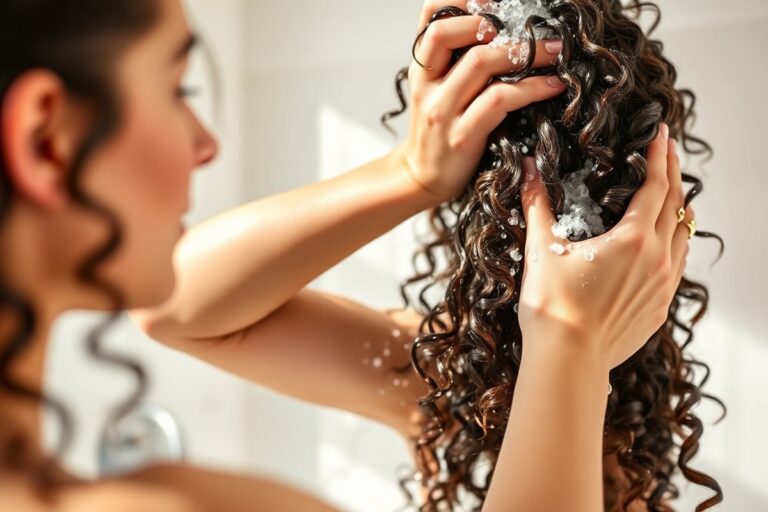
Take a moderate amount of chelating shampoo, about a quarter size for medium hair. Spread it evenly across your scalp, focusing on areas where buildup feels heaviest. Massage gently with your fingertips for about a minute using circular motions.
Gently massaging helps lift minerals and residue without breaking your hair. Avoid scrubbing roughly, which can damage strands. Make sure the shampoo covers your entire scalp and hair length evenly.
Rinse Timing and Thoroughness
Let the shampoo sit on your hair for 3 to 5 minutes to work properly. Leaving it longer risks over-drying and can weaken hair strands. During this time, avoid rubbing or piling hair on top of your head.
Rinse thoroughly with warm water until no suds remain. Residual shampoo can cause scalp dryness and irritation. For best results, rinse for about 2 minutes, allowing minerals and buildup to wash away completely.
Post-Washing Conditioning or Masks
Chelating shampoo strips hair of natural oils, so deep conditioning is essential. Use a rich conditioner or hair mask immediately after rinsing to restore moisture. Leave the conditioner on for 5 to 10 minutes before rinsing it out.
For color-treated or dry hair, a protein-rich conditioner can rebuild strength. Dry or damaged hair benefits most from leave-in conditioners or oils applied after towel drying. Avoid skipping this step to keep your hair soft and manageable.
- Wet your hair completely with warm water for about 30 seconds.
- Apply a quarter-sized amount of chelating shampoo evenly on your scalp.
- Massage gently in circular motions for one minute to lift buildup.
- Let the shampoo sit on your hair for 3 to 5 minutes.
- Rinse thoroughly with warm water for about 2 minutes.
- Apply a deep conditioner or hair mask and leave for 5 to 10 minutes.
- Rinse out conditioner and follow with any leave-in treatment if needed.
Do not leave chelating shampoo on your hair longer than 5 minutes to avoid excessive drying. Always follow with conditioner to keep hair healthy.
Who Should Use Chelating Shampoo—and Who Should Avoid It
Chelating shampoo works best for people with hard water buildup or heavy mineral deposits. It’s ideal if your hair feels dull, dry, or weighed down despite regular washing. Swimmers and people exposed to pool chemicals find these shampoos helpful.
They remove stubborn chlorine and minerals from hair. This keeps hair cleaner and fresher.
Avoid chelating shampoos if your hair is freshly colored or chemically treated. Wait at least a week before using it to protect new pigment and prevent stripping. Damaged, brittle hair also needs caution, a harsh chelating shampoo can worsen the damage if overused.
Color-treated hair should use chelating shampoo only occasionally. Overuse can fade color and dry out strands.
Always follow with a deep conditioner to restore moisture and seal the cuticle after use. For scalp sensitivity or medical conditions, check with a dermatologist before using these shampoos.
- Use only once every one to two weeks to prevent over-drying
- Wait at least 7 days after chemical treatments or color before use
- Apply on wet hair, massage gently, leave on 3-5 minutes
- Rinse thoroughly with cool water to help close the hair cuticle
- Condition well after shampooing to prevent dryness and breakage
- Avoid if scalp is irritated, inflamed, or sensitive
- Consult a dermatologist for hair loss or scalp medical issues before use
Users may see hair reset quickly with a cleaner, lighter feel. Mineral residue disappears, and natural shine can return after one use.
The tradeoff is some dryness or fading if used too often. Knowing when to use and how often is key to good results.
Swimming pool regulars and those on hard water have the clearest benefits. You get a thorough cleanse that regular shampoo can’t deliver. People with weak or chemically treated hair should avoid harsh shampoos.
They should use gentle or clarifying shampoos instead. These are safer and less damaging. Protect your investment in color and health by spacing out chelating shampoo use properly.
How to Tell If Your Hair Needs Chelating Shampoo
Your hair can still feel grimy even after washing with regular shampoo. That’s a sign minerals or product buildup are stuck in your strands. This buildup is different from normal oil or dirt.
It leaves your hair heavy and dull. You’ll find it harder to style even after washing.
Hard water minerals stick to your hair shaft. They create a dull layer on your hair. Normal shampoos can’t remove this buildup.
Product buildup from gels, sprays, or mousse also adds to this coating. Your hair may feel rough or look cloudy instead of shiny.
It might even change color a little. These signs show buildup on hair.
- Hair looks dull and lacks its usual shine
- Strands feel dry or rough rather than smooth
- Hair feels heavier than normal or coated
- Difficulty getting hair fully clean after washing
- Color fades faster or looks uneven after dyeing
- Scalp feels itchy or flaky despite normal care
- Hair tangles easily and resists styling
Hard water effects also show with dry, brittle ends and fading color. Mineral buildup can feel like a thin crust on your hair that soap can’t penetrate.
These signs won’t go away just by shampooing more often. Chelating shampoo works because it targets minerals and product residue specifically.
You can try checking the water in your area if unsure. Hard water contains more calcium and magnesium, which cause buildup. Your hair might keep feeling heavy or look dull.
Try using chelating shampoo once every one to two weeks. It removes buildup gently. Apply chelating shampoo on wet hair.
Let it sit for one to three minutes. This helps break down tough deposits before rinsing.
Common Mistakes with Chelating Shampoo and How to Fix Them
Overusing chelating shampoo is a common mistake that can dry out your hair. Use chelating shampoo only as recommended. Usually, that means once a week or less.
It removes minerals but also strips natural oils. Letting it sit too long can weaken hair and cause breakage.
Improper rinsing leaves residue that dulls hair and weighs it down. Rinse your hair with lukewarm water for at least 60 seconds. This flushes out the shampoo.
It also removes loosened minerals. Hot water can dry your scalp, while cold water might not remove all buildup.
Ignoring aftercare worsens the damage a chelating shampoo can cause. Always follow with a deep conditioner or a hydrating hair mask. These products restore moisture and smooth your hair cuticles to prevent frizz and brittleness.
- Don’t mix chelating shampoo with regular shampoos that repeat harsh detergents.
- Follow label instructions and measure your shampoo dose to avoid excess.
- Apply conditioner especially to mid-lengths and ends, not roots.
- Wait at least a week between uses to let your scalp recover.
- Use a broad-spectrum conditioner to help lock in moisture after rinsing.
- Check water hardness at home, harder water means more buildup, so be cautious.
- Consult your stylist if your hair is color-treated or fragile before chelating.
Choosing the wrong products with chelating shampoo can strip your hair too much. Avoid shampoos with strong sulfates or alcohols, as they double down on dryness. Instead, pick ones formulated for chelating with gentle, nourishing ingredients.
Test chelating shampoo on a small hair section first. Check for any damage before full use. This helps avoid surprises.
Step-by-Step Action Plan for Using Chelating Shampoo
Follow these simple steps to safely remove mineral buildup from your hair with chelating shampoo.
- Before you start: Choose a chelating shampoo designed for your hair type. Check the label for ingredients like EDTA.
- Week 1: Use the shampoo once this week. Apply to wet hair, lather, then rinse thoroughly. Notice if your hair feels less weighed down.
- Week 2: Repeat the shampoo once this week. Your hair feels cleaner and smoother; you’re using it correctly.
- Week 3: Use the chelating shampoo only if you notice buildup. Otherwise, switch to your regular gentle shampoo.
- After 4 weeks: Assess hair condition. Your hair feels dry or brittle. Cut chelating shampoo to once a month or less.
- Monthly care: Use chelating shampoo every 3 to 4 weeks. Do this if you swim a lot or have hard water at home.
- Ongoing: Follow with a nourishing conditioner after each use to keep hair soft and hydrated.
Frequently Asked Questions
Can Chelating Shampoo Help with Hair Color Fading?
Yes, it removes mineral buildup that dulls color. Use it occasionally to keep hair vibrant.
Does Chelating Shampoo Strip Natural Oils from Hair?
It can if used too often, drying your scalp. Stick to every 1 to 2 weeks for best results.
Can I Use Chelating Shampoo on Curly Hair?
Yes, just follow with a deep conditioner to keep curls soft. It clears hard water minerals that weigh curls down.
Is Chelating Shampoo Safe During Pregnancy?
Generally, yes, but check with your doctor if concerned. It’s mainly topical and not absorbed much.
Will Chelating Shampoo Fix Brittle or Damaged Hair?
It helps by removing damaging minerals but won’t repair strands. Use conditioning treatments alongside for best care.
Can I Use Chelating Shampoo on Synthetic Hair Extensions?
No, it may damage synthetic fibers. Use a mild clarifying shampoo instead.
Wrapping Up
Chelating shampoo clears mineral buildup that normal shampoo leaves behind. Try it when your hair feels dull or stiff from water minerals. Buy one that matches your hair needs and watch your hair bounce back.