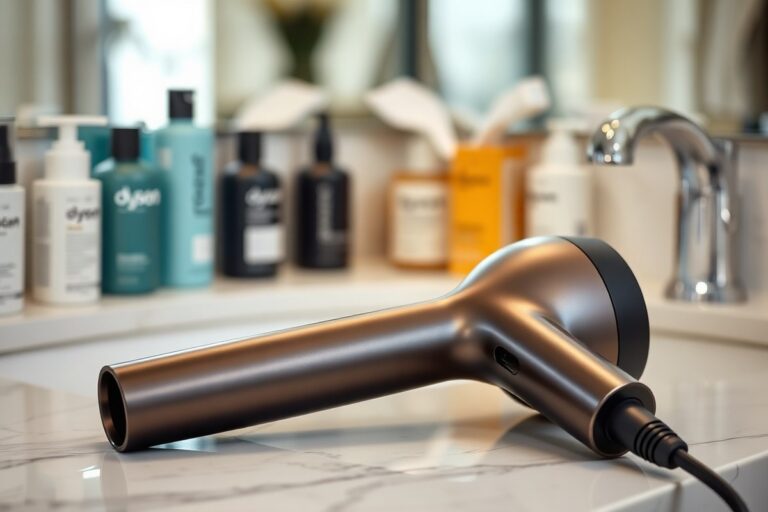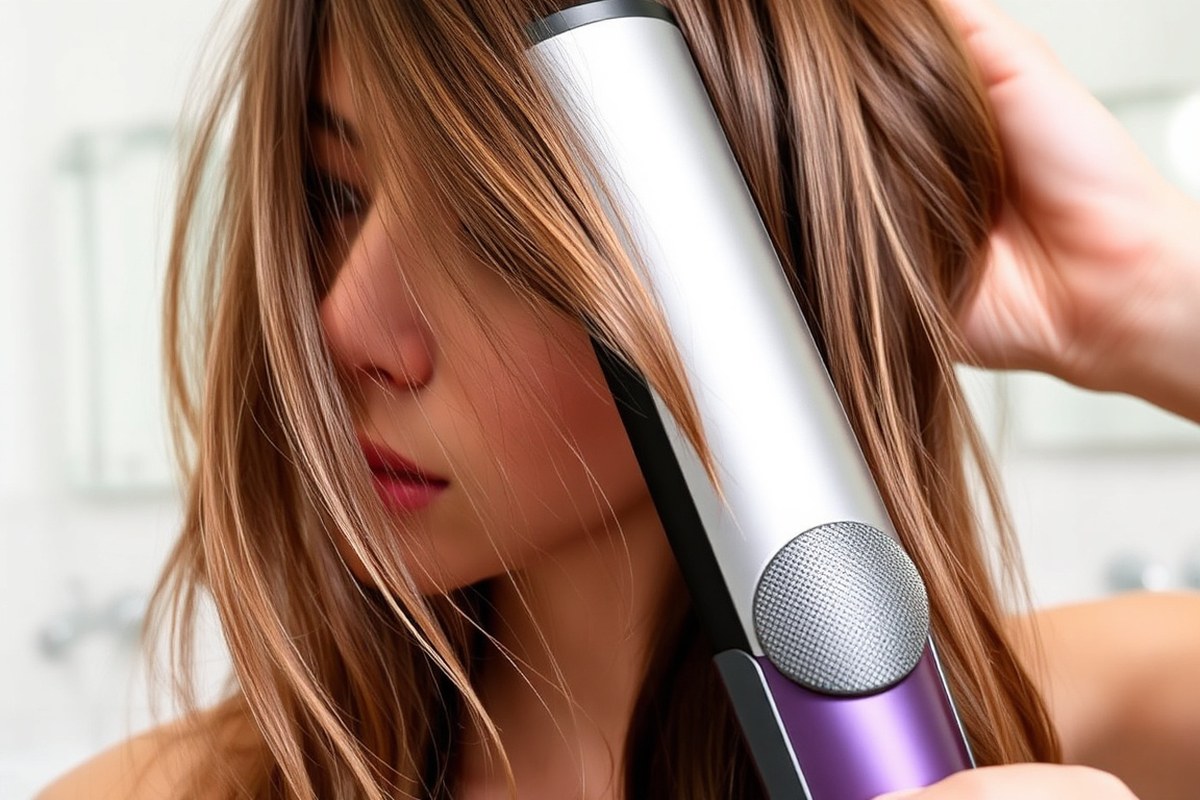
Is Dyson Airstrait Worth It? Honest Review with Key Benefits & Drawbacks
Is Dyson Airstrait worth it? For many, it is if you want faster styling and less hair damage.
The tool dries and straightens hair in one pass, which saves time. It works best on damp hair and cuts typical blow-drying time almost in half.
The price is steep at about $500. But you get a powerful blend of airflow and heat.
The Airstrait offers three heat settings, with a boost mode for quick touch-ups. Starting with towel-dried hair helps the device work faster and safer to avoid too much heat.
This tool’s airflow technology limits direct heat on hair, reducing damage compared to traditional straighteners. If you have thick or waist-length hair, you could see big time savings. It might not fully replace simpler tools, especially on very fine or dry hair types.
Key Takeaways
- Dyson Airstrait dries and straightens hair in 20 to 25 minutes on waist-length hair.
- Use it on damp hair for faster styling and less heat exposure.
- The Boost mode hits about 320°F and is best for quick touch-ups only.
- This model costs around $500, so consider your styling frequency before buying.
- Compared to flat irons, it applies heat more gently using focused airflow.
- Thicker hair types get the best time savings and smoother results.
Is the Dyson Airstrait Worth the Price?
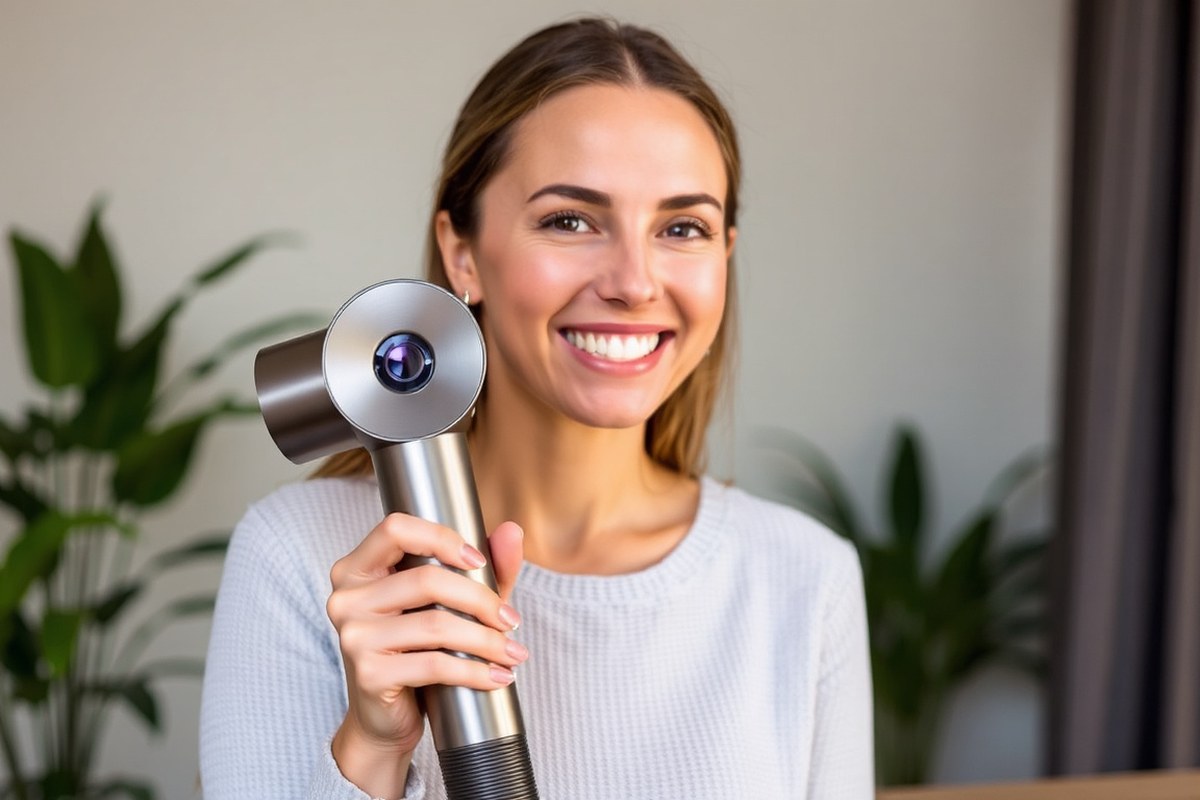
The Dyson Airstrait costs about $500, making it one of the priciest hair straighteners. Its unique design dries and straightens hair in one step. This can save you time.
It also reduces heat damage. The all-in-one design works well for long, thick hair.
Some users cut styling time to 20-25 minutes. It can speed up your routine.
Its smart temperature control and airflow technology help minimize damage compared to traditional straighteners. The Airstrait offers multiple heat and speed settings suitable for different hair types. This tool dries and smooths hair at the same time.
That’s different from basic tools. The time saved might be worth the price.
However, the steep price doesn’t suit everyone. You might want other tools for curls or blowouts. This tool won’t replace those styles.
Some users say the tool feels heavy to hold. The plug’s position can be awkward near walls.
It’s tricky to use in small spaces. Those who prefer basic straightening might feel the price is too high for what they need.
Many user reviews highlight that the Airstrait excels with thick, curly, or very long hair. Experts liked its performance on different hair types. But they rated its value for money lower.
The price may seem high. This model costs about $150 more than some GHDs.
That extra cost is tough to justify. Unless you want the drying and straightening combo.
It makes sense to buy this for regular use. Use it daily or weekly for best value. Especially if you pay a lot for salon blowouts.
For casual users or those with fine, easy-to-style hair, the investment may not be worth it. Also, consider the additional cost of accessories like the $50 travel case.
How Does the Dyson Airstrait Work Compared to Traditional Straighteners?

The Dyson Airstrait uses precise directional airflow instead of hot plates. This hot air flows at a 45-degree angle, creating tension that straightens hair while drying it. The airflow is powerful but controlled, avoiding the extreme heat that regular straighteners use.
You’ll find two main modes on the Airstrait: wet and dry. Wet mode helps you go from towel-dried hair to smooth strands.
Dry mode is for touch-ups or styling already dry hair. Both modes have three heat settings to adjust the temperature precisely for your needs.
| Setting | Temperature (°F) | Function |
|---|---|---|
| Wet Mode | 175, 230, 285 | Dries and straightens wet hair using hot air |
| Dry Mode | 250, 285, 320 (Boost) | Styles and touch-ups on dry hair |
Heat matters because too much can damage hair. But too little won’t give a lasting straight style.
The Airstrait’s top temperature is 320°F for a quick boost, lower than many traditional straighteners. This keeps hair safer by avoiding the high heat that usually scorches it between hot plates.
The Airstrait doesn’t squeeze hair with hot plates. It clamps strands gently. Hot air flows through to style your hair.
This mechanical tension combined with airflow aligns hair without intense heat. Traditional tools need steady pressure and very hot surfaces. These can harm your hair more over time.
Use high heat for tough or very curly hair only. Apply heat in short bursts. This helps reduce heat damage.
This airflow approach gives a lightweight, easy experience with less need for styling skill. It’s great for quick drying and natural-straight looks.
Remember, styles may not stay flat or straight as long. Classic hot plates keep hair flatter for longer.
What Hair Types and Conditions Does It Work Best On?
The Dyson Airstrait works best on fine to wavy hair textures. It can handle many hair types with the right heat setting.
Adjust temperature and drying time to suit your hair’s thickness and curl pattern. It also styles wet hair but takes longer to straighten fully.
Fine and Straight Hair Recommendations
Fine and straight hair responds well to lower heat settings on the Airstrait. Choose the gentle or medium mode to avoid over-drying or creating unnecessary heat stress.
Using too much heat can make fine hair look flat or dry. Aim for 130°C to 150°C (265°F to 300°F) for best results without damage.
Curly and 4b Hair Settings Guide
Curly and 4b hair types need higher heat and more passes to get a stretched look. The Boost mode, about 160°C (320°F), helps smooth tight curls without flattening completely.
The Airstrait won’t make hair pin-straight like flat irons do. It gives a natural, stretched look with some curl left. Work in small sections for even heat and smoothness.
Thick and Coarse Hair Adjustments
Thick or coarse hair requires the highest setting for efficient styling. Use Boost mode for better drying and straightening. Make 2 to 3 passes per hair section for best results.
Patience is key since these hair types take longer to dry through. Using small sections with a hair grip helps control the thick strands during styling.
Wet Hair Styling Tips
Start on wet hair to save time, as the Airstrait dries and styles at once. Expect 8 to 10 minutes to go from wet to fully straight.
Wet hair takes longer to dry, so avoid rushing and maintain steady passes. Use the dry mode for quick touch-ups on frizz or kinks after initial styling.
- Section hair with clips to manage strands efficiently
- Start at the scalp and pull slowly toward ends
- Use Boost mode for thicker or curlier sections
- Keep the tool moving to avoid heat concentration
- Apply a heat protectant spray before styling
- Finish with dry mode for smoothing flyaways
How Long Does Styling Take and What Affects This?
The Dyson Airstrait can dry and straighten damp hair in under 10 minutes. Timing depends on hair length, thickness, and the heat mode you select. For quick touch-ups, use the Dry mode, which typically takes around 5 to 7 minutes.
Thick or long hair takes longer and may need multiple passes. The wet mode has three heat settings: 80°C, 110°C, and 140°C. Pre-drying hair to 30%-40% damp before styling can save time.
The tool blows hot air quickly at a 45-degree downward angle. This speeds up smoothing hair faster than drying then straightening. It combines drying and straightening for efficiency.
Using the Cool mode at the end sets your style and reduces frizz. Roughly drying hair with a towel or blow dryer can save time.
It’s useful before styling but not always needed for quick touch-ups. Small styling jobs might not need rough drying.
Follow these steps to dry and straighten hair quickly with the Dyson Airstrait:
- Brush hair gently to detangle and remove excess moisture.
- Set the device to Wet mode. Choose your heat setting based on hair type and damage sensitivity.
- Section hair into manageable parts for even drying and straightening.
- Run the Airstrait slowly along each section, ensuring full coverage and straightening.
- Run the Airstrait over hair more than once if it feels damp. This is especially helpful for thick or long hair. Multiple passes ensure hair dries and styles well.
- Switch to Dry mode for finishing touches and smoothing any stray curls or frizz.
- Activate Cool mode briefly to lock the style.
Does the Dyson Airstrait Reduce Hair Damage?
The Dyson Airstrait reduces heat damage by using high-pressure airflow instead of hot plates. Its arms clamp hair with unheated tension bars while the airflow straightens and dries hair simultaneously. This approach avoids the extreme heat that causes traditional flat irons to damage hair.
Glass bead thermistors inside the Airstrait regulate the airflow temperature up to 30 times per second. This intelligent heat control keeps the temperature from exceeding your setting. Most flat irons reach about 450°F. But the Airstrait’s airflow stays below damaging levels, making it safer for hair health.
Using airflow instead of hot plates lowers the risk of burning hair. It also helps avoid a burnt smell on your hair. However, the Airstrait still requires caution.
Drying hair until it’s about 80% dry before use helps reduce styling time and heat exposure. Always apply heat protectant before styling to guard your strands further.
The Airstrait styles wet hair more gently than older tools. Older tools blast wet hair with very high heat.
Because it combines drying and straightening, it shortens your routine and limits damage. Still, completely soaking hair can cause uneven results and extra stress on strands during styling.
Clamp the hair section gently to protect your hair. Don’t slide the tool too fast or too slow.
Aim for smooth, steady passes without repeating over the same section excessively. Lower the heat or dry hair longer if you see dryness or frizz.
Dry your hair about 80% before styling with the Airstrait. This cuts heat damage and makes styling faster.
Practical Steps to Use the Dyson Airstrait for Best Results
Start with clean hair to get the best from your Dyson Airstrait. Pick the right settings for your hair type before you begin styling. This helps protect hair and improve results.
Section your hair well and move the tool at a steady pace. Finish with the cool mode to lock in your style.
Prepping Hair for Wet and Dry Use
Wash your hair and towel dry it gently if wet. Rough dry your roots with a hair dryer first. Or use the Airstrait locked closed to blow air at roots.
This prepares your hair for smoothing. Section your hair into manageable parts to style evenly.
For dry hair, make sure it’s free of heavy product build-up. Lightly brush to remove tangles and divide your hair into smaller sections. This helps the tool glide through smoothly.
Choosing Heat and Airflow Settings
The Airstrait features a screen for selecting between wet or dry modes. In wet mode, you get three heat options: 80°C (175°F), 110°C (230°F), and 140°C (285°F). Using lower temperatures suits fine or delicate hair to avoid harm.
Dry mode has two heat options: 120°C (250°F) and 140°C (285°F). Use higher heat for thick or coarse hair types. Avoid the hottest setting if your hair feels brittle or damaged.
This keeps hair healthier while styling. Airflow speed works with temperature; higher heat usually pairs with stronger airflow.
Styling Technique and Tool Movement
Hold the Airstrait so the airflow flows downwards along your hair. Use slow, even passes through each section from roots to ends. Don’t rush or reapply heat too often; it can cause dryness.
Work section by section, releasing hair only after styling is complete. The tool’s lock button helps keep your section stable for a clean, uniform result. Repeat the process until all hair feels dry and smooth.
Finishing and Setting the Style
Switch to cool mode once your hair is fully styled. This helps lock in the sleek finish and holds the style longer. Use the cool shot button to target smaller problem areas or flyaways.
You can also refresh dry hair on following days using the dry styling mode. Just apply a few passes with lower heat and airflow for a quick touch-up without damage.
- Wash your hair and towel dry if wet.
- Rough dry roots by locking the Airstrait closed and directing airflow at roots.
- Section hair into manageable parts.
- Set the correct mode and temperature based on hair type and wetness.
- Hold tool so airflow goes down your hair shaft and slowly pass through each section.
- Use the lock button to keep sections secure during styling.
- Repeat until hair is dry and smooth.
- Finish with cool mode to set your style.
Common Mistakes and Myths About the Dyson Airstrait
The Dyson Airstrait faces some common myths and mistakes that affect its results. Some people wrongly think more heat or skipping prep steps work better. Understanding how the airflow, heat, and care work helps you get the most from it.
Myth: Airflow Means Less Heat, Less Effect
Some believe the Airstrait’s airflow dries hair with less heat. So it doesn’t style well.
Actually, it uses controlled airflow and heat at 158 or 220 degrees Fahrenheit. This combo straightens and dries hair while reducing heat damage.
The fan-driven airflow helps spread heat evenly, avoiding spots that get too hot. This is why your hair styles smoothly, not just dried or burned in places.
Mistake: Using Too High Heat for Fine Hair
Picking the 220-degree setting for fine or thin hair hurts more than it helps. Fine hair needs lower heat to avoid breakage and dryness. The 158-degree setting is better for protecting thinner strands.
Try starting with the lower heat and a low airflow setting. You can always increase heat slightly, but avoid jumping to high settings right away.
Myth: No Need to Detangle Before Styling
Thinking you can skip combing your hair before using the Airstrait slows you down. Tangled hair gets stuck in the plates and may not style evenly. It also risks pulling and discomfort during use.
Detangle hair with a wide-tooth comb or brush before styling. This step helps the tool glide smoothly and gives a straighter finish faster.
Mistake: Not Cleaning Plates Regularly
The Airstrait doesn’t clean itself, so buildup on plates reduces styling quality. Dirt and product residue keep heat from spreading right and can damage hair. This causes uneven results and might wear out the tool faster.
Clean plates after every few uses with a soft, damp cloth. Avoid harsh chemicals and make sure the tool is unplugged and cool before cleaning.
- Use lower heat (158°F) for fine or fragile hair
- Detangle hair before turning the Airstrait on
- Clean plates regularly with a soft, damp cloth
- Dry hair partially before styling, not soaking wet
- Choose airflow setting (high or low) based on hair thickness
- Don’t skip slow, steady passes for better straightening
- Store the tool properly to avoid plate damage
Remember, the Airstrait costs about $399, and its benefits show best with proper use. It’s heavier than some straighteners, so take breaks if your arm feels tired. Using the tool right lets it save you time and protect hair better than older tools.
How Does the Dyson Airstrait Compare to Other Dyson Tools?
The Dyson Airstrait, Corrale, and Airwrap all serve styling but differ greatly in design and results. The Airstrait uses heated airflow with a wide plate to straighten hair fast.
The Corrale focuses on flexible plates that gather hair. The Airwrap styles curls and waves without extreme heat.
Price varies among them. The Airwrap is the highest, around $550, due to its multi-styling tools. The Airstrait costs near $400.
It’s cheaper than the Airwrap. The Corrale is about $350, so it’s less than the Airstrait.
Weight also differs: the Airstrait feels lighter suited for quick straightening. The Airwrap and Corrale are slightly heavier for their complexity.
| Feature | Dyson Airstrait | Dyson Corrale | Dyson Airwrap |
|---|---|---|---|
| Price (Approx.) | $400 | $350 | $550 |
| Weight (Estimated) | Light (around 1.5 lbs) | Moderate (around 1.7 lbs) | Heavier (around 2 lbs with attachments) |
| Primary Function | Straightening with heated airflow | Flexible plate straightening | Curling, waving, volumizing |
| Key Technology | Wide smooth plate + air flow | Patented flexing copper plates | Coanda airflow + controlled heat |
| Best For | Fast straightening on dry hair | Controlled straightening on dry or damp hair | Styling curls and waves with minimal heat |
| Temperature Control | Up to 375°F with airflow regulation | Up to 410°F with plate pressure | Controlled heat below 302°F |
Each tool suits different hair needs. The Airstrait quickly smooths thick or coarse hair. It works best on dry hair, especially with leave-in cream or light oil to tame frizz.
That smooth airflow means less chance of lines from plates. The Corrale has flexing plates for fine or fragile hair. It gives direct pressure and gentle heat.
This helps protect delicate hair while styling. It can be used on slightly damp hair with care.
The Airwrap suits curly or wavy styles and those who avoid damaging heat. Its airflow curls hair by wrapping it around barrels at moderate heat.
The patented technologies set these apart. The Corrale’s copper plates flex to gather strands evenly, avoiding uneven heat spots. The Airwrap uses the Coanda effect to style hair.
Air pulls hair to the barrel for curling. This method avoids using extreme heat.
The Airstrait combines a wide, smooth ceramic plate with controlled heated airflow. This mix helps straighten hair while cooling the surface slightly.
Use a heat protectant spray before any style session to protect hair, especially with higher temps.
Choosing the right Dyson tool depends on your style goals. Pick the Airstrait for fast, natural straightening. Choose the Corrale if you want traditional-style straightening with extra plate control.
Go for the Airwrap to curl, wave, and volumize with less heat damage risk. Price and weight reflect each tool’s complexity and function. So choose what fits your routine and budget.
Step-by-Step Action Plan for Using the Dyson Airstrait
Follow these steps to get the most from your Dyson Airstrait and protect your hair.
- Before You Start: Make sure your hair is clean and dry. This helps the Airstrait glide smoothly and saves styling time.
- Day 1: Use the lowest heat setting first. Check if your hair feels smooth and straight to avoid unnecessary heat damage.
- Week 1: Try splitting your hair into smaller sections. Notice if styling is faster and straighter for better results.
- After 2 Weeks: Adjust heat based on your hair type. Fine hair needs less heat, thick hair may need more. Track how your hair responds to stronger or milder heat.
- Monthly: Clean the plates carefully as per the manual. This keeps the tool working well and prevents hair residue buildup.
- Ongoing: Avoid using the Airstrait daily to reduce heat stress. Aim for 2-3 times weekly unless hair is very resilient.
- Every Use: Comb through your hair gently before using the Airstrait. It stops snags and gives you a smoother finish.
Frequently Asked Questions
Is the Dyson Airstrait Worth Buying for Everyday Use?
The Dyson Airstrait is best for specific users, not daily use by everyone. It’s a premium tool for faster styling with less damage.
It works on wet to dry hair. This helps you save time and hair health.
Does the Dyson Airstrait Work Well for Curly Hair?
The Dyson Airstrait performs well on diverse hair types, including curly hair. It smooths hair while drying. But very tight curls may need extra passes or touch-ups.
Can the Dyson Airstrait Replace My Blow Dryer and Flat Iron?
The Airstrait combines drying and straightening but might not fully replace both for heavy styling. It works best if you want quicker prep with less heat damage.
How Heavy and Noisy Is the Dyson Airstrait During Use?
It weighs about 0.935 kg and is louder than some straighteners at up to 72 dB. You might find the noise noticeable during longer styling sessions.
Is the Dyson Airstrait Travel Friendly?
The Airstrait is small but weighs nearly one pound. It needs a carrying case for safe travel.
Keep this in mind if you travel a lot. The travel case costs extra and adds convenience for trips.
Can I Use the Dyson Airstrait on Wet Hair?
Yes, it’s designed to straighten and dry damp hair simultaneously. This can save time, but soaking wet hair might take longer to style well.
Key Points to Remember
The Dyson Airstrait offers a gentle and effective way to straighten hair. It suits many hair types with careful heat control and sectioning. Try these tips and see if it fits your daily routine and styling needs.