What Does Low Porosity Hair Mean? Complete Guide with Care Tips
What does low porosity hair mean? It means your hair cuticles lie flat and close together.
This blocks moisture from entering and leaving your hair easily. As a result, your hair may feel dry but resists wetting quickly in the shower.
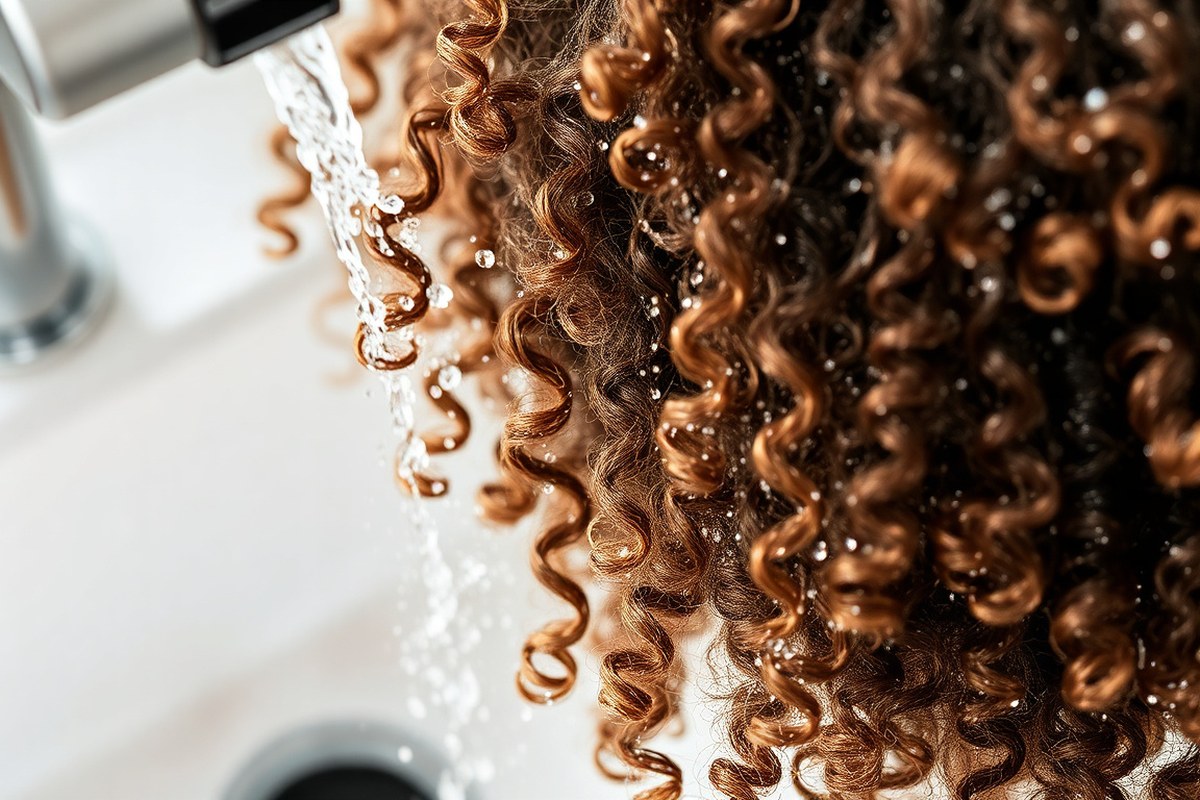
Low porosity hair takes more time to absorb water or products. You might notice it takes 10 minutes or more to feel fully wet. Heat and steam help open the cuticles, letting moisture in faster.
Low porosity doesn’t mean your hair is undamaged. Over time, sun, heat, and friction can still harm your strands. Knowing your hair’s porosity helps you pick the right care routine and products that actually work.
Key Takeaways
- Test if your hair floats on water for low porosity signs.
- Use steam treatments to open cuticles and improve moisture intake.
- Apply lightweight, water-based products for easier absorption.
- Give products 10 to 20 minutes to deeply hydrate resistant hair.
- Detox with a gentle pre-shampoo spray to remove buildup.
- Avoid heavy oils that can sit on low porosity strands.
What Does Low Porosity Hair Mean?

Low porosity hair means the hair’s cuticle layer is tightly sealed and compact. This structure makes it hard for water and moisture to get inside each strand. Because the cuticles lie flat and overlap closely, they create a strong barrier.
This barrier blocks moisture from soaking in and also keeps products from penetrating well. Water tends to sit on top of the hair instead of being absorbed quickly. Low porosity hair takes longer to get fully wet.
It stays drier than other hair types when wetting. This means your hair absorbs water slowly.
The tight cuticle also causes low porosity hair to resist conditioning agents and other hair products. Heavy creams, oils, or butters can build up on the surface because they can’t reach inside. While your hair may feel greasy faster, washing too often can actually dry it out.
How to Test If You Have Low Porosity Hair

Testing your hair’s porosity is simple. You only need a few easy methods at home. They don’t take much time or tools.
These help you see if water sits on your strands instead of soaking in. Low porosity hair keeps water on the surface longer, making it slower to absorb.
Float Test Explained
The float test uses just water and a few strands of hair. It shows how fast your hair absorbs water by seeing if it sinks or floats. Low porosity hair tends to float because it resists water absorption.
Here’s how to check:
- Find a clean strand of hair and make sure it has no product residue.
- Fill a clear glass with room temperature water.
- Place the hair strand gently on the water’s surface.
- Wait for five minutes without disturbing the glass.
- Watch carefully to see if the strand sinks or floats.
- Your hair likely has low porosity when it floats on top.
Don’t rush the wait time; five minutes gives the best reading.
Water Bead Test Procedure
This test is quick and works when you spray your hair with water. Low porosity hair causes water to bead up and roll off rather than soak in. It shows the hair cuticles lie flat and repel moisture.
Follow these steps:
- Start with dry, product-free hair.
- Spray a fine mist of water evenly over a small section of hair.
- Observe if droplets sit on the strand or get absorbed fast.
- Note if water rolls off in beads or stays on the hair.
- Beads of water suggest low porosity hair.
Use a spray bottle for an even mist; too much water hides beads.
Observing Hair Behavior in the Shower
Wash time also gives clues about your hair porosity. Low porosity hair can take longer to get wet and rinse out shampoo. It might also feel coated or resist soaking up conditioner.
Check these signs while washing:
- Notice how long it takes for your hair to fully wet under the shower.
- Pay attention if shampoo or conditioner sits on the hair instead of absorbing.
- Check if your hair takes longer than usual to dry after washing.
Patience helps during washing; low porosity hair needs extra time to hydrate.
Distinctive Signs and Characteristics of Low Porosity Hair
Low porosity hair shows a few clear signs. It feels smooth and sometimes rubbery to the touch because the cuticles lie flat and tight. This hair often takes much longer to dry since water resists soaking into it quickly.
You’ll notice product buildup easily on low porosity hair. Because it doesn’t absorb oils, creams, or conditioners well, many products just sit on the surface. That buildup leads to a greasy or stiff feeling over time if you don’t cleanse deeply.
- Slow drying times, sometimes taking hours to air dry fully
- Hair feels almost slick or rubbery rather than coarse or rough
- Resistance to chemical processes such as coloring or relaxing
- Noticeable product buildup, requiring frequent clarifying shampoos
- Smooth appearance with less tangling and frizz than higher porosity hair
The flat cuticle layers in low porosity hair block moisture well. But that also keeps water and treatments out. This makes styling and coloring more difficult or less effective.
Though it looks shiny, moisture struggles to penetrate. So dryness can sneak in despite the appearance.
Texture links closely to porosity but doesn’t fully define it. You might have tightly coiled strands with low porosity or looser curls with higher porosity.
Knowing the porosity helps you pick products that truly nourish rather than just sit on hair. Using too much product on low porosity hair often worsens buildup without adding moisture.
Causes and Changes: Why Hair Becomes Low Porosity or Changes over Time
Low porosity hair mostly comes from your genes. This means your natural hair cuticles lie flat and close together from birth. Because of this tight structure, moisture struggles to enter your hair easily.
Changes to hair porosity can happen over time due to outside factors. Using heat tools like flat irons often damages your hair’s cuticle. Excessive brushing also weakens it.
Pollution exposure makes your cuticles worse. These damages can open the cuticle slightly, making hair more porous than before.
Chemical treatments and styling products also affect porosity. Bleaching, coloring, or relaxing your hair breaks down the cuticle layer. This damage usually increases porosity, making hair absorb water faster but lose it quickly too.
Aging changes porosity in subtle ways. As you get older, your hair naturally wears down from sun and environmental damage. This makes low porosity hair feel drier.
The cuticles lift or crack over time. That causes moisture to escape more easily.
You can’t turn low porosity hair into high porosity permanently. But you can protect it from further damage and keep it moisturized.
Avoid heavy heat and harsh chemicals. Use gentle products suited for low porosity hair.
Protein treatments are okay for low porosity hair, but too much can harm it. Since low porosity hair holds onto protein tightly, excess amounts make it stiff or brittle. Balance protein with plenty of moisturizers to keep hair flexible.
Hair that dries slowly and repels water often means low porosity. While genetics mostly set this trait, damage, styling habits, and age influence how your hair behaves. Keeping cuticles sealed and avoiding harsh treatments helps maintain your hair’s natural moisture barrier.
Choosing the Right Products for Low Porosity Hair
Low porosity hair needs lighter products that absorb well and don’t weigh it down. Heavy oils and butters often sit on the hair, causing buildup. Choose moisturizing ingredients that can penetrate tight cuticles, like glycerin and aloe vera.
Avoid too much protein since low porosity hair is sensitive and reacts poorly to this. Products heavy in protein can make your hair stiff or dry. Instead, look for moisture-rich formulas with humectants and lightweight oils.
| Ingredient Type | Effect on Low Porosity Hair | Example Products |
|---|---|---|
| Light Humectants | Penetrate hair shaft, increase moisture | Glycerin, aloe vera, honey-based leave-ins |
| Light Oils | Easily absorbed, reduce buildup risk | Argan oil, jojoba oil |
| Heavy Oils and Butters | Tend to sit on hair, cause buildup | Coconut oil, shea butter, castor oil |
| Protein-Rich Products | Can lead to stiffness and dryness | Protein treatments, keratin-rich shampoos |
Even though coconut oil works for many, it often feels too thick on low porosity hair. Try very small amounts or avoid it to stop buildup. Instead, use light oils that slip into the hair without blocking moisture.
Choose water-based products with humectants to help draw moisture inside. These ingredients soak in slowly but better hydrate your strands. Rinse your hair once a week with gentle clarifying shampoo.
This clears product buildup. Buildup can block moisture from your hair.
Use lighter products regularly and avoid leaving heavy oils on for days to prevent buildup.
Effective Deep Conditioning and Moisture Techniques
Heat helps open low porosity hair cuticles, letting moisture sink in better. Using warm towels or steam boosts deep conditioner absorption to hydrate dry strands. Timing matters: leave treatments on for at least 20 to 30 minutes to see clear benefits.
Pre-Treatment Preparation
Start with clean hair. Use a gentle, sulfate-free shampoo to avoid stripping natural oils. Rinse thoroughly to remove residue that blocks product from working fully.
Choose a moisturizing deep conditioner that is lightweight and avoids heavy proteins. Protein treatments often sit on low porosity hair, causing dryness or stiffness instead of helping.
Using Heat and Steam Effectively
Applying heat gently lifts the hair cuticles for better product penetration. Wrap your hair in a warm, damp towel. Use a hair steamer set to 100°F to 110°F. Leave it on for 20 to 30 minutes.
Steam adds moisture and helps the conditioner soak in deeper. Avoid leaving heat on too long, as overheating can cause dryness or damage instead of hydration.
Post-Treatment Care Tips
After deep conditioning, rinse with cool water to help close the cuticles and lock in moisture. Pat your hair dry gently.
Use a microfiber towel or a soft cotton T-shirt. This reduces friction and breakage.
Apply a light oil or leave-in moisturizer to seal in hydration. Avoid heavy creams that weigh down low porosity hair or cause buildup. Follow this step-by-step routine to improve moisture absorption and retention:
- Wash hair with a sulfate-free shampoo and rinse well.
- Apply a lightweight, moisturizing deep conditioner evenly.
- Cover hair with a plastic cap to trap heat and moisture.
- Wrap a warm towel around the head or use a hair steamer at 100°F, 110°F.
- Leave treatment on for 20, 30 minutes, checking comfort levels.
- Rinse hair with cool water to seal cuticles.
- Pat dry gently with a microfiber towel or cotton T-shirt.
- Finish with a light oil or leave-in moisturizer to lock moisture.
Common Care Mistakes and How to Fix Them
Using heavy products like thick butters, oils, and creams causes buildup on low porosity hair. These products sit on your hair and don’t soak in. They make your hair feel heavy and greasy.
Using too much product without washing leads to buildup fast. This buildup dulls your hair and irritates your scalp.
Washing your hair too often can strip natural oils and cause dryness. But you also want to keep your scalp clean without overdoing it. Wash your hair once or twice a week.
Use a gentle shampoo without sulfates. Between washes, use a light conditioner or water spray to keep your hair hydrated.
Clarifying shampoos clear buildup but can dry out your hair if used too often. You should use a clarifying shampoo every two to four weeks, depending on your hair’s condition.
Your hair needs clarifying when it looks dull or feels heavy even after washing. Stick to a clarifier formulated for low porosity hair or one labeled gentle.
- Avoid heavy products that sit on hair strands
- Use light, water-based leave-in conditioners and oils
- Wash hair once or twice weekly with sulfate-free shampoo
- Spritz hair with water or light leave-in daily to hydrate
- Use clarifying shampoo every 2 to 4 weeks to remove buildup
- Check your product use if your hair feels oily or heavy. It may be too much.
Low porosity hair takes longer to absorb moisture, so heavy products often cause buildup. Using lighter formulas and washing hair strategically helps your scalp breathe and your strands stay healthy.
Regular clarifying stops product buildup from forming on your scalp and hair. This buildup blocks moisture and can cause itching or flakes.
Practical Styling Tips and Maintenance for Low Porosity Hair
Styling low porosity hair daily means using light products and gentle care. Avoid product buildup and harsh heat. Proper drying and humidity protection keep it flexible and shiny.
Lightweight Product Application
Low porosity hair absorbs moisture slowly, so choose light oils like argan or jojoba. These seal moisture in without making hair heavy or greasy. Use a creamy, daily conditioner that won’t sit on top, applying it to damp hair only.
Apply products in small amounts and layer thinly. Start with a leave-in conditioner, then follow with a light oil to lock in moisture. Avoid thick creams or heavy butters that can cause buildup and dull the shine.
Use a clarifying shampoo once a week to remove buildup and keep hair glossy.
Best Drying Techniques
Air drying is gentle and helps prevent damage to low porosity hair. Pat hair dry with a microfiber towel to avoid rough friction. Avoid rubbing or using regular bath towels, which cause breakage.
If you use a blow dryer, select a low heat and fan speed. Keep the dryer at least 6 to 8 inches away to reduce heat stress. Diffusers help spread the air evenly and avoid frizz and damage.
Protecting Hair in Humid Environments
Humidity can cause low porosity hair to feel sticky or weighed down. Use anti-humidity sprays with light polymers that block moisture without heaviness. Reapply sparingly on dry hair to maintain style and shine.
In humid weather, avoid layering too many products. Let your hair breathe by using just one or two light products. Protective styles like loose braids or buns reduce exposure to humidity and retain moisture balance.
Your First 14 Days: A Quick-Start Plan for Low Porosity Hair
This plan helps you care for your low porosity hair with simple daily steps. Follow it, and you’ll notice softer, more manageable hair soon.
- Day 1: Wash your hair with a gentle, low-poo shampoo. Check if your hair feels clean but not dry.
- Day 2: Apply a warm, water-based leave-in conditioner. Notice if it absorbs quickly without residue.
- Days 3-4: Try deep conditioning with heat once. Use a plastic cap and a warm towel. Your hair should feel softer and easier to comb.
- Day 5: Avoid heavy butters or oils today. See if your scalp feels less weighed down or greasy.
- Week 2: Use light oils like argan or jojoba on damp hair after styling. Check if your hair shines without feeling sticky.
- Day 10: Try finger detangling after a steaming rinse. Notice if your hair detangles smoothly with less breakage.
- Day 14: Assess your hair’s moisture and overall feel. Adjust product amounts based on what worked best to keep moisture in.
Frequently Asked Questions
Can Low Porosity Hair Change over Time?
Yes, low porosity hair can change due to age, damage, or treatments. Keep observing your hair’s response to care routines and adjust products as needed.
Does Low Porosity Hair Require Less Washing?
Low porosity hair gets greasy on the surface faster. You might not need to wash it as often.
This can save you time and keep your hair healthy. Over-washing can strip moisture, leading to dryness and more buildup.
Why Does Product Buildup Happen Easily on Low Porosity Hair?
Low porosity hair has tightly bound cuticles that cause products to sit on top. Using lighter conditioners and occasional clarifying helps prevent heaviness and dullness.
How Long Should I Leave Deep Conditioner on Low Porosity Hair?
Deep conditioners start working in about 5 minutes. Leaving them on 20 minutes helps hydration reach tough strands.
This improves moisture in low porosity hair. Use heat to boost absorption gently.
Can Low Porosity Hair Absorb Color Treatments Well?
It tends to resist chemical and color treatments because of the compact cuticle layer. Extra care and preparation, like steam or clarification, improve color uptake and prevent damage.
Are There Specific Oils Better for Low Porosity Hair?
Lightweight oils like argan or grapeseed absorb better than heavy butters. They moisturize without leaving a greasy film that heavy oils and creams often cause.
Final Thoughts
Low porosity hair means your strands resist moisture but respond well to gentle care. Start with warm water and light products to see real change. Keep tuning your routine and enjoy your softer, healthier hair.