Which Shampoo Is Best for Hair Growth and Thickness: 12 Key Insights That Work
Choosing the best shampoo for hair growth depends on ingredients. Your hair type also affects which shampoo works best. Look for products that suit your specific hair needs.
Look for shampoos with proven actives like zinc pyrithione and nourishing formulas. These help reduce scalp issues and strengthen hair from the roots.
Choosing the right shampoo means avoiding harsh chemicals that weigh down your hair. Opt for sulfate-free or silicone-free versions, especially if you color or damage your hair. That way, you keep hair healthy while encouraging volume and growth.
Start with a shampoo that supports scalp health since it boosts hair follicle function. Clean, hydrated scalps create a better environment for hairs to grow thicker and stronger. Using the right shampoo regularly can cut down hair fall and improve texture.
Key Takeaways
- Zinc pyrithione shampoos help scalp health and may support hair growth.
- Vitamin E in shampoos can contribute to hair growth but needs more research.
- Look for products that deeply cleanse without stripping natural oils.
- Sulfate-free shampoos avoid drying your scalp and hair strands.
- Use shampoos with moisturizing ingredients like hyaluronic acid for better hydration.
- Choose shampoos targeting dandruff if scalp flaking is an issue.
Which Shampoo Is Best for Hair Growth and Thickness?
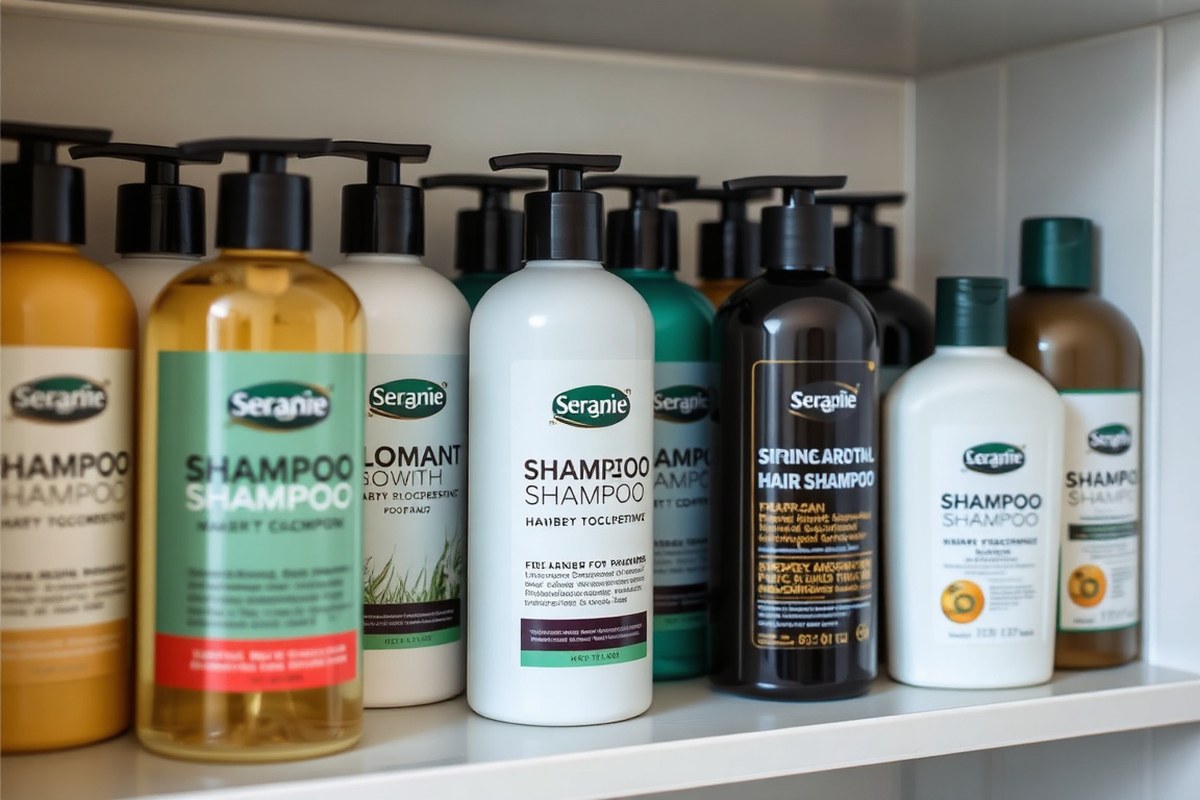
The Paisle Botanics Biotin Shampoo for Hair Growth &. Thickness stands out as the best overall choice. It combines nourishing ingredients that many users say help reduce hair fall and improve thickness.
For a strong alternative, Creip Rosemary &. Batana Oil Shampoo offers a different formula that also supports hair loss prevention and growth.
Price and specific hair needs matter. So here’s a list of top shampoos ranked by benefits, costs, and who they suit. Some shampoos focus more on sensitive scalps, others are budget-friendly.
A few target dandruff or oily hair along with promoting growth. Knowing what fits your hair type and concern will help you pick the best one.
| Product | Key Benefit | Price Range (USD) | Best For |
|---|---|---|---|
| Paisle Botanics Biotin Shampoo | Reduces hair fall, improves thickness | $$ | Hair growth might vary, but these help most hair types grow better. |
| Creip Rosemary & Batana Oil Shampoo | Supports hair loss control, natural oils | $$$ | Dry or damaged hair |
| L Luseta Biotin & Collagen Shampoo | Strong value, volumizes hair | $ | Thinning hair on a budget |
| Oely Biotin Hair Growth Shampoo | Root activation and thickening | $$ | Fine or limp hair |
| Nioxin Cleanser Shampoo | Nourishes scalp, less hair fall | $$$ | Early hair thinning |
| Nizoral Ketoconazole Shampoo | Blocks DHT, promotes growth | $$ | Dandruff and hair loss |
| Kitsch Shampoo with Rice Protein | Vitamins B, C, E for shine | $$ | Dull or brittle hair |
Nioxin cleanser gets great feedback. 93% say hair fall slowed down. This happens after using it for 12 weeks.
Ketoconazole shampoo also gets dermatologist mention for blocking DHT, a hormone linked to hair loss. Your scalp may get oily or flaky. Nizoral shampoo helps clean it and supports hair growth.
Expect visible improvement in hair thickness after consistent use for at least three months. Don’t expect quick changes from shampoo alone. It stays on your scalp briefly.
Real hair change takes longer. Combining shampoo with a scalp care routine improves your chances of thicker, fuller hair over time.
Key Ingredients Proven to Stimulate Hair Growth

Vitamins That Nourish Hair Follicles
Biotin, also called vitamin B7, supports hair strength but mainly helps if you lack it. Biotin shampoos often contain about 5000 mcg per serving. Niacinamide (vitamin B3) improves scalp blood flow, helping nourish follicles better.
Biotin deficiencies are rare, so most people see mild benefits at best. Niacinamide helps keep the scalp hydrated and less inflamed. Both vitamins feed the follicles with needed nutrients.
These nutrients keep hair healthy. They also help hair grow thicker.
Peptides and Proteins for Hair Thickness
Peptides are small proteins that signal follicles to stay active. Some shampoos include signal peptides or keratin proteins to reinforce hair strands. These can improve hair resilience.
Look for shampoos listing “peptides” or “keratin” in their ingredient lists. Concentrations vary, but a few peptides per drop of shampoo might help. Plant proteins also boost hair strength by filling weak spots along strands.
Plant Oils and Extracts Stimulating Growth
Rosemary oil is popular for reducing hair fall and improving circulation. It may help lower scalp DHT, a hormone linked to hair loss. Peppermint oil is another ingredient that can increase blood flow.
Castor oil nourishes follicles and adds shine, often in concentrations around 1% to 5%. Red algae extracts provide antioxidants and minerals to support follicle health. These natural extracts deliver gentle stimulation without harsh chemicals.
Caffeine and Other Active Stimulators
Caffeine shampoos supply direct scalp stimulation and can block some effects of DHT. Typical caffeine concentrations range from 0.001% to 0.1%. Ketoconazole, an antifungal found in some shampoos, also combats scalp inflammation and shedding.
Minoxidil is the only topical that boosts hair growth. Caffeine helps by supporting follicle health.
Ketoconazole also aids the follicle environment. Use these ingredients in shampoos alongside your main treatment for better scalp health.
Pick shampoos with combined ingredients like biotin, caffeine, and rosemary oil for balanced support.
How Hair Growth Shampoos Work on the Scalp and Follicles
Hair growth shampoos work by cleaning your scalp and supporting the follicles. They create a healthy environment that helps hair grow thicker over time. Hydration, gentle cleansing, and anti-inflammatory ingredients all play a part in this process.
Cleaning the Scalp Without Stripping
Shampoos remove dirt, oils, and dead skin cells that clog follicles. Using a gentle formula prevents drying out the scalp, which can lead to irritation. Sulfate-free shampoos often use mild surfactants to keep the scalp clean but still hydrated.
A shampoo with hyaluronic acid holds moisture well. It can keep your scalp hydrated up to 72 hours. This helps your scalp stay healthy longer.
This hydration supports the scalp’s natural barrier and reduces flaking. Avoid shampoos with harsh chemicals that strip oils and cause dryness.
Supporting Follicle Health Step by Step
When you apply shampoo, start by using a quarter-size amount. Rub it into your scalp gently with fingertips, not nails, for about one to two minutes. This massages circulation and helps ingredients reach the follicles.
Ingredients like peptides signal the scalp to strengthen hair roots. They stimulate keratin production, the protein that builds strands. Over time, this can lead to thicker, denser hair as follicles get stronger and more active.
The Role of Hydration in Hair Growth
A hydrated scalp means less dryness and less risk of hair breakage. Good shampoos include humectants like glycerin and panthenol to lock in moisture. This creates a softer, more pliable scalp surface, which hair follicles prefer.
Hydrated skin can better support the growth phase of hair by staying healthy. Dry scalp causes hair shafts to break more easily. Hair breaks can make your hair look thinner.
Keeping your scalp moist helps avoid this. Maintaining moisture also helps reduce scalp irritation.
Why Anti-Inflammatory Ingredients Matter
Inflammation around hair follicles can slow or stop hair growth. Ingredients such as rosemary, caffeine, and clover extract reduce this inflammation. They soothe the scalp and promote a healthier environment for follicles to thrive.
Dermatologists recommend shampoos with these ingredients to prolong the hair growth phase. By calming irritation, they prevent damage that might cause shedding. This ensures follicles stay ready to produce new hair.
Maximizing Shampoo Absorption for Best Results
For shampoos to work well, focus on cleansing gently but thoroughly. Use warm water to open pores slightly before applying shampoo. This helps key ingredients penetrate the scalp better.
After massaging shampoo onto your scalp for two minutes, rinse with cool water. Cool water closes pores and seals the scalp surface, keeping moisture inside. Avoid overwashing since it washes away essential oils and protective layers.
Understanding the Causes of Thinning Hair and Hair Loss
Hair thinning happens for a few main reasons. Not all respond well to shampoos. Genetic hair loss, known as androgenic alopecia, is the most common.
It affects about 80% of men and 50% of women. This type usually causes a slow, steady shrinking of hair follicles.
Shampoos alone can’t reverse genetic pattern baldness. That happens inside the scalp through hormonal signals that shampoos can’t fully block.
But using the right shampoo may improve scalp health and slow thinning somewhat. Other causes of hair loss might respond better.
Stress, poor diet, and health issues also cause hair loss. These factors can trigger temporary shedding from weakened hair follicles or slow new growth.
Oxidative stress, from things like pollution, adds to damage. In these cases, shampoos that reduce inflammation and clear sebum buildup help follicles stay healthy.
- Genetic hair loss: steady follicle shrinkage, limited shampoo effect
- Stress or hormonal shifts: temporary shedding, shampoos aid scalp health
- Diet or nutrient deficiencies: weak hair results, shampoos support growth environment
- Scalp conditions (dandruff, inflammation): anti-fungal or soothing shampoos help
- Hair damage from styling or coloring: nourishing shampoos repair and protect
Hormone changes like postpartum or aging also lead to thinning. Shampoos can’t fix these causes directly but can reduce scalp irritation and clean blocked follicles.
Choosing a shampoo for your exact problem is key. Those with caffeine, biotin, or peptides often boost hair strength for fragile hair.
You might also need treatments besides shampoo. Topical Minoxidil is one. It is the only FDA-approved option for female hair growth.
Good scalp care helps your hair look thicker and delays shedding. But real changes need time, usually several months, and consistency.
Best Shampoos by Hair Type and Scalp Condition
Shampoos for fine or thinning hair should feel light and not weigh your strands down. Look for formulas with collagen peptides or vitamin B7 that strengthen hair without heaviness. Avoid heavy oils or thick creams that leave residue and can clump thin hair.
For dry scalps, choose shampoos with moisturizing ingredients. Look for argan oil or hydrating plant extracts. These help soothe and balance scalp moisture.
Oily scalps call for shampoos that deeply cleanse without stripping your skin’s natural oils. Clarifying shampoos with citric acid or apple stem cells help remove dirt and excess oil gently. Sensitive and dandruff-prone scalps do best with fragrance-free shampoos.
Pick ones with calming ingredients like aloe or chamomile. Organic options can also reduce irritation. These reduce irritation and flaking while promoting a healthy scalp environment important for hair growth.
- For fine hair: lightweight, volumizing formulas with collagen or vitamin B7
- Dry scalp: moisturizing shampoos containing argan oil or hydrating botanicals
- Oily scalp: clarifying shampoos with citric acid or plant stem cells
- Sensitive scalp: fragrance-free, organic options with calming ingredients
- Color-treated hair: gentle, sulfate-free shampoos to protect color
- Check ingredient lists to avoid irritants like harsh sulfates or heavy silicones
- Try 1, 2 pumps per wash, massaging into wet scalp for best results
Shampoo prices vary widely, but you can find effective options under $10. It usually takes four to six weeks to see improvements in hair texture and scalp health. Using the right shampoo regularly keeps your scalp clean.
It also nourishes your scalp well. This creates better conditions for thicker hair growth. Picking the wrong shampoo risks irritation, buildup, or dryness that worsens thinning.
Choose fragrance-free shampoos if you notice itching or redness after washing your hair. This helps avoid scalp irritation while promoting hair growth.
How Often and How to Shampoo for Best Hair Thickening Results
Shampooing your hair two or three times a week strikes a good balance. This routine removes buildup without stripping natural oils that protect your scalp and hair. Paying attention during each wash boosts your shampoo’s effect on hair growth and thickness.
Leaving shampoo on your scalp for about one minute before rinsing helps ingredients work better. It gives time for nourishing compounds to support your scalp’s health and increase circulation. But avoid leaving it too long to prevent dryness and irritation.
Clarifying shampoos can be helpful if you notice heaviness or buildup from styling products. Use them once every week or two to avoid clogging your follicles. Too much clarifying might dry out your scalp, so don’t overdo it.
Follow these steps to wash your hair and massage your scalp for best results:
- Wet your hair thoroughly with warm water, about 90°F (32°C).
- Apply a quarter-sized amount of shampoo to your palm.
- Gently spread shampoo on your scalp in sections.
- Massage your scalp using your fingertips for one to two minutes; use circular motions.
- Let the shampoo sit on your scalp for an extra minute to boost effects.
- Rinse thoroughly with lukewarm water to remove all residue.
- Repeat once if your hair is very oily or has heavy buildup.
- Finish with a conditioner suited for your hair type to avoid dryness.
Massaging your scalp like this increases blood flow, which helps your hair follicles. Avoid scrubbing hard or using nails, which can irritate your scalp. Also, stick to gentle shampoos without heavy silicones, which may build up and block hair growth.
Keep clarifying shampoos for special use only. A detox shampoo like K18 Hair PEPTIDE PREP™ removes buildup.
It also nourishes your scalp. Use these every one or two weeks, especially if you use styling products daily.
Overwashing can cause dryness and trigger more hair shedding. Watching for signs like scalp tightness or flaky skin helps you adjust. Sticking to a few washes a week keeps your scalp balanced, improving hair thickness over time.
Common Myths About Hair Growth Shampoos Debunked
Shampoos alone cannot fully regrow lost hair. They mainly support scalp health and strengthen existing strands. Prescription treatments from a doctor often work better for serious hair thinning.
Many people think biotin shampoo is a miracle cure for hair loss. Biotin helps maintain hair health, but it won’t restart growth on its own. It’s one piece of a bigger hair care routine, not a quick fix.
Higher price does not always mean better shampoo results. Some costly shampoos contain trendy ingredients but offer no extra benefits. Affordable options with proven ingredients like biotin and collagen can work just as well.
One myth claims shampoo can stop hair loss instantly. Shampoos take weeks or months to show mild improvement by improving scalp condition. They cannot reverse severe hair thinning quickly or on their own.
Another misconception is shampoo alone can thicken hair visibly. Shampoos improve hair texture and volume temporarily but don’t build new hair cells. Regular use and combining with other treatments give better thickness over time.
People sometimes believe all natural shampoos promote hair growth faster. Natural doesn’t always mean effective. Look for shampoos tested for hair and scalp benefit rather than just natural labels.
Some assume washing hair more often speeds up growth. Overwashing can dry out the scalp, causing irritation and more hair breakage. Use gentle shampoo twice or thrice a week, adjusting for your scalp’s needs.
It’s easy to mistake scalp tingling during shampooing for hair growth stimulation. Those sensations often come from strong fragrances or ingredients that may irritate sensitive skin. Focus on a gentle formula that suits your scalp.
Hair growth shampoos usually come in sizes around 13 oz. This amount lasts about a month if used regularly. Consistency matters more than fancy packaging or branding when choosing a shampoo.
How Shampoos Improve Scalp Health for Thicker Hair
Your scalp is the foundation for thick, healthy hair. It holds the hair follicles, which are responsible for growing new strands. A clean, well-nourished scalp helps follicles work better and keeps hair from breaking or thinning.
Using the right shampoo improves scalp health by removing dirt, oil, and buildup. Buildup can clog follicles and stop hair from growing thicker. Shampoos with ingredients like witch hazel reduce irritation and balance oil.
Witch hazel acts as a natural astringent, helping clear excess sebum and dandruff. This keeps follicles open and skin calm for hair growth.
Some shampoos include niacinamide, a form of vitamin B3. Niacinamide improves blood flow in the scalp. Better circulation means more nutrients reach follicles, giving hair a healthier look and encouraging growth.
Others use ingredients like aloe and wheat protein to soothe and strengthen hair fibers. These natural ingredients reduce inflammation and support thicker strand feel.
Clearing product buildup matters too. Shampoos with gentle exfoliants or fruit extracts can wash away residue from styling products. This removes blockages around follicles, letting them “breathe.”
Without buildup, new hair grows in a less stressed environment. People with oily hair often notice more volume after removing sebum build-up.
Use a scalp massage with rosemary or jojoba oil when shampooing. It helps boost your blood flow. It also soothes your scalp.
Choosing Shampoos Safe for Color-Treated or Damaged Hair
Shampoos for color-treated or damaged hair need gentle formulas that keep your dye vibrant. Look for sulfate-free shampoos because sulfates strip natural oils and fade color faster. Ingredients like peptides help strengthen fragile strands by filling damaged spots.
This makes your hair thicker and less likely to break. It works by supporting weak areas in each hair strand.
Thickening shampoos don’t repair strands completely but do protect and fortify them. They often include hyaluronic acid and ceramides to hydrate and add volume to each strand. Herbal ingredients, such as onion juice, also reduce breakage and support hair health without harming color.
- Virtue Flourish Shampoo strengthens brittle hair and aids healthy growth
- Vichy shampoo with collagen peptides reduces breakage and fallout
- Davines offers sulfate-free care for fragile, color-treated hair
- Shea Moisture suits chemically processed, curly, or wavy hair
- Olaplex strengthens all hair types while protecting color
- Kerastase provides volume and improved elasticity for colored hair
Avoid frequent hot styling and harsh chemical treatments to keep hair strong. Use lukewarm water and apply shampoo only at the scalp to prevent strand dryness. Leave-in conditioners or serums with UV filters also help preserve color and reduce damage.
Choosing the right shampoo balances strengthening ingredients with gentle cleansing that won’t strip color. Products in the $20 to $40 range often have the best mix of care and performance.
After several weeks, your hair should feel thicker, more elastic, and less prone to breakage. Avoid shampoos with harsh sulfates or heavy silicones that weigh down thin, treated hair.
Expert Recommendations and Dermatologist-Approved Shampoos
Dermatologists often recommend shampoos with proven ingredients to help with hair loss and thinning. Ketoconazole fights scalp inflammation. It also fights fungus.
These can worsen hair thinning. It’s available in medicated shampoos and may support hair density when used regularly.
Besides ketoconazole, shampoos with peptides like APN5 have shown promise. These peptides can help stimulate hair growth at the follicle level. Use these shampoos 2 to 3 times a week.
Follow the directions carefully. This helps keep the scalp healthy and lets ingredients work.
Here are some shampoos favored by hair specialists:
- Nizoral (ketoconazole 1-2%), medicated, reduces scalp fungus and inflammation
- PURA D’OR Original Gold Label, contains biotin and natural extracts for thickness
- Nioxin System Kits, target both scalp health and hair strengthening
- Revivogen Biotin Shampoo, supports hair growth with natural botanicals
- Alpecin Caffeine Shampoo, caffeine stimulates follicles for thicker hair
Medicinal shampoos like Nizoral work by decreasing scalp problems that block hair growth. These issues include dandruff, clogged follicles, or excess oil. Leave shampoo on your scalp for 3 to 5 minutes.
This lets it work well. Then rinse it off.
Professional treatments often work best alongside these shampoos. Laser therapy devices improve blood flow to the scalp, helping follicles stay active.
PRP treatments use your blood’s platelets injected into the scalp to encourage growth. These methods cost more but can boost results when used with consistent shampooing.
The key is patience. Hair growth cycles take months, so shampoos need to be used regularly. See a dermatologist if you get scalp irritation.
Also see one if there is no improvement after 3 to 6 months. They can change your routine or suggest other options.
Common Mistakes When Using Hair Growth Shampoos and How to Avoid Them
One common mistake is using shampoo too often. Washing hair daily strips natural oils, making strands dry and fragile. Try washing your hair every other day to keep scalp balance.
You can also shampoo 2 to 3 times a week to avoid dryness. This routine helps maintain scalp health without over-washing.
Many people apply shampoo directly to dry hair or only on the ends. Wet your hair first, then work shampoo into the scalp with your fingertips. This cleans the roots and supports follicle health for better growth.
Some shampoos meant for hair growth have a light formula. Using heavy conditioners or styling products afterward can weigh hair down. Pick a light, volumizing conditioner and avoid thick creams that block the scalp from breathing.
- Rinse shampoo out thoroughly to avoid buildup and irritation
- Avoid shampoos labeled “deeply moisturizing” if your hair feels heavy or oily
- Use a mild shampoo with gentle ingredients on your sensitive scalp. Gentle formulas prevent irritation and soothe your skin well. This helps keep your scalp comfortable and clean.
- Use warm water, not hot, to prevent drying out your scalp
- Apply conditioner mainly to hair ends, not the scalp
- Limit heat styling to reduce damage and breakage
Adjusting your product routine helps if your scalp is oily. You might wash more often but choose shampoos with ingredients like tea tree or salicylic acid. These help control excess oil without overdrying.
People with sensitive scalps should avoid harsh detergents like sulfates. Look for fragrance-free or hypoallergenic products instead. You can also test a small skin patch before full use to prevent reactions.
Do not apply shampoo on dry hair first. Always wet hair thoroughly for best results.
When to Consult a Professional About Hair Thinning and Shampoo Use
Shampoo alone might not fix your hair thinning if you notice rapid loss or other symptoms. You should see a dermatologist when hair loss feels sudden, severe, or includes scalp problems. Professionals can check for medical causes and offer stronger treatments that shampoos don’t provide.
Signs of Severe or Rapid Hair Loss
Hair falling out in big clumps means you need a doctor’s visit. Rapid thinning across your scalp is another warning sign. Don’t wait to get checked.
Spot bald patches, itching, redness, or pain on your scalp? See a dermatologist. Sudden shedding could mean an underlying medical issue or medication side effect.
Tracking daily hair loss helps decide when to act. Losing more than 100 strands a day or noticeably more than usual needs evaluation. Your hair might feel thinner overall.
Your scalp may show more skin. Getting professional advice makes sense.
Evaluating Shampoo Effectiveness Timeline
Use hair growth shampoo for 3 to 6 months before seeing changes. Hair growth takes time. Be patient for results.
Hair grows about half an inch per month, so progress can be slow. Monitor any thicker or denser hair. Lack of change after this time means switching strategies.
Note that shampoos mostly support scalp health and may reduce thinning gradually. Shedding that continues or worsens needs a professional talk. Follow product directions carefully.
Don’t ignore ongoing hair loss. They can assess whether your shampoo ingredients fit your hair’s needs.
Options for Medical and Cosmetic Hair Treatments
Medical treatments include topical minoxidil, oral meds, and PRP therapy. These can help boost hair growth. Each works differently for people.
Minoxidil, available over the counter, encourages follicles to regrow hair but needs consistent use. Oral medications can block hormones like DHT, which cause thinning in male and female pattern baldness.
Procedures like hair transplants implant healthy follicles from dense areas to thin spots. They typically cost between $4,000 and $15,000 depending on the extent of transplant and clinic. A specialist must choose the best plan based on your condition.
Dermatologists or hair restoration doctors handle this. They tailor treatment to your needs.
Checking your shampoo results and spotting severe hair loss signs guide when to step up care. A board-certified dermatologist can find medical causes for hair loss.
They suggest treatments alongside or beyond shampoo use. Getting a diagnosis helps.
Step-by-Step Action Plan
Follow this simple plan to boost hair growth and thickness with the right shampoo. Watch for healthier scalp and stronger strands as you go.
- Before you start: Choose a shampoo with proven ingredients like biotin, caffeine, or niacin. Look for formulas that suit your scalp type, whether oily or dry.
- Week 1: Use the shampoo every other day to avoid scalp dryness. Check if your scalp feels less itchy or flaky.
- Week 2: Begin gentle scalp massages each time you shampoo. This helps increase blood flow and lets the shampoo reach follicles better.
- Week 4: Notice if your hair feels fuller or looks less thin. Keep using the shampoo as directed on the label for best results.
- After 6 weeks: Assess changes in hair texture and thickness by taking photos. Adjust frequency if your scalp feels dry or greasy.
- Month 3: Consider adding a conditioner safe for your hair type to protect and strengthen strands. Healthy hair grows better.
- Ongoing: Avoid harsh treatments like heat styling or strong chemicals, which can undo your progress. Keep up your shampoo routine consistently.
Frequently Asked Questions
How Do I Pick a Shampoo If I Have Both Thinning and Oily Hair?
Choose a shampoo that balances oil control while boosting scalp health. It should gently clean without stripping natural oils to avoid more hair fall.
Can Shampoos Really Block Hormones That Cause Hair Loss?
Some shampoos contain ingredients thought to block DHT, a hormone linked to hair thinning. They may help slow loss but usually work best combined with other treatments.
Are Shampoos with Natural Ingredients Better for Hair Growth?
Natural ingredients can soothe the scalp and reduce irritation, supporting growth. Yet, they aren’t always scientifically proven to increase thickness, so check product claims carefully.
Should I Avoid Shampoos with Sulfates for Hair Growth?
Sulfates can dry out hair and scalp, which might worsen thinning. Choosing sulfate-free shampoos can help maintain moisture and protect fragile hair strands.
How Long Does It Take to See Hair Growth Results from a Shampoo?
Most shampoos need 8 to 12 weeks to show visible results on hair growth or thickness. Patience is key since hair cycles vary between individuals.
Can I Use Hair Growth Shampoo Every Day Without Damage?
Daily use depends on your hair and scalp type. For sensitive scalps, daily shampooing might cause dryness. So alternate days or follow label instructions.
Key Points to Remember
Picking the right shampoo is the first step toward thicker, healthier hair. Try a product with key ingredients and follow a gentle routine. Watch how your scalp and hair respond, and adjust as needed for best results.