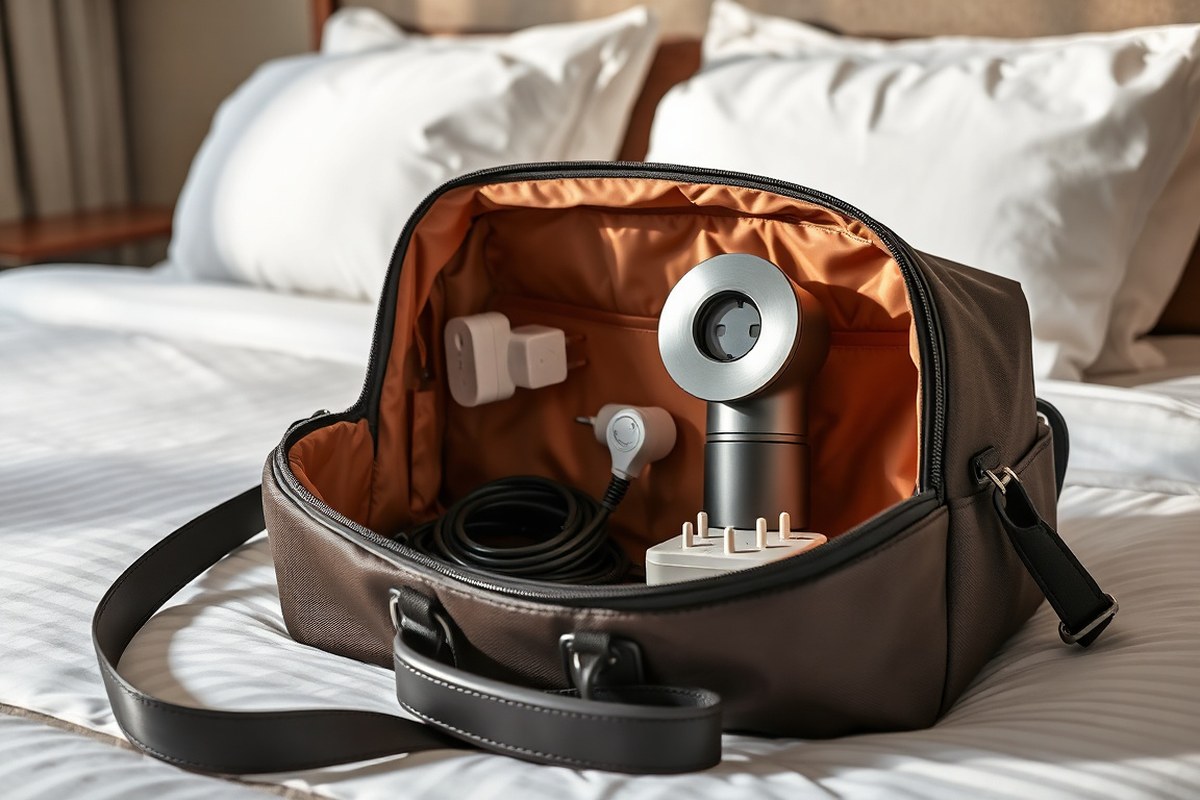
Is Dyson Airwrap Dual Voltage? What Actually Works for Safe Travel
Is Dyson Airwrap dual voltage? No, it is not dual voltage. The Airwrap sold in the US works only on 120 volts.
Using it on higher voltages will damage it. You cannot just use a plug adapter and expect it to work safely abroad.
The Dyson Airwrap’s motor is tuned specifically for the US voltage and frequency. That design makes it incompatible with 220-240 volts used in many other countries. Trying to run it on the wrong voltage risks permanent damage to the motor.
To safely use your Airwrap overseas, get a voltage converter. You can use a travel version with dual voltage too. Both options help avoid damage from different power supplies.
Regular adapters only change plug shape; they do not convert voltage. Using the wrong setup could ruin a device that costs nearly $600.
Key Takeaways
- Dyson Airwrap sold in the US runs only on 120 volts, not dual voltage.
- Plugging a 120V Airwrap into 220-240V outlets damages the device.
- Adapters only change plug shape, not voltage, don’t rely on adapters alone.
- The Dyson Airwrap’s motor is tuned to specific voltage and frequency.
- Voltage converters for the Airwrap tend to be bulky and heavy.
- Using a voltage converter allows safe use but reduces portability.
Is the Dyson Airwrap Dual Voltage?

The Dyson Airwrap comes in versions made for certain voltage ranges. U.S. Models run on 120 volts. European ones require 220-240 volts.
The Airwrap’s motor matches one voltage and frequency setting. Changing that could cause it to stop working or get damaged. Don’t try using it on a different voltage.
Plugging a 120V Airwrap into a 230V outlet without a converter can cause immediate failure. Using just a plug adapter is not enough to protect the device.
Knowing your Airwrap’s voltage is important before traveling. You bought a U.S. Airwrap model. It only runs safely on 120 volts power.
Using it on higher voltages might break it.S., it will not run safely in most countries without a proper voltage converter. Conversely, versions sold in Europe will only work safely on similar voltage systems.
The Dyson Airwrap’s high wattage means a small travel converter won’t handle the power. A converter that can support at least 1300 watts is required.
But using one is still risky and not recommended by Dyson. This makes it less suitable for worldwide travel without extra gear.
Plan your Airwrap use abroad carefully. Only plug it into outlets with matching voltage. Otherwise, you risk your device.
Otherwise, you need to arrange a heavy-duty converter or choose a different tool. Check your Airwrap’s voltage label before using it.
Look in the manual if unsure. Only plug it into compatible outlets.
Why the Dyson Airwrap Is Not Dual Voltage
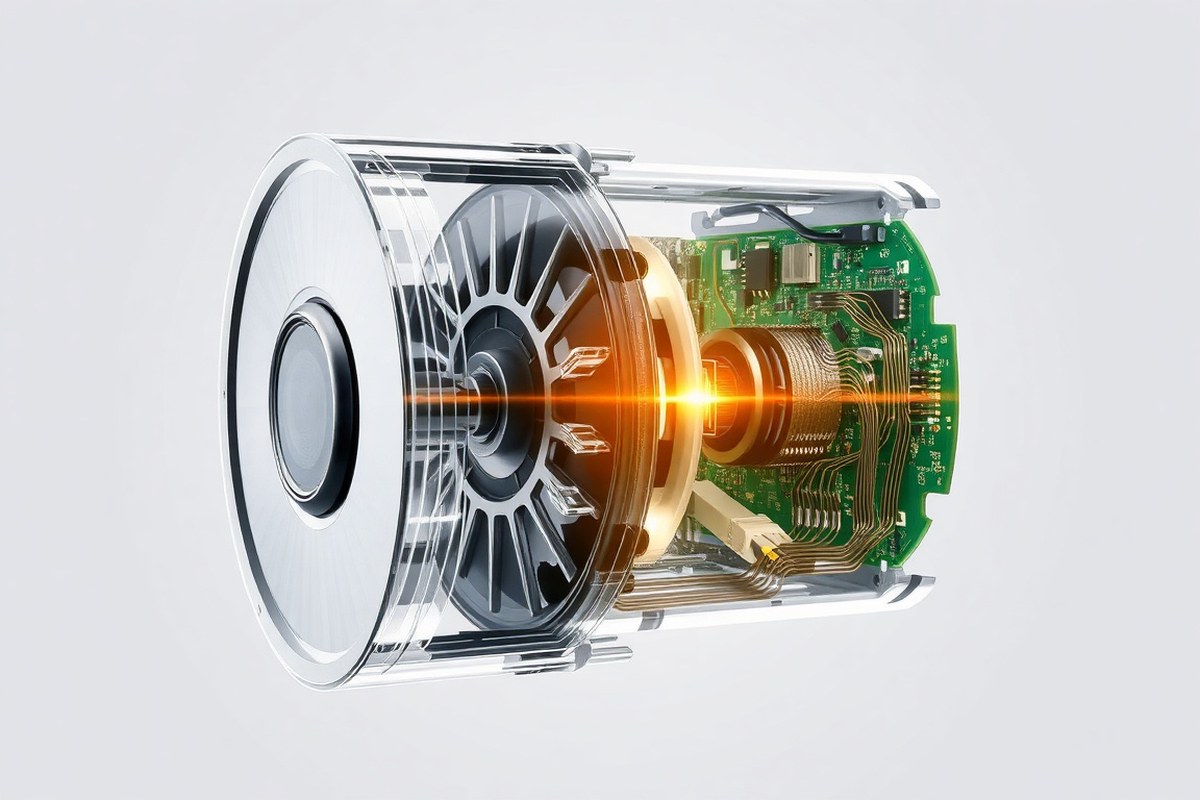
The Dyson Airwrap uses a single voltage. Its motor design focuses on top performance. This helps with durability.
Its high-speed digital V9 motor is built to function within a specific voltage range. Changing to multi-voltage lowers speed.
Power drops by 20 to 30 percent. This affects styling results.
This motor spins faster and produces more air pressure than those in typical styling tools. Dyson sacrifices dual voltage to keep these features excellent. Dual voltage needs a motor redesign.
It changes electronics and reduces lifespan. Styling quality also suffers.
The internal electronics also rely on a fixed voltage to regulate heat and airflow accurately. Voltage changes can harm heating parts. Sensors might stop working well.
This risks poor heat control. This mismatch can cause poor styling results or permanent damage to the device.
Dyson sells Airwraps for specific regions. They fit local voltages, like 110 to 120 volts in the U.S. This avoids voltage problems.S. Using the wrong voltage risks blowing fuses or ruining the expensive motor. Travelers should use proper converters.
Choose one for the Airwrap’s wattage. This prevents damage to the tool.
Using a simple plug adapter without voltage conversion can permanently damage your Dyson Airwrap.
Risks of Using the Airwrap on Wrong Voltage
Plugging your Dyson Airwrap into a 220-240V outlet risks damage. You need a proper voltage converter to use it safely. Without one, the device can break immediately.
The device designed for 110-120V cannot handle higher voltage and may overheat or short circuit. Damage often happens within seconds or minutes, leaving your Airwrap useless.
The motor and heating elements suffer the most from wrong voltage. Excess voltage causes overheating, which can melt internal parts, ruin wiring, or trip safety sensors. The Airwrap may also stop working completely if the internal fuse blows.
Using a plug adapter alone won’t protect your Airwrap since it just changes the outlet shape. Without a voltage converter, your device gets the full foreign voltage, frying electronic components. Avoid plugging it in directly to higher-voltage European, Asian, or Australian outlets.
- Plug Airwrap into an outlet matching its voltage rating exactly
- Use a step-down voltage converter when using 110-120V Airwrap abroad
- Check the Airwrap’s label or box for its voltage before plugging in
- Never rely on plug adapters to convert voltage
- Unplug immediately if you smell burning or see smoke
- Keep your Airwrap away from wet conditions when testing voltage
Many Airwrap models made for the US cannot handle 220-240V power systems directly. Plugging them into European sockets without a converter delivers about double the voltage they expect. This causes immediate electrical overload and permanent damage.
Alternately, Airwraps made for 220-240V systems fail if plugged into 110-120V outlets. They will run poorly or not heat up, though this won’t damage them as quickly. The biggest risk is from high voltage overload rather than low voltage.
Using Voltage Converters Safely with Dyson Airwrap
You can use a voltage converter with your Dyson Airwrap. But you need the right type.
It should handle the Airwrap’s wattage without overheating or failing. A cheap or underpowered converter risks damage or poor performance.
The Dyson Airwrap’s power rating varies by model but usually ranges from 1200 to 1300 watts. Always pick a converter rated higher than the device’s wattage.
For example, your Airwrap uses 1300 watts. Choose a converter with at least 1500 watts rating to be safe.
Using a plug adapter alone isn’t enough unless your Airwrap matches local voltage exactly. Adapters only change the plug shape; they don’t change voltage.
This works only if your Airwrap supports 100-240 volts. Check the label to confirm.
Voltage converters come in two main types: step-up and step-down. Step-up converters increase voltage from 110-120 volts to 220-240 volts.
Step-down converters lower voltage from 220-240 volts to 110-120 volts. Use the right type for your destination’s voltage.
Here’s a simple table to compare converter needs based on voltage and wattage:
| Scenario | Voltage Input | Airwrap Wattage | Recommended Converter Wattage | Needed Adapter Type |
|---|---|---|---|---|
| US Airwrap to Europe | 220-240V | 1300W | 1500W Step-down | Plug Adapter + Step-down converter |
| Europe Airwrap to US | 110-120V | 1300W | 1500W Step-up | Plug Adapter + Step-up converter |
| Dual voltage Airwrap | 100-240V | 1200-1300W | Not needed | Plug Adapter only |
Read reviews before buying a converter. Some low-cost models fail to deliver steady power or overheat. Look for one with good feedback and an adequate wattage safety margin.
Before plugging in your Airwrap, verify the converter’s output voltage matches your Airwrap’s requirements. Turn on the converter first, then the Airwrap. This avoids sudden power surges.
A good converter will run quietly and keep your Airwrap heating evenly. Unplug everything right away when the device gets too hot or the converter buzzes loudly. That signals a problem with the power match or converter quality.
Remember, using a proper voltage converter adds bulk to your travel gear. High-wattage converters can weigh several pounds. Balance convenience with safety to protect your Dyson Airwrap from damage abroad.
Identifying Your Airwrap’s Voltage and Model
Your Dyson Airwrap’s voltage is on a small label near the power cord. It shows the exact voltage and wattage the device uses. Different countries sell Airwraps with voltage suited for their power supplies.
Where to Locate Voltage Information
Look on the body where the power cord joins the Airwrap. The label there lists voltage, wattage, and sometimes frequency. This helps you know if your model fits your local electrical system.
Sometimes the label is on the handle or under removable parts. You might need a flashlight to see it clearly. Check for print like “120V” or “220-240V.”
Recognizing Country-Specific Models
Dyson Airwrap sold in the US usually runs on 120 volts. European models use 220-240 volts. The power plug shape also varies by country to match local sockets.
Buying an Airwrap from another region can affect warranty service and repairs. A US model abroad may not be supported by Dyson’s local centers. For long stays abroad, buying a local-voltage Airwrap may work better.
- Check the plug type to identify the region
- Look for voltage info on the label near the power cord
- Confirm if the frequency (Hz) matches your outlet standards
- Expect a US model at 120V and European at 220-240V
- Note that warranty coverage may vary by purchase country
- Using the wrong voltage risks damage and voids warranty
The labels can be very small. Handling the Airwrap gently prevents wear from rubbing off this important info.
Confirming Authenticity with Serial Numbers
Every genuine Dyson Airwrap has a unique serial number on the label. You can cross-check this number on Dyson’s website or with the retailer. This ensures your model matches voltage claims and isn’t a knockoff.
Serial numbers also show the country of manufacture and batch date. This data can help you track service history or warranty eligibility. Keep a photo or note of your serial number for future reference.
Always verify voltage before plugging your Airwrap into a foreign outlet to avoid damage.
Travel Strategies for Using Dyson Airwrap Abroad
Your Dyson Airwrap runs on a single voltage, usually 120V for US models. Avoid plugging the Airwrap into 220-240V outlets without proper gear.
Use heavy-duty converters or get Dyson versions made for your voltage. Rent or buy locally to stay safe with styling tools.
Using Heavy-Duty Converters
Heavy-duty converters step down voltage from 220-240V to 120V for your Airwrap. They should handle at least 1500 watts since the Airwrap draws about 1300 watts. Using a lighter converter risks overheating the device or causing damage.
Converters vary in size and price, usually costing $50 to $150 online or in electronics stores. Look for models with built-in surge protection and safety features. Carry the converter’s manual and use it only as directed to avoid electrical risks.
Alternative Dyson Products for Travel
Dyson offers some tools with lower power or battery options for travel. The Corrale straightener has a battery mode, letting you skip voltage worries entirely. This is handy for quick touch-ups or styles that don’t need the Airwrap’s full power.
Choosing a dual-voltage alternative is another way to stay flexible. Some smaller travel styling tools work from 100V to 240V.
So they can plug in anywhere. You lose the Airwrap’s specific features but gain easy and safe travel use.
Renting or Buying Abroad
Renting a Dyson Airwrap locally avoids voltage and converter hassles. Many hair salons in big cities rent or let you try their tools.
You can style your hair without buying equipment for travel. This works well for short trips when carrying your full setup feels bulky.
Planning a long stay abroad? Buy a 220-240V Airwrap or a local version.
Prices vary by country and retailer, but it can save headaches with electricity differences. Some travelers bring their US Airwrap, then pick up a local device to switch between.
- Use a heavy-duty voltage converter rated for 1500+ watts when abroad
- Consider Dyson Corrale battery mode for cordless styling on the go
- Buy or rent a 220-240V Airwrap version or suitable local tool
- Rent Airwraps or similar devices at local salons for short stays
- Check hotel voltages and plug types before packing your device
- Carry extra plug adapters to match outlet types in your destination
- Always switch off and unplug your Airwrap when not in use abroad
Alternatives to Voltage Conversion for International Use
Dyson does not offer an Airwrap version with dual voltage. The standard Airwrap sold in the US only runs on 120V. However, the Dyson Supersonic hair dryer comes in a dual voltage model designed for travel.
Several travel-friendly hair tools from other brands accept 100-240V power. These devices adjust to international voltages automatically.
So you just need a plug adapter to use them abroad. They tend to be smaller and lighter than the Airwrap, making them easy to pack.
You can find high-end air stylers like the T3 Aire 360, built with dual voltage support. This model is optimized for easy switching between voltages, which suits frequent travelers well. These devices have heat and airflow like the Airwrap.
They often cost less. Plus, they come in smaller, more compact sizes.
| Model | Voltage | Weight | Power Options | Use Case |
|---|---|---|---|---|
| Dyson Airwrap US model | 120V only | 1.3 lbs (approx.) | 120V power only | Home/studio use in US |
| Dyson Supersonic Dual Voltage | 100-240V | 1.8 lbs | Dual voltage with adapter | Travel-friendly, worldwide |
| T3 Aire 360 | 100-240V | Approx. 1 lb | Dual voltage | International travel, compact |
| Conventional 100-240V travel dryer | 100-240V | Varies, around 1-1.5 lbs | Dual voltage | Basic hair drying abroad |
The Dyson Airwrap uses powerful airflow and heat technology. But it isn’t designed for travel voltage needs.
The Supersonic dryer packs Dyson’s tech in a dual voltage design. This makes it safer and easier to use overseas.
Other brands’ travel dryers and air stylers are convenient because they handle voltage switching automatically. This reduces the risk of damage and avoids needing bulky voltage converters.
Their lighter weight means less suitcase bulk. But power and styling options often match only the basics compared to Dyson’s Airwrap.
Maintaining and Protecting Your Dyson Airwrap
Keeping your Dyson Airwrap clean and safely stored helps it last longer. Regular upkeep ensures it works well, especially if you travel a lot. You’ll also want to know what to do if voltage damage ever happens.
Regular Filter Cleaning
The Airwrap’s filter traps dust and hair to protect the motor. Clean it every few weeks to keep airflow strong and avoid overheating. A clogged filter makes your Airwrap less powerful and can cause damage.
Remove the filter cage by twisting it counterclockwise. Rinse it gently under warm water, and let it air dry for 24 hours. Never use the Airwrap without the filter in place.
Safe Storage During Travel
Store your Airwrap in its protective case when you travel. The case prevents dust buildup and stops attachments from getting damaged or lost. Keep the unit unplugged and cooled down before packing it away.
- Wrap the cord loosely to avoid kinks or breaks
- Place attachments inside their designated compartments
- Use a padded bag if you don’t have the official case
- Store in a dry place away from extreme temperatures
- Keep the Airwrap upright to protect the barrel tips
Good storage habits lower the chance of impact damage or moisture buildup. This reduces repair needs and keeps styling reliable on trips.
Steps to Take After Voltage Damage
Voltage damage can cause the Airwrap to overheat or stop working. If this happens, unplug it immediately to prevent more harm. Avoid trying to fix electrical issues yourself, as opening the device risks injury and voids warranty.
Contact Dyson support for evaluation or repairs. Document what happened and check your warranty status if applicable. Voltage damage often requires professional troubleshooting and replacement parts.
Always turn off and unplug the Airwrap before cleaning or packing to avoid accidents.
Your Quick-Start Plan for Using Dyson Airwrap Abroad
Follow these steps before your trip to protect your Dyson Airwrap. Use it safely during travel by paying close attention. These tips help you avoid damage and use it properly.
- Before your trip: Check the voltage rating on your Airwrap’s label. Confirm it matches the country’s voltage.
- One week before travel: Buy a suitable plug adapter or voltage converter if needed. Make sure the converter can handle your Airwrap’s wattage.
- Day of travel: Pack your Airwrap with its power cord safely. Include the adapter or converter too. Use a padded section in your luggage for protection.
- Upon arrival: Test the Airwrap briefly using the adapter or converter. Confirm it powers on without unusual sounds or smells.
- During your stay: Avoid using the Airwrap in wet or damp places to reduce electrical risks.
- Each time before use: Inspect your converter and Airwrap for damage. Discontinue use if you spot frayed cords or overheating.
- Before packing to leave: Unplug your Airwrap and converter fully and allow them to cool down.
- After returning home: Review your Airwrap’s condition and schedule any needed repairs with a licensed professional.
Frequently Asked Questions
How Do I Safely Use My Dyson Airwrap Abroad?
Use a voltage converter that matches your destination’s power. Always check your destination’s voltage to avoid damage or fire risk.
Can I Use a Regular Plug Adapter for My Dyson Airwrap Overseas?
No, a plug adapter alone won’t protect your Airwrap from voltage damage. The Airwrap needs a proper voltage converter, not just a simple adapter.
What If I Use a 120V Dyson Airwrap on a 220V Outlet?
The Airwrap will likely be permanently damaged if used on the wrong voltage. Its motor design doesn’t support dual voltage operation.
Is There a Travel-Friendly Alternative to the Dyson Airwrap for Different Voltages?
Yes, some brands offer dual-voltage stylers better suited for international travel. Consider those if you often travel abroad.
Can the Dyson Airwrap’s Motor Be Modified to Handle Dual Voltage?
No, the motor is precision-tuned and cannot be altered for dual voltage use. Modifying it risks voiding the warranty and damaging the device.
Are There Specific Dyson Airwrap Models Made for Different Regions?
Yes, Dyson Airwraps are region-specific and designed for local voltage standards only. Buying the model for your destination prevents voltage problems.
The Bottom Line
The Dyson Airwrap is not dual voltage. So you must match the power system when traveling.
Use a proper converter and adapter to protect your device and yourself. Start by checking your Airwrap’s voltage label today to plan your next trip right.