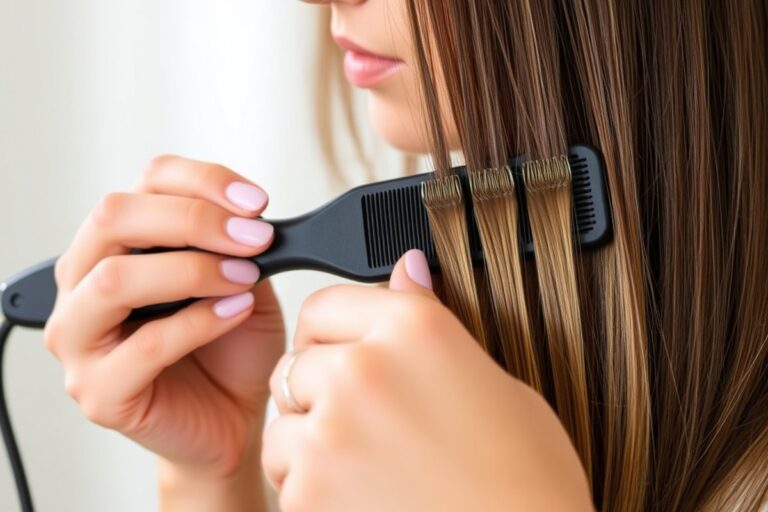
How to Get Shiny Hair: 10 Proven Tips for Healthy, Glossy Strands
How to get shiny hair is a question many ask when strands look dull. The quickest answer is to keep your hair clean, well-moisturized, and protected from heat damage. Shiny hair happens when your cuticles lie flat, reflecting light like a smooth surface.
Start by using a gentle shampoo and conditioner that suits your hair type. Avoid harsh chemicals that strip natural oils and leave hair rough. Cooler water rinses after washing also help close the cuticles, adding shine instantly.
Regularly applying a lightweight serum or oil can smooth the strands and boost gloss. Don’t forget to limit heat styling or always use a heat protectant beforehand. These small steps protect your hair’s natural shine and make it easier to maintain every day.
Key Takeaways
- Use shampoo and conditioner made for your hair type to keep strands smooth.
- Rinse your hair with cool water to help close the cuticle for shine.
- Apply a small amount of hair serum or oil on dry hair for gloss.
- Limit heat styling to prevent damage that dulls hair’s natural shine.
- Always use heat protectant sprays before blow drying or straightening.
- Wash hair regularly but avoid overwashing to keep natural oils balanced.
1. What Makes Hair Shine and Why It Matters

Hair looks shiny because its surface reflects light well. This happens when the hair cuticle lies flat and smooth. The cuticle is the outer layer of your hair strand, made of tiny overlapping scales.
A smooth cuticle creates a flat surface that bounces light evenly. When cuticles lift or roughen, light scatters, making hair look dull. Damage from heat, chemicals, or dryness opens up the cuticle, which causes dullness and rough texture.
Hair shine signals good hair health since flat cuticles lock in moisture and protect inner layers. Well-moisturized hair is stronger and less prone to breakage, which keeps it looking smooth. You can help your cuticle stay closed by rinsing your hair with cold water after conditioning.
Cold water tightens the cuticle, sealing nutrients inside your strands. This boosts shine by making hair much smoother. Also, using products that fill gaps in the cuticle helps your hair.
These products protect and smooth the hair surface. This evens out your hair and improves glossiness over time.
Eating a balanced diet rich in vitamins and omega-3 fatty acids supports healthy hair structure. Nutritional deficiencies weaken hair, roughen the cuticle, and reduce shine. Supplements or multivitamins can fill gaps when your diet lacks key nutrients.
Regular care like gentle brushing spreads natural oils, smoothing the cuticle and increasing shine. After styling, apply a serum to your hair. The serum seals cuticles with a thin layer.
It adds shine and makes your hair glossy. These steps make hair feel silky and look glossy without weighing it down.
2. Daily Habits That Boost Hair Shine easy

How often you wash your hair affects its natural shine. Water temperature and brushing also matter. Pillowcases and towels you use impact shine too.
Washing too often strips oils. Cool to lukewarm water protects the hair cuticle and boost shine.
Brushing spreads natural oils but doing it too much causes damage. Using gentle towels and silk pillowcases also helps protect hair’s shine by reducing friction and breakage.
Washing Frequency for Shiny Hair
Wash your hair two to three times a week for the best shine. This keeps natural oils balanced without drying hair out. Washing daily can strip oils that protect the hair’s surface and give it that glossy look.
For oily scalps or active lifestyles, rinse with water or use a light conditioner between washes. This keeps the hair clean without over-washing.
Choosing the Right Water Temperature
Use water that feels lukewarm or close to room temperature when washing your hair. Hot water opens hair cuticles, which makes hair lose its shine over time. Cooler water helps seal the cuticle and traps light for a glossy finish.
When rinsing out conditioner, a slightly cooler rinse can smooth the hair shaft. Avoid sudden cold water dips unless you want a quick shine boost after styling.
Brushing Smartly to Spread Natural Oils
Brush your hair no more than twice a day to distribute oils evenly along the strand. Too much brushing can cause hair breakage and dullness, especially if you use the wrong brush.
A boar-bristle brush is your best bet. It naturally collects oils and spreads them gently, giving hair a subtle shine without damage.
Protect Hair Shine While You Sleep
Silk or satin pillowcases reduce hair friction, keeping strands smooth and shiny. Cotton pillowcases can rough up hair, causing frizz and dullness over time.
Microfiber towels cause less friction than regular terry cloth. Using a soft old T-shirt works well too.
This helps protect your hair’s shine. This helps maintain hair’s natural sheen and prevents breakage.
Daily Actions That Support Hair Shine
Here are key habits that protect and improve shine daily:
- Wash hair 2-3 times weekly with lukewarm water
- Brush with a boar-bristle brush twice per day
- Rinse conditioner with cool water to close cuticles
- Sleep on silk or satin pillowcases
- Dry hair gently with microfiber towels or soft fabrics
- Avoid hot styling tools or always use heat protectant
These simple steps take just minutes but help your hair reflect light naturally all day long.
Don’t dry your hair with harsh rubbing; blot gently instead. Rough drying breaks strands and dulls the shine.
3. Choosing and Using the Best Oils for Shiny Hair
Natural oils are excellent for adding shine to your hair. The key is selecting the right oil for your hair type and applying it correctly. Using oils weekly or biweekly can restore moisture and smooth the hair surface for lasting shine.
Argan Oil Benefits and Uses
Argan oil works well for almost all hair types, especially dry or damaged hair. It smooths frizz and adds a natural shine without weighing hair down. Use 2 to 6 drops warmed in your palms.
Spread it evenly through damp or dry hair. Focus on your hair ends.
Apply argan oil after every wash to seal moisture. But avoid the roots if your hair gets oily quickly.
Coconut Oil for Hydration and Shine
Coconut oil hydrates deeply and works best for dry, coarse, or curly hair. It penetrates the hair shaft and helps keep it slick and shiny. Use 2 to 5 tablespoons based on hair length.
Warm it before applying. Apply from scalp to ends.
Leave coconut oil on your hair for 30 minutes. You can also leave it overnight in a warm towel.
Shampoo your hair thoroughly afterward. Over-application or leaving it too long can weigh hair down or make it greasy.
Other Oils: Jojoba, Olive, Castor
Jojoba oil closely mimics natural scalp oils, making it great for oily or fine hair. It adds shine without buildup or heaviness. Olive oil suits thick, dry hair well and smooths the cuticle layer, creating a glossy finish.
Castor oil promotes scalp health and hair strength but is thick. Mix it with lighter oils like almond or olive before use. Apply these oils once or twice a week to avoid buildup.
Here’s a table to help you pick the right oil. It matches oils to hair types. It also shows how to apply each one.
| Oil | Best For | Application Amount | How to Use | Frequency |
|---|---|---|---|---|
| Argan | Dry, damaged, all hair types | 2-6 drops | Warm the oil in your palms. Spread it on damp or dry hair ends. | After each wash |
| Coconut | Dry, coarse, curly | 2-5 tablespoons | Warm, apply root to ends, leave 30, 60 minutes, then shampoo | Once a week |
| Jojoba | Oily, fine hair | Few drops | Spread lightly on scalp and strands, avoid heavy use | Once or twice a week |
| Olive | Thick, dry hair | 1-2 tablespoons | Apply to hair shafts, focus on ends, rinse well | Once a week |
| Castor | Scalp health, thick hair | 1 tablespoon mixed with lighter oil | Massage into scalp, rinse after 30 minutes | Once a week |
Using oils the right way helps keep your hair shiny without buildup. Avoid over-washing to keep natural oils intact.
An oil treatment every week or two fits most hair types. But adjust if your scalp gets oily.
4. How to Use Hair Masks and Treatments for Deep Shine
To get shiny hair, use a deep conditioning mask that boosts moisture and gloss. Pick masks made for your hair type. Colored hair benefits from color-depositing masks, while dry or damaged hair needs extra hydration.
Hair gloss or glaze treatments add shine and vibrancy. They use semipermanent color and give a smooth finish. You can find them for home use or at salons.
Apply hair masks after shampooing. Leave them on for about 20 to 30 minutes to let your hair absorb nutrients.
Using a mask once or twice a week is enough for most hair types. Overdoing it can weigh hair down, especially if your hair is fine or oily.
Follow these simple steps to apply hair masks correctly for deep shine and moisture restoration:
- Wash your hair with a hydrating shampoo suitable for your hair type.
- Apply a generous amount of hair mask evenly from mid-lengths to ends.
- Use a wide-tooth comb or fingers to detangle and spread the product.
- Cover your hair with a shower cap or warm towel to boost absorption.
- Wait 20 to 30 minutes, checking the mask’s instructions for exact time.
- Rinse hair thoroughly with cool water to close cuticles and add shine.
- Use a leave-in conditioner if your hair is very dry or textured.
- Repeat the treatment 1-2 times per week for best results without buildup.
Using gloss or glaze treatments at the salon can revive shine and color depth. Masks can feel heavy on your hair. Try lamellar water treatments instead.
These are light liquid conditioners that add shine without buildup. Remember to follow labels and adjust frequency if your hair feels greasy or limp.
5. Avoiding Product Buildup and Harmful Ingredients
Some hair care ingredients can dry and dull your hair over time. Avoid sulfates, which create lots of foam but strip natural oils and cause buildup. Ammonia in hair dyes also damages hair, making it rough and less shiny.
Opt for gentle, hydrating shampoos with biotin or vitamin B instead. These ingredients help your hair stay smooth and glossy without harsh effects.
Product buildup blocks light and makes your hair look dull. It comes from frequent use of styling products, oils, and even mineral deposits from hard water. Clarifying shampoos are your best tool to remove this buildup.
Use them once a week to wash away grease, styling residue, and pollution. Overusing clarifying shampoos can strip oils and dry your hair. So keep it to once weekly or every two weeks.
- Choose sulfate-free shampoos with nourishing ingredients
- Rinse hair with an apple cider vinegar solution to dissolve buildup
- Limit hair dye use or ask your stylist for color-safe shampoos
- Use clarifying shampoo once per week to reset hair cleanliness
- Avoid piling on styling products daily to prevent coating hair shafts
- Consider co-washing to cut down on buildup without harsh cleansers
- Exfoliate your scalp to remove dead skin and residues for healthier follicles
Vinegar rinses work similarly to clarifying shampoos by removing buildup with their acidity. Use a mix of one part vinegar to four parts water after shampooing. Let it sit for two minutes, then rinse well.
This step can refresh your hair’s shine without harsh chemicals. Use a hydrating conditioner after clarifying to fix dry hair.
Don’t use clarifying shampoo daily. Once a week is enough to keep buildup away without drying hair.
Checking your hair products for harsh ingredients is a smart first step. Switching to mild cleansers and limiting buildup helps your hair reflect light better. Your hair will feel lighter and look shinier after a few weeks.
Avoiding damage from dyes and protecting your hair’s natural oils keeps shine longer. Your stylist can suggest treatments when scalp is tight or hair dull.
6. How Nutrition and Vitamins Affect Hair Glossiness
The shine of your hair depends a lot on good nutrition. A diet rich in certain nutrients helps hair stay strong and hydrated. This keeps it smooth, which reflects light better, making hair appear shiny.
Vitamins like biotin and vitamin E support hair hydration and growth. Including healthy fats in your meals also matters because they help maintain the hair’s outer layer. People usually notice changes in hair quality after 3 months.
These changes continue up to 6 months with a better diet. Consistent diet improvement is key for seeing results.
Here’s a table showing key nutrients and how they affect hair shine and strength.
| Nutrient | Role in Hair Shine | Sources |
|---|---|---|
| Biotin (Vitamin B7) | Supports hair growth and hydration | Eggs, nuts, sweet potatoes |
| Vitamin E | Protects hair cells, improves moisture retention | Almonds, spinach, avocados |
| Fatty acids (Omega-3, 6) | Maintain hair coat condition and shine | Fish, flaxseeds, walnuts |
| Aloe Vera | Hydrates and nourishes with enzymes and amino acids | Aloe vera gel or juice |
Adding these nutrients through food or supplements gives hair the building blocks it needs. For example, eggs provide biotin and protein, which help repair and strengthen hair strands. Aloe vera deeply hydrates hair, making strands look smoother and shinier.
Trying supplements tends to work best alongside a good diet. Relying only on pills may not fix dull hair if overall eating habits stay poor. Regular trimming also supports shine by preventing split ends that scatter light.
7. Styling Tricks That Instantly improve Hair Shine
To boost shine while styling, choose tools with adjustable heat settings. Set your flat iron or curling iron between 300°F and 350°F to protect your hair. Higher temperatures cause damage and dullness, stripping natural oils away.
Use a heat protectant spray before using hot tools. It creates a barrier that locks in moisture. This helps keep your hair shiny and smooth.
Dry your hair with a blow dryer on medium heat. Then use a ceramic flat iron to smooth it out. This combo helps achieve sleek hair.
Run the iron slowly over small sections to seal the hair cuticle, which reflects light better. Avoid rushing or using the highest heat setting, since that causes frizz and rough texture. Spray a shine spray or use a lightweight serum at the end.
It adds gloss without making hair heavy. This step brightens your hair’s look.
Light oils like argan or camellia applied to dry ends tame flyaways and add instant gloss. Put a few drops of serum on your fingertips. Run them over your hair ends only.
Avoid touching roots to keep hair from looking oily. In humid weather, finishing with an anti-frizz serum helps keep hair smooth and shiny all day. Avoid heavy creams and gels that coat hair unevenly and dull your shine.
8. Maintaining Scalp Health and Its Impact on Shine
Your scalp’s health directly affects your hair’s shine. A clean, well-nourished scalp supports hair growth and smooth, glossy strands. Taking care of your scalp helps keep hair strong and naturally shiny.
Signs of a Healthy Scalp
A healthy scalp feels balanced, not oily or dry. You won’t notice itchiness or flakes regularly. The skin should look clear and hydrated without redness or irritation.
When your scalp is healthy, hair roots get enough nutrients. This keeps hair smooth and less prone to breakage or dullness. Dull hair often links back to scalp issues like buildup or dryness.
Scalp Massage Techniques
Massaging your scalp boosts blood flow and promotes healthier hair. Use your fingertips to apply gentle pressure in small circles. Do this for about 5 minutes daily for best results.
A boar bristle brush can help stimulate your scalp too. Brush gently to increase circulation without causing irritation. Regular massage may also support hair growth, according to a 2016 study.
Recommended Scalp Treatments
Choose treatments with ingredients like biotin, collagen, and B vitamins. These support scalp and hair health deeply. Oils rich in polyunsaturated fatty acids nourish from root to tip.
Don’t forget to keep the scalp clean but avoid overwashing. Use a gentle shampoo suited to your scalp type two to three times a week. Overwashing strips natural oils and can cause dryness or irritation.
Adding a humidifier to your room can help too. It improves scalp hydration and reduces dryness that makes hair look dull. Humidifiers also help overall wellness, improving sleep and easing allergies.
Follow these steps to care for your scalp and boost shine:
- Choose a gentle shampoo that matches your scalp type.
- Wash hair two to three times weekly to retain natural oils.
- Massage scalp with fingertips for 5 minutes during shampoo or separately daily.
- Use a boar bristle brush gently to stimulate circulation several times a week.
- Apply nutrient-rich oils or serums containing B vitamins or collagen once or twice a week.
- Rinse hair with lukewarm water to avoid scalp dryness from hot water.
- Use a humidifier in dry environments to maintain scalp hydration.
- Monitor your scalp’s condition regularly and adjust care accordingly.
Avoid scratching your scalp if it itches. This can worsen irritation and damage hair roots.
9. Adjusting Your Hair Care for Water Quality and Climate
Hard water leaves mineral deposits on your hair, making it look dull. This buildup blocks moisture and smoothness, so your hair loses shine. Switching to shampoo made for hard water can help your hair.
It usually costs about $10 to $20. This shampoo removes minerals and brings back shine.
Rinse your hair with cold water at the end of washing. Cold water tightens the hair cuticles and boosts shine by making strands smoother. Use lukewarm water to cleanse, then finish with a cold rinse for best results.
Dry climates often sap moisture from your hair, causing dryness and dullness. Adding a leave-in conditioner helps keep hair hydrated and protects against environmental damage. Apply it before going outside or swimming in chlorinated or salty water to prevent dryness.
Brush your hair twice a day with a boar bristle brush. This helps spread natural oils evenly and closes cuticles, creating a shiny surface. Also, staying hydrated by drinking enough water supports overall hair moisture from within.
Adjust your hair care based on local water hardness and weather. You can test your home’s water with a kit for under $10. Watch if your hair feels rough or frizzy instead.
Both are signs of hard water problems. Hard water and dry air require more moisturizing products and gentle washing routines. Softer water and humid conditions let you use lighter formulas and wash less frequently.
10. When to See a Professional About Dull or Damaged Hair
When your hair feels dull or damaged despite home care, consider seeing a hairstylist. Persistent dryness, breakage, or uneven texture can mean professional treatment is needed. A stylist can assess your hair type and recommend the best approach.
Professional treatments vary from quick fixes to long-term care. Some treatments like shiny hair colors or keratin smoothing give instant glow. Others, such as deep protein treatments, strengthen hair over time and reduce breakage.
- Hair coloring with shine-improving brands like Feria or Revlon
- Keratin treatments suited for your hair texture
- Deep conditioning with salon-grade protein masks
- Scalp treatments to improve overall hair health
- Professional use of hair oils for added gloss
- Customized cuts to remove damaged ends and promote shine
Maintaining salon results at home requires careful follow-up. Use recommended shampoos and conditioners that keep hair hydrated and smooth. Avoid heat tools for a few days or use heat protectants to prolong treatment effects.
Regularly applying a lightweight hair oil like argan or jojoba can preserve shine. Follow the stylist’s advice on how often to refresh treatments, usually every four to six weeks. This keeps hair soft, reduces frizz, and makes it look healthy longer.
Some treatments last months but need upkeep to avoid dullness returning. Costs vary: basic glosses start around $50, keratin treatments often range from $150 to $300. The investment reflects better texture and less daily styling work.
Step-by-Step Action Plan to Boost Hair Shine
Follow these steps to start seeing shinier hair fast. Track what works and adjust as you go.
- Day 1: Switch to a gentle, sulfate-free shampoo to prevent stripping oils. Your hair should feel softer after washing.
- Day 3: Add a nourishing oil like argan or jojoba. Apply a small amount to damp hair ends and notice smoother texture.
- Week 1: Use a deep conditioning mask once. You’ll see improved hair softness and subtle shine after rinsing.
- Week 2: Adjust your diet by adding foods rich in vitamins A and E. Hair may start to feel healthier and stronger.
- Week 3: Avoid heat styling or use a heat protectant spray when styling. Hair breakage reduction helps maintain natural shine.
- Week 4: Rinse hair with cool water after washing. This seals the cuticles and boosts shine noticeably.
- After 4 Weeks: Review your scalp health and consider a gentle scalp massage weekly. A healthy scalp supports lasting shine.
- After 1 Month: Assess your hair’s shine and softness. Schedule a professional consultation if dullness persists.
Frequently Asked Questions
How Often Should I Trim My Hair to Keep It Shiny?
You should trim your hair every 6 to 8 weeks. This keeps split ends from dulling your hair’s shine and helps hair stay strong and smooth.
Can Using a Hairbrush Improve Hair Shine?
Yes, brushing your hair regularly spreads natural oils and smooths the cuticle. This reflection helps your hair look shinier and healthier every day.
Does Washing Hair with Cold Water Really Make Hair Shinier?
Cold water helps close the hair cuticle, locking in moisture and shine. Try finishing your shower with 10 to 30 seconds of cool water for best results.
Can Apple Cider Vinegar Rinse Make Hair Shinier?
Yes, apple cider vinegar removes buildup and balances hair’s pH. This clears dulling product residue, letting your hair’s natural shine show better.
What Role Do omega-3 Fatty Acids Play in Shiny Hair?
Omega-3s nourish hair follicles and add moisture, boosting shine. Eating foods like salmon and almonds supports this from the inside out.
Should I Avoid Some Ingredients to Keep Hair Shiny?
Avoid harsh sulfates and drying alcohols, as they can strip oils and dull hair. Choose hydrating, gentle shampoos to maintain gloss.
Wrapping Up
Shiny hair comes from caring for your hair and scalp every day. Start by choosing the right shampoo and adding nourishing oils. Take one simple step now, like trying a conditioning mask, to see quick improvement.