
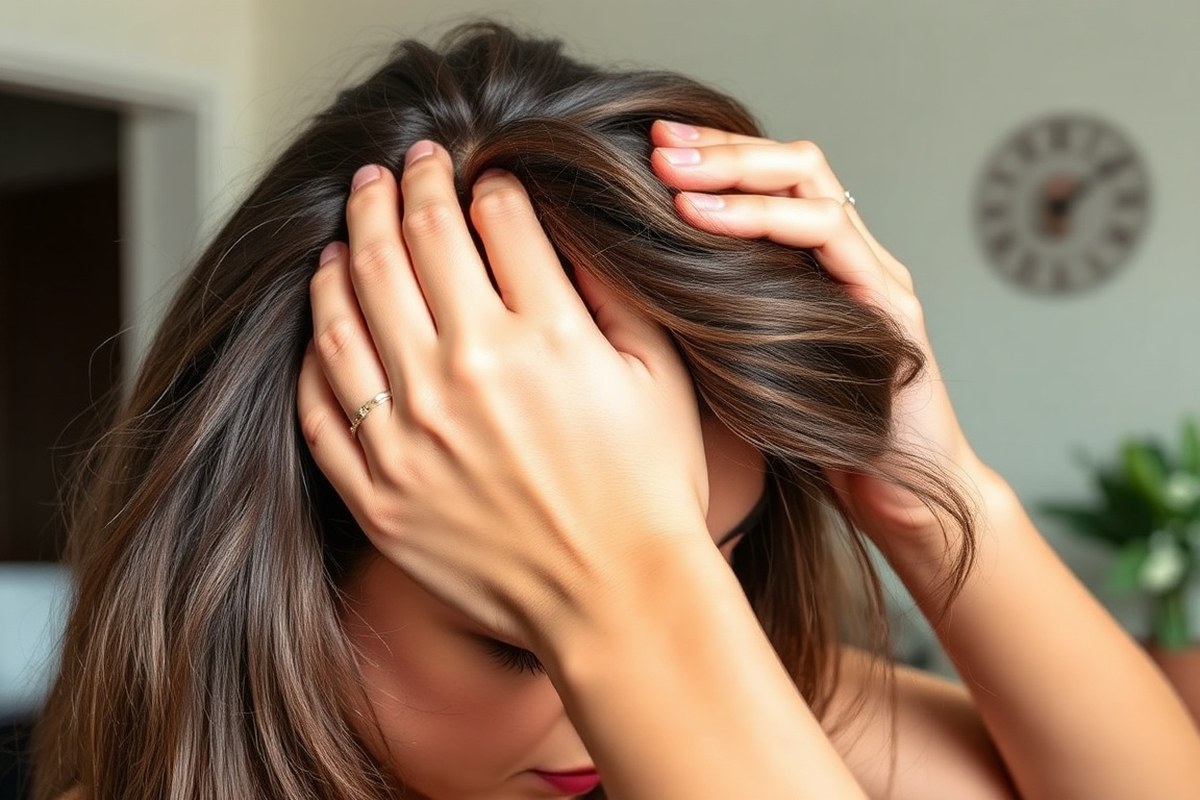
How to Prevent Hair from Falling: 8 Effective Ways for Stronger Hair
How to prevent hair from falling starts with understanding the cause. Hair loss happens when hair breaks or falls out faster than new growth. To stop it, you need a mix of gentle care and good nutrition.
Begin with using mild shampoos that don’t strip your scalp’s natural oils. Avoid styling products with harsh chemicals that can weaken hair strands.
Massaging your scalp daily helps boost blood flow, which may support hair growth. Just a few minutes each day makes a difference.
Eating foods rich in vitamins A, C, and E supports healthy hair. Protein is essential because hair is mostly made of it. Drinking plenty of water keeps your hair hydrated and strong from the inside out.
Limit heat styling and tight hairstyles to prevent damage and breakage. Sleep on a soft pillowcase to reduce friction on your hair. Small habits like these add up to healthier hair over time.
Key Takeaways
- Use gentle shampoos and avoid harsh chemicals on your scalp.
- Massage your scalp for a few minutes daily to stimulate growth.
- Drink 2 to 3 liters of water each day to prevent hair dryness.
- Trim your hair every 3 to 4 months to avoid split ends.
- Apply natural oils like coconut or olive oil weekly for nourishment.
- Limit heat styling tools to prevent damaging hair shafts.
1. What Causes Hair to Fall Out and How That Affects Prevention
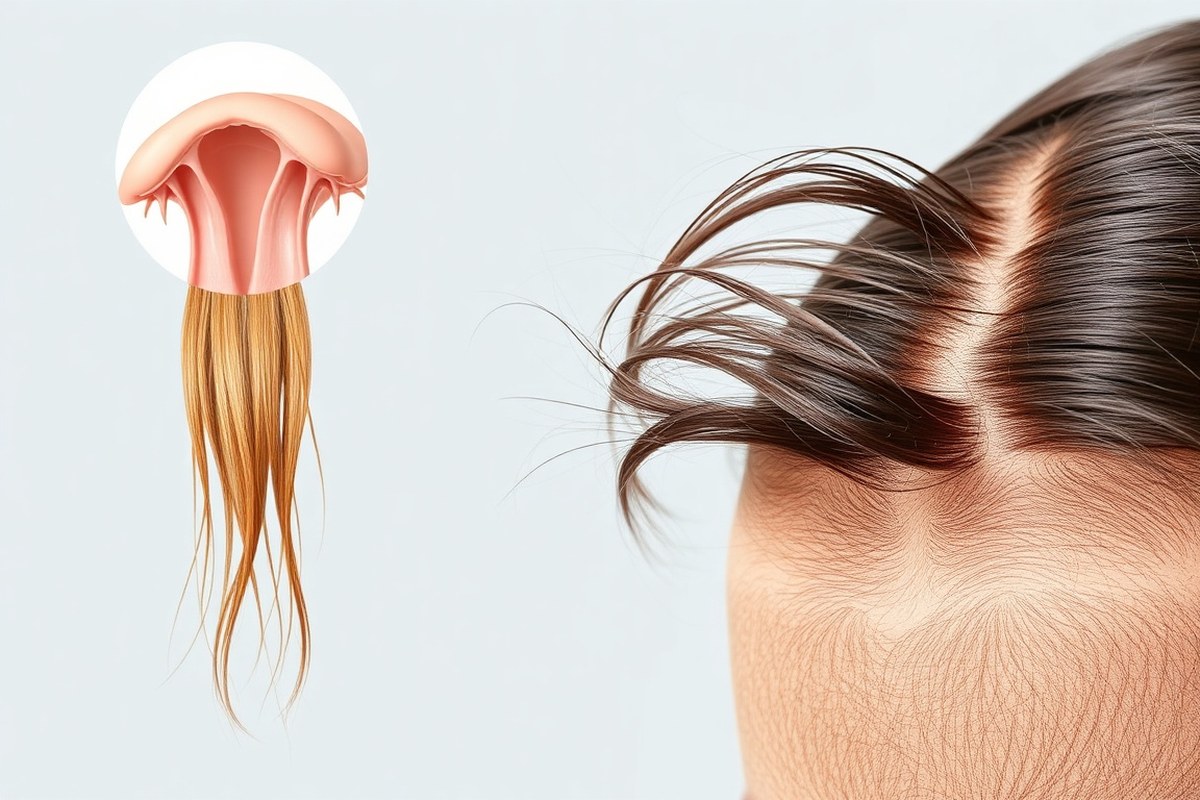
Hair falls out for many reasons, including genetics, hormones, stress, and nutrition. Genetics play a big role, and certain types of hair loss run in families. Genetics don’t always mean hair loss can’t be slowed.
You can delay it by fixing other causes early. Acting early helps keep more hair longer.
Hormonal changes, like those during pregnancy, menopause, or thyroid problems, can shift your hair growth cycle. These shifts often lead to more hair shedding. Knowing this helps you focus on hormone balance.
You can do this through diet, lifestyle, or medical advice. This can protect your hair.
Stress causes a type of hair loss known as telogen effluvium. It suddenly forces up to 70% of hair follicles to rest. This causes shedding weeks or months later.
The shedding becomes quite noticeable. Managing stress daily can help prevent this kind of hair fall and support regrowth.
Nutrition also matters. Deficiencies in vitamin D, iron, or zinc can weaken hair and increase shedding.
While these alone rarely cause drastic loss, fixing these gaps improves hair strength. Simple blood tests can check your levels, you might just need a supplement or diet tweak.
Normal shedding is about 50 to 100 hairs a day. More than that may mean you have a problem. Watch for thinning spots or more hair on your pillow.
Also check your hairbrush for extra hair. Knowing what to watch helps you decide when to seek advice.
Medical issues like thyroid disease or PCOS can cause hair loss. They affect hormones or hair follicles directly. This leads to thinning or shedding.
Treating these underlying issues often stops hair fall. A doctor can diagnose these with simple tests.
Understanding why your hair falls out lets you target what matters most. You can’t change genetics or aging, but focus on what you can control. Fix nutrition, manage stress, check hormones, and slow hair thinning effectively.
2. How to Use Diet and Supplements to Strengthen Hair

Eating enough protein daily helps your hair grow strong. Hair is mostly made of keratin, a kind of protein. You need protein so your hair gets what it needs.
Aim for 40-60 grams of protein each day. Eggs, milk, and lean meats have protein your hair needs.
They also give vitamins and minerals that help your hair. These foods support healthy hair growth.
Vitamins B7 (biotin), D, and iron play key roles in keeping hair strong and growing. Biotin helps your body create keratin.
Vitamin D affects hair follicle health, while iron carries oxygen to scalp cells. Low levels of these nutrients might show as brittle strands or more hair fall.
Omega-3 fatty acids found in fish and flaxseeds improve scalp health and hair strength. Adding these fats can reduce dryness and support growth. Vitamin C also helps by boosting iron absorption and supporting collagen for hair structure.
| Trigger | What Happens to the Follicle | Signs to Watch |
|---|---|---|
| Hormonal Shifts (postpartum, PCOS, thyroid) | Follicles enter resting phase, causing shedding | Hair thinning can appear within 2 to 4 months later. |
| Nutrient Gaps (protein, iron, vitamin D, biotin) | Slowed keratin production by matrix cells | Brittle hair, spoon-shaped nails, fatigue |
| Chronic Stress & Cortisol | Blood vessels feeding hair constrict | Sudden handfuls of hair lost |
You can take biotin and vitamin D supplements if your diet lacks enough of these. Testing for iron deficiency helps, especially if you feel tired or notice brittle hair. Including omega-3s in your diet supports the scalp environment.
Extreme calorie restriction (under 1,000 calories daily) can cause quick hair loss due to nutrient shortage.
Signs of nutritional deficiency include thin, brittle hair, nails that look spoon-shaped, and low energy. These suggest your body lacks key nutrients needed for hair health. Keep your meals balanced, rich in protein, veggies, and healthy fats to prevent this pattern.
Focusing on protein and essential vitamins daily builds hair from roots to tips. Avoid drastic diets that strip nutrients. Remember, healthy hair starts on your plate as much as in your shampoo bottle or routine.
3. Natural Oils and Home Remedies That Prevent Hair Fall
Natural oils like coconut, olive, and rosemary help your scalp stay healthy. They also make your hair stronger. This can help prevent hair fall.
These oils protect hair shafts and encourage growth by providing moisture and nutrients. Using them regularly can reduce shedding and support thicker hair over time.
Benefits of Coconut and Olive Oil
Coconut oil is great at penetrating hair shafts to reduce protein loss. It protects hair from damage caused by grooming and sun exposure, which helps prevent breakage. Olive oil mainly moisturizes the scalp and hair, easing dryness and flakiness.
Both oils have antioxidants and vitamins that keep follicles healthy. Coconut oil has lauric acid, which fights bacteria and improves scalp health. Olive oil’s vitamin E helps repair damaged hair and seals strands to avoid split ends.
Rosemary and Other Essential Oils
Rosemary oil is one of the few essential oils proven to promote hair growth. It improves scalp circulation, helping more nutrients reach hair follicles. Studies show rosemary oil may slow down hair loss, especially in cases like alopecia areata.
You can mix essential oils like lavender and peppermint with carrier oils. Use olive or jojoba oil as the carrier. This makes it safer and easier to apply.
These mixes provide anti-inflammatory benefits and improve scalp condition. Always dilute essential oils with a carrier oil before applying to avoid irritation.
Application Methods and Timing
To get the best results, warm oils slightly before applying. Warm oil spreads easier and absorbs better into the scalp. Apply 1 to 2 tablespoons per treatment, depending on your hair length and thickness.
Here’s a step-by-step routine to use oils correctly:
- Warm 2 tablespoons of coconut or olive oil until slightly warm, not hot.
- Add 3 to 5 drops of rosemary or other essential oils if using.
- Part hair into sections and pour a small amount of oil onto your scalp.
- Massage the oil gently into your scalp for 5 minutes to boost circulation.
- Apply the oil to your scalp first. Then work it down to the hair tips. Use your fingers or a wide-tooth comb to spread it.
- Cover your hair with a shower cap or towel to keep heat in.
- Leave the oil on for at least 30 minutes; overnight is fine if convenient.
- Wash your hair with a mild shampoo, avoiding harsh detergents.
Use these treatments 1 to 3 times per week for the best effect. More frequent use won’t harm, but it may leave buildup if not washed properly. Reduce how often you use oils if your scalp itches or feels irritated.
Use more carrier oil to dilute strong oils before applying. Stop using oils if irritation continues.
4. Stress Management Techniques That Help Reduce Hair Loss
Stress triggers hair loss by disrupting your hair growth cycle. Chronic stress raises hormone levels like cortisone and CRH, which push hair into a shedding phase. This imbalance makes your hair fall out faster than it can grow back.
You can reduce hair fall by lowering stress through simple daily habits. Mindfulness practices, like meditation, can lower cortisol levels in just 10 minutes a day. Yoga also helps by calming your nervous system and improving circulation, which supports hair follicles.
- Try stress-relief yoga poses like child’s pose or gentle twists
- Meditate daily using a guided app for 5 to 10 minutes
- Keep a regular sleep schedule to improve hormone balance
- Exercise moderately most days to reduce stress hormones
- Journaling about your feelings can help clear your mind
- Avoid smoking because it worsens hair thinning and loss
Sleep plays a key role in preventing hair loss. Try to get 7 to 9 hours of sleep each night. Poor sleep can mess with hormones that affect hair growth.
That’s why sleep matters for healthy hair. You can improve sleep with dark, cool rooms and by winding down without screens before bed.
Different stress-relief methods suit different people. Yoga works well if you want physical activity with breathing control.
Mindfulness benefits those who prefer quiet focus. Try different techniques until you find what reduces your stress best.
5. Gentle Hair Care Routines to Minimize Damage and Thinning
Washing and Shampooing Dos and Don’ts
Wash your hair with gentle, sulfate-free shampoos that won’t strip natural oils. Avoid washing every day to keep your scalp’s protective grease intact. Twice or thrice a week is enough for most hair types to prevent dryness and breakage.
Use lukewarm water, not hot, to protect your hair cuticles. Acidic pH shampoo keeps hair cuticles flat. Flat cuticles make hair shinier.
This also helps reduce damage. Avoid harsh scrubbing and focus on massaging your scalp gently with fingertips.
Safe Styling and Drying Techniques
Avoid heat styling tools like flat irons and curling wands. Keep any heat below 300°F (150°C). This stops moisture loss.
Every 10°C rise in heat doubles damage and weakens your hair’s inner structure. Let hair air-dry when possible instead of using blow dryers.
Tight hairstyles like braids and ponytails pull on hair. This pull can cause breakage. Over time, it leads to thinning.
Switch to loose styles and use soft hair ties without metal parts to reduce tension. Protect hair from sun exposure by wearing hats or using UV protection sprays.
- Use a microfiber towel or old cotton T-shirt to blot, not rub hair dry
- Apply a leave-in product with peptides or keratin after washing
- Massage your scalp daily to boost circulation and strengthen roots
- Avoid chemical treatments that irritate scalp and dry hair
- Use silk or satin pillowcases to reduce friction overnight
Heat styling over 300°F causes hair to lose water and get brittle fast.
Trimming Frequency and Benefits
Trim hair every 6 to 8 weeks. Removing split ends stops them from climbing. This prevents breakage down the hair shaft.
Trimming doesn’t stop hair loss but helps hair look healthier and reduces tangling. You can delay trims if your hair is short or less damaged.
Neglecting trims leads to split ends, which break off and make hair seem thinner. Regular trimming supports your gentle care routine by keeping strands strong and tidy.
You don’t need a professional for simple trims. You can do light snips at home with sharp scissors.
Detangling Tips
Detangle hair gently using fingers or a wide-tooth wooden comb, especially when wet. Hair is weakest when damp and wet combing can cause 70% more breakage than dry combing. Work from the ends up to the roots to ease knots without pulling harshly.
Avoid plastic combs because they generate static electricity, making hair rough and brittle. Allow conditioner to do its job before detangling, or use a slip-in detangler to add smoothness. Detangling daily or every other day keeps tangles manageable and prevents hair loss from rough handling.
6. FDA-Approved Medical Treatments for Hair Loss Prevention
There are FDA-approved medical treatments that safely prevent hair fall and stimulate growth. The most common ones include topical minoxidil and oral finasteride. Advanced options include PRP therapy and laser devices.
These alternatives have different costs. They also come with various side effects.
Topical Minoxidil and Oral Finasteride
Minoxidil is a topical foam or solution that you apply twice daily to your scalp. It widens blood vessels to increase hair follicle activity and slows hair loss. Oral finasteride is a pill for men that blocks hormones causing hair thinning.
Minoxidil works best after 4 to 6 months of regular use. Finasteride can take 3 to 6 months to show improvement, mainly in male pattern hair loss. Both treatments often require ongoing use to keep hair growth; stopping can reverse gains.
Platelet-Rich Plasma (PRP) Therapy
PRP therapy involves injecting your own blood platelets into the scalp. Platelets release growth factors that may stimulate hair follicles in thinning areas. You usually get 3 to 4 sessions spaced one month apart for best results.
PRP has fewer systemic side effects since it uses your blood. But scalp discomfort or mild swelling can occur.
Results vary and keep improving for months after treatment. A dermatologist or hair specialist performs the injections in their office.
Laser Therapy Devices
Low-Level Laser Therapy uses red light to stimulate hair follicles and boost hair density. You can use FDA-cleared devices or caps at home. Use them for 15 to 30 minutes.
Do this several times a week. It’s painless and non-invasive.
Studies show laser therapy can improve hair count and thickness after about 24 weeks. These devices can be expensive, ranging from a few hundred to over a thousand dollars. Consistency in use over months is key to maintaining results.
Treatment Costs and Side Effects
Here’s a comparison showing effectiveness, usage, costs, and side effects to weigh your options.
| Treatment | How to Use | Cost Range | Effectiveness Timeline | Common Side Effects |
|---|---|---|---|---|
| Minoxidil (topical) | Apply foam/solution twice daily | $20, $60 per month | 4 to 6 months | Scalp irritation, rare fast heartbeat |
| Finasteride (oral) | Take pill daily (men only) | $30, $70 per month | 3 to 6 months | Sexual side effects, rare mood changes |
| PRP Therapy | In-office scalp injections, 3, 4 sessions | $500, $1500 per session | Noticeable after 3 sessions | Scalp pain, swelling, mild bruising |
| Laser Therapy Devices | Use device 15, 30 min, 3+ times/week | $200, $1200 one-time | About 24 weeks | Rare scalp warmth or irritation |
Choosing the right treatment depends on your budget, convenience, and tolerance for side effects. Minoxidil and finasteride suit those wanting daily medication and quicker proven results.
PRP suits people avoiding pills or wanting a natural option despite higher cost. Laser devices fit those open to tech-based treatments and willing to stay consistent for months.
7. When to Seek Professional Help for Hair Loss
See a dermatologist if your hair shedding stays above 100 hairs per day. Sudden or patchy hair loss, or scalp pain and itching, also need prompt attention. These signs may point to an underlying medical condition that requires treatment.
Don’t wait until hair thinning is extreme. Early action preserves hair follicles and improves treatment success.
Hair loss related to iron deficiency, anemia, or hormone changes can get better. This usually happens once the main problem is treated properly.
- Losing more than 100 hairs daily consistently
- Developing bald or noticeably thinning patches
- Sudden, rapid hair loss in clumps or all over
- Scalp pain, redness, itching, or flaking
- Hair loss combined with fatigue, weakness, or dizziness
- Hair loss continuing beyond 4 to 6 months despite prevention efforts
Schedule a consultation quickly if you notice any warning signs like these. Waiting months risks permanent follicle damage.
Most people should try gentle care or supplements for 4 to 6 months first. Then, see a professional if there’s no improvement.
Emergency care for hair loss is rare. It’s urgent if you have bad scalp pain or sudden, large-scale shedding.
Otherwise, stick to your prevention routine but watch for new symptoms. A specialist can test for vitamin deficiencies, thyroid problems, or autoimmune diseases behind hair loss.
8. Lifestyle Changes That Support Hair Health Long-Term
Drinking enough water is key to reducing hair fall. You need 2 to 3 liters of water every day for hydration. This helps nutrients reach your scalp better.
Hydrated hair follicles stay healthier and stronger. Without good hydration, hair shafts weaken and break more easily.
Smoking speeds up hair loss by harming blood flow to your scalp. Quitting smoking improves circulation, which helps hair grow stronger. It might take weeks to months of smoke-free living before you notice less shedding.
Quality sleep supports hair growth by balancing hormones and cell repair. Aim for 7 to 9 hours of sleep each night to keep your follicles healthy. Try a 10-minute sunset walk to set your body’s internal clock for better rest.
Sun exposure can dry your scalp and damage hair proteins. Using a hat or hair sunscreen protects your scalp and prevents brittleness. Limit time in direct sun during peak hours to avoid scalp burns.
Some daily habits harm hair unknowingly. Avoid tight hairstyles that pull on follicles. Cut back on heat styling and harsh chemicals, which weaken strands and cause breakage.
- Drink at least 2 liters of water daily, more if active
- Stop smoking to boost scalp circulation
- Sleep 7, 9 hours nightly for hormone balance
- Wear a hat or use hair sunscreen in strong sun
- Avoid tight ponytails and frequent heat styling
- Regularly cleanse scalp to prevent blocked follicles
- Limit pollution exposure by covering hair outdoors
Daily scalp massage boosts circulation but be gentle to avoid irritation.
Tracking how your hair responds to these changes helps you adjust your routine. Hair fall stays high after months, see a healthcare professional. People vary a lot, so patient, steady habits work best for most.
Step-by-Step Action Plan to Start Preventing Hair Loss Today
Follow these steps to build a solid routine. You’ll see small changes in hair strength within weeks.
- Day 1: Switch to a gentle shampoo without harsh chemicals. Your scalp should feel less irritated by the end of the week.
- Week 1: Add a zinc and biotin supplement to your diet. Track if your nails and hair feel stronger by Week 4.
- Week 2: Practice stress management, like 10 minutes of daily deep breathing. Notice if hair shedding reduces after 3 weeks.
- Week 3: Apply natural oils (coconut or castor) twice a week. You should see less breakage and softer hair within a month.
- Week 4: Avoid heat styling and tight hairstyles. Watch for less hair on your brush and pillowcase.
- Month 2: If hair loss continues or worsens, schedule a visit to a dermatologist. Early evaluation helps you avoid permanent loss.
- Month 3: Stay consistent with your routine and adjust based on results. Look for increased hair thickness or slowed thinning.
Frequently Asked Questions
Can Drinking More Water Really Help Prevent Hair Fall?
Yes, drinking 2-3 liters of water daily helps keep hair hydrated and prevents breakage. Hydrated hair is less likely to become dry and weak, reducing hair fall over time.
Does Combing Hair Daily Cause More Hair to Fall Out?
Gentle daily combing with a wooden wide-toothed comb reduces hair fall caused by static and tangles. Avoid plastic combs, which can create static and pull on hair shafts, leading to breakage.
Can Tight Hairstyles Actually Cause Hair Loss?
Yes, tight hairstyles pull on hair roots and cause breakage or traction alopecia. Choose loose hairstyles to minimize stress on your scalp and hair, which supports hair loss prevention.
Is Scalp Massage Effective in Preventing Hair Loss?
Yes, regular scalp massage increases blood flow to hair follicles and reduces hair loss. Use your fingertips to massage for a few minutes daily to stimulate healthy hair growth.
Are Sulfate-Free Shampoos Better for Preventing Hair Fall?
Sulfate-free shampoos are gentler and less likely to strip your scalp’s natural oils. This helps maintain moisture and prevents damage that can lead to hair fall.
Does Vitamin C Intake Help Reduce Hair Loss?
Yes, vitamin C supports collagen production, essential for healthy hair structure. Eating plenty of vitamin C-rich foods strengthens hair and helps prevent thinning and fall.
Wrapping Up
Preventing hair loss takes steady steps and patience. Start these changes now to protect your hair health. If problems persist, a professional can guide you to the right solutions.


