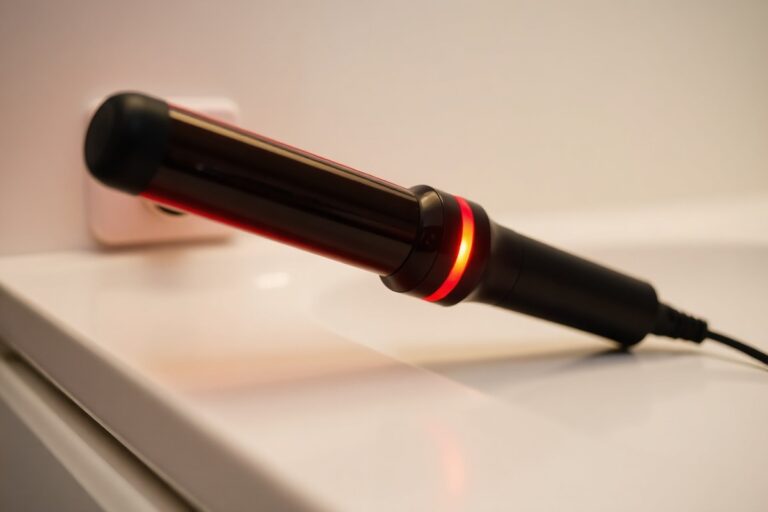
How to Use Electric Shaver Trimmer: Simple Steps for Fast, Comfort Grooming
How to use electric shaver trimmer? Start by fully charging it before use.
A charged shaver gives the best power for a clean trim. Always check your trimmer settings to match your desired hair length.
Hold the shaver at a right angle to your skin. Move it against the direction of hair growth for smoother results. This technique helps cut hair close and reduces skin irritation.
Prepare your skin and beard by washing with warm water. This softens hair and opens pores, making trimming easier. Avoid pressing too hard; let the trimmer do the work.
Replace blades or heads every 12 to 18 months. Dull parts pull hair and cause skin discomfort. Regular maintenance keeps your shaver sharp and safe to use.
Key Takeaways
- Fully charge your electric shaver trimmer before every grooming session.
- Set your trimmer length according to your preferred hair style.
- Hold the shaver at 90 degrees and shave against hair growth.
- Wash your face with warm water to soften hair before trimming.
- Don’t press hard; let the trimmer glide gently on your skin.
- Replace blades or cutter heads every 12 to 18 months for best results.
How to Use an Electric Shaver Trimmer Correctly

Using an electric shaver trimmer is easy once you follow the right steps. You want to hold it properly and apply just the right pressure to avoid irritation.
Getting a clean shave depends on how you move the shaver. The angle you hold it at also matters for an even trim.
Most electric shavers have different guards and attachments. These help you switch between trimming and shaving smoothly. Hold the shaver at a 90-degree angle to your skin.
Move it gently against the direction your hair grows. This usually gives the best results.
- Charge and prepare your shaver. Make sure your trimmer is fully charged or plugged in. Clean the blades if needed for smooth cutting.
- Choose the right guard or attachment.Pick the guard based on how much length you want to keep. Use a shorter guard for a closer shave.
- Hold the shaver flat at a 90-degree angle. Press lightly so blades cut hair without scraping your skin. More pressure causes irritation.
- Move the trimmer slowly against the hair growth. Use short, smooth strokes to catch all hair evenly. Adjust speed for thick or thin hair.
- Use edges or pop-up trimmers for tight spots.Trim carefully under your nose and near your ears. Use the shaver’s edge or a special trimmer for those spots.
- Trim longer hair first if needed.Start by removing length with a longer guard if your beard is long. This works best when your hair hasn’t been cut for days.
- Check for missed spots and smooth edges. Go over any areas that need more trimming for evenness.
Use your electric shaver on dry or wet skin. Make sure your shaver supports wet shaving before doing this. Avoid pushing hard.
The blades cut best with light, steady pressure. Taking your time avoids redness and uneven trimming.
Choosing Between Foil and Rotary Shavers

Electric shavers use two main blade types: foil and rotary. Foil shavers cut with a blade moving behind a thin metal foil. The foil keeps the blade just off your skin to prevent cuts while trimming hair.
Rotary shavers have three circular heads with blades that spin underneath. These heads flex to follow your face’s curves and grab hairs from different angles.
Foil shavers excel at giving a precise, straight-line cut. They work best on dry skin and are usually gentler for sensitive or bump-prone skin. Rotary models handle thicker or coarser hair better.
They also shine if you shave less often and have more facial contours to cover. Each type uses a slightly different technique: foil shavers need straight, even strokes. Rotary shavers work best with small, circular motions.
| Feature | Foil Shavers | Rotary Shavers |
|---|---|---|
| Blade Movement | Side-to-side behind foil | Spinning circular heads |
| Best For | Straight-line precision, sensitive skin | Thick/coarse hair, facial contours |
| Skin Preparation | Dry skin preferred | Dry or wet skin options |
| Technique | Straight, gentle strokes | Small circular motions |
| Replacement Frequency | Varies by model | About every 2 months |
| Wet/Dry Use | Some models wet/dry compatible | Depends on model |
Switching between foil and rotary shavers can change how your skin reacts. Some men find foil shavers reduce irritation better than rotary ones.
Rotary shavers may work deeper on thick beards but need more care with technique. Both types save time compared to manual razors and reduce cuts.
Take your time learning the correct stroke for your shaver type to avoid skin irritation.
Models like Braun Series 3 combine foil technology with trimmer attachments and offer wet/dry use. Manufacturers suggest replacing rotary blades about every two months, depending on how thick your hair is.
Finding the right shaver and technique might take a few tries. But consistency leads to a smooth, fast grooming routine.
Preparing Your Skin and Beard for Electric Trimming
Preparing your skin and beard the right way helps get a smooth trim with less irritation. Use dry skin for dry-only trimmers and wash up if your shaver supports wet use. Soften thick or long hair first to make trimming easier and more even.
Cleansing and Drying the Skin
Begin by rinsing your face with warm water, then use a mild cleanser. This clears away oils and dirt that might block the trimmer or irritate skin.
Pat your skin dry with a clean towel. Avoid rubbing, which can irritate sensitive skin and cause redness.
Make sure your beard is completely dry before using a dry-only electric trimmer. Wet hair can stick to the blades and reduce trimming power, leaving an uneven cut.
Trimming Long Hair Before Shaving
Trim your beard shorter when it’s long or thick to boost trimmer performance. This cuts down tugging and stops the blades from clogging.
Use a beard trimmer with a longer guard to take off excess length. Then switch to shorter guards for detail work or shaving closer.
- Trim 0.5 to 1 inch off long beards before detailed trimming
- Go slow and make multiple passes for even length
- Use a comb to lift hair while trimming if needed
- Check for uneven patches in natural light
- Clean your trimmer blades often during the process
After trimming, check your skin and hair. Gentle exfoliation helps remove dead skin and loose hairs, making the trimming smoother.
Using Pre-Shave Lotions or Powders
Apply an electric shaver pre-shave lotion or powder to lower friction during trimming. These products let the blades glide easier over your skin.
Use shaving gel or foam when using a wet/dry electric shaver for wet shaving. This reduces skin irritation, especially with thick beards or sensitive skin. Try these pre-shave tips:
- Use a small amount of lotion on clean, dry skin
- Let gel or foam sit for 1, 2 minutes after showering
- Choose products that do not clog blades
- Avoid heavily scented or oily formulas that irritate skin
- Test a patch on your skin before full application
Step-by-Step Guide for Different Hair Lengths
Trim differently based on beard length. For long hair, cut it down before shaping.
Use shorter guards for medium or short hair and a close shave on stubble. Adjust guards and technique for patchy spots to get even results.
Trimming Long Beards in Sections
Long beards must be trimmed in stages to avoid tugging and uneven cuts. Use a clipper or trimmer without a guard first to shorten excessive length. Divide the beard into manageable sections, then trim each carefully.
Working in sections keeps control and reduces strain on the trimmer. Begin near your neck and sides, moving upward and finishing with the chin. This method cuts longer hair effectively without jamming the blades.
- Charge your trimmer fully to ensure steady power.
- Comb your beard thoroughly to remove knots and tangles.
- Divide your beard into three sections: sides, chin, and neck.
- Trim each section with no guard or a long guard (e.g., 12 mm) first.
- Check length and evenness after each section and adjust as needed.
- Use shorter guards to refine the shape, focusing on edges and fade.
- Brush off trimmed hair and re-comb to confirm smoothness.
Setting Guards for Medium and Short Hair
Choose the right guard length to define your style clearly. Medium hair, about 3 to 7 mm long, needs a guard in that range. Short hair or stubble needs a guard under 3 mm.
Use no guard for a clean shave. That gives you smooth skin right after shaving.
Start with a longer guard to avoid cutting too much at once. Trim hair against the grain to get an even cut faster. Adjust guards as you go to soften edges or blend patchy areas.
Shaving Stubble Areas Safely
For stubble under a week old, use a shaver without a guard. A trimmer without a guard also works well. This gives you a close finish.
Move the shaver gently across the hair growth direction to avoid irritation and pulls. Go over the skin twice only when necessary to protect sensitive areas.
Patchy stubble benefits from longer guards in sparse spots, blending into shorter or no-guard zones. Always clean hair from blades during use to keep cuts smooth and prevent clogging. Afterwards, rinse and dry the shaver thoroughly.
Avoiding Common Mistakes When Using Your Trimmer
Using too much pressure with your electric shaver can irritate your skin and worsen razor bumps. Instead, let the shaver glide over your face using light, even strokes. Pressing hard won’t cut closer but may cause redness and discomfort.
Poor battery charge is a common mistake that causes hair pulling. A half-charged or low battery reduces blade speed.
So it pulls hair instead of cutting. Always start with a fully charged trimmer to prevent tugging and skin pain during grooming.
Moving the trimmer too fast is another error. Rushing can leave patches of untrimmed hair or uneven spots. Take your time.
Check your progress in a well-lit mirror. This helps you get a smooth, comfortable trim.
- Charge the trimmer fully before use to avoid hair pull.
- Use gentle pressure; let the blades do the work naturally.
- Trim slowly with steady, even strokes for an even cut.
- Clean the trimmer head regularly to prevent clogged blades.
- Remove oils or hair products that interfere with blade movement.
- Check skin often to spot irritation early and adjust technique.
- Replace dull blades to keep cuts smooth and close.
Not cleaning the shaver after each use can cause pulling and irritation. Residue from hair, oils, and skin flakes build up, blocking blades. Rinse or brush the head daily and oil moving parts following the user manual.
Using a trimmer on wet or greasy skin can also cause tugging. Moisture or product can make the blade slip or catch hair unevenly. Trim on dry, clean skin for the best cut and least irritation.
Let your electric shaver’s blades rest during longer trims. This keeps them sharp. It also stops them from getting too hot.
Applying pressure repeatedly to the same spot can irritate or burn your skin. Move the shaver in different directions and avoid going over one area multiple times quickly. Good results come from patience, not force.
How to Clean and Maintain Your Electric Shaver Trimmer
Clean your electric shaver trimmer after each use to keep it sharp. A quick clean removes hair and oils that slow the blades. Oil parts every few weeks.
Replace worn blades when needed. This keeps it working well for many years.
Daily Cleaning After Use
Cleaning your trimmer right after each use stops buildup that wears blades down faster. Most manufacturers say to remove trapped hair and wipe the blades clean. This also helps prevent skin irritation from dirty blades.
Use the small brush that came with your shaver or a soft old toothbrush. Don’t run your electric shaver under water unless it’s waterproof.
- Turn off and unplug your trimmer.
- Remove the guard or foil head if possible.
- Brush away loose hair from the blades and guard.
- Tap the shaver lightly to shake out cut hairs.
- Use a dry cloth to wipe the body and blade area.
- Put the guard or head back on once clean.
Deep Cleaning and Lubrication
Clean the shaver deeply once a week. Use water or a recommended solution.
Only do this if the shaver is waterproof. Soak removable parts in warm water with mild soap for a few minutes if you can.
Lubricate the cutter block with a drop or two of shaver oil every few weeks. Dry blades cause more friction and dull faster. Proper oiling keeps blades sharp and running smoothly.
Replacing Blades and Foils on Schedule
Replace shaver heads or blades every 12 to 18 months. Using worn parts makes trimming less effective and can irritate your skin. Signs you need new blades include pulling hairs and uneven cuts.
Some brands sell replacement kits you can install yourself. Parts often cost $15 to $50 depending on brand and model. Using fresh blades keeps your shaver working like new.
| Maintenance Item | How Often | Why |
|---|---|---|
| Daily cleaning | After every use | Removes hair buildup, prevents clogging |
| Deep cleaning and oiling | Weekly | Keeps blades sharp and smooth |
| Blade/foil replacement | Every 12-18 months | Prevents dull cuts and skin irritation |
Skin Care and Irritation Prevention Tips
Applying gentle pressure while shaving helps avoid razor burn and irritation. Pressing too hard drives the blades closer to the skin, causing redness or bumps. Let the electric shaver do the work by gliding it smoothly over your skin.
After shaving, rinse your face with cool water to close pores and reduce inflammation. Follow with a fragrance-free, alcohol-free moisturizer to soothe your skin. Products containing aloe vera or chamomile calm irritation effectively.
Exfoliating your skin 2 to 3 times a week helps stop ingrown hairs from forming. Use a gentle scrub or a soft brush to remove dead skin cells. This clears hair follicles and makes your shave cleaner and smoother.
For sensitive skin, pick an electric shaver made just for that. Hypoallergenic blades and multiple shaving heads reduce irritation risks. Avoid harsh aftershaves with alcohol or strong scents to keep redness down.
For body or groin areas, trim longer hair first to prevent tugging. Use slow, gentle strokes, and clean your shaver regularly during use. This keeps the blades sharp and reduces skin irritation caused by dull blades.
Using an electric shaver daily usually causes less irritation than traditional razors. Since electric shavers don’t cut hair as close, they lower razor burn and ingrown hairs. This makes them great for everyday use, even on sensitive skin.
Always clean your shaver after each use to stop bacteria buildup. Bacteria on blades can cause breakouts and infections after shaving. Follow the manufacturer’s cleaning steps to keep your shaver safe.
Rinse or use the brush they recommend. This helps your shaver work well for longer.
After shaving, avoid tight clothing or sweating for a few hours. Heat and friction can irritate freshly shaved skin and cause razor bumps. Give your skin time to recover before putting on anything that rubs or traps sweat.
Using Your Electric Trimmer for Sensitive Areas and Body Hair
You can use an electric shaver trimmer on your neck and groin. But you need to be careful.
These areas have sensitive skin and can get irritated easily. Using a body grooming trimmer designed for sensitive skin reduces the risk of cuts and discomfort.
The technique differs from facial shaving because body and sensitive areas need gentler strokes. Move the trimmer slowly against the hair growth. Stretch the skin slightly to create a flat surface and avoid nicks or uneven trimming.
Trimmers made for body grooming often have special blades and guards that protect delicate skin. Rotary shavers work well on thick or curly hair. They follow the body’s curves smoothly.
This makes them great for many spots. Foil shavers may irritate sensitive skin more.
They also don’t fit well on smaller curved areas. Be careful when using them there.
- Trim hair dry for better visibility and control.
- Apply a light layer of shaving lotion or gel if allowed by the trimmer.
- Use a guard attachment to avoid trimming too close in sensitive zones.
- Work in small sections, especially on curved areas like the neck.
- Keep your trimmer clean to prevent infections or skin reactions.
- Allow the trimmer to cool during longer sessions to prevent heat discomfort.
For your head, use a trimmer with adjustable length settings. Start by trimming longer hair with a higher guard. Then switch to lower settings for a closer cut.
This method gives better results. Take extra care around the ears and neckline, where the skin curves sharply.
Stop immediately if you feel heat or sharp pain. Check your trimmer’s blades for dullness.
Shaving hard-to-reach spots like the groin requires good lighting and a stable position. Use a hand mirror to check your work and avoid missed patches. Avoid pressing too hard, which can cause skin irritation or razor bumps.
Step-by-Step Action Plan to Master Your Electric Shaver Trimmer
Follow this quick plan to get comfortable and confident with your electric trimmer. Each step helps you improve your trimming skills and care routine.
- Day 1: Read the user manual carefully to understand your model’s features and settings. This helps avoid mistakes and extends trimmer life.
- Day 2: Prep your skin and beard by washing and drying them well. Check for a smooth, clean surface before trimming.
- Day 3: Practice trimming on a low guard length on your beard or body hair. You’ll see even, neat results without skin irritation.
- Week 1: Try different guard lengths to find your preferred hair length. Notice how the look changes and how your skin feels.
- Week 2: Clean your trimmer fully after each use. Look for no hair buildup and a sharp blade to keep your trim smooth.
- Week 3: Experiment with sensitive area trimming using a gentle touch and proper guards. Watch for no redness or discomfort.
- After 1 Month: Replace worn blades or parts if needed. This keeps your trimming precise and prevents pulling or irritation.
- Continuously: Moisturize after trimming to soothe skin and protect against dryness. Notice less irritation and faster healing each time.
Frequently Asked Questions
How Do I Adjust the Trimming Length on My Electric Shaver Trimmer?
Most trimmers have a dial or attachments to change length. Adjust it based on your desired beard or hair length before starting.
Can I Use an Electric Shaver Trimmer on Wet Skin Without Damage?
Only if your shaver is designed for wet use, like the Braun Series 3. Using it wet keeps skin hydrated and can prevent irritation.
How Often Should I Replace the Blades or Foil on My Electric Shaver?
Replace blades or foils every 12 to 18 months depending on use. Dull blades cause pulling and skin irritation.
Is It Safe to Use an Electric Shaver Trimmer While Traveling by Plane?
Yes, most electric shaver trimmers are TSA-approved for carry-on and checked bags. Make sure it’s clean and charged before the trip.
Can I Use the Same Electric Shaver Trimmer for My Face and Body?
Yes, but use different guards or attachments to avoid irritation. Clean the tool well between uses to reduce bacteria.
What’s the Best Way to Store My Electric Shaver Trimmer?
Keep it dry and in its case or pouch after use. This prevents damage to blades and keeps it dust-free.
Final Thoughts
Your electric shaver trimmer can give you a clean, comfortable look every time you use it. Start by following one step today to build your confidence. Keep caring for both your skin and trimmer to enjoy the best results long term.