Does Purple Shampoo Work on Brunettes? What Actually Works for Brown Hair
Does purple shampoo work on brunettes? Yes, it can help reduce brassiness and dullness.
Purple shampoo neutralizes unwanted warm tones like yellows and oranges in brown hair. It works by depositing gentle violet pigments that correct these tones and balance out your color.
Not all brown shades need it though. Brunettes with ashy or highlighted tones see the clearest changes and benefit the most.
For best results, leave the shampoo on your hair for about three to five minutes. This gives the pigments enough time to tone your hair properly without over-drying.
Choosing the right formula matters too. Some purple shampoos have stronger pigment designed for color-treated hair.
Others are subtler and include natural ingredients for regular use. Testing a small amount first helps avoid an unwanted purple tint or dryness.
Key Takeaways
- Use purple shampoo only on cool or highlighted brown shades with brassiness.
- Leave purple shampoo on for 3 to 5 minutes before rinsing for best results.
- Pick formulas designed for brunettes or color-treated hair to get gentle toning.
- Avoid daily use; once or twice a week prevents over-toning and dryness.
- Test the shampoo on a small section first to prevent purple residue.
- Follow with conditioner to keep hair soft and hydrated after toning.
Does Purple Shampoo Work on Brown Hair and How?

Purple shampoo works on brown hair, but not like a regular shampoo. It adds violet pigment that cancels out yellow tones in the hair.
This works because purple and yellow are opposite on the color wheel. So the violet neutralizes unwanted yellowness or brassiness.
Usually, purple shampoo helps brown hair with lighter parts, like caramel highlights or balayage. These lighter sections can turn yellow over time due to sun exposure or washing. The violet pigment sits on your hair surface and tones down yellows.
This makes hair look cooler. It also reduces brassiness.
Purple shampoo won’t change your brown hair to lighter or darker. It adds color that cancels out yellow tones only.
Leaving it on too long or using it too much might cause a purple tint. Rinsing after one to three minutes prevents a violet color from showing.
Toning with purple shampoo is gentle and gradual. Use it only when you spot yellow tones starting to appear. Overusing can cause a purplish tint, especially on very light brown sections.
This shampoo is a toner, not a lightener. It changes color tone only. It doesn’t change your hair’s base shade.
When your brown hair turns orange or copper instead of yellow, purple shampoo won’t help. Blue pigments work better for orange tones. Use purple shampoo for yellow brassiness in light brown hair.
It helps keep your color fresh. Great between salon visits.
Which Brunette Shades Benefit Most from Purple Shampoo?
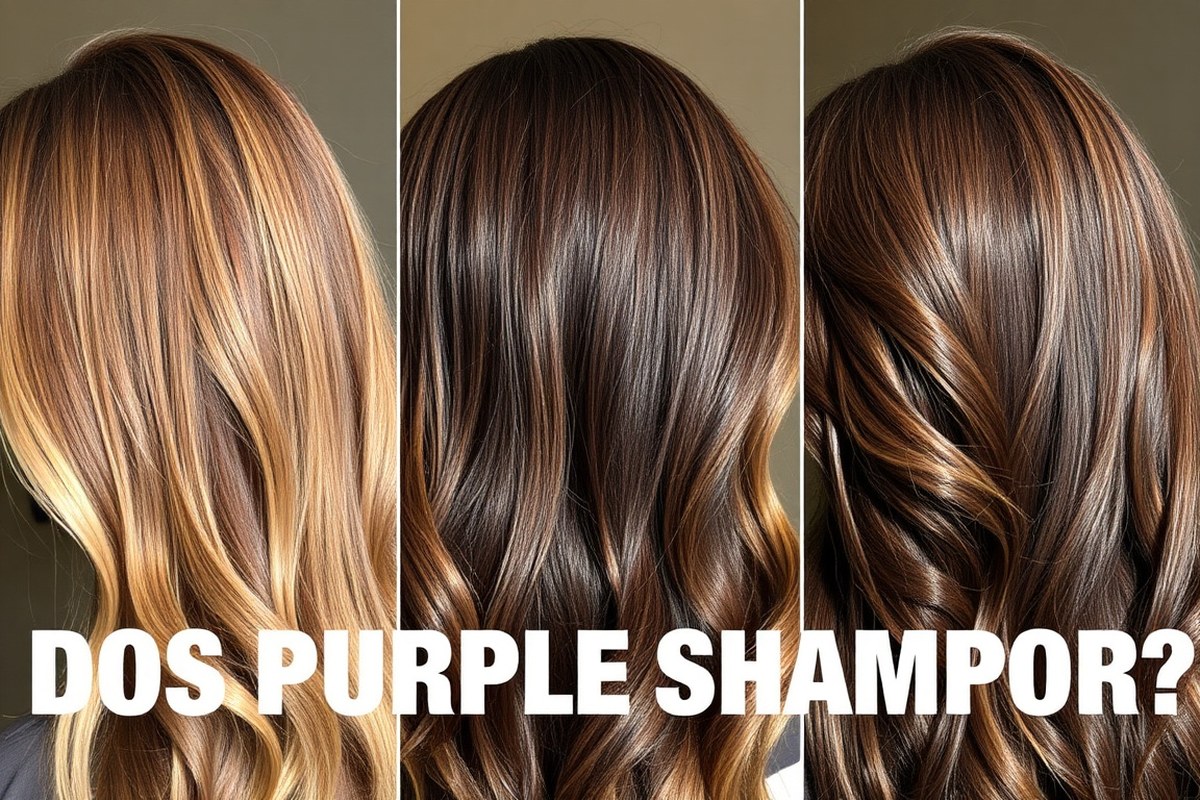
Best Brown Hair Tones for Purple Shampoo
Purple shampoo works best on lighter brown hair with cool undertones or some golden hints. It helps reduce yellowish brassiness in these shades. Dark, rich brown hair often won’t show much change because purple pigments don’t deposit strongly there.
Brunettes with bronde, light brown, or soft golden balayage get the most benefit. Their hair can pick up unwanted warmth that purple shampoo gently cancels out.
Natural Brunettes and Purple Shampoo
Your solid natural medium or dark brown hair might not show much change from purple shampoo. It won’t shift dark pigments much. But you can use it occasionally to freshen highlights or subtle warmth that appears over time.
Overusing purple shampoo on natural brown hair risks a slight dull or muted look. It’s better as a touch-up than a main toner for solid brunette shades.
Highlights, Balayage, and Purple Shampoo
Adding highlights or balayage changes how purple shampoo works. Lightened strands often show brassiness more, so purple shampoo targets those areas well. It removes orange or yellow tones that pop in lighter bits.
Apply purple shampoo directly to highlighted or balayage sections. Leave it on the lighter parts a few minutes longer.
Do this to avoid a purple tint. Keep less time on your darker hair.
How to Match Purple Shampoo to Your Brown Tone
Choose your purple shampoo based on your hair tone for best results. Blue shampoos work well on medium to dark brown hair.
They suit hair with warm or red undertones best. Purple is kinder for cooler, lighter browns.
- Light brown with golden highlights: purple shampoo to reduce yellows
- Brondes or light brunette with warm tint: purple to neutralize brassiness
- Medium to dark brown: blue shampoo often works better to counter warmth
- Natural solid brown: use purple shampoo occasionally, mainly on highlighted pieces
- Too much warmth or orange tones: blue shampoo may do a better job
- Balayage or highlights: apply purple only to lighter parts for best control
Using the right shampoo for your tone prevents odd color shifts like purple or gray haze.
Common Purple Shampoo Mistakes for Brunettes
Applying purple shampoo evenly on all brown hair can cause dullness or unwanted tint. Darker hair needs less time under the shampoo. Focus on the brassy or lighter strands.
Also, avoid washing too often with purple shampoo. Overuse risks dry, overly cool tones that look unnatural. Space usage every 1-2 weeks unless you see brassiness reappearing sooner.
Leave purple shampoo on lighter or highlighted strands for 3 to 5 minutes. Rinse dark brown roots sooner for a balanced look.
How to Use Purple Shampoo on Brunettes for Best Results
You can use purple shampoo once or twice a week on brunette hair to reduce brassiness. Leave the shampoo on your hair for 2 to 5 minutes. Check your hair color often while it’s on.
The time depends on your hair type. Pair it with a conditioner to keep your hair soft and balanced.
Preparing Your Hair and Tools
Wet your hair thoroughly with lukewarm water. Lukewarm water opens the hair cuticles to help the shampoo work. Have a purple shampoo bottle and a matching conditioner ready before starting.
Use a comb or your fingers to detangle your hair gently. This helps the shampoo spread evenly. Avoid heavy product buildup by rinsing out any styling products first.
Applying and Timing Purple Shampoo
Apply enough purple shampoo to cover your hair from roots to ends. Use more for longer or thicker hair to ensure full coverage. Focus on areas with the most brassiness or highlights.
Leave the shampoo on your hair for 2 minutes if your hair is dark or fine. Increase to about 5 minutes for highlighted or medium brown hair to neutralize yellow tones. Avoid leaving it on longer than 5 minutes to prevent a purple or gray tint.
Use purple shampoo once or twice weekly, not every wash. Frequent use can dry hair out or add unwanted purple tones. Don’t see results right away?
Use it every wash for a short time. Then slowly use it less often.
Rinsing and Following with Conditioner
Rinse the purple shampoo out completely with cool water. Cool water helps close the hair cuticle, locking in colour and moisture. A full rinse also avoids leaving purple residue.
Apply a purple conditioner right after shampooing. Purple conditioners boost toning effects while hydrating hair. Leave the conditioner on for 2 to 3 minutes, then rinse with cool water.
Use deep conditioners or masks once a week to keep your hair healthy. Purple shampoo can dry hair slightly, so these treatments restore softness and strength. Choose products designed for colored or treated hair.
- Wet your hair with lukewarm water.
- Detangle your hair gently with fingers or a comb.
- Squeeze enough purple shampoo for full coverage on your hair.
- Massage shampoo evenly from roots to ends.
- Leave shampoo on for 2 to 5 minutes based on hair type.
- Rinse thoroughly with cool water to remove all shampoo.
- Apply purple conditioner and leave it on for 2 to 3 minutes.
- Rinse conditioner with cool water and style as usual.
Purple Shampoo vs Blue Shampoo: Which Is Best for Brunettes?
Both purple and blue shampoos help cut down brassiness in brunette hair. Which one to pick depends on your hair’s undertones.
Purple shampoo works best on yellow or light brassiness. Blue shampoo targets the orange or red brassiness that purple can’t fix.
Use purple shampoo sparingly if your brunette hair has yellowish tones from highlights or lightening. It won’t erase orange hues but will soften yellow tones and keep the color fresh. Blue shampoo is stronger against orange tones, reducing that warmth left after dye or sun exposure.
| Feature | Purple Shampoo | Blue Shampoo |
|---|---|---|
| Best For | Yellowish or lightened brassiness | Orange or reddish brassiness |
| Hair Type | Highlighted bronde, light brown | Darker brunettes with warm undertones |
| Effect | Neutralizes yellow to stop brassiness | Helps reduce orange hues, not eliminate |
| Use Frequency | As-needed, gently | Regularly for stubborn orange tones |
| Cost Range | $8 to $24 per bottle | About $24 per bottle (e.g., John Frieda Blue Crush) |
For brunettes, purple shampoo is not a magic fix for orange brassiness. It brightens lightened hair and keeps yellow tones cool. Blue shampoo better suits brunettes with orange hues that purple shampoo can’t touch.
Both shampoos can cost anywhere from $8 to $24. So choose based on color needs.
Check your hair’s undertone to decide. If you see mostly yellow brassiness, wash with purple shampoo once or twice a week.
For orange tones, apply blue shampoo carefully two to three times weekly until brassiness fades. Avoid overuse, which can leave a purple or blue tint.
Both options tone the color, but neither removes all brassiness alone. Sometimes, consulting with a professional helps if DIY doesn’t fix stubborn warmth. At-home toning shampoos work best as maintenance tools, not complete color correctors.
Identifying Brassiness: Yellow vs Orange Tones in Brown Hair
Yellow and orange brassiness show up differently on brunette hair. Yellow tones look lighter and sometimes dull or faded. Orange tones are richer and closer to warm red, which creates a brassy or coppery look.
To figure out which tone you have, check your hair under natural light. Sunlight helps you see if your hair leans more yellow or orange. You can compare your hair to color cards.
Look at photos of hair tones online. This helps you find a clearer match.
- Hold your hair strands up to bright, natural light.
- Look for pale yellow shades or buttery tones, these are yellow brassiness.
- Watch for deep orange or rusty copper. That means orange brassiness.
- Touch your hair to feel if it’s dry or brittle. Orange tones often appear in dry, lightened hair.
- Check your bathroom lighting with a bright mirror. Avoid fluorescent light as it changes color perception.
Post identification, use purple shampoo for yellow brassiness. Purple shampoo cancels yellow by adding violet pigments. For orange or red tones, blue shampoo works better because blue cancels orange better.
Some shampoos blend pigments, but pure purple targets only yellow tones. Using the wrong shampoo can leave your hair with a green or muddy tint. Choosing the right toner saves time and prevents damage from overuse.
Apply shampoo once or twice a week. Leaving it too long can cause unwanted cool tones.
For light brunette hair with yellow brassiness, try purple shampoo with added moisture. Darker brunette hair with orange or red tones needs a blue shampoo.
Choose one with gentle cleansing. You might need a professional toner when these don’t work.
Common Mistakes Brunettes Make Using Purple Shampoo and How to Fix Them
Many brunettes use purple shampoo expecting dramatic color changes, which is a common mistake. Purple shampoo mainly fights yellow tones, not orange or red brassy hues. Expecting it to lighten dark brown hair won’t work and may cause frustration.
Another mistake is leaving purple shampoo on too long or too often. This can make hair look dull or purple-tinted.
Use it just once a week, leaving shampoo in for 2 to 3 minutes only. Overuse can dry hair, especially if the shampoo has sulfates.
Some brunettes grab any purple shampoo without checking its target hair color. Stronger formulas are for platinum or gray hair.
So they may not suit brunette tones. Choose a product formulated for brunettes or color-treated hair to avoid damage and poor results.
- Use purple shampoo only 1 time per week, max 3 minutes per wash.
- Pick shampoos made for brunettes or color-treated hair, not platinum hair.
- Apply a small amount, about a quarter-sized dollop, to wet hair.
- Rinse well with lukewarm water to avoid residue buildup.
- Follow with a nourishing conditioner to prevent dryness.
- Avoid daily use to protect hair’s natural oils and health.
Check how often you used purple shampoo if you find it ineffective. Less is often better with toning products.
Also, yellow brassy tones respond best. So orange tones may need a blue shampoo instead.
You may wonder if purple shampoo damages hair. When used as directed, it’s safe for color-treated hair. Still, overuse or leaving shampoo too long can dry out strands or cause temporary color shifts.
Correct misuse can leave hair looking muddy or lifeless. Switch to moisturizing shampoo and deep condition for several washes then. Gradual recovery resets your hair’s tone and shine.
Best Purple Shampoos and Complementary Products for Brunette Hair
Purple shampoo works well for brunettes when you pick the right formula for your shade. Light, medium, and dark brunettes need different strength purple shampoos. Adding a conditioner or mask can protect your hair and boost the toner’s shine.
Top Purple Shampoo Picks by Hair Shade
Light brunettes usually have more neutral or golden tones. Using a mild purple shampoo that gently cancels yellow tones works best. Look for products with extra moisture to keep hair soft and shiny.
Medium brunettes benefit from shampoos with a stronger purple pigment. These help balance out warmth and orange hues that often appear. A good purple shampoo brightens your hair without drying it out.
Dark brunettes need a gentle purple shampoo. Too much pigment dulls hair. It can even turn your hair gray.
A product designed for deep shades tones brassiness while preserving warmth and shine. You want it to blend naturally, not tone hard.
Recommended Conditioners and Masks
Purple shampoos can dry your hair because they strip some oils. Using a conditioner or mask made for color-treated hair restores moisture. They also lock in shine and softness after toning your hair.
Start by using just the shampoo for a week to see how your hair reacts. Add the conditioner when your hair feels dry or rough. Use masks once or twice a week.
They help repair hair deeply. Masks also boost purple tones.
- Choose a conditioner that matches your shampoo’s moisture level
- Look for sulfate-free and color-safe formulas
- Hair masks should contain nourishing oils or proteins
- Use conditioners after every shampoo for smooth hair
- Apply masks for 5 to 10 minutes after shampooing once or twice weekly
- Don’t leave conditioner or mask on too long to avoid buildup
Regular conditioning helps keep your hair shiny and healthy while using purple shampoo. It also prevents dryness and breakage, which can happen if you use toners too often.
Natural and Budget-Friendly Options
Natural brunettes with undyed hair can use gentler purple shampoos made for their hair type. Look for products without harsh chemicals or synthetic dyes that might irritate your scalp. Mild formulas help maintain hair health and add subtle toning.
Budget-friendly purple shampoos come in many drugstore brands and often work well for daily toning. Pair them with simple color-safe conditioners. This combo improves shine and helps reduce brassiness without hurting your wallet.
Some affordable shampoos include extra ingredients like aloe vera or argan oil. These add moisture and softness while keeping your color fresh. Switching to a purple shampoo and conditioner saves time.
It also saves money over time. Both products target your hair needs.
When to Consult a Professional for Brunette Hair Toning
Persistent brassiness that purple shampoo can’t fix is a key sign to see a pro. Your brown hair might show deep orange or red tones.
Purple shampoo may not fix this. You might also want expert help if toning leaves uneven patches or your hair feels damaged.
Color correction at home has limits. Professionals can mix and customize treatments that target your exact hair tone and condition.
They use products with stronger pigments or balancing agents that purple shampoos don’t provide. Correcting color safely can also prevent breakage or dryness, which DIY methods risk.
Here are warning signs you should consult your stylist:
- Brassiness persists after several uses of purple shampoo
- Uneven color or patchiness appears after toning attempts
- Hair looks dull or overly dry following shampoo use
- Orange tones overpower yellow ones in your brown hair
- Your natural hair color is very dark or has red undertones
- You frequently bleach or lighten your hair at home
- Color buildup or residue remains despite clarifying washes
When you visit your colorist, ask about the best toner for your shade. Mention which purple shampoo you tried and how your hair reacted. Ask if a stronger toner suits your hair type or if chemical correction is necessary.
Also discuss the risks, costs, and how many visits to expect. Color correction often costs $75 to $150 per session.
It can take several appointments. This depends on damage and your goals.
Always follow a stylist’s advice on frequency and product type to avoid over-toning or damage.
Some brown shades need special purple shampoos or even blue ones for better results. Professionals can suggest the right product or schedule.
They also check your hair’s health, adjusting treatments as needed. When purple shampoo fails, getting a personalized plan stops frustration and protects your hair long-term.
Step-by-Step Action Plan for Using Purple Shampoo on Brunette Hair
Follow these steps to reduce brassiness and boost your brown hair’s shine with purple shampoo.
- Before You Start: Check your hair’s current tone under natural light. Look for any yellow or orange spots.
- Day 1: Use purple shampoo on damp hair for 1 to 3 minutes. Watch for subtle violet tint on strands.
- Week 1: Repeat twice. When brassiness fades, wash with shampoo 30 seconds longer on the second wash.
- After 2 Weeks: Assess tone again. Yellow tones that stay? Use blue shampoo once to even out orange hues.
- Week 3: Add a deep conditioner after purple shampoo to keep hair soft and hydrated.
- Week 4 and Beyond: Use purple shampoo once or twice a week. It helps keep your tone without drying.
- Monthly: Consider a professional consultation if brassiness stays stubborn or hair feels damaged.
Frequently Asked Questions
Can Purple Shampoo Help Brunettes with Natural Hair Color?
Purple shampoo can help brunettes if their hair has unwanted yellow tones. Natural brunettes with warmth that looks brassy might see brighter, cooler hair with it. Use it carefully to avoid dullness from overwashing.
Does Purple Shampoo Damage Brunette Hair?
Purple shampoo is gentle but can dry hair if overused. Using it once a week helps tone brassiness without causing damage. Always follow up with conditioner to keep your hair hydrated.
Can Purple Shampoo Lighten Brunette Hair?
Purple shampoo does not lighten hair but neutralizes yellow tones. It helps your brunette color look cooler and fresher, not lighter. For actual lightening, you’d need a separate bleaching or dyeing process.
Is Purple Shampoo Effective on Dark Brunettes with Orange Tones?
Purple shampoo isn’t effective on orange tones often found in dark brunettes. Blue shampoo works better to neutralize those warmer orange or red hues. Choose blue shampoo if your brassiness is more coppery.
How Often Should Brunettes Use Purple Shampoo?
Most brunettes use purple shampoo once a week to avoid dullness. If your hair feels dry or faded, reduce use or switch to a milder formula. Always watch how your hair reacts.
Does Purple Shampoo Work on Subtle Blonde Highlights in Brown Hair?
Yes, purple shampoo brightens blonde highlights in brunette hair by reducing yellow brassiness. It keeps highlights crisp and fresh-looking between salon visits. Use it every one to two weeks for the best effect.
Key Points to Remember
Purple shampoo can help brunettes fight unwanted brassiness effectively. Use it carefully and watch your hair’s tone change. Try it today to see subtle improvements in your brown hair’s color.