How to Use Texture Spray for Volume and Style: A Complete Guide
How to use texture spray is a common hair question for adding volume and style. Spray lightly at 6 to 10 inches away from your hair. Aim the spray mainly at your roots to create lift.
Use just enough to avoid weighing your hair down. You don’t need wet hair. About 80 to 90 percent dry works best for the spray to hold texture.
Start by lifting small sections of your hair to reach the roots with the spray. Hold the can steady to avoid heavy spots.
Use an even mist for natural volume. Avoid brushing right after spraying to keep the texture intact and prevent flattening your style.
Texture spray gives your hair more grip and volume. It helps create tousled, beach-style looks or thick ponytails. Using clarifying shampoo once a week removes product buildup and protects your scalp.
Key Takeaways
- Hold the spray 6 to 10 inches away when applying to your roots.
- Work with hair that’s about 80, 90% dry for best texture results.
- Lifting sections of hair before spraying helps maximize volume.
- Don’t brush hair after applying to maintain the added texture.
- Use a light mist over mid-lengths and ends for beachy waves.
- Clarify your hair weekly to prevent product buildup and scalp issues.
How to Apply Texture Spray for Perfect Volume

To get the most volume and texture from your spray, apply it to mostly dry hair. Hair should be about 80 to 90 percent dry, never soaking wet. This helps the spray grip the hair shaft without weighing it down or causing clumps.
Hold the spray about 6 to 10 inches away from your hair. This distance lets the mist spread evenly, giving you a natural look without buildup. Spraying too close often causes sticky spots or excessive product buildup at the roots.
The amount you use depends on your hair type. For fine hair, 2 to 4 light sprays work well on the roots and crown.
Use more for thick hair, focusing also on inner layers and mid-lengths. Applying just enough spray avoids heaviness and keeps your hair feeling light.
- Start with clean hair that’s mostly dry, about 80 to 90 percent dry feels best.
- Hold a section of hair up and spray from 6 to 10 inches away. Aim the spray at the roots for best lift.
- Spray lightly from roots to mid-shaft or ends based on hair thickness and texture.
- Repeat on all sections with 2 to 6 light sprays total, avoiding over-saturation.
- Blow dry using a round brush to boost volume and smoothness if you want extra lift.
- Run your fingers through your hair to break up any stiffness and add separation.
- Spray a final light mist on dry hair. This locks in volume and hold.
Spray a light mist only on the mid-lengths and ends of damp hair. Avoid spraying the roots. Damp hair causes clumps and reduces volume.
A light mist on damp hair can help create waves. Braid your hair first. Sleep on it overnight for best results.
Texture spray adds grit and grip. So avoid applying too much heavy hair product underneath. For fine hair, skip mousse or oils before using the spray.
These can weigh down the roots. These steps give you flexible, touchable volume without stiffness or greasiness.
Choosing the Right Texture Spray for Your Hair Type
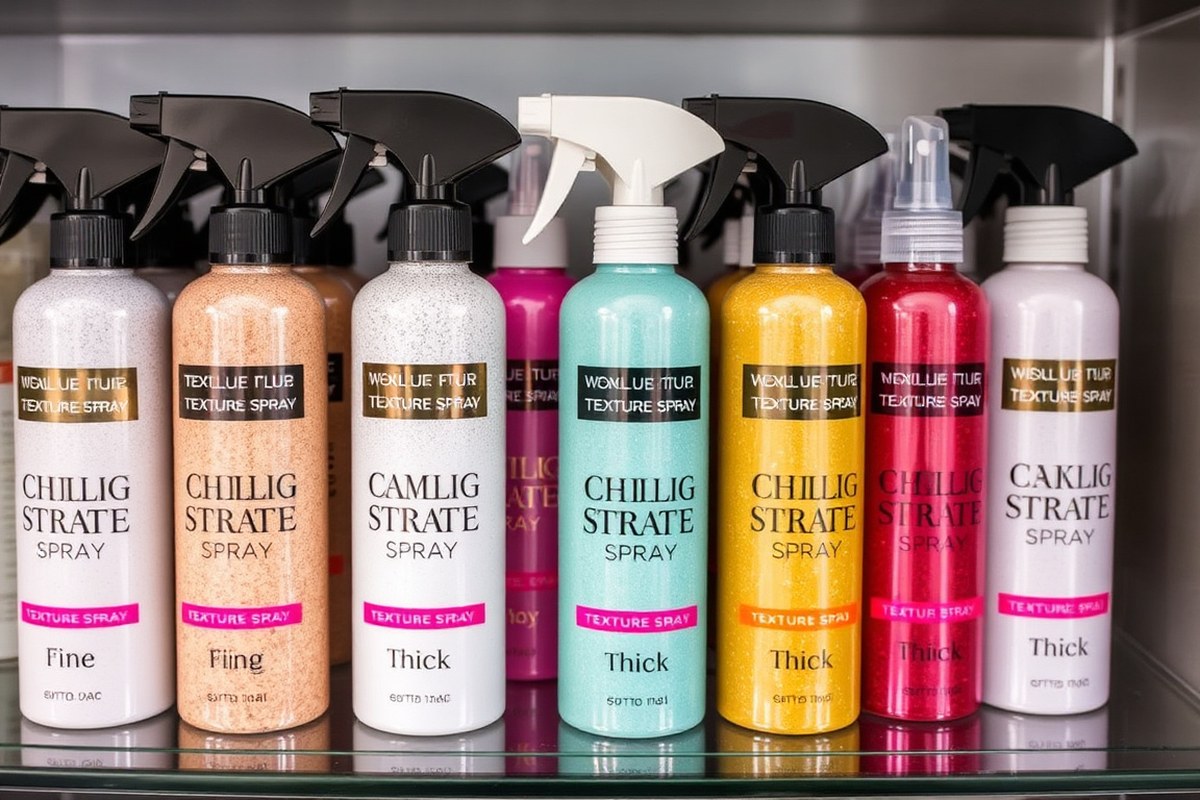
Your hair type matters when picking a texture spray. Fine hair needs something lightweight to add volume without weighing it down. Curly and thick hair do better with sprays that tame frizz and define curls or texture.
Texture Spray Types Explained
Dry texture sprays mainly add volume and lift with a natural or soft-matte finish. They feel lightweight and fluffy on hair. Sea salt sprays give a matte, gritty feel, perfect for beachy waves or improving natural curls.
Wet or cream-based texture sprays suit thick or curly hair best. They lock in moisture, control frizz, and boost natural texture without making hair stiff or sticky.
Best Products by Hair Type
Fine hair benefits most from dry texture sprays. They add body and lift while keeping hair light. Many users find sprays made for fine hair prevent flattening and help styles last.
Curly hair should use wet or cream-based sprays before applying texture spray. These products reduce stringiness and tame frizz. Sprays like Wella Sugar Lift work well for thick or coarse hair, giving control and hold.
Short hair works well with any lightweight texture spray designed for volume. Fine or dry sprays help create lift at roots and add grip for styling.
Selecting by Desired Hold and Finish
Decide if you want natural volume or a more defined, gritty style. Dry texture sprays give airy volume while sea salt sprays offer a matte tactile finish. Cream-based sprays control thicker hair and frizz.
Use this table to compare texture spray features. Match the product to your hair’s needs and the style you want.
| Feature | Dry Texture Spray | Sea Salt Spray |
|---|---|---|
| Primary Goal | Volume, lift, and “airiness” | Grit, definition, and beachy waves |
| Finish | Natural to soft-matte | Matte and tactile |
| Hair Feel | Lightweight and fluffy | Slightly coarse or “gritty” |
| Best For | Adding body to flat hair | Improving natural curls/waves |
Pick a hold level that matches your hair texture. Heavy hold sprays can weigh down fine hair but tame thick, coarse hair well. When trying a new spray, test a small amount first to see how your hair reacts.
Avoid brushing your hair after using texture spray. It breaks down the texture and lowers the fullness.
Step-by-Step Guide to Styling with Texture Spray
After applying texture spray, styling your hair with simple techniques brings out natural movement. Sectioning helps you get even coverage, while scrunching or twisting adds shape. Finish by finger-styling or light brushing to keep texture without flattening.
Sectioning Hair for Even Application
Start by dividing your hair into manageable sections. This step ensures texture spray gets to all parts evenly. Use clips or hair ties to hold each section separate.
Sectioning also makes it easier to focus on your mid-lengths and ends where texture is key. Work on one section at a time to avoid miss spots. This method saves time and creates uniform texture.
Scrunching and Twisting for Definition
After spraying a section, lift and scrunch it upward using your fingers. Scrunching improve waves or curls by encouraging bend and volume. Gently twisting sections while scrunching adds extra hold and natural definition.
Try twisting pieces around your finger for loose curls or soft waves. For beachy waves, scrunch your hair gently. Let it air dry.
Or, use a diffuser on low heat to dry. This gives a relaxed, tousled look.
Finishing Without Flattening Texture
To keep your texture fresh, avoid heavy brushing after styling. Use fingers to gently separate and fluff hair, maintaining volume and grip. Lightly mist a flexible-hold hairspray or texture spray over the finished style to hold it.
Applying too much product at this stage can weigh down hair quickly. Spritz just a few times from a distance of about 10 inches. This sets your style without stiffness or greasiness.
Styling Variations by Hair Length
Short hair benefits from finger-styling and scrunching to create lift and messy texture. For medium to long hair, section it carefully. Apply spray to mid-lengths and ends.
Use it for waves or messy ponytails. Using a curling iron before spraying adds more defined waves.
To make a messy ponytail, spray hair then twist strands for texture before securing. This builds grip for a secure hold without extra products. Longer strands respond well to more twisting and scrunching for natural flow.
- Divide your dry hair into sections using clips.
- Spray texture product evenly on mid-lengths and ends.
- Scrunch and twist each section gently with your fingers.
- Allow hair to air dry or diffuse on low heat for waves.
- Use fingers to separate textured pieces; avoid brushing.
- Lightly mist flexible-hold spray for lasting style.
- Style variations: add curling iron for waves or twist strands for ponytails.
How Texture Spray Differs from Dry Shampoo and Other Products
Texture spray, dry shampoo, hairspray, and mousse serve different roles in hair styling. Texture spray adds body and style by creating a matte grip on strands. Dry shampoo mainly absorbs oil at the roots to refresh hair between washes.
You can’t swap texture spray for dry shampoo because they target distinct hair needs. Use dry shampoo when your roots feel greasy. Grab texture spray to boost volume, add grip, or create a tousled look after washing.
Hairspray locks a style in place with strong hold. Mousse builds volume and supports heat styling.
Texture spray works well layered over mousse or root-lifting products. Finish with hairspray only if you want extra hold after texturizing.
| Product | Main Purpose | Typical Use | Finish & Effect |
|---|---|---|---|
| Texture Spray | Body, grip, and style | Apply after washing or mousse, scrunch for texture | Matte, tactile hold, raised texture |
| Dry Shampoo | Oil absorption at roots | Spray on greasy roots between washes | Fresh, less oily look, no styling hold |
| Hairspray | Hold and secure style | Spray last to lock style in place | Glossy or matte finish, firm hold |
| Mousse | Volume and support for styling | Apply on damp hair before styling | Light hold, boosted volume, soft texture |
For best results, rotate between texture spray and dry shampoo. Use dry shampoo on days you skip washing to reduce oil. Use texture spray on clean or styled hair to add dimension and grip.
Layering helps improve styles. Spray mousse on damp hair to lift roots and add volume.
Once dry, spritz texture spray to build more texture and hold. Finish with a light hairspray if you want longer-lasting control.
Poor results often happen when texture spray replaces dry shampoo on oily hair. The hair will still look greasy and limp. Also, using too much hairspray before texture spray can make hair stiff and weighed down.
Common Texture Spray Mistakes and How to Fix Them
Sticky, heavy, or dry hair means too much product was used. It can also mean you sprayed at the wrong time. Both cause problems with texture spray.
Fix this by spraying less product on your hair. Apply it when your hair is almost dry.
This way, it won’t feel heavy or sticky. Adjusting your technique can also prevent buildup and flat spots.
Overapplication Causes Sticky or Heavy Hair
Using texture spray too generously weighs down your hair. This creates a heavy, sticky feel that masks volume. Applying a light mist is enough for most hair types.
To avoid overapplying, spray from 8 to 10 inches away. Use 3 to 5 short bursts. Focus the spray on mid-lengths and ends only.
Wash your hair if it feels sticky. Use less texture spray next time you apply it.
Timing: When to Spray for Best Texture
Spraying on soaking wet hair stops texture spray from gripping strands. Your hair should be mostly dry but not fully styled. This helps the spray build structure without clumping.
Spray after towel-drying your hair. Do it before using heat tools. You can also use the spray on dry hair for touch-ups.
Don’t spray too early in your routine. Wait until your hair is almost dry. Avoid spraying too late to stop flat spots and dryness.
Technique Tips to Avoid Flat Spots
Flat spots happen when you spray unevenly or hold the can too close. Keep your hands moving and spray from different angles to spread product evenly. Lift small sections of hair to target roots and create volume underneath.
For best results, use your fingers or a wide-tooth comb to comb through after spraying. Braiding your hair before adding texture spray can also boost volume and hold.
Dryness and Frizz: Why Hair Feels Rough
Some texture sprays contain ingredients that roughen the hair cuticle for grip. Using too much or reapplying often dries out your strands, causing frizz. Choose sprays with conditioning agents if dryness bothers you.
Use texture spray every other day to reduce frizz. Pair it with a lightweight leave-in conditioner for best results. Avoid spraying directly on hair ends, which are more delicate and prone to damage.
Managing Product Buildup on Hair
Texture spray residue can build up over time and make hair feel coated or dull. This happens if you don’t wash your hair enough or use spray daily without breaks. Clarify your scalp and strands once a week using a gentle shampoo.
When you feel buildup, use these quick fixes:
- Rinse hair with warm water and massage scalp well
- Use a clarifying shampoo every 7 days
- Apply scalp exfoliating treatments occasionally
- Give your hair a break from texture spray at least once a week
- Adjust spray amounts to reduce residue
These steps help keep hair light and refreshed without losing style.
Start with less product than you think you need; you can always add more.
Maintaining Scalp and Hair Health While Using Texture Spray
Texture spray can add great volume and grip. But using it too much might cause buildup.
Build-up can clog hair follicles and make your scalp itchy or irritated over time. Washing your hair regularly helps prevent this and keeps your scalp clean.
Most people wash their hair two or three times a week. This is true if they use texture spray daily. Washing helps remove buildup from products and oils.
Your scalp might feel greasy or itchy sometimes. That could mean you need to wash your hair more often. Using a gentle shampoo suited for your hair type removes buildup without stripping natural oils.
Look for texture sprays free from harsh ingredients like sulfates, parabens, and alcohol. Alcohol can dry out hair and scalp, while sulfates may strip natural oils. Choose sprays with nourishing ingredients such as natural oils or vitamins to protect your hair health.
- Wash hair 2-3 times weekly to avoid buildup and irritation.
- Use mild, sulfate-free shampoo that matches your hair type.
- Avoid sprays with alcohol, parabens, and strong chemicals.
- Apply a hydrating hair mask once a week to restore moisture.
- Massage scalp gently to keep blood flowing and reduce flaking.
- Limit texture spray use on wet hair to reduce scalp residue.
- Try to let hair rest from styling sprays every few days.
Hydrating your hair regularly with a moisturizing mask counteracts dryness from styling sprays. Once a week is enough for most hair types. A scalp massage during shampooing stimulates circulation, helping keep the scalp healthy and less irritated.
You should avoid applying texture spray directly at the roots too often. Spraying mainly on mid-lengths and ends prevents excess residue on the scalp. Let your hair rest from styling products now and then.
This helps your scalp recover better. It also lowers the chance of irritation or damage.
How to Reapply and Refresh Texture Spray Throughout the Day
Reapplying texture spray during the day is fine. But you need to do it carefully. Too much product causes buildup or greasiness.
Spray lightly to keep your hair lively. Use the right technique. Avoid weighing your hair down.
Before you spray again, loosen your hair with your fingers or a wide-tooth comb. This lifts the roots and separates strands to help the spray spread evenly. Avoid spraying directly on the scalp to reduce oil buildup or irritation.
- Hold the texture spray about 8 to 10 inches from your hair.
- Spray lightly in sections where volume has dropped, focusing on mid-lengths and ends.
- Gently tousle your hair with your fingers, lifting at the roots to boost volume.
- Use a light mist rather than a heavy spray to prevent stiffness or flakes.
- For oily roots, use a dry shampoo instead or spray texture spray only on the lengths.
- Your hair feels heavy from product? Skip reapplying until after washing.
- Consider spraying texture spray on second-day hair to restore volume without washing.
When refreshing, a quick tousle creates instant body and grip. This works best for thick, wavy, or straight hair. Fine or very dry hair may need less product or a lighter formula.
Also, avoid reapplying too often in one day. Three or fewer sprays spread throughout the day usually suffices. Otherwise, your hair may look stiff or dirty.
Pick the right texture spray and refresh properly. This helps your style last longer.
It keeps your hair light and textured all day. It costs little time and is easy to do anywhere.
Best Hairstyles to Achieve Using Texture Spray
Texture spray works best for styles that want volume and a relaxed feel. You can use it on tousled waves to create that messy, natural look. Spritz it lightly, then scrunch your hair with your fingers for texture without stiffness.
Messy ponytails and updos get an instant boost with texture spray. Apply near the roots and along the length before styling. This adds grip and volume, helping your hair hold its shape longer without feeling sticky.
- Tousled waves: spray, scrunch, and let air dry or diffuse
- Messy ponytail: spray roots and mid-length, then gather hair loosely
- Defined curls: spray after curling, then shake out softly
- Volume boost: apply at the roots before blow-drying
- Updos: use spray for grip to keep pins secure
- Beachy texture: braid hair then spray before undoing braids
Defined curls benefit from texture spray by adding separation and hold. Spray after curling to avoid stiffness. Lightly tousle your curls with fingers to keep them soft and lively.
Volume in ponytails comes down to where you spray and how you style. Start at the roots for lift, then tease just a bit before tying hair back. Avoid over-spraying or ponytails can feel crunchy or heavy.
Use texture spray sparingly at first. Too much can weigh hair down or make it gritty.
Quick-Start Action Plan for Using Texture Spray
Follow these simple steps to get the volume and texture you want. This plan helps you see real results fast.
- Before Styling: Choose a texture spray that matches your hair type. You’ll see a natural feel without stiffness.
- Day 1: Spray on dry hair at the roots and mid-lengths, then tousle gently. Feel the light hold and lift.
- Day 2: Try adding more spray to the ends for added grit and separation. Your hair should have that easy, lived-in look.
- After Wash: Let your hair dry fully before applying. Texture spray works best on dry strands, not wet.
- Daily Refresh: Mist a light layer mid-day and scrunch your hair to revive volume. Avoid over-applying to prevent buildup.
- Weekly: Use a gentle shampoo and scalp scrub to remove product residue. Healthy scalp means better volume and style hold.
- After 2 Weeks: Adjust the amount you use based on your hair’s reaction. More dry hair might need a bit extra product.
Frequently Asked Questions
Can Texture Spray Help Fine Hair Look Thicker?
Yes, texture spray adds volume and lift to fine hair. It makes a lightweight scaffold that lifts your hair.
It adds more body and thickness. This happens without weighing your hair down.
Is It Okay to Use Texture Spray on Color-Treated Hair?
Yes, most texture sprays are safe for color-treated hair. Check the label to avoid harsh ingredients that may fade your color faster.
How Often Should I Clean My Hair After Using Texture Spray?
You should wash your hair regularly to avoid buildup, about every 2 to 3 days. Build-up can make hair look dull and may affect scalp health.
Can I Use Texture Spray Before Curling or Straightening My Hair?
Yes, texture spray can give your hair grip, making it easier to style. Apply it before heat tools to help styles hold better without heavy residue.
Will Texture Spray Work on Very Curly or Coily Hair?
Texture spray works best on waves, loose curls, and straight hair for volume. For very curly hair, choose a product like sea salt spray that improve natural texture.
Is Texture Spray Messy or Hard to Wash Out?
No, texture spray is lightweight and rinses out easily. Unlike heavy creams or gels, it won’t make your hair sticky or difficult to clean.
Key Points to Remember
Texture spray gives you volume and texture without heavy buildup. Keep your routine simple and listen to how your hair feels. Start by testing a small amount on dry hair today and watch your style come alive.