Which Shampoos Are Sulfate Free: A Complete Guide with 12 Top Picks
Which shampoos are sulfate free is a common question for healthier hair care. Sulfate-free shampoos clean your hair gently, without harsh detergents that strip oils. They work well for color-treated, damaged, or sensitive scalps because they avoid drying out your hair.
Choosing sulfate-free shampoos helps keep hair shiny and soft longer. Start by checking product labels for ingredients like sodium lauryl sulfate or sodium laureth sulfate. Look for shampoos that use mild cleansers and nourishing oils instead.
Switching to sulfate-free shampoos usually means less foam and a different cleaning feel. That’s normal and doesn’t mean your hair is less clean. Many sulfate-free shampoos also hydrate your scalp, helping with dandruff and irritation.
Sulfate-free formulas often include ingredients like coconut oil, aloe vera, or glycerin. These ingredients support moisture retention and reduce frizz. You might need a few washes to adjust, but the benefits show over time.
Key Takeaways
- Check shampoo labels to avoid sulfate ingredients like sodium lauryl sulfate.
- Sulfate-free shampoos protect color-treated hair and reduce damage.
- Expect less foam but effective cleansing with sulfate-free shampoo formulas.
- Look for moisturizing ingredients like almond or avocado oil in products.
- Budget-friendly sulfate-free shampoos exist and cost under $10 at drugstores.
- Transition slowly from sulfates to avoid dryness or product buildup.
Which Shampoos Are Sulfate Free and Effective?

True sulfate-free shampoos avoid all sulfate detergents. So they cleanse gently without stripping natural oils.
Professionals often recommend brands like Pureology, Olaplex, and Living Proof for their effective formulas. These shampoos suit various hair needs, from color-treated to curly and sensitive scalps.
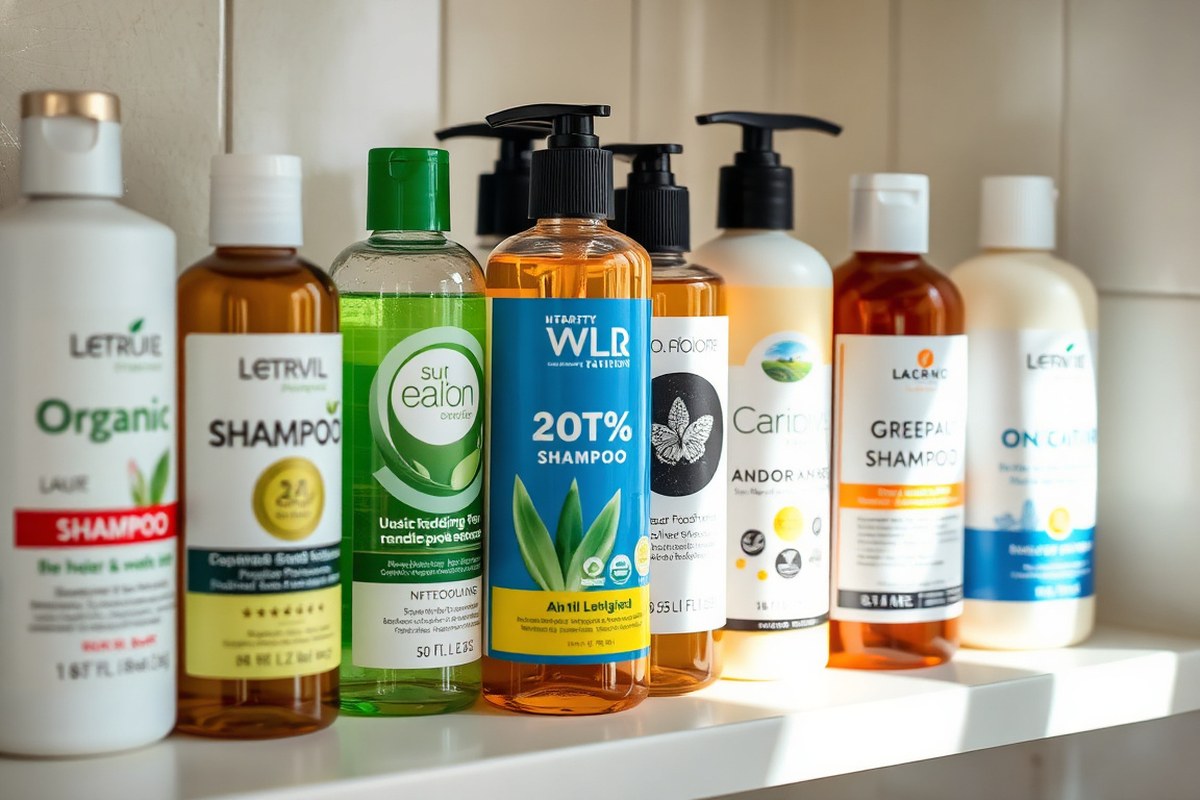
Here’s a list of top sulfate-free shampoos. They rank high in cleaning and ingredient quality. These shampoos suit many hair types.
Prices generally range close to regular shampoos, around $8 to $13 per bottle. Some budget-friendly options offer good value for dry or curly hair without breaking the bank.
| Shampoo | Best For | Effectiveness | Price Range |
|---|---|---|---|
| Bingo Hair Care Moroccan Argan Oil | Dry, damaged hair | Hydrating, gentle cleansing | $8, $13 (8, 13 oz) |
| L’Oreal Paris EverPure Thickening | Thin, color-treated hair | Adds volume and thickness | $8, $13 (typical size) |
| Pureology Hydrate | Color-treated, dry hair | Strong moisture, color protection | Higher price |
| Olaplex No.4 | Damaged, brittle hair | Repairs and smooths strands | Higher price |
| Living Proof Perfect Hair Day | Normal to oily hair | Cleanses well without buildup | Higher price |
| Maui Moisture | Curly or dry hair | Hydrating, budget-friendly | Under $10 |
| CeraVe Gentle Hydrating | Sensitive scalp, dry skin | Moisturizes, gentle cleansing | Drugstore price |
For fine or color-treated hair wanting thickness, L’Oreal EverPure stands out. It uses gentle cleansers while adding volume without weighing hair down. Pureology and Olaplex favor those who want intense moisture and damage repair but cost more.
Drugstore brands like Maui Moisture and CeraVe are gentle. They focus on hydration for dry or sensitive scalps. These options work well.
Bingo Hair Care’s Moroccan Argan Oil set is useful. It helps restore damaged hair with rich hydration. The shampoo and conditioner work together.
Choose shampoos without sulfates or silicones to protect color. Avoid drying ingredients to reduce irritation. This helps keep your scalp healthy.
Some shampoos help unblock follicles to prevent thinning. They support healthier, fuller hair over time. These are good for hair maintenance.
What Are Sulfates and Why Avoid Them in Shampoo?
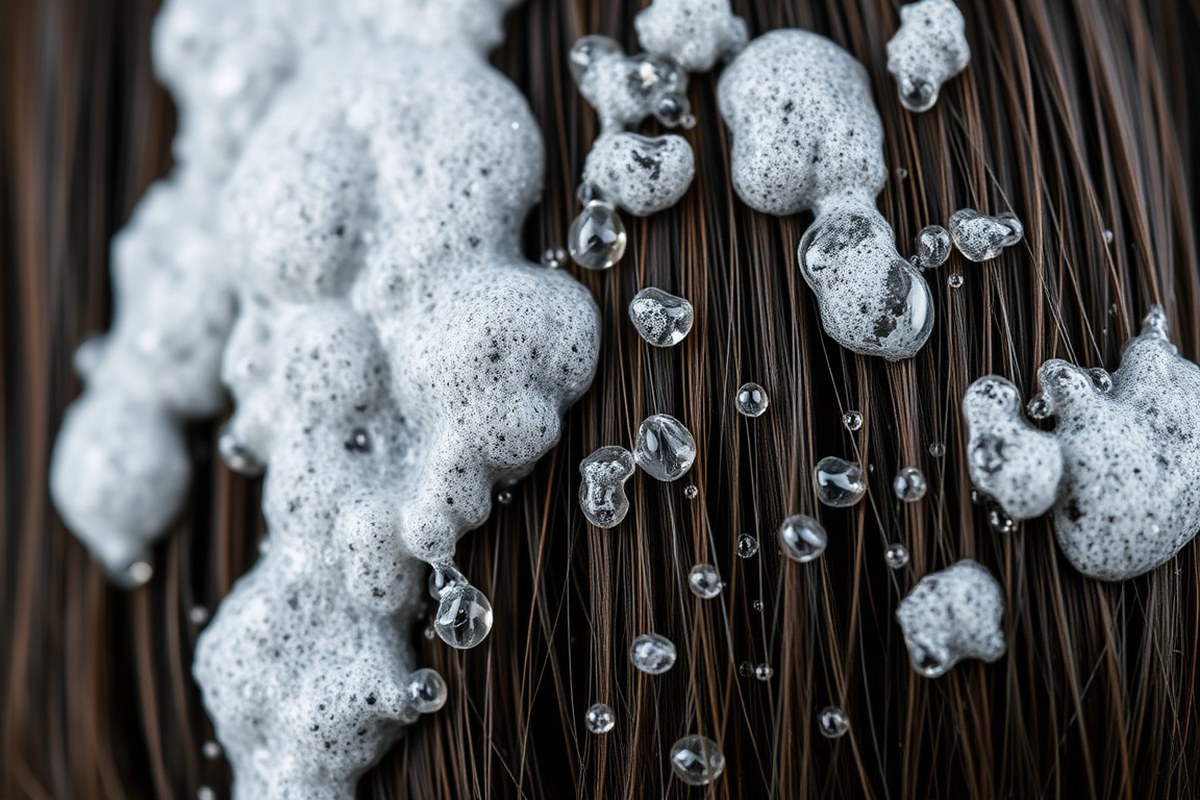
Sulfates are chemicals used in many shampoos to create lather and clean the hair and scalp. They strip away oils and dirt but can also cause dryness and irritation on sensitive scalps.
Not all hair types react badly. But those with dry, damaged, or color-treated hair often notice these effects the most.
What Are Sulfates Chemically?
Sulfates such as sodium lauryl sulfate (SLS) and sodium laureth sulfate (SLES) assist in cleaning hair. They dissolve oils, allowing water to rinse away grime effectively. These compounds are also responsible for the bubbly foam in many shampoos.
Sulfates clean because their chemicals stick to water and oil both. This lets them dissolve dirt and grease easily. That’s why they work well in shampoos.
Sulfates can strip natural oils from your scalp and hair. These oils keep your hair moist and healthy. Losing them can dry out your hair.
How Sulfates Affect Hair and Scalp
Sulfates remove oils that keep your scalp and hair hydrated. This can leave your scalp dry, tight, or itchy. Over time, losing oils can make hair weak and break easily.
It can also cause your scalp to get red or irritated. This makes your hair and scalp less healthy.
People with sensitive skin or conditions like dandruff often find sulfates aggravate their scalp. The harsher cleansing action can disrupt the skin’s natural barrier. This may lead to more dryness or flaking after shampooing.
Why Some Hair Types Need to Avoid Sulfates
Curly, color-treated, dry, and damaged hair types usually benefit from avoiding sulfates. These hair types rely on natural oils to stay healthy and shiny. Sulfates strip those oils faster, making frizz and dullness worse.
Chemically treated hair, like straightened or bleached hair, can become fragile with sulfate use. The harsh cleansers can erode treatments or fade color quickly. Switching to sulfate-free helps protect these styles and keeps hair looking better longer.
Are Sulfates Harmful for Everyone?
Not all hair types experience problems with sulfates. People with oily scalps or thicker hair might find sulfates clean effectively without causing dryness. However, frequent use can still irritate sensitive scalps or cause flaky skin.
It’s a balance: sulfates offer strong cleaning but at the risk of stripping too much moisture. Those with dry scalps and damaged hair usually see the most benefit from sulfate-free shampoos.
Choose a sulfate-free shampoo if your scalp feels itchy or your hair dries out after washing.
How Sulfate-Free Shampoos Benefit Color-Treated and Damaged Hair
Sulfate-free shampoos help preserve your hair color by cleansing gently. This stops the color from fading fast like some regular shampoos do. Formulas made for color-treated hair often include ingredients that lock in color while you wash.
Using a sulfate-free shampoo slows down dryness, which can make colors look dull. These shampoos do not strip natural oils or moisture needed to keep strands soft. Pair one with a matching sulfate-free conditioner and a weekly mask for color-treated hair.
They also help repair damaged hair by supporting weak bonds inside the hair shaft. Some brands add special ingredients like bonding complexes or oils rich in antioxidants. These elements work behind the scenes to strengthen your hair.
They reduce breakage after just a few washes. Your hair feels stronger and healthier quickly.
Sulfate-free shampoos suit all hair textures. But they’re especially good for dry or fragile hair.
For example, shampoos with biotin, aloe, or moisturizing oils can keep hair hydrated. This stops the scalp from getting flaky and keeps both hair and color looking fresh.
Without sulfates, shampoos create less foam but still clean well. This means they protect coatings applied during coloring treatments, which slows fading. Cost usually ranges from $9 to $40 depending on brand.
Higher-end shampoos often offer extra repair benefits. You can pick one that fits your budget and needs.
Look for shampoos that say color care if hair is dyed. Choose bond repair formulas if your hair is damaged. These help protect and fix your hair better.
Beware of skipping conditioner, as sulfate-free shampoos alone can leave hair feeling dry long term. Using a complete set designed for color-treated hair gives the best results.
Alternatives to Sulfates: Key Cleansing and Moisturizing Ingredients
Shampoos without sulfates use different cleaning agents called mild surfactants. These ingredients gently wash away dirt, oil, and buildup without stripping your hair’s natural oils. Examples include cocamidopropyl betaine and decyl glucoside.
They still create a nice lather. So your hair feels clean without dryness or irritation.
To keep hair hydrated, sulfate-free shampoos often include oils and humectants. Oils like argan, coconut, and maracuja add shine and help tame frizz. Humectants like glycerin and aloe vera attract moisture to hair.
They help make hair strands feel soft and smooth. Together, these ingredients improve hair’s look and health over time.
- Cocamidopropyl betaine: gentle foaming agent from coconut oil
- Decyl glucoside: plant-based cleanser for sensitive scalps
- Argan oil: adds shine and controls frizz
- Coconut oil: strengthens and moisturizes hair
- Glycerin: humectant that attracts moisture
- Aloe vera: soothes scalp and hydrates
These ingredients affect your hair by preventing dryness and preserving softness. You’ll notice less scalp irritation and longer-lasting hair color. It takes a few washes to see these changes, especially if switching from harsher sulfates.
Using shampoos with these gentle cleansers and moisturizers costs about the same as typical products. Brands often highlight the ingredients on the label.
So you can find what fits your hair type. For curly or damaged hair, look for extra oils or extracts to boost hydration even more.
Top Picks for Budget-Friendly Sulfate-Free Shampoos
Many affordable sulfate-free shampoos perform well and suit various hair types. You can find options under $10 that cleanse gently while protecting color and moisture. These shampoos usually come in sizes between 8 to 16 ounces.
That size is easy to keep on hand. You won’t spend too much when you buy them.
Budget shampoos avoid harsh sulfates but still remove buildup and oils effectively. Some are also free of parabens and phthalates, fitting nicely into cleaner hair-care routines. You can find these shampoos at drugstores and big-box stores.
Many sellers also offer them online. This makes them easy for most people to get.
| Brand & Product | Size (oz) | Price (approx.) | Key Features |
|---|---|---|---|
| SheaMoisture Raw Shea Butter Moisture Retention | 13 | $9 to $10 | Sulfate-free, paraben-free, color-safe, moisturizing for dry hair |
| OGX Nourishing + Coconut Milk Shampoo | 13 | $7 to $9 | Sulfate-free, cruelty-free, softens and strengthens hair |
| Acure Curiously Clarifying Shampoo | 11 | $8 to $10 | Sulfate-free, paraben-free, vegan, great for oily hair |
| Desert Essence Sweet Water Mint Shampoo | 8 | $7 to $9 | Sulfate-free, paraben-free, invigorating scent, cleanses well |
| HASK Argan Oil Repairing Shampoo | 13 | $6 to $8 | Sulfate-free, nourishes damaged and color-treated hair |
Most budget-friendly sulfate-free shampoos deliver adequate lather without stripping hair. Their cleansing strength suits sensitive scalps and those with damaged or color-treated hair. You might notice less foam than with sulfate shampoos, but it still cleans effectively.
Switch slowly to sulfate-free shampoo to avoid buildup and scalp issues during adjustment.
These shampoos perform well even at low cost. But picking one depends on your hair needs. For drier hair, moisturizing formulas with shea or argan oil help restore softness.
For oily hair, try clarifying shampoos. They keep your scalp fresh. These don’t use harsh chemicals.
How to Transition from Sulfate to Sulfate-Free Shampoo Smoothly
Switching to a sulfate-free shampoo takes some care to avoid dryness or residue. Do one last clarifying wash first, then ease in the new shampoo while adjusting your routine. Your hair and scalp usually need a few weeks to adjust.
The new product settles in over time. Be patient during this period.
Assess Your Current Hair Condition
Look closely at your hair and scalp before switching shampoos. Check for buildup, dryness, flaking, or dullness. These signs will guide how you manage your transition and which products to use.
Your hair likely has product buildup if it feels heavy or coated. Dry, brittle strands suggest your old shampoo stripped too much moisture. Note if your scalp itches or flakes to rule out irritation.
Begin Gradual Introduction of Sulfate-Free Shampoo
Start by washing your hair with sulfate shampoo one last time using a clarifying formula. This removes most silicone and residue that can block the gentle shampoo’s effect. After rinsing well, switch exclusively to your sulfate-free shampoo.
The change needs patience. Hair may feel different at first because sulfate-free shampoos don’t lather much. Give your hair 3 to 4 weeks to adjust and for the moisture balance to improve.
Incorporate Weekly Clarifying Washes as Needed
Use a clarifying shampoo once a week during the first month. This shampoo removes buildup from conditioners or styling products. Sulfate-free shampoos might not rinse them out fully.
This shampoo helps clear what others miss. Choose a gentle clarifying shampoo with ingredients like apple cider vinegar or charcoal.
Clarifying washes will help your hair feel lighter and cleaner without stripping moisture. Stop using it weekly if your hair feels dry or brittle.
Then use clarifying shampoo less often. Adjust frequency as your hair regains balance.
Adjust Conditioning and Styling Routine
Since sulfate-free shampoos are gentler, your hair may need careful conditioning. Apply conditioner mainly on mid-lengths and ends, avoiding the scalp to keep roots fresh. Use moisturizing conditioners that complement your new shampoo.
Reduce heavy styling products that can cause buildup. Try lighter leave-in conditioners or serums suited to your hair type. Change washing frequency depending on your scalp’s reaction.
Keep your hair clean while avoiding dryness. Find a good balance for hydration.
Follow these steps to switch smoothly:
- Do one final wash with a clarifying sulfate shampoo to clear buildup.
- Rinse hair thoroughly to remove all residue from the clarifying wash.
- Start using your sulfate-free shampoo, focusing on scalp cleansing.
- Condition hair gently, applying mainly to mid-lengths and ends.
- Use a weekly gentle clarifying shampoo if you notice buildup.
- Limit heavy styling products to avoid residue accumulation.
- Observe your hair for 3-4 weeks adjusting wash frequency and conditioner as needed.
What to Expect: Differences in Cleaning and Lather Without Sulfates
Sulfate-free shampoos usually produce less foam than shampoos with sulfates. Sulfates clean hair well because they create thick lather. Many people think thick foam means deep cleaning.
The foam lifts dirt and oils from your scalp. It makes your hair feel very clean.
Less foam doesn’t mean the shampoo cleans poorly. Sulfate-free formulas often use gentler ingredients that clean without stripping oils needed for healthy hair. You may need more shampoo and a longer massage.
This helps get a good clean. Some people wash their hair twice when switching. This is true if their hair gets oily fast.
After washing with sulfate-free shampoo, hair often feels softer and less stripped. Your strands might not feel as squeaky clean as with sulfates. But they stay more hydrated.
This helps reduce frizz, tangles, and split ends. It keeps your hair’s outer layer healthier. Many notice their hair feels smoother and less brittle through regular use.
Rinse your hair well if it feels oily or heavy. Don’t use too much shampoo.
Also, some sulfate-free shampoos add moisturizing ingredients to keep your hair balanced. These help maintain softness without weighing hair down or making it greasy within hours.
Switching to sulfate-free shampoo may take a few weeks to notice the full benefit. Your scalp adjusts and your hair regains natural moisture. For dry or damaged hair, sulfate-free shampoo causes less irritation.
Your hair feels better after washing. Sulfate-free shampoos can cost more than regular ones. Prices often range from $8 to $20 per bottle.
Sulfate-Free Shampoos Best for Different Hair Types
Curly or coily hair thrives with shampoos that add moisture and reduce frizz. Look for creamy, sulfate-free formulas rich in natural oils like coconut, avocado, and sweet almond. These oils nourish hair types from 3B to 4C, leaving curls soft but not weighed down.
A shampoo like this also balances scalp oils without harsh stripping. Expect shinier curls and less breakage after several washes.
Fine or thinning hair needs gentle cleansing that won’t flatten strands. Choose lightweight sulfate-free shampoos with biotin or similar strengthening ingredients to support fuller hair appearance. Some brands recommend pH-balancing formulas that clean effectively without drying the scalp or brittle strands.
A good product lasts about two months with use two to three times weekly. It usually costs between $20 and $30. Watch for limpness or buildup; these signs mean a change is needed.
For dry or sensitive scalps, mild sulfate-free shampoos offer relief and reduce irritation. Ingredients that hydrate and soothe, like aloe or chamomile, are ideal. Avoid shampoos with unnecessary fragrance or harsh preservatives that cause flaking.
Hydrating pairs like Isima’s cost about $32 each. These calm scalp redness.
They also restore softness to hair. These help prevent itchy and flaky scalp conditions with regular use.
- Curl care: Creamy shampoos with oils for moisture and frizz control
- Fine hair: Lightweight, biotin-infused sulfate-free shampoos for volume
- Thick hair: Hydrating shampoos and conditioners to soften coarse strands
- Dry scalp: Soothing, fragrance-free shampoos with aloe or chamomile
- Sensitive scalp: Gentle cleansers avoiding irritants and harsh chemicals
- Color-treated hair: pH-balanced sulfate-free options to protect color longevity
Curly and frizzy hair benefits from creamy, nourishing shampoos that also work well on finer strands. Thick hair calls for hydration to reduce coarseness. Dry scalps need soothing ingredients to stay balanced.
Sensitive scalps require formulas free of irritants that can trigger itching. Each hair type demands a slightly different approach for best shampoo results.
Switching to sulfate-free shampoo means your hair may feel different at first. Be patient and give it at least three weeks.
Common Mistakes When Using Sulfate-Free Shampoos and How to Fix Them
Sometimes your hair may feel greasy because the shampoo isn’t removing buildup well. Sulfate-free shampoos are gentler and don’t strip natural oils. But they can miss heavy dirt, oil, or product residue, making roots oily and limp.
Lack of proper cleansing leads to flakes or scalp irritation too. Dry flakes can look like dandruff but point to dryness or sensitivity.
Using a lightweight scalp exfoliant once a week helps clear dead skin. Also, pick a sulfate-free shampoo with soothing ingredients, like those in Pureology Hydrate.
Hair feeling weighed down with a sulfate-free shampoo often means it’s not rinsed out well. Some shampoos leave a layer of oils or moisturizers that build up over time. Switching to a sulfate-free rebalancing shampoo can fix that without drying your hair out.
- Use warm water to open pores, then shampoo with fingertips for one to two minutes.
- Rinse thoroughly, spending extra time at the scalp to remove residue.
- Apply shampoo twice if hair is very oily or has heavy styling products.
- Use a mild sulfate-free conditioner only on mid-lengths and ends to avoid weighing down roots.
- Incorporate a weekly scalp scrub or mask specifically formulated for sensitive skin.
- Change how often you wash your hair if your scalp feels dry. Wash every 2 or 3 days. You might need less if it feels oily.
- Choose formulas labeled ‘rebalancing’ or ‘clarifying’ without sulfates for oily scalps.
Adjust how often and what type of sulfate-free shampoo you use based on your hair type. Dry or curly hair needs more moisture but less buildup.
Oily hair benefits from shampoos that balance oils but avoid harsh sulfates. Watch how your scalp and hair respond in the first few weeks.
Results show as less grease, fewer flakes, and lighter hair that still feels clean. Without the right routine, you may see more oil, irritation, or heavy hair. These tips prevent those common problems and keep your hair healthy and fresh.
How Sulfate-Free Shampoos Support Scalp Health and Dandruff Control
Sulfate-free shampoos are gentle on sensitive scalps because they avoid harsh detergents. These detergents can cause dryness, irritation, and redness when you have delicate skin.
Picking a shampoo without sulfates lowers the chance of irritation. It also helps keep your scalp feeling balanced and comfortable.
Many sulfate-free formulas include soothing ingredients like aloe vera juice and niacinamide. Aloe vera calms irritation and supports moisture, while niacinamide helps to nourish the scalp. Using products with these components can ease itchiness and maintain scalp health over time.
Sulfate-free shampoos can also help cut down on dandruff flakes. Some contain zinc pyrithione, which fights the fungus commonly linked to dandruff. These shampoos calm itchiness and reduce flakiness without harsh chemicals.
Other beneficial ingredients include lightweight oils like grapeseed and marula oil. Grapeseed oil nourishes without weighing hair down.
Marula oil supports a healthy scalp and softer strands. Together, these oils help your scalp stay hydrated and less prone to irritation.
Exfoliating with gentle scrubs like salt or sugar can also help prevent flakes without causing damage. Look for sulfate-free shampoos that add mild exfoliants to keep dead skin from building up. Avoid rough scrubs as they might cause breakage or worsen irritation.
Using sulfate-free shampoos designed for sensitive scalps requires patience. Your scalp might take a couple of weeks to adjust and feel less irritated. Switch shampoos slowly during this time.
Avoid washing your hair often. This lets your scalp adjust and rebalance naturally.
Environmental and Ethical Benefits of Choosing Sulfate-Free Shampoos
Sulfate-free shampoos often come with environmental pluses beyond just gentle cleansing. Many brands use recycled plastic for bottles, cutting down on new plastic waste. Aveda’s shampoo bottle uses recycled materials.
It skips extra packaging. This earns high marks for sustainability.
Choosing these shampoos helps reduce landfill waste and the demand for virgin plastics. Some products also come in biodegradable or refillable containers. However, those options might cost more.
Watch your budget if paying under $10 matters. Maui Moisture offers affordable sulfate-free shampoos.
Most sulfate-free shampoos are cruelty-free and vegan. They don’t use animal testing. They have no animal-derived ingredients.
This approach fits well with many natural and plant-based ingredients common in these shampoos. These choices help you match shampoo with your ethical values. They support a cleaner beauty routine.
Look for certifications like Leaping Bunny or vegan badges. These confirm cruelty-free and vegan claims. Keep in mind, some sulfate-free shampoos may still contain synthetic ingredients.
So read the full label if you want fully natural formulas. Expect to pay somewhat more for verified ethical brands.
These shampoos work well on all hair types while supporting greener and kinder product standards. Switching to them does not mean sacrificing quality. You often get added benefits.
These include natural scents and gentle ingredient blends. They avoid harsh chemicals. Once you adjust, you might enjoy the whole package: better hair and less environmental harm.
Check for recycled plastic bottles and vegan or cruelty-free labels to support sustainability. These details help you pick truly eco-friendly sulfate-free shampoos.
Expert Advice: When to Choose Sulfate-Free Shampoos and What to Expect
Expert Advice: When to Choose Sulfate-Free Shampoos and What to Expect
You should choose sulfate-free shampoo if your hair is dry, color-treated, or damaged. These shampoos clean gently and help your hair keep moisture. They don’t strip color or natural oils as harsh shampoos do.
Recommended Hair Types and Conditions
Color-treated hair benefits most from sulfate-free shampoo. Dyeing removes moisture, so gentler cleansing helps color last longer. This is true especially if you made a big color change or bleach your hair.
Dry and damaged hair also needs gentle care to avoid more breakage. Sulfate-free options keep hair soft and reduce frizz better than shampoos with sulfates. Avoid them if you have oily hair, since they don’t clean as deeply.
People with normal hair can use mild sulfate-free shampoos. Look for soothing ingredients like oat or almond milk in the shampoo.
They help keep hair soft and calm your scalp. These keep hair healthy without stripping natural oils or causing dryness.
Combining Shampoo with Conditioners and Treatments
Always follow sulfate-free shampoo with a conditioner designed for your hair type. Conditioners add moisture and protect hair cuticles. For color-treated hair, look for conditioners with color protection to keep your dye vibrant longer.
Use deep conditioning treatments once or twice a week for extra moisture. Apply the treatment after shampooing and leave it on for about 5 to 10 minutes. This prevents dryness and improves hair strength.
Try not to mix too many products at once. Overloading your hair with treatments can weigh it down or cause buildup. Keep your routine simple and adjust based on how your hair feels.
Monitoring Results and When to Consult a Professional
Give your hair at least 3 to 4 weeks using sulfate-free shampoo to notice changes. Your hair may feel less squeaky clean but will be softer and less brittle. Watch for improvements in shine, frizz, and color vibrancy.
Your scalp might itch, or hair can get greasy or dull. Check your hair products again after a few weeks to avoid damage.
You might need a shampoo with stronger cleansing or a different treatment. Consultation with a hairstylist or dermatologist can help identify issues.
Professional advice is best when dealing with scalp problems or damaged hair. They can recommend personalized products and care routines. This guidance can save time and prevent damage from guesswork.
Step-by-Step Action Plan to Switch to Sulfate-Free Shampoo
Use this simple plan to start using sulfate-free shampoo without hassle. Watch for how your hair looks and feels after each step.
- Before you start: Choose a sulfate-free shampoo suited for your hair type. Check labels for key ingredients like cocamidopropyl betaine or mild cleansers.
- Day 1: Wash your hair with the new shampoo and rinse well. Notice the lather; it may be less foamy but still cleanses.
- Week 1: Apply conditioner after shampooing to keep hair smooth. Look for less dryness or frizz compared to before.
- Week 2: Observe your scalp and hair moisture. If your scalp feels less itchy or irritated, the shampoo is working well.
- After 3 weeks: Avoid switching back to your old shampoo to prevent buildup. Your hair should feel gentler and show less color fading.
- After 1 month: Adjust shampoo frequency if needed. Cutting back to 2-3 washes per week can help maintain scalp balance.
- Ongoing: Use clarifying shampoo once a month if you notice residue. Choose a gentle, sulfate-free clarifier to keep buildup low.
Frequently Asked Questions
Are All Sulfate-Free Shampoos Safe for Sensitive Scalps?
Mostly yes, sulfate-free shampoos tend to be gentler on sensitive scalps. Avoid products with added fragrances or oils if you break out easily.
Can Sulfate-Free Shampoos Help with Hair Thinning or Loss?
Sulfate-free shampoos do not prevent hair loss but reduce breakage from dryness. Using thickening sulfate-free shampoos can add volume and strength.
Do Sulfate-Free Shampoos Clean Hair as Well as Sulfate Shampoos?
They clean effectively but produce less lather, which is normal. The key is the gentle cleansing agents these shampoos use instead of harsh sulfates.
Are Sulfate-Free Shampoos Better for Curly Hair Maintenance?
Yes, they preserve natural oils and reduce frizz for curls. Sulfate-free formulas help keep curls soft and defined over time.
Can I Use Sulfate-Free Shampoo Daily Without Damaging My Hair?
Yes, daily use is usually safe and less drying than sulfate shampoos. Just monitor your scalp to make sure it doesn’t get oily or itchy.
Will Sulfate-Free Shampoos Remove Buildup from Styling Products?
They clean buildup more gently. But heavy residue might need occasional use of a clarifying shampoo. Look for silicone-free sulfate-free formulas for better buildup control.
Key Points to Remember
Sulfate-free shampoos offer a gentler clean that protects hair color and scalp health. Pick a formula that fits your hair and stick with it. Start today by reading shampoo labels to find your right match.