

What Is Porous Hair? A Complete Guide to Types, Tests & Care
What is porous hair? It means your hair has gaps or holes in its cuticle layer.
These gaps let moisture in and out faster than usual. Because of this, your hair might feel dry or frizzy even after you moisturize it.
Porous hair occurs when the cuticle layers lift or break down. This can happen from damage, chemical treatments, or just genetics. The open cuticles make your hair more fragile and prone to tangles and breakage.
To manage porous hair, focus on restoring moisture and sealing the cuticles. Use gentle products designed for high porosity hair and avoid harsh heat or chemicals. This helps your hair stay smoother and stronger over time.
Key Takeaways
- Porous hair has gaps in the cuticle, causing moisture loss.
- Damage, chemicals, and genetics affect hair porosity.
- Porous hair often feels dry, frizzy, or rough.
- Use moisturizing products to hydrate porous hair deeply.
- Seal cuticles with oils or treatments to lock in moisture.
- Avoid heat styling and harsh chemicals to prevent more damage.
What Does Porous Hair Mean and How It Works
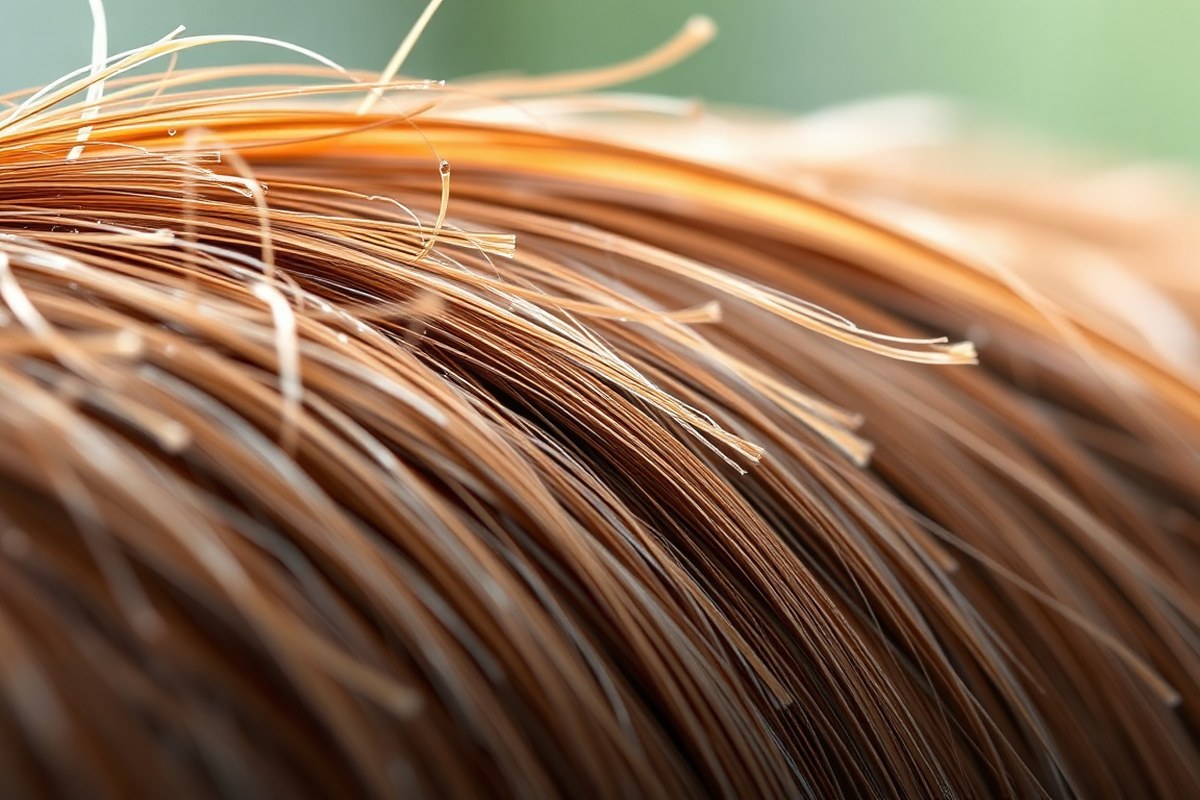
Porous hair means your hair’s outer layer, called the cuticle, has gaps or raised edges. These spaces let moisture enter your hair quickly. They also make it hard to keep moisture inside.
Your hair can lose water fast this way. Because the cuticle isn’t tightly sealed, porous hair often feels dry, frizzy, or rough.
Hair porosity affects how much water and products your hair can absorb and retain. Low porosity hair has a tightly packed cuticle. So moisture takes longer to soak in but stays longer.
High porosity hair soaks in moisture very fast. It also loses moisture quickly. This happens because the cuticles stay open or become damaged.
This balance matters because moisture is important for hair health. Hair with high porosity can dry out easily, leading to breakage and frizz. You need to add moisture to your hair often.
Use products that seal the cuticle. This locks moisture inside for longer periods.
The exact way porosity works comes down to the cuticle’s condition. Your hair has a line of overlapping scales. These scales fit together like a protective layer.
When these scales lift or have holes, water escapes fast. Your hair loses moisture quickly this way. Sometimes damage from heat, chemicals, or weather causes high porosity.
Metal Detox pre-shampoo repairs tiny breaks in the cuticle. This treatment makes hair feel smoother and stronger. It helps protect hair from damage.
With high porosity, moisture absorbs right away but also evaporates faster. Apply moisturizing products on damp hair for best results. After that, use sealing oils or creams.
These hold in the moisture longer. Skipping this leads to dry ends and frizz because your hair just won’t hold onto water.
Understanding how your cuticles work lets you choose the right care steps. Porous hair needs routines that fix the cuticle. Focus on products that lock in hydration.
This helps protect your hair better. This approach stops your hair from drying out so much.
It also prevents damage and split ends. Your hair feels softer and easier to manage over time.
What Are the Three Types of Hair Porosity?

Hair porosity falls into three main types: low, medium, and high. Each type has distinct characteristics that affect how your hair absorbs and holds moisture. Knowing your type helps you pick the right products and care methods.
Low porosity hair has tightly packed cuticles. This makes it hard for moisture and products to enter your strands. People with this type often notice water beads on their hair instead of soaking in quickly.
It tends to reflect light well, so it often looks shiny. This hair usually doesn’t get frizzy.
It can get product build-up. That happens because it doesn’t absorb products easily.
Medium porosity hair is the most balanced type. The cuticles are neither too tight nor too loose. This allows moisture to enter easily and stay locked in.
You’ll find your hair absorbs products well without much buildup. It’s less prone to damage and reacts well to most styling methods. Many consider it the simplest hair type to manage.
High porosity hair has cuticles that are more open or damaged. This lets moisture enter quickly but also escape fast. You might find your hair dries very quickly but feels dry or brittle soon after.
This hair is prone to frizz, tangles, and breakage. It often looks dull because it loses natural oils fast. Heat damage, bleach, or chemical treatments usually cause high porosity.
| Porosity Type | Cuticle Condition | Moisture Absorption | Common Signs | Typical Hair Texture | Care Recommendations |
|---|---|---|---|---|---|
| Low Porosity | Tightly packed, smooth | Slow, limited | Water beads up, product buildup | Fine to thick, usually less frizzy | Use light, water-based products; warm water for washing |
| Medium Porosity | Moderately raised, balanced | Absorbs and retains well | Easy to style, healthy shine | All textures, normal elasticity | Regular moisturizing, avoid heavy layering |
| High Porosity | Raised, damaged | Fast absorption and loss | Frizz, dryness, tangles, dullness | Often coarse or damaged hair | Use rich creams, sealing oils, avoid heat damage |
Fine hair with high porosity usually works best with light liquids and mousses. Coarse, high porosity hair needs heavier creams and sealing oils to prevent moisture loss.
Low porosity hair benefits from heat during washing to help open the cuticles. Avoid heavy, oily products on low porosity hair to prevent buildup.
Avoid overloading low porosity hair with heavy products. It traps buildup and dulls your hair’s natural shine.
Hair texture links loosely to porosity, but genetics and hair care shape it too. You may find higher porosity in hair that’s chemically treated or heat damaged. Natural, untreated hair often has low or medium porosity, but exceptions happen.
You can test your hair with a simple float test. Another way is a porosity check. These show which type you have.
How to Accurately Test Your Hair Porosity at Home
You can test your hair porosity at home with simple methods. The float test and spray test are easy to try. Both tests use items you likely have around.
These help you understand how your hair absorbs and retains moisture. Doing both tests gives you a clearer picture than relying on one alone.
Preparing for the Float Test
Start with clean, dry hair free from oils, serums, or conditioners. These products can affect the water’s surface tension and give false results. You only need a few strands of hair.
Take about three to five strands. Make sure to get hair from different parts of your head.
Use room temperature tap water to avoid affecting the results. Let your hair dry completely after washing but don’t apply any styling products. Get a clear glass or bowl for water.
Fill it deep enough so hair strands can float. The water should cover the hair strands completely.
- Fill a clean glass with room temperature water.
- Drop 3 to 5 clean hair strands into the water carefully.
- Observe hair strands for 2 to 4 minutes without disturbing the water.
- When hairs float on top, your hair has low porosity. Low porosity means moisture is hard for your hair to absorb.
- When hair slowly sinks or stays in the middle, porosity is medium. This means your hair absorbs and holds moisture okay.
- When hair sinks fast to the bottom, you likely have high porosity. High porosity hair takes in moisture but loses it quickly.
Conducting the Spray Test
This test involves spraying just water on clean hair to see how fast it absorbs. Use a spray bottle to mist a small section. Spray a light, even layer to dampen the strand but not soak it.
Watch the strand for about five minutes. Hair with low porosity repels water and dries slowly.
High porosity hair drinks it in quickly and feels wet faster. Medium porosity falls between these two.
- Start with clean, dry hair free of product.
- Hold a spray bottle about 6 inches from hair.
- Lightly mist a 1-inch section of your hair strand.
- Watch for 3 to 5 minutes to see how fast water absorbs.
- Note if water sits on top or is quickly absorbed.
Interpreting Combined Results
Both float and spray tests matter because they check different things about your hair’s cuticle. The float test looks at density and trapped air.
The spray test shows how your hair reacts to moisture. Comparing results helps confirm your hair’s porosity level.
Both tests showing low porosity means your hair resists moisture well. It might need extra help absorbing hair products and treatments. Both tests showing high porosity means your hair absorbs moisture quickly.
But it can lose hydration fast and may need sealing products. Mixed results can mean medium porosity or uneven cuticle health. Pay attention to how your hair behaves with products after testing for best care choices.
What Causes Hair to Become Porous?
Your genes set the baseline for your hair’s porosity. Some people naturally have cuticles that are tightly packed, while others have looser layers.
Aging also changes hair structure. This means your hair might start with a certain porosity, then shift over time.
Chemical treatments commonly raise hair porosity by lifting the cuticle. Bleaching is one of the most damaging processes. It breaks down natural pigments and weakens hair fibers, creating gaps for moisture to escape.
Coloring, relaxing, or perming break some cuticle layers. This increases porosity. Hair becomes more prone to dryness and damage.
Heat styling tools, like flat irons and curling wands, cause damage through direct high temperatures. The cuticle can crack or lift from constant heat above 300°F. Over time, this damage adds up, pushing your hair toward higher porosity. Using a heat protectant spray and keeping styling sessions under 10 minutes helps reduce this risk.
Environmental factors like sun exposure also raise hair porosity. Ultraviolet (UV) rays slowly degrade the cuticle, causing it to lift. Spending many hours outside in strong sunlight can dry out hair.
Being near water also makes hair feel rougher. You may notice this change. Wearing hats or using hair products with UV filters can protect your strands.
Repeatedly combining these factors speeds porosity changes. Bleaching, using heat without protection, and sun exposure all damage cuticles. Combined, they harm hair faster than any one factor alone.
Routine trims and gentle handling slow this process, keeping hair in better condition longer. Retesting your porosity every few months helps you adjust care routines and avoid surprises.
How Hair Porosity Influences Product Absorption and Styling
Your hair’s porosity affects how well it soaks up moisture and holds onto it. High porosity hair has raised cuticles.
This lets water and products absorb quickly but also escape fast. That’s why hair might feel dry or frizzy shortly after applying products.
Low porosity hair has tightly closed cuticles. It repels water and heavy products, making them sit on your hair instead.
This can cause buildup and weigh down the hair. Using lightweight, water-based products works better for low porosity hair.
| Porosity Type | Cuticle Condition | Product Absorption | Moisture Retention | Best Product Types | Common Styling Tips |
|---|---|---|---|---|---|
| High Porosity | Raised or damaged | Absorbs quickly | Loses moisture rapidly | Heavy creams, oils, deep conditioners | Seal moisture fast; avoid heat damage |
| Low Porosity | Tightly closed | Absorbs slowly | Keeps moisture longer | Lightweight leave-ins, sprays, gels | Use warm water; avoid heavy products |
| Medium/Normal Porosity | Healthy, normal smoothness | Absorbs and retains well | Balanced moisture | Wide range; balance protein and moisture | Flexible styling options |
Styling routines change depending on your porosity. High porosity hair benefits from locking in moisture immediately.
Apply leave-in conditioner then seal it with oil or butter. Avoid high heat to prevent further damage and frizz.
Low porosity hair can resist moisture, so you might warm your products before applying. Warm water and steam help open the cuticle slightly. This lets lighter products soak in without weighing hair down.
Use a microfiber towel or cotton T-shirt to dry your hair. Gently squeeze out excess water before styling. This helps protect your hair from damage. This reduces frizz and helps your products absorb better.
You can tweak your styling based on how your hair reacts after product use. Use lighter products or less product when hair feels sticky or heavy. This will keep your hair feeling clean and light.
Adjust the amount you use to find the right balance. For dry, frizzy hair, switch to richer creams and sealants to trap moisture longer.
Best Care Practices for High Porosity Hair
High porosity hair needs extra moisture and protection because it loses water quickly. Use rich conditioners and oils to keep your strands soft and prevent breakage. Wash your hair about once or twice a week and deep condition regularly.
Hydrating Ingredients to Use
Look for products with hydrolyzed proteins since they fit well into porous hair gaps. Ingredients like shea butter, manuka honey, and aloe vera hydrate without weighing hair down. Moisturizers with fatty alcohols also add long-lasting softness and help patch holes in the cuticle.
Use a deep conditioning mask once a week to restore moisture. Avoid lightweight creams made for low porosity hair because they won’t fully penetrate. A good mask stays on your hair for 20 to 30 minutes.
Use a warm towel or hooded dryer while the mask works. This helps the mask soak into your hair better.
Sealing Techniques and Oils
To lock in moisture, always apply oil or butter right after your leave-in conditioner. Natural oils like coconut, avocado, and sea buckthorn work well because they absorb and add hydration. Avoid heavy, greasy oils that sit on top and can cause buildup.
Try a sealing routine like this:
- Wash hair with a gentle, hydrating shampoo every 5 to 7 days
- After rinsing, apply a rich leave-in conditioner thoroughly
- Seal the wet hair immediately with a natural oil or butter
- Let hair air dry or use low heat to prevent damage
- Sleep with a silk or satin bonnet to reduce friction and frizz
Following these steps helps trap moisture, improving shine and softness.
Avoiding Damage and Overprocessing
High porosity hair is fragile. Avoid harsh treatments like frequent bleaching or heat styling. These cause cuticle damage, making your hair dry and break easily.
Use only gentle shampoos that remove buildup without stripping natural oils. Washing too often can dry hair faster.
So stick to 1, 2 times per week. Protective styles reduce tangling and mechanical damage.
Common Mistakes When Caring for Porous Hair and How to Fix Them
Using heavy or greasy products on low porosity hair often causes buildup. This happens because the cuticles are tightly sealed. So products sit on the surface instead of soaking in.
Switch to lightweight oils like grapeseed, jojoba, or sweet almond oil. These seal in moisture without weighing your hair down.
Applying too much protein can make porous hair feel stiff and dry. Instead of assuming more protein is better, match treatment to how your hair feels. Hair feels weak or breaks easily?
Try a protein treatment every two weeks. Avoid protein if your hair feels stiff or sticky after use. This means your hair needs more moisture instead.
Humectants such as glycerin can pull moisture into porous hair but must be used carefully. In dry climates, they might draw moisture away, making hair dry and brittle. Adjust your products seasonally and avoid heavy humectants if your hair feels dry despite using them.
- Clarify hair weekly with a gentle shampoo to prevent buildup
- Use lighter oils and moisturizers on low porosity hair
- Apply protein treatments only when hair feels weak or damaged
- Reduce humectants during dry weather to avoid dryness
- Detangle gently to avoid breakage in high porosity hair
- Treat whole head based on the most porous section
- Cut severely damaged, high porosity ends to improve overall health
Product buildup can weigh down low porosity hair, making it look dull. Shampoo with a clarifying formula that removes minerals, chlorine, and residue once a week.
This lets your hair absorb treatments better. Remember, high porosity hair tangles easily, so detangle gently to prevent more damage.
When protein treatments improve your hair’s strength, follow with a sealant to lock in moisture. For very damaged ends, trimming can be the only fix. Matching your care to your hair’s condition keeps strands healthier over time.
When and How to Seek Professional Help for Porous Hair
Porous hair needs a pro when damage gets very bad. Home care won’t fix extreme damage. A stylist can help restore your hair.
A stylist can offer treatments like keratin and protein therapies to rebuild your hair’s structure. Pros create care plans for your hair’s porosity.
They help your hair hold moisture better. This reduces hair breakage over time.
Signs of Severely Damaged Porous Hair
Your hair feels excessively dry, brittle, or breaks easily despite good home care. You might notice lots of split ends and frizz that won’t improve with deep conditioning. Hair that tangles constantly or loses curl pattern shape also suggests damage beyond simple moisture issues.
Another clue is if your hair absorbs products too quickly but still feels rough or weak. This often means the cuticles are severely raised or broken, allowing moisture to escape easily.
Checking your hair’s bounce or elasticity can help. Strands snapping without stretching usually mean severe damage.
Salon Procedures to Repair Porosity
Stylists use keratin treatments to smooth raised cuticles and add strength back to the hair shaft. These treatments reduce frizz and make your hair easier to manage by temporarily sealing the cuticle. Protein treatments are also common, rebuilding the hair’s internal structure to improve strength and curl definition.
Custom care might include rotating damage repair shampoos with moisturizing ones for high porosity hair. Your stylist may also recommend weekly protein treatments or pre-poo masks before washing. These add layers of protection and slowly restore the cuticle’s integrity over several weeks.
Maintaining Results After Professional Care
Keep your hair hydrated with regular deep conditioning that matches your porosity type. Use milder shampoos and avoid heat styling tools to prevent further cuticle damage. Rotate between moisture and protein treatments at home based on your stylist’s advice to maintain balance.
Schedule follow-up visits every 4 to 6 weeks for trim and treatment touch-ups. This helps your stylist adjust care as your hair improves or changes. Use pre-poo or leave-in conditioner before you wash.
This protects hair, especially if you use heat tools. It helps prevent more damage.
Watch for steady improvement in softness and less breakage within a month of professional treatments.
Step-by-Step Action Plan for Managing Porous Hair
Use this plan to help your hair regain strength and shine. Follow each step to see changes over time.
- Day 1: Do the float test to know your hair porosity. This guides your products and routine.
- Week 1: Switch to gentle, moisturizing shampoos. Notice if your hair feels less dry after washing.
- Week 2: Apply deep conditioning treatments once a week. Watch for smoother, softer strands.
- Week 3: Use leave-in conditioners focused on sealing cuticles. Your hair should start feeling less frizzy.
- After 4 weeks: Avoid heat styling and harsh chemical treatments. Check if breakage and split ends reduce.
- Week 5: Add natural oils like argan or jojoba after washing. Hair should feel hydrated, not greasy.
- Week 6 and beyond: Keep a consistent routine and trim damaged ends regularly. Your hair’s strength will improve over time.
Frequently Asked Questions
What Is Porous Hair and What Does It Feel Like?
Porous hair has gaps in its cuticle, making it rough or straw-like. It often feels dry and can frizz easily because moisture escapes quickly.
Can Hair Porosity Change over Time?
Yes, hair porosity can change due to damage like heat styling or chemical treatments. This means your hair might become more porous if it gets damaged.
Does Hair Porosity Affect Hair Colour Retention?
Yes, porous hair loses color faster since dyes escape through open cuticles. You may need color-safe products to keep color longer.
Is Porous Hair More Prone to Tangling?
Yes, the rough cuticle of porous hair catches on other strands causing more tangles. Gentle detangling helps avoid breakage.
Can Hair Porosity Impact Hair Growth?
Hair porosity itself does not affect growth, but damage causing porosity may weaken hair. Healthy care supports growth and strength.
How Often Should I Moisturize Porous Hair?
Moisturizing porous hair daily or every other day helps combat dryness. Use creams or oils that seal moisture inside.
The Bottom Line
Porous hair needs steady care to stay healthy and manageable. Start by testing your hair porosity today. Then choose products and styles that keep your hair strong and smooth.


