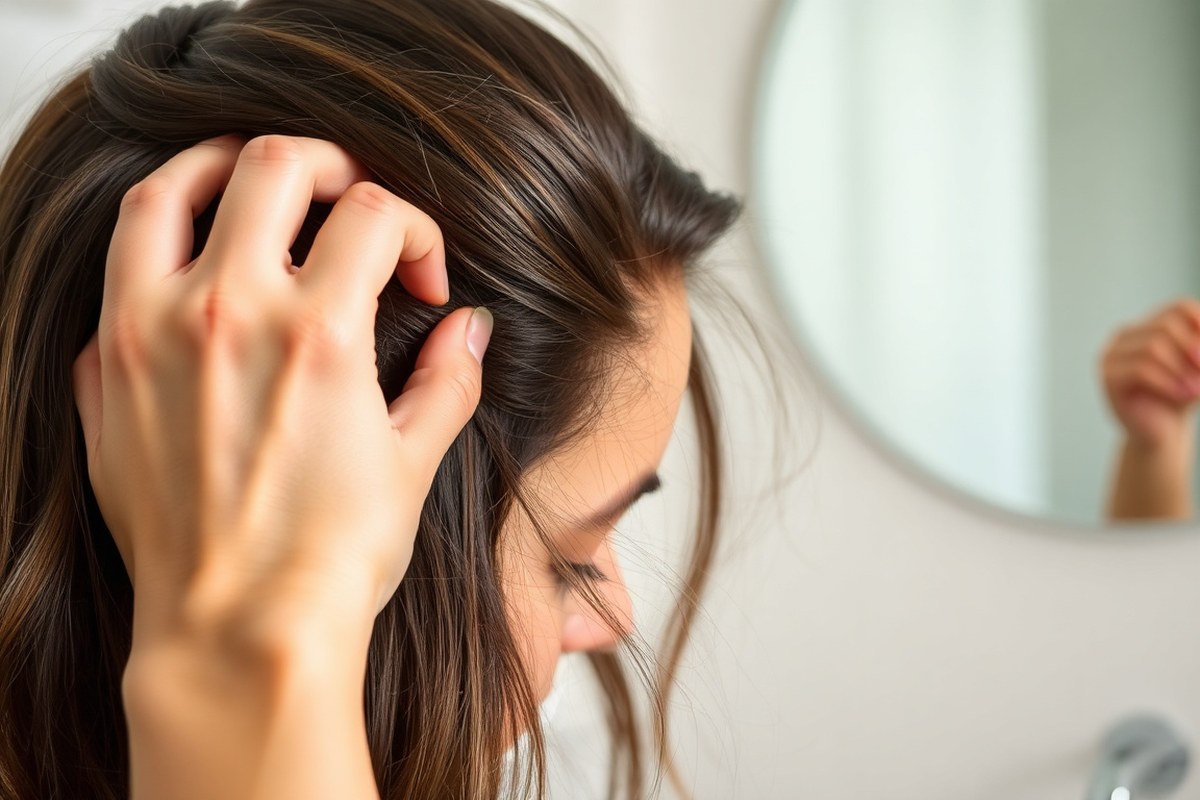
How to Use the Castor Oil for Hair: Simple Steps for Fast, Healthy Results
Wondering how to use the castor oil for hair? Warm a small amount of oil first. Massage it into your scalp for 3 to 5 minutes.
Use gentle circular motions to cover the whole scalp. This boosts blood flow and helps the oil soak in deeply.
Let the oil sit on your scalp for at least 30 minutes. For stronger effects, you can leave it on overnight. Make sure to rinse well to prevent residue.
Choose 100% pure, organic castor oil made specifically for cosmetic purposes. Mix it with lighter oils such as coconut or jojoba to make it easier to use. This blend helps spread the castor oil more evenly through your hair.
This makes it easier to apply. It also reduces sticky feeling on your hair.
Key Takeaways
- Always warm castor oil before applying it to improve absorption.
- Massage oil into your scalp for 3 to 5 minutes to boost effectiveness.
- Leave castor oil on your hair at least 30 minutes for better results.
- Overnight oil treatments offer deeper penetration and moisture boost.
- Use 100% pure organic castor oil meant for cosmetic use only.
- Mix with coconut or jojoba oil to thin thick castor oil consistency.
How to Use Castor Oil for Hair: Step-by-Step Guide
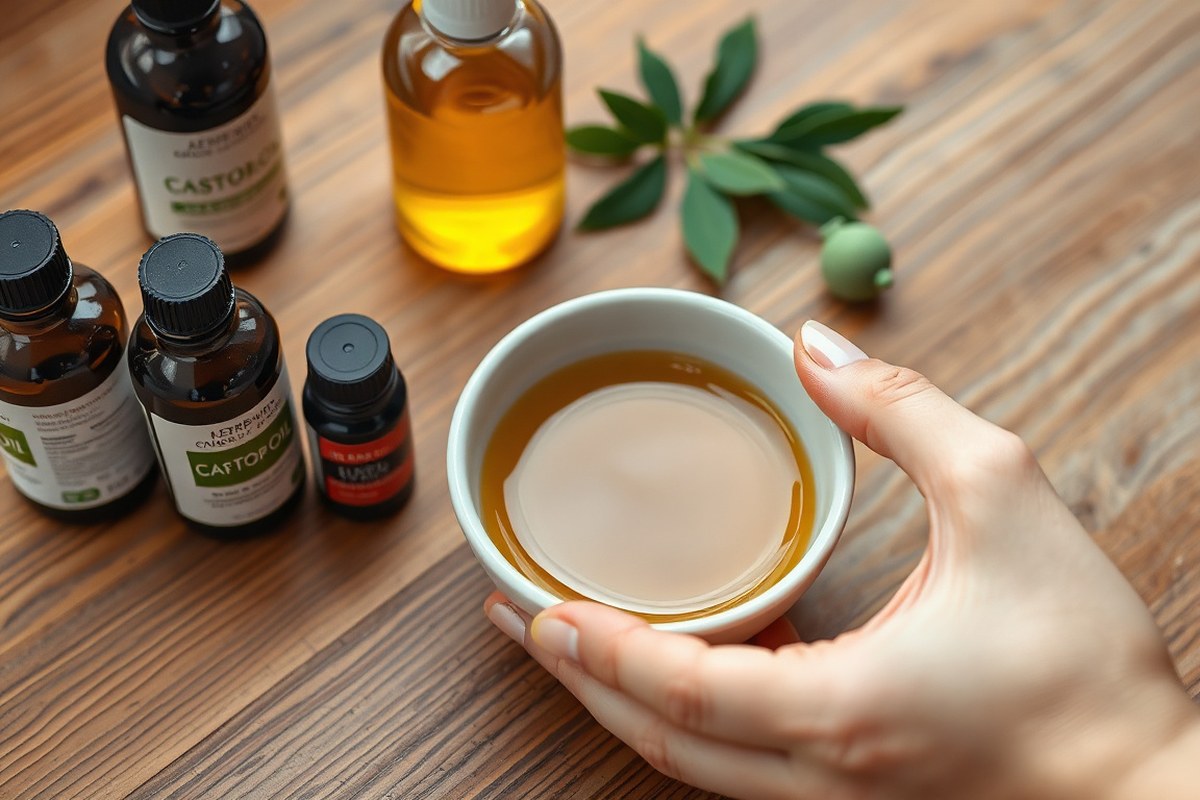
Castor oil has a thick texture. So many people choose to dilute it before applying.
Mixing it with a lighter carrier oil like coconut or olive oil helps spread it evenly. This also makes the oil easier to wash out and gentler on your scalp.
Applying castor oil with a gentle scalp massage can boost circulation and improve absorption. You want to rub the oil into your scalp first. Then spread it all through your hair, from roots to tips.
Make sure every strand gets some oil. Doing this on dry or slightly damp hair gives the best results.
Let the castor oil sit on your hair for at least 30 minutes. You may keep it on for 2 to 3 hours or sleep with it overnight. After that, wash it well to prevent greasy buildup.
- Mix 1 tablespoon of castor oil with 1 tablespoon of a lighter oil. Use coconut or olive oil to dilute. This balance helps the oil spread better and feels less heavy.
- Part your dry or damp hair into sections. This makes it easier to reach your scalp and hair evenly. Too much oil in one spot can look greasy later.
- Massage the oil blend gently into your scalp. Use circular motions with your fingertips for about 5 minutes. This helps boost blood flow and spreads the oil well.
- Work the remaining oil through your hair from roots to tips. Focus on ends if your hair is coarse or dry. Avoid applying castor oil to oily roots to prevent buildup.
- Put a shower cap or towel over your hair. This keeps warmth inside and helps the oil soak in better. Leave it for 30 minutes to 3 hours, or overnight for best results.
- Wash your hair thoroughly using shampoo. Because castor oil is thick, you may need to shampoo twice. Use warm water to help break down the oil.
- Condition your hair as usual after shampooing. This keeps hair soft and manageable. Avoid heavy conditioners on your scalp to prevent clogging pores.
Apply castor oil to your hair and leave it for 20 to 30 minutes for a fast treatment. For a more intense effect, leave it on overnight but protect your pillowcase from stains. If your hair feels greasy after washing, use a clarifying shampoo to remove extra oil.
Choosing the Best Type of Castor Oil for Hair Care

Different types of castor oil suit different hair needs. Cold-pressed, organic castor oil usually works best for general hair care. You should pick oil based on your hair type and preferences for purity and treatment style.
Cold-Pressed Castor Oil Characteristics
Cold-pressed castor oil is made by pressing castor beans without heat. This method keeps more nutrients like ricinoleic acid and vitamin E intact. These nutrients help moisturize and strengthen hair better than oils processed with heat.
It typically has a pale yellow color and a mild scent. This oil suits fine or light-colored hair well. It is light and won’t weigh your hair down.
2 | Try organic cold-pressed oil for sensitive skin or scalp. It’s safer to use.
Organic vs Non-Organic Castor Oil
Organic castor oil comes from beans grown without pesticides or chemicals. It tends to be purer, which many prefer for natural hair care. Choosing organic means fewer toxins on your scalp and hair.
Non-organic castor oil is usually cheaper but may contain residues from farming chemicals. If you have sensitive skin or scalp, organic cold-pressed oil is a safer option. The price difference can range from a few dollars per ounce.
Refined Castor Oil Pros and Cons
Refined castor oil is purified using heat and chemicals to remove color and smell. It looks clearer and smells neutral, which some people find more pleasant. This type is usually less sticky and easier to apply.
However, refining reduces natural nutrients that benefit your hair. It may not moisturize or strengthen as well as cold-pressed oil. Some refined oils contain additives, which can irritate sensitive scalps.
Select refined oil only when you prefer a lighter, less odorous product over raw nutrient content. It suits thick or coarse hair that can handle the milder effect. Here is a quick comparison of common castor oil types for hair:
| Oil Type | Best For | Characteristics |
|---|---|---|
| Regular Castor Oil | Fine or light-colored hair | Pale yellow, cold-pressed, filtered |
| Jamaican Black Castor Oil (JBCO) | Thick, curly, or coarse hair | Dark brown, contains ash, highly alkaline |
Always test a small scalp area before using a new castor oil type to avoid irritation.
How Castor Oil Benefits Hair Growth and Scalp Health
Castor oil contains ricinoleic acid, a fatty acid that moisturizes the scalp and hair. This nutrient helps prevent dryness and breakage by sealing in moisture.
It also has vitamin E. Some believe vitamin E can boost scalp blood flow. This may help support hair health.
One way castor oil might boost hair growth is by improving circulation. Dermatologist Rebecca Marcus says castor oil raises prostaglandin E2. This widens blood vessels.
It also helps scalp blood circulation. This better blood flow may help hair follicles get more nutrients to grow stronger, thicker strands.
Castor oil’s antimicrobial properties protect the scalp from bacteria and fungi. This benefit helps reduce scalp flaking and dandruff by keeping the skin clean and less irritated. Massage castor oil into your scalp often.
It can ease dryness. This creates a better place for hair to grow.
Besides protecting the scalp, castor oil strengthens the hair shaft. Castor oil works like a sealant. It keeps moisture inside your hair strands.
This lowers the risk of split ends or breakage. Mixing castor oil with coconut oil can help.
This combo boosts moisture. It also adds a soft shine to hair.
Applying castor oil properly matters. Use a small amount to massage your scalp gently, which takes about five minutes. This helps spreads the oil evenly and stimulates circulation.
Overusing castor oil could clog hair follicles or leave a greasy feeling. So stick to a thin layer once or twice a week for best results.
Mixing Castor Oil with Other Oils and Ingredients
Mixing castor oil with other oils makes it easier to use and boosts its effects. You dilute its thick texture, so it spreads smoothly on your scalp and hair. Adding essential oils brings extra nourishment and scent.
Recommended Carrier Oils to Dilute Castor Oil
Carrier oils thin out the dense castor oil, letting it absorb better. Coconut oil is a favorite for hair care due to its deep hydration. Jojoba oil mimics the scalp’s natural oils and balances moisture.
Olive oil pairs well, too, because it contains antioxidants that protect your scalp. Sunflower oil is another gentle choice if you prefer a light, non-greasy feel. Pick oils you aren’t allergic to and that match your hair’s needs.
Essential Oils Safe for Scalp and Hair
Rosemary oil is popular for hair growth as it stimulates blood flow to hair follicles. Peppermint oil cools the scalp and helps with circulation, aiding hair health. Lavender oil is soothing and antimicrobial, which can improve scalp condition.
Tea tree oil fights scalp dandruff but keep it low to avoid irritation. Always add just a few drops.
Essential oils are strong and can cause burns if overused. Choose oils known for scalp benefits and avoid those you’ve never tested before.
Proper Ratios for Mixing Castor Oil Blends
A good basic blend uses twice as much castor oil as carrier oil. For example, 2 tablespoons of castor oil mixed with 1 tablespoon of carrier oil. Then add about 3 to 5 drops of each essential oil to keep it safe.
Warming the oils makes them mix easier and helps your scalp absorb nutrients. Don’t heat the oils too much, warm to about body temperature is enough. Using the right ratio stops your hair from feeling greasy or weighed down.
Here’s how to mix and apply your castor oil blend safely and effectively:
- Measure 2 tablespoons of castor oil in a bowl.
- Add 1 tablespoon of your chosen carrier oil.
- Drop 3 to 5 drops of each essential oil (like rosemary or peppermint).
- Warm the mixture slightly by placing the bowl in warm water for 2 to 3 minutes.
- Stir well to blend oils evenly.
- Apply the warm oil to a damp scalp using your fingertips.
- Massage gently, focusing on thinning or problem areas.
- Work the remaining oil through hair lengths and ends for full hydration.
This method makes the castor oil easier to spread and improves how much your scalp absorbs. Avoid using too much; a small amount goes a long way. Try the blend once a week and adjust if your hair feels too heavy or oily.
Best Practices for Applying Castor Oil to Different Hair Types
Castor oil works for many hair types. How you use it depends on your scalp. Hair texture also matters for the best results.
For oily scalps, limit castor oil use to the ends of your hair only. Applying it directly on an oily scalp can increase greasiness and cause more buildup.
Dry scalps and brittle hair benefit most from castor oil. Apply a small amount, about a teaspoon, and gently massage it into your scalp. This helps soothe dryness and repair damaged strands.
Curly hair and straight hair both react well to castor oil but need different amounts. Curly hair usually requires more oil to lock in moisture. Straight hair needs less since excess oil can weigh it down quickly.
- For oily scalp: Apply castor oil on hair ends only, 1, 2 times weekly.
- For dry scalp: Massage a small amount into the scalp, up to 3 times weekly.
- Curly hair: Use a bit more oil, focusing from mid-length to ends.
- Straight hair: Use less oil, just a few drops, and avoid heavy scalp application.
- Leave oil on for 15, 30 minutes under a shower cap before washing.
- Mix castor oil with lighter oils, like coconut, to ease application.
Castor oil’s thickness means you need only a small amount. Use your fingertips to warm and spread it for better absorption. After massaging, cover your hair with a shower cap to trap heat and boost effects.
Be cautious with flaky or seborrhoeic scalp conditions; castor oil can worsen them.
Applying castor oil two to four times weekly can improve hair strength and scalp health gradually. Avoid overusing it, especially on fine hair, to prevent excessive buildup and greasy feeling. Experiment with how much and how often until you find your sweet spot.
How Long to Leave Castor Oil on Hair for Best Results
Keep castor oil on your hair for 30 minutes to condition it well. This quick time allows your hair to soak in vitamin E and fatty acids. It’s a good fast way to treat hair before shampooing.
For deeper conditioning, you can leave it on for one hour or longer. Cover your hair with a towel or shower cap to avoid staining pillows or clothes. This longer treatment helps soften hair and adds shine.
Overnight use of castor oil is popular for intense moisturizing. Wrap your hair well to protect bedding. Avoid this treatment if your hair is fine.
Castor oil is thick and can make hair look greasy. It might weigh your strands down too much.
Apply castor oil to your scalp once or twice every week. This helps your hair stay shiny and healthy over time. Regular use keeps your scalp nourished.
A weekly 20-minute treatment is a good habit for most hair types. More frequent use may cause buildup or oily hair.
Applying castor oil before shampooing can improve scalp health without a long wait. Rubbing a small amount into your scalp 20 minutes before washing keeps oils balanced. This routine prevents clogged pores and heavy residue.
Results from castor oil take time. Expect weeks or months to notice thicker hair or less breakage.
Patience is key because hair grows about half an inch a month. Oil changes happen gradually.
Your skin and scalp sensitivity matters. Stop using castor oil if your scalp itches or feels irritated. Wash your hair immediately to avoid further discomfort.
Don’t leave the oil on if you have a reaction. Always test castor oil on a small skin patch before full use.
How to Avoid Common Castor Oil Mistakes and Buildup
Using too much castor oil can cause your hair to feel oily and weighed down. This heavy feeling happens because pure castor oil is very thick and sticky. Applying it daily can cause buildup on your hair.
This buildup may lead to matting or hair felting. Hair felting means strands tangle and form hard lumps.
You should use castor oil no more than once a week as a 20-minute treatment. This helps keep your scalp healthy without risking greasy buildup. Also, never apply castor oil without diluting it.
Mix castor oil with lighter oils like jojoba or coconut. This blend spreads easier on hair and scalp. It also washes out more simply.
Washing out castor oil can be tricky since it’s thick and sticks to hair well. To completely remove it, use warm water and shampoo twice. The first wash breaks down the oil.
The second one cleans away any leftover residue. Avoid skipping the second shampoo, it helps prevent your hair from feeling heavy or greasy.
- Mix 1 part castor oil with 2 parts coconut or jojoba oil
- Apply to scalp and hair in sections, not too much at once
- Leave on for about 20 minutes before washing
- Shampoo twice with warm water to remove oil fully
- Use once a week to avoid buildup and oily feeling
- Skip daily use, especially if your hair gets oily quickly
People with oily hair should be careful, as castor oil may worsen greasiness. Also, avoid applying it to the roots excessively. Notice heavy or sticky hair after use?
Cut back on how much oil you apply. Or mix it with more lighter oil to dilute. Proper washing ensures no residue is left behind to attract dirt or cause scalp irritation.
Safety Tips and Patch Testing Before Using Castor Oil
Testing castor oil on your skin before using it on hair is key. You can spot allergies early and avoid irritation this way. This is especially true for sensitive scalps or during pregnancy.
Steps for a Proper Patch Test
Put a small drop of castor oil on a hidden skin spot like your inner forearm. Use your fingertips to gently rub the oil into your skin for 2 to 5 minutes. Wait at least 24 hours without washing the area to watch for any reaction.
Keep the area dry and avoid rubbing or covering it. To avoid irritation, dilute castor oil with a lighter oil first. This extra step helps if your skin tends to react to thick oils.
No change after 24 hours means castor oil is generally safe to use. Always test before applying on delicate areas like eyelashes or eyebrows.
Recognizing Allergic Reaction Symptoms
Signs of irritation include redness, swelling, itching, or burning at the test site. You might also notice skin dryness or scaling where the oil touched your skin. Some people experience allergic contact dermatitis from castor oil use.
Severe reactions like hives or blistering are rarer but need medical help. Stop using castor oil right away when irritation shows up. Rinse the area with gentle soap and cool water to flush out the oil.
Some may also notice eye or respiratory irritation if oil gets near the eyes or nose. Avoid touching your face during application. Wash your hands afterward to prevent spreading it.
Precautions for Special Populations
Pregnant individuals should check with a healthcare provider before using castor oil. While topical use is usually safe, some worry about untested effects on pregnancy. Better safe than sorry in these cases.
Sensitive scalps need extra care. So always dilute castor oil with a lighter oil like coconut or jojoba.
Keep the oil on your scalp no longer than 20-30 minutes to avoid irritation. Rinse well with mild shampoo afterward.
Consult a dermatologist if you have conditions like eczema or psoriasis before using castor oil. They can tell you if this oil suits your skin. Never apply castor oil to broken or inflamed skin.
Always do a patch test first, especially on sensitive skin or if pregnant. That way, you avoid surprise reactions before full application.
Step-by-Step Action Plan for Using Castor Oil on Your Hair
Follow this plan to get started with castor oil and see real changes.
- Before you start: Do a patch test on your skin to check for allergies. Skip if you feel any irritation within 24 hours.
- Day 1: Choose a cold-pressed, pure castor oil for best results. Apply a small amount to your scalp and hair ends.
- Week 1: Massage castor oil into your scalp twice a week. Leave it on for two hours each time. Notice if your scalp feels less dry or itchy.
- Week 2: Mix castor oil with a lighter oil like coconut or jojoba. Use the mix once a week as a hair mask for 3 hours.
- Week 3: Increase to 3 scalp massages per week, sticking to 2-3 hours of oil time. Your hair should start feeling softer and look shinier.
- Week 4: Use castor oil before bedtime, washing it out the next morning. Watch for less hair breakage and smoother strands.
- After 4 weeks: Assess improvements in hair thickness and scalp health. Adjust frequency if your scalp feels oily or heavy.
Frequently Asked Questions
Can I Use Castor Oil on Wet Hair or Dry Hair?
You can apply castor oil on both, but dry hair absorbs it better. This helps avoid buildup and makes the oil easier to spread without weighing hair down.
How Often Should I Use Castor Oil for Hair Growth?
Using castor oil once or twice a week is enough for most people. Overuse can cause buildup, so keep a balanced routine.
Does Castor Oil Help with Dandruff?
Yes, castor oil’s moisturizing and anti-inflammatory effects can help reduce dandruff. Massage it gently into your scalp for best results.
Can Castor Oil Cause Hair to Feel Greasy or Sticky?
Yes, castor oil is thick and can feel greasy if applied too much. Use a small amount and warm it before applying.
Is It Necessary to Rinse Castor Oil Out with Shampoo?
Yes, shampooing helps remove oil residue and prevents hair from feeling heavy. Use a gentle shampoo to avoid stripping natural oils.
Can Castor Oil Seal Split Ends or Prevent Hair Breakage?
Castor oil can help smooth and strengthen split ends temporarily. Regular use may improve overall hair strength but won’t fix splits permanently.
Key Points to Remember
Castor oil can improve your scalp and hair health when used right. Start slowly and watch how your hair reacts. Apply regularly to get the best benefits and stronger hair.