Will Purple Shampoo Tone Orange Hair? What Actually Works and How to Use It
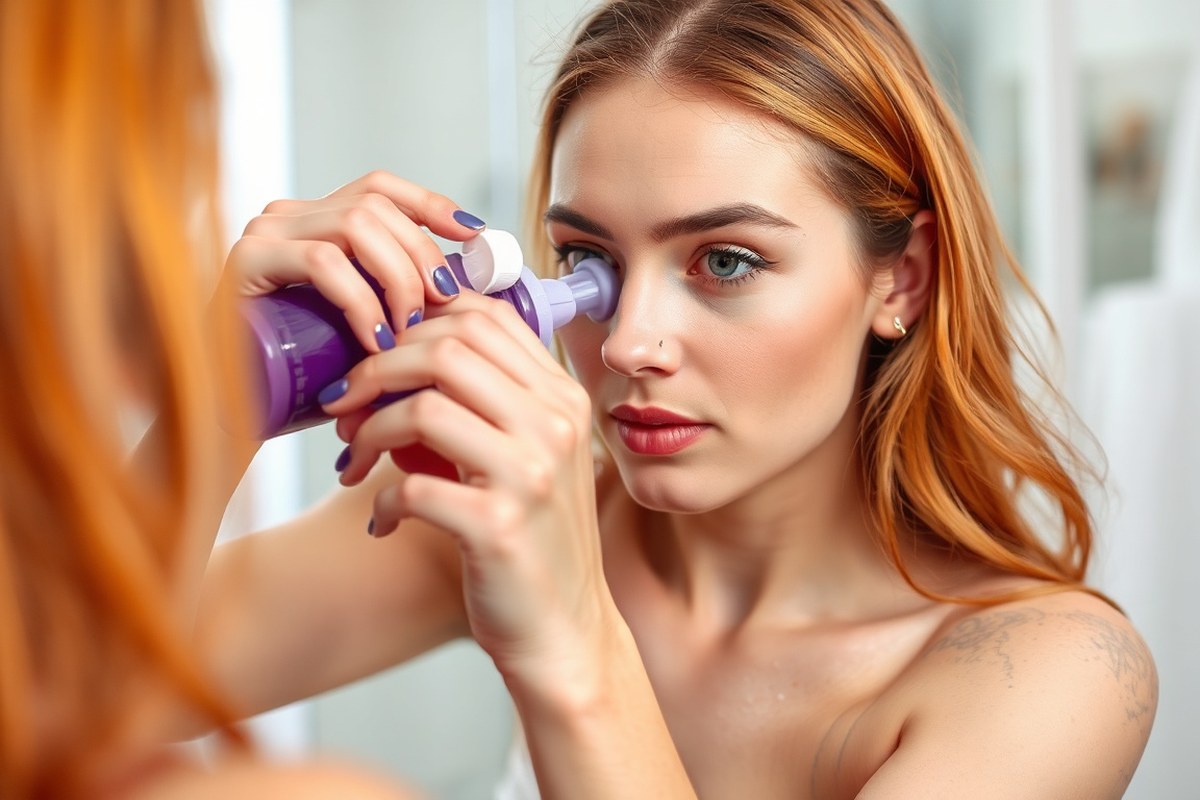
Will purple shampoo tone orange hair? The short answer is yes, but with limits. Purple shampoo adds violet pigment that cancels yellow tones.
Orange hair mixes red and yellow tones. It mostly softens the yellow parts. Red parts aren’t softened as well.
The shampoo works best on hair with subtle orange or brassy yellow undertones. Use it on wet hair, gently lather, and leave it for 3 to 5 minutes only. Leaving it on longer can darken your hair too much or create purple streaks.
Start with a strand test before applying purple shampoo all over. Do it at least 48 hours before your full wash to avoid surprises. Rinse with cool water to lock in the tone and keep the color balanced.
Key Takeaways
- Use purple shampoo on wet hair to tone orange or brassy shades.
- Leave purple shampoo in for 3 to 5 minutes maximum to avoid over-toning.
- Perform a strand test 48 hours before full application to check results.
- Count on purple shampoo mainly to neutralize yellow, not strong red-orange hues.
- Rinse purple shampoo out thoroughly with cool water to maintain tone.
- Apply purple shampoo evenly from roots to ends to prevent uneven color.
Can Purple Shampoo Tone Orange Hair Effectively?
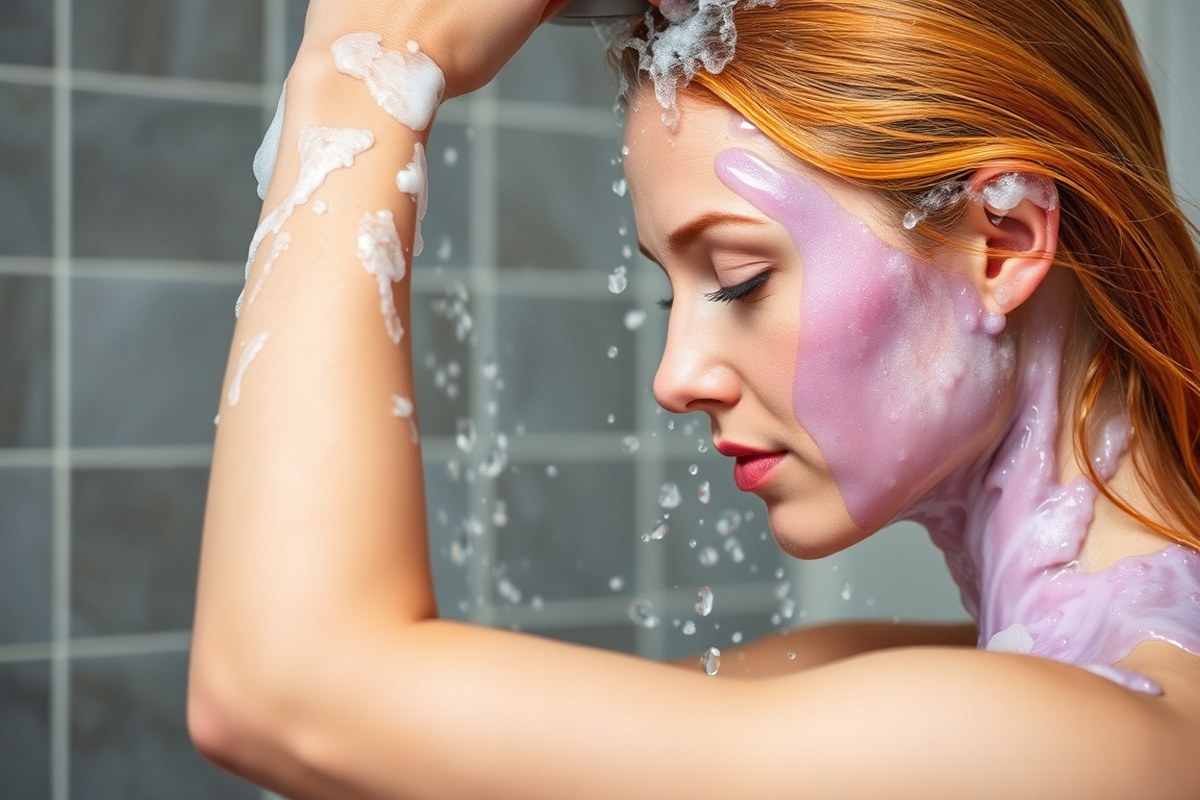
Purple shampoo can tone down orange hair. But it won’t fully fix very orange or bright tones. It works best on hair with mild brassy or pale orange shades.
The shampoo adds violet pigment to your hair. This cancels yellow and some orange shades. It works by neutralizing warm tones.
This product doesn’t lighten hair; it just shifts its tone. Purple shampoo helps cool down hair color, making it ashier and less warm. Your orange color comes from bleaching that left yellow-orange.
Purple shampoo may soften it. It won’t remove strong orange parts.
The color wheel explains why purple shampoo works for some orange tones but not all. Purple opposites yellow, so it neutralizes yellow and light orange well. However, deep orange has reddish undertones that purple shampoo can’t fully cover.
Use purple shampoo one to two times a week. It helps reduce brassiness over time. It softens orange hues gradually.
Rinsing hair with cool water after shampooing helps keep the color toned. It usually takes a few washes before you notice a change.
Your hair is very orange or strongly copper. Other toning treatments may be needed. Color corrections might also be necessary.
Purple shampoo can maintain toned hair but won’t replace a professional fix for strong orange. For maintenance, it’s affordable and easy, costing about $10 to $20 per bottle.
How Does Purple Shampoo Neutralize Orange and Brassy Tones?

Purple shampoo works by depositing violet pigments on your hair. These pigments cancel out orange tones because purple and orange are opposite on the color wheel. Violet and orange cancel each other out.
This makes hair less brassy. Your hair looks closer to a natural shade.
What Causes Orange Hair After Bleaching or Coloring?
Orange hair often appears after bleaching because your hair pigments don’t lift evenly. Darker pigments underneath can show through, especially red and orange tones. Coloring mistakes or skipping toner steps also leave unwanted warm hues.
The natural pigment levels in your hair affect how much orange shows after processing. Coarse or resistant hair can keep orange tones longer because it doesn’t lighten fully. Heat from coloring tools and water temperature during shampooing also affect how pigments behave.
How Purple Shampoo Targets Warm Orange Tones
Purple shampoo contains violet pigments that coat the hair shaft during washing. These pigments balance out warm yellow and orange pigments by canceling their color visually. This reduces brassiness and brings a cooler tone to your hair.
The violet is light enough to blend into your hair without staining permanently. Using purple shampoo adds tiny amounts of violet pigments. These keep your hair looking ashy and cool.
Use it regularly to maintain the tone. It works best on light orange or pale yellow-orange shades.
Color Science Behind Violet and Orange Pigments
The color wheel shows purple and orange sit opposite each other. This means their light waves cancel when combined, neutralizing color. Violet pigments in shampoo absorb orange light, so less orange reflects off your hair.
This explains why purple shampoo lightens orange hair visually but doesn’t bleach it. It simply shifts the visible light, making your hair tone cooler. That’s why purple shampoo won’t fix very dark or intense orange tones fully.
When Purple Shampoo Helps and When It Doesn’t
Purple shampoo works best on hair with light orange or brassy yellow tones. It gently softens these colors without harsh chemicals. Very dark or bright orange hair often needs stronger toners or color correction.
For maximum effect, leave purple shampoo on for 3-5 minutes, depending on your hair’s condition. Overuse can cause a slight purple tint, especially on lighter hair. Use only once or twice weekly to avoid color buildup.
Test purple shampoo on a small hair section first to avoid unwanted purple hues.
How to Use Purple Shampoo on Orange Hair for Best Results
Use purple shampoo on orange hair by wetting your hair well first. Apply the shampoo evenly to your hair. Leave it on for 3 to 5 minutes.
Then rinse with cool water. Finish by conditioning your hair to keep it soft and healthy.
Preparing and Wetting Your Hair
Start by thoroughly wetting your hair before applying purple shampoo. Wet hair helps the shampoo spread evenly, which boosts its toning power. Make sure water reaches all parts, from roots to the ends.
Use lukewarm water to prepare your hair. It opens the cuticles a bit and allows better shampoo absorption without causing damage or dryness.
Applying and Timing the Purple Shampoo
Apply the purple shampoo evenly on your wet hair to cover all areas with orange tones. Gently massage it in to build up a light lather. This helps the violet pigments deposit well on your hair.
Leave the shampoo on your hair for 3 to 5 minutes max. Leaving the shampoo on too long can cause a tint. You might see a gray or purple shade.
This happens more if your hair is porous. Shorter times still tone orange hair but to a milder effect.
Use a timer to track how long the shampoo stays in. You want consistent results without over-processing your hair.
Rinsing and Conditioning Properly
Rinse your hair thoroughly with cool or lukewarm water. Cool water helps close the cuticles and locks the tone in longer. Make sure no purple shampoo residue remains, as leftover dye can affect your hair color.
Follow with a purple conditioner or a moisturizing conditioner. Using a purple conditioner boosts toning while keeping your hair hydrated. Conditioning prevents dryness or brittleness that some toning shampoos can cause.
Try a deep conditioning mask once a week if your hair feels dry. It can help with damage. It improves softness and repairs bleaching damage, which can cause orange tones.
Frequency and Strand Testing Tips
Use purple shampoo 1 to 2 times a week to maintain a cooler, less orange tone. More frequent use risks purple or gray tones, especially on porous hair. Your hair’s condition and porosity affect how often you can use it.
Do a strand test before full application. Apply purple shampoo to a small hair section.
Leave it on for the time you planned. Rinse and check the color result to avoid unwanted purple or dark gray shades.
This test helps you adjust timing or frequency to match your hair’s reaction. It also prevents surprises on your whole head.
- Wet your hair thoroughly with lukewarm water.
- Apply purple shampoo evenly from roots to ends.
- Massage gently to create a light lather.
- Leave shampoo on for 3 to 5 minutes depending on your strand test.
- Rinse thoroughly with cool or lukewarm water to remove all shampoo.
- Apply a purple or moisturizing conditioner and leave it on as directed.
- Rinse conditioner out completely with cool water.
When Should You Use Blue Shampoo Instead of Purple?
Blue shampoo is usually better than purple for strong orange tones. Blue pigment cancels orange better because they are opposite on the color wheel. This means blue tones neutralize orange shades effectively.
Using blue works best to fix brassy tones. Purple shampoo works well on yellow or light orange hair tones.
It can be less reliable for deeper orange shades. Choose purple shampoo mainly for lighter brassiness.
For brunettes with mild orange tones, purple shampoo might bring some balance. The effect is often subtle and may not fully neutralize orange tones. Blue shampoo gives clearer results for medium to dark orange hues.
It’s great for brunette or darker blonde hair with orange tones. Using blue shampoo targets brassy tones better in these cases.
| Base Hair Color | General Effect of Purple Shampoo |
|---|---|
| Pale orange / Natural light brown | Subtle cooling, some neutralization |
| Medium orange / Golden brown | Moderate neutralization, risk of purple undertones |
| Dark orange | Poor neutralization, possible unwanted tones |
| Neutral medium brown | Minimal effect on orange tones |
Choosing between purple and blue shampoo depends on your hair’s orange tone and base color. Use purple shampoo for mild, yellowish orange shades, mostly on blonde to light brown hair. Switch to blue shampoo if your hair has medium to dark orange tones.
It’s also good for brunette hair with orange brassy shades. Blue shampoo helps neutralize those deeper orange colors.
Apply the shampoo once or twice a week or as needed. Leave it on for 3 to 5 minutes to see the best toning results. Avoid leaving purple shampoo on orange hair too long to prevent purple or blue tinting.
Common Mistakes People Make Using Purple Shampoo on Orange Hair
Purple shampoo can tone orange hair. But people often make mistakes that ruin the results. Leaving purple shampoo on too long dries your hair out.
Applying it unevenly causes patchy colors. Using it too often leads to over-toning. Fixing these errors means knowing the right timing, application, and frequency to use.
Leaving Purple Shampoo on Hair Too Long
Leaving purple shampoo on longer than 5 minutes can over-tone your hair. This may turn your hair a grayish or purple tint instead of softening orange. Keep a timer when you apply it.
For light toning, 3 to 5 minutes is enough. Your hair is very orange.
Start with 3 minutes. Use more time later only if needed.
Uneven Application Creates Patchy Results
Applying purple shampoo unevenly causes some spots to tone more than others. This shows as blotchy or streaky hair color. Use your fingers or a comb to spread shampoo evenly from roots to ends.
Work the purple shampoo through your hair in sections. This helps the pigment coat your hair strands consistently and prevents splotchy patches.
Using Purple Shampoo Too Often Dries Hair
Purple shampoos have color pigments that can dry out your hair and scalp if used daily. Most recommend once or twice a week. Overuse strips your hair’s natural oils and causes brittleness.
Mix purple shampoo with your regular shampoo to dilute pigment strength. This reduces dryness and keeps your hair healthier during toning.
Simple Fixes for These Common Purple Shampoo Mistakes
Here’s a quick checklist to avoid typical toning errors:
- Set a timer and rinse after 3-5 minutes
- Apply shampoo in small sections for even coverage
- Use purple shampoo 1-2 times weekly, not daily
- Mix with regular shampoo to lessen pigment strength
- Apply conditioner after shampoo to restore moisture
- Avoid heat styling on toning days to reduce damage
Following these tips helps prevent dryness, uneven tone, and unwanted purple hues. It also keeps your hair healthier while fixing orange brassiness.
What to Do If Your Hair Gets Over-Toned
Your hair turns too purple or dull gray. Don’t panic about it.
Wash it a few times with a mild clarifying shampoo to strip excess pigment gently. Condition well afterward to repair moisture.
Mix your regular shampoo with water to dilute the purple pigment. Then shampoo normally.
This helps fade excess purple tone. This helps remove the over-deposited toner without harsh damage.
Do not leave purple shampoo on longer than 5 minutes. Use it no more than twice a week. This prevents dryness and unwanted tones.
How to Identify Your Hair’s Orange or Yellow Undertones
Look closely at your hair color under natural light. You see mostly warm gold and pale yellow tones if your hair looks yellow.
True orange or brassy tones show richer reds and deeper, coppery hues. This difference matters because purple shampoo works best on yellow tones, not strong orange ones.
Check your hair’s shine and feel too. Hair that feels dry or rough with bright orange tones may need more than purple shampoo.
These signs show your color may need a pro fix. A simple toning rinse might not work.
- View hair in sunlight or bright indoor light for true color
- Note if the orange looks soft and pale or deep and rusty
- Touch your hair for dryness or brittleness
- Try a small amount of purple shampoo on a hidden section
- Observe if the yellow softens or the orange barely changes
- Consider a professional if orange feels harsh or overly bright
- Remember that hair that’s been bleached or colored often shows more brassiness
Start by washing a small section with purple shampoo. Brassiness shifting to a cooler tone means purple shampoo can help all over your head. That orange looking stubborn or brighter calls for blue shampoo or a stylist’s fix.
Pro color fixing costs about $100 to $300. It often includes tone correction and hair treatments. Avoid overusing purple shampoo on deeply orange hair.
Wrong dye or toner can dry your hair. It may also cause uneven color changes.
Alternative Methods and Products for Fixing Orange Hair
Blue shampoo works better on strong orange tones than purple shampoo does. It cancels out copper and bright orange shades more effectively.
Your hair is very brassy or vivid orange. Blue shampoo helps balance the color without dulling it.
Glosses and toners are good options if shampoos aren’t enough. Glosses add shine and subtle color shifts to your hair, making orange tones less obvious.
You usually apply them on damp hair and leave them on for 10 to 20 minutes. They cost around $15 to $30 for at-home kits and last about 4 to 6 weeks.
Professional toners neutralize orange tones much faster and with better control. Stylists choose toners with blue or violet pigments based on your hair’s undertone.
These treatments cost about $30 to $80 at a salon, depending on where you live. Toners tend to last longer than shampoos or glosses, often up to 8 weeks.
The orange tone is mild. Natural rinses like apple cider vinegar gradually reduce brassiness. The vinegar’s acidity helps close the hair cuticle and remove residue.
Use a diluted rinse once a week, mix one part vinegar with four parts water. It can’t fully fix strong orange tones but helps maintain a balanced shade afterward.
Purple shampoo works best when orange tones are light or just starting to show. It adds violet pigments that cancel out yellow and soft orange hues. Purple shampoo might not be strong enough for vivid orange hair.
It can leave a dull tint if overused. This may cause your hair to look muddy.
Pick your method based on how orange your hair looks. Also, think about how much time you want to spend. Blue shampoo suits those dealing with brighter orange shades and works alongside purple shampoo routines.
Glosses and professional toners take more time and cost more money. They work better on tough orange tones.
Tips for Maintaining Balanced Hair Tone After Toning Orange Hair
Keep your hair tone balanced by using pigmented purple shampoo regularly. Aim for one to two uses per week to prevent orange brassiness from returning. Adjust the frequency depending on how quickly your hair fades or changes tone.
Choose purple shampoo suited for your hair type and porosity to avoid dryness. Your hair needs gentle care if it’s porous or damaged.
Choose a moisturizing formula with soft ingredients. This protects your hair while toning, as damaged strands absorb color unevenly and look patchy.
Adding purple conditioner or a toning mask can help maintain your hair’s cool tones longer. Use these products once or twice weekly. Pair them with purple shampoo.
This keeps your hair vibrant and healthy. Avoid overusing toners, as too much pigment can leave a purple cast.
Sun exposure and heat styling can cause orange tones to come back faster. Protect your hair by wearing a hat outside or using heat protectants before blow-drying or flat-ironing. Regular deep conditioning treatments also help keep your hair strong and shiny.
For intense orange hair, you might need repeated purple shampoo treatments or stronger toners. Wait 48 hours between treatments to avoid over-drying your hair.
Stop using the product if irritation or sensitivity happens. Talk to a licensed stylist next.
Apply purple shampoo on damp, washed hair only. Leave it on for 3 to 5 minutes. Rinse well to prevent brassiness or dryness.
Step-by-Step Action Plan for Toning Orange Hair with Purple Shampoo
Follow these steps to safely tone your orange hair with purple shampoo. Check your hair’s tone after each step to see the change.
- Before you start: Choose a purple shampoo designed for your hair type. Avoid formulas with harsh sulfates.
- Day 1: Wash your hair with the purple shampoo, leaving it on for 3 minutes. Rinse well and check for dullness or less orange glow.
- Week 1: Use purple shampoo twice a week. Note if the orange tones fade gradually without drying out your hair.
- After 2 weeks: Assess your hair color. Orange still shows? Add blue shampoo once a week for brassiness.
- Week 3: Adjust usage based on results. Hair feels dry? Shampoo less or deep condition more often.
- After 4 weeks: Maintain balance with a neutralizing conditioner or toner recommended for your hair color.
- Ongoing: Avoid heat styling and chlorine exposure to keep orange tones from returning quickly.
Frequently Asked Questions
Will Purple Shampoo Work on Orange Hair That Has Red Tones?
Purple shampoo won’t work well on orange hair with red tones. It mainly cancels yellow tones, so the red will stay.
Can Purple Shampoo Lighten Orange Hair?
Purple shampoo doesn’t lighten hair; it only tones down brassiness. For lightening, you need bleach or a high-lift dye.
How Often Should You Use Purple Shampoo on Orange Hair?
Use purple shampoo only once or twice weekly to prevent over-toning your hair. Overuse may dull your hair or give it an unwanted purple tint.
Does Purple Shampoo Cause Damage to Orange Hair?
Purple shampoo is generally safe and not damaging. However, avoid leaving it on too long to prevent dryness.
Can I Mix Purple Shampoo with Conditioner to Tone Orange Hair?
Mixing purple shampoo with conditioner can make toning gentler. It helps if your hair is very dry or sensitive.
What Should You Avoid After Using Purple Shampoo on Orange Hair?
Avoid heat styling right after toning because your hair is more fragile. Use a heat protectant if needed.
The Bottom Line
Purple shampoo can help fade orange tones but may need extra care and blue shampoo use. Start slowly and watch your hair’s response. Try the steps today and adjust based on how your hair looks and feels.