How to Apply Mousse Correctly for Volume, Hold, and Style That Lasts
Knowing how to apply mousse can make your hair look full and styled all day. Start by putting it on damp hair that’s about 80% dry. This lets the mousse spread evenly without getting watered down.
Use the right amount depending on your hair’s thickness and length. Spread the mousse from roots to ends for a consistent hold that adds volume and texture. Avoid applying too much because it can weigh your hair down and make it sticky.
Applying mousse before using heat tools or rollers helps shape your hair. It locks in the style and adds a natural bounce. This makes your hairstyle last longer.
Make sure your hair is dry before using hot rollers. But you can keep it damp before foam rollers for extra hold. These small steps help your style last longer and look better.
===
Key Takeaways
- Apply mousse to hair that is about 80% dry for best distribution.
- Use a small amount, adjusting by hair thickness and length.
- Spread mousse evenly from roots to ends.
- Avoid excess mousse to prevent weighing hair down or stickiness.
- Apply mousse before heat styling tools once hair is dry.
- For extra hold, apply mousse before foam rollers on damp hair.
How to Apply Mousse Step by Step for Best Results

Start with clean, towel-dried hair that’s damp but not soaking wet. Your hair should feel about 80% dry. This moisture level lets mousse spread evenly.
It won’t get diluted. You won’t have spots that are too wet or too dry.
Measure out a golf ball-sized amount of mousse to avoid using too much. You can always add a little more if needed.
But starting with too much often leads to crunchy, stiff hair. How you spread it makes a difference, too.
Distribution matters most. Apply mousse in sections, especially if you have thick or coarse hair.
Use your fingers to rake through, then scrunch or smooth depending on your hairstyle. For waves or curls, scrunch upwards to encourage shape and volume.
- Wash and condition your hair as usual, then towel-dry it until damp.
- Pour a golf ball-sized amount of mousse into your palm.
- Flip your hair upside down if you want extra volume or are styling waves.
- Work the mousse through your hair using your fingers, starting from the roots.
- Divide hair into sections if thick or coarse, and apply mousse evenly to each.
- For curls or waves, scrunch the mousse upward toward your scalp to form shape.
- Let your hair air-dry or diffuse on a low setting before touching.
Which Hair Types Benefit Most from Mousse and How to Adjust
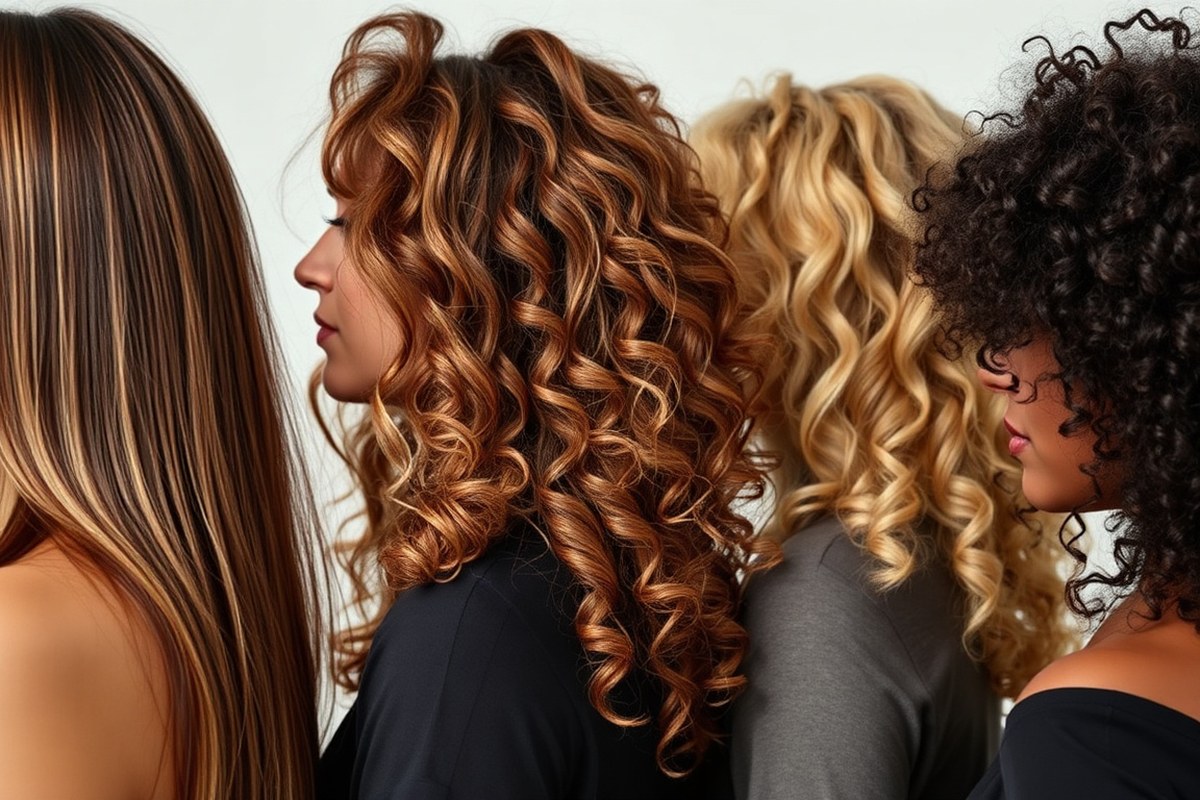
Mousse works differently depending on your hair type and thickness. You’ll use less for fine hair and more for thick or coily locks. Adjust your application method to match your hair’s texture for the best hold and definition.
Mousse Amount by Hair Texture and Density
The right amount of mousse depends on your hair pattern and how thick your strands are. Using too much can make fine hair look greasy. Too little won’t shape thick hair effectively.
Here’s a guide for how many pumps of mousse to use. Use the amount based on your hair type and density.
| Hair Pattern | Fine | Medium | Thick |
|---|---|---|---|
| Straight | 2 pumps | 3 pumps | 4 pumps |
| Wavy | 2, 3 pumps | 3 pumps | 3, 4 pumps |
| Curly | 3 pumps | 4 pumps | 5, 6 pumps |
| Coily | 4, 5 pumps | 5 pumps | 5, 6 pumps |
This chart helps you avoid overuse or underuse based on your hair’s characteristics. It’s a simple way to get consistent styling results every time.
Application Techniques for Straight and Fine Hair
For fine, straight hair, focus mousse at the roots to lift and add volume. Don’t overload your strands; this can weigh hair down and make it look flat. Use about 2 pumps for fine hair and work mousse evenly through the scalp area.
Distribute the mousse with your fingers rather than a comb to avoid flattening out natural texture. Blow-dry with your head upside down for extra root lift without applying heavy product all over.
Lightweight mousse applied sparingly avoids greasy buildup in fine hair.
Scrunching and Sectioning for Curly and Coily Hair
Curly and coily hair benefits from mousse that defines curls and controls frizz. Use your fingers or a wide-tooth comb to section hair and apply mousse evenly. Scrunch your hair from ends towards roots to encourage curl shape and bounce.
Use 4 pumps or more depending on thickness. Apply mousse when hair is damp.
Don’t forget to gently squeeze excess water before application for better absorption. Let your curls air dry or diffuse for softer, defined locks.
Scrunch mousse in sections to avoid clumps and encourage uniform curl definition.
Adjustments for Wavy Hair Styles
With wavy hair, the mousse amount varies by thickness and your styling goal. For thick wavy hair without too much volume, comb mousse through downward rather than scrunching up. This keeps waves shaped without extra bulk at the roots.
To get more bounce and volume in wavy hair, scrunch mousse gently upward. Do this from the ends toward the roots.
Use 2 to 4 pumps depending on your hair’s density. Dry hair by flipping it upside down for extra lift at the roots.
Comb mousse downward on thick waves to control volume without weighing hair down.
Why Applying Mousse on Damp Hair Works Best
Your hair should be about 80% dry before applying mousse. Damp hair means it’s dry enough to hold the product. It’s still moist enough to spread it evenly.
Your hair should not be soaking wet. Mousse will slide off if so.
Applying mousse on wet hair dilutes the formula because of too much water. This makes it harder to style and can lead to uneven patches. A lot of mousse will be wasted.
It just runs down your hair. It won’t stick to strands.
On the other hand, mousse on dry hair tends to clump and create stiffness or crunchiness. Since dry hair lacks moisture, the mousse foam doesn’t spread well. This often leaves clumpy spots and a heavy, unnatural feel instead of soft volume.
The best way is to towel-dry after washing your hair. This removes extra water. Press gently to remove excess water without rubbing too hard.
Your hair should feel damp to the touch. It should not be wet or dry.
This lets mousse stick to strands better. It also creates a smooth layer.
The film-forming polymers in mousse need some moisture to bind well, which builds volume and hold. When done right, your hair feels fuller and looks natural, not stiff or greasy.
You can do small touch-ups on dry hair. Only use mousse to fix flat spots. For the full styling effect, start with damp hair.
Keep in mind that different hair types may change how much mousse you need. Curly or thick hair might need more product. But always avoid applying on wet or totally dry hair.
How Mousse Creates Volume, Hold, and Texture in Hair
Hair mousse contains lightweight polymers and conditioning agents that cling to your hair strands. These ingredients wrap around each strand, which lifts hair at the roots. That lift creates volume without weighing hair down like heavier creams or gels.
The formula also includes air-whipping agents that give mousse its foam texture. When you spread mousse through damp hair, the foam expands and separates the strands. This separation helps create texture and body, making hair look fuller and bouncier.
Mousse provides a flexible hold by coating strands rather than stiffening them. Gels dry hard and can make hair feel stiff like cardboard. Mousse keeps your hair soft and allows natural movement.
It doesn’t make hair feel crunchy or stiff. This hold supports your style over several hours but keeps your hair soft and touchable.
Heat-protective ingredients in many mousses guard hair during blow-drying. These work by forming a light shield around each strand, reducing heat damage. Applying mousse evenly on damp hair helps deliver this protection while improving shape and volume.
The amount you use affects the hold and texture. For fine hair, a small golf-ball size is enough to avoid weighing hair down. Thicker hair needs more mousse for volume and hold.
Apply mousse mainly at the roots and mid-lengths. This gives the best lift and holds the style well.
Applying mousse evenly ensures the polymers coat strands uniformly, boosting style longevity. Using too much can cause clumping or a sticky feel, which reduces the airy look. Rub mousse between your hands before applying.
Then scrunch your hair or lift it at the roots. This spreads the product evenly for better volume.
Common Mistakes When Applying Mousse and How to Fix Them
Using too much mousse can make your hair feel sticky and weigh it down. It may also leave a crunchy texture that looks unnatural. Use the right amount based on your hair length.
For short hair, use half a golf ball size. Use one golf ball size for medium hair and two for long hair.
Applying mousse on soaking wet hair stops it from absorbing properly. This can cause clumping and reduce volume. Pat your hair gently with a towel until damp but not dripping before you apply mousse.
Mousse can clump or feel crunchy when applied unevenly or on dry hair. Dry hair doesn’t hold mousse well, making strands stiff and hard to restyle. First, put mousse on your palms.
Spread it evenly through damp hair. Start applying from the roots.
- Don’t overdose, start with small mousse amounts and add if needed.
- Use a microfiber towel to remove excess water before application.
- Work in sections for thick or long hair to avoid clumps.
- Distribute mousse evenly from roots to ends with your fingers.
- Avoid applying mousse directly to dry hair to prevent crunchiness.
- Choose mousse suited for your hair type to avoid dryness or heaviness.
Too much mousse can make your hair dry. It often has alcohol that causes dryness. Use less mousse to avoid this problem.
For long or thick hair, apply mousse gradually in sections. Rub mousse between your hands before touching hair to break up clumps. Starting at the roots helps build volume without sticky patches.
Control mousse amount, moisture, and how you apply it. This helps create a natural look.
It also gives your hair soft hold. Avoid crunchy texture and clumping to keep your style fresh throughout the day.
Choosing the Right Mousse for Your Hair and Styling Goals
Choosing the right mousse depends on your hair type and what you want to achieve. Mousses differ by hold strength, finish, and special features like heat protection or moisturizers. Picking one that fits your style helps you get good lift.
It also boosts curl or makes your hair easier to manage. All without weighing your hair down.
Mousse Types by Hair Goal
Different mousses serve specific styling purposes. Some focus on volume, others improve curls or protect hair from heat damage. Selecting based on your aim ensures better results.
| Hair Goal | Mousse Type | Hold Strength | Main Benefit |
|---|---|---|---|
| Volume Boost | Lightweight Volumizing Mousse | Medium | Adds lift without weight |
| Curl Definition | Curl improving Mousse | Flexible | Shapes curls with natural bounce |
| Heat Styling | Heat Protection Mousse | Variable | Protects hair from damage when blow-drying |
| Strong Hold | Firm Hold Mousse | Strong | Locks style in place, ideal for thick hair |
| Texture & Volume | Texturizing Mousse | Medium to Strong | Adds grit and lift, good for styling control |
Look for mousses labeled for your specific goal. You’ll see stronger holds for thick hair, while fine hair benefits from lighter formulas.
Key Ingredients to Look For
Mousses with flexible polymers create hold but keep hair touchable. These polymers expand when heated, boosting volume and shape. Conditioning agents and natural oils soften hair and reduce frizz.
Panthenol is common in mousses for moisture and shine. Heat protection ingredients reduce damage during blow-drying or styling above 300°F. Choosing mousse with these ingredients protects hair’s health while styling.
How to Pick Based on Hair Sensitivity or Condition
Dry or damaged hair needs mousses rich in moisturizers and plant oils like argan or jojoba. These ingredients help hair stay hydrated and soft after styling. Avoid strong hold mousses that might dry out fragile hair further.
Color-treated hair benefits from UV filters and moisture-rich formulas. These protect your color from fading and prevent dryness. Check labels for these features before buying mousse if your hair is delicate or chemically treated.
Tips for Styling Hair After Mousse Application
After applying mousse, you can air dry your hair. Or, use a blow dryer to set your style. Both options work well for different looks.
Heat tools like curling irons or flat irons work well too. But they need proper protection. Adding the right finishing product helps keep your look neat without weighing hair down.
Air Drying vs. Blow Drying Tips
Air drying is gentle on your hair. It keeps your hair healthy and strong.
This is best for fine or damaged hair. Letting your mousse-set hair dry naturally keeps the volume and curl shape without extra heat stress.
Blow drying speeds up styling and adds more lift. Use a diffuser attachment to spread heat evenly and protect curls from frizz. For volume, dry hair upside down for better lift at the roots.
Using Heat Tools Safely with Mousse
Mousse acts as a mild heat protectant but doesn’t replace dedicated heat protectant sprays. Apply your mousse on damp hair, then dry before using hot tools. Never use flat irons or curling irons on soaking wet hair, it can cause damage.
Set your curling or flat iron between 300°F and 350°F for average hair. Fine or damaged hair needs lower temperatures closer to 300°F. Work in small sections to avoid repeated heat on one area.
Adding Finishing Products for Extra Hold or Shine
Once your hair is dry, style it with heat tools. Then use light hairspray or shine mist.
This locks in your look and adds shine. Choose products labeled lightweight to avoid weighing down the volume mousse created.
You can also use a small amount of serum or oil on the ends for smoothness. Avoid heavy cream products after mousse to prevent buildup or limp hair. Finish with a quick spritz of a long-lasting hold hairspray if you want extra staying power.
Follow these steps for styling after mousse:
- Air dry or use blow dryer with diffuser to set basic volume.
- Blow dry your hair while keeping it upside down. This helps lift the hair at the roots. It adds volume and fullness.
- Once dry, section hair for heat styling.
- Set flat or curling iron to 300-350°F, lower for fine hair.
- Style with heat tools carefully, avoid wet hair.
- Apply light finishing spray or shine mist for hold and glow.
- Use a drop of serum on ends if needed for smoothness.
How to Layer Mousse with Other Hair Products Safely
Start your routine with a lightweight leave-in conditioner if your hair feels dry. Apply just a small amount to damp hair to avoid weighing it down. After that, work mousse through your hair for volume and hold.
Apply mousse evenly, focusing on roots for lift and ends for texture. Once the mousse sets, you can add hair serum or oil to the tips for shine. Avoid applying oil or serum before mousse; that can make your hair look greasy.
Hairspray should go on last to lock your style without interfering with mousse benefits. Sprays help hold texture and volume created by mousse, but too much causes buildup. Use a light mist, especially if you already layered serum or oil.
- Use light leave-in conditioner before mousse on damp hair for moisture.
- Apply a golf-ball size of mousse evenly, focusing on roots and mid-lengths.
- Add a pea-sized drop of serum or hair oil to ends after mousse dries.
- Finish with a light mist of hairspray to hold style.
- Skip oil or serum before mousse to prevent greasiness.
- Limit the number of products to avoid buildup and scalp issues.
Buildup happens when you apply heavy products in the wrong order or use too much. Let mousse dry completely before touching your hair or adding anything. That helps keep your style fresh without weighing it down or making it look oily.
Too much product or applying on soaking wet hair can cause buildup and greasy look.
Step-by-Step Action Plan for Perfect Mousse Application
Follow these easy steps to get volume, hold, and texture with mousse. Check each step to confirm your hair responds well.
- Before styling: Use freshly washed hair that is damp, not soaking wet.
- Right before application: Shake the mousse can well for even product distribution. You’ll hear the sound change when it’s ready.
- Apply mousse: Dispense a golf ball size in your palm. Rub hands together and evenly work product from roots to tips.
- Distribute and comb: Use a wide-tooth comb to spread mousse. Hair feels light and no lumps appear when done correctly.
- Begin drying: Blow-dry using a diffuser or your fingers to lift roots. You’ll notice more volume and texture as you dry.
- Style and set: Shape hair with fingers or a brush while drying. Hair should feel flexible but hold its shape when cool.
- After drying: Add finishing products like hairspray if needed for extra hold. Avoid reapplying mousse to prevent stiffness.
Frequently Asked Questions
Can You Apply Mousse to Dry Hair?
Applying mousse to dry hair isn’t recommended. It won’t spread evenly and may leave your hair sticky or clumpy. Always use mousse on damp hair for smoother, better results and easier styling.
How Much Mousse Should You Use for Thick Hair?
Use a golf-ball-sized amount for thick hair, starting with less. Apply gradually and work in sections if needed. This helps avoid heavy buildup while giving your hair volume and hold.
Can You Use Mousse on Curly Hair for Definition?
Yes, mousse works well to define curls on damp hair. Apply it by scrunching your curls upward.
This helps improve their shape. It also reduces frizz without weighing hair down.
Is It Okay to Use Mousse Every Day?
You can use mousse daily but avoid heavy application. Overuse may cause buildup and dryness. Wash your hair regularly to keep it clean and healthy.
Should You Comb Mousse Through Your Hair?
It depends on your hair type and style. For straight styles, comb gently after applying mousse to distribute it evenly. For curls, scrunch instead to keep the natural texture.
Can Mousse Replace Hairspray?
Mousse adds volume and light hold but is not the same as hairspray. Use hairspray for strong hold or lasting styles after mousse application.
The Bottom Line
Mousse adds volume, hold, and texture when applied the right way. Use it on damp hair with controlled amounts for best results. Try this plan next time you style to see how much difference mousse can make.